


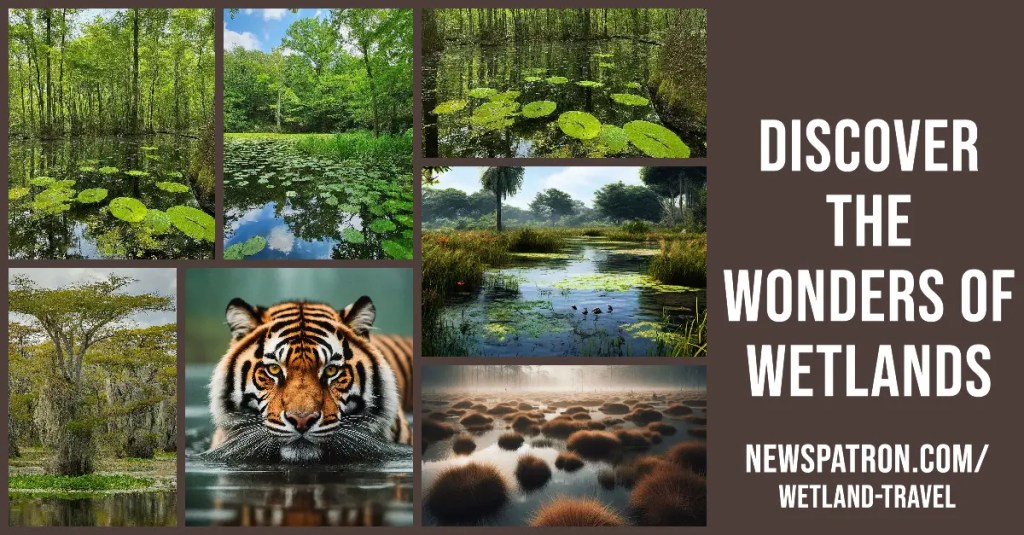

wetlandtravel #ecotourism #wildlifetourism #naturetravel #adventuretravel #indiawetlands #keralabackwaters #sundarbans #chilikalake #ramsarsites #okavangodelta #danubedelta #everglades
?? Wetland Wanderlust: Unveiling India’s Watery Wonders (and Beyond!) ??
Hey there, fellow adventurers! Ever heard of a place where water meets land, creating a symphony of life that’s as chill as a Netflix binge but way more lit? Well, that’s a wetland for ya! ?
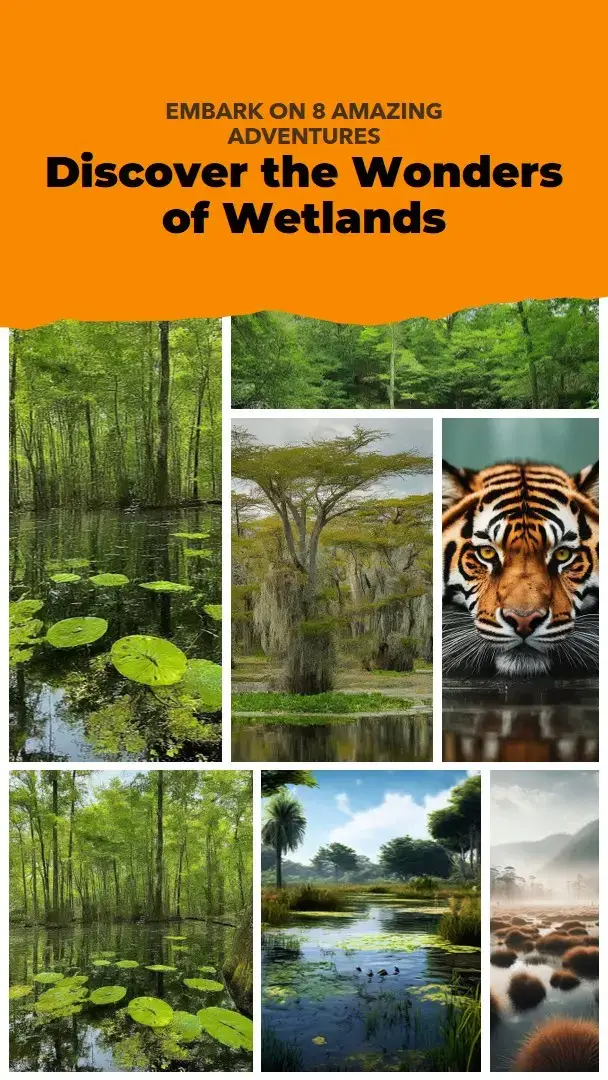
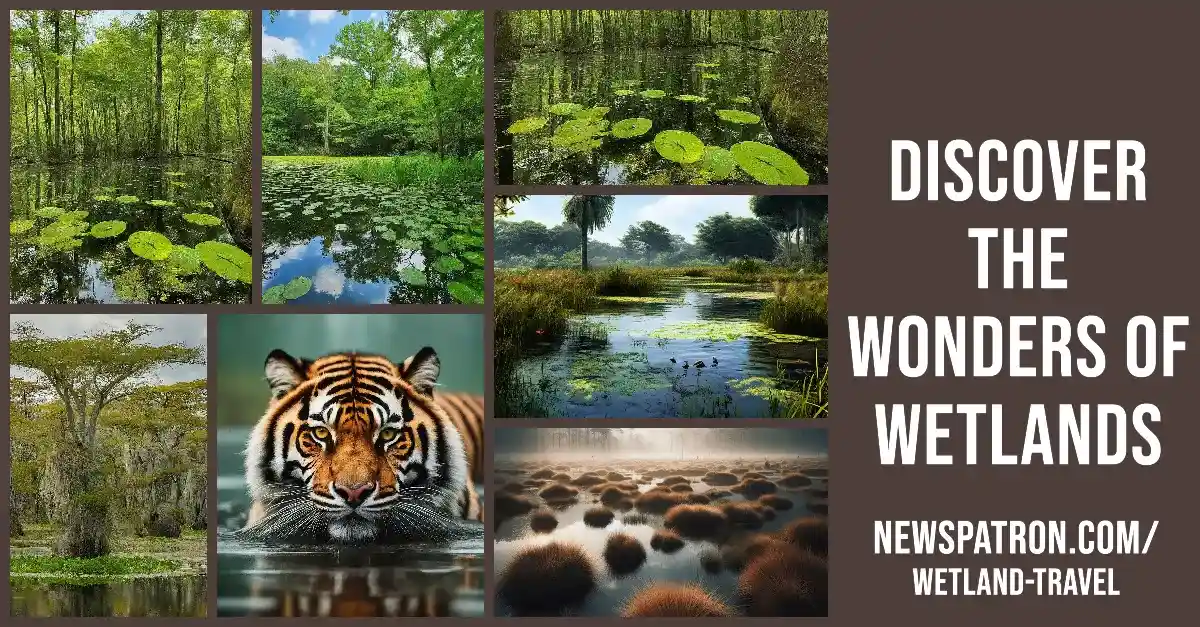
Wetlands are like nature’s kidneys, filtering out the bad stuff and keeping our planet healthy. They’re home to a motley crew of critters, from graceful herons to mischievous otters, and they play a crucial role in everything from flood control to climate change mitigation. ?
But wait, there’s more! Wetlands aren’t just ecological powerhouses; they’re also awesome travel destinations. Imagine gliding through the serene backwaters of Kerala in a traditional houseboat, spotting rare birds in the heart of India, or witnessing the breathtaking beauty of a frozen Dal Lake in Kashmir. ???? Picture this: serene waters reflecting vibrant sunsets, a chorus of exotic birds serenading you awake, and boat rides that feel like gliding through a dream. ??? That’s the magic of wetland travel, my friends!
Wetlands aren’t just soggy patches of land; they’re vibrant ecosystems teeming with life, like nature’s very own water parks, but way more awesome! ?? Think of them as giant sponges soaking up rainwater, filtering out the bad stuff, and giving us clean water to drink. They’re also home to some of the coolest creatures on Earth, from playful otters to majestic tigers. ??
But hold on to your hats, because wetland travel isn’t just about admiring nature’s handiwork. It’s about immersing yourself in vibrant cultures, savoring unique cuisine, and creating memories that’ll make your friends green with envy. ??
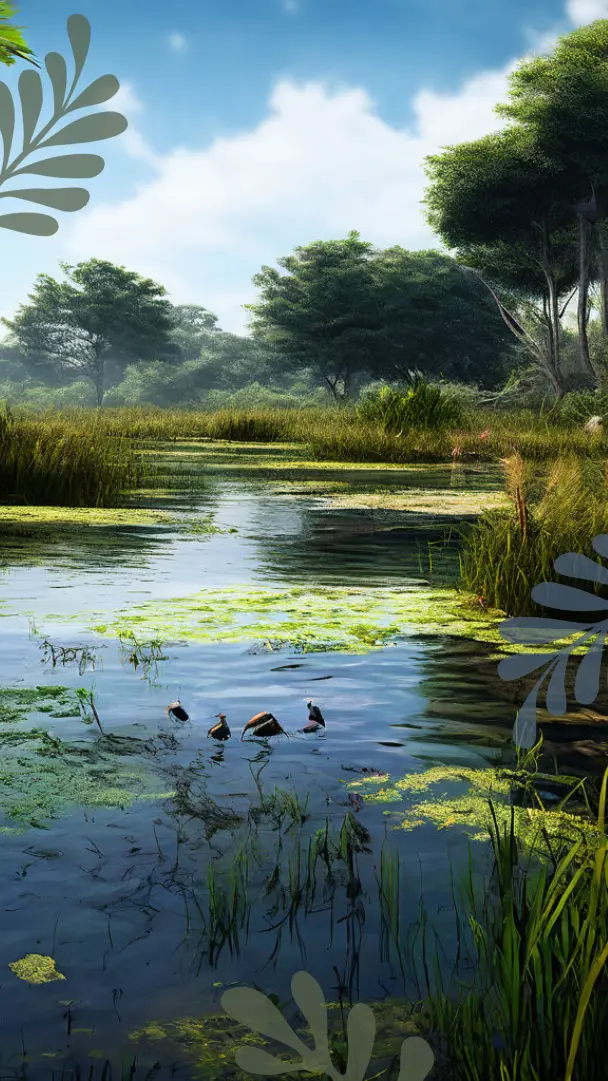
So grab your binoculars, slather on some sunscreen, and get ready to explore these unsung heroes of nature. You might just discover your new favourite hangout spot! ? So, are you ready to ditch the overcrowded beaches and discover a different kind of adventure? ? Pack your bags, grab your camera, and let’s dive into the enchanting world of wetland travel! ?? We’ll start by exploring the hidden gems of India and then venture out to uncover wetland wonders across the globe. ??? Trust me, you won’t want to miss this epic journey! ?
Voice Your Thoughts on Wetlands Forum
[bbp-single-topic id=5762]
Understanding Wetlands: Where Land and Water Dance ?
Okay, folks, let’s get down to the nitty-gritty of what exactly makes a wetland tick. ? No need for scientific jargon here; we’ll keep it simple and fun.
Recommended Product
Magnesium Body Spray – Muscle Recovery & Lavender Scent
🛒 View on Amazon →As an Amazon Associate, we earn from qualifying purchases. Price and availability may vary.
So, What’s the Deal with Wetland Travel? ?
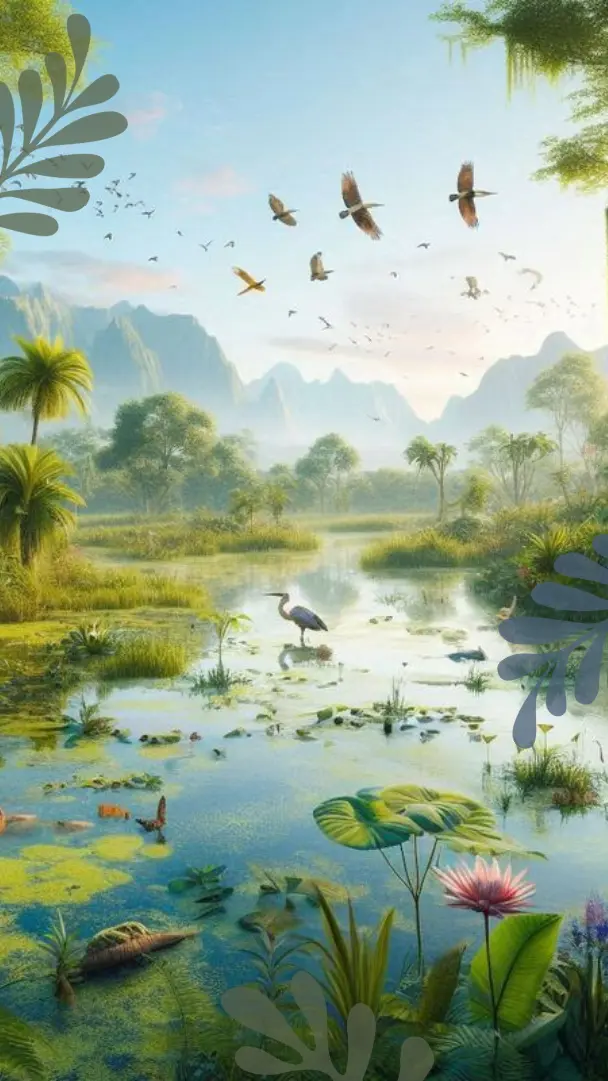
Imagine a place where land and water are BFFs, hanging out together and creating a unique environment that’s anything but ordinary. That’s a wetland in a nutshell. It’s where the ground is usually soggy, sometimes submerged, and always full of life. ??
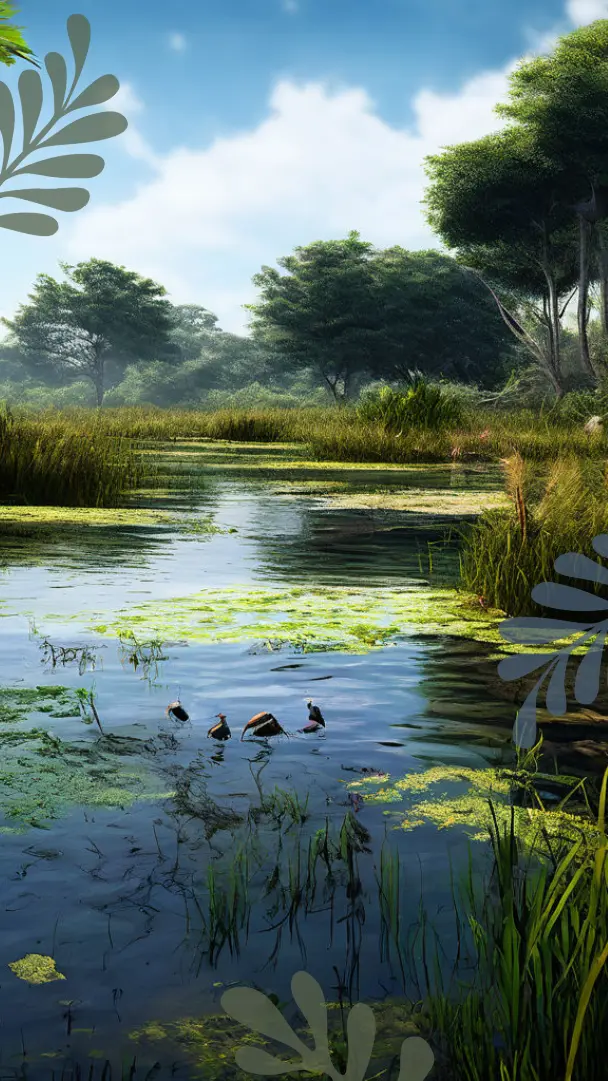
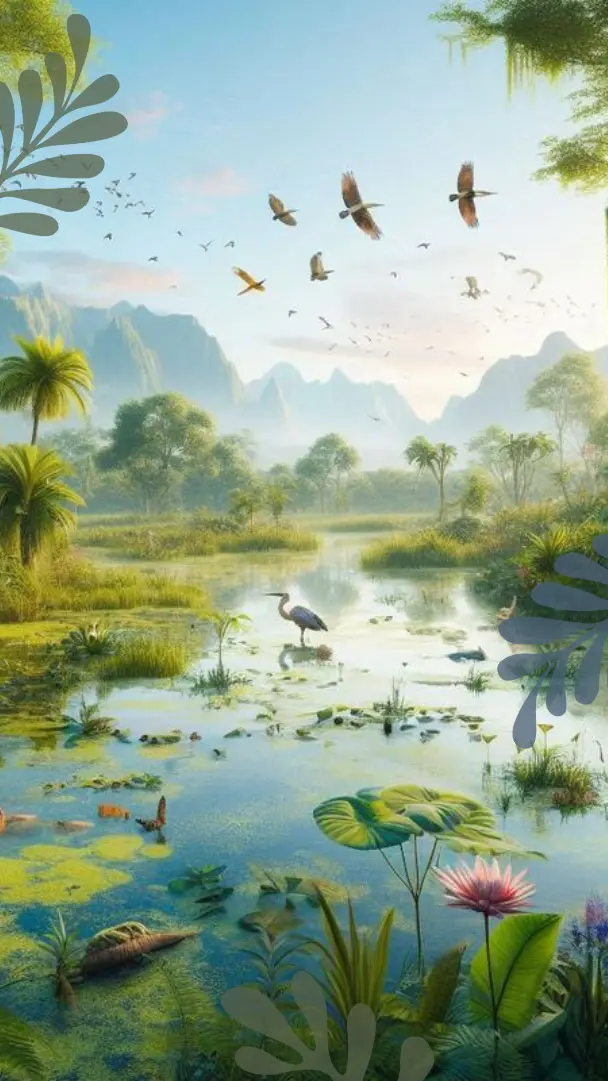
These watery wonderlands are like giant sponges, soaking up excess rainwater like it’s their job (which, technically, it is!). This helps prevent floods and keeps our water clean. Plus, they’re home to a wild bunch of plants and animals that have adapted to the wet and wonderful lifestyle. Think graceful herons wading through the shallows, playful otters zipping through the water, and maybe even a sneaky alligator lurking in the depths. ???
Not All Wetlands Are Created Equal ????
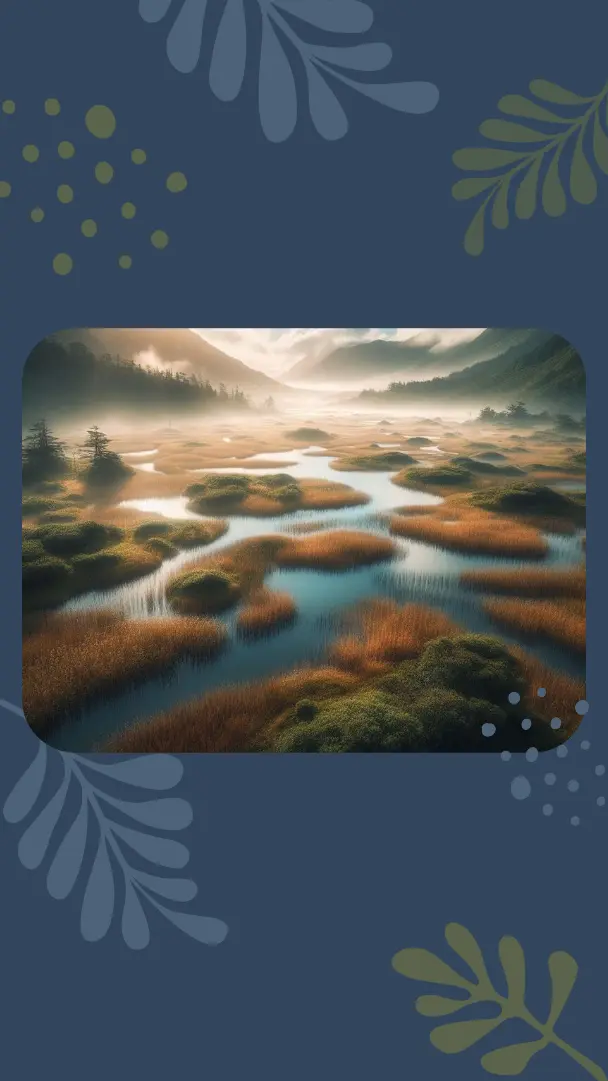
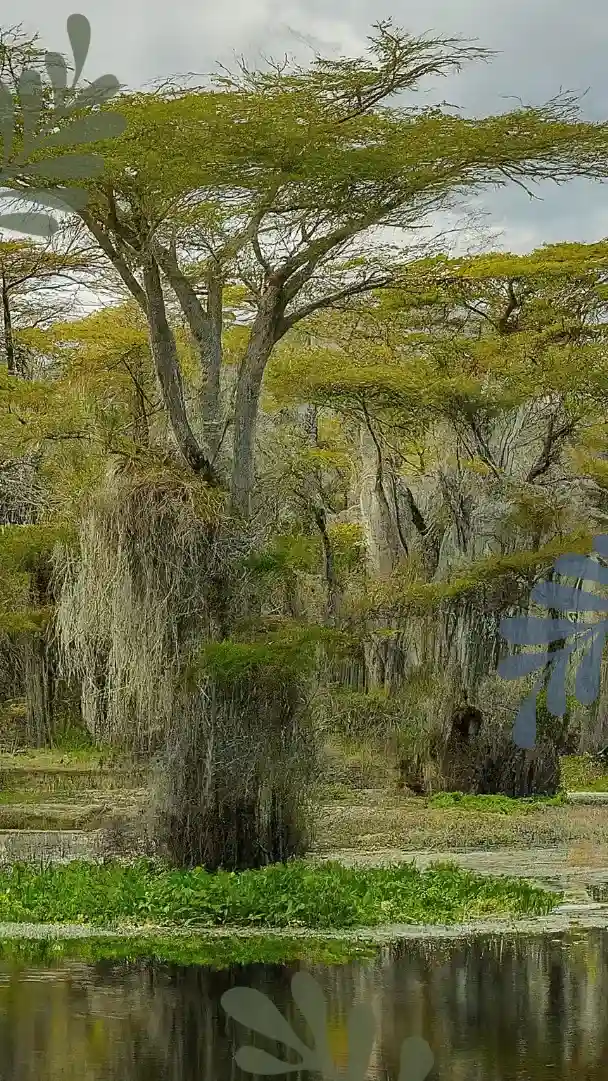
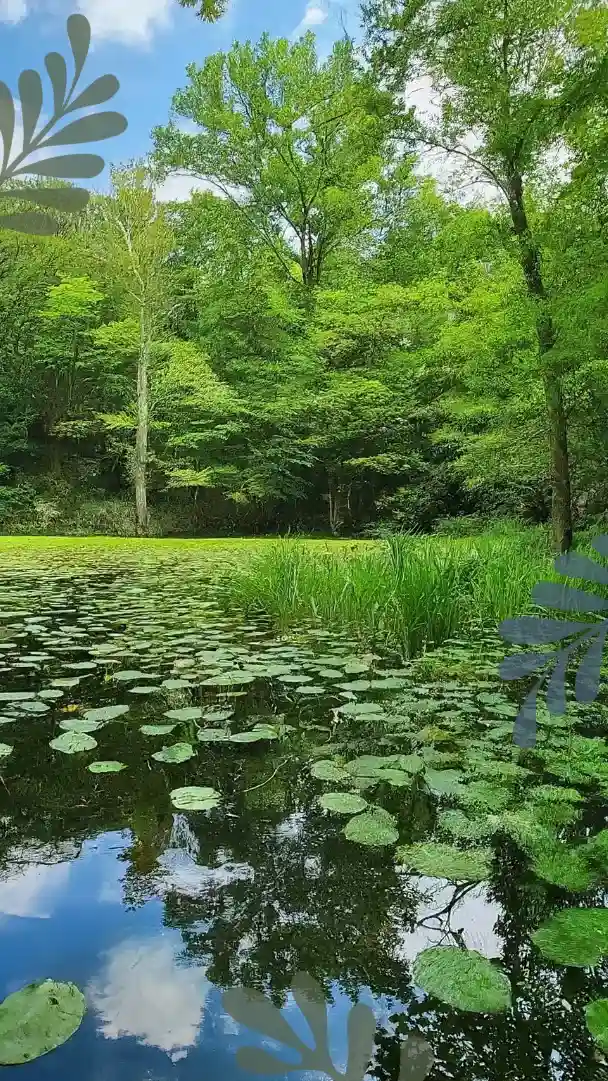
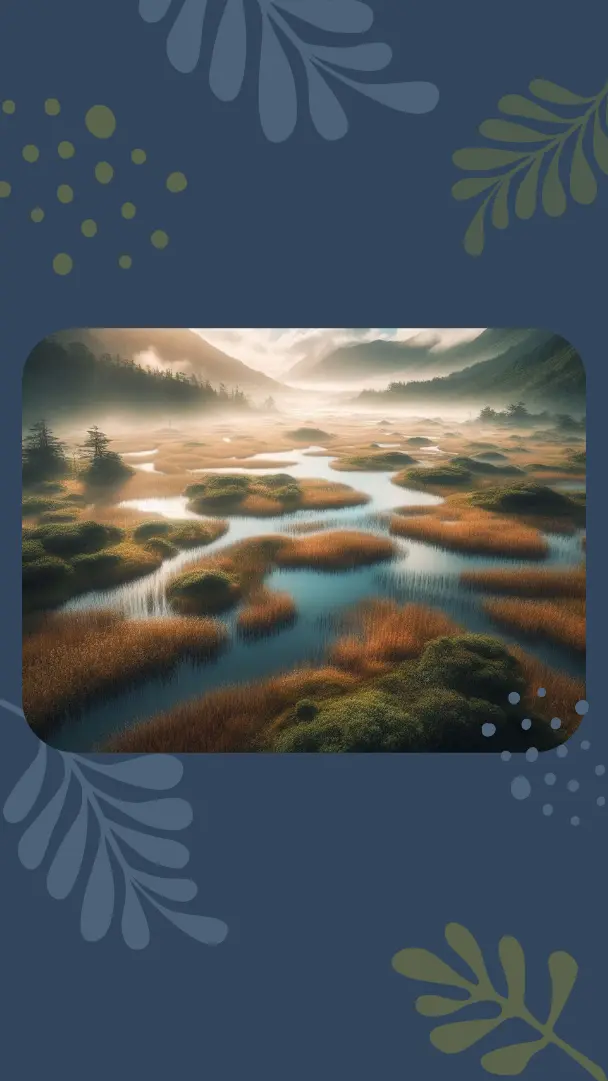
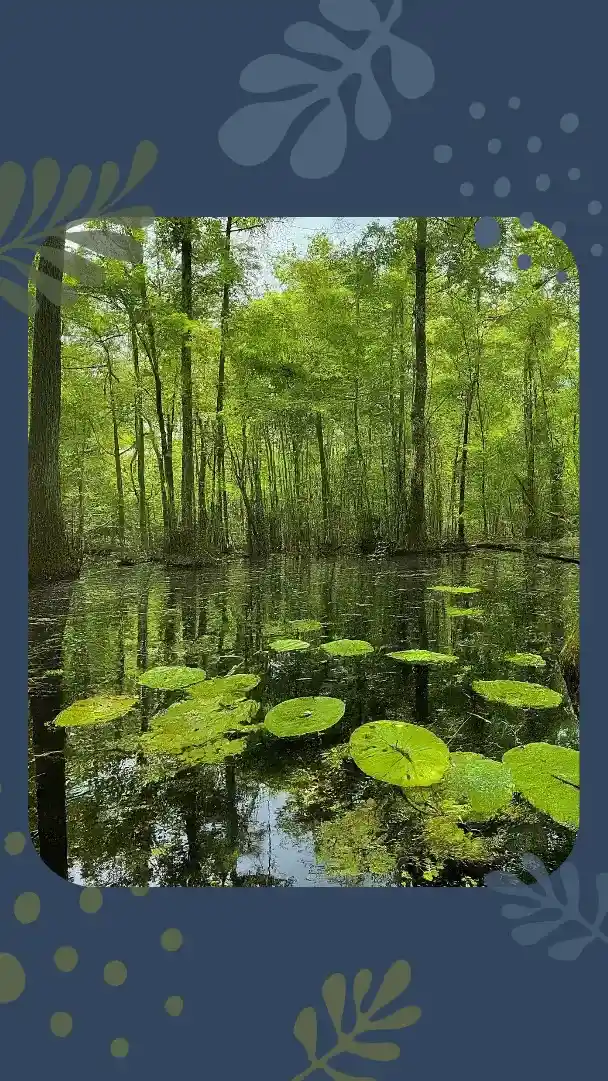
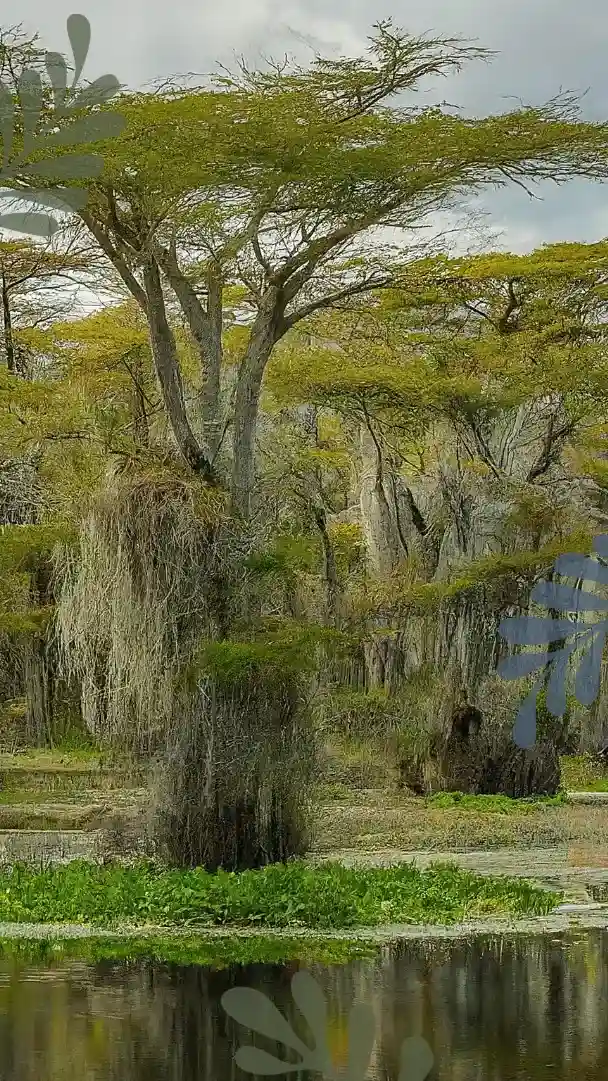
Just like people, wetlands come in all shapes and sizes. Some are marshes, full of grasses and reeds swaying in the breeze. Others are swamps, with trees and shrubs reaching for the sky. And then there are bogs, where the ground is spongy and covered in moss, like a giant, green trampoline. ???
Here’s a quick rundown of the different types of wetlands you might encounter on your travels:
- Marshes: These are the classic wetlands, full of grasses, reeds, and other plants that love to get their feet wet. They’re usually found near rivers, lakes, or coastlines.
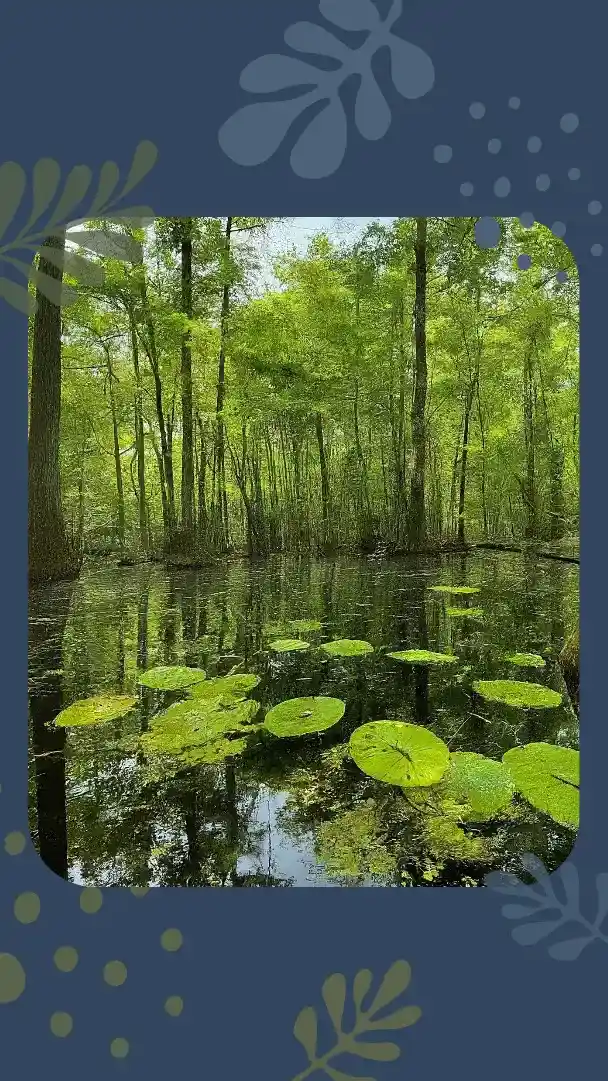
- Swamps: Think of swamps as forested wetlands. They’re home to trees and shrubs that have adapted to living in waterlogged soil.
- Bogs: These are the weird and wonderful wetlands. They’re characterized by spongy peat moss, acidic water, and unique plants like carnivorous sundews.
- Fens: Similar to bogs, but with less acidic water and a wider variety of plants.
Why Should You Care About Wetlands? ????
Besides being super cool places to visit, wetlands play a vital role in our environment and our lives. Here’s why they’re so important:
- Water Filtration: Wetlands act like natural filters, cleaning water and removing harmful pollutants. They’re basically the superheroes of water purification! ?
- Flood Control: When it rains cats and dogs, wetlands soak up excess water like a sponge, helping to prevent floods in nearby areas.
- Wildlife Habitat: Wetlands provide a home for a wide variety of plants and animals, many of which are endangered or threatened.
- Carbon Storage: Wetlands are carbon storage powerhouses, helping to reduce greenhouse gases and combat climate change.
Wetlands in India: A Tapestry of Biodiversity and Culture ??
India, with its diverse landscapes and rich cultural heritage, is home to a breathtaking array of wetlands. These watery wonderlands offer a unique blend of natural beauty, wildlife encounters, and cultural experiences.


Dal Lake, Kashmir: A Shikara Serenade ??
Best Time to Visit:
- Spring (March-May): Pleasant weather, blooming flowers, and vibrant gardens.
- Autumn (September-November): Clear skies, comfortable temperatures, and golden foliage.
Things to Do:
- Shikara Ride:A quintessential Dal Lake experience. Glide through the serene waters, visit floating gardens, and witness the daily life of locals on the lake. Don’t miss a sunset shikara ride for a magical experience.
- Houseboat Stay:Spend a night or two on a traditional Kashmiri houseboat, enjoying the tranquility and picturesque views.
- Mughal Gardens (Nishat Bagh & Shalimar Bagh):Explore the terraced gardens, fountains, and pavilions of these Mughal masterpieces.
- Hazratbal Shrine:Visit this sacred shrine, which houses a relic of the Prophet Muhammad, and experience the spiritual atmosphere.
- Floating Markets: Explore the vibrant markets on the lake, where vendors sell everything from flowers and vegetables to handicrafts and souvenirs.
Sample Itinerary (3 Days):
- Day 1: Arrive in Srinagar, check into a houseboat on Dal Lake, and enjoy a leisurely shikara ride. Indulge in a delicious dinner on the houseboat’s deck while soaking in the serene ambiance.
- Day 2: Explore the Mughal Gardens (Nishat Bagh and Shalimar Bagh), admiring the intricate landscaping and architecture. Have lunch at a lakeside restaurant offering breathtaking views. In the evening, take a stroll along the promenade, enjoying the lively atmosphere and local street food.
- Day 3: Visit the Hazratbal Shrine and the Shankaracharya Temple for panoramic views of the city and the lake. Spend the afternoon exploring the bustling markets, picking up souvenirs, and sampling traditional Kashmiri snacks.
Tips:
- The best time to visit Dal Lake is during the spring and autumn seasons.
- Book your houseboat stay in advance, especially during peak season.
- Bargain with shikara owners for the best rates.
- Dress warmly, as temperatures can drop, especially in the evenings.
- Try the local cuisine, including Rogan Josh, Wazwan, and Kahwa (traditional Kashmiri tea).
Kerala Backwaters: A Laid-Back Odyssey ??
Best Time to Visit:
- Winter (October-February): Ideal for houseboat cruises and outdoor activities.
- Monsoon (June-September): Lush greenery, but heavy rainfall might disrupt some activities.
Things to Do:
- Houseboat Cruise:Relax and unwind on a leisurely houseboat cruise through the backwaters, taking in the scenic beauty and village life along the waterways.
- Village Visits: Explore the quaint villages along the backwaters, interact with locals, and learn about their traditional way of life.
- Kumarakom Bird Sanctuary:Observe a variety of bird species, both resident and migratory, in this serene sanctuary.
- Canoe Rides:Paddle through narrow canals, explore hidden corners of the backwaters, and get a closer look at the local flora and fauna.
- Ayurvedic Therapies: Indulge in rejuvenating Ayurvedic massages and treatments to unwind and relax.
Sample Itinerary (2 Days):
- Day 1: Embark on a houseboat cruise from Alleppey or Kumarakom, enjoying the scenic backwaters, delicious Keralan cuisine, and comfortable onboard facilities. In the evening, witness a mesmerizing sunset over the water.
- Day 2: Visit the Kumarakom Bird Sanctuary and take a canoe ride through the narrow canals. Indulge in an Ayurvedic massage or treatment to revitalize your body and mind. In the evening, enjoy a cultural performance showcasing traditional Keralan dance and music.
Tips:
- Book your houseboat stay in advance, especially during peak season.
- Carry mosquito repellent and sunscreen.
- Try the local cuisine, including Karimeen Pollichathu (fish wrapped in banana leaf), Appam with stew, and Payasam (sweet dessert).
- Learn a few basic Malayalam phrases to interact with locals.
Chilika Lake, Odisha: A Birdwatcher’s Paradise ??
Best Time to Visit:
- Winter (November-February): The best time for birdwatching, as thousands of migratory birds flock to the lake.
- Monsoon (June-September): Lush greenery and pleasant weather, but some boat trips might be restricted due to rough waters.
Things to Do:
- Boat Trips to Nalbana Bird Sanctuary:A must-do activity! Take a boat ride through the lake to reach this island sanctuary, a prime spot for observing a wide variety of bird species, including flamingos, pelicans, and herons.
- Kalijai Temple:Visit this island temple dedicated to Goddess Kalijai, located in the middle of the lake. Enjoy the scenic boat ride and the peaceful atmosphere of the temple.
- Irrawaddy Dolphin Watching:Spot these endangered dolphins in the outer channels of the lake.
- Fishing Villages: Explore the charming fishing villages along the lake’s shores and interact with the friendly locals.
- Satapada:Witness the unique phenomenon of the meeting point of Chilika Lake and the Bay of Bengal, where you can spot dolphins and sea turtles.
Sample Itinerary (1 Day):
- Morning: Start early and head to Satapada to catch a boat to Nalbana Bird Sanctuary. Enjoy birdwatching and the scenic beauty of the lake.
- Afternoon: Visit the Kalijai Temple and have lunch at a lakeside restaurant, savoring fresh seafood.
- Evening: Explore the fishing villages and interact with the locals. Return to Satapada for a mesmerizing sunset view.
Tips:
- Carry binoculars and a camera for birdwatching.
- Wear comfortable clothing and shoes suitable for boat rides and walking.
- Apply sunscreen and carry a hat to protect yourself from the sun.
- Try the local seafood delicacies, especially the prawns and crabs.
Sundarbans, West Bengal: Into the Tiger’s Lair ??
Best Time to Visit:
- Winter (November-February): The ideal time to visit, as the weather is pleasant and the chances of spotting tigers are higher.
- Summer (March-May): Hot and humid, but you might get lucky and spot a tiger cooling off in the water.
Things to Do:
- Boat Safaris:Embark on thrilling boat safaris through the mangrove forests, keeping an eye out for the elusive Bengal tiger, crocodiles, and other wildlife.
- Village Visits: Visit the local villages to experience the unique culture and lifestyle of the people living in the Sundarbans.
- Watchtowers:Climb up watchtowers for panoramic views of the mangrove forests and the chance to spot wildlife from a distance.
- Overnight Boat Stay:For a truly immersive experience, spend a night on a boat in the heart of the Sundarbans. This increases your chances of encountering nocturnal animals like the fishing cat and the elusive Bengal tiger venturing out for a drink.
- Trekking: Explore the dense mangrove forests on foot with a guide, observing the unique flora and fauna up close.
Sample Itinerary (2 Days):
- Day 1: Take a boat from Kolkata to reach the Sundarbans. Check into your accommodation and embark on an afternoon boat safari. In the evening, enjoy a bonfire and local cultural performances.
- Day 2: Embark on a morning boat safari, followed by a visit to a local village to interact with the residents and learn about their way of life. If you opt for an overnight boat stay, spend the night on the boat, keeping an eye out for nocturnal wildlife.
Tips:
- Book your boat safari and accommodation in advance.
- Carry mosquito repellent and sunscreen.
- Respect the wildlife and maintain a safe distance.
- Follow the instructions of your guide and boat operator.
- Learn a few basic Bengali phrases to communicate with the locals.
[Read about Saptrashrungi Saptashrungi Travel Guide: Your Sacred Journey Awaits]


Ramsar Sites in India: Guardians of Global Wetlands ???
Now that we’ve delved into the enchanting world of wetlands, let’s turn our attention to some extra-special ones: Ramsar Sites. These are wetlands recognized for their international importance under the Ramsar Convention, an international treaty dedicated to wetland conservation. India proudly boasts several Ramsar Sites, each a haven for biodiversity and a testament to the country’s commitment to protecting these precious ecosystems.
What Makes a Wetland a Ramsar Site? ?
Ramsar Sites are like the VIPs of the wetland world. They’ve been recognized for their exceptional ecological value, their unique biodiversity, and their role in supporting both wildlife and human communities. Think of them as the “crème de la crème” of wetlands, deserving of special attention and protection. ?
India’s Ramsar Roster: A Roll Call of Wonders ?
India is home to an impressive array of Ramsar Sites, each with its own distinct character and charm. Let’s take a closer look at a few of these wetland wonders:
1. Chilika Lake, Odisha: Where Birds Rule the Roost ??
We’ve already touched upon the wonders of Chilika Lake, but did you know it’s also a Ramsar Site? That’s right, this sprawling brackish water lagoon is not just a birdwatcher’s paradise; it’s also a globally recognized hotspot for biodiversity. Its diverse habitats, ranging from open waters to marshes and islands, support a staggering variety of plant and animal life.
2. Keoladeo National Park (Bharatpur), Rajasthan: A Symphony of Feathers ??
Keoladeo National Park, formerly known as Bharatpur Bird Sanctuary, is another jewel in India’s Ramsar crown. This wetland oasis attracts a mesmerizing array of bird species, making it a pilgrimage site for birdwatchers from around the world.
3. Sundarbans, West Bengal: Mangroves and Majestic Predators ??
The Sundarbans, a UNESCO World Heritage Site, is not only the world’s largest mangrove forest but also a Ramsar Site of immense importance. This unique ecosystem, with its intricate network of waterways and dense vegetation, provides a crucial habitat for the Bengal tiger, along with a myriad of other species.
/


Other Ramsar Sites Worth Exploring:
- Loktak Lake, Manipur: Known for its unique floating phumdis (islands of vegetation).
- Deepor Beel, Assam: A haven for migratory birds and a rich source of livelihoods for local communities.
- East Kolkata Wetlands: A remarkable example of how wetlands can be harnessed for sustainable urban development.
[Read about the 4 Divine Statues Unearthed at Pandharpur Vitthal Temple in May 2024]
The Ramsar Effect: Conservation and Beyond ?
The Ramsar designation isn’t just a badge of honor for these wetlands; it also brings tangible benefits. It helps raise awareness about the importance of wetlands, encourages conservation efforts, and promotes sustainable tourism practices. By visiting a Ramsar Site, you’re not just enjoying a unique travel experience; you’re also contributing to the preservation of these invaluable ecosystems.
Wetland Adventures Beyond India: A World of Wonder ?
India’s wetlands are undoubtedly captivating, but the world is brimming with even more watery wonders waiting to be explored. From the vibrant Pantanal in South America to the remote wilderness of the Okavango Delta in Africa, and the peaceful marshes of Europe, wetland adventures await in every corner of the globe.
Asia: A Continent of Contrasts ?
Asia’s wetlands offer a diverse tapestry of landscapes, cultures, and wildlife. From the serene temples and bustling cities of Southeast Asia to the vast grasslands and snow-capped peaks of Central Asia, there’s a wetland adventure for every taste.
- Hokkaido, Japan:This northern island is a haven for nature lovers, with its pristine marshes, crystal-clear lakes, and abundant wildlife. Explore Kushiro Marsh, a Ramsar site teeming with Japanese cranes, or venture to Lake Akan, where you can spot marimo, a rare type of algae that forms into fluffy green balls.
- Zoige Marsh, China:Nestled on the Tibetan Plateau, Zoige Marsh is the highest wetland in the world. This vast expanse of grasslands, rivers, and lakes is home to nomadic herders, yaks, and a variety of bird species. Immerse yourself in the unique Tibetan culture and experience the tranquility of this remote region.
- The Camargue, France:This wild coastal wetland in southern France is a haven for birdwatchers, with over 400 species recorded here. Explore the marshes by boat or horseback, spot pink flamingos, and savor the region’s unique cuisine, including bull meat and rice dishes.
Africa: A Wildlife Wonderland ???
Africa is renowned for its iconic savannahs and majestic wildlife, but its wetlands are equally captivating. From the vast Okavango Delta in Botswana to the lush Bangweulu Wetlands in Zambia, Africa’s wetlands offer unparalleled opportunities for wildlife encounters.
- Okavango Delta, Botswana:This UNESCO World Heritage Site is a labyrinth of waterways, lagoons, and islands, teeming with elephants, hippos, crocodiles, and a dazzling array of birdlife. Explore the delta by mokoro (traditional dugout canoe), go on game drives, or take a scenic helicopter flight.
- Bangweulu Wetlands, Zambia:This vast wetland system is home to the largest population of black lechwe antelope in the world. Take a boat trip to witness these graceful creatures in their natural habitat, spot hippos wallowing in the water, and marvel at the diverse birdlife.
Europe: Tranquillity and Charm ??
Europe’s wetlands, though often overlooked, offer a peaceful escape from the hustle and bustle of city life. From the romantic canals of Venice to the wild marshes of Romania, Europe’s wetlands have a unique charm that’s waiting to be discovered.
- Danube Delta, Romania:This vast delta, where the Danube River meets the Black Sea, is a UNESCO Biosphere Reserve and a haven for birdwatchers. Explore the labyrinthine waterways by boat, spot pelicans and herons, and visit traditional fishing villages.
- Walthamstow Wetlands, UK:Located in the heart of London, this urban wetland is a surprising oasis of tranquility. Explore the reservoirs, nature trails, and bird hides, or simply relax and enjoy the peaceful atmosphere.
Americas: Diversity and Grandeur ???
The Americas boast a wide array of wetland ecosystems, from the vast Everglades in Florida to the geothermal wonders of Yellowstone National Park. These wetlands offer a unique blend of natural beauty, wildlife encounters, and outdoor adventures.
- Everglades, USA:This sprawling wetland in southern Florida is a unique ecosystem home to alligators, manatees, and a variety of bird species. Explore the Everglades by airboat, kayak, or canoe, and immerse yourself in this watery wilderness.
- Yellowstone National Park, USA:While not solely a wetland, Yellowstone is home to numerous geysers, hot springs, and other geothermal features that create unique wetland habitats. Witness the eruption of Old Faithful, hike through lush meadows, and spot grizzly bears, wolves, and bison.
Wetland Adventures Beyond India: A World of Wonder ?
India’s wetlands are undoubtedly captivating, but the world is brimming with even more watery wonders waiting to be explored. From the vibrant Pantanal in South America to the remote wilderness of the Okavango Delta in Africa, and the peaceful marshes of Europe, wetland adventures await in every corner of the globe.
Asia: A Continent of Contrasts ?
Asia’s wetlands offer a diverse tapestry of landscapes, cultures, and wildlife. From the serene temples and bustling cities of Southeast Asia to the vast grasslands and snow-capped peaks of Central Asia, there’s a wetland adventure for every taste.
Hokkaido, Japan:
This northern island is a haven for nature lovers, with its pristine marshes, crystal-clear lakes, and abundant wildlife. Explore Kushiro Marsh, a Ramsar site teeming with Japanese cranes, or venture to Lake Akan, where you can spot marimo, a rare type of algae that forms into fluffy green balls.
Sample Itinerary (5 Days):
- Day 1: Arrive in Sapporo and explore the city’s vibrant food scene and cultural attractions.
- Day 2: Take a scenic train ride to Kushiro and visit the Kushiro Marsh observatory for stunning views of the wetlands and birdwatching opportunities.
- Day 3: Embark on a boat tour of Kushiro Marsh, getting up close with the local wildlife and learning about the ecosystem.
- Day 4: Travel to Lake Akan and take a canoe ride on the lake, surrounded by lush forests and volcanic landscapes.
- Day 5: Visit the Ainu Kotan, a traditional Ainu village, and experience the indigenous culture of Hokkaido.
Zoige Marsh, China:
Nestled on the Tibetan Plateau, Zoige Marsh is the highest wetland in the world. This vast expanse of grasslands, rivers, and lakes is home to nomadic herders, yaks, and a variety of bird species. Immerse yourself in the unique Tibetan culture and experience the tranquility of this remote region.
Sample Itinerary (4 Days):
- Day 1: Fly to Chengdu and take a scenic drive to Zoige Marsh. Check into a local guesthouse or homestay.
- Day 2: Explore the vast grasslands on horseback or by foot, encountering nomadic herders and their yaks.
- Day 3: Visit the First Bend of the Yellow River, a stunning natural landmark, and witness the traditional Tibetan sky burial ritual (if culturally appropriate).
- Day 4: Drive back to Chengdu, stopping along the way to visit Tibetan monasteries and villages.
The Camargue, France:
This wild coastal wetland in southern France is a haven for birdwatchers, with over 400 species recorded here. Explore the marshes by boat or horseback, spot pink flamingos, and savor the region’s unique cuisine, including bull meat and rice dishes.
Sample Itinerary (3 Days):
- Day 1: Arrive in Arles and rent a car or bike to explore the Camargue. Visit the Ornithological Park of Pont de Gau to observe various bird species.
- Day 2: Take a horseback riding tour through the marshes, spotting flamingos and other wildlife. Enjoy a traditional Camargue lunch at a local ranch.
- Day 3: Visit the town of Saintes-Maries-de-la-Mer, a pilgrimage site and a center of gypsy culture. Explore the beaches, shops, and restaurants.
[Read more about Bhutan in our Travel Guide]
Africa: A Wildlife Wonderland ???
Africa is renowned for its iconic savannahs and majestic wildlife, but its wetlands are equally captivating. From the vast Okavango Delta in Botswana to the lush Bangweulu Wetlands in Zambia, Africa’s wetlands offer unparalleled opportunities for wildlife encounters.
Okavango Delta, Botswana:
- This UNESCO World Heritage Site is a labyrinth of waterways, lagoons, and islands, teeming with elephants, hippos, crocodiles, and a dazzling array of birdlife. Explore the delta by mokoro (traditional dugout canoe), go on game drives, or take a scenic helicopter flight.
Sample Itinerary (5 Days):
- Day 1: Fly to Maun and transfer to a lodge in the Okavango Delta.
- Day 2-4: Enjoy morning and afternoon game drives, mokoro rides, and guided walks.
- Day 5: Depart from Maun, taking with you memories of an unforgettable wildlife adventure.
Bangweulu Wetlands, Zambia:
This vast wetland system is home to the largest population of black lechwe antelope in the world. Take a boat trip to witness these graceful creatures in their natural habitat, spot hippos wallowing in the water, and marvel at the diverse birdlife.
Sample Itinerary (4 Days):
- Day 1: Fly to Lusaka and transfer to a lodge near the Bangweulu Wetlands.
- Day 2-3: Embark on boat safaris and guided walks to explore the wetlands and observe the abundant wildlife.
- Day 4: Depart from Lusaka, cherishing the memories of your unique wetland experience.
Europe: Tranquility and Charm ??
Europe’s wetlands, though often overshadowed by its bustling cities and historical landmarks, offer a serene escape and a chance to connect with nature’s quieter side.
Danube Delta, Romania:
This vast delta, a UNESCO Biosphere Reserve, is a labyrinth of channels, lagoons, and reed beds teeming with birdlife. It’s a haven for birdwatchers and nature enthusiasts alike.
Sample Itinerary (4 days):
- Day 1: Arrive in Tulcea, the gateway to the Danube Delta. Take a boat trip to a floating village and immerse yourself in the local culture.
- Day 2: Embark on a birdwatching tour, spotting pelicans, herons, and other avian wonders. Enjoy a traditional fish lunch at a local restaurant.
- Day 3: Explore the delta’s waterways by kayak or canoe, venturing into secluded channels and reed beds.
- Day 4: Visit the Sulina Lighthouse, a historic landmark, and take a walk along the Black Sea beach.
Walthamstow Wetlands, UK:
This urban wetland is a surprising oasis of tranquility in the heart of London.
Sample Itinerary (1 Day):
- Morning: Start with a leisurely walk around the reservoirs, observing the diverse birdlife.
- Afternoon: Enjoy a picnic lunch by the water’s edge and visit the Engine House, a restored Victorian pumping station.
- Evening: Take a guided walk to learn about the history and ecology of the wetlands.
Americas: Diversity and Grandeur ???
The Americas boast an incredible variety of wetlands, from the subtropical Everglades to the geothermal wonders of Yellowstone. These natural treasures offer endless opportunities for exploration and adventure.
Everglades, USA:
This vast subtropical wilderness in Florida is a unique ecosystem home to alligators, manatees, and a plethora of bird species.
Sample Itinerary (3 Days):
- Day 1: Take an airboat tour through the Everglades, getting up close with alligators and other wildlife.
- Day 2: Hike or bike along the Anhinga Trail, a boardwalk through a sawgrass marsh, and spot turtles, birds, and other creatures.
- Day 3: Visit the Shark Valley Observation Tower for panoramic views of the Everglades and take a tram tour through the sawgrass prairies.
Yellowstone National Park, USA:
While not solely a wetland, Yellowstone is home to numerous geysers, hot springs, and other geothermal features that create unique wetland habitats.
Sample Itinerary (5 Days):
- Day 1: Arrive in Yellowstone and check into your accommodation. Visit the Old Faithful Visitor Education Center to learn about the park’s geology and geothermal features.
- Day 2: Witness the eruption of Old Faithful and explore the Upper Geyser Basin, home to numerous geysers and hot springs.
- Day 3: Hike to the Grand Prismatic Spring, the largest hot spring in the United States, and marvel at its vibrant colors.
- Day 4: Drive the Grand Loop Road, stopping at scenic overlooks, waterfalls, and canyons.
- Day 5: Visit the Lamar Valley, known for its abundant wildlife, including wolves, bison, and elk.
I hope these sample itineraries spark your wanderlust and inspire you to embark on your own wetland adventures! ? [Read about Canada: A Mosaic of Majesty, Diversity, and Progress]
[Read about Gujarat Tourism: Explore India’s Vibrant Coastal State]
[Read more about Mahakaleshwar Jyotirlinga: A Divine Pilgrimage to the Lord of Time]
Tips for Planning Your Wetland Getaway ??
Ready to embark on your own wetland adventure? Here are some handy tips to ensure a smooth and enjoyable experience:
- Choosing the Right Wetland: Consider your interests and budget. Are you a birdwatcher seeking rare sightings? A nature photographer looking for stunning landscapes? Or a culture enthusiast eager to immerse yourself in local traditions? Research different wetlands to find one that aligns with your passions. Also, factor in accessibility and travel time. Some wetlands might be more remote than others, requiring additional planning and resources.
- Best Time to Visit: Research the best time to visit your chosen wetland. Many wetlands experience seasonal variations in water levels, wildlife activity, and weather conditions. For instance, winter is ideal for birdwatching in many parts of India, while the monsoon season brings lush greenery but also potential disruptions due to heavy rainfall.
- Sustainable Travel Practices: Always prioritize sustainable travel practices to minimize your impact on the environment. Choose eco-friendly accommodations, respect local customs and traditions, and minimize waste by carrying a reusable water bottle and avoiding single-use plastics. Support local businesses and communities to contribute to the local economy.
- What to Pack: Pack for the weather conditions and activities you’ll be engaging in. Essentials include:
- Binoculars for birdwatching and wildlife observation
- Camera to capture memories
- Comfortable walking shoes or hiking boots
- Hat, sunglasses, and sunscreen
- Insect repellent to ward off mosquitoes and other insects
- Rain gear if visiting during the monsoon season
- First-aid kit for minor injuries
Conclusion: Wetlands: More Than Meets the Eye ??
Wetlands are far more than just swamps or marshes. They are dynamic ecosystems that support a rich tapestry of life, provide essential services to both people and nature, and offer unique travel experiences that can’t be found anywhere else. From the serene backwaters of Kerala to the vibrant Pantanal in South America, wetlands around the world invite us to explore, appreciate, and protect their delicate beauty.
As you embark on your wetland adventures, remember that these ecosystems are vulnerable and face numerous threats. By traveling responsibly, supporting conservation efforts, and spreading awareness about their importance, you can contribute to the preservation of these natural treasures for generations to come.
So, what are you waiting for? Pack your bags, grab your camera, and let the wetlands enchant you with their magic! ??
[For those who want to go beyond here is our Comprehensive Guide for Aspiring Space Travelers]
