


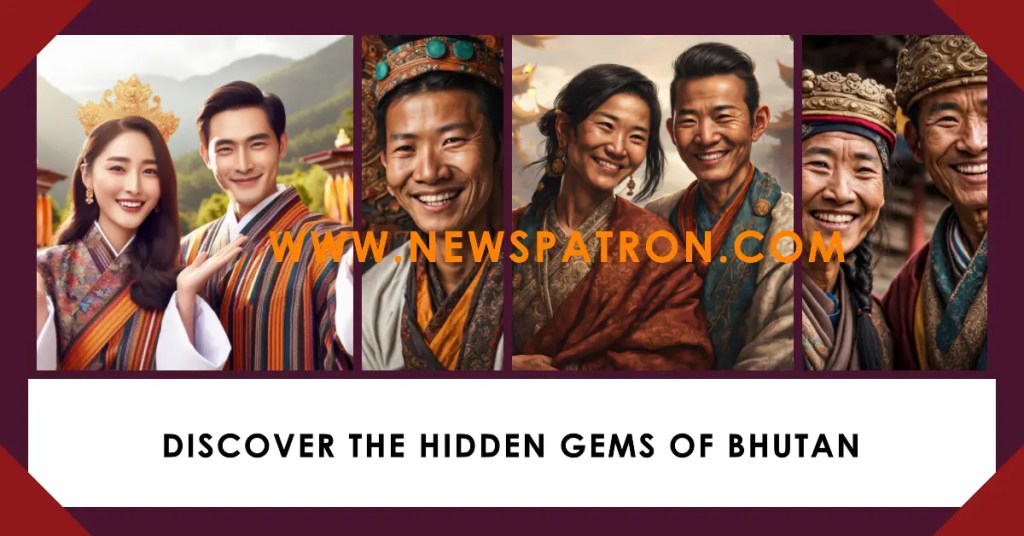

How to Plan Your Trip to the Land of Happiness Have you ever dreamed of visiting a country where happiness is more important than wealth, where nature is more valued than development, and where culture is more preserved than modernized? If so, then Bhutan is the perfect destination for you.
Bhutan is a small and landlocked country in South Asia, bordered by China and India. It covers an area of about 38,000 square kilometers, which is roughly the size of Switzerland. It has a population of about 800,000 people, which is less than the city of Mumbai. It uses its own currency, the Bhutanese Ngultrum, which is equivalent to the Indian Rupee. It also has its own time zone, which is 30 minutes ahead of India.
Bhutan is known as the Land of the Thunder Dragon, because of the fierce storms that often occur in the Himalayan mountains. It is also known as the Land of Happiness, because of its unique philosophy of Gross National Happiness, which measures the well-being of its people based on four pillars: sustainable development, environmental conservation, cultural preservation, and good governance.
Bhutan is a country that offers something for everyone, whether you are looking for adventure, culture, spirituality, or relaxation. You can explore its stunning scenery and ancient temples, experience its vibrant culture and delicious food, learn from its wise and friendly people, and discover its secrets and mysteries.
There are many reasons to visit Bhutan, such as:
It is ranked as the happiest country in Asia and the 12th happiest country in the world, according to the 2021 World Happiness Report.
It is the only carbon-negative country in the world, meaning that it absorbs more carbon dioxide than it emits, thanks to its extensive forest cover and renewable energy sources.
It has a rich and diverse culture, influenced by Buddhism, Hinduism, and indigenous beliefs. It has a distinctive national dress, a colorful festival calendar, and a variety of art forms and crafts.
It has a wealth of natural and cultural attractions, such as the Paro Taktsang (Tiger’s Nest), a cliffside monastery that is one of the most sacred sites in Buddhism, the Punakha Dzong, a fortified palace that is one of the most beautiful buildings in Bhutan, and the Thimphu, the capital city that blends tradition and modernity.
It has a range of activities and experiences to suit different tastes and preferences, such as trekking, mountain biking, white water rafting, photography, birdwatching, yoga, and meditation.
In this Bhutan travel guide, we will help you plan your trip and make the most of your time in this amazing country. We will cover the following topics:
The types of Bhutan travel, such as budget, luxury, family, solo, adventure, and cultural travel
The popular Bhutan tourist destinations, such as Paro Taktsang (Tiger’s Nest), Punakha Dzong, Thimphu, Gangtey Valley, and Phobjikha Valley
The Bhutan travel planning, such as how to get to Bhutan, the Bhutan visa requirements, the best time to visit Bhutan, and what to pack for Bhutan
The Bhutan travel tips, such as the dos and don’ts, the etiquette and customs, the currency and internet, and the health and safety
By the end of this article, you will have a comprehensive and engaging Bhutan travel guide that will help you plan your trip and make the most of your time in this amazing country. So, let’s get started!
How to use the table of contents:
Click on any topic in the table of contents to jump directly to that section.
To return to the table of contents, click on the link at the top of the page.
To scroll through the entire article, simply use the scroll bar on the right side of the page.
editor@newspatron.com
Types of Bhutan Travel
Bhutan is a country that can cater to different types of travelers, depending on their budget, preferences, and expectations. Whether you want to travel cheaply or lavishly, alone or with others, actively or leisurely, culturally or spiritually, you can find a suitable option for you in Bhutan. Here are some of the common types of Bhutan travel that you can choose from:
Budget Travel:
If you are looking for a low-cost way to explore Bhutan, you can opt for budget travel. Budget travel means that you will stay in basic accommodations, such as guesthouses, hostels, or homestays, eat local food, use public transportation, and join group tours. Budget travel can help you save money, meet other travelers, and experience the authentic Bhutanese lifestyle. However, budget travel also has some drawbacks, such as limited comfort, privacy, and flexibility, lower quality of services, and potential health and safety risks. The estimated daily budget for budget travel in Bhutan is around $50 USD (3,700 INR).

Luxury Travel:
If you are looking for a high-end way to explore Bhutan, you can opt for luxury travel. Luxury travel means that you will stay in upscale accommodations, such as hotels, resorts, or villas, eat gourmet food, use private transportation, and book customized tours. Luxury travel can help you enjoy the best that Bhutan has to offer, such as stunning views, spacious rooms, fine dining, spa treatments, and exclusive access to attractions. However, luxury travel also has some drawbacks, such as high costs, environmental impact, and less interaction with the local culture and people. The estimated daily budget for luxury travel in Bhutan is around $300 USD (22,000 INR).
Family Travel:
If you are traveling with your children or relatives, you can opt for family travel. Family travel means that you will plan your trip according to the needs and interests of your family members, such as choosing family-friendly accommodations, activities, and destinations. Family travel can help you bond with your loved ones, create memorable experiences, and expose your children to different cultures and perspectives. However, family travel also has some challenges, such as finding suitable options for everyone, managing expectations, and dealing with potential conflicts or problems. The estimated daily budget for family travel in Bhutan is around $100 USD (7,400 INR) per person.
Solo Travel:
If you are traveling by yourself, you can opt for solo travel. Solo travel means that you will have complete freedom and independence to decide where to go, what to do, and how to do it. Solo travel can help you challenge yourself, discover yourself, and meet new people. However, solo travel also has some risks, such as loneliness, boredom, and vulnerability. The estimated daily budget for solo travel in Bhutan is around $75 USD (5,500 INR).
Adventure Travel:
If you are looking for a thrilling and exciting way to explore Bhutan, you can opt for adventure travel. Adventure travel means that you will engage in activities that involve physical exertion, risk, and challenge, such as trekking, mountain biking, white water rafting, or paragliding. Adventure travel can help you experience the natural beauty and diversity of Bhutan, test your limits, and have fun. However, adventure travel also has some dangers, such as injuries, accidents, and exhaustion. The estimated daily budget for adventure travel in Bhutan is around $100 USD (7,400 INR), plus the cost of the activities.
Cultural Travel:
If you are interested in learning more about the history, culture, and traditions of Bhutan, you can opt for cultural travel. Cultural travel means that you will visit places and events that showcase the rich and diverse heritage of Bhutan, such as temples, monasteries, museums, festivals, and villages. Cultural travel can help you gain a deeper understanding and appreciation of Bhutan, its people, and its values. However, cultural travel also requires some respect and sensitivity, such as following the etiquette and customs, dressing appropriately, and asking for permission before taking photos. The estimated daily budget for cultural travel in Bhutan is around $75 USD (5,500 INR).
Recommended Product
Casio Vintage A168WA Digital Grey Unisex Watch
🛒 View on Amazon →As an Amazon Associate, we earn from qualifying purchases. Price and availability may vary.
These are some of the types of Bhutan travel that you can choose from, depending on your budget, preferences, and expectations. Of course, you can also mix and match different types of travel to create your own unique itinerary and experience. The most important thing is to enjoy your trip and make the most of your time in Bhutan.
Popular Bhutan Tourist Destinations
Bhutan Travel Guide
Bhutan is a country that has a wealth of natural and cultural attractions that will amaze and inspire you. From its majestic mountains and valleys to its ancient temples and monasteries, Bhutan has something to offer for every traveler. Here are some of the popular Bhutan tourist destinations that you should not miss:
Paro Taktsang (Tiger’s Nest):
Paro Taktsang is a cliffside monastery that is one of the most sacred and iconic sites in Bhutan. It is said that Guru Rinpoche, the founder of Tibetan Buddhism, flew to this spot on the back of a tigress and meditated in a cave for three months. The monastery was built around the cave in the 17th century and has been a place of pilgrimage and worship ever since. To reach the monastery, you need to hike for about 2 hours from the base of the mountain, passing through a pine forest and a waterfall. The hike is challenging but rewarding, as you will be greeted by a stunning view of the monastery and the valley below. The entrance fee for the monastery is Nu 500 (INR 500) per person.
Punakha Dzong:
Punakha Dzong is a fortified palace that is one of the most beautiful and important buildings in Bhutan. It was built in 1637 by Zhabdrung Ngawang Namgyal, the founder of the Bhutanese state, and served as the capital and the seat of government until 1955. It is also the winter residence of the Je Khenpo, the chief abbot of Bhutan, and the central monastic body. The dzong is located at the confluence of the Pho Chhu and Mo Chhu rivers and is surrounded by lush greenery and colorful flowers. The dzong has a magnificent architecture and design, featuring a six-story central tower, a golden roof, and intricate paintings and carvings. The dzong also houses many sacred relics and artifacts, such as the Ranjung Karsapani, a self-created image of Avalokiteshvara, the bodhisattva of compassion. The entrance fee for the dzong is Nu 300 (INR 300) per person.
Thimphu:
Thimphu is the capital and the largest city of Bhutan and is a blend of tradition and modernity. It is the only capital city in the world that does not have any traffic lights and instead relies on the gestures of the traffic police. It is also the only capital city in the world that does not allow the sale of tobacco and imposes a heavy fine on anyone who smokes or chews tobacco in public. Thimphu has many attractions and landmarks that showcase the culture and history of Bhutan, such as the Thimphu Dzong, the National Memorial Chorten, the Buddha Dordenma Statue, the Folk Heritage Museum, and the National Library. Thimphu also has a vibrant nightlife, with many bars, clubs, and restaurants that cater to the young and urban crowd. Thimphu is a great place to experience the contrast and diversity of Bhutan and to get a glimpse of its past, present, and future.

Gangtey Valley:
Gangtey Valley is a beautiful valley that is home to the endangered black-necked crane, a rare and majestic bird that migrates from Tibet to Bhutan every winter. The valley is also known as the Phobjikha Valley and is located in the Wangdue Phodrang district, about 65 kilometers from Punakha. The valley is a protected area and a conservation site and has a serene and peaceful atmosphere. The valley has a few attractions, such as the Gangtey Monastery, a 17th-century Buddhist temple that overlooks the valley, the Black-Necked Crane Information Centre, a museum and a viewing gallery that educates visitors about the cranes and their habitat, and the Gangtey Nature Trail, a 90-minute walk that offers scenic views of the valley and the cranes. The valley is a must-visit for nature lovers and birdwatchers and is a perfect place to relax and unwind.
Phobjikha Valley:
Phobjikha Valley is another name for the Gangtey Valley and is used interchangeably. However, some people distinguish between the two names and use Phobjikha Valley to refer to the lower part of the valley, where the cranes roost, and Gangtey Valley to refer to the upper part of the valley, where the monastery is located. The valley is also sometimes called the Gangtey-Phobjikha Valley, to avoid confusion. The valley is one of the most popular Bhutan tourist destinations and attracts thousands of visitors every year.
These are some of the popular Bhutan tourist destinations that you should not miss. Of course, there are many more places and attractions that you can explore and enjoy in Bhutan, depending on your time and interest. The most important thing is to have an open mind and a curious heart and to appreciate the beauty and diversity of Bhutan.

Bhutan Travel Planning
Before you embark on your trip to Bhutan, you need to do some planning and preparation to ensure a smooth and enjoyable experience. There are some things that you need to consider and arrange, such as how to get to Bhutan, the Bhutan visa requirements, the best time to visit Bhutan, and what to pack for Bhutan. Here are some tips and advice that will help you with your Bhutan travel planning:
How to get to Bhutan:
The easiest and most convenient way to get to Bhutan is by air. There is only one international airport in Bhutan, which is the Paro International Airport, located about 50 kilometers from the capital city of Thimphu. There are only two airlines that operate flights to and from Bhutan, which are Druk Air and Bhutan Airlines. They fly to a few destinations in Asia, such as India, Nepal, Bangladesh, Thailand, Singapore, and China. Flight tickets are usually expensive, ranging from $200 USD (14,800 INR) to $600 USD (44,400 INR) for a one-way trip, depending on the season and the destination. You can book your flight tickets online through the official websites of the airlines, or through a licensed Bhutanese tour operator. Alternatively, you can also travel to Bhutan by road, if you are coming from India. There are three land border crossings that you can use, which are Phuentsholing, Gelephu, and Samdrup Jongkhar. You can drive your own vehicle or take a bus or a taxi from the nearest Indian towns, such as Siliguri, Bagdogra, Guwahati, or Darjeeling. However, traveling by road can be time-consuming, tiring, and risky, especially during the rainy season, when the roads can be slippery and prone to landslides.
Bhutan Visa Requirements:
One of the most important things that you need to know before traveling to Bhutan is the visa requirements. Depending on your nationality and mode of travel, you may need to apply for a visa in advance or obtain a permit on arrival.
For most foreign nationals, except for citizens of India, Bangladesh, and Maldives, you need to apply for a visa online through a licensed Bhutanese tour operator at least 10 days before your arrival. You also need to pay a visa fee of $40 USD (2,900 INR) per person. You will receive a visa clearance letter by email, which you need to print and show at the immigration checkpoint. Your visa will be stamped on your passport upon arrival.
For citizens of India, Bangladesh, and Maldives, you do not need to apply for a visa in advance. You can obtain a permit on arrival at the immigration checkpoint, either at the Paro International Airport or at the land border crossings of Phuentsholing, Gelephu, or Samdrup Jongkhar. You need to present a valid passport or a voter identity card, along with a passport-sized photo. You also need to pay a sustainable development fee or SDF of INR 1,200 (USD 16) per person per night. The permit is valid for 7 days and can be extended at the immigration office in Thimphu.
If you travel to Bhutan by road, you need to register your vehicle on the Check Post Management System or CPMS before entering the country. Indian-registered vehicles are allowed to enter the designated zone without any charges. However, if you want to go beyond the Rinchending Check Post in Phuentsholing, you need to pay a green tax of Nu 4,500 (INR 4,496) per day.
These are the general visa requirements for traveling to Bhutan. However, you should always check the latest information and updates from official sources, such as the Bhutan Tourism Council or the Royal Bhutanese Embassy, before planning your trip.
Read about Visa Free Countries
Thailand Offers Visa-Free Travel for Indians from November 2023 to May 2024
Best Time to Visit Bhutan:
The best time to visit Bhutan depends on your preferences and expectations, such as the weather, the scenery, the festivals, and the activities. Bhutan has four distinct seasons, each with its own advantages and disadvantages. Here is a brief overview of each season and what you can expect from it:
Spring (March-May): Spring is one of the best times to visit Bhutan, as the weather is pleasant and mild, with temperatures ranging from 10°C to 25°C. The landscape is lush and green, with colorful flowers and fruits blooming everywhere. The visibility is also good, and you can enjoy clear views of the mountains and the valleys. Spring is also a good time to witness some of the famous festivals in Bhutan, such as the Paro Tshechu, the Punakha Drubchen, and the Ura Yakchoe. However, spring is also a peak season, which means that the prices are higher, the flights are limited, and the places are crowded.
Summer (June-August): Summer is the monsoon season in Bhutan, which means that the weather is hot and humid, with temperatures ranging from 15°C to 30°C. The rainfall is heavy and frequent, especially in July and August, which can cause landslides, roadblocks, and flight delays. The visibility is also poor, and you may not be able to see the mountains and the valleys. However, summer is also a good time to visit Bhutan, if you want to avoid the crowds, enjoy the discounts, and experience the greenery and the wildlife. Summer is also a good time to visit some of the less visited regions in Bhutan, such as Bumthang, Lhuntse, and Zhemgang, where the rainfall is less and the scenery is more diverse.
Autumn (September-November): Autumn is another best time to visit Bhutan, as the weather is cool and dry, with temperatures ranging from 5°C to 20°C. The landscape is golden and brown, with rice fields and forests changing colors. The visibility is also excellent, and you can enjoy stunning views of the mountains and the valleys. Autumn is also a good time to witness some of the famous festivals in Bhutan, such as the Thimphu Tshechu, the Wangdue Tshechu, and the Black-Necked Crane Festival. However, autumn is also a peak season, which means that the prices are higher, the flights are limited, and the places are crowded.
Winter (December-February): Winter is the coldest season in Bhutan, which means that the weather is chilly and dry, with temperatures ranging from -5°C to 15°C. The snowfall is occasional and light, except in the higher altitudes, where it can be heavy and persistent. The visibility is also good, and you can enjoy clear views of the mountains and the valleys. Winter is also a good time to visit Bhutan, if you want to enjoy the snow, the festivals, and the solitude. Winter is also a good time to witness some of the famous festivals in Bhutan, such as the Trongsa Tshechu, the Lhuentse Tshechu, and the Punakha Dromche. However, winter is also a low season, which means that some of the places and attractions may be closed, and some of the activities may be restricted.
These are the general characteristics of each season in Bhutan. However, you should always check the weather forecast and the festival calendar before planning your trip, as they may vary from year to year.

What to Pack for Bhutan:
The last thing that you need to consider for your Bhutan travel planning is what to pack for Bhutan. Packing for Bhutan can be a bit tricky, as the weather and temperature can vary greatly depending on the season, the altitude, and the region. Therefore, you need to pack wisely and be prepared for different scenarios. Here are some general tips and suggestions that will help you with what to pack for Bhutan:
Pack layers of clothing that you can easily add or remove, such as t-shirts, sweaters, jackets, scarves, and hats. You may encounter warm days and cold nights, or sunny skies and rainy showers, so you need to be adaptable and comfortable.
Pack warm and waterproof clothing and footwear, especially if you are traveling in the winter or planning to do some trekking or adventure activities. You may need a down jacket, a fleece, a raincoat, gloves, socks, boots, and a sleeping bag.
Pack modest and respectful clothing, especially if you are visiting religious or cultural sites, such as temples, monasteries, or dzongs. You should avoid wearing shorts, skirts, sleeveless tops, or anything that exposes your shoulders, knees, or chest. You should also cover your head with a scarf or a hat when entering a sacred place.
Pack some formal or semi-formal clothing, such as a suit, a dress, or a kira (a traditional Bhutanese dress), if you are attending a festival, a ceremony, or a special occasion. You may also need to wear a gho (a traditional Bhutanese robe) or a Kira if you are visiting the Thimphu Dzong or the National Assembly.
Pack some essential items, such as a passport, a visa clearance letter, a permit, a copy of your itinerary, travel insurance, a camera, a phone, a charger, an adapter, a flashlight, a first-aid kit, a toiletry bag, a sunscreen, a sunglasses, a hat, a water bottle, a snack, and some cash. You may also want to pack some books, games, or music to keep yourself entertained during the long drives or the quiet evenings.
Pack light and smart, as you may have to carry your luggage yourself or pay extra fees for excess baggage. You may also have limited space in your vehicle or your accommodation. You should only pack what you need and what you can manage, and leave some room for souvenirs and gifts.
These are some of the tips and suggestions that will help you with what to pack for Bhutan. Of course, you can also customize your packing list according to your personal preferences and needs. The most important thing is to pack with care and respect, enjoy your trip, and make the most of your time in Bhutan.
Bhutan Travel Tips
Bhutan is a country that has a unique and distinctive culture, lifestyle, and identity. It is a country that values its traditions, values, and beliefs, and expects its visitors to respect and follow them. It is also a country that faces some challenges and limitations, such as its remote location, its limited infrastructure, and its environmental vulnerability. Therefore, you need to be aware and prepared for some of the dos and don’ts, the etiquette and customs, the currency and internet, and the health and safety issues that you may encounter during your trip. Here are some of the Bhutan travel tips that will help you have a smooth and enjoyable experience:

Dos and Don’ts:
There are some things that you should do and some things that you should avoid doing while traveling in Bhutan, such as:
Do respect the local culture and religion, and refrain from any behavior or action that may offend or hurt the sentiments of the Bhutanese people.
Do dress modestly and appropriately, especially when visiting religious or cultural sites, such as temples, monasteries, or dzongs. You should cover your shoulders, knees, and chest, and remove your shoes and hats before entering a sacred place.
Do ask for permission before taking photos or videos of people, places, or events, and respect their privacy and dignity. You should also avoid using a flash or tripod in some places, such as inside the temples or monasteries, or during festivals or ceremonies.
Do bargain with the vendors or shopkeepers, but do it politely and reasonably. You should also avoid buying any products that are made from endangered or protected species, such as ivory, coral, or fur.
Do tip the guides, drivers, porters, or hotel staff, but do it discreetly and generously. You should also avoid giving money or gifts to the children or beggars, as this may encourage dependency and begging.
Don’t smoke or drink in public places, such as temples, monasteries, dzongs, schools, or hospitals. You should also avoid bringing or consuming any tobacco products in Bhutan, as they are banned and illegal. You may face a heavy fine or imprisonment if you are caught with tobacco.
Don’t litter or pollute the environment, and dispose of your waste properly. You should also avoid using plastic bags or bottles, and opt for reusable or biodegradable alternatives. You should also conserve water and electricity, and minimize your carbon footprint.
Don’t touch or disturb any religious objects, such as statues, paintings, or scriptures, and avoid pointing your feet or fingers at them. You should also avoid walking or sitting on the prayer flags, prayer wheels, or prayer beads, and avoid stepping over or under them.
Don’t talk loudly or make noise in quiet or sacred places, such as temples, monasteries, or dzongs, and avoid any topics that may be sensitive or controversial, such as politics, religion, or sexuality. You should also avoid any public displays of affection, such as kissing, hugging, or holding hands.
These are some of the dos and don’ts that you should follow while traveling in Bhutan. Of course, you should also use your common sense and courtesy, and follow the instructions and advice of your guide or host. The most important thing is to respect and appreciate the Bhutanese culture and people enjoy your trip and make the most of your time in Bhutan.
Etiquette and Customs
Bhutan is a country that has a rich and diverse culture, influenced by Buddhism, Hinduism, and indigenous beliefs. It has a distinctive national dress, a colorful festival calendar, and a variety of art forms and crafts. It also has a set of etiquette and customs that reflect its values and traditions, and that you should know and practice while traveling in Bhutan. Here are some of the etiquette and customs that you should follow while traveling in Bhutan:
Greeting: The traditional way of greeting in Bhutan is to say “Kuzu zangpo la,” which means “I bow to you” or “Hello.” You can also say “Namaste,” which is a common greeting in India and Nepal. You should also bow slightly and join your palms together in front of your chest, as a sign of respect and reverence. You should avoid shaking hands, hugging, or kissing, as these are considered too intimate or inappropriate.
Eating: The traditional way of eating in Bhutan is to use your right hand, as the left hand is considered unclean. You should also wash your hands before and after eating, and avoid touching or passing food with your left hand. You should also avoid wasting food, as this is considered disrespectful and wasteful. You should also try to eat everything that is served to you, as this is considered polite and appreciative. You should also compliment the food and the host and offer to help with the dishes or the cleaning.
Drinking: The traditional drink in Bhutan is butter tea, which is made with tea leaves, butter, salt, and water. It is served in a wooden cup, and you should sip it slowly and savor it. You should also accept the refills that are offered to you, as this is considered hospitable and friendly. You should also avoid drinking alcohol in public places, such as temples, monasteries, dzongs, schools, or hospitals. You should also avoid drinking too much or getting drunk, as this is considered rude and irresponsible.
Giving and receiving: The traditional way of giving and receiving in Bhutan is to use both hands, as this is considered respectful and courteous. You should also avoid giving or receiving anything with your left hand, as this is considered impolite and offensive. You should also avoid giving or receiving anything with one hand, as this is considered casual and careless. You should also avoid giving or receiving anything over the head or under the feet, as this is considered disrespectful and insulting.
Visiting: The traditional way of visiting in Bhutan is to knock on the door or the gate and wait for the host to invite you in. You should also remove your shoes and hats before entering the house or the room, and avoid stepping on the threshold or the door frame, as this is considered bad luck. You should also avoid sitting on the bed or the sofa, and instead sit on the floor or the cushion, and avoid crossing your legs or pointing your feet at anyone, as this is considered rude and disrespectful. You should also avoid touching or moving any religious objects, such as statues, paintings, or scriptures, and avoid pointing your feet or fingers at them. You should also avoid taking photos or videos without permission, and respect the privacy and dignity of the host and the family.
These are some of the etiquette and customs that you should follow while traveling in Bhutan. Of course, you should also use your common sense and courtesy, and follow the instructions and advice of your guide or host. The most important thing is to respect and appreciate the Bhutanese culture and people enjoy your trip and make the most of your time in Bhutan.
Currency and Internet
Bhutan is a country that has a unique and distinctive currency and internet system that you should know and use while traveling in Bhutan. Here are some of the currency and internet tips that will help you have a smooth and enjoyable experience:
Currency:
The official currency of Bhutan is the Bhutanese Ngultrum (BTN), which is divided into 100 chhertum. The Ngultrum is pegged to the Indian Rupee (INR) at par, and both currencies are accepted in Bhutan. However, you should always carry some Ngultrum with you, as some places may not accept Rupees, especially the higher denomination notes. You can exchange your foreign currency for Ngultrum at the airport, banks, or authorized money changers. You can also withdraw Ngultrum from ATMs, but they may charge a fee or have a limit. You can also use credit cards, but they may not be widely accepted or may charge a surcharge. You should always check the exchange rate and the transaction fee before exchanging or withdrawing money and always keep the receipt for reference. You should also avoid carrying large amounts of cash or leaving them unattended and always keep them in a safe and secure place.
Internet:
The internet in Bhutan is limited and slow, compared to other countries. You can access the internet through Wi-Fi, mobile data, or cyber cafes. However, you may not find Wi-Fi in all places, especially in remote areas or budget accommodation. You may also need to pay a fee or register your details to use Wi-Fi. You can also use mobile data, but you need to buy a local SIM card from one of the two operators, Bhutan Telecom or Tashi Cell. You can buy a SIM card at the airport, shops, or kiosks, and you need to show your passport and permit. You can also recharge your SIM card online or offline, and choose from different plans and packages. You can also use cybercafes, but they may be scarce or expensive, and you may need to show your ID or register your details. You should also be aware that some websites or apps may be blocked or restricted in Bhutan, such as Facebook, WhatsApp, or YouTube. You should also avoid using public or unsecured Wi-Fi devices, and always protect your personal and sensitive information.
These are some of the currency and internet tips that will help you have a smooth and enjoyable experience while traveling in Bhutan. Of course, you should also use your common sense and caution, and follow the instructions and advice of your guide or host. The most important thing is to respect and appreciate the Bhutanese currency and internet system to enjoy your trip and make the most of your time in Bhutan.
Health and Safety
Bhutan is a country that has a relatively low risk of health and safety issues, compared to other countries. However, you should still be aware and prepared for some of the potential hazards and challenges that you may face during your trip. Here are some of the health and safety tips that will help you have a smooth and enjoyable experience while traveling in Bhutan:
Health:
The most common health problems that travelers may encounter in Bhutan are altitude sickness, diarrhea, respiratory infections, and insect bites. To prevent or treat these problems, you should:
Drink plenty of water and avoid alcohol and caffeine, as they can dehydrate you and worsen the symptoms of altitude sickness. You should also ascend slowly and gradually, and take rest and acclimatize at each level. You should also carry some medication, such as Diamox or Acetazolamide, to reduce the effects of altitude sickness. You should also seek medical attention if you experience severe or persistent symptoms, such as headache, nausea, vomiting, dizziness, or difficulty breathing.
Eat only cooked or peeled food and drink only bottled or boiled water, as they can reduce the risk of diarrhea or food poisoning. You should also avoid street food, ice cream, salads, or raw meat, as they can be contaminated or unhygienic. You should also carry some medication, such as Imodium or Loperamide, to stop the diarrhea. You should also seek medical attention if you experience severe or persistent symptoms, such as fever, blood, or dehydration.
Wear a mask or a scarf and avoid dust or smoke, as they can irritate your lungs and cause respiratory infections. You should also avoid contact with animals or people who are sick, as they can transmit diseases or infections. You should also carry some medication, such as Paracetamol or Ibuprofen, to reduce the fever or pain. You should also seek medical attention if you experience severe or persistent symptoms, such as cough, sore throat, chest pain, or difficulty breathing.
Wear long sleeves and pants and use insect repellent, as they can protect you from insect bites or stings. You should also avoid walking in tall grass or bushes, or near stagnant water, as they can harbor insects or parasites. You should also carry some medication, such as antihistamine or hydrocortisone, to reduce the itching or swelling. You should also seek medical attention if you experience severe or persistent symptoms, such as rash, fever, or infection.
These are some of the health tips that will help you have a smooth and enjoyable experience while traveling in Bhutan. Of course, you should also consult your doctor before your trip and get the necessary vaccinations and medications. You should also carry a travel insurance that covers medical expenses and emergencies. You should also have the contact details of the nearest hospital or clinic, or the embassy or consulate, in case of any problem or emergency.
Safety:
The most common safety problems that travelers may encounter in Bhutan are theft, scams, accidents, or natural disasters. To prevent or deal with these problems, you should:
Keep your valuables and documents in a safe and secure place, such as a locker, a safe, or a hidden pocket. You should also avoid carrying large amounts of cash or leaving them unattended. You should also make copies of your passport, visa, permit, itinerary, and insurance, and keep them in a separate place or online. You should also report any loss or theft to the police or the embassy or consulate, and get a written report or a receipt.
Be aware and cautious of the people or places that may try to scam or cheat you, such as taxi drivers, guides, vendors, or shops. You should also avoid any offers or deals that seem too good to be true, such as free tours, cheap products, or lottery prizes. You should also avoid any requests or demands that seem suspicious or unreasonable, such as donations, fees, or bribes. You should also check the prices and the quality of the products or services before buying or booking them and always get a receipt or a confirmation.
Follow the rules and regulations of the road and the traffic, and wear a seat belt or a helmet, as they can reduce the risk of accidents or injuries. You should also avoid driving or riding at night, in bad weather, or in unfamiliar areas, as they can be dangerous or risky. You should also avoid drinking and driving, or using drugs, as they can impair your judgment or reaction. You should also have a valid license and insurance, and check the condition and the documents of the vehicle before renting or using it.
Be prepared and cautious of the natural phenomena or events that may occur in Bhutan, such as earthquakes, landslides, floods, or storms. You should also follow the instructions and advice of the authorities or the experts, and evacuate or seek shelter if necessary. You should also have an emergency kit and a plan, and stay in touch with your family or friends, or the embassy or consulate, in case of any problem or emergency.
These are some of the safety tips that will help you have a smooth and enjoyable experience while traveling in Bhutan. Of course, you should also use your common sense and caution, and follow the instructions and advice of your guide or host. The most important thing is to respect and appreciate the Bhutanese laws and order enjoy your trip and make the most of your time in Bhutan.
Bhutan 4-day Travel Plan
Day 1: Arrive in Paro and transfer to your hotel in Thimphu. Explore the city’s attractions, including the Tashichho Dzong, the National Memorial Chorten, and the Buddha Dordenma statue.
- Customizable aspects:
- For families: Visit the National Zoo or the Folk Heritage Museum.
- For culture enthusiasts: Visit the National Museum of Bhutan.
- For budget travelers: Stay in a homestay instead of a hotel.
Day 2: Take a day trip to Punakha and visit the Punakha Dzong. Take a walk through the Chimi Lhakhang temple.
- Customizable aspects:
- For adventure travelers: Go white water rafting on the Po Chu River.
- For nature lovers: Visit Phobjikha Valley, a wintering ground for black-necked cranes.
- For budget travelers: Pack your own lunch and snacks for the day trip to Punakha.
Day 3: Visit the Rinpung Dzong in Paro and take a walk through the Paro market.
- Customizable aspects:
- For families: Visit the Paro Archery Range.
- For culture enthusiasts: Visit the Ta Dzong, a watchtower museum.
- For budget travelers: Eat at one of the many local restaurants in Paro town.
Day 4: Depart from Paro.
Cost elements:
- Accommodation: USD 100-300 per night
- Food: USD 20-50 per day
- Activities: USD 50-100 per day
- Transportation: USD 100-200 per day
Total cost: USD 600-1,500 for 4 days
Bhutan 7-day Travel Plan
Here is a 7-day travel itinerary ideal for travelers to Bhutan, including cost elements and customizable aspects:
Day 1: Arrive in Paro and transfer to your hotel in Thimphu (USD 100-300 for accommodation, depending on hotel category). Explore the city’s attractions, including the Tashichho Dzong, the National Memorial Chorten, and the Buddha Dordenma statue.
- Customizable aspects:
- For families: Visit the National Zoo, which is home to a variety of animals native to Bhutan, including takins, snow leopards, and red pandas.
- For culture enthusiasts: Visit the Folk Heritage Museum to learn about Bhutanese culture and traditions.
- For budget travelers: Stay in a homestay instead of a hotel. Homestays offer a more authentic experience and are typically much cheaper.
Day 2: Take a day trip to Punakha, the former capital of Bhutan. Visit the Punakha Dzong, one of the most impressive dzongs in the country. Take a walk through the Chimi Lhakhang temple, known for its fertility blessings.
- Customizable aspects:
- For adventure travelers: Go white water rafting on the Po Chu River.
- For nature lovers: Visit Phobjikha Valley, a wintering ground for black-necked cranes.
- For budget travelers: Pack your own lunch and snacks for the day trip to Punakha.
Day 3: Hike to Paro Taktsang (Tiger’s Nest), one of the most sacred Buddhist monasteries in Bhutan. The hike takes about 2-3 hours each way.
- Customizable aspects:
- For those who are not comfortable hiking: You can ride a pony to the top of Paro Taktsang.
- For those who want a more challenging hike: There is a longer, more difficult hike to the Paro Taktsang valley.
- For budget travelers: Bring your own water and snacks for the hike.
Day 4: Visit the Rinpung Dzong, a large and impressive dzong in Paro. Take a walk through the Paro market, where you can buy souvenirs and handicrafts.
- Customizable aspects:
- For families: Visit the Paro Archery Range and watch a traditional Bhutanese archery competition.
- For culture enthusiasts: Visit the National Museum of Bhutan to learn about the country’s history and culture.
- For budget travelers: Eat at one of the many local restaurants in Paro town.
Day 5: Take a cooking class and learn how to make traditional Bhutanese dishes. In the evening, enjoy a traditional Bhutanese hot stone bath.
- Customizable aspects:
- For budget travelers: There are many cooking schools in Paro that offer free classes.
- For those who want a more luxurious experience: Some hotels in Paro offer private hot stone baths.
Day 6: Depart from Paro.
Cost elements:
- Accommodation: USD 100-300 per night
- Food: USD 20-50 per day
- Activities: USD 50-100 per day
- Transportation: USD 100-200 per day
Total cost: USD 1,200-3,000 for 7 days
Customizable aspects:
- Age: For families, consider choosing activities that are suitable for children, such as visiting the National Zoo or going on a guided nature walk. For older travelers, consider choosing less strenuous activities, such as visiting temples or museums.
- Culture: Bhutan is a very Buddhist country, so be respectful of the culture and customs. For example, dress modestly and avoid smoking in public places.
- Income group: Bhutan is a relatively expensive country to visit, but there are ways to save money, such as staying in homestays and eating at local restaurants.
This is just a suggested itinerary, and you can customize it to fit your interests and budget. Bhutan is a beautiful country with something to offer everyone, so you’re sure to have a wonderful time no matter what you choose to do.
Bhutan 8-day Travel Plan
Day 1: Arrive in Paro and transfer to your hotel in Thimphu.
- Customizable aspects:
- For families: Visit the National Zoo.
- For culture enthusiasts: Visit the National Museum of Bhutan.
- For budget travelers: Stay in a homestay instead of a hotel.
Day 2: Hike to Paro Taktsang (Tiger’s Nest).
- Customizable aspects:
- For those who are not comfortable hiking: Ride a pony to the top of Paro Taktsang.
- For those who want a more challenging hike: There is a longer, more difficult hike to the Paro Taktsang valley.
- For budget travelers: Bring your own water and snacks for the hike.
Day 3: Take a day trip to Punakha and visit the Punakha Dzong and Chimi Lhakhang temple.
- Customizable aspects:
- For adventure travelers: Go white water rafting on the Po Chu River.
- For nature lovers: Visit Phobjikha Valley, a wintering ground for black-necked cranes.
- For budget travelers: Pack your own lunch and snacks for the day trip to Punakha.
Day 4: Travel to Gangtey Valley, a beautiful valley known for its black-necked cranes and Gangtey Monastery.
- Customizable aspects:
- For nature lovers: Go on a nature walk to see black-necked cranes and other wildlife.
- For culture enthusiasts: Visit Gangtey Monastery, one of the most important Buddhist monasteries in Bhutan.
- For budget travelers: Stay in a guesthouse or homestay in Gangtey Valley.
Day 5: Hike to Phobjikha Valley, another beautiful valley known for its black-necked cranes.
- Customizable aspects:
- For those who are not comfortable hiking: Take a taxi to Phobjikha Valley.
- For those who want a more challenging hike: There are several longer and more difficult hikes in the area.
- For budget travelers: Bring your own lunch and snacks for the hike.
Day 6: Travel back to Thimphu.
- Customizable aspects:
- For nature lovers: Stop at Dochula Pass, a mountain pass with stunning views of the Himalayas.
- For culture enthusiasts: Visit the Simtokha Dzong, the oldest dzong in Bhutan.
- For budget travelers: Take a public bus back to Thimphu.
Day 7: Visit the National Memorial Chorten and the Buddha Dordenma statue. Take a walk through the Thimphu market.
- Customizable aspects:
- For families: Visit the National Zoo again.
- For culture enthusiasts: Visit the National Museum of Bhutan again.
- For budget travelers: Eat at one of the many local restaurants in Thimphu town.
Day 8: Depart
Cost elements for the 8-day itinerary:
- Accommodation: USD 200-600 per night
- Food: USD 20-50 per day
- Activities: USD 50-100 per day
- Transportation: USD 100-200 per day
Total cost: USD 1,600-4,800 for 8 days
Customizable aspects:
- Age: For families with young children, consider staying in Paro for the entire trip and taking day trips from there. For older travelers, consider adding a day trip to Bumthang, a valley known for its temples and monasteries.
- Culture: Bhutan is a very Buddhist country, so be respectful of the culture and customs. For example, dress modestly and avoid smoking in public places.
- Income group: Bhutan is a relatively expensive country to visit, but there are ways to save money, such as staying in homestays and eating at local restaurants.
Additional activities:
- Visit the National Institute for Zorig Chusum, a school where students learn traditional Bhutanese arts and crafts.
- Take a cooking class and learn how to make traditional Bhutanese dishes.
- Visit a traditional Bhutanese village and learn about rural life in Bhutan.
- Go on a mountain bike ride or a trek in the Himalayas.
- Visit the Jigme Dorji National Park, a UNESCO World Heritage Site that is home to a variety of wildlife, including snow leopards, red pandas, and takins.
Tips for planning your trip:
- Book your flights and accommodation well in advance, especially if you are traveling during peak season (March-May and September-November).
- Obtain a visa in advance. You can apply for a visa online or through a Bhutanese tour operator.
- Pack for all types of weather, as the weather in Bhutan can change quickly.
- Be respectful of the Bhutanese culture and customs.
- Bring enough cash with you, as credit cards are not widely accepted in Bhutan.
External Sites
Welcome to Bhutan Travel | Kingdom of Bhutan
