



Have you ever dreamed of exploring the final frontier? Do you want to experience the thrill of weightlessness, the beauty of Earth from space, or the wonders of other planets and moons? If so, you are not alone. Space tourism is a fascinating and emerging industry that offers various opportunities and experiences for aspiring space travelers. However, space tourism is also a complex and challenging endeavor that requires careful planning, preparation, and awareness. In this comprehensive guide, we will cover everything you need to know about space tourism, including the types, benefits, risks, companies, packages, prices, requirements, regulations, destinations, activities, and future of this industry. We hope this guide will help you understand what space tourism is, what it entails, and what it can offer you. We also hope this guide will inspire you to pursue your passion and curiosity for space exploration.
editor@newspatron.com
Space Tourism: A Guide for Aspiring Space Travelers
## What Is Space Tourism?
Do you dream of exploring the final frontier? Do you want to experience the thrill of weightlessness, the beauty of Earth from space, or the wonders of other planets and moons? If so, you are not alone. Space tourism is a fascinating and emerging industry that offers various opportunities and experiences for aspiring space travelers.

However, space tourism is also a complex and challenging endeavor that requires careful planning, preparation, and awareness. In this article, we will guide you through everything you need to know about space tourism, including:

- The different types of space tourism
- The benefits and risks of space tourism
- The companies that offer space tourism services
- The packages and prices for space tourism flights
- The requirements and regulations for space tourism
- The destinations and activities for space tourism
- The future of space tourism

We hope this article will help you to understand what space tourism is, what it entails, and what it can offer you. We also hope this article will inspire you to pursue your passion and curiosity for space exploration.

Space tourism is the term used to describe any commercial activity that involves sending paying customers to outer space or near-space. It can also refer to any recreational or educational activity that involves visiting or experiencing space-related attractions on Earth.

Space tourism is not a new concept. In fact, it has been around since the dawn of the space age. The first human to orbit the Earth, Yuri Gagarin, was also the first space tourist in 1961. He reportedly said: "Orbiting Earth in the spaceship, I saw how beautiful our planet is. People, let us preserve and increase this beauty, not destroy it!"

Since then, more than 500 people have traveled to space, mostly as professional astronauts or cosmonauts. However, only a handful of them have been private citizens who paid for their own tickets. The first self-funded space tourist was Dennis Tito, an American businessman who spent $20 million to fly to the International Space Station (ISS) in 2001. He was followed by six other wealthy individuals who made similar trips until 2009.

Since then, no private citizen has flown to orbit, but several companies have been developing suborbital vehicles that can take passengers to the edge of space and back. These vehicles are designed to reach altitudes of about 100 kilometers (62 miles), where passengers can experience a few minutes of weightlessness and see the curvature of the Earth. Some examples are Virgin Galactic's SpaceShipTwo, Blue Origin's New Shepard, and SpaceX's Starship.

Space tourism is not limited to flying to space or near-space. It also includes visiting or experiencing various attractions related to space on Earth. For example, some people may choose to visit historical sites where rockets were launched or landed, such as Kennedy Space Center in Florida or Baikonur Cosmodrome in Kazakhstan. Others may opt for simulated or immersive experiences that mimic the conditions or sensations of being in space, such as zero-gravity flights, centrifuge training, or virtual reality.

Space tourism is a diverse and dynamic industry that caters to different types of customers with different levels of interest, budget, and risk tolerance.

Types of Space Tourism
Space tourism can be classified into four main types, depending on the altitude, duration, destination, and purpose of the flight. These are:
- Suborbital space tourism: This is the most common and accessible type of space tourism. It involves a brief flight above the Kármán line (100 km), which is the internationally recognized boundary of outer space. Suborbital flights typically last for a few minutes and reach speeds of up to Mach 3 (three times the speed of sound). Suborbital tourists can experience weightlessness, see the curvature of the Earth, and observe the blackness of space.
- Orbital space tourism: This is the most advanced and expensive type of space tourism. It involves a flight to low Earth orbit (LEO), which is between 160 km and 2,000 km above the Earth’s surface. Orbital flights typically last for several days or weeks and reach speeds of up to 28,000 km/h (17,500 mph). Orbital tourists can experience prolonged weightlessness, see multiple sunrises and sunsets, and orbit around the Earth.
- Lunar space tourism: This is the most ambitious and futuristic type of space tourism. It involves a flight to the Moon, which is about 384,000 km away from the Earth. Lunar flights typically last for several days or weeks and reach speeds of up to 40,000 km/h (25,000 mph). Lunar tourists can experience reduced gravity (one-sixth of Earth’s), see the far side of the Moon, and land on the lunar surface.
- Deep space tourism: This is the most speculative and visionary type of space tourism. It involves a flight beyond the Moon, to other planets or celestial bodies in the solar system or beyond. Deep space flights typically last for several months or years and reach speeds of up to 100,000 km/h (62,000 mph). Deep space tourists can experience extreme environments, see exotic landscapes, and explore new frontiers.
## Benefits and Risks of Space Tourism
Space tourism has many benefits and risks for individuals, society, and humanity as a whole. Some of these benefits and risks are:

- Personal fulfillment: Space tourism can fulfill one's dreams, passions, and aspirations. It can provide a unique and unforgettable experience that can enrich one's life and perspective. It can also inspire one to pursue further education, career, or personal goals related to space exploration. However, space tourism can also be disappointing, stressful, or traumatic. It can fail to meet one's expectations, preferences, or needs. It can also expose one to physical or psychological harm or discomfort.
- Scientific discovery: Space tourism can contribute to scientific knowledge and innovation. It can provide valuable data and insights on various aspects of spaceflight, such as human physiology, psychology, biology, engineering, astronomy, etc. It can also support scientific experiments and research projects in microgravity or other conditions. However, space tourism can also interfere with scientific activities or objectives. It can distract, disrupt, or compete with professional astronauts or scientists. It can also compromise the quality or integrity of scientific data or results.
- Economic development: Space tourism can stimulate economic growth and diversification. It can create new markets, industries, jobs, and revenues for various sectors involved in space travel, such as aerospace, aviation, hospitality, entertainment, etc. It can also attract investments, partnerships, and collaborations from public and private entities. However, space tourism can also create economic issues or conflicts. It can be costly, inefficient, or wasteful. It can also create inequalities, monopolies, or externalities.
- Environmental awareness: Space tourism can raise environmental awareness and responsibility. It can expose one to the fragility and beauty of the Earth and its biosphere. It can also highlight the threats and challenges posed by climate change, pollution, resource depletion, etc. It can motivate one to adopt more sustainable and eco-friendly practices and behaviors. However, space tourism can also have negative environmental impacts. It can contribute to greenhouse gas emissions and atmospheric pollution. It can also generate space debris that can endanger other spacecrafts and satellites.
- Cultural exchange: Space tourism can foster cultural exchange and understanding. It can bring together people from different backgrounds, nationalities, religions, etc. It can also promote a sense of global citizenship and solidarity among space travelers and enthusiasts. It can encourage one to appreciate and respect the diversity and richness of human cultures and civilizations. However, space tourism can also create cultural issues or conflicts. It can cause misunderstandings, stereotypes, or prejudices. It can also threaten or undermine the identity or values of certain cultures or groups.
- Peaceful cooperation: Space tourism can enhance peaceful cooperation and dialogue. It can create a common ground and a shared vision for space exploration among various stakeholders, such as governments, organizations, companies, etc. It can also reduce tensions and conflicts among nations or groups that may have competing or conflicting interests or agendas in space.
However, space tourism can also create political issues or conflicts. It can challenge the sovereignty, security, or jurisdiction of certain states or regions. It can also violate or undermine the international treaties or principles that govern space activities.
Space Tourism Companies
There are several companies that are involved in space tourism or plan to enter the market in the near future. Some of these companies are:
- Virgin Galactic: This is the most prominent and established company in suborbital space tourism. British billionaire Sir Richard Branson founded it in 2004. It operates a fleet of reusable spaceplanes called SpaceShipTwo that launch from a carrier aircraft called WhiteKnightTwo. It plans to offer regular suborbital flights for paying customers starting from 2022.
- Blue Origin: This is another leading company in suborbital space tourism. American billionaire Jeff Bezos founded it in 2000. It operates a fleet of reusable rockets called New Shepard that launch from a launch pad in Texas. It plans to offer suborbital flights for paying customers starting from 2022.
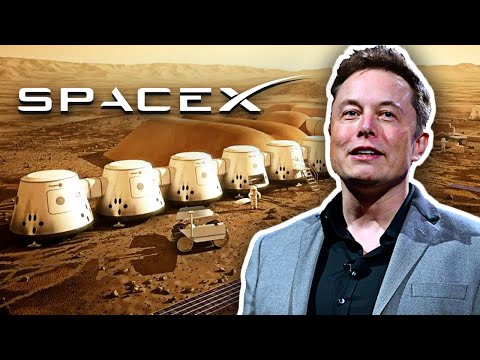
- SpaceX: This is the most advanced and ambitious company in orbital and beyond space tourism. American billionaire Elon Musk founded it in 2002. It operates a fleet of reusable rockets called Falcon 9 and Falcon Heavy that launch from various launch sites in the US. It also operates a crewed spacecraft called Crew Dragon that can dock with the International Space Station (ISS). It plans to offer orbital flights for paying customers starting from 2022. It also plans to offer lunar flights for paying customers starting from 2023. It also has a long-term vision of sending humans to Mars.
- Boeing: This is another major company in orbital space tourism. American engineer William Boeing founded it in 1916. It operates a crewed spacecraft called Starliner that can dock with the ISS. It plans to offer orbital flights for paying customers starting from 2022.
- Axiom Space: This is a new company in orbital space tourism. American entrepreneur Michael Suffredini founded it in 2016. It operates a commercial module that can attach to the ISS. It plans to offer orbital flights for paying customers starting from 2022. It also plans to build and operate its own private space station by 2024.
- Space Perspective: This is another new company in suborbital space tourism. American entrepreneurs Jane Poynter and Taber MacCallum founded it in 2019. It operates a balloon-based spacecraft called Spaceship Neptune that can carry up to eight passengers to the edge of space. It plans to offer suborbital flights for paying customers starting from 2024.

Space Tourism Packages and Prices
The packages and prices for space tourism flights vary depending on the type of flight, the duration, the destination, and the company. Here are some examples of the current or expected packages and prices for space tourism flights.

- Suborbital flights: These flights typically last for a few minutes and offer a brief taste of space. The prices range from $125,000 to $250,000 per seat. For example, Virgin Galactic offers a package that includes a suborbital flight, a personalized spacesuit, a pre-flight training, and a post-flight celebration for $250,000 per seat. Blue Origin offers a similar package for $200,000 per seat. Space Perspective offers a package that includes a suborbital flight, a luxury capsule, a pre-flight breakfast, and a post-flight champagne toast for $125,000 per seat.
- Orbital flights: These flights typically last for several days or weeks and offer a more immersive experience of space. The prices range from $25 million to $55 million per person. For example, SpaceX offers a package that includes an orbital flight, a Crew Dragon spacecraft, a docking with the ISS, and a return to Earth for $55 million per person . Boeing offers a similar package for $50 million per person . Axiom Space offers a package that includes an orbital flight, an Axiom module, a stay at the ISS, and a return to Earth for $55 million per person .
- Lunar flights: These flights typically last for several days or weeks and offer a once-in-a-lifetime opportunity to visit the Moon. The prices are not yet determined, but they are expected to be very high. For example, SpaceX offers a package that includes a lunar flight, a Starship spacecraft, a flyby or landing on the Moon, and a return to Earth for an undisclosed amount of money. The first customer to book this package is Japanese billionaire Yusaku Maezawa, who plans to invite eight artists to join him on his lunar mission in 2023 .
- Deep space flights: These flights typically last for several months or years and offer a visionary and adventurous journey to explore the solar system or beyond. The prices are not yet determined, but they are expected to be extremely high. For example, SpaceX offers a package that includes a deep space flight, a Starship spacecraft, a visit to Mars or other planets or celestial bodies, and a return to Earth for an undisclosed amount of money. The first customer to book this package is Elon Musk himself, who plans to colonize Mars in the future .

Each package has its own advantages and disadvantages, as well as different requirements and regulations. In the following sections, we will discuss these aspects in more detail.
Space Tourism Requirements
The requirements for space tourism depend on the type of flight, the duration, the destination, and the company. However, some general requirements that apply to most space tourism flights are:
- Age requirements: The minimum age requirement for space tourism is usually 18 years old. However, some companies may have different age limits or exceptions. For example, Virgin Galactic allows minors aged 16 or 17 years old to fly with parental consent. Blue Origin allows minors aged 13 or 14 years old to fly with parental consent and accompaniment.
- Health requirements: The health requirements for space tourism are usually based on the medical standards for professional astronauts or pilots. However, some companies may have different health criteria or accommodations. For example, Virgin Galactic requires its customers to have normal blood pressure, normal heart rate, normal vision (with or without glasses), normal hearing (with or without hearing aids), normal lung function, normal kidney function, no history of seizures or strokes, no history of heart attacks or angina, no history of serious mental illness or substance abuse, no history of motion sickness or claustrophobia. Blue Origin requires its customers to have similar health conditions.
- Training requirements: The training requirements for space tourism are usually based on the technical skills and knowledge needed for the flight. However, some companies may have different training programs or durations. For example, Virgin Galactic requires its customers to undergo a three-day pre-flight training program that covers safety procedures, emergency scenarios, vehicle operations, flight profile, weightlessness experience. Blue Origin requires its customers to undergo a one-day pre-flight training program that covers similar topics. SpaceX requires its customers to undergo a four-month pre-flight training program that covers orbital mechanics, operating in microgravity, operating in stress environments, emergency preparedness, spacesuit and spacecraft operations.

Space Tourism Regulations
Space tourism is subject to various legal frameworks and standards that govern human spaceflight activities. However, these regulations are complex and evolving, and they vary by country and region. Some of the main entities that regulate space tourism are:
- The United Nations: The UN is the primary international organization that oversees and coordinates space activities among its member states. It has established several treaties and principles that define the rights and obligations of states in the exploration and use of outer space, such as the Outer Space Treaty (1967), the Rescue Agreement (1968), the Liability Convention (1972), the Registration Convention (1975), and the Moon Agreement (1979). However, these treaties and principles do not directly address the issues of space tourism, such as licensing, liability, insurance, taxation, consumer protection, etc.
- The United States: The US is the leading country in space tourism, as it hosts most of the companies and customers involved in this industry. It has established several laws and regulations that govern commercial human spaceflight activities, such as the Commercial Space Launch Act (1984), the Commercial Space Launch Amendments Act (2004), the Commercial Space Launch Competitiveness Act (2015), and the Federal Aviation Administration (FAA) regulations. However, these laws and regulations do not fully address the issues of space tourism, such as safety standards, environmental impact, ethical implications, etc. In fact, Congress has imposed a moratorium through 2023 on regulating the industry.
- The European Union: The EU is another major player in space tourism, as it hosts some of the companies and customers involved in this industry. It has established several policies and initiatives that support commercial human spaceflight activities, such as the European Space Policy (2007), the European Space Agency (ESA) programs, the European Aviation Safety Agency (EASA) regulations. However, these policies and initiatives do not specifically address the issues of space tourism, such as licensing, liability, insurance, taxation, consumer protection, etc.

Space Tourism Destinations
The destinations for space tourism depend on the type of flight, the duration, the destination, and the company. However, some of the main destinations that are currently or potentially available for space tourism are:
- International Space Station: The ISS is a modular space station that orbits the Earth at an altitude of about 400 km. It is a joint project of five space agencies: NASA (US), Roscosmos (Russia), JAXA (Japan), ESA (Europe), and CSA (Canada). It serves as a scientific laboratory, a commercial platform, and a human outpost in space. It can accommodate up to seven crew members at a time. It has hosted 10 orbital tourists so far .
- Space hotels: Space hotels are commercial modules or habitats that can attach to or orbit near the ISS or other locations in LEO. They can provide more comfort, privacy, and entertainment for space tourists than the ISS. They can accommodate up to four guests at a time. They have not hosted any orbital tourists yet .
- Space colonies: Space colonies are large-scale structures or settlements that can be built on or near the Moon or other planets or celestial bodies in the solar system or beyond. They can provide more autonomy, diversity, and sustainability for space tourists than space hotels. They can accommodate up to thousands of residents at a time. They have not hosted any lunar or deep space tourists yet .
- Other possible space tourism destinations: Other possible space tourism destinations are locations or objects that have scientific, historical, or cultural significance or interest for space tourists. For example, some of these destinations are:
- The Moon: The Moon is Earth’s only natural satellite. It orbits the Earth at an average distance of about 384,000 km. It has a diameter of about 3,474 km and a gravity of about one-sixth of Earth’s. It has various features and landmarks, such as craters, mountains, valleys, seas, etc. It has hosted 24 human visitors so far .
- Mars: Mars is the fourth planet from the Sun. It orbits the Sun at an average distance of about 228 million km. It has a diameter of about 6,779 km and a gravity of about one-third of Earth’s. It has various features and landmarks, such as volcanoes, canyons, deserts, polar caps, etc. It has a thin atmosphere and a reddish color. It has two small moons, Phobos and Deimos. It has not hosted any human visitors yet .
- Asteroids: Asteroids are small rocky bodies that orbit the Sun. They are mostly found in the asteroid belt between Mars and Jupiter, but some of them cross the orbit of Earth or other planets. They have various shapes, sizes, and compositions. They have very low gravity and no atmosphere. They have not hosted any human visitors yet .
- Comets: Comets are small icy bodies that orbit the Sun. They are mostly found in the outer regions of the solar system, but some of them approach the Sun and develop tails. They have various shapes, sizes, and compositions. They have very low gravity and no atmosphere. They have not hosted any human visitors yet .
- Other planets or moons: Other planets or moons are celestial bodies that orbit the Sun or other planets. They have various features and landmarks, such as rings, geysers, oceans, etc. They have different gravity and atmospheric conditions. They have not hosted any human visitors yet .

Read About Unveiling the Power of Helium 3 : The Future of Energy
Space Tourism Activities
The activities for space tourism depend on the type of flight, the duration, the destination, and the company. However, some of the main activities that are currently or potentially available for space tourism are:
Recommended Product
Amazon Renewed — Best Deals of the Day
🛒 View on Amazon →As an Amazon Associate, we earn from qualifying purchases. Price and availability may vary.
- Experiencing weightlessness: This is one of the most common and exciting activities for space tourists. It involves floating freely in microgravity or reduced gravity environments. It can provide a sense of freedom, fun, and exhilaration for space tourists. It can also challenge their balance, coordination, and orientation skills.
- Seeing the Earth from space: This is another one of the most common and awe-inspiring activities for space tourists. It involves observing the Earth from above or afar. It can provide a stunning and beautiful view of the Earth’s surface, atmosphere, weather, day-night cycle, etc. It can also evoke a sense of wonder, gratitude, and responsibility for space tourists.
- Conducting experiments in space: This is one of the most educational and scientific activities for space tourists. It involves performing various experiments or tests in microgravity or other conditions that are different from Earth’s. It can provide valuable data and insights on various aspects of spaceflight, such as human physiology, psychology, biology, engineering, astronomy, etc. It can also stimulate curiosity, creativity, and innovation for space tourists.
- Participating in spacewalks: This is one of the most adventurous and challenging activities for space tourists. It involves exiting the spacecraft or station and performing activities outside in space. It can provide a thrilling and unique experience of being exposed to the vacuum of space. It can also test the physical and mental abilities of space tourists.

Future of Space Tourism
The future of space tourism is uncertain but promising. There are many trends and factors that may influence the development and direction of this industry in the coming years. Some of these trends and factors are:
- Technology: Technology is one of the main drivers and enablers of space tourism. It determines the feasibility, affordability, safety, and quality of space tourism services. As technology advances, it may create new opportunities and challenges for space tourism. For example, it may enable reusable rockets, cheaper launches, faster travel times, larger payloads, more destinations, etc.
- Demand: Demand is one of the main indicators and motivators of space tourism. It reflects the interest, preference, and willingness of potential customers to pay for space tourism services. As demand increases, it may create more competition and innovation for space tourism. For example, it may attract more customers, segments, and niches, such as families, students, celebrities, etc. It may also stimulate more demand for related or complementary services, such as space education, space entertainment, space media, etc.
- Supply: Supply is one of the main determinants and constraints of space tourism. It reflects the availability, capacity, and quality of space tourism services. As supply increases, it may create more diversity and accessibility for space tourism. For example, it may increase the number of companies, flights, destinations, activities, etc. It may also lower the prices and improve the safety and reliability of space tourism services.
- Regulation: Regulation is one of the main challenges and opportunities for space tourism. It determines the legal and ethical framework and standards for space tourism activities. As regulation evolves, it may create more clarity and certainty for space tourism. For example, it may establish clear rules and guidelines for licensing, liability, insurance, taxation, consumer protection, etc. It may also foster more cooperation and coordination among various stakeholders, such as governments, organizations, companies, etc.
- Competition: Competition is one of the main drivers and enablers of space tourism. It reflects the level and intensity of rivalry among space tourism providers. As competition increases, it may create more innovation and differentiation for space tourism. For example, it may encourage more research and development, more product and service features, more customer satisfaction and loyalty, etc.
- Cooperation: Cooperation is another one of the main drivers and enablers of space tourism. It reflects the level and intensity of collaboration among space tourism providers. As cooperation increases, it may create more synergy and efficiency for space tourism. For example, it may enable more sharing and pooling of resources,
- Cooperation: Cooperation is another one of the main drivers and enablers of space tourism. It reflects the level and intensity of collaboration among space tourism providers. As cooperation increases, it may create more synergy and efficiency for space tourism. For example, it may enable more sharing and pooling of resources, expertise, infrastructure, etc. It may also facilitate more joint ventures and partnerships among various stakeholders.
Conclusion
Space tourism is a fascinating and emerging industry that offers various opportunities and experiences for aspiring space travelers. However, it is also a complex and challenging endeavor that requires careful planning, preparation, and awareness.
In this article, we have guided you through everything you need to know about space tourism, including:
- The different types of space tourism
- The benefits and risks of space tourism
- The companies that offer space tourism services
- The packages and prices for space tourism flights
- The requirements and regulations for space tourism
- The destinations and activities for space tourism
- The future of space tourism
We hope this article has helped you to understand what space tourism is, what it entails, and what it can offer you. We also hope this article has inspired you to pursue your passion and curiosity for space exploration.
If you have any questions or comments about this article or anything else related to space tourism or anything else in general , please feel free to ask me. I am always happy to chat with you. You can email me editor@newspatron.com
References:
- What is space tourism? Learn more about the cost, companies, and future of space tourism from Star Walk: https://starwalk.space/en/news/space-tourism
- Space tourism: legal aspects. Get information on the legal aspects of space tourism from this article: https://digitalcommons.unl.edu/cgi/viewcontent.cgi?article=1089&context=nlr
- Space tourism: a guide for aspiring space travelers. This guide provides helpful information for those who are interested in traveling to space: https://spacetourismguide.com/
- Virgin Galactic reveals $250k ticket price for suborbital trips. Read more about the cost of a suborbital space flight with Virgin Galactic: https://www.usatoday.com/story/tech/2022/02/15/virgin-galactic-tickets-space-trip/6795121001/
- Axiom Space reveals historic first private crew to launch to ISS. Learn more about the first private crew to launch to the International Space Station (ISS): https://spacenews.com/axiom-announces-crew-for-first-private-iss-mission/
- Space Perspective reveals balloon-based spacecraft for suborbital trips. This article provides information about Space Perspective’s balloon-based spacecraft for suborbital space flights: https://www.space.com/space-perspective-capsule-balloon-tourist-flights
- SpaceX reveals first lunar tourist to fly on Starship. Read more about the first lunar tourist who will fly on SpaceX’s Starship spacecraft: https://www.wired.co.uk/article/spacex-moon-trip-announcement
- Elon Musk reveals plans to colonize Mars with Starship. Learn more about Elon Musk’s plans to colonize Mars with SpaceX’s Starship spacecraft: https://m.youtube.com/watch?v=w6nUVp9mQDs
- Axiom Space plans to build private space station by 2024. Read more about Axiom Space’s plans to build a private space station by 2024: https://www.axiomspace.com/
1. learnenglishteens.britishcouncil.org2. bing.com3. youtube.com4. youtube.com5. youtube.com6. grammarly.com7. scribbr.com8. serpstation.com9. bing.com10. searchenginejournal.com11. designrush.com12. ahrefs.com13. reliablesoft.net14. teaz.me15. bing.com16. w3schools.io17. stackoverflow.com18. markdownmonster.west-wind.com19. writingexplained.org20. bing.com21. iwriter.com22. writing.wisc.edu23. dailywritingtips.com24. owl.purdue.edu25. grammar-monster.com26. writingcenter.gmu.edu27. grammarist.com28. grammar-monster.com29. englishclub.com30. bing.com31. link-url-here.org32. stackoverflow.com33. about.gitlab.com34. css-tricks.com35. stackoverflow.com36. example.com
Extra Reading
Unlocking the Future : How Technological Advancements Impact Our Lives
Aditya L1: India’s Leap into Solar Research
Chandrayaan-3 Mission: Pioneering Lunar Exploration at the South Pole