


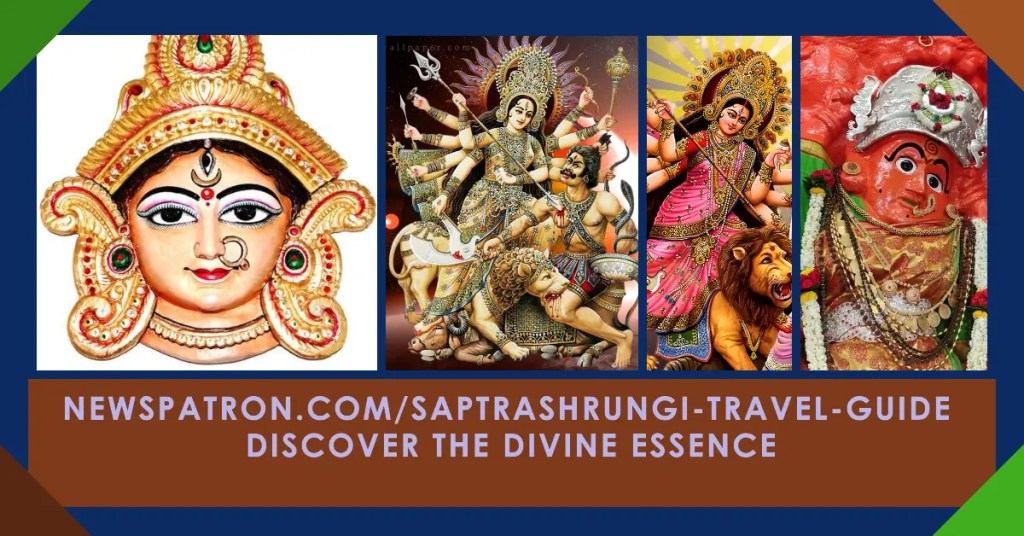

Discover the spiritual heart of India with this Saptashrungi Travel Guide. Explore legends, rituals, and the extraordinary beauty that awaits you at this sacred abode.
editor@newspatron.com
Nestled within the majestic Sahyadri mountain range, Saptashrungi emerges as a spiritual landmark and a place of natural wonder. Steeped in legend and devotion, this sacred site welcomes those seeking a connection with the divine, a peaceful escape, or an adventure through breathtaking scenery. Let’s explore the legends, rituals, and the extraordinary allure that draws visitors from around the world to this sacred abode.
Saptashrungi: An Introduction to the Sacred Abode
Located in the Nashik district of Maharashtra, Saptashrungi holds profound significance within Hinduism. This holy site derives its name, meaning “seven-peaked”, from the seven mountains said to be the dwelling place of the goddess Saptashrungi, an embodiment of resilience and kindness.
Nashik: A City Steeped in Legend and Spirituality
Saptashrungi shares a deep connection with the ancient city of Nashik, known for its historical and spiritual significance. Legend has it that Lord Rama resided in Nashik during his exile, performing the last rites of his father at Panchavati. The city also houses revered sites such as the Trimbakeshwar Temple, one of the twelve Jyotirlingas.
Saptashrungi’s Significance within Hinduism
Saptashrungi holds a unique position as one of the three-and-a-half Shakti Peethas in Maharashtra, alongside Kolhapur (Mahalakshmi), Tuljapur (Tulja Bhavani), and Mahur (Renuka) The half Shakti Peeth is located at Purnagiri near Nandurbar. These sites are revered as powerful seats of divine feminine energy.
The Sacred Godavari River
The Godavari River, beginning its journey from the Brahmagiri Mountain in Trimbakeshwar, is India’s second-longest river. Its sanctity is comparable to that of the Ganges, earning it the name ‘Dakshina Ganga’ or ‘Southern Ganges’. The river holds deep significance in Hinduism and serves as a lifeline for the regions it flows through.
The Godavari in Nashik
In Nashik, the Godavari’s sacredness intensifies at Panchavati. The Ram Kund, believed to have an underground connection to the Godavari, remains pure despite the rituals performed there. The Asthi Visarjan Kund, where ashes of the deceased are immersed, is remarkable; the ashes dissolve quickly due to the underwater currents ensuring the water remains clean and fresh. The Ram Kund, Laxman Kund, and Sita Kund each have their own story rooted in the epic Ramayana, symbolizing the divine presence of these figures during their exile.

The Temple and its Legends
Saptashrungi Devi: Embodiment of Divine Power
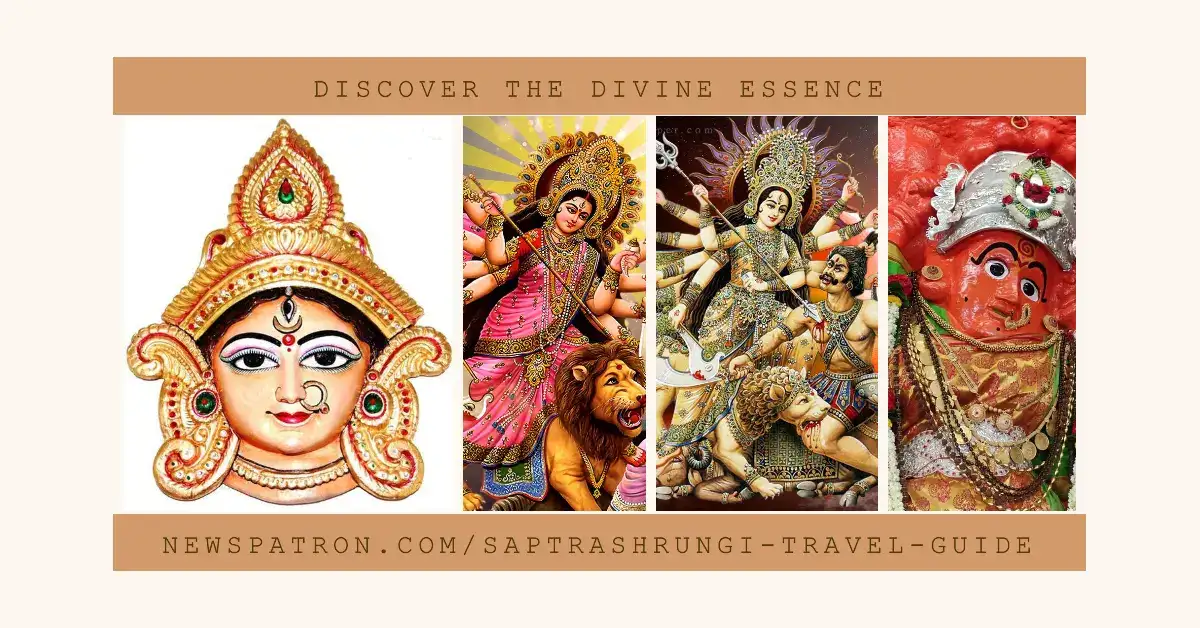
Saptashrungi Devi is revered as a manifestation of the goddess Durga, a powerful embodiment of feminine energy and the protector of devotees. Known for her fierce battles against demonic forces, Durga symbolizes the triumph of good over evil. Her image, radiating both warmth and unwavering strength, is adorned in traditional decorations. Legend says that the goddess appeared atop the seven peaks of the mountain range, giving rise to the name Saptashrungi.
Recommended Product
Casio Vintage A168WA Digital Grey Unisex Watch
🛒 View on Amazon →As an Amazon Associate, we earn from qualifying purchases. Price and availability may vary.
[Read about The Goddess of Strength and Justice]
Legends of Saptashrungi and the Shakti Peethas
Saptashrungi’s rich history is interwoven with captivating legends. As one of the 51 Shakti Peethas, it’s believed that the right arm of Sati fell here, making Saptashrungi a powerful seat of divine feminine energy. Another celebrated legend involves the sage Markandeya Rishi, one of the esteemed Saptarishis, whose profound devotion led him to compose the ‘Durga Saptashati.’ This powerful composition details the acts of Durga in her battles against the most dangerous demons. It is said that the goddess herself listened to the recitation, drawn to the sage’s unwavering faith.
[Read How to Read Durga Saptashati and Get Amazing Benefits in Your Life]
[Read about Chandi Path Transform Your Life with This Ancient Science]
[Read more about Rishi Panchami: A Festival of Wisdom and Enlightenment. Tribute to Saptarishis]
The Significance of the 510 Steps
For many devotees, the journey to Saptashrungi temple is a deeply symbolic one. Devotees often climb the 510 steps to the temple as an act of devotion. These steps represent a spiritual ascent towards enlightenment, with each step bringing them closer to the goddess and higher spiritual knowledge.
Experiencing the Divine
Saptashrungi: Where Nature and Spirituality Intertwine
Beyond the temple itself, Saptashrungi offers a unique blend of natural beauty and spiritual significance. The stunning Sahyadri mountain ranges provide a majestic backdrop for your pilgrimage. Devotees seeking a deeper connection with nature can explore the surrounding trails and immerse themselves in the serenity of the landscape.
[Read about Vasant Panchami: Colors, Knowledge, Spring]
Experiencing Saptashrungi’s Unique Rituals
Visitors can participate in a variety of rituals performed at the temple to deepen their spiritual experience. These include:
Darshan:
- Witnessing the deity in the sanctum sanctum is a powerful moment for many pilgrims. Darshan is available from 5:00 AM to 9:00 PM, with the temple staying open later on festivals and auspicious occasions.
Abhishek:
- Bathing the goddess’s image is a sacred act of devotion. Offerings of milk, water, ghee, curd, honey, and flowers are customary. This ritual begins with a resolve taken by the devotee, followed by the chanting of mantras, and concludes with the distribution of prasad. Abhishek can be performed on any day based on the devotee’s wishes and the temple schedule.
Aarti:
- Participate in this offering of light and song, a beautiful and uplifting ritual. Aarti timings are as follows:
- Kakad Aarti (Morning): 5:30 AM
- Panchamrit Maha Puja: 7:00 AM to 9:00 AM
- Mahanaivedya Aarti (Afternoon): 12:00 PM
- Sanj Aarti (Evening): 7:00 PM
Festivals and Celebrations at Saptashrungi
Saptashrungi Temple comes alive during festivals, offering visitors a chance to witness the depth and diversity of Hindu traditions.
Navratri:
- The grand Navratri festival, held twice a year, is a particularly vibrant time to visit. During Navratri, the energy of the temple intensifies with special prayers, ceremonies, and devotional rituals.
[Read how to Unlock Blessings: Unveil the Mystique of Tulsi Pujan Diwas]
Festival of the Transgender Community:
Saptashrungi plays host to a vibrant festival celebrated by the transgender community. This festival features a procession where a beautifully decorated chariot carrying the image of Saptashrungi Devi is pulled through the streets. This festival emphasizes the transgender community’s respected role and deep connection to the divine feminine within Hinduism.
Practical Information for Your Visit
Temple Hours and Planning Your Trip
The Saptashrungi temple is open to visitors every day between 6:00 AM and 6:00 PM. To avoid crowds, consider visiting outside of peak periods like Chaitri Navratri, Sharad Navratri, and Shakambhari Mahotsav. For the most pleasant experience, the winter months are generally preferred.
[Read about Dussehra and Vijayadashami: The Triumph of Good over Evil]
[Read about Kal Bhairav: The Fierce and Benevolent Manifestation of Lord Shiva]
Getting to Saptashrungi
The nearest railway station is Nashik Road Railway Station, and the nearest airport is Nashik Airport. From Nashik, various transportation options are available for pilgrims. These include:
- Buses: Public and private buses run regularly from Nashik to Saptashrungi.
- Taxis and Shared Jeeps: These provide a more direct and convenient way to reach the temple complex.
[PRIVATE CAR RENTAL] [VAPI SURAT MUMBAI TO SAPTASHRUNGI – VANI] [MMT]
[INDIA TAXI CAB AWAITS] [VAPI DAMAN SILVASSA SURAT MUMBAI & WESTERN INDIA]
Ropeway, Parking, and Temple Facilities
- Ropeway: The ropeway operates from 6:00 AM to 9:30 PM and provides a scenic way to reach the temple. Ticket prices are INR 80 for a return trip, with concessions for senior citizens and children. It’s advisable to check the official website or contact temple authorities for current restrictions or weight limits. However, waiting times can be long, especially during peak periods (up to 3 hours!).
- Parking: Parking facilities are available near the temple area, and attendants may guide you to the designated spots. While parking fees are not explicitly mentioned, be prepared to purchase items from nearby pooja stores.
- Temple Facilities: Visitors will find local food stalls and small restaurants offering a taste of the local cuisine. Restrooms are available at the ropeway building, and some form of basic medical aid is usually provided at major temples. Inside the ropeway building complex, you’ll find shops selling a wide variety of items, including pooja supplies, food, souvenirs, and spiritual items.
[Read an article on Embracing the Divine: The Tulsi Vivah Celebration]
The Kumbh Mela: A Celebration of Faith
Nashik holds a special place in the Kumbh Mela tradition, serving as one of the four sacred locations where this grand pilgrimage takes place. This extraordinary event, held every twelve years, is rooted in Hindu mythology. A legend recounts a battle between gods and demons for possession of amrita (the elixir of immortality), during which drops fell upon four sites, including Nashik. This imbued the city with potent spiritual energy and made it a sacred location for the Kumbh Mela.
During the Kumbh Mela, millions of devotees gather to bathe in the Godavari River, seeking purification and blessings. The atmosphere is electrifying, filled with chants, the fragrance of incense, and a profound sense of spiritual unity. Key moments in the Kumbh Mela include:
- Shahi Snan: The Shahi Snan, the royal bath, is considered the most auspicious time for bathing and is a powerful symbol of cleansing and spiritual renewal.
- Peshwai Procession: This vibrant procession marks the beginning of the Kumbh Mela and showcases India’s rich spiritual and cultural heritage with sadhus (holy men) and saints leading the way.
Dates and Planning:
The next Kumbh Mela in Nashik is scheduled to take place from October 2026 to July 2028, with exact dates determined by astrological calculations. For those interested in experiencing this grand event, careful planning and preparation are essential. Resources are available to help visitors find accommodations, arrange transportation, and ensure a comfortable and meaningful pilgrimage.
Saptashrungi Travel Guide Conclusion
Whether you seek a spiritual connection, a serene escape, or an exhilarating adventure, Saptashrungi offers a journey like no other. As you climb the steps to the temple, surrounded by the breathtaking Sahyadri Mountains, and immerse yourself in the ancient rituals, you’ll discover the unique and transformative power of this sacred site. Saptashrungi welcomes all who come with open hearts, ready to receive the blessings of the divine feminine.
