


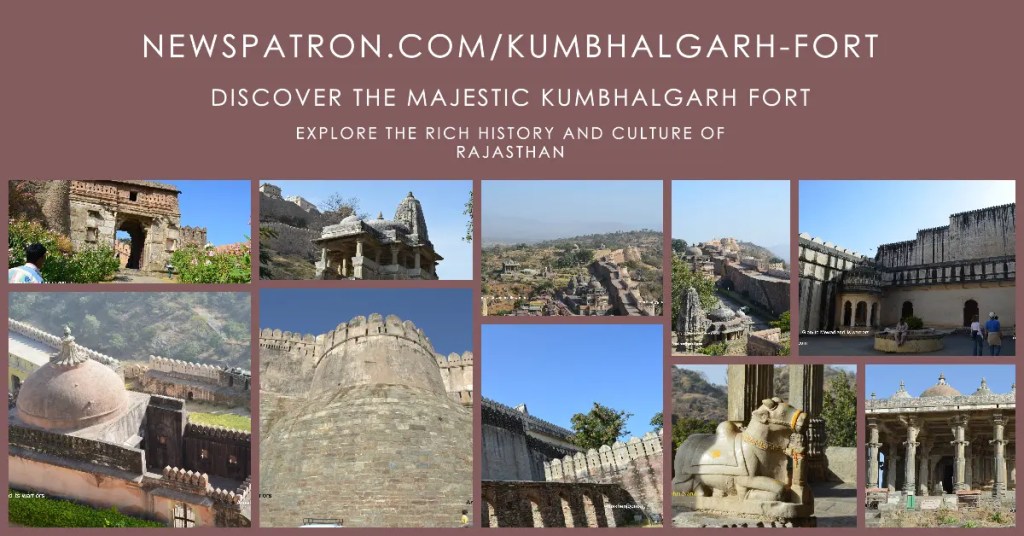

Welcome to the majestic Kumbhalgarh Fort, a jewel of Rajasthan and a living testament to India’s rich heritage. This mighty fortress stands tall, its walls whispering tales of bravery, devotion, and the grandeur of a bygone era. ??
Prepare to be amazed as you walk in the footsteps of legends, from the heroic Maharana Pratap to his loyal steed, Chetak. Explore the fort’s massive walls, second only to the Great Wall of China in length, and marvel at the intricate architecture of its palaces and temples. ?????

[Images by Kumar – Editor@newspatron]
Whether you’re a history enthusiast, an avid traveller, or simply seeking the beauty of the past, Kumbhalgarh welcomes you with open arms. Let this guide be your companion as you uncover the fort’s secrets, wander through its ancient passageways, and soak in the breathtaking views of the Aravalli Hills. ??????
Join us on this unforgettable journey through Kumbhalgarh Fort’s captivating history, stunning architecture, and enduring legends. Let’s start exploring! ?
KumbhalgarhFort #Rajasthan #FortsOfIndia #IncredibleIndia #TravelIndia #History #Architecture #MaharanaPratap #Chetak #UNESCO #Heritage #Temples #Legends #Adventure #TravelGuide
Unveiling the Majestic Kumbhalgarh Fort: A Journey Through Time
The Enigmatic Origins of Kumbhalgarh: Peering into the Past
The early history of Kumbhalgarh Fort is shrouded in mystery, with limited evidence to shed light on its origins. However, before the grand fortress we know today was constructed, a smaller fort named Matsyendra Durg occupied the same site. Legend has it that this earlier fort was built by King Samprati of the Maurya dynasty, who ruled during the 3rd century BC.

[Images by Kumar – Editor@newspatron ]
Recommended Product
Casio Enticer Men's Analog Green Dial Watch MTP-VD01D
🛒 View on Amazon →As an Amazon Associate, we earn from qualifying purchases. Price and availability may vary.
The hilltop offered a natural vantage point for surveillance and protection, making it an ideal spot for a fortified stronghold.
[bbp-single-topic id=5515]
Rana Kumbha’s Vision: The Architect of a Legend
In the 15th century, Rana Kumbha, a powerful ruler of the Mewar kingdom, envisioned a grand fortress that would surpass all others in strength and magnificence. He entrusted the renowned architect Mandan with the task of designing and constructing this ambitious project.
With meticulous planning and unwavering determination, Rana Kumbha’s vision began to take shape. Kumbhalgarh Fort emerged as a masterpiece of military engineering and architectural artistry. Its towering walls, seven fortified gates, and intricate network of palaces and temples became a testament to the Mewar kingdom’s power and prosperity.
The Strategic Significance: Guardian of Mewar
Kumbhalgarh Fort’s strategic location played a pivotal role in the history of Mewar. Perched high on a hill, the fort offered panoramic views of the surrounding landscape, allowing its defenders to monitor movements and detect potential threats from afar.
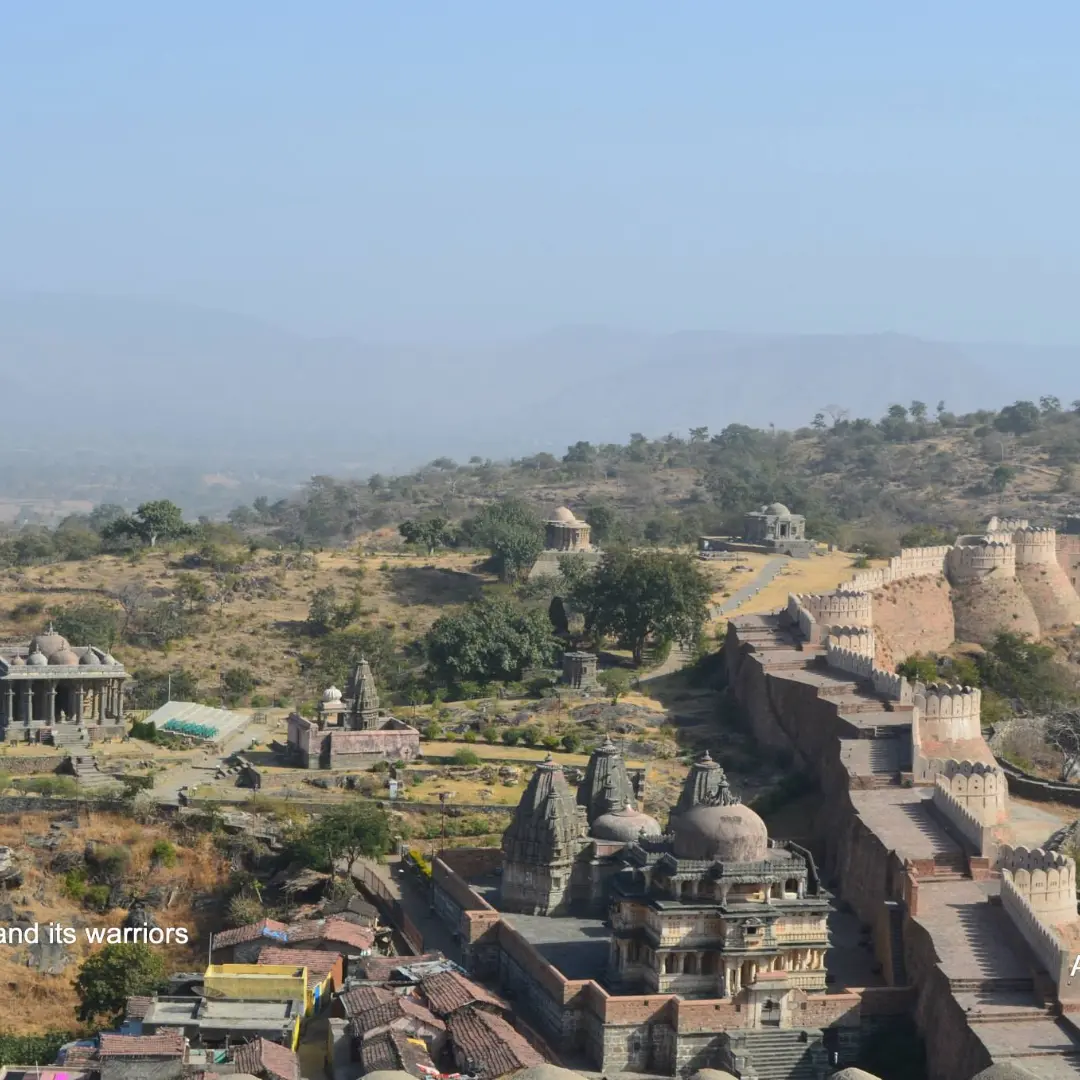
[Images by Kumar – Editor@newspatron ]
Kumbhalgarh Fort became a refuge for Mewar’s rulers during times of conflict and turmoil. In 1535, when Chittor was under siege, the infant prince Udai (who later became Maharana Udai Singh II) was smuggled to Kumbhalgarh, where he found safety within its fortified walls.
The fort’s reputation for invincibility grew with each passing century. Even the mighty Mughal emperor Akbar, known for his conquests, was unable to breach Kumbhalgarh’s defenses. The fort’s strategic importance and historical significance earned it a well-deserved place on the UNESCO World Heritage List.
[Read about Gujarat Tourism: Explore India’s Vibrant Coastal State]
[Bet Dwarka: An Island Steeped in Mythology]
[Read about Dwarka A Sacred City by the Sea – Your Essential Guide]
[Sudarshan Setu Bridge: Gujarat’s Engineering Pride]
Architectural Marvels of Kumbhalgarh: A Symphony of Stone
The Great Wall of India: A Testament to Rajput Valor
The most iconic and awe-inspiring feature of Kumbhalgarh Fort is its colossal wall, often referred to as the “Great Wall of India.” This incredible feat of engineering stretches for a staggering 38 kilometers (22 miles), making it the second-longest continuous wall in the world, surpassed only by the Great Wall of China.
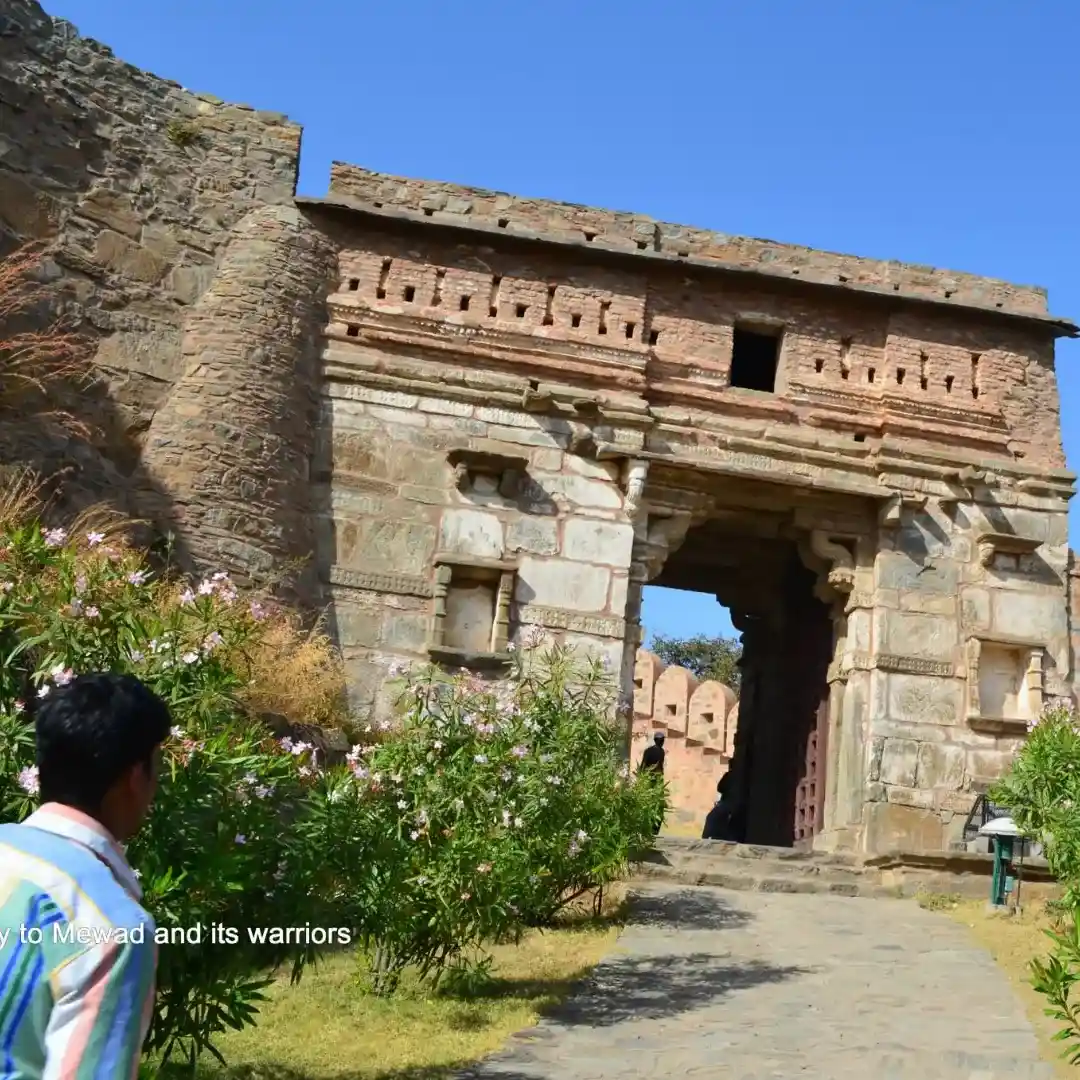
[Images by Kumar – Editor@newspatron]
Constructed with massive blocks of stone, it reaches a height of up to 15 feet and boasts a width that allows ten horses to ride abreast. The wall’s strategic design, with numerous watchtowers and bastions, provided the fort with an impenetrable defense system.
As you walk along the wall, you’ll be treated to breathtaking panoramic views of the surrounding landscape. The sight of the wall winding its way through the hills, seemingly endless, is a truly humbling experience.
Palaces and Temples: Where History Meets Divinity
Within the fort’s fortified walls lies a treasure trove of architectural gems – palaces and temples that reflect the rich cultural heritage of the Mewar kingdom.
Badal Mahal (Palace of Clouds)
The Badal Mahal, or Palace of Clouds, is a two-storied structure divided into two interconnected distinct parts: Mardana Mahal (for men) and Zanana Mahal (for women). The palace is adorned with intricate murals and delicate latticework, showcasing the exquisite craftsmanship of Rajput artisans.
From its balconies and terraces, you can enjoy sweeping views of the surrounding hills and valleys. The palace’s name, “Badal Mahal,” aptly reflects its ethereal beauty, especially when mist and clouds envelop the fort.
Temples Within the Fort

Images by Kumar – Editor@newspatron
These temples, dedicated to various Hindu and Jain deities, showcase a blend of architectural styles and offer a glimpse into the spiritual life of the people who once resided within the fort.
Some of the prominent temples within Kumbhalgarh include:
- Neelkanth Mahadev Temple: Dedicated to Lord Shiva, this temple features a massive Shiva lingam (a representation of Lord Shiva) and intricate carvings.
- Ganesh Temple: This temple honors Lord Ganesha, the elephant-headed deity of wisdom and prosperity.
- Parsvanath Temple: A Jain temple dedicated to Parsvanatha, the 23rd Tirthankara (spiritual teacher) of Jainism.
- Vedi Temple: This temple is believed to be the site where the sacred fire for the fort’s yagna (ritual sacrifice) was lit.
Defensive Design: An Impregnable Fortress
Kumbhalgarh Fort’s defensive design is a marvel of military engineering. Its seven fortified gates, known as pols, served as formidable entry points. Each gate was equipped with massive doors, iron spikes, and intricate mechanisms to deter invaders.


The fort’s strategic location atop a hill made it difficult to attack. The steep slopes and narrow paths leading to the fort created natural barriers, giving defenders a significant advantage.
The fort was also self-sufficient, with ample water storage tanks, granaries, and living quarters for soldiers and civilians. This allowed the fort to withstand prolonged sieges, making it virtually impregnable.
Kumbhalgarh Fort stands as a testament to the ingenuity and foresight of its builders. Its architectural brilliance and defensive features continue to fascinate visitors today.
The Sacred Havens: Temples of Kumbhalgarh Fort
Kumbhalgarh Fort is not only a testament to architectural brilliance but also a spiritual sanctuary. Within its fortified walls, you’ll find a collection of temples that offer a glimpse into the rich religious heritage of the region. These temples, dedicated to various Hindu and Jain deities, showcase a blend of architectural styles and hold deep spiritual significance.
Mammadev Temple: The Abode of Prosperity
Nestled at the base of the fort, the Mammadev Temple, also known as the Kuber Temple, is dedicated to Lord Shiva, the destroyer and transformer in the Hindu trinity. This temple is associated with wealth and prosperity, as Kuber is the god of riches and treasures.
The Mammadev Temple’s architecture is simple yet elegant, featuring a sanctum sanctorum (garbhagriha) where the Shiva lingam is enshrined. The temple’s surroundings are serene and peaceful, making it a perfect place for meditation and introspection.
Legends and Lore:
A fascinating legend surrounds the Mammadev Temple. It is said that during the construction of Kumbhalgarh Fort, Rana Kumbha faced numerous obstacles and setbacks. The walls of the fort kept collapsing, and progress was slow. One night, Lord Shiva appeared in Rana Kumbha’s dream and instructed him to build a temple dedicated to Mammadev at the base of the fort. Following the divine guidance, Rana Kumbha built the temple, and miraculously, the construction of the fort proceeded smoothly thereafter.
Neelkanth Mahadev Temple: A Love Story Etched in Stone
The Neelkanth Mahadev Temple, dedicated to Lord Shiva, is another significant shrine within the fort complex. It is renowned for its massive Shiva lingam, believed to be one of the largest in Rajasthan. The temple’s architecture is a blend of Rajput and Mughal styles, reflecting the cultural influences of the period.
The temple’s name, Neelkanth Mahadev, refers to Lord Shiva’s blue throat, a result of consuming poison during the churning of the ocean of milk (Samudra Manthan) to obtain the elixir of immortality (amrita).
The Legend of Nema and Badal:
A poignant love story is associated with the Neelkanth Mahadev Temple. It is said that a young sculptor named Nema fell deeply in love with a princess named Badal. Nema, hoping to win Badal’s heart, carved a magnificent idol of Lord Shiva within the temple. However, their love was not destined to be, and Badal was betrothed to another prince. Heartbroken, Nema leaped from the fort’s ramparts, and legend has it that Lord Shiva, moved by his devotion, caught him in his arms, turning him into a stone statue. This statue can still be seen near the temple, immortalizing their tragic love story.
Devi Temple: The Divine Feminine Protector
The Devi Temple, dedicated to the goddess Durga, is a symbol of feminine power and strength. It is believed that the goddess protects the fort and its inhabitants, guarding them from harm.
The temple’s architecture is typical of Rajput style, with intricate carvings and a sanctum sanctorum housing the idol of the goddess. The temple’s atmosphere is one of reverence and devotion, attracting worshippers from all walks of life.
Legends and Rituals:
Local legends speak of the goddess Durga appearing in times of crisis, guiding warriors and ensuring the fort’s safety. Women often visit this temple to seek blessings for protection, fertility, and well-being. Rituals at the Devi Temple include lighting incense, offering flowers, and performing aarti (ceremonial worship with lamps).
Ganesh Temple: The Remover of Obstacles
Dedicated to Lord Ganesha, the elephant-headed deity of wisdom and prosperity, the Ganesh Temple is a popular pilgrimage site within Kumbhalgarh Fort. Ganesha is revered as the remover of obstacles and the god of new beginnings.
The temple’s architecture is simple yet charming, with a colorful facade and a sanctum sanctorum housing the idol of Lord Ganesha. Devotees often visit this temple to seek blessings before embarking on new ventures or to overcome challenges in their lives.
Rituals and Offerings:
Rituals at the Ganesh Temple include offering modak (a sweet dumpling believed to be Ganesha’s favorite), chanting mantras, and performing aarti. The temple’s atmosphere is vibrant and festive, especially during the Ganesh Chaturthi festival, when devotees come in large numbers to celebrate the birth of Lord Ganesha.
Rituals and Reverence: Living Traditions within the Fort
The temples within Kumbhalgarh Fort are not merely historical monuments; they are living spaces of worship and devotion. The rituals and traditions practiced here have been passed down through generations, connecting the present with the past.
Devotees visit these temples not only to seek blessings but also to participate in the vibrant cultural and spiritual life of the fort. The temples host various religious ceremonies and festivals throughout the year, adding to the fort’s allure.
In conclusion, the temples of Kumbhalgarh Fort are not just architectural marvels; they are spiritual sanctuaries where history, mythology, and devotion intertwine. As you explore these sacred spaces, take a moment to immerse yourself in their serene atmosphere and appreciate the rich cultural heritage they represent.
[Read more about Surat Travel Guide: Uncover Diamonds, Delights & More!
Bhutan Travel Guide Thailand Travel Guide]
Legends and Lore: The Whispering Walls of Kumbhalgarh
Kumbhalgarh Fort’s walls have witnessed centuries of history, and they whisper tales of valor, sacrifice, and devotion. These legends and stories add another layer of intrigue to the fort’s allure, transporting visitors back in time to an era of chivalry and grandeur.
Panna Dai’s Sacrifice: A Mother’s Love for Mewar
One of the most poignant legends associated with Kumbhalgarh Fort is the story of Panna Dai, a brave and loyal nursemaid to the young Udai Singh II (later Maharana Udai Singh II). When a rival faction threatened Udai’s life, Panna Dai made the ultimate sacrifice. She replaced the prince with her own son in his bed, knowing that her son would be killed in his stead.
Panna Dai’s selfless act ensured the survival of Udai Singh II, who later became the king of Mewar and the father of the legendary Maharana Pratap. Her unwavering devotion to her duty and her love for Mewar are celebrated as an example of extraordinary courage and sacrifice.
The Birth of a Warrior: Maharana Pratap’s Legacy
Kumbhalgarh Fort holds a special place in the heart of every Rajput, as it is the birthplace of the legendary Maharana Pratap. Born within the fort’s walls in 1540, Maharana Pratap grew up to become one of the most celebrated warriors and kings in Indian history.
Image by Kumar editor@newspatron

Kumbhalgarh Fort Rajasamand Rajasthan
He is revered for his unwavering resistance against the Mughal emperor Akbar’s attempts to conquer Mewar. His valiant fight against overwhelming odds in the Battle of Haldighati in 1576 is etched in the annals of Indian history as a symbol of courage, resilience, and the unyielding spirit of freedom.
Maharana Pratap’s legacy continues to inspire generations of Rajputs and Indians alike. His story is a reminder of the importance of upholding one’s values, even in the face of adversity.
[Read about Sardar Patel: The Iron Man of India How He Finally Gets His Due]
Chetak: The Loyal Steed Who Rode into Legend
No tale of Maharana Pratap is complete without mentioning his loyal steed, Chetak. This brave horse played a crucial role in the Battle of Haldighati, carrying Pratap to safety despite being severely wounded.
Chetak’s loyalty and courage have become legendary. It is said that even after being mortally wounded, Chetak continued to carry Pratap until he reached a safe distance from the battlefield. His unwavering devotion to his master has earned him a place in the hearts of the people of Rajasthan and beyond.
Chetak Smarak: Honoring a Heroic Horse
To commemorate Chetak’s valor and loyalty, a memorial known as Chetak Smarak was built near Haldighati, the site of the historic battle. The memorial stands as a tribute to this extraordinary horse and his unwavering devotion to his master.
Visitors to Chetak Smarak can pay their respects to this legendary steed and learn about his role in the Battle of Haldighati. The memorial serves as a reminder of the deep bond between humans and animals and the importance of loyalty and sacrifice.
The legends and lore associated with Kumbhalgarh Fort are not just stories; they are an integral part of the fort’s identity. They add a layer of mystique and wonder to this majestic fortress, making it a place where history comes alive.
[Read about 5 Western Gems beyond Mumbai]
Planning Your Kumbhalgarh Adventure
Kumbhalgarh Fort is a must-visit destination for anyone exploring Rajasthan’s rich history and architectural wonders. To make the most of your trip, let’s dive into the practical details of planning your Kumbhalgarh adventure.
Udaipur: The City of Lakes
Before you embark on your Kumbhalgarh adventure, consider spending a few days in the enchanting city of Udaipur. Known as the “Venice of the East,” Udaipur is a city of lakes, palaces, and gardens.
Itinerary for Udaipur:
- Day 1:Start your day with a visit to the majestic City Palace, a sprawling complex of palaces, courtyards, and museums. In the afternoon, take a boat ride on the serene Lake Pichola and witness the sunset from the rooftop of a lakeside restaurant.
- Day 2:Explore the Jagdish Temple, a beautiful Hindu temple dedicated to Lord Vishnu. In the afternoon, stroll through the Saheliyon-ki-Bari, a garden adorned with fountains, kiosks, and marble elephants.
- Day 3:Venture beyond the city to visit the Monsoon Palace (Sajjan Garh), perched atop a hill offering panoramic views of Udaipur. In the evening, enjoy a traditional Rajasthani cultural show at Bagore Ki Haveli.
Nathdwara: The Abode of Shrinathji ShriKrishna
A short drive from Udaipur will take you to Nathdwara, a town revered for its Shrinathji Temple. This temple is dedicated to Shrinathji, a form of Lord Krishna, and is a significant pilgrimage site for Vaishnavas.
Itinerary for Nathdwara:
- Morning:Attend the morning aarti (prayer ritual) at the Shrinathji Temple and witness the deity’s divine darshan (sight).
- Afternoon: Explore the temple complex, admire the intricate artwork and architecture, and learn about the temple’s history and traditions.
- Evening: Stroll through the bustling market streets of Nathdwara, where you can find souvenirs, traditional clothing, and local snacks.
Haldighati: Echoes of a Historic Battle
Haldighati, a mountain pass about 40 kilometers from Kumbhalgarh Fort, is renowned as the site of the historic Battle of Haldighati in 1576. Here, Maharana Pratap and his forces valiantly fought against the Mughal army led by Man Singh I of Amber.
Itinerary for Haldighati:
- Morning:Visit the Haldighati Museum, which houses a collection of artifacts related to the battle, including weapons, armor, paintings, and historical documents.
- Afternoon:Explore the battlefield itself, where you can still see remnants of the past, such as the memorial to Chetak, Maharana Pratap’s loyal steed.
Now, let’s explore the practical aspects of reaching Kumbhalgarh and planning your visit.
How to Reach Kumbhalgarh: Navigating to the Jewel of Rajasthan
Kumbhalgarh Fort is well-connected to major cities in Rajasthan and other parts of India. Here are the most common ways to reach the fort:
- By Air: The nearest airport is Maharana Pratap Airport in Udaipur, approximately 84 kilometers away. From Udaipur, you can hire a taxi or take a bus to Kumbhalgarh.
- By Train: The nearest railway station is Falna, about 40 kilometers away. Taxis and buses are available from Falna to Kumbhalgarh.
- By Road: Kumbhalgarh is well-connected by road to major cities like Udaipur, Jodhpur, and Jaipur. You can either drive your own vehicle or take a bus to reach the fort.
Best Time to Visit: Weather and Festivals
The best time to visit Kumbhalgarh Fort is during the winter months (October to March) when the weather is pleasant and ideal for sightseeing. Summers (April to June) can be scorching, while monsoons (July to September) bring heavy rainfall, making travel difficult.
If you’re interested in experiencing the local culture, consider visiting Kumbhalgarh during one of its vibrant festivals:
- Kumbhalgarh Festival: Held in December, this festival celebrates the fort’s history and heritage with cultural performances, music, and dance.
- Dussehra: The festival of Dussehra is celebrated with great enthusiasm in Kumbhalgarh, with special rituals and processions held at the fort.
Where to Stay: Accommodation Options for Every Traveler
Kumbhalgarh offers a range of accommodation options to suit every budget and preference. You can choose from luxury hotels and resorts to budget-friendly guesthouses and homestays.
Some popular options include:
- Kumbha Bagh: A heritage hotel located within the fort complex, offering a unique experience of staying within the historical walls.
- Club Mahindra Kumbhalgarh: A resort nestled amidst the Aravalli Hills, offering modern amenities and stunning views.
- The Aodhi: A luxurious hotel known for its warm hospitality and traditional Rajasthani architecture.
Exploring Beyond: Nearby Attractions
While Kumbhalgarh Fort is the main attraction, the surrounding area offers several other interesting places to explore:
- Ranakpur Jain Temple:A magnificent Jain temple complex known for its intricate marble carvings and serene atmosphere.
- Muchhal Mahavir Temple: This Jain temple is unique because the idol of Lord Mahavir has a mustache.
- Parshuram Mahadev Temple: Located in a cave, this temple is dedicated to Lord Shiva and is accessed through a narrow gorge.
Practical Tips: Essential Information for Visitors
- Timings: Kumbhalgarh Fort is open from 9:00 AM to 6:00 PM.
- Entry Fee: There is an entry fee for Indian and foreign visitors.
- Guided Tours: Hiring a local guide is recommended to get a deeper understanding of the fort’s history and architecture.
- Photography: Photography is allowed within the fort complex.
Remember to carry plenty of water, sunscreen, and a hat, as the weather can be quite hot during the day. Wear comfortable shoes as you’ll be doing a lot of walking.
The Light and Sound Show: Where History Comes Alive
Kumbhalgarh Fort’s Light and Sound Show is a mesmerizing spectacle that brings the fort’s rich history to life. Through a captivating blend of lights, music, and narration, the show transports you back in time, immersing you in the tales of valor, romance, and intrigue that have shaped the fort’s legacy.
A Spectacular Display of Kumbhalgarh’s Past
The show unfolds against the backdrop of the fort’s magnificent architecture, with its towering walls and majestic palaces serving as a canvas for the visual extravaganza. The narration, delivered in both Hindi and English, takes you through the key events in Kumbhalgarh’s history, from its construction by Rana Kumbha to the heroic resistance of Maharana Pratap.
The show highlights the fort’s strategic importance, its architectural marvels, and the legends associated with it. You’ll witness the dramatic retelling of the Battle of Haldighati, the sacrifices of Panna Dai, and the unwavering loyalty of Chetak. The music, composed specifically for the show, complements the narration and visuals, creating an immersive experience that leaves a lasting impression.
Show Timings and Booking Information
The Light and Sound Show is usually held in the evenings, with separate shows in Hindi and English. The show timings may vary depending on the season, so it’s recommended to check the official website or inquire at the fort’s ticket counter for the latest schedule.
Tickets for the show can be purchased online or at the fort’s ticket counter. It’s advisable to book your tickets in advance, especially during peak tourist season, to avoid disappointment. The show is a popular attraction, and tickets tend to sell out quickly.
Tips for Enjoying the Light and Sound Show:
- Arrive early: Reach the venue well in advance of the show’s start time to secure a good seat.
- Bring a jacket: Evenings can get chilly in Kumbhalgarh, so it’s a good idea to carry a light jacket or shawl.
- Photography: Photography may be restricted during the show, so inquire beforehand.
The Light and Sound Show at Kumbhalgarh Fort is a must-see for anyone visiting the fort. It’s an unforgettable experience that will leave you with a deeper appreciation for the fort’s history and heritage.
Conclusion: Kumbhalgarh Fort – A Timeless Treasure
As our journey through the majestic Kumbhalgarh Fort comes to an end, we’re left with a profound appreciation for its enduring legacy. This magnificent fortress stands as a testament to the ingenuity, courage, and devotion of the people who built and defended it.
From its towering walls that rival the Great Wall of China to its exquisite palaces and temples that whisper tales of a bygone era, Kumbhalgarh Fort is a treasure trove of history, architecture, and spirituality. Its legends and lore add a layer of mystique and wonder, transporting visitors back in time to an era of chivalry and grandeur.
Whether you’re exploring the fort’s intricate architectural details, retracing the footsteps of Maharana Pratap and his loyal steed Chetak, or simply soaking in the breathtaking views of the Aravalli Hills, Kumbhalgarh Fort offers an unforgettable experience. It’s a place where history comes alive, where legends resonate through the ages, and where the spirit of Rajasthan’s rich heritage thrives.
As you leave the fort’s imposing gates, carry with you the memories of this timeless treasure. Let the stories you’ve heard and the sights you’ve seen inspire you and may your journey through Kumbhalgarh Fort be etched in your heart forever.
Thank you for joining me on this virtual exploration of Kumbhalgarh Fort. I hope this guide has been informative and has sparked your interest in visiting this remarkable destination.
If you have any further questions or would like to share your own experiences at Kumbhalgarh Fort, please feel free to leave a comment below.
Happy travels! ??
