








?Namaste, fellow pilgrims and curious minds!?
Ever heard of a place where prayers echo through centuries and stories come alive in every stone? Get ready to be transported to Pandharpur,[Google Location] a town on the banks of the Chandrabhaga River in Maharashtra, where spirituality and history intertwine like threads in a beautiful shawl. For over 700 years, Pandharpur has been a spiritual hotspot, drawing in countless souls seeking connection with the divine.
Pandharpur’s Divine Whispers: Unearthing Pandharpur Vitthal Temple Idol at the Vitthal Rukmini Temple
At the heart of this holy town stands the magnificent Vitthal Rukmini Temple, dedicated to Lord Vitthal, a form of Lord Krishna cherished by millions. Folks from all walks of life, from farmers to scholars, make their way here to offer their devotion and seek blessings from Vithu Mauli (another name for Lord Vitthal).
But hold on tight, because things are about to get interesting! Recently, the temple grounds revealed a secret – a hidden chamber holding four mysterious statues of Lord Vishnu. Whispers are buzzing around: Could these be the original idols that once graced the temple? Are we about to rewrite the history books?
Join us as we dig into this exciting discovery. We’ll take you behind the scenes of the excavation, show you up close the details of the statues, and chat with the experts who are trying to crack the code of these ancient relics. Together, we’ll uncover the truth behind these figures and their link to the beloved Pandharpur Vitthal Temple idol.
So, are you ready to step back in time and explore the sacred? Come along as we uncover the treasures of Pandharpur Vitthal Temple Idol and the stories they tell.
Oh, and by the way, if you’re ever road-tripping between Mumbai and Goa and or Pune to anywhere such as Hyderabad, Pandharpur is just a hop, skip, and a jump away! It’s the perfect pit stop to soak in some spirituality and history.
Let’s get this adventure started! ?
Recommended Product
Casio Vintage A168WA Digital Watch – Classic Retro Style
🛒 View on Amazon →As an Amazon Associate, we earn from qualifying purchases. Price and availability may vary.
Pandharpur #VitthalRukminiTemple #Vitthal #Vishnu #Archaeology #HinduMythology #Vithoba #SpiritualJourney
The Divine Discovery at Pandharpur: Unearthing a Sacred Chamber
The air crackled with anticipation on Friday afternoon, May 31, 2024, as archaeologists from the Archaeological Survey of India (ASI) gathered at the Vitthal Rukmini Temple in Pandharpur. Their mission? To unlock a secret chamber hidden beneath the temple’s hallowed grounds, a chamber rumored to hold relics from a bygone era.
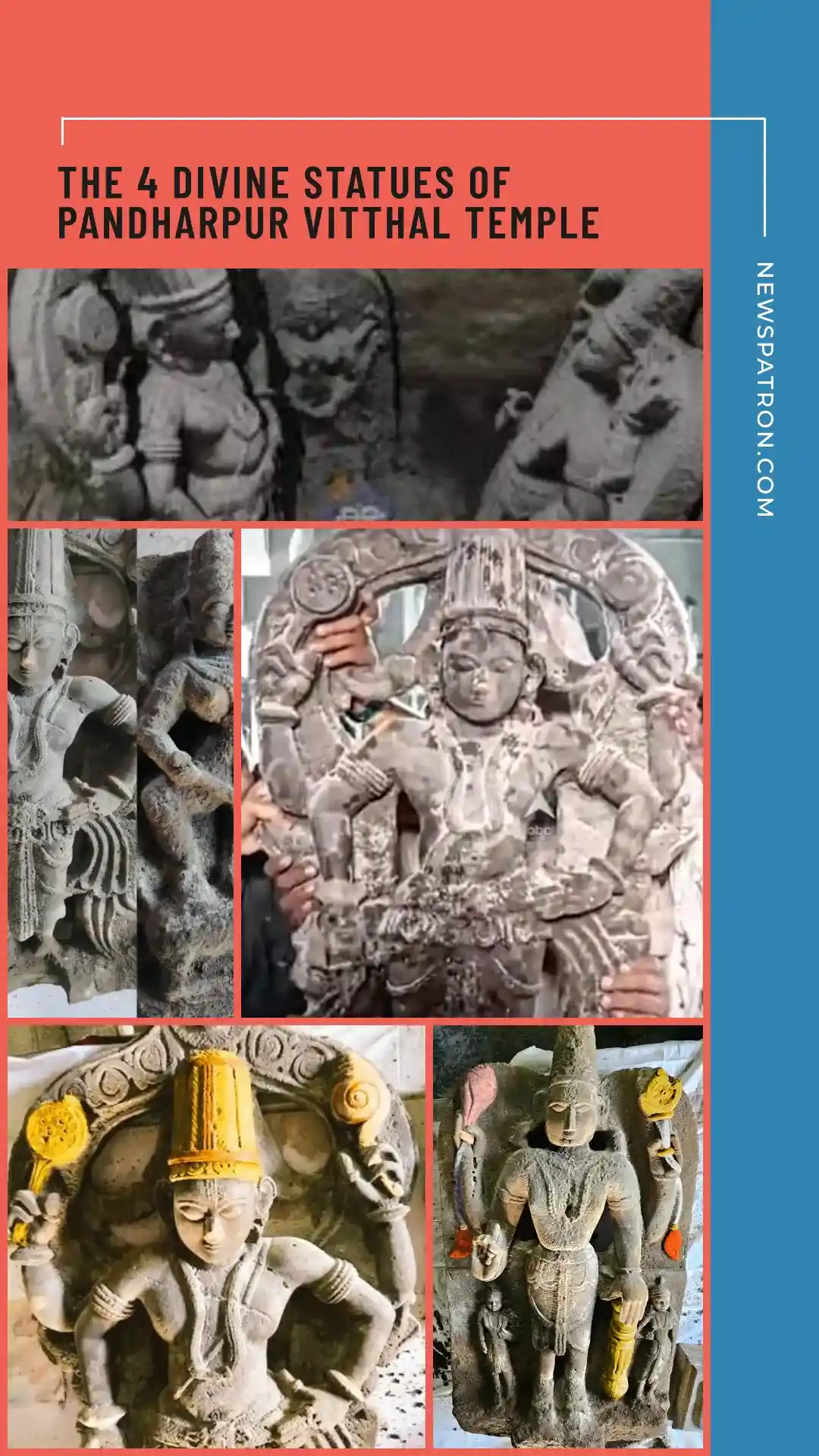
With meticulous care, the ASI team excavated the area, revealing a six-foot-deep chamber that had remained untouched for centuries. [Visit Archeological Survey of India Website]
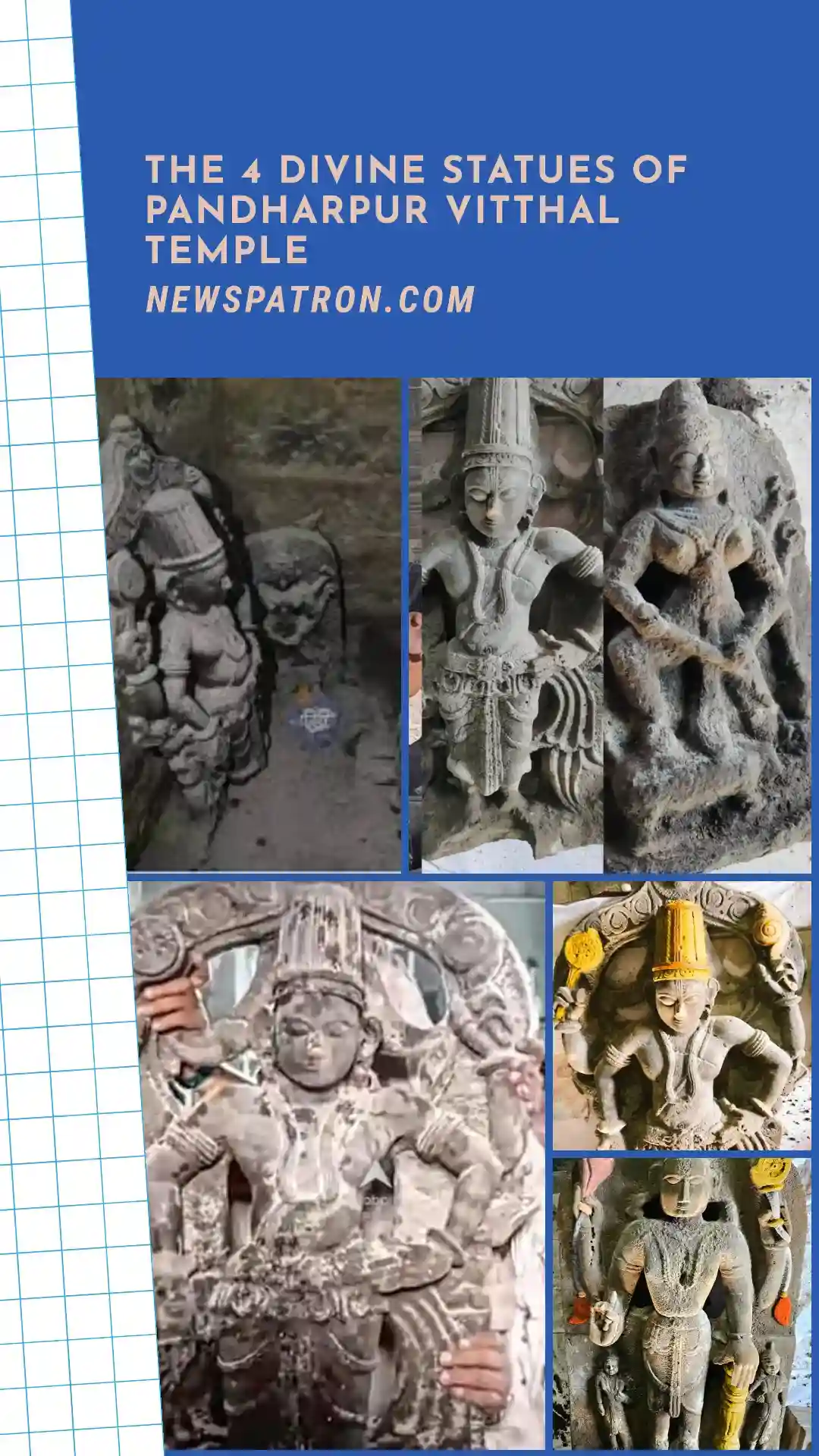
As the archaeologists descended into the chamber, their lamps illuminating the darkness, they were greeted by a breathtaking sight: four statues, coated in limestone, stood sentinel in the silent space. Two of these statues were imposing figures, standing 3.5 feet tall, while a third was smaller in stature. The fourth, a graceful female figure, was identified as Mahishasur Mardini, a fierce form of the goddess Durga. Alongside these divine figures, the archaeologists unearthed a collection of 5 and 10 paisa coins, fragments of earthen and glass bangles, and even a pair of padukas (sandals). [A Saptashrungi Travel Guide: Your Sacred Journey Awaits]
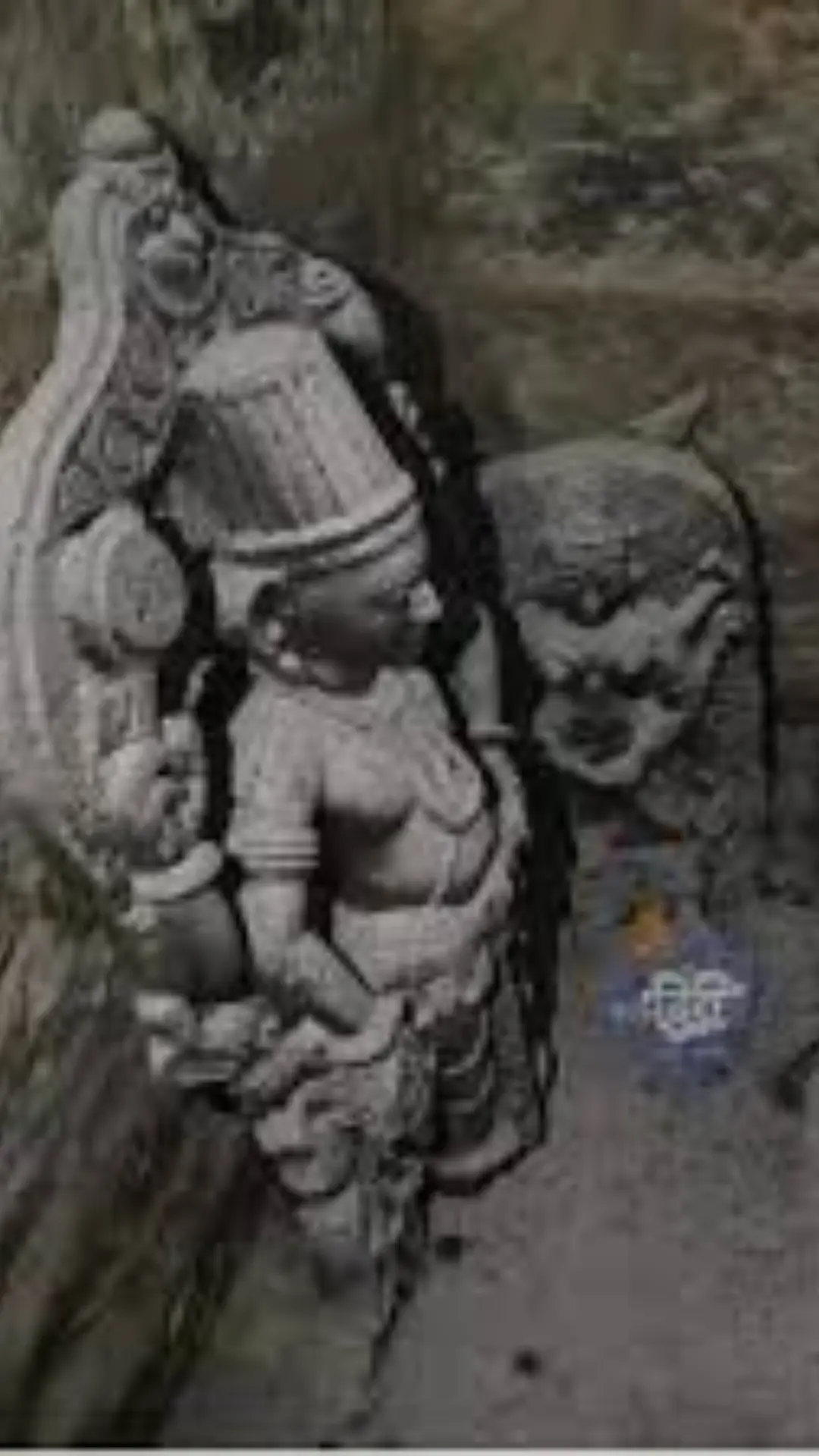
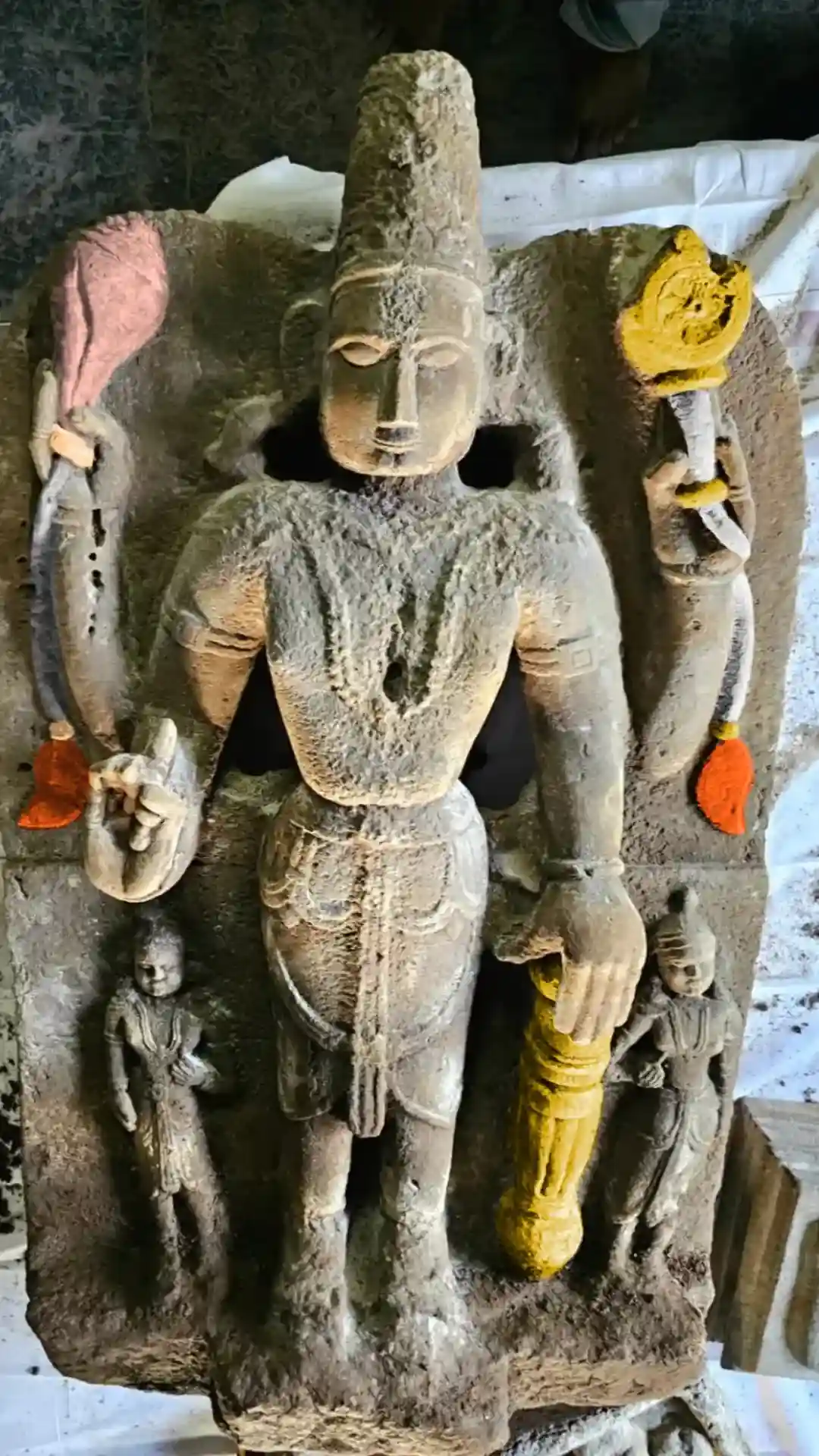
Each statue bore the four symbols of Vishnu—the Shankha (conch), Chakra (disc), Padma (lotus), and Gada (mace)—but the placement of these symbols in the statues’ hands varied. This intriguing detail sparked a flurry of questions and speculation, fueling the mystery surrounding the statues’ identity and significance.
[Read about Parshuram: The Immortal Warrior-Sage of Hinduism]
Cracking the Case: Could These Be the Original Pandharpur Vitthal Temple Idols?
Finding the Vishnu statues in that secret hideout has everyone talking – devotees, experts, and everyone in between. The big question that’s got everyone buzzing: Could these be the real deal, the very statues of Lord Vitthal that were the stars of the Vitthal Rukmini Temple way back when?
It’s not totally out there. Think about it: Back in the day, when Shivaji Maharaj was ruling and the Mughals, led by aggressors like Afzal Khan, were destroying temples and idols, people used to hide sacred statues to keep them safe.

[bbp-single-topic id=5664]
[Read about Gujarat Tourism: Explore India’s Vibrant Coastal State]
Expert Insights: A Closer Look at the Evidence
To unravel this mystery, we need to dive deeper into the evidence and hear what the experts have to say.
Hari Bhakta Parayan Sachin Pawar: A respected figure in the Varkari tradition, a devotional movement centered on Lord Vitthal, Pawar believes the newfound statues aren’t the original Vitthal idols. He bases this on the established traditions and iconography associated with the existing Vitthal idol in the temple. “The idol currently worshipped bears all the traditional signs and characteristics of Shri Vitthal,” he states. “Therefore, it is the true idol.”
Dr. Sadanand More: A senior researcher from Maharashtra, Dr. More shares Pawar’s view. He and his team have thoroughly studied the temple complex and its history. They propose that the statues could be remnants from other shrines within the temple premises that have been lost to time.
The Temple Committee’s Clue: Pawar draws attention to the name of the temple committee itself—Shri Vitthal Rukmini Mandire Samiti—which indicates the existence of multiple temples within the complex. He suggests the statues may have belonged to one of these smaller, now-ruined temples.
Deeper into the Past: Dating the Idols and Analyzing Their Artistic Style
Ketan Puri, a dedicated temple researcher, offers insights into the age of the statues. He points out that the idols differ in style from those of the Vijayanagara Empire, known for its elaborate sculptures. Based on the artistic characteristics and the presence of coins from the 15th or 16th century, Puri suggests the statues likely hail from the late 14th or early 15th century. His assessment draws on the distinct artistic styles of different historical periods:
- Gupta Era (4th-6th centuries CE): Sculptures often feature rounded faces and serene expressions, reflecting the Gupta Empire’s emphasis on idealized beauty.
- Rashtrakuta Era (8th-10th centuries CE): Statues from this era are characterized by rectangular faces and a sense of dynamism, showcasing the Rashtrakutas’ power and martial spirit.
- Pallava Era (7th-9th centuries CE): Sculptures often have oval faces and graceful forms, reflecting the Pallava dynasty’s artistic refinement and cultural sophistication.
- Vijayanagara Era (14th-17th centuries CE): Statues from this era are renowned for their exceptional beauty, intricate details, and curvaceous figures, embodying the empire’s grandeur and artistic achievements.
- Peshwa Era (18th century CE): The Peshwas were patrons of art and architecture, and their era saw the construction of numerous temples and structures in a distinctive style, characterized by ornate details and grandeur.
[Read about Glorious Mewad and the 7 Wonders of Kumbhalgarh Fort: The Ultimate Guide]
The Art and Iconography of the Vishnu Idols: Clues to Their Identity
The two Vishnu statues unearthed in Pandharpur’s hidden chamber offer a treasure trove of artistic and symbolic details that could hold the key to unraveling their identities. A closer look at their iconography, attire, and mudras (hand gestures) reveals intriguing clues about their significance and potential connection to the revered Pandharpur Vitthal Temple idol.
Vishnu’s Divine Forms: A Multifaceted Deity
In Hindu mythology, Lord Vishnu is often depicted in various forms, each representing a different aspect of his divine nature.
These forms, known as avatars or incarnations, are characterized by unique attributes and iconography. Two of the most common forms are:
- Chaturbhuja Vishnu (Four-Armed Vishnu): This form of Vishnu is depicted with four arms, each holding a different symbol representing his divine powers and attributes:
- Shankha (Conch): Symbolizes the primordial sound of creation and the divine origin of all existence.
- Chakra (Disc): Represents the wheel of time, the cyclical nature of the universe, and Vishnu’s power to maintain cosmic order.
- Gada (Mace): Signifies Vishnu’s strength, power, and ability to protect the righteous.
- Padma (Lotus): Represents purity, spiritual enlightenment, and the unfolding of divine consciousness.
Analysing the Pandharpur Statues
The Pandharpur statues, both depicting Chaturbhuja Vishnu, exhibit unique variations in their iconography, adding to the intrigue surrounding their identity.
Statue 1: The Keshava Form
The first statue holds the Padma (lotus) in the lower right hand, the Shankha (conch) in the upper right hand, the Chakra (disc) in the upper left hand, and the Gada (mace) in the lower left hand. This specific arrangement of attributes is characteristic of the Keshava form of Vishnu, known for his role as the protector and preserver of the universe.
Statue 2: The Enigmatic Form
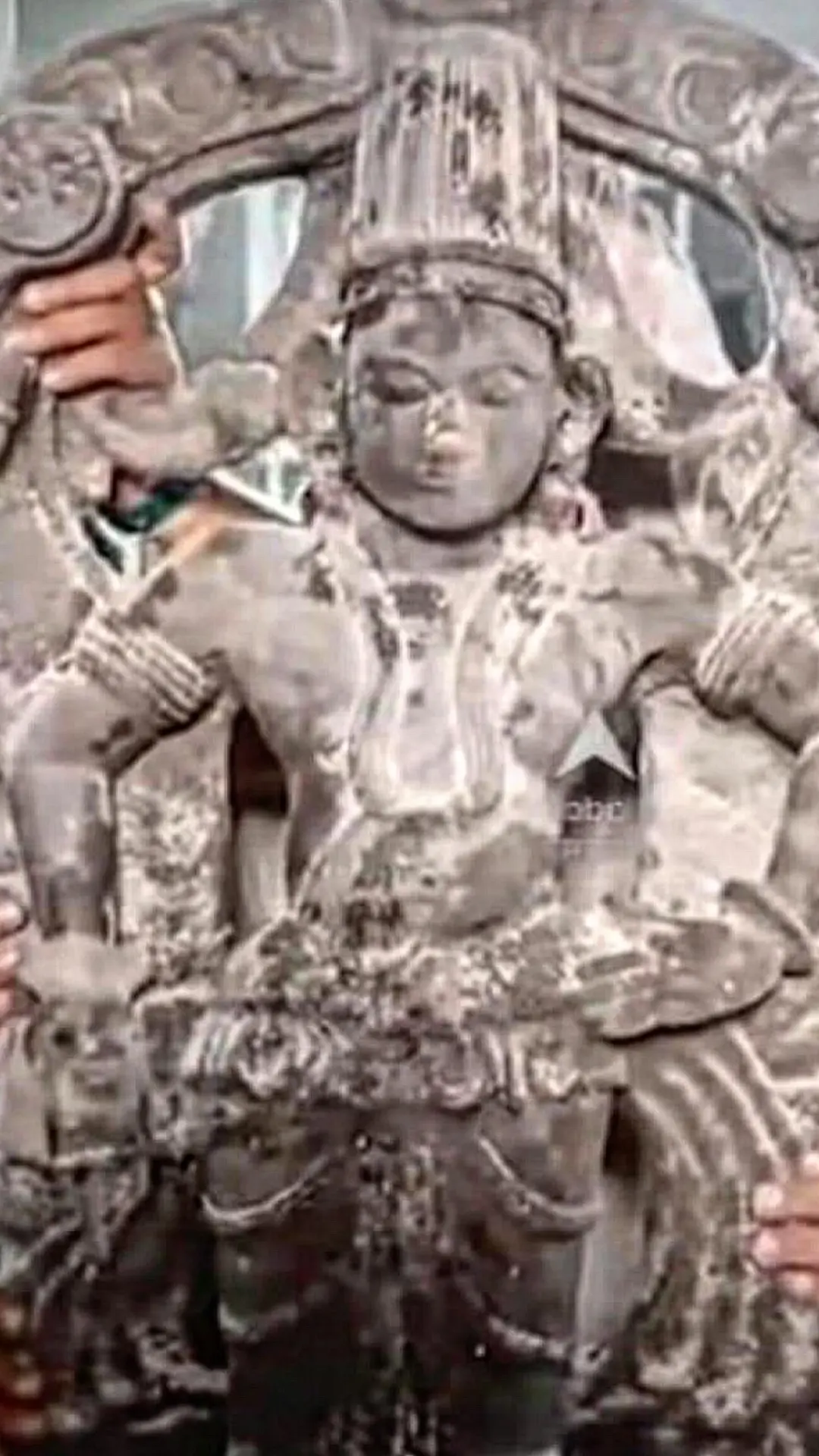
The second statue presents a more enigmatic puzzle. It holds the Padma in the lower right hand and the Chakra in the upper right hand, similar to the first statue. However, the upper left hand holds the Shankha, and the lower left arm rests on the waist, a pose often associated with Vitthal. While this statue shares similarities with the Janardana form of Vishnu, the missing Gada and the unique hand-on-waist pose distinguish it.
A Connection to Vitthal?
The presence of a Vishnu statue with a hand-on-waist pose, similar to Vitthal, has sparked speculation about a possible link between the unearthed statues and the beloved deity of Pandharpur. Could this statue be a previously unknown representation of Vitthal? Or perhaps an artistic interpretation inspired by the popular deity?
While the exact identity of the second statue remains unclear, its presence alongside the Keshava statue in the hidden chamber suggests a deliberate connection to the broader Vaishnava tradition and the diverse forms of Lord Vishnu revered throughout India.
[Read about Mahakaleshwar Jyotirlinga: A Divine Pilgrimage to the Lord of Time]
The Melodies of Devotion: Abhang and the Pandharpur Vitthal Temple Idol
The unearthing of the Vishnu statues has also sparked a renewed appreciation for the rich tradition of abhang, a form of devotional poetry sung in praise of Lord Vitthal. Abhangs, often composed by saint-poets like Dnyaneshwar, Tukaram, and Namdev, capture the essence of Vitthal’s divine love and compassion. They are sung with fervor by devotees during pilgrimages to Pandharpur, creating an atmosphere of collective devotion and spiritual ecstasy.
The abhang tradition is deeply intertwined with the Pandharpur Vitthal Temple idol. These heartfelt verses describe the idol’s unique form, its captivating smile, and the spiritual solace it offers to those who seek its blessings. Listening to abhangs transports devotees to the sacred realm of Pandharpur, evoking a sense of longing for the divine and a yearning for spiritual union.
To experience the soulful beauty of an abhang dedicated to Lord Vitthal, listen to this rendition by the legendary Lata Mangeshkar: YouTube
The Viral Moment: Watch It Unfold
The Significance of the Pandharpur Discovery for the Vitthal Temple
The discovery of the Vishnu statues has profound implications for the Vitthal Rukmini Temple and the town of Pandharpur. It offers a unique opportunity to delve deeper into the temple’s history, its religious traditions, and the evolution of artistic styles in the region.
A Glimpse into the Past
The statues, along with the other artifacts found in the chamber, provide valuable clues about the temple’s past. They offer a glimpse into the artistic traditions, religious practices, and cultural influences that shaped Pandharpur over the centuries. The presence of coins and other artifacts dating back to the 15th or 16th century helps to establish a timeline for the hidden chamber and its contents.
Restoring the Temple’s Glory
The discovery of the statues has sparked renewed interest in the restoration and preservation of the Vitthal Rukmini Temple. As archaeologists and historians work to decipher the secrets of the past, the temple authorities are exploring ways to integrate these findings into the temple’s narrative, enhancing the experience for devotees and visitors alike.
A Boon for Religious Tourism
Pandharpur is a major pilgrimage site for devotees of Lord Vitthal. The discovery of the statues has the potential to boost religious tourism in the region, attracting more visitors eager to witness the newly unearthed treasures and learn about the temple’s fascinating history. The temple authorities are already planning exhibitions and educational programs to showcase the statues and other artifacts to the public.
A Catalyst for Further Research
The discovery has also spurred a wave of research and investigation into the temple’s history and architecture. Archaeologists are eager to explore other areas of the temple complex, hoping to uncover more hidden chambers and artifacts that could shed further light on Pandharpur’s rich past.
Conclusion: A Journey of Faith and Discovery Continues
The unearthing of the Vishnu statues at the Vitthal Rukmini Temple in Pandharpur is a momentous event that has captured the imagination of devotees and scholars alike. While the mystery of their true identity remains unsolved, the discovery offers a unique opportunity to delve deeper into the temple’s history, religious traditions, and artistic legacy.
As researchers continue their work, we eagerly await further revelations that could potentially rewrite the history books and deepen our understanding of Pandharpur’s sacred past. In the meantime, the discovery serves as a reminder of the enduring power of faith, the importance of preserving our cultural heritage, and the endless possibilities that lie hidden beneath our feet.
Let the journey of faith and discovery continue!
