




India’s Democratic Dance: A Deeper Look at Elections, Hysteria, and the Need for Change
Sitting at the chai stall, watching the world go by, you can’t help but overhear the whispers. “Acche din kab aayenge?” “Will our votes even matter?” “Is this the India we dreamed of?” It’s the soundtrack of everyday India—a mix of hope, frustration, and a relentless questioning of what’s next.
These whispered worries and fervent dreams are the pulse of our democracy, the heartbeat of a nation that’s forever in motion. It’s a complex dance, full of twists and turns, where the collective wisdom of millions shapes the destiny of a billion.
India’s elections, like the colorful threads of a tapestry, weave together stories of ambition, struggle, and the enduring pursuit of a better life. But what happens when the music changes, when the rhythm shifts, and the familiar steps give way to something unexpected?
In this blog post, we’ll dive deep into the heart of Indian democracy. We’ll explore the 2024 election results that left everyone scratching their heads, decode the patterns that emerge from the collective “Indian brain,” and confront the uncomfortable truths about our economic and social challenges.
We’ll examine the role of organizations like the RSS, question the effectiveness of traditional political tactics, and challenge the very notion of what it means to be a leader in today’s India. But most importantly, we’ll ask ourselves: Can we move beyond the noise and find a way to build a nation where everyone has a chance to thrive?
Let’s explore the hidden threads that connect us all, and discover what it truly means to be a part of this grand democratic dance.
Are you ready to join the conversation?
Recommended Product
Casio Enticer Men's Analog Green Dial Watch MTP-VD01D
🛒 View on Amazon →As an Amazon Associate, we earn from qualifying purchases. Price and availability may vary.
The Oscillating Pendulum of Indian Democracy
Historical Context: From Churchill’s Dismissal to a Resilient Nation
In the 1930s, Winston Churchill arrogantly proclaimed that India was not a nation, but merely a “population” without a collective identity. He believed that without British rule, India would crumble into fragments.
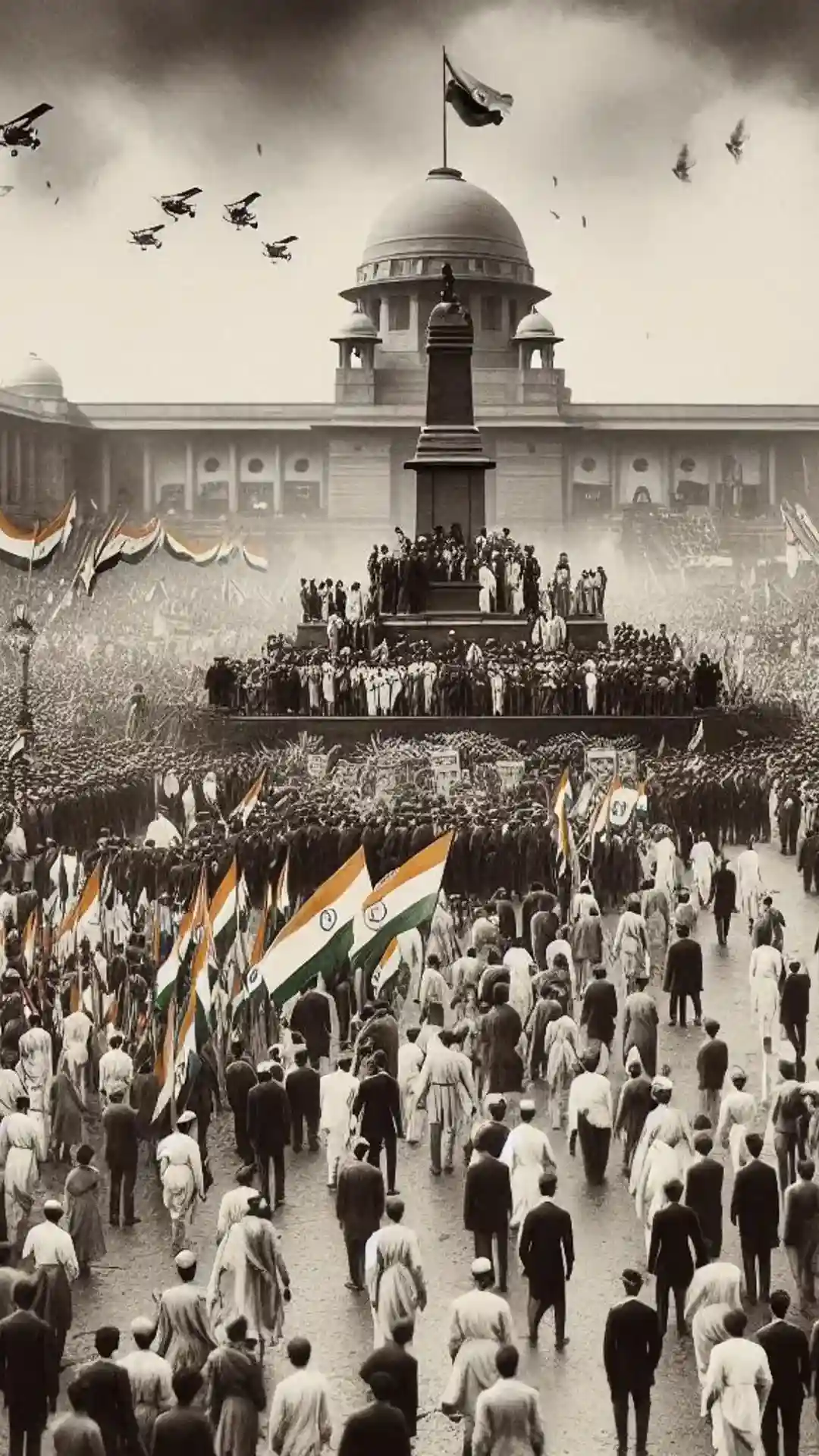
The 75 years since independence have been a testament to India’s resilience. We’ve faced numerous challenges—partition, wars, terrorism, insurgencies—yet the democratic spirit has endured. Each crisis has been a test, revealing the remarkable strength and flexibility of the Indian people.
The 7 Decades in Review: The Evolution of Indian Democracy
Over the last seven decades, Indian democracy has been a fascinating dance of progress and setbacks. From the idealism of Nehru’s era to the dark days of the Emergency, from the economic liberalization of the 90s to the rise of coalition politics, the nation has constantly evolved.
The Congress party’s dominance in the early years gave way to a multi-party system, reflecting the diversity of voices within the country.
Through it all, the Indian people have remained at the heart of this democratic experiment, their voices shaping the nation’s destiny. This ever-evolving nature of India’s democracy sets the stage for understanding the surprising results of the 2024 elections.
Elections as a Mirror: Reflecting Collective Wisdom
Elections in India are more than just political contests. They’re a vibrant reflection of the collective mood, wisdom, and aspirations of a diverse nation. From the grand stage of the Lok Sabha elections to the grassroots level of gram panchayats, the Indian electorate expresses its will, often in surprising ways.
The 2024 election, in particular, was a testament to the unpredictable nature of Indian politics. The results defied expectations, revealing a deep-seated desire for balance and moderation. It was as if the collective “Indian brain” had decided to steer the nation away from extremes and towards a more centrist path.
[Read about Lok Sabha Elections: India’s Democratic Pulse] & [Lok Sabha Elections: A History of Indian Politics]
2024 Elections: The Unexpected Return to Center
The 2024 Lok Sabha election was a puzzle that left political pundits scratching their heads. The BJP, despite its strong showing, fell short of a clear majority. The Congress, though far from its former glory, gained a significant number of seats. Regional parties emerged as kingmakers, holding the balance of power.
What happened? Why did the electorate choose this path?
The answer lies in the complex interplay of factors that influence Indian voters. There’s a growing frustration with empty promises and divisive politics. There’s a yearning for leaders who prioritize economic development and social justice. And there’s an underlying belief in the power of democracy to correct its course.
The BJP-Congress Hypothetical: A Thought Experiment on Power Dynamics
Imagine, for a moment, a scenario where the BJP and Congress joined forces. It’s a hypothetical that raises interesting questions about the nature of power and the role of opposition in a democracy. Would such a union be beneficial for the nation? Would it lead to more effective governance or stifle dissent?
This thought experiment highlights the importance of a robust opposition in keeping the ruling party in check. It reminds us that democracy thrives on debate, dialogue, and the constant push and pull of competing ideas.
Learn about the Election Guarantees
[Decode BJP Manifesto 2024: A Vision for India’s Progress] [Download BJP Manifesto] [Download Congress Manifesto]
The Peculiarity of Seat Distribution: BJP to Congress Transfer
One of the most intriguing aspects of the 2024 election was the transfer of seats from the BJP to the Congress. While the BJP lost ground, the Congress gained a significant number of those lost seats, raising questions about the underlying reasons for this shift.
Understanding this phenomenon requires a deeper analysis of voter behaviour, regional dynamics, and the changing political landscape. It’s a reminder that Indian democracy is a complex and evolving system, where unexpected patterns can emerge.
[Read about our five part series on Lok Sabha Elections Result Analysis – 1: A New Political Era] [Analyzing the 2024 Lok Sabha Election Results] [Unraveling Lok Sabha Election Dynamics 2024] [Elections 2024 Insight] [Lok Sabha Elections: The Verdict]
The Significance of Regional Strongholds and Swing States
The 2024 election results also highlighted the importance of regional strongholds and swing states. While some states remained firmly in the BJP’s grip, others witnessed a fractured mandate, reflecting the diverse political preferences across the country.
Swing states like Uttar Pradesh, Maharashtra, and Bihar played a crucial role in determining the overall outcome. Their ability to shift allegiances from one election to another makes them a key battleground for political parties.
[Read about Maharashtra 2024: Election Insights]
The RSS Factor: Understanding Its Role and Influence
No discussion of Indian politics would be complete without acknowledging the Rashtriya Swayamsevak Sangh (RSS). This organization, with its deep roots in Hindu nationalism, has played a significant role in shaping the political landscape of India.
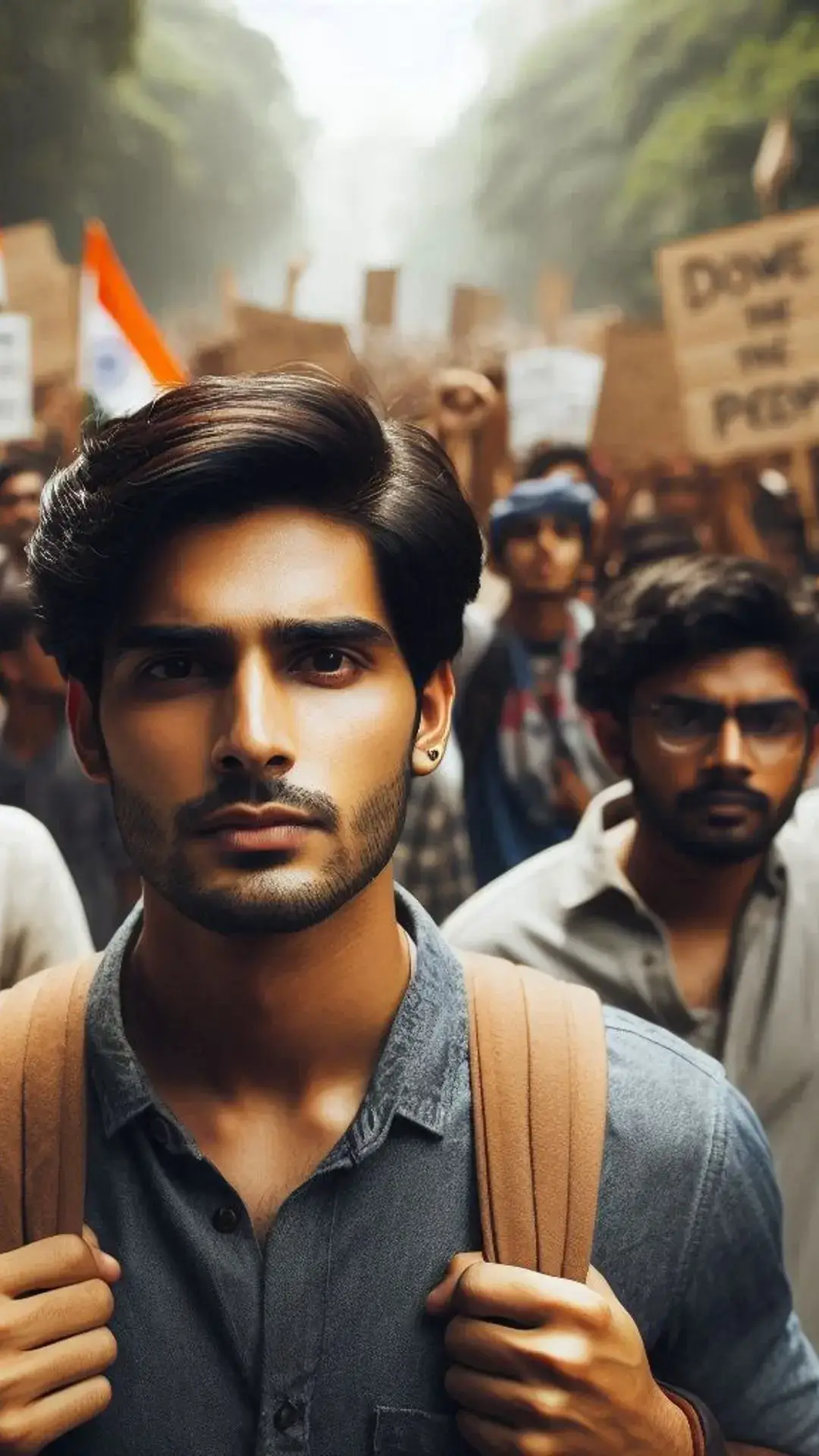
Understanding the RSS’s ideology, organizational structure, and relationship with the BJP is crucial to comprehending the dynamics of Indian politics.
Beyond Mass Hysteria: The Urgency of Economic Focus
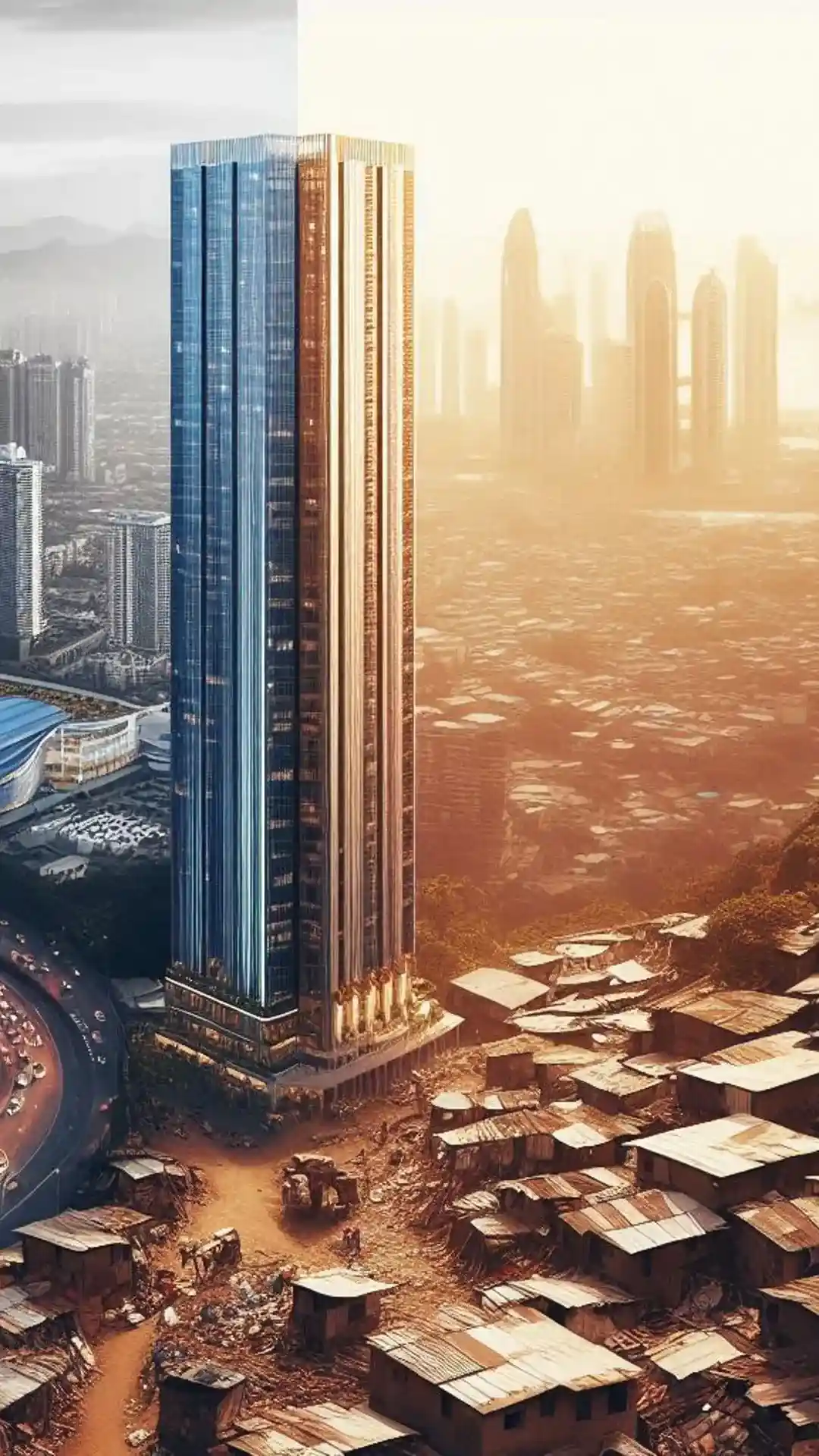
In the passionate arena of Indian politics, emotions often run high. Issues like Hindutva, farmer rights, and social justice ignite fervent debates and mobilize massive crowds. But amidst this fervour, it’s crucial to ask ourselves: are we focusing on the right things?
The Limits of Emotional Politics
Emotional politics can be a powerful tool, but it’s also a double-edged sword. While it can unite people around a common cause, it can also blind them to the complexities of the issues at hand. It can lead to polarization, division, and a focus on short-term gains over long-term solutions.
The Broken Promises of “Garibi Hatao”
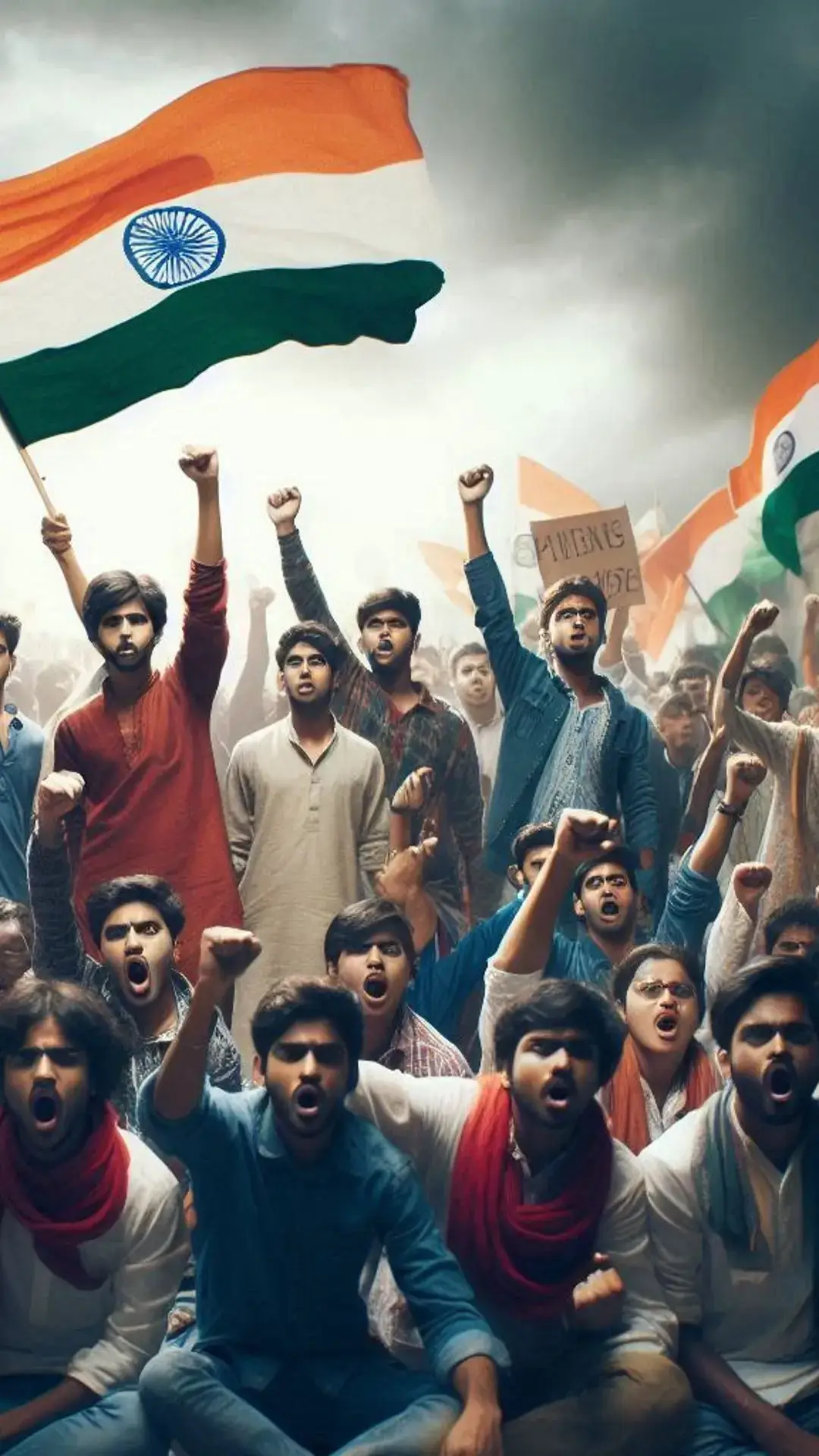
The slogan “Garibi Hatao” has been a staple of Indian politics for decades. Yet, as we look around us, poverty is still a stark reality in both rural and urban areas. Millions of Indians struggle to make ends meet, lacking access to basic necessities like food, shelter, and healthcare.
This disconnects between promises and reality highlights the limitations of slogans and rhetoric in addressing complex socio-economic issues. It calls for a more honest and nuanced approach to poverty alleviation, one that goes beyond handouts and addresses the systemic causes of deprivation.
Economic Disparities: The Widening Chasm
While politicians promise prosperity for all, the reality on the ground tells a different story. India is a land of stark contrasts, where extreme wealth and abject poverty coexist in uncomfortable proximity.

When a small percentage of the population controls a disproportionate share of the wealth, it creates a breeding ground for resentment, social unrest, and political instability. The gap between the haves and the have-nots is widening, and it’s time we confront this uncomfortable truth.
India’s economic growth story has been impressive in many ways. We’ve seen a burgeoning middle class, a thriving tech sector, and a growing global influence. But this growth has not been inclusive. The benefits have largely accrued to the top, leaving the vast majority behind.
The super-rich are getting richer, while the poor and middle-class struggle to keep pace with rising inflation and stagnant wages.
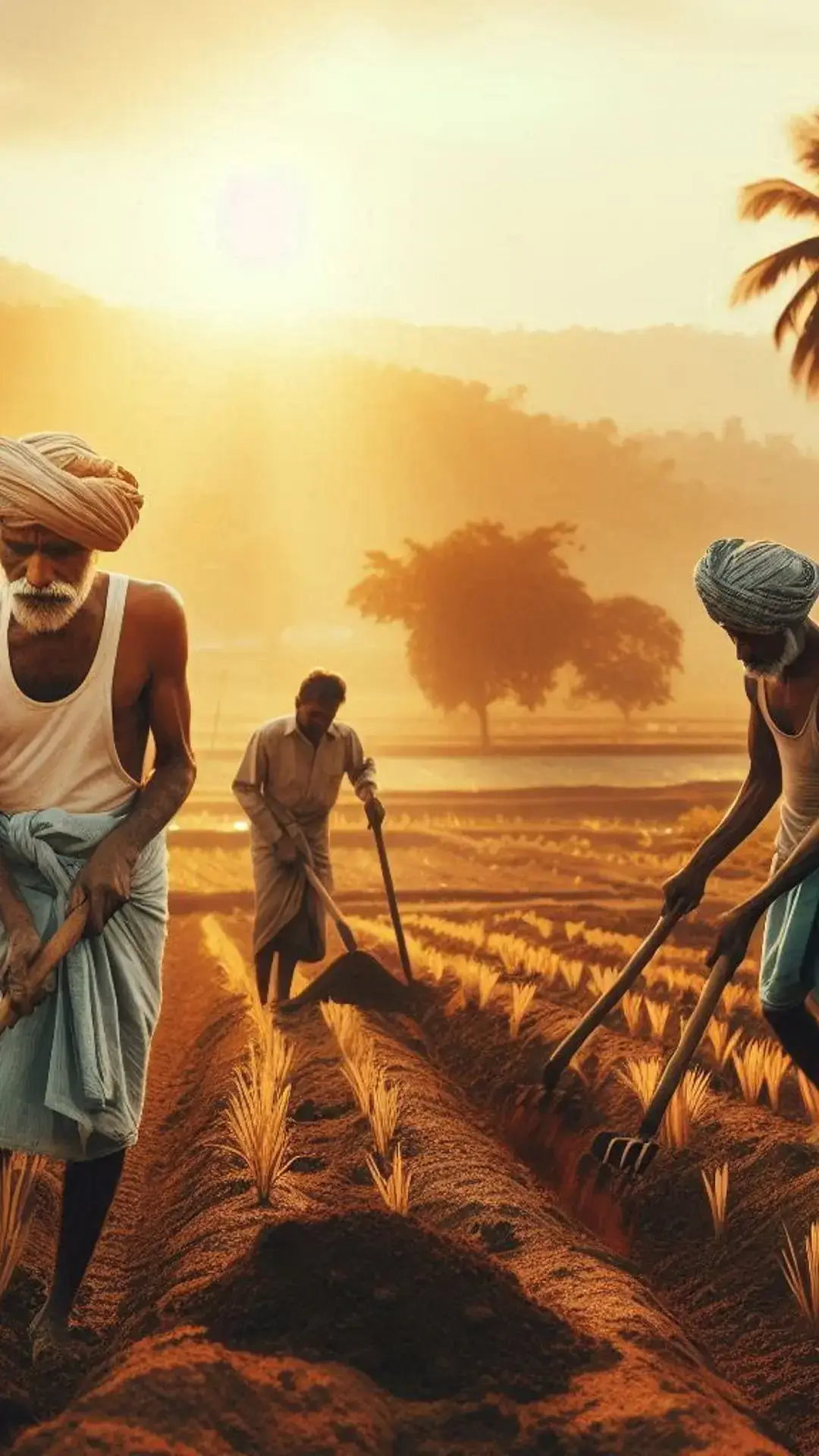
This economic inequality is not sustainable. It’s a ticking time bomb that threatens to undermine our social cohesion and political stability. It’s time we acknowledge the problem and start working towards solutions that uplift the entire population, not just the privileged few.
Migration: A Symptom of Deeper Malaise
The sight of young Indians queuing up outside foreign embassies is a familiar one. From skilled professionals to aspiring students, millions are seeking opportunities abroad, leaving behind their families and homeland. This exodus of talent and ambition is a stark reminder of the challenges facing India.
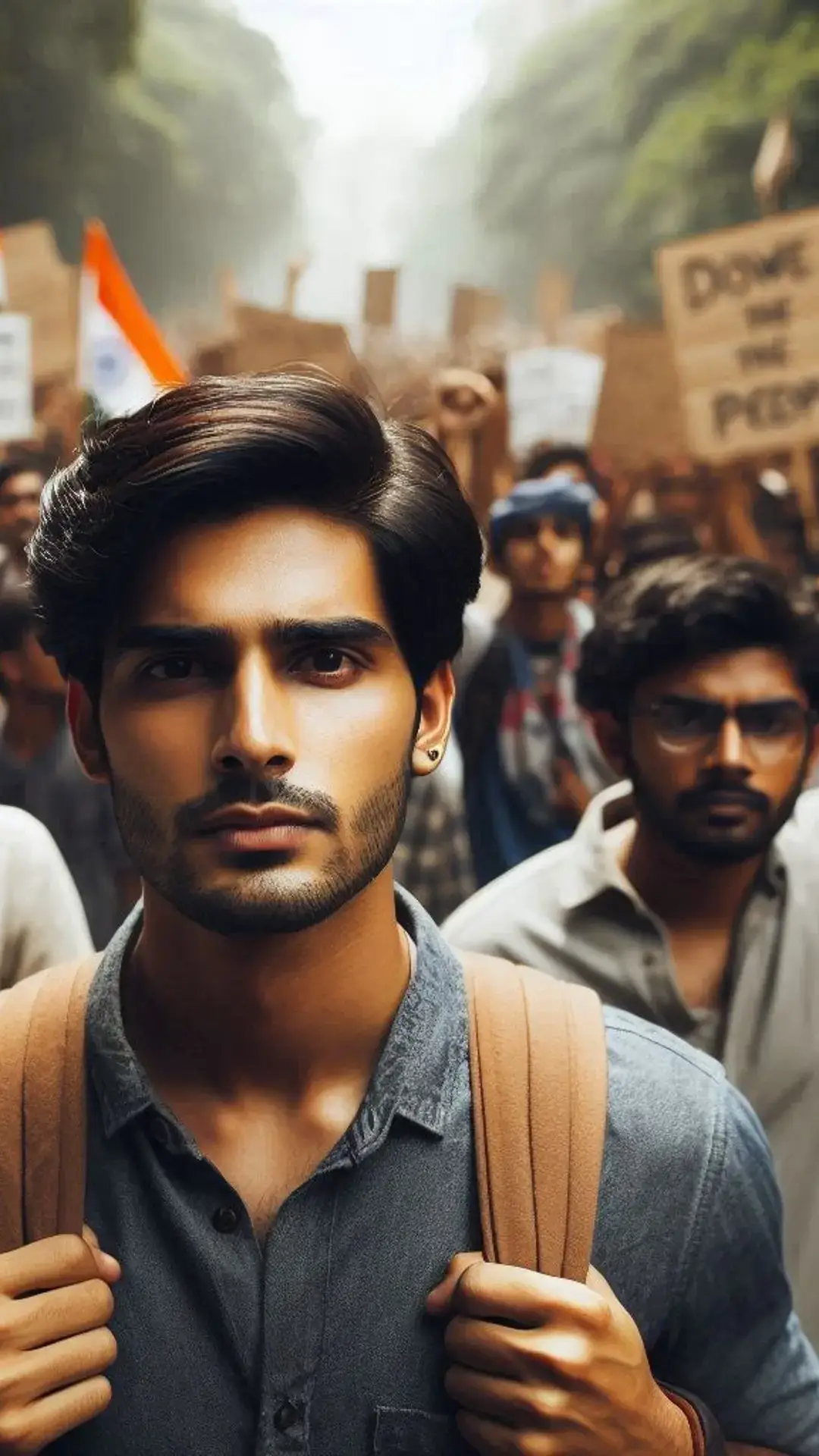
Why are so many Indians leaving?
The answer lies in the lack of opportunities and the systemic problems plaguing our economy and society. Young people are frustrated by the lack of good jobs, the rampant corruption, and the stifling bureaucracy. They see a better future for themselves and their families in countries that offer a level playing field, a fair system, and a chance to realize their full potential.
The brain drain is a serious problem for India. We’re losing our best and brightest to other countries, depriving ourselves of the talent and energy needed to build a prosperous and equitable society. It’s time we address the root causes of this exodus and create an environment where young Indians feel valued, empowered, and hopeful about their future.
Crony Capitalism: The Toxic Relationship Between Money and Power
In the shadows of India’s economic landscape lurks a sinister force: crony capitalism. It’s a system where business success is less about innovation and hard work and more about cultivating cozy relationships with those in power. It’s a game of favors, where political connections open doors that would otherwise remain closed.

The seeds of crony capitalism were sown during the license-permit raj era, a time when the government tightly controlled the economy. To navigate this labyrinth of regulations, businesses had to rely on political patronage and bribes. This created a culture of corruption and favouritism that has persisted even after economic liberalization.
Today, crony capitalism continues to thrive in India, albeit in more sophisticated forms. The nexus between politicians and businessmen has become deeply entrenched, with both sides benefiting from this unholy alliance. Politicians receive campaign funding and other perks, while businessmen gain access to lucrative contracts, licenses, and regulatory favors.
The consequences of crony capitalism are far-reaching and devastating. It distorts markets, stifles competition, and undermines the rule of law. It creates an uneven playing field where small businesses and entrepreneurs are at a disadvantage, unable to compete with those who have the right connections.
This system not only hurts businesses but also harms the broader economy. It discourages innovation, reduces efficiency, and leads to misallocation of resources. It creates a culture of rent-seeking, where profits are made not by creating value but by extracting it from others.
The rise of crony capitalism has also contributed to the growing wealth inequality in India. A small group of individuals and corporations have amassed enormous fortunes, while most of the population struggles to make ends meet. This concentration of wealth and power is not only unjust but also unsustainable.
The Myth of “Trickle-Down” Economics
For years, the prevailing economic wisdom in India has been that if we let the rich get richer, their wealth will eventually “trickle down” to the poor. This theory, popularized in the 1980s, posits that tax cuts and deregulation for businesses will stimulate economic growth, creating jobs and raising wages for everyone.
However, the evidence suggests otherwise. In India, as in many other countries, the trickle-down effect has largely failed to materialize. The rich have gotten richer, but the poor have not seen a proportional improvement in their lives. In fact, the gap between the rich and the poor has widened, leading to increased social tensions and economic instability.
The problem with trickle-down economics is that it assumes that the wealthy will invest their increased wealth in ways that benefit society as a whole. But in reality, they often hoard their wealth, invest it in speculative ventures, or simply consume it on luxury goods. This does little to create jobs or improve the lives of the poor.
India needs a more equitable economic model, one that prioritizes the needs of the majority, not just the wealthy elite. This means investing in education, healthcare, and infrastructure, creating a level playing field for small businesses, and ensuring that the benefits of economic growth are shared more fairly.
We need to move beyond the simplistic notion that making the rich richer will automatically benefit everyone else. We need to recognize that a more equitable distribution of wealth is not only morally just but also economically sound.
The Need for Empowerment: Moving Beyond Freebies and Towards Sustainable Solutions
The Indian political landscape is often dominated by a culture of freebies. Political parties promise free electricity, free water, free food grains, and other handouts to woo voters. While these promises may seem appealing in the short term, they are not a sustainable solution to the deep-rooted problems facing the nation.

Freebies create a culture of dependency, where people become reliant on the government for their basic needs. They do little to address the root causes of poverty and inequality. In fact, they often exacerbate these problems by diverting resources away from more productive uses.
What India needs is not handouts but empowerment. We need policies that create jobs, improve education, and provide quality healthcare. We need to invest in infrastructure, agriculture, and manufacturing to create a vibrant and dynamic economy.
Empowerment means giving people the tools and opportunities they need to lift themselves out of poverty. It means investing in education and skill development so that young people can find meaningful employment. It means providing affordable healthcare and social security so that people can live with dignity and security.
The government has a crucial role to play in creating an enabling environment for empowerment. It needs to invest in public goods, create a level playing field for businesses, and ensure that the benefits of economic growth are shared equitably. But empowerment is not just about government action; it’s also about individual initiative and community participation. People need to take ownership of their lives and actively participate in the development process.
By moving beyond the culture of freebies and focusing on empowerment, we can build a more prosperous, equitable, and sustainable India.
Reimagining the Pyramid of Progress
Addressing Income Inequality: Lifting the Base of the Pyramid First
When we talk about progress, we often envision a pyramid. At the top, a select few enjoy immense wealth and privilege. As we move down, the layers widen, representing the growing number of people with decreasing access to resources and opportunities. This pyramid has long been a symbol of India’s socio-economic landscape.
But what if we reimagined this pyramid?
What if, instead of focusing on the top, we concentrated our efforts on lifting the base? This is the essence of addressing income inequality in a meaningful way. It means prioritizing the needs of the poorest and most marginalized, ensuring they have access to basic necessities like food, shelter, healthcare, and education.
By investing in the bottom of the pyramid, we not only improve the lives of millions but also create a more stable and equitable society. When the poor have the means to improve their lives, they become active participants in the economy, contributing to growth and prosperity for all.
This approach is not about charity or handouts; it’s about investing in human capital. It’s about recognizing that every individual, regardless of their socio-economic background, has the potential to contribute to society if given the right opportunities.
Why Freebies Fail: The Importance of Dignity and Self-Reliance
The allure of freebies is undeniable. Who wouldn’t want free electricity, free water, or free food grains? But the reality is that these handouts are not a sustainable solution to poverty. They create a culture of dependency, where people become reliant on the government for their basic needs instead of taking control of their own lives.
Moreover, freebies often fail to reach those who need them most. They are often poorly targeted, with benefits leaking to those who are already well-off. This not only wastes resources but also reinforces existing inequalities.
A more effective approach is to empower people to earn their own livelihood. This means investing in education and skill development so that people have the tools they need to find meaningful employment. It means creating a conducive environment for entrepreneurship and small businesses so that people can create their own opportunities.
Empowerment is not just about economic independence; it’s also about dignity and self-respect. When people are able to provide for themselves and their families, it gives them a sense of agency and control over their lives. It allows them to participate fully in society and contribute to its development.
Empowering the Poor and Working Classes: Education, Healthcare, Job Creation
The key to lifting people out of poverty is to invest in their capabilities. This means providing access to quality education, healthcare, and job opportunities.
Education is the foundation upon which a prosperous and equitable society is built. It equips individuals with the knowledge and skills they need to succeed in life. By investing in education, we not only improve the lives of individuals but also enhance the overall productivity and competitiveness of the economy.
Healthcare is another crucial component of empowerment. When people are healthy, they are more productive and better able to contribute to society. By providing affordable and accessible healthcare, we ensure that everyone has a chance to lead a healthy and fulfilling life.
Job creation is essential for economic empowerment. When people have access to decent jobs, they can earn a living, support their families, and contribute to the economy. The government needs to focus on creating an environment that encourages job creation, particularly in sectors that have the potential to absorb large numbers of workers.
The Brain Drain: How India Loses Its Best and Brightest
India is a land of immense talent and potential. But this potential is often squandered due to the lack of opportunities and the allure of greener pastures abroad. The brain drain is a serious problem that has plagued India for decades, and it shows no signs of abating.
Every year, thousands of bright young Indians leave the country in search of better education and employment opportunities. They are doctors, engineers, scientists, and entrepreneurs who could have contributed immensely to India’s development. But they choose to leave because they see limited prospects for growth and fulfilment in their homeland.
The brain drain is not just a loss of talent; it’s also a loss of hope and ambition. When the best and brightest leave, it sends a discouraging message to those who remain. It reinforces the belief that India is not a place where dreams can be realized.
To reverse the brain drain, we need to create an environment that is conducive to innovation, entrepreneurship, and personal growth. We need to invest in research and development, promote a culture of meritocracy, and provide adequate incentives for talented individuals to stay and contribute to India’s development.
A Call for Ideological Balance and Action
The 2024 election results were a wake-up call for India’s political parties. It was a clear message from the electorate that they are tired of empty promises and divisive politics. They want leaders who can deliver on their promises and work towards a better future for all.
Lessons from 2024: What Political Parties Must Learn
The first lesson is that the Indian voter is not easily swayed by emotional appeals alone. While issues like Hindutva and farmer rights may resonate with certain segments of the population, they do not represent the aspirations of the entire nation. Political parties need to move beyond divisive rhetoric and focus on issues that matter to all Indians, such as economic development, social justice, and environmental sustainability.
The second lesson is that the “wave” can change direction quickly. The BJP’s sweeping victory in 2019 did not guarantee them continued success in 2024. Political parties need to be adaptable and responsive to the changing needs and aspirations of the electorate. They cannot afford to be complacent or take their support for granted.
The third lesson is that the power of the people is paramount. The Indian electorate has shown that it can hold leaders accountable and demand better governance. Political parties need to listen to the voices of the people and work towards fulfilling their aspirations.
Rethinking Policies: Putting People’s Needs First
India’s policies need a major overhaul. For too long, they have been shaped by the interests of a select few, ignoring the needs of the vast majority. It’s time to reimagine our policies with the people at the center.
We need policies that promote economic growth, create jobs, and reduce inequality. We need policies that protect the environment, ensure access to clean water and air, and mitigate the effects of climate change. We need policies that empower women, protect children, and promote social justice for all.
This requires a shift in mindset from the top down. Political leaders need to prioritize the needs of the people over the interests of their cronies and donors. They need to work towards creating a level playing field where everyone has a chance to succeed.
Leaders as Inspirers: The Need for Vision and Action
India needs leaders who inspire, not just appease. We need leaders who have a clear vision for the future and the courage to pursue it. We need leaders who can unite the nation and mobilize its vast potential.
This is not about charisma or personality; it’s about competence, integrity, and a genuine commitment to public service. It’s about putting the nation’s interests above personal ambition and working tirelessly to build a better India for all.
The current crop of leaders has largely failed to meet these expectations. They are often mired in petty politics, corruption, and self-interest. They lack the vision and the courage to tackle the complex challenges facing the nation.
It’s time for a new generation of leaders to emerge, leaders who are not afraid to challenge the status quo and chart a new course for India. Leaders who can inspire the nation to dream big and work together to achieve its full potential.
The Power of the People: Demanding Better Governance
Ultimately, the power to change India lies with its people. We cannot rely solely on our leaders to deliver on their promises. We need to hold them accountable and demand better governance.
This means participating actively in the democratic process, casting our votes wisely, and engaging with our elected representatives. It means raising our voices against injustice, corruption, and abuse of power. It means working together to build a more just, equitable, and sustainable society.
The 2024 election was a reminder that the power of the people is real. When we unite, we can make a difference. We can choose our leaders, shape our policies, and determine our destiny.
Let’s not squander this opportunity. Let’s demand better from our leaders and ourselves. Let’s work together to build the India we dream of.
Reforming Reservation: Ensuring Fairness and Opportunity for All
The reservation system in India was designed to uplift historically disadvantaged groups and ensure their representation in education and employment. However, over time, it has become a complex and contentious issue, with many arguing that it now perpetuates inequality rather than addressing it.
One of the main criticisms of the current reservation system is that it often benefits the “creamy layer,” those who are already well-off within their respective categories, while neglecting the truly disadvantaged. This has led to a situation where many deserving individuals from the general category are denied opportunities, while those from reserved categories who may not need the same level of support are given preferential treatment.
Another concern is that reservation in all three categories—education, jobs, and promotions—creates a sense of entitlement and dependency, hindering meritocracy and competition. This can have long-term negative consequences for both individuals and the nation.
To ensure fairness and opportunity for all, a re-evaluation of the reservation system is necessary. This doesn’t mean abolishing reservation altogether, but rather reforming it to make it more effective and equitable.
One potential solution is to introduce a means-based reservation system that takes into account the economic and social conditions of individuals, regardless of their caste or category. This would ensure that the benefits of reservation reach those who truly need them, while also promoting a more merit-based system.
Another approach could be to limit reservation to education and entry-level jobs, allowing for a more level playing field in promotions based on performance and merit. This would encourage healthy competition and ensure that the most qualified individuals rise to the top, regardless of their background.
Reforming the reservation system is a complex and sensitive issue, but it’s a conversation that needs to happen. By addressing the flaws in the current system, we can create a more just and equitable society where everyone has a fair chance to succeed.
Conclusion: India’s Democratic Dance Continues
India’s democracy, with its vibrant tapestry of voices, diverse aspirations, and constant evolution, is a testament to the resilience and ingenuity of its people. It’s a dance that continues to unfold, sometimes with grace, sometimes with chaos, but always with an underlying rhythm of hope and progress.
We’ve journeyed through the historical context of India’s democratic evolution, witnessing its resilience in the face of challenges and its unwavering commitment to the ideals of freedom and equality. We’ve delved into the intricacies of election results, recognizing them as a reflection of the collective wisdom and the oscillating pendulum of public sentiment.
We’ve also confronted the uncomfortable realities of our society: the widening economic disparities, the persistence of poverty, the brain drain, and the toxic influence of crony capitalism. We’ve questioned the effectiveness of emotional politics and the reliance on freebies, advocating for a shift towards empowering solutions that address the root causes of our problems.
The road ahead is not without its obstacles. But the 2024 election results have shown us that change is possible. They’ve reminded us of the power of the people to demand better from their leaders and to shape the destiny of our nation.
As we move forward, let’s embrace a vision of India that is inclusive, equitable, and sustainable. Let’s demand policies that prioritize the needs of the many, not just the privileged few. Let’s support leaders who inspire us with their vision and integrity, not just those who appease us with empty promises.
Let’s engage in meaningful conversations about the challenges facing our democracy, and work together to find solutions that benefit all Indians. Let’s hold our leaders accountable and actively participate in the democratic process.
India’s democratic dance is far from over. It’s a dance that we all have a part to play in. Let’s make it a dance of hope, progress, and unity. Let’s create a future where every Indian has the opportunity to thrive and where our democracy shines as a beacon of hope for the world.
Your Voice Matters: Join the Conversation!
We invite you to share your thoughts, opinions, and ideas in the comments section below. Let’s engage in a respectful and constructive dialogue about the future of Indian democracy.
Connect with us on social media and join our community of passionate individuals who are committed to building a better India. Together, we can make a difference.
[bbp-single-topic id=6206]
Share This Article:
If you found this article insightful and thought-provoking, please share it with your friends and family. Let’s spread the word and encourage more people to join the conversation about India’s democratic future.
Follow Us:
Stay updated on the latest developments in Indian politics and society by following us on Facebook, Instagram, Twitter & NewsPatron on YouTube The Small Time Channel). Together, we can make a difference!
