




Understanding the Tides of Democracy
In the vibrant landscape of Indian politics, the Lok Sabha elections stand as a testament to the pulsating heart of democracy. As we delve into the depth of election results, it’s crucial to comprehend the undercurrents that shape the political narrative. This series of blog posts, titled Lok Sabha Election Result Analysis aims to dissect the multifaceted outcomes of the election results. This is the 3rd blog post offering a panoramic view of the Lok Sabha Election Dynamics 2024 and the electoral battleground.
#LokSabha #ElectionDynamics2024 #ElectionResults #Analysis #IndianPolitics #ElectoralBattleground
Read previous posts.
Lok Sabha Election 2024 Result Analysis Part 1– Part 2


[Read about Lok Sabha Elections: India’s Democratic Pulse]
[Read about Lok Sabha Elections: A History of Indian Politics]
[bbp-single-topic id=5876]
The Ayodhya Narrative: A Catalyst for Change
The Ayodhya Conundrum:
The Ayodhya MP candidate, Lallan Singh, became a lightning rod for controversy with his bold assertion that securing 400 seats would pave the way for constitutional amendments. This declaration, aimed at consolidating Hindu votes, sparked a wildfire of videos and discussions, fuelling public discontent with both his rhetoric and business dealings.
The Opposition’s Counterplay:
Contrasting Lallan Singh’s approach, the Samajwadi Party’s Dalit leader, a four-time MLA, (promptly fielded by Akhilesh Yadav) harnessed the power of credibility to turn the tide. His adept handling of the issue resonated with voters, triggering a domino effect that not only influenced Ayodhya but also rippled through neighbouring constituencies like Amethi, Faizabad and such, leading to a significant shift in the electoral landscape. (The constituencies around this region are prone to landslides).
The Socio-Religious Equation: Hindutva and Its Discontents
The Hindutva Push:
The BJP’s endorsement of traditional Hinduism, through initiatives like spiritual tourism, aimed to rejuvenate the local economy. However, this strategy did not resonate uniformly across all communities, particularly among SC/ST and Dalit groups, who are less inclined towards temple visits and the narratives of Shruti Smriti Purana.
The Ripple Effect of Discontent:
The perceived aggressive promotion of Hinduism stirred unease among some communities, fearing it might become an overarching trend. This sentiment was effectively capitalized on by the Samajwadi Party and Congress, contributing to a sense of alienation and frustration within these groups.
Recommended Product
Amazon Renewed — Best Deals of the Day
🛒 View on Amazon →As an Amazon Associate, we earn from qualifying purchases. Price and availability may vary.
Ticket Distribution: A Game of Chess
Akhilesh Yadav’s Inclusive Strategy:
In a commendable move, the Samajwadi Party leader distributed tickets beyond his familial circle, embracing candidates from diverse castes. This inclusive approach contrasted with the BJP’s (new) social engineering experiment(based on the latest algorithm), which began to show cracks as misinformation about job security and development spread, causing isolation among SC/ST groups, starting in North India.
The Muslim Vote:
Muslim voters, feeling marginalized by the BJP’s tone, rallied behind parties like the Samajwadi Party, Congress, and TMC in West Bengal. This unity was a direct response to the construction of the Shri Ram Mandir and the political narrative surrounding it.
The Political Chessboard: Castes and Communities
The Representation Gap:
The BJP’s lack of representative candidates for SC/ST, Maratha, and OBC communities in states like Maharashtra and Uttar Pradesh became a glaring issue. In contrast, leaders like Chagan Bhujbal for the OBC community and Mallikarjun Kharge for the SC/ST community provided a face for their respective groups within other parties.
The Bihar and Madhya Pradesh Exception:
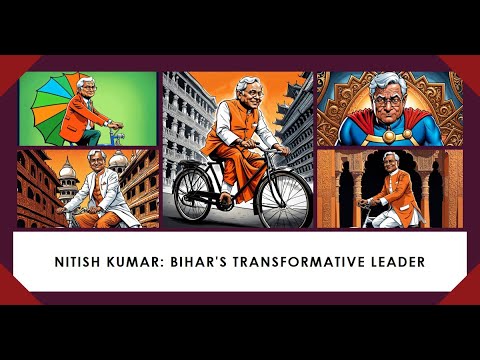
In Bihar, the alliance with leaders like Paswan and Nitish Kumar instilled voter confidence, while in Madhya Pradesh, the enduring influence of Shivraj Singh Chouhan mitigated potential losses for the BJP. [Newspatron Short Video on Nitish Kumar Enigma of Bihar, From Sushasan Babu to Political Chess Master] [Shivraj Singh Short Video]
Conclusion: The Electoral Aftermath
Lok Sabha Election Dynamics 2024
The Rural Voter Shift:
The BJP’s loss of 30 seats due to the SC-ST and Dalit vote swing, coupled with a broader rural voter shift of a total (60 seats nation wide), indicates a resurgence of the Congress party. This shift underscores the evolving dynamics of Indian politics and the need for parties to adapt to the changing sentiments of the electorate.
Final Thoughts: The Echoes of Campaigns Past
As we reflect on the parallels between the 2004 “India Shining” campaign and the recent “Charso Paar” drive, it becomes evident that the political landscape is ever evolving. Our next blog post will further explore these campaigns, dissecting the strategies and rhetoric that shaped their outcomes.
Join the conversation on our social media platforms and forums, where your voice adds to the richness of our democratic dialogue. Your insights and contributions are the lifeblood of our growing community.
