


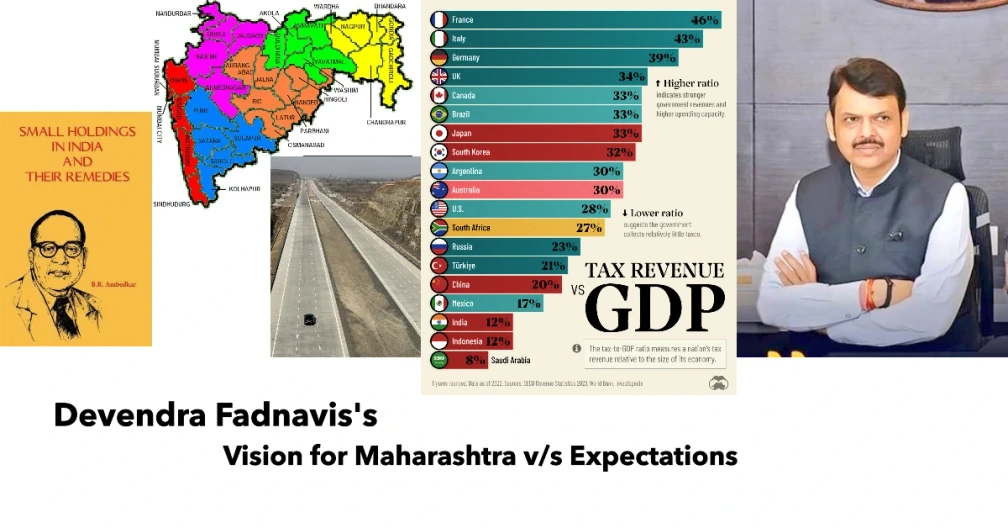

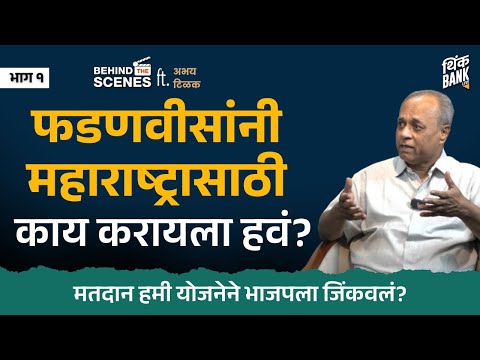
Welcome to an insightful exploration of Devendra Fadnavis’s expectations for Maharashtra, as interpreted by senior economist Abhay Tilak. In this blog post, we will delve into the public’s hopes and aspirations for Fadnavis. We will analyze the economic reforms and policies he champions. We will also examine the challenges and opportunities that lie ahead for Maharashtra.
Understanding the expectations from a key political figure like Devendra Fadnavis is crucial. This is especially important in a state as dynamic and diverse as Maharashtra. Abhay Tilak’s perspectives provide a unique and informed viewpoint on what the people of Maharashtra anticipate from their leader. From economic reforms to addressing urbanization challenges, this post covers it all.
We’ll navigate through Fadnavis’s political journey, analyze public sentiment, and discuss the potential impact of his policies on various sectors. Whether you’re a political enthusiast, an economist, or just curious about Maharashtra’s future, this post aims to offer valuable insights.
Before we dive in, I encourage you to check out my YouTube channels. They offer some fantastic drone shots. You can also find more in-depth discussions. Visit DroneMitra (Your Sky is Digital with a Drone as a Friend) for more engaging content. Also, check out Newspatron (Let Curiosity Be Your Guide) for additional engaging material.
devendrafadnavis #maharashtra #economicreforms #socialwelfare #urbandevelopment #infrastructuredevelopment #digitalgovernance #newspatron
“Mahayuti Government Cabinet: Key Ministers and Roles“
“Devendra Fadnavis: Maharashtra’s Political Maestro“
Recommended Product
Trylo Riza T-Fit Women's Bra – Comfortable Daily Wear
🛒 View on Amazon →As an Amazon Associate, we earn from qualifying purchases. Price and availability may vary.
“BJP Oath Ceremony Delay: Key Insights“
“Maharashtra Chief Ministers: A Comprehensive History“
“Maharashtra Political Challenges 2024: Key Insights“
“Maharashtra Political Analysis 2024“
“Maharashtra Political Landscape: Key Insights“
“Maharashtra Election Results: Key Insights“
“Developed Maharashtra: 9-Point Plan for 2047?”5 Ways to Combat Urban Flooding in Pune“
Background on Devendra Fadnavis
Devendra Fadnavis, a prominent figure in Maharashtra’s political landscape, has significantly impacted the state’s governance and development. Born on July 22, 1970, in Nagpur, Fadnavis’s political journey began at a young age. He joined the Bharatiya Janata Party (BJP). He quickly rose through the ranks. He showcased his leadership skills and dedication to public service.
Fadnavis served as the Chief Minister of Maharashtra from 2014 to 2019. He became the second youngest person to hold this position. During his tenure, he focused on various developmental projects and reforms. These efforts aimed at improving the state’s infrastructure, economy, and overall quality of life for its citizens. His administration featured initiatives such as the Jalyukt Shivar Abhiyan. This program aimed at making Maharashtra drought-free. The Mumbai Metro expansion project also marked his leadership. This project sought to enhance urban mobility.
One of Fadnavis’s notable achievements was his emphasis on digital governance. He introduced several e-governance initiatives to streamline administrative processes and make government services more accessible to the public. His efforts in promoting transparency and accountability in governance earned him recognition and praise.
Fadnavis’s political career is also characterized by his ability to navigate complex political dynamics. He played a crucial role in forming alliances and maintaining stability within the state government. His leadership during challenging times was evident. An example is the 2019 floods in Maharashtra. This period demonstrated his commitment to addressing the needs of the people.
We are exploring the expectations from Devendra Fadnavis. It’s essential to understand his background. We must also consider the foundation he has built through his political career. His experience and achievements provide valuable context for analysing the public’s hopes and aspirations for his future contributions to Maharashtra.
Devendra Fadnavis Short Video
Public Expectations from Devendra Fadnavis
The expectations from Devendra Fadnavis are multifaceted, reflecting the diverse needs and aspirations of Maharashtra’s populace. Senior economist Abhay Tilak provides a comprehensive view of these expectations, highlighting both the economic and social dimensions. [Read more about Abhay Tilak]
More About Abhay Tilak
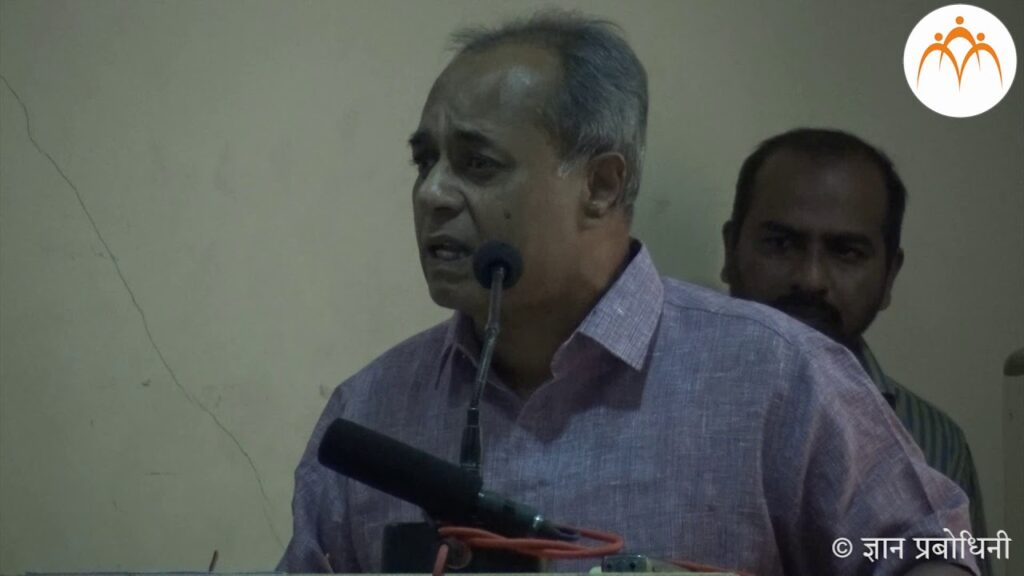
Abhay Tilak is a multifaceted individual known as an editor, researcher, translator, and columnist, with a strong foundation in economics. His expertise lies in urbanization, the expansion of urban areas, and the economics of urban regions. Tilak has been engaged in applied economic research for over two decades. He focuses on diverse areas. These include rural industrialization, financial management of Panchayati Raj institutions, revival of traditional urban crafts, and rehabilitation of project-affected people.
Tilak served as an assistant editor at the daily newspapers ‘Loksatta’ and ‘Lokmat.’ For the past seven years, he has been the editor of ‘Arthbodh Patrika.’ This is a monthly publication by the Indian Economic Science Association in Pune. He has also contributed as an assistant editor to various book projects. These include a two-volume history of Pune city. He also worked on a collection of biographies of 65 prominent figures who shaped modern Maharashtra. Additionally, Tilak edited the ‘Sahakar Kosh,’ a biographical dictionary of cooperative movement leaders in Maharashtra. His analyses of current economic realities are regularly published in leading newspapers and periodicals.
Tilak’s interest in the thoughts of saints has been a lifelong passion. For nearly three decades, he has been engaged in delivering discourses and sermons within the Warkari sect. In his series of articles in ‘Prabhat,’ ‘Lokmat,’ and ‘Loksatta,’ he titled them ‘Santkrupa Jhali,’ ‘Mahadwar,’ and ‘Pasayadan,’ respectively. Tilak has explored the personalities and contributions of saints in the Warkari tradition. He has delved into the essence of ‘Amritanubhav.’ Additionally, he has examined the relevance of saintly thoughts in contemporary life.
Currently, Abhay Tilak serves as a trustee of the revered Alandi Devasthan, a significant pilgrimage site for the Warkari community.
Watch Abhay Tilak Video in Marathi
Direct from the Scene
What Should Fadnavis Do for Maharashtra?
Abhay Tilak, in his insightful lecture, raised several critical points about the expectations from Devendra Fadnavis. Here are some key quotes from his talk:
- The beneficiary feels it is their right to get something from the government. They haven’t received this for 30 or 40 years. Those who already have good asphalt roads are getting cement roads. Meanwhile, those without a single all-weather road are getting nothing. This imbalance is increasing.
- “Some offer 1500, some say they will give 1800, and some 2100. But will it really work like an auction where the highest bidder wins?”
- “The biggest contradiction is that our state has the highest urban population. If we look at the stratification of this urban population, almost 79% is concentrated in large cities. Smaller towns are underdeveloped. Do we even have an urbanization policy?”
- “The first thing we need to do is stop comparing ourselves with others like Gujarat or Madhya Pradesh. We should calmly assess the inherent strengths of Maharashtra’s economy and fully utilize them.”
- “If a good single-party government comes to power, I feel hopeful as a citizen. Someone should look at this state with care. Our economy needs attention and concern.”
Abhay Tilak Video Original Video in Marathi
Think Bank You Tube Marathi Channel
The quotes highlight critical issues of infrastructure imbalance. They discuss the need for a coherent urbanization policy. Furthermore, they emphasize leveraging Maharashtra’s inherent economic strengths. Tilak’s perspective underscores the necessity for thoughtful and inclusive governance that addresses both urban and rural needs.
Economic Reforms and Direct Benefits
One of the primary expectations from Fadnavis is the continuation and enhancement of economic reforms. The public looks forward to policies that not only stimulate growth but also ensure equitable distribution of benefits. Abhay Tilak emphasizes the importance of direct financial assistance programs. Programs like the “Ladki Bahin Yojana” have had a significant impact on the lives of ordinary citizens. These programs provide immediate relief and enhance financial autonomy, especially for women and marginalized communities.
Tilak highlighted that the “Ladki Bahin Yojana” provided direct financial assistance. It offered free travel and scholarships for educated youth. The program also included free electricity for farmers or subsidized electricity. These factors played a significant role in influencing the election results. He noted that society has benefited from the new market systems brought by liberalization. Nevertheless, society did not experience the benefits trickling down as expected. The government has now provided these benefits directly, making a tangible difference in people’s lives.
“For an ordinary woman, having money directly deposited into her account is a significant reform. Being capable of travel for free to visit her mother or someone else is another. For a farmer, paying his bills with subsidized or free electricity is important. These are the faces of reforms that they see and expect,” Tilak explained.
The Emotional Importance of Financial Autonomy
Tilak emphasized the emotional significance of financial autonomy. “When a woman receives ?1500 directly into her account, this act holds emotional significance. Even if her husband might take the money, the sense of financial autonomy is decisive. Everyone promised money, but after receiving three installments, she feels her autonomy has increased,” he said. This increase in real income, defined as the command over goods and services, enhances individuals’ economic autonomy and overall well-being.
New Welfareism and Broader Reforms
Former Chief Economic Advisor to the Prime Minister, Arvind Subramanian, introduced the concept of “New Welfareism.” This concept involves broad-based government reforms. It focuses on improving educational and healthcare facilities. It also includes investing in infrastructure and making cities more livable. Tilak pointed out that these benefits are ancillary. Earlier, the direct beneficiaries were unaware that these benefits had not reached them as expected. Now, they are getting them directly. This shift marks a significant change in how people perceive and receive government support.
Balancing Economic and Social Policies
Tilak’s insights underscore the need for a balanced approach that considers both economic and social dimensions. The public expects Fadnavis to address issues such as unemployment, urban poverty, and social inequality. A holistic approach that integrates economic growth with social welfare is essential for sustainable development.
Addressing Urbanization and Infrastructure
Maharashtra, being the most urbanized state in India, faces unique challenges related to urbanization. The public expects Fadnavis to address issues such as overcrowding, pollution, traffic congestion, and inadequate infrastructure in cities. Tilak points out that while major cities receive significant attention, smaller towns often remain underdeveloped. There is a need for a balanced approach that ensures comprehensive urban development across the state.
Economic Reforms and Policies
Abhay Tilak provides a nuanced perspective on the economic reforms and policies needed for Maharashtra. He emphasizes the importance of evaluating these policies from both an economic and emotional standpoint.
Evaluating Redistribution Policies
Tilak references Vijay Kelkar’s book “In Service of the Republic.” The book suggests that government intervention in an ideal capitalist system should only occur in cases of market failure. He points out that the middle class and entrepreneurs often feel that their taxes are being redistributed to others. The appropriateness of this redistribution policy depends on one’s perspective.
Justification for Direct Support
Tilak explains that beneficiaries feel they are finally receiving what they deserve after 30 or 40 years. Their capacities are not yet fully empowered to benefit from market processes, so direct support is justified. Dr. Subramanian describes this new welfareism as “right-based.” It provides certain social groups their rightful share. This is done through programs like the National Rural Employment Guarantee Scheme or the Food Security Act.
Economic Strain and Revenue Needs
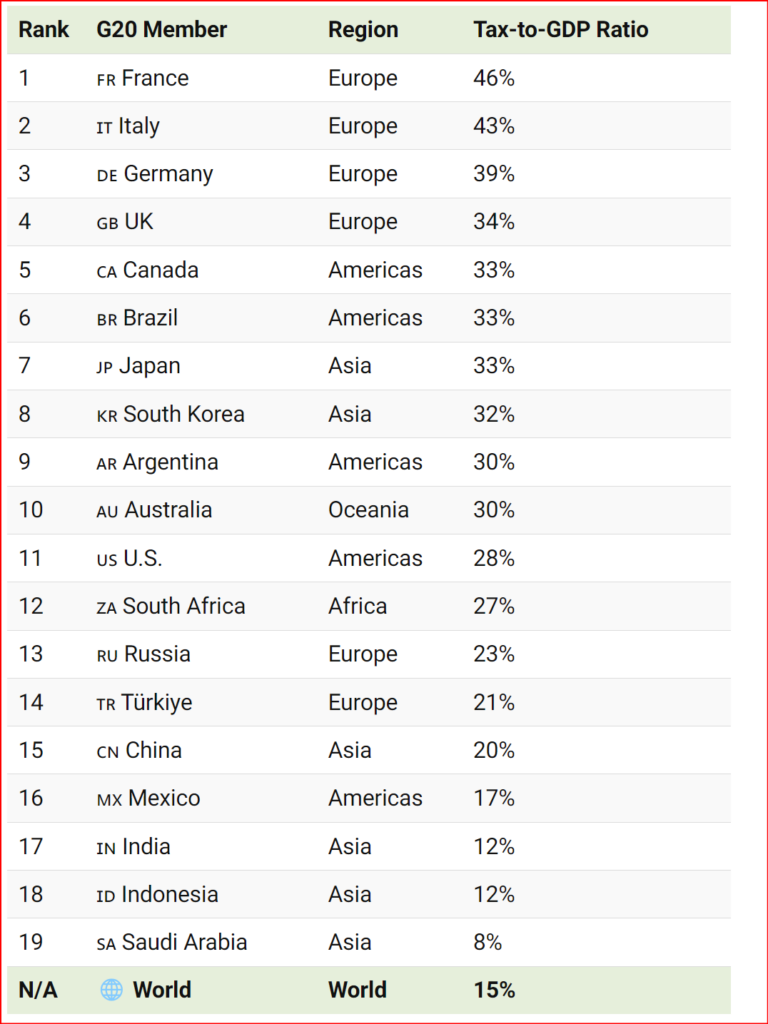
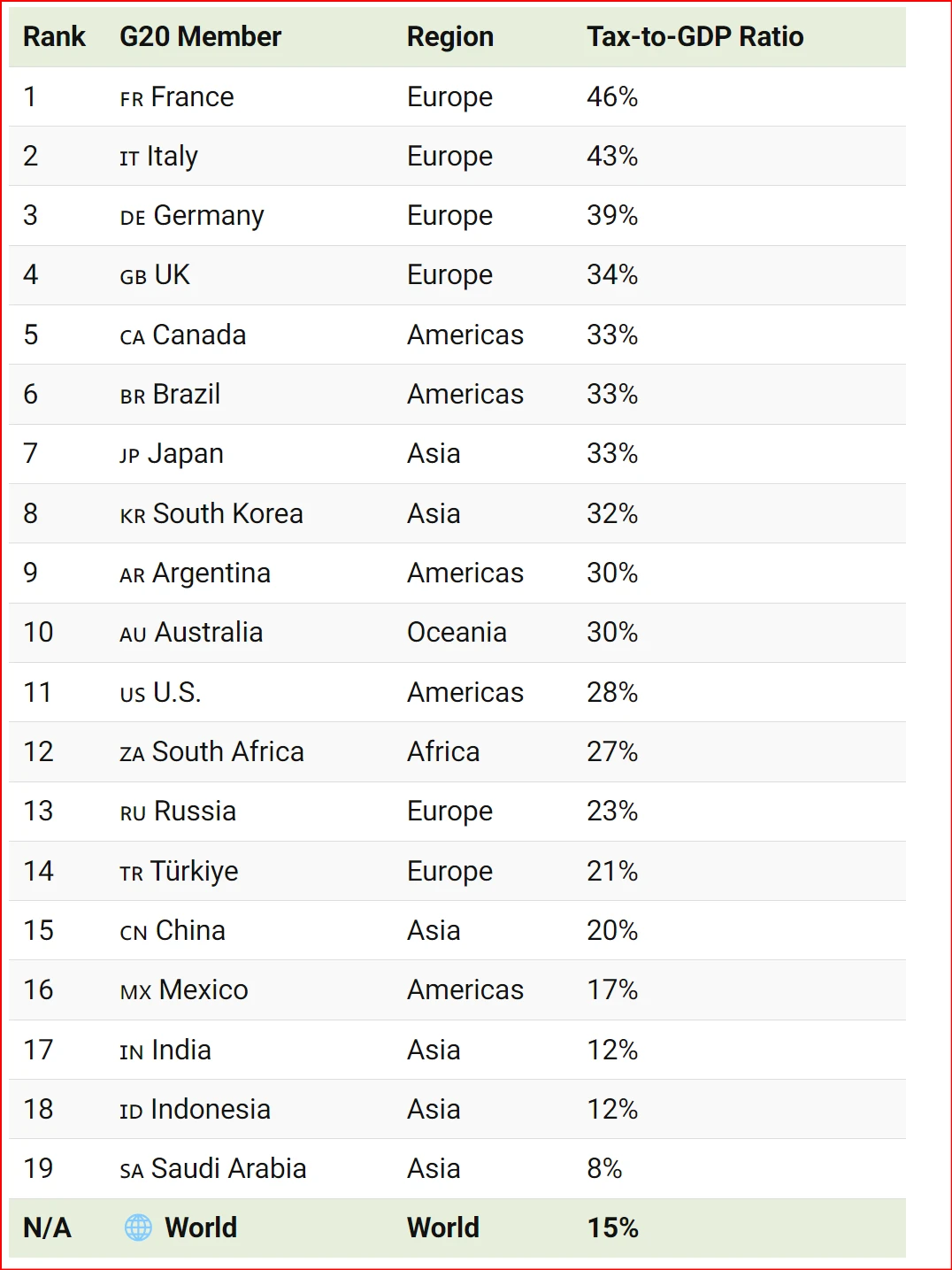
From an economic perspective, these policies strain the treasury. To increase the purchasing power of a large population through government support, the government must increase its revenue. This requires raising the tax-to-GDP ratio. The global trend is to reduce the tax burden on taxpayers. However, the aim is also to expand the tax base. This is achieved through measures like the Goods and Services Tax (GST). Providing significant direct financial assistance without increasing tax rates requires robust GDP growth.
Challenges of Sustaining Welfare Programs
Tilak highlights the challenge of sustaining welfare programs like the “Ladki Bahini Yojana,” which requires ?60,000 crore annually. Without increasing industrial growth, it is difficult to find the additional funds needed. Failure to do so would affect basic services like roads, water, and electricity. This is mainly an allocation problem. Revenue expenditure increases at the expense of capital expenditure. This shift leads to long-term negative impacts on state capacity.
Global Factors and Economic Growth
Global factors such as the Ukraine war, oil price pressures, and climate change impact economic growth. This makes it challenging to maintain robust growth rates. To sustain this new welfareism, Maharashtra must ensure robust GDP growth. Various factors beyond its control increasingly influence this growth. If growth is not maintained, the resulting deficit will increase.
Challenges and Opportunities
Abhay Tilak provides a critical analysis of the challenges and opportunities that Devendra Fadnavis faces in Maharashtra. He emphasizes the importance of understanding the limitations of state capacity and the need for robust government institutions.
State Capacity and Government Responsibilities
Tilak references Dr. Kelkar’s repeated mention in “In Service of the Republic” that state capacity is limited. The government tries to implement large welfare schemes. It must also strengthen the capacity of its institutions. Technology has helped with direct benefit transfers. When the government takes on responsibilities like travel, education, healthcare, cooking gas, and electricity, it has an obligation. It must ensure these services are delivered. The government must ensure these services are delivered. It is essential for the government to provide these services effectively.
Decline in Government Employees
Economic surveys from the past 10 years show a consistent decline in the number of government employees. There is also an increase in contractualization. This is a significant factor in state capacity. To deliver services effectively, a minimum number of government employees is needed, but these positions are not being filled. Instead, savings on salaries are used for new welfareism. This practice leads to the malnutrition of government capacities. It results in declining quality of expenditure, increasing deficits, and neglect of government institution empowerment.
Paradox of Increased Responsibilities
This creates a paradox where the government takes on more responsibilities while its capacity is weakened. This leads to a growing disconnect. Tilak questions whose responsibility it is to empower government institutions, quoting Dr. Rambapat: “The government is just an instrument, while the state is eternal.” Empowering government institutions is crucial for effective governance.
Political Dynamics and Resource Allocation
As politics evolve, using power solely to maintain control over government institutions while neglecting their empowerment becomes dangerous. The financial and human consequences of this imbalance are significant. For example, funds allocated for capital expenditure often favour ruling party members. Opposition constituencies receive little to no funds. This results in visible differences in infrastructure quality.
Government Intervention and Market Failure
The question arises about when the government should intervene in an open economy. This occurs when the benefits of market processes are not distributed equitably. This is known as market failure, and the government should act as a countervailing force. However, if political calculations drive the allocation of funds, it exacerbates existing imbalances. The expectation is that government intervention should address these imbalances, but it often ends up increasing them.
Addressing Government Failure
Economists argue that if they are concerned about market failure, they should also address government failure. If fiscal resources are used for political gains or to block opposition, it worsens the underlying failures. There are two types of failures. The first is the inherent inefficiency of government delivery mechanisms. The second is the exacerbation of existing imbalances due to political interventions.
Corruption and Resource Allocation
Tilak points out that money is being spent. Yet, contractors are not getting the necessary resources. This leads to corruption and substandard quality of services. This fundamental failure exacerbates existing problems. Areas with good asphalt roads receive cement roads. Meanwhile, places without any year-round roads are neglected. This imbalance is increasing, making the situation worse.
Pro-Incumbency Mechanism
The response of each stakeholder in society depends on their experience of this reality. People tend to react based on immediate benefits. Moving from theoretical issues to politics, Tilak questions whether this creates a permanent pro-incumbency mechanism. Those in power have a natural advantage. They have delivered results. Meanwhile, the opposition promises to do more if elected. This was seen in Jharkhand, where the Jharkhand Mukti Morcha benefited from similar schemes.
Electoral Advantage and Local Networks
Incumbents, regardless of the party, gain a significant electoral advantage by demonstrating their achievements. However, Tilak notes that the ruling party’s control over resources gives them a national advantage. This is not the only factor. In Maharashtra, the ruling party’s policies and local economic control create a network of benefits. These benefits are not permanent, as local economic relationships also play a crucial role in decision-making.
Maratha Reservation Issue
The Mahayuti ruled for two and a half years. During this time, the Maratha reservation issue, highlighted by Manoj Jarange Patil, did not have the expected impact in Marathwada. The issue was raised by Manoj Jarange Patil. This suggests that while the ruling party used its advantages, local interests and networks also influenced voting behavior. Tilak emphasizes examining these networks with care. Factors such as district cooperative banks, credit societies, agricultural market committees, and educational institutions are important.
Double Engine Government
The concept of a “double engine government” comes into play. This occurs when local economic institutions and government benefits combine. Together, they create a winning mechanism. For example, Balasaheb Thorat’s extensive network of institutions was expected to secure his position. However, state and central government benefits outweighed local advantages. This shows that institutional control at the local level is crucial.
Competitive Populism
As for the diminishing utility of direct benefits, people may eventually expect these benefits regardless of who is in power. This could lead to competitive populism, where parties promise increasing amounts to gain votes. This creates a troubling scenario where the highest bidder wins.
Economic and Social Stratification
Tilak believes the main issue is the significant stratification within Maharashtra’s economic and social structure. The new middle class, primarily urban, is perhaps disconnected from rural economic and political networks. This urban class, relatively well-off, is economically stable and thus more susceptible to Hindutva’s appeal. This strategy targets Hindutva to a specific segment and economic issues to another, creating different levels of beneficiaries.
Urbanization and Inequality
Maharashtra is the most urbanized state in the country, and this urbanization has led to significant inequality. About 79% of the urban population is concentrated in major cities, while smaller towns are underdeveloped. The quality of life in cities is deteriorating due to overcrowding, pollution, traffic congestion, unemployment, urban poverty, and crime. There is a need for a comprehensive urbanization policy to address these contradictions.
Linking Service Sector with Agriculture and Industry
To truly become a service-oriented economy, Maharashtra needs to link the service sector with agriculture and industry. The state’s income is heavily reliant on the service sector, but it only provides a fraction of the jobs. Agriculture and land-based industries contribute significantly to employment but less to income. Expanding horticulture and developing food processing industries are essential steps.
Addressing Contradictions in Policies
For example, while providing free electricity, Maharashtra must also increase its installed capacity to meet peak demand. Contradictions like having 20 hours of free electricity but 18 hours of load shedding need to be addressed. Since 1995, no government has thoroughly examined these economic aspects. The biggest challenge is to make the best use of human resources.
Economic Dimension to Social Consciousness
Tilak respects the concerns raised by Manoj Jarange Patil about agriculture and the frustrations of certain social strata. While reservation may not be the solution, the issues are real. Invoking Phule, Shahu, and Ambedkar, Tilak suggests adding an economic dimension to social consciousness to think clearly about the future. Phule’s anger was against social exploitation by village officials, but the economic implications must also be considered.
Agricultural Training and Support
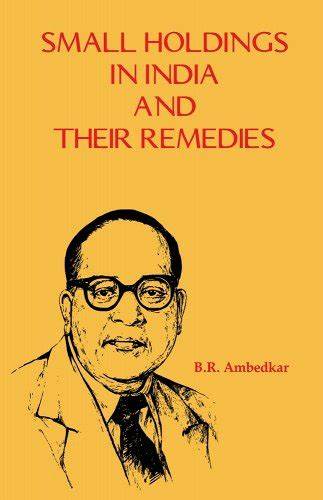
Phule’s demands included providing good agricultural training to farmers’ children. He also wanted to organize excellent agricultural exhibitions in villages. Additionally, he proposed sending talented farmers’ children abroad on scholarships. The government should provide farmers with good tools. This perspective on agriculture has both a social and a strong economic dimension. The same applies to Ambedkar. The issue in agriculture is the problem faced by the 70-80% of our small and marginal farmers. This is not a new issue; Ambedkar addressed it in his 1918 paper “The Problem of Small Holdings in India”. He, like Phule, highlighted the struggles of this segment.
Combining Education with Industrial Training
Maharshi Vitthal Ramji Shinde also emphasized the need to combine modern education with industrial training. This is the same segment that Manoj Jarange Patil represents. Therefore, we need to look at agriculture not just in terms of its successes in sugar production. We should also consider horticulture but tackle the challenges faced by this segment.
Clear and Unbiased Policy Formulation
We need to examine the state’s economic capacity from a clear and unbiased perspective. We should use updated data. Thorough studies are necessary to formulate policies. This cannot be achieved merely by having a stable government; it requires a dedicated and thoughtful approach. Today, economic malnutrition arises from rapid urbanization and wealth creation. However, it is also a result of serious challenges on the other hand.
Agricultural Development and Rural Empowerment
Agriculture remains a critical sector in Maharashtra, employing a large portion of the population. The public expects Fadnavis to implement policies that support small and marginal farmers, improve agricultural productivity, and promote sustainable practices. Tilak highlights the importance of integrating modern agricultural techniques and providing adequate support to farmers to enhance their livelihoods.
Strengthening State Capacity
Another key expectation is the strengthening of state capacity to deliver essential services effectively. Tilak underscores the need for a robust administrative framework that can implement welfare schemes efficiently. This includes addressing the decline in government employees. It also involves ensuring that institutions are empowered to meet the demands of the population.
Balancing Economic and Social Policies
The public also expects Fadnavis to strike a balance between economic growth and social welfare. This involves addressing issues such as unemployment, urban poverty, and social inequality. Tilak suggests that a holistic approach, which considers both economic and social dimensions, is essential for sustainable development.
Economic Reforms and Policies
Devendra Fadnavis’s tenure as Chief Minister was marked by a series of economic reforms aimed at revitalizing Maharashtra’s economy. These reforms were designed to address both immediate needs and long-term goals, ensuring sustainable growth and development across various sectors.
Agricultural Reforms
Agriculture is the backbone of Maharashtra’s economy, and Fadnavis has placed significant emphasis on improving this sector. Initiatives like the Jalyukt Shivar Abhiyan aimed to make the state drought-free by enhancing water conservation and management practices. This program not only helped in increasing water availability but also improved agricultural productivity, benefiting countless farmers.
Fadnavis also focused on modernizing agricultural practices. He promoted the use of technology. He provided better access to credit and markets. These efforts were geared towards empowering small and marginal farmers, ensuring they have the resources and support needed to thrive.
Industrial Growth and Infrastructure Development
Under Fadnavis’s leadership, Maharashtra saw substantial investments in infrastructure development. Projects such as the Mumbai Metro expansion began. Additionally, new highways and expressways were constructed. These efforts aimed to improve connectivity and reduce traffic congestion. These infrastructure projects are crucial for supporting industrial growth and attracting investments.
Fadnavis also worked on creating a favourable business environment by simplifying regulatory processes and offering incentives to industries. This approach aimed to boost industrial growth, create jobs, and enhance the state’s economic competitiveness.
Digital Governance and E-Governance Initiatives
One of the standout features of Fadnavis’s administration was the push for digital governance. By leveraging technology, he aimed to make government services more accessible and efficient. Initiatives like the Aaple Sarkar portal enabled citizens to access various government services online. This reduced the need for physical visits to government offices.
These e-governance initiatives improved transparency. They enhanced accountability. They also made it easier for businesses to operate in the state. The focus on digital governance is expected to continue. Further enhancements will ensure that all citizens can benefit from these services.
Urban Development and Smart Cities
Maharashtra’s rapid urbanization presents both opportunities and challenges. Fadnavis’s policies aimed to address these by promoting the development of smart cities. These cities are designed to be sustainable, with efficient public services, improved infrastructure, and better quality of life for residents.
The smart city initiatives include projects related to waste management, water supply, transportation, and energy efficiency. Fadnavis wanted to create livable cities by integrating technology into urban planning. He also aimed for these cities to support economic growth.
Social Welfare Programs
In addition to economic reforms, Fadnavis’s administration also focused on social welfare programs. Schemes like the “Ladki Bahin Yojana” provided direct financial assistance to women. This enhanced their financial autonomy. It also improved their quality of life. These programs aimed to address social inequalities. They ensured that the benefits of economic growth reach all sections of society.
The combination of economic reforms and social welfare programs reflects Fadnavis’s holistic approach to governance. By addressing both economic and social dimensions, he aimed to create a more inclusive and prosperous Maharashtra.
Challenges and Opportunities
As Devendra Fadnavis navigates his role in Maharashtra’s political and economic landscape, he encounters a mix of challenges. These challenges and opportunities will shape the state’s future.
Challenges
Economic Disparities: One of the significant challenges is addressing the economic disparities within the state. Urban areas like Mumbai and Pune continue to thrive. Rural regions often lag in development. They also lack access to resources. Bridging this gap requires targeted policies. These policies should promote inclusive growth. It is important to ensure that all sections of society benefit from economic reforms.
Infrastructure Development: Maharashtra has made substantial investments in infrastructure. Despite this, the state still faces issues related to urban congestion. It also suffers from inadequate public transportation and poor road conditions in certain areas. Completing infrastructure projects on time is crucial. Doing so within budget supports economic growth. It also improves the quality of life for residents.
Agricultural Distress: Agriculture remains a critical sector, but it is also one of the most vulnerable. Issues like water scarcity, fluctuating market prices, and inadequate access to modern farming techniques continue to plague farmers. Addressing these challenges requires a comprehensive approach. This approach includes better water management. It also requires access to credit and support for sustainable agricultural practices.
Political Dynamics: Navigating the complex political dynamics of Maharashtra is another challenge. Forming and maintaining alliances, managing dissent within the party, and addressing the concerns of various stakeholders require astute political acumen. Fadnavis’s ability to balance these dynamics will be crucial for ensuring stable governance.
Opportunities
Digital Transformation: The push for digital governance presents a significant opportunity for Maharashtra. By leveraging technology, the state can improve the efficiency of public services. It can also enhance transparency and make governance more accessible to citizens. Expanding digital infrastructure and promoting digital literacy will be key to realizing this potential.
Industrial Growth: Maharashtra has the potential to become a hub for industrial growth. It can attract investments from both domestic and international companies. The state can boost industrial development by creating a favorable business environment. It can also create jobs and enhance its economic competitiveness by investing in infrastructure.
Urban Development: The smart city initiatives offer an opportunity to transform Maharashtra’s urban centres into sustainable and livable cities. By integrating technology into urban planning, the state can address waste management, transportation, and energy efficiency. This improves the quality of life for residents.
Social Welfare Programs: Expanding social welfare programs can help address social inequalities. These programs ensure that the benefits of economic growth are distributed equitably. Programs like the “Ladki Bahin Yojana” provide direct financial assistance. This assistance significantly impacts the improvement of lives in marginalized communities. Building on these initiatives can help create a more inclusive society.
Sustainable Development: Focusing on sustainable development practices presents an opportunity to address environmental challenges while promoting economic growth. Initiatives such as renewable energy projects, sustainable agriculture, and conservation efforts can help Maharashtra achieve long-term sustainability goals.
As Devendra Fadnavis continues to lead Maharashtra, his ability to navigate these challenges will be crucial. Seizing these opportunities will also play a vital role in the state’s future. Abhay Tilak provides valuable guidance. He offers insights on how these expectations can be met. This ensures that Maharashtra continues to thrive and prosper.
Conclusion
Devendra Fadnavis’s leadership in Maharashtra has been marked by significant economic reforms, infrastructure development, and social welfare initiatives. He continues to navigate the state’s complex political and economic landscape. The expectations from various stakeholders remain high.
Senior economist Abhay Tilak’s insights provide a comprehensive understanding of these expectations, highlighting the need for balanced and inclusive growth. Addressing economic disparities, enhancing state capacity, and promoting sustainable development are crucial for Maharashtra’s future.
Fadnavis’s ability to leverage digital transformation will be crucial. He also needs to support industrial growth and implement effective urban development policies. These efforts will play a pivotal role in shaping the state’s trajectory. He can focus on both economic and social dimensions. This will ensure that the benefits of growth reach all sections of society. This approach will create a more equitable and prosperous Maharashtra.
As we look ahead, the challenges and opportunities in this post are crucial. They will determine the success of Fadnavis’s policies. They will also impact the overall development of Maharashtra. With thoughtful and inclusive governance, the state can continue to thrive and set an example for others to follow.
I’m always eager to hear your thoughts and perspectives, so feel free to share your comments below or connect with me, Kumar, Editor at Newspatron, on your favorite platform.
I’m always eager to hear your thoughts and perspectives, so feel free to share your comments below or connect with me, Kumar, Editor at Newspatron, on your favourite platform:
- For quick updates and insights: Follow me on Instagram, Twitter, YouTube, or Reddit.
- For deeper conversations: My Facebook profile is currently private but open to new friends!. Feel free to send a friend request from your authentic profile (no fake accounts, please!). Alternatively, you can like the Newspatron page to stay updated on all the latest happenings.
- For a visual journey: Follow me on Tumblr for captivating content and inspiring imagery.
- For instant updates: Subscribe to my WhatsApp Channel and be the first to know about new posts and announcements (your privacy is protected – I can only see the subscriber count, not your phone number).
- For quick chats and discussions: Connect with me instantly on Telegram.
- For a convenient way to stay in the loop: Subscribe to my RSS feed and never miss a post.
- For professional networking: Let’s connect on LinkedIn and share our industry insights.
You can find all the relevant links on the Newspatron homepage too. Looking forward to connecting with you!
