


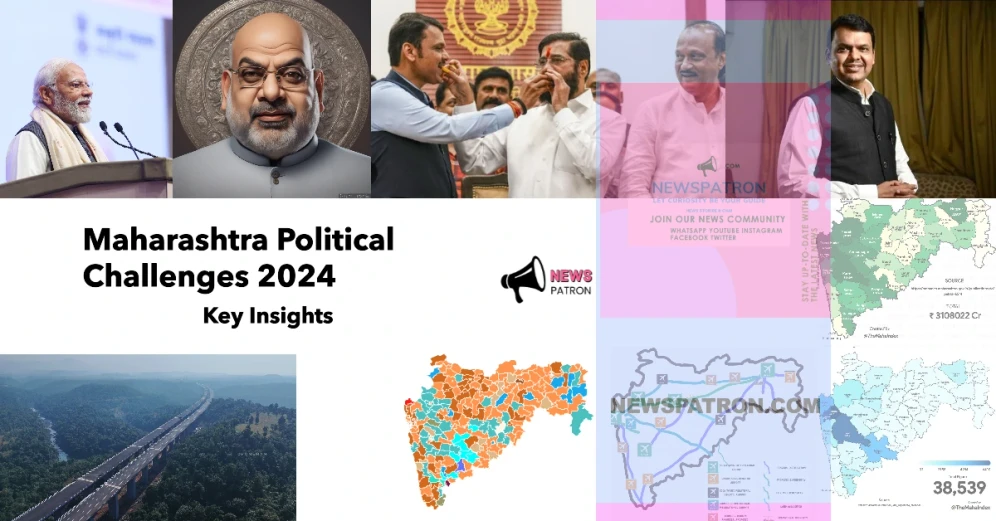

The political landscape in Maharashtra has been nothing short of dynamic, especially with the recent state assembly elections in 2024. In this blog post, we delve into the insights shared by Mrinalini Naniwadekar, a well-reputed senior journalist based in Mumbai. Her perspective sheds light on the paradigm shifts in favour of the BJP, the challenges that lie ahead for Devendra Fadnavis, and the public’s expectations from the BJP and its state leadership.
From the enduring influence of Sharad Pawar to the evolving role of women in Maharashtra politics, this post covers a wide array of topics. We’ll explore the coalition dynamics, the impact of Hindutva politics, and the structural manipulations that shape the state’s political future. Additionally, we’ll reflect on the current state of affairs and the potential for leaders like Devendra Fadnavis to rise on the national stage.
Join us on this journey as we navigate through the complexities of Maharashtra’s political scene. And don’t forget to check out our YouTube channels, DroneMitra and NewsPatron, for some fantastic drone shots and in-depth political analyses. Let curiosity be your guide!
Sharad Pawar’s Influence in Maharashtra Politics
Sharad Pawar remains a towering figure in Maharashtra’s political arena. Despite his age, his influence is undeniable. The 2019 election results, which were significantly impacted by the ED notice he received, might have been different if not for that event. Pawar’s strategic acumen has been a cornerstone of his political career, and his ability to navigate the complex political landscape of Maharashtra is noteworthy.
Pawar’s influence extends beyond electoral politics. He has been instrumental in shaping policies and alliances that have had a lasting impact on the state. For instance, his role in the formation of the Nationalist Congress Party (NCP) in 1999 showcased his ability to create and lead a new political entity that quickly became a key player in Maharashtra and national politics[1].
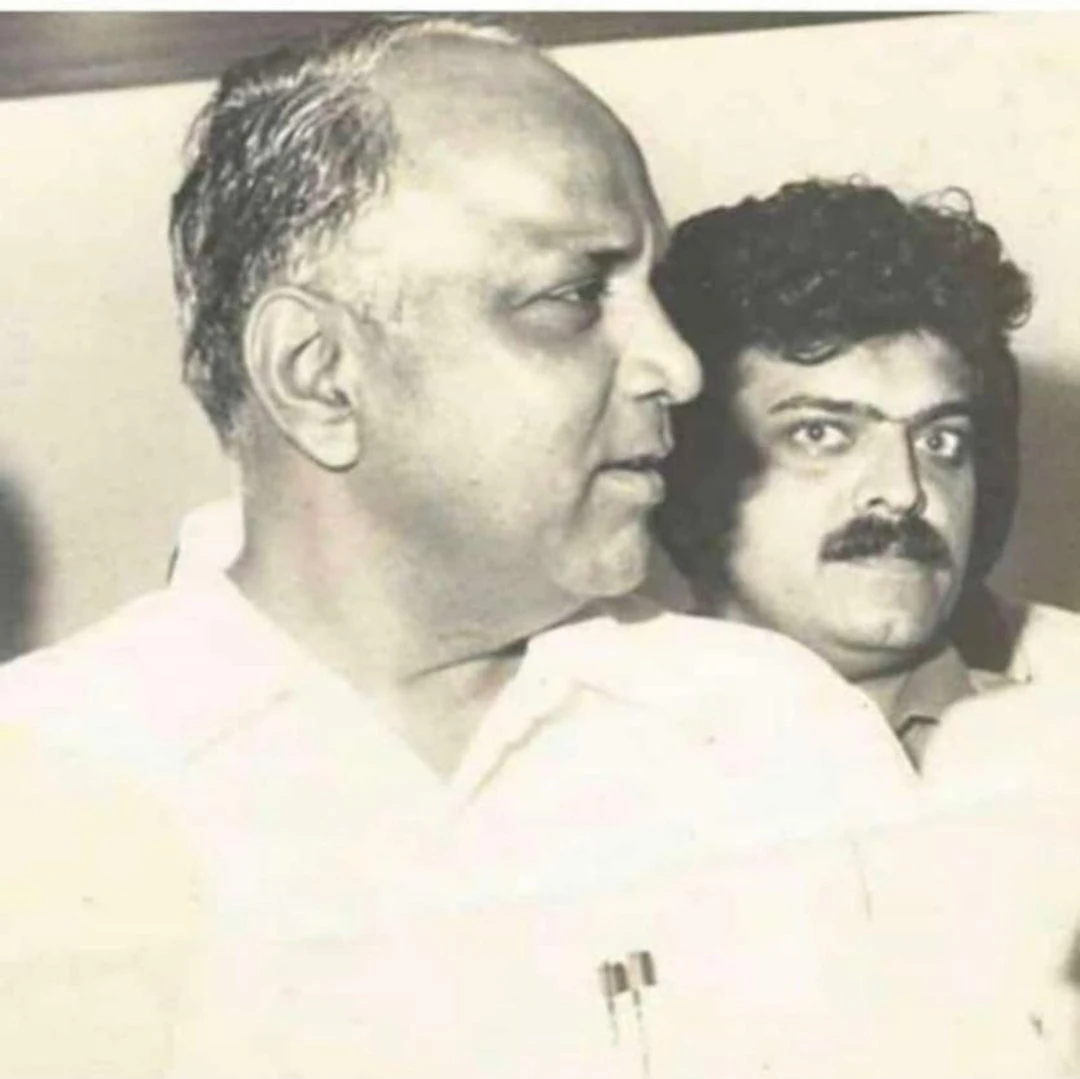
In a recent speech, Pawar emphasized the importance of leadership and making a difference: “Leadership is not about being in power, it is about making a difference”[1]. This quote reflects his long-standing commitment to public service and his belief in the transformative power of effective leadership.
Moreover, Pawar’s recent decision to step down as the NCP chief, while still remaining active in politics, highlights his strategic foresight. He stated, “It is time for a new generation to guide the party”[2]. This move is seen as a way to rejuvenate the party and prepare it for future challenges, demonstrating his continued influence and relevance in Maharashtra politics.
Recommended Product
Casio Vintage A168WA Digital Grey Unisex Watch
🛒 View on Amazon →As an Amazon Associate, we earn from qualifying purchases. Price and availability may vary.
Pawar’s ability to forge alliances and navigate political challenges is well-documented. His tenure as the Chief Minister of Maharashtra and his various ministerial roles at the national level have earned him respect across the political spectrum. His pragmatic approach and negotiating skills have often been critical in the formation of stable governments[1].
However, the recent elections have posed new challenges. With the BJP’s rise and the shifting political dynamics, Pawar faces the daunting task of countering Devendra Fadnavis, who is not only younger but also has the backing of both the central and state governments. The question remains: Can Pawar’s legacy and experience withstand the BJP’s aggressive strategies?
[1]: Bookey – Sharad Pawar Quotes [2]: Hindustan Times – Sharad Pawar Steps Down as NCP Chief
References
[1] 30 Best Sharad Pawar Quotes With Image | Bookey
[2] ‘Time for the new generation’: Sharad Pawar as he steps down as NCP …
Women in Maharashtra Politics
The role of women in Maharashtra politics has been evolving, especially highlighted during the recent elections. Two key topics concerning women gained traction: the “Ladki Bahin” ie “beloved sister” narrative and Hindutva. Despite existing schemes aimed at women, neither the Mahayuti (grand alliance) nor the Maha Vikas Aghadi (MVA) effectively catered to the women’s vote bank. This gap in addressing women’s issues was evident in their campaign strategies.
Women’s representation in the Maharashtra Assembly remains low. Of the 288 seats, only 21 are occupied by women, making up less than 10% of the house[1]. This figure, although a record for the state, underscores the systemic barriers women face in achieving political representation. In the recent elections, 65.21% of women cast their votes, up from 59.62% in 2019[1]. Despite this increased voter turnout, the number of women candidates remains disproportionately low, with only 8.8% of the total candidates being women[1].
Women’s reservation has been a significant topic of discussion. If implemented in 2019, it could have increased the number of women MPs and possibly MLAs. This would have brought women’s politics more into the mainstream. Political parties need to identify and address topics of interest and concern to women over the next five years. Women’s organizations in Maharashtra occasionally take great shape but sometimes fade away. However, the sensitivity toward feminist aspirations and awareness already exists in Maharashtra.
Urban women face unique challenges. In urban areas, men and women’s productive hours often coincide, but women are significantly occupied with family maintenance, child-rearing, and finding their footing in jobs simultaneously. This reality of city life presents distinct challenges for women. Dependency on men, especially concerning vices, remains a significant issue. Anti-alcohol movements receive incredible support in Maharashtra due to this backdrop. Identifying and addressing these core issues requires engaging with every level of society.
Moreover, the aspirations of Maharashtra’s women must be properly understood. Women desire self-identity, financial security, and equal opportunities. Providing equal opportunities through microfinance groups or women’s reservations in politics can unleash the enormous potential of women ready to engage. Men’s mindsets are slowly changing, but this change needs to accelerate dramatically. The women’s liberation movement constantly echoes the vision of Savitribai and Jyotiba Phule. Changing patriarchal attitudes remains a necessity, not just in Maharashtra but globally. Supporting capable women leaders’ development should be a key focus as they play pivotal roles.
Specific policies aimed at empowering women have been introduced, such as the “Ladki Bahin” scheme, which provided direct cash transfers to 2.35 crore women across the state[2]. This scheme, along with others like 50% concession in public transport fares and educational programs for women, has significantly impacted women’s political power and financial independence[2]. Former Maharashtra Women and Child Development Minister Aditi Tatkare highlighted the scheme’s success, stating, “This was the first time women felt valued beyond their votes”[2].
[1]: The Hindu BusinessLine – Women in Politics [2]: Frontline – Aditi Tatkare Interview
References
[1] Women in Politics: Breaking the glass ceiling or treading water?
[2] The Quiet Revolution: How Women Voters Redefined Maharashtra’s …
Championing Women’s Issues Across Party Lines
Addressing women’s issues requires robust efforts across party lines. Given the BJP’s growing dominance in Maharashtra, it’s crucial to evaluate the role of BJP women leaders in understanding and addressing women’s concerns. Today, the challenge is not just raising a voice in distress but also enabling women to embrace globalization and self-discovery. No party currently has substantial leaders in this regard, whether it is the BJP or Eknath Shinde’s Shiv Sena. If such leaders emerge, the unravelling and solving of women’s issues will advance significantly. However, this process requires great effort, and the pace cannot rely solely on reservations for women.
The upcoming Chief Minister of Maharashtra must focus specifically on how to accelerate this agenda. When creating 33% reservations, ensuring competent leadership among women is vital. Otherwise, this critical aspect will fall short. BJP needs to form a larger contingent of women leaders who can address gender-related concerns. There is a growing discourse on women’s issues within the right-wing ecosystem. The outcomes of this discourse must be carefully examined. Prime Minister Modi drew attention to women’s contributions in sports. This sort of focus needs to extend creating new role models and addressing areas where women are making inroads. Addressing international-scale achievements of women athletes while ignoring domestic issues, like those faced by wrestlers, will not suffice.
A minimum-level push in this direction is needed, and BJP’s women leaders should consider it their responsibility to initiate such efforts. Hindutva’s present and future realities must also be analysed in the context of nationalism projected through these elections. Whether this nationalism will drift towards saffronization is a topic of ongoing discussion. The majority-based politics once again signalled a strong wave through the Maharashtra elections. The Dhule Lok Sabha results sounded the alarm, indicative of deeper political introspection awaiting leaders.
Quotes from prominent women leaders highlight the urgency of these issues. Smriti Irani, Union Minister for Women and Child Development, stated, “Empowering women is not just a goal; it’s a necessity for the nation’s progress”[1]. Similarly, Pankaja Munde, a senior BJP leader in Maharashtra, emphasized, “We need to ensure that women’s voices are heard and their issues addressed at every level of governance”[2].
Women leaders in Maharashtra face numerous challenges. These include resistance from male colleagues, societal expectations, and balancing family responsibilities with political duties. A study on elected women representatives (EWRs) in Maharashtra revealed that 25% of women faced ill-treatment from Gram Panchayat members, and 38% reported doubts about their abilities to lead[3]. Additionally, 24% of EWRs experienced stress impacting their personal and professional lives[3].
Despite these challenges, several initiatives have been launched to empower women. The Ladki Bahin scheme, for instance, provided direct cash transfers to 2.35 crore women across the state, significantly impacting their financial independence and political power[4]. Another notable initiative is the Mahila Sashaktikaran Yojana, which offers financial aid for education and skill development[5]. These programs have not only provided economic support but also encouraged greater political participation among women.
Manisha Kayande, a Shiv Sena member of the Legislative Council, highlighted the importance of these initiatives: “Women are no longer just a demographic in need of outreach; they are a constituency in their own right”[4]. This shift in perception is crucial for the sustained empowerment of women in Maharashtra.
[1]: The Economic Times – Smriti Irani on Women’s Empowerment [2]: India Today – Pankaja Munde on Women’s Issues [3]: Academia – Struggles & Strategies of Elected Women Representatives in Maharashtra [4]: Frontline – Aditi Tatkare Interview [5]: Business Standard – Women Voters Shaping Elections
References
[1] How Maharashtra’s Ladki Bahin scheme transformed women’s political …
[2] The Quiet Revolution: How Women Voters Redefined Maharashtra’s …
[3] Maharashtra’s 4th Women’s Policy unveiled; three-level committees to …
[4] From Ladli Behna to Maiya Yojana: How women voters are shaping …
[5] Women’s Political Leadership in Panchayati Raj Institutions- Challenges …
Coalition Dynamics and Hindutva Politics
The coalition dynamics in Maharashtra have been complex and ever-evolving. The recent elections highlighted the strategic manoeuvres and ideological battles that define the state’s political landscape. The BJP’s coalition with Eknath Shinde’s Shiv Sena faction and other allies has been pivotal in consolidating power. However, this alliance is not without its challenges.
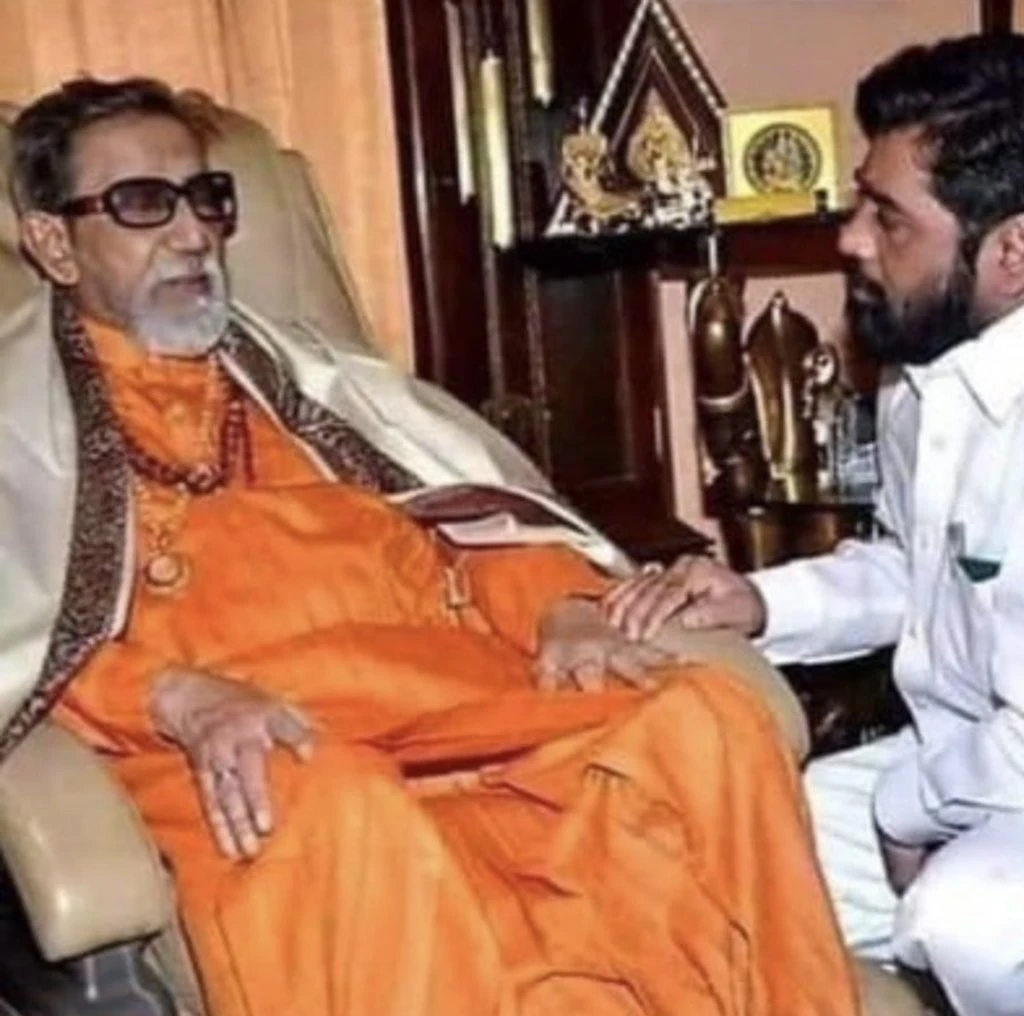
The role of Hindutva in BJP’s strategy cannot be overstated. Hindutva has been a core ideology driving the party’s agenda, and it has significantly influenced voter behavior. The BJP’s ability to couple Hindutva with development initiatives has been a key factor in its electoral success. This dual approach appeals to a broad spectrum of voters, from those who support the ideological stance to those who prioritize economic development.
Yogi Adityanath’s statements during the Bhosari rally, where he emphasized Hindutva, should have faced rejection in Maharashtra, a land known for its inclusiveness and the legacy of Shahu (Shahu Maharaj), Phule(Jyotiba Phule), and Ambedkar(Babasaaheb ie B.R. Ambedkar). However, the acceptance of such rhetoric indicates a shift in societal attitudes. The BJP’s strategy of leveraging Hindutva while promoting development projects like the Samruddhi Mahamarg and NH4 has resonated with many voters.
Read a previous blog post on The Architect of Indian Constitution and a Champion of Social Justice
The coalition’s success in the Dhule Lok Sabha results underscored the effectiveness of this strategy. The BJP’s focus on majoritarian politics, coupled with promises of development, has created a potent electoral formula. However, this approach also raises questions about the future of inclusivity and social harmony in Maharashtra.
The coalition dynamics are further complicated by internal power struggles and the need to balance diverse interests. The BJP’s alliance with Eknath Shinde’s Shiv Sena faction, while beneficial in the short term, poses long-term challenges. Shinde’s ambitions and the BJP’s dominance could lead to friction within the coalition. The upcoming local governance elections will be a critical test for this alliance, as both parties vie for control of key municipalities.
Quotes from political analysts highlight these complexities. Political commentator Suhas Palshikar noted, “The BJP’s strategy of combining Hindutva with development has been effective, but it also risks alienating sections of society that value inclusivity”. Similarly, journalist Nikhil Wagle observed, “The coalition’s success depends on managing internal conflicts and maintaining a balance between ideological and developmental agendas”.
The Indian Express – Suhas Palshikar on BJP Strategy : Scroll.in – Nikhil Wagle on Coalition Dynamics
Divisions and Unity in Maharashtra Politics
The political landscape in Maharashtra is characterized by both divisions and unity within alliances. The recent elections have underscored the complexities of maintaining coalition integrity while addressing internal conflicts. Both the Mahayuti (grand alliance) and the Maha Vikas Aghadi (MVA) faced significant challenges in presenting a cohesive front, leading to fragmented strategies and disputes over seat-sharing.
Voter Sentiment Towards Coalitions
Voter sentiment towards coalitions in Maharashtra is mixed. According to a survey by MIT-SOG-Lokniti-CSDS, nearly a quarter (24%) of voters identified unemployment as their primary issue, while over one-fifth (22%) cited inflation. These economic concerns have significantly influenced voter preferences. The survey revealed that voters concerned about unemployment and inflation tend to favor the MVA over the Mahayuti. However, those prioritizing women’s safety and anti-corruption measures lean towards the Mahayuti. This indicates that while economic issues drive support for the MVA, the Mahayuti’s focus on security and anti-corruption resonates with a different voter base.
Exit polls also reflect this divided sentiment. While some polls predict a clear advantage for the Mahayuti, others suggest a tighter race, with the MVA gaining ground. This division underscores the importance of coalition strategies in addressing diverse voter concerns and maintaining support across different demographics.
Recent Seat-Sharing Disputes
Seat-sharing disputes have been a significant challenge for both coalitions. The MVA, comprising the Shiv Sena (UBT), Nationalist Congress Party (NCP), Samajwadi Party (SP), and Congress, finalized its seat-sharing arrangement with the Shiv Sena (UBT) contesting 96 seats, Congress 102 seats, and the NCP-SP alliance 91 seats. However, disputes arose over key constituencies, particularly in Mumbai, where the Congress and Shiv Sena (UBT) clashed over seats like Byculla, Bandra East, and Versova.
The Mahayuti, led by the BJP, also faced internal conflicts. The BJP, Eknath Shinde’s Shiv Sena faction, and Ajit Pawar’s NCP struggled to agree on seat allocations. Disputes over constituencies such as Ashti, Vadgao Sheri, and Nasgao between the BJP and Ajit Pawar’s NCP, and over Baisar, Palghar, Nalasopara, and Vasai between the BJP and Shinde’s faction, highlighted the tensions within the alliance. Despite late-night meetings and interventions by senior leaders like Amit Shah, some seats remained contentious, risking potential rebellions.
These seat-sharing disputes reflect the underlying tensions and power struggles within the coalitions. Managing these conflicts and presenting a united front will be crucial for both alliances as they navigate the upcoming local governance elections.
Coalition Dynamics
The Shiv Sena, under the leadership of Uddhav Thackeray and Eknath Shinde, faces significant challenges in maintaining its identity within the coalition. The BJP’s dominance in the suburbs of Mumbai contrasts with the stronghold of Balasaheb Thackeray’s ideology in the mainland areas. This division poses a strategic dilemma for the Shiv Sena as it navigates its alliance with the BJP.
The upcoming local governance elections will be a critical test for these alliances. The BJP aims to extend its control over key municipalities, promoting the concept of a “Triple-Engine Government” to drive development. Pune, Pimpri-Chinchwad, Kalyan-Dombivli, and other municipal corporations in the Mumbai region are crucial battlegrounds. The BJP’s strategic approach, including the selection of strong candidates and leveraging its organizational strength, will be pivotal in these elections.
Eknath Shinde’s success in the Thane and Konkan regions highlights his influence, but his limited success in Mumbai underscores the challenges he faces. The BJP’s aggressive “100% seat” slogan indicates its ambition to dominate local governance, potentially at the expense of its allies. This strategy could lead to friction within the coalition, as Shinde may need to suppress his ambitions to maintain the alliance.
The internal dynamics of the MVA also present challenges. The Congress and NCP must navigate their relationship with the Shiv Sena, balancing their own political ambitions with the need for coalition unity. The recent elections have shown that success is more likely when these parties work together, but internal conflicts and power struggles remain significant obstacles.
Political analysts emphasize the importance of coalition management. As political analyst Pratap Asbe noted, “The success of any coalition depends on the ability to manage internal conflicts and present a united front to the electorate”. Similarly, journalist Rajdeep Sardesai observed, “The upcoming local elections will be a litmus test for the stability and effectiveness of these alliances”.
The Hindu – Voter Sentiment in Maharashtra : Times of India – Exit Poll Results 2024 : ABP Live – MVA Seat-Sharing Scenario : Mint – Congress-Shiv Sena Stalemate : News18 – Mahayuti Seat Sharing Disputes : The Indian Express – Pratap Asbe on Coalition Management : India Today – Rajdeep Sardesai on Local Elections
Reflecting on Current State and Future Direction
Reflecting on the current state of affairs and the future direction of Maharashtra politics, it becomes evident that overconfidence and complacency among political leaders have played a significant role in shaping recent outcomes. Many leaders assumed that the Lok Sabha election results would be replicated, leading to a lack of preparedness and a disconnect with local issues.
Ajit Pawar’s role in local politics has been particularly noteworthy. His dominance in the recent elections, coupled with his administrative and financial authority, has solidified his position as a key player. Pawar’s strategic approach and ability to mobilize resources have been instrumental in his success. His efforts to revamp his image and take the elections seriously have paid off, showcasing his political acumen.
However, the future presents several challenges for Devendra Fadnavis and the BJP. Fadnavis, with the advantage of age and the backing of both the central and state governments, faces the task of maintaining his political relevance and addressing the expectations of the electorate. The economic crises and the changing culture of MLAs pose significant hurdles. Fadnavis’s ability to navigate these challenges and implement effective policies will be critical to his future success.
The potential for delimitation and structural changes in constituencies adds another layer of complexity. The increase in Lok Sabha and state assembly seats, along with the rearrangement of local bodies, will require careful planning and strategic maneuvering. Urban constituencies, in particular, will need to be prepared to avoid fragmentation and ensure inclusivity.
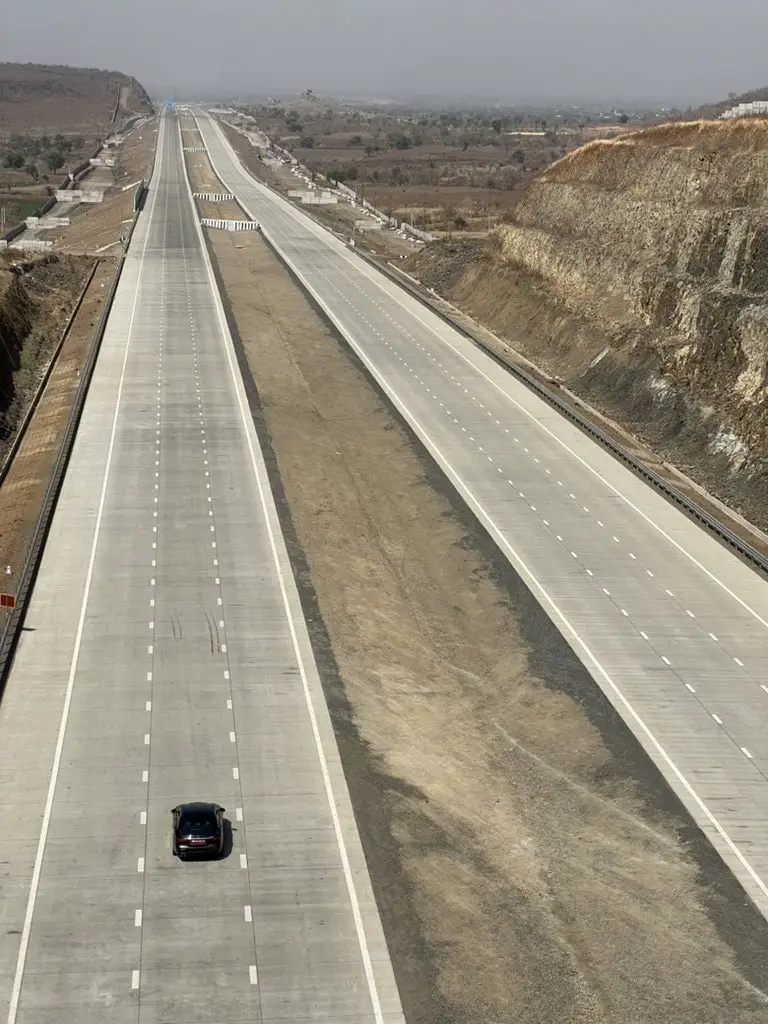
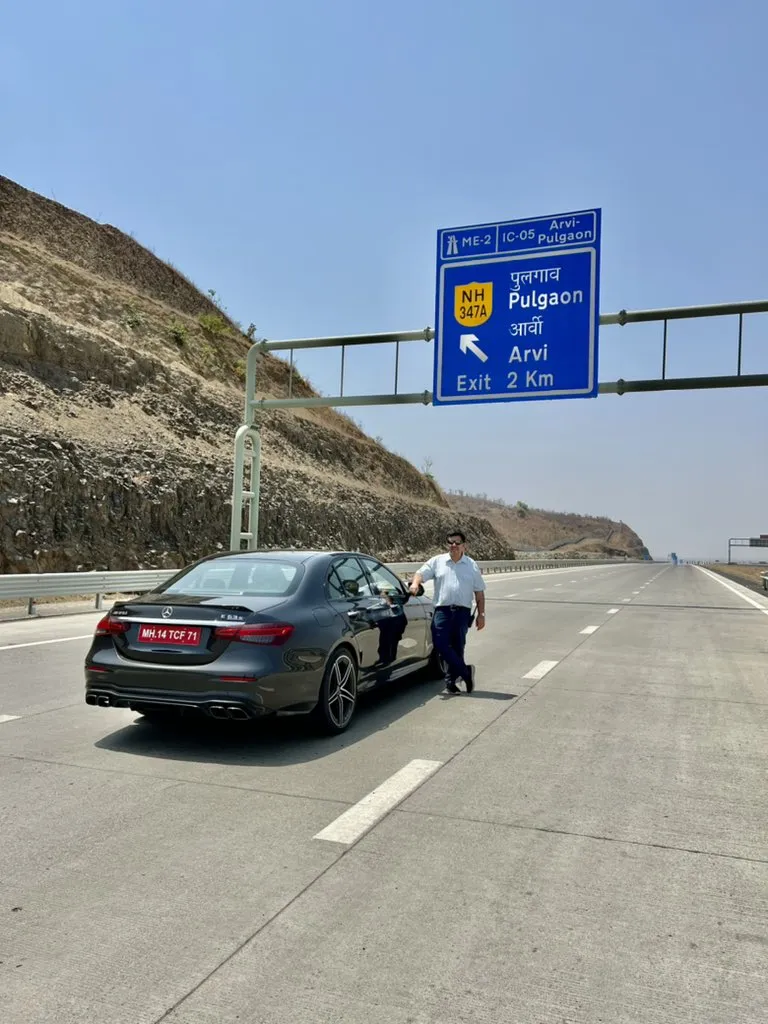
Image Credit – Hormazd Sorabjee
The BJP’s strategy of leveraging urbanization and development projects, such as the Samruddhi Mahamarg and NH4, will play a crucial role in shaping the political landscape. These initiatives aim to address employment and infrastructure challenges, providing a foundation for sustained growth. However, the success of these projects will depend on effective implementation and the ability to manage the economic burden on the state’s treasury.
Political analysts emphasize the importance of strategic planning and leadership. As political strategist Prashant Kishor noted, “The future of Maharashtra politics will be shaped by the ability of leaders to address economic challenges and implement development projects effectively”. Similarly, economist Ajit Ranade observed, “The success of urbanization initiatives will depend on inclusive planning and addressing the needs of diverse communities”.
The Economic Times – Prashant Kishor on Strategic Planning : The Hindu – Ajit Ranade on Urbanization
The Hindu – Suhas Palshikar on Structural Manipulations : The Indian Express – Dipankar Gupta on Minority Empowerment
Drone Shot of the Animal Underpass on Samruddhi Mahamarg
Video Credit MEIL Group
Structural Manipulations and Census Data
Structural manipulations and the use of census data are pivotal in shaping Maharashtra’s political landscape. The upcoming delimitation process, which involves increasing the number of Lok Sabha and state assembly seats, will significantly impact constituency planning. This process requires careful consideration to address urbanization challenges and ensure minority empowerment.
Caste-Based Census
The demand for a caste-based census has been a contentious issue. Maharashtra’s assembly passed a unanimous resolution calling for such a census, highlighting its importance in shaping each constituency’s landscape. The data from a caste-based census would provide valuable insights into the demographic composition of constituencies, enabling more equitable representation and resource allocation.
The Supreme Court’s 2021 decision to strike down the 27% political quota for Other Backward Classes (OBCs) in local bodies due to a lack of empirical data underscored the need for a comprehensive caste-based census. The Maharashtra State Commission for Backward Classes (MSCBC) has recommended that the state government conduct this census independently, given the central government’s refusal to enumerate caste-wise populations other than Scheduled Castes (SC) and Scheduled Tribes (ST) in the 2021 Census.
A caste-based census would provide valuable insights into the demographic composition of constituencies, enabling more equitable representation and resource allocation. This data is crucial for addressing the needs of underprivileged communities and ensuring that development initiatives are inclusive.
Urbanization Effects on Local Elections
Urbanization has significantly impacted local elections in Maharashtra. Rapid urban growth, particularly in cities like Mumbai, Pune, and Thane, has led to infrastructure congestion, traffic jams, and inadequate public amenities. These issues have become central to the political discourse, influencing voter behaviour and election outcomes.
The BJP’s strategy of leveraging urbanization through development projects like the Samruddhi Mahamarg and NH4 aims to address these challenges. These initiatives focus on improving infrastructure, creating job opportunities, and enhancing the quality of life for urban residents. However, the success of these projects depends on effective implementation and the ability to manage the economic burden on the state’s treasury.
Urbanization has also led to the emergence of new political dynamics. The influx of migrants and the expansion of urban areas have changed the demographic composition of constituencies, making them more diverse and complex. This has necessitated a shift in political strategies, with parties focusing on hyper-local issues and tailored solutions to address the specific needs of urban voters.
The impact of urbanization on local elections is evident in the recent outcomes. The BJP’s focus on development and infrastructure projects has resonated with urban voters, contributing to its electoral success. However, the challenges of managing urban growth and ensuring sustainable development remain significant.
Globalizing Leadership and Future Prospects
Fadnavis’s National Ambitions
Devendra Fadnavis’s National Ambitions
Devendra Fadnavis’s aspirations for a national role have been a significant topic of discussion. As a prominent leader within the BJP, Fadnavis is viewed as a potential candidate for a major national position. His recent reappointment as Maharashtra’s Chief Minister highlights his political influence and strategic importance within the party.
Fadnavis has consistently emphasized Maharashtra’s contributions to national growth and development, positioning himself as a leader capable of bridging state and national interests. His efforts to implement large-scale development projects and address economic challenges have bolstered his reputation as an effective administrator.
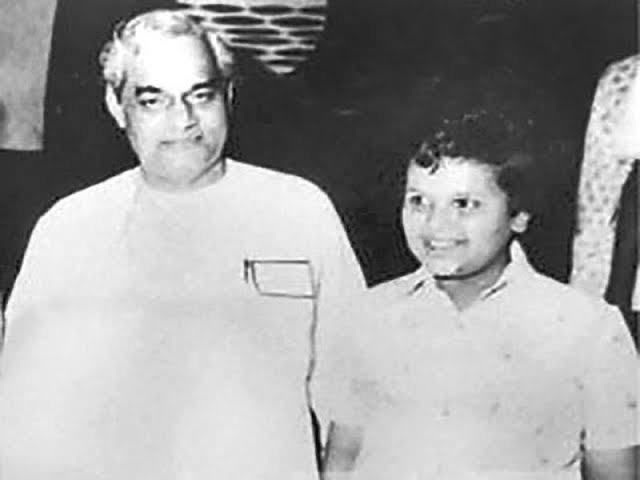


Looking ahead, Fadnavis’s potential transition to a national role will depend on his ability to navigate the complexities of Maharashtra politics and deliver on his promises of development and economic stability. His leadership in the upcoming local governance elections will be a critical test of his political acumen and strategic vision.
Political analysts suggest that Fadnavis’s national ambitions align with the BJP’s broader strategy of grooming regional leaders for national roles. As political commentator Suhas Palshikar noted, “Fadnavis’s leadership in Maharashtra positions him well for a future national role, provided he can maintain his political relevance and deliver on his development agenda”.

Read Previous Post Maharashtra Political Analysis Post Assembly Elections 2024
Global Leadership Examples
Global leadership provides valuable insights into how leaders can drive change and address complex challenges. For instance, Jacinda Ardern, the Prime Minister of New Zealand, has been widely recognized for her empathetic and strategic leadership, particularly during the COVID-19 pandemic. Her approach to governance, which emphasizes inclusivity and social welfare, has set a benchmark for political leaders worldwide.
Similarly, Angela Merkel, the former Chancellor of Germany, demonstrated strong leadership through her pragmatic and science-based approach to policy-making. Merkel’s tenure was marked by her ability to navigate economic crises and her commitment to the European Union’s stability. These examples highlight the importance of strategic vision, empathy, and resilience in leadership.
In the business world, leaders like Mary Barra, CEO of General Motors, have shown how innovation and adaptability can drive success. Barra’s focus on electric vehicles and sustainable practices has positioned GM as a leader in the automotive industry. Such leadership examples underscore the need for forward-thinking and adaptability in addressing contemporary challenges.
Challenges in Maharashtra’s Politics
Maharashtra’s political landscape is fraught with challenges that require adept leadership and strategic planning. One of the primary issues is the economic crisis exacerbated by the COVID-19 pandemic. The state’s Gross State Domestic Product (GSDP) growth has slowed, and there is a significant fiscal deficit. Addressing these economic challenges while ensuring sustainable development is a critical task for the state’s leadership.


Maharashtra's Economic Growth Forecast for 2023-24 a blog post published by Hindustan Times on Jun 28 2024

Maharashtra's economy is projected to grow at 7.6% in the financial year 2023-24, a decrease from the 9.4% growth recorded in 2022-23. This growth rate aligns with the overall growth of the Indian economy. The state's per capita income is expected to rise to ?2,77,603 in 2023-24 from ?2,52,389 in the previous year. However, Maharashtra's ranking for per capita income has slipped from fifth to sixth, now trailing behind Telangana, Karnataka, Haryana, Tamil Nadu, and Gujarat. Mumbai leads with the highest per capita income of ?4 lakh among all districts, followed by Thane, Pune, Nagpur, and Raigad, where it ranges between ?2.5 lakh and ?3.5 lakh.

Deputy Chief Minister Ajit Pawar, who oversees the finance portfolio, presented the economic survey for the financial year ending March 2024 in the Maharashtra legislature. He is set to present the full state budget for the remainder of the financial year 2024-25.

Despite being the top state for attracting foreign direct investment (FDI), Maharashtra is expected to see a slight decline in FDI to ?1,00,112 crore in 2023-24 from ?1,18,422 crore in 2022-23. The state's debt burden has also increased to ?7,11,278 crore from ?6,49,699 crore in the previous year.

On a positive note, Maharashtra continues to contribute the most to India's GDP, accounting for 13.9%, significantly ahead of Tamil Nadu, which is in second place with 8.7%. The state's GDP has grown to ?40,44,251 crore from ?36,45,884 crore in 2022-23.

The services sector, the largest contributor to the state's GDP, is expected to grow at 8.8%, a significant drop from the previous year's 13%. This decline is attributed to reduced activity in trade, hotels, restaurants, and real estate. The industrial sector is forecasted to grow by 7.6%, up from 5.5% in the previous year, with the manufacturing segment seeing a notable increase from 2.1% to 7.5%. However, the construction segment is expected to decline from 14.5% to 6.2%.

The agriculture and allied activities sector is projected to grow by 1.9% in 2023-24. The crop sub-sector is expected to experience a negative growth of 1.5%, while livestock, forestry, and fishing are anticipated to grow by 6.1%, 9.2%, and 2.9%, respectively. The erratic and insufficient rainfall during the last monsoon has adversely affected the agriculture sector, leading to reduced production of cereals, pulses, oilseeds, and sugarcane by 23%, 10%, 2%, and 17%, respectively. Cotton production is also expected to decrease by 3%.

The state's revenue receipts are projected to be ?4,86,116 crore in 2023-24, up from ?4,05,678 crore in the previous year. Revenue expenditure is expected to rise to ?5,05,647 crore from ?4,07,614 crore. The state government's debt is estimated to reach ?7,11,278 crore, up from ?6,29,235 crore in 2022-23.

An official from the state finance department mentioned that although the financial year ended in March, the economic survey provides estimated growth figures, which are vetted by the Accountant General of Maharashtra by September-October each year. The final figures for growth and revenue-fiscal deficit are confirmed after the accounts are finalized. While the growth is estimated at 7.6% for 2023-24, it may increase, similar to how it rose to 9.4% in 2022-23 from the initially projected 6.8%.
Another major challenge is the issue of caste-based reservations and social justice. The demand for a caste-based census has highlighted the need for accurate data to inform policy decisions and ensure equitable representation. The Supreme Court’s decision to strike down the 27% political quota for Other Backward Classes (OBCs) in local bodies due to a lack of empirical data underscores the importance of this issue.
Future Prospects
The dream of employment generation, such as creating jobs in specific areas of Maharashtra, must be acted upon. Large-scale water conservation movements are also essential. Just as Gujarat’s irrigation projects and the Narmada dam contributed to Modi’s rise to the national stage, similar initiatives could elevate Fadnavis. These election results indeed underscore that possibility. If Maharashtra is fortunate, there will be transformational change, supported by this new team. A Maharashtra leader could emerge powerfully to make a significant impact in national politics. However, given the repeated setbacks to this dream, it would be prudent to revisit this question in three or four years. Let’s keep tracking the outcomes of the expectations discussed today.
Political analysts highlight the importance of strategic planning and leadership. As political strategist Prashant Kishor noted, “The future of Maharashtra politics will be shaped by the ability of leaders to address economic challenges and implement development projects effectively”. Similarly, economist Ajit Ranade observed, “The success of urbanization initiatives will depend on inclusive planning and addressing the needs of diverse communities”.
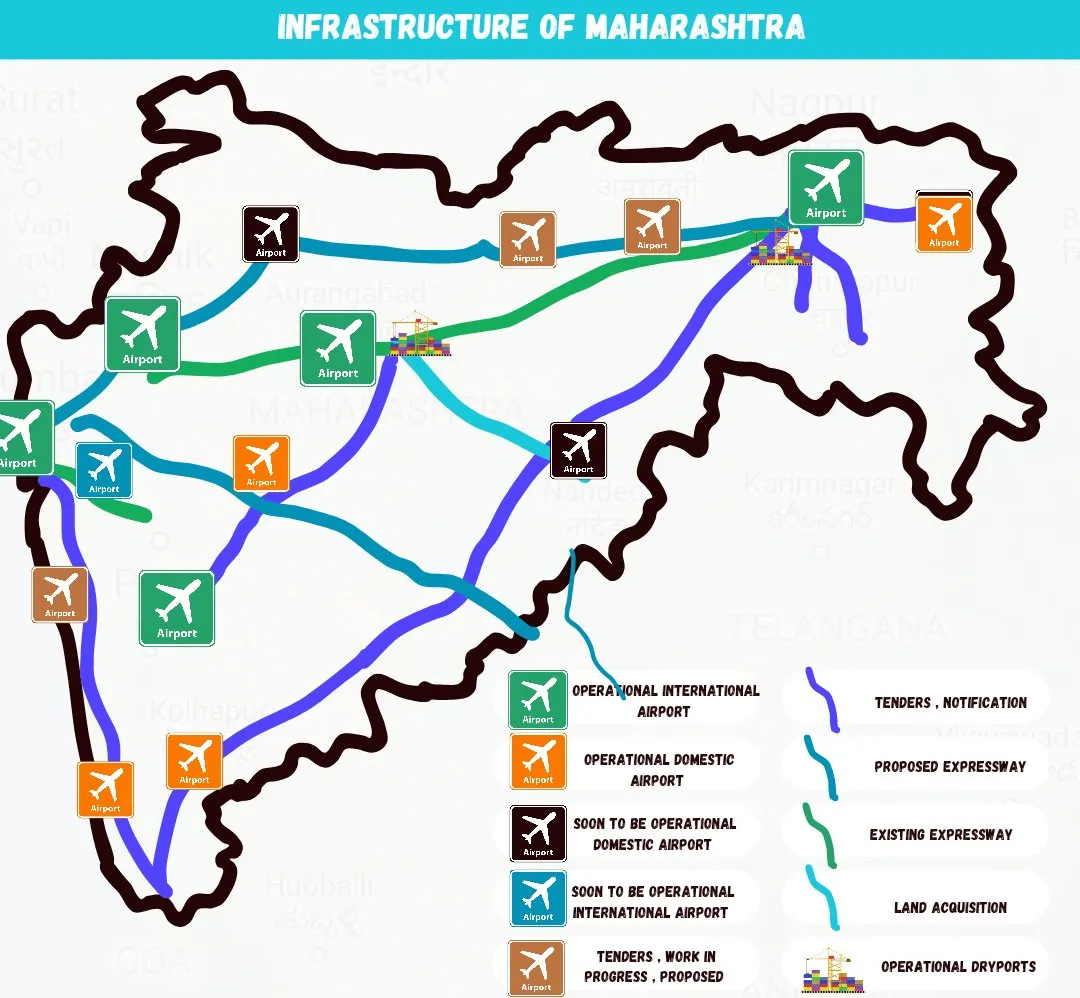
Times of India – Devendra Fadnavis as Maharashtra CM : Indian Express – Fadnavis on National Growth : The Hindu – Suhas Palshikar on Fadnavis’s National Role : The Economic Times – Prashant Kishor on Strategic Planning : The Hindu – Ajit Ranade on Urbanization
[1]: Global Leaders Today – Jacinda Ardern [2]: Cambridge Core – Angela Merkel [3]: Global Leaders Today – Mary Barra [4]: PRS Legislative Research – Maharashtra Budget Analysis 2024-25 [5]: The Hindu – MVA Manifesto Promises Caste Census [6]: India Today – Supreme Court Decision on OBC Quota [7]: Hindustan Times – Urbanization Challenges in Maharashtra [8]: Frontline – Urbanization and Local Elections [9]: Super Kalam – Strengthening Local Governance in India [10]: The Economic Times – Prashant Kishor on Strategic Planning [11]: The Hindu – Ajit Ranade on Urbanization
References
[1] Maharashtra Budget Analysis 2024-25 – PRS Legislative Research
[2] Maharashtra elections 2024: What do political parties promise for …
[3] Proper Roads, Air Quality, Public Health: Key Urban Challenges …
[4] Current Affairs 2024 – Strengthening Local Governance in India
[5] 2024 Maharashtra Legislative Assembly election – Wikipedia
[6] Maharashtra Verdict: Decisive Victory Over Divisive Politics
[7] Maharashtra election: How the Maratha quota question became irrelevant
[8] Mahayuti vs MVA mahasangram in Maharashtra! 6 leaders, 2 groups
[9] Maharashtra politics’ famous five and what Verdict 2024 means for them
[10] Maharashtra Election 2024: Political alliances, parties, direct fights …
[11] Maharashtra Assembly Elections 2024: Key Issues, Political Realignments …
Conclusion
maharashtrapoliticalchallenges2024 #bjpmaharashtra #fadnavispoliticalchallenges #maharashtrawomensissues #hindutvainmaharashtra #newspatron
The political landscape in Maharashtra is undergoing significant transformations, driven by shifting alliances, evolving voter sentiments, and the strategic manoeuvres of key political figures. The insights shared by Mrinalini Naniwadekar provide a comprehensive overview of the current situation, highlighting the challenges and opportunities that lie ahead for the BJP and its state leadership.
From the enduring influence of Sharad Pawar to the evolving role of women in Maharashtra politics, this analysis has covered a wide array of topics. The coalition dynamics, the impact of Hindutva politics, and the structural manipulations that shape the state’s political future are all critical factors that will influence the direction of Maharashtra’s governance.
Devendra Fadnavis’s potential transition to a national role and his efforts to address economic challenges and implement development projects will be pivotal in shaping the state’s future. The success of urbanization initiatives and the empowerment of minority communities will depend on inclusive planning and effective leadership.
As Maharashtra navigates these complexities, the importance of strategic planning, inclusive policies, and robust local governance cannot be overstated. The upcoming local governance elections will be a critical test for the state’s political alliances and their ability to address local issues effectively.
I’m always eager to hear your thoughts and perspectives, so feel free to share your comments below or connect with me, Kumar, Editor at Newspatron, on your favourite platform:
- For quick updates and insights: Follow me on Instagram, Twitter, YouTube, or Reddit.
- For deeper conversations: My Facebook profile is currently private but open to new friends!. Feel free to send a friend request from your authentic profile (no fake accounts, please!). Alternatively, you can like the Newspatron page to stay updated on all the latest happenings.
- For a visual journey: Follow me on Tumblr for captivating content and inspiring imagery.
- For instant updates: Subscribe to my WhatsApp Channel and be the first to know about new posts and announcements (your privacy is protected – I can only see the subscriber count, not your phone number).
- For quick chats and discussions: Connect with me instantly on Telegram.
- For a convenient way to stay in the loop: Subscribe to my RSS feed and never miss a post.
- For professional networking: Let’s connect on LinkedIn and share our industry insights.
You can find all the relevant links on the Newspatron homepage too. Looking forward to connecting with you!

[…] Maharashtra Political Challenges 2024: Key Insights: Identifying the major political challenges faced by Maharashtra in 2024 and their impact on the stat… […]
[…] Maharashtra Political Challenges 2024: Key Insights: Identifying the major political challenges faced by Maharashtra in 2024 and their impact on the stat… […]
[…] “Maharashtra Political Challenges 2024: Key Insights“ […]