




Welcome to an in-depth Maharashtra political analysis assembly elections 2024. This blog post delves into the intricate dynamics shaping Maharashtra’s political scene, focusing on the challenges and opportunities faced by key players like the BJP and Devendra Fadnavis. We’ll explore the development issues, the role of the opposition, and the potential for new leadership to emerge. This analysis also includes key insights and inputs from well-reputed, senior Mumbai-based journalist Mrinalini Naniwadekar. Her views were expressed in response to questions on the Think Bank channel on YouTube.
Before we dive into the details, I encourage you to check out my YouTube channels for some fantastic drone shots and insightful content:
Stay tuned as we unravel the complexities of Maharashtra’s political and developmental landscape.
Introduction
The political landscape in Maharashtra is undergoing significant changes as we approach the assembly elections 2024. With the BJP striving to solidify its position and Devendra Fadnavis navigating complex challenges, the state’s political dynamics are more intriguing than ever. This Maharashtra political analysis aims to provide a comprehensive overview of the current situation, highlighting the key players, their strategies, and the issues at stake.
Maharashtra, a state known for its vibrant political history, is at a crossroads. The recent shifts in alliances and the emergence of new leaders have set the stage for a highly competitive election. Understanding these dynamics is crucial for anyone interested in the future of Maharashtra’s governance and development.
In this blog post, we will explore the roles of influential figures like Eknath Shinde and Ajit Pawar, the strategic manoeuvres of the BJP, and the challenges faced by Devendra Fadnavis. We will also delve into the development issues that are central to the state’s progress and examine the potential for new leadership to emerge from this political milieu.
Stay with us as we dissect the political analysis Maharashtra and uncover the factors that will shape the state’s future.
Previous Blog on Maharashtra Political Analysis
Recommended Product
Jockey Women's Hipster Brief – Comfort Fit, Assorted Colors
🛒 View on Amazon →As an Amazon Associate, we earn from qualifying purchases. Price and availability may vary.
Maharashtra Political Landscape: Key Insights
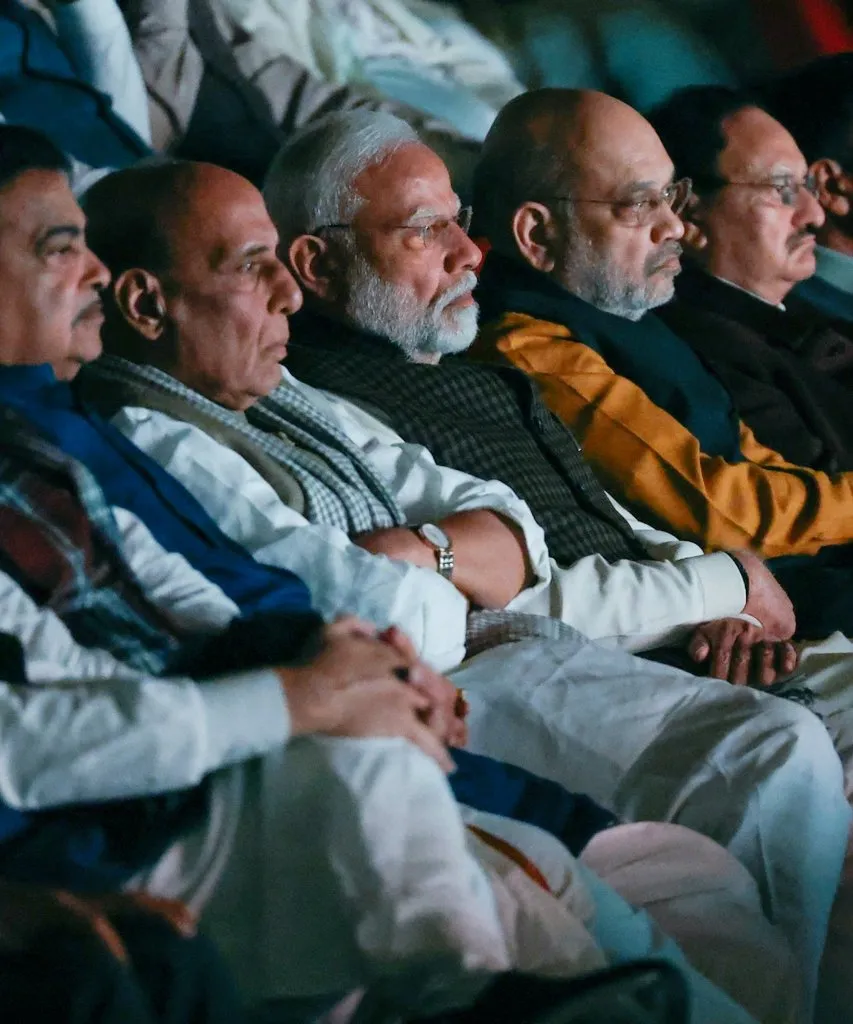
Image Credit – PM Modi. Screening of “The Sabarmati Report”
BJP’s Position in Maharashtra
The BJP’s position in Maharashtra is a complex interplay of alliances, strategies, and grassroots efforts. Despite having a single-party government, the roles of Eknath Shinde and Ajit Pawar are crucial for the BJP to effectively counter the influence of Sharad Pawar. Ajit Pawar, in particular, has significantly lightened the burden of countering Sharad Pawar, making him an indispensable ally.
While the BJP has made significant inroads, it has not yet firmly taken root in Maharashtra. The state’s political landscape has become favourable, but to fully capitalize on this, the BJP needs excellent grassroots workers. Devendra Fadnavis, despite his strong leadership, cannot achieve this alone. The party requires a robust network of dedicated workers to sustain its momentum and expand its influence.
Fadnavis, currently a key leader in Maharashtra, is seen as a potential candidate for a national role in Delhi. This potential shift underscores the need for the BJP to build a strong team that can maintain its position in the state. The recent mandate has provided the BJP with an opportunity to elevate its status to the level of Gujarat, but this will require strategic planning and effective execution at the grassroots level.
The BJP’s strategy involves leveraging the capabilities of leaders like Shinde and Ajit Pawar while also focusing on nurturing new talent. The party’s ability to expand its image and strengthen alliances will be crucial in shaping the future dynamics of Maharashtra’s politics.
Challenges for Devendra Fadnavis
Devendra Fadnavis, a prominent figure in Maharashtra’s political landscape, faces a myriad of challenges as he navigates his leadership role. While he has been instrumental in shaping the BJP’s strategy in the state, the road ahead is fraught with obstacles that require careful manoeuvring.
One of the primary challenges for Fadnavis is balancing his responsibilities at the state level with potential national ambitions. There is speculation that his next leap might be towards Delhi, which adds a layer of complexity to his current role. As he prepares for this possible transition, Fadnavis must ensure that Maharashtra’s governance remains stable and effective.
Building a capable team is another critical challenge. Despite his strong leadership, Fadnavis cannot single-handedly manage the state’s affairs. He needs to leverage the capabilities of leaders like Eknath Shinde and Ajit Pawar while also nurturing new talent within the party. This involves creating a cohesive unit that can work together to address the state’s pressing issues.
Fadnavis’s tenure between 2014 and 2019 saw significant progress in Maharashtra, but he lacked strong collaborators. The current political climate offers him another chance to build a robust team. Leaders like Shinde, Ajit Pawar, and others must be brought together to form a united front. Additionally, new MLAs represent fresh talent that needs to be given a platform to contribute effectively.
The recent mandate has provided Fadnavis with an opportunity to elevate Maharashtra’s status, but this comes with high expectations. He must focus on inclusive politics, public-oriented leadership, and delivering visible development. The challenge lies in balancing these aspects while preparing for his next innings, whether at the state or national level.
Devendra Fadnvavis’ Website
The Viral Moment: Watch It Unfold
Maharashtra’s Development Issues
Maharashtra faces several critical development issues that require immediate attention and strategic planning. Key projects such as the Nar-Par water transfer, the Daman-Ganga link, and the Marathwada Water Grid are essential to address the state’s limited irrigated land. Additionally, initiatives like the Jal Yukt Shivar aim to improve water conservation and management, which are vital for the state’s agricultural sector.
Agriculture in Maharashtra is challenged by limited irrigation, and these projects are crucial for enhancing water availability. The vision shown by Devendra Fadnavis includes accelerating the implementation of these projects to ensure sustainable development. However, the success of these initiatives depends on collective public support and effective execution by both new and experienced legislators.
Urbanization is another significant issue. Maharashtra has the highest level of urbanization in India, with 45.23% of its population living in urban areas, compared to the national average of 29.5%[1]. This rapid urban growth has led to several challenges, including inadequate infrastructure, employment opportunities for migrants, and the need for inclusive development. Approximately 54% of Maharashtra’s urban population resides in million-plus cities, and 23% lives in slums[2]. Addressing these issues is crucial for balanced progress.
Recent public surveys highlight the mixed opinions on development in Maharashtra. For instance, the Dharavi Redevelopment Project, a joint venture between the Maharashtra government and the Adani Group, aims to transform Asia’s largest slum into modern residential and commercial spaces. The project, which covers nearly 600 acres, has completed surveys for over 25,000 tenements and numbered more than 60,000 dwellings[3]. This ambitious initiative reflects the state’s commitment to improving living conditions and fostering economic growth.
Public opinion on Fadnavis’s leadership is generally positive, with many viewing him as a capable and strategic leader. His tenure has been marked by significant achievements, including the successful implementation of various development projects and schemes like the Ladki Bahin Yojana, which goes well with his already earned the affectionate nickname “Deva bhau” (elder brother)[4]. However, some critics argue that he has not allowed other leadership centres to emerge and has shown a vindictive nature[5].
Despite these criticisms, Fadnavis’s leadership is credited with the BJP’s strong performance in Maharashtra, particularly in the recent assembly elections where the party secured a significant number of seats[4]. His ability to navigate complex political landscapes and deliver on key promises has solidified his position as a prominent leader in the state.
[1]: Dr. Subhash Ramchandra Bhosale’s Analysis [2]: Development Disparities in Maharashtra [3]: Hindustan Times on Dharavi Redevelopment [4]: The Week [5]: The Hindu
References
[1] AN ANALYSIS OF URBANISATION TRENDS IN MAHARASHTRA: ISSUES AND …
[2] Development disparities across urban localities of Maharashtra: a …
[3] Development disparities across urban localities of Maharashtra: a …
[4] Temporal Changes in Urban Population in Maharashtra State Using GIS
[5] Dharavi redevelopment project: Survey work for 25,000 tenements …
Political Dynamics and Future Prospects
The political dynamics in Maharashtra are evolving rapidly, with significant implications for the future. The recent electoral mandate has reshaped the landscape, providing the BJP with a strong foothold. This shift has opened new possibilities and challenges for the state’s political players.
One of the key aspects of this political shift is the potential for Maharashtra to produce a Prime Ministerial candidate. Devendra Fadnavis, with his strong leadership and strategic acumen, is seen as a potential contender. However, this will depend on his ability to balance state and national responsibilities while delivering on key promises.
The role of new and young leaders is crucial in shaping Maharashtra’s future. The recent elections saw nearly 90 new faces elected, many of whom represent fresh talent and new perspectives. These leaders are expected to bring transformative changes and address the state’s pressing issues. For instance, leaders like Rohit Pawar, despite belonging to prominent political families, face significant challenges and opportunities to prove their mettle.
Recent election statistics provide a clearer picture of the current political scenario. The Mahayuti alliance, a coalition of the BJP, Eknath Shinde’s Shiv Sena, and the Ajit Pawar-led Nationalist Congress Party, secured a landslide victory, winning 230 out of the 288 seats[1]. The BJP alone won 132 seats, with Shiv Sena and NCP securing 57 and 41 seats, respectively[1]. This overwhelming mandate underscores the public’s support for the alliance and sets the stage for significant political and developmental changes.
Public opinion surveys indicate a mixed but generally positive outlook on Maharashtra’s political future. According to a recent survey by Lokniti-CSDS, 52% of respondents believe that the BJP will continue to dominate Maharashtra’s political landscape in the coming years. However, 38% expressed concerns about the party’s ability to address key development issues effectively[2].
The next five years will be critical in determining whether Maharashtra can elevate its status and contribute a Prime Ministerial candidate to India. The leadership must shape this progress and create a capable team to drive the state’s development. The recent mandate offers all political parties an opportunity to reshape themselves and address the evolving needs of Maharashtra’s populace.
[1]: The Hindu [2]: Lokniti-CSDS Survey
References
[1] Maharashtra Election Results 2024: Full List Of Winners Party-Wise
[2] Controversy Unfolds Over Maharashtra Voter Turnout: Urgent Clarification Sought
Role of the Opposition
The role of the opposition in Maharashtra’s political landscape is crucial for maintaining a balanced and effective governance system. Despite the BJP-led Mahayuti alliance’s landslide victory, the opposition parties, particularly the Congress and Shiv Sena, face significant challenges in regrouping and presenting a strong alternative narrative.
Public reactions to the recent election results have been mixed. Many voters expressed satisfaction with the BJP’s performance, attributing their victory to effective governance and popular schemes like the Ladki Bahin Yojana[1]. BJP MP Hema Malini highlighted that the public voted for the BJP because of the good work it has done[2]. This sentiment was echoed by Ajit Pawar, who acknowledged the scheme’s role in securing the alliance’s victory[2].
However, there is also a sense of disappointment and concern among opposition supporters. Jitendra Awhad of the NCP described the results as unexpected and difficult to accept, given the ground reality[1]. This sentiment reflects the broader challenge faced by the opposition in reconnecting with the electorate and addressing their concerns effectively.
The Congress party, in particular, has struggled to maintain its organizational strength. The narrow victory of Maharashtra Congress president Nana Patole in the Sakoli assembly constituency, where he won by just 208 votes, underscores the party’s precarious position[1]. The Maha Vikas Aghadi (MVA), comprising the Congress, NCP (Sharad Pawar faction), and Shiv Sena (Uddhav Balasaheb Thackeray faction), managed to secure only 46 out of 288 seats, highlighting the need for a strategic overhaul[1].
In constituencies with significant Muslim voter bases, the results were a mixed bag. For example, in the 11 seats with more than 35% Muslim voters, six opposition candidates from the MVA emerged victorious, while four seats were claimed by the BJP-led Mahayuti alliance[1]. This indicates that while the opposition retains some support in specific demographics, it needs to broaden its appeal to regain a competitive edge.
Key opposition leaders have voiced their concerns and plans for the future. Uddhav Thackeray, leader of the Shiv Sena (UBT), stated, “We need to reconnect with the grassroots and address the real issues affecting the people. This election is a wake-up call for us to rebuild and come back stronger”[3]. Similarly, Congress leader Vijay Wadettiwar emphasized the need for unity within the opposition, saying, “Our focus should be on presenting a united front and working towards the common goal of serving the people of Maharashtra”[3].
The opposition must focus on constructive criticism and impactful actions to regain public trust. This involves addressing key issues such as development, employment, and social justice, rather than relying solely on emotional appeals. Leaders like Aditya Thackeray and Rohit Pawar have the potential to rejuvenate the opposition by bringing fresh perspectives and addressing the evolving needs of Maharashtra’s populace.
The next few years will be critical for the opposition to regroup and present a viable alternative to the ruling alliance. By focusing on inclusive and effective governance, the opposition can play a vital role in shaping Maharashtra’s future.
[1]: The Times of India [2]: Mint [3]: Jagran Josh
References
[1] Maharashtra Election Result 2024: Eknath Shinde Reflects on Election …
[2] Maharashtra Assembly Elections 2024: How the BJP-led NDA Won Despite …
[3] Maharashtra election 2024: PM Modi targets opposition over Marathi …
Public-Private Partnerships and Governance
Public-Private Partnerships (PPPs) have become a cornerstone of Maharashtra’s governance model, providing a framework for addressing resource constraints and enhancing development. The state’s move towards PPPs reflects a strategic approach to leverage private sector expertise and funding for public projects.
One of the key areas where PPPs have been instrumental is infrastructure development. Projects like the Mumbai Metro, the Navi Mumbai International Airport, and the Dharavi Redevelopment Project are prime examples of successful PPP initiatives. These projects not only improve urban infrastructure but also create employment opportunities and stimulate economic growth.
However, the implementation of PPPs requires careful planning and execution to ensure transparency and effectiveness. The government must establish clear guidelines and regulatory frameworks to manage these partnerships and protect public interests. This includes ensuring that private partners adhere to quality standards and deliver projects on time and within budget.
Addressing fund allocation challenges is another critical aspect of governance. The heavy dependency on MLA development funds has raised concerns about the equitable distribution of resources. Over the years, some MLAs have reportedly received allocations of ?100–150 crore, leading to questions about the effectiveness of such funding mechanisms. Schemes like the Ladki Bahin Yojana might see reduced funding due to financial constraints, highlighting the need for more efficient resource allocation.
To bridge the resource gap, Maharashtra can explore private equity funding and other innovative financing mechanisms. This approach can help mobilize additional resources for critical projects without overburdening the state’s finances. However, it is essential to maintain transparency and accountability in these funding arrangements to avoid potential pitfalls.
Sustaining worker engagement and grassroots support is vital for the BJP’s long-term success in Maharashtra. While the party has a robust organizational structure, there is a gap in creating leaders at the grassroots level. Merely relying on financial incentives or temporary appointments is insufficient. A systematic process of nurturing dedicated and skilled workers will be crucial, especially as the party gears up for future elections like the Lok Sabha in 2029.
Empowering women within the party is another area that requires attention. Increasing the participation of women in politics, both as leaders and grassroots workers, can enhance representation and strengthen the party’s connection with the electorate. This focus on gender inclusivity can also contribute to more balanced and effective governance.
Successful PPPs in Other States and International Examples
In other Indian states, PPPs have also seen success. For instance, the Delhi Metro Rail Project and the Mumbai-Pune Expressway are notable examples of effective PPPs. These projects have significantly improved transportation infrastructure and set benchmarks for future initiatives.
Internationally, PPPs have been used extensively with varying degrees of success. In Finland, the Digital Cluster PPP ecosystem (DIMECC) has been a successful model, fostering innovation and collaboration between the public and private sectors. Conversely, some PPP projects have faced challenges. For example, a U.S. interstate highway project near Indianapolis was found to be 51% over budget and two years past the proposed completion date. These examples highlight the importance of robust planning and management in PPP projects.
Challenges Faced by Current PPP Projects in Maharashtra
Despite the potential benefits, PPP projects in Maharashtra face several challenges. One significant issue is the complexity of land acquisition and environmental clearances, which can delay project timelines. Additionally, there is often a mismatch between the expectations of private partners and the public sector, leading to conflicts and inefficiencies.
Financial constraints also pose a challenge. The long-term financing for PPP projects has dried up due to excessive dependence on banks and the lack of a proper corporate bond market in the country. This has been exacerbated by high non-performing assets (NPAs) in banks, making it difficult to secure funding for large-scale projects.
Moreover, the regulatory environment can be a hurdle. Successful PPP projects require a modern and independent regulatory framework to ensure transparency and accountability. However, in many cases, regulatory institutions are not adequately equipped to manage the complexities of PPPs, leading to issues in project implementation and operation.
[1]: Public-Private Partnerships: Indian Perspective, Pros & Cons [2]: Successful Public-Private Partnerships | Arthur D. Little [3]: What Successful Public-Private Partnerships Do – Harvard Business Review [4]: Status Report on Urban Reforms for the state of Maharashtra [5]: Burning Issue: Public Private Partnerships – Problems and Solutions [6]: Solutions To PPP Challenges In Infrastructure Sector
References
[1] Public–Private Partnership Monitor: India – Asian Development Bank
[2] 25 years of public-private partnerships and the road ahead – CNBCTV18
[3] Public–private partnerships in India – Wikipedia
[4] Public Private Partnerships Driving Economic Growth – Invest India
[5] Public-Private Partnerships: Indian Perspective, Pros & Cons
[6] Status Report on Urban Reforms for the state of Maharashtra
Women in Politics
Increasing the participation of women in politics is essential for creating a more inclusive and representative governance system in Maharashtra. Empowering women at both the leadership and grassroots levels can significantly enhance the political landscape and address the unique challenges faced by female constituents.
Historically, women have been underrepresented in Maharashtra’s political arena. However, recent efforts have shown promising signs of change. For instance, the Maharashtra government has implemented policies to encourage women’s participation in local governance, such as reserving 50% of seats in local bodies for women. This policy has led to a significant increase in the number of women elected to local councils and panchayats, providing them with a platform to influence decision-making processes.
Prominent female leaders in Maharashtra, such as Supriya Sule of the Nationalist Congress Party (NCP) and Pankaja Munde of the BJP, have played crucial roles in shaping the state’s political discourse. Their leadership has inspired many young women to pursue careers in politics and public service. Supriya Sule, for example, has been a vocal advocate for women’s rights and has worked on various initiatives to improve healthcare and education for women and children.
Other notable women leaders include Vidya Thakur (BJP), who has served as the junior minister for women and child development, and Varsha Gaikwad (Congress), a four-time MLA from Dharavi who has been actively involved in educational reforms[1]. Additionally, leaders like Aditi Tatkare (NCP) and Praniti Shinde (Congress) have made significant contributions to their constituencies and the state at large[1].
Despite these advancements, challenges remain. Women in politics often face significant barriers, including gender bias, lack of access to resources, and limited opportunities for leadership roles. Addressing these challenges requires a concerted effort from political parties, civil society, and the government.
One approach to overcoming these barriers is through targeted training and mentorship programs. Initiatives like the Rambhau Mhalgi Prabodhini, which focuses on training political leaders, can be expanded to include more women participants. These programs can equip women with the skills and knowledge needed to navigate the political landscape and take on leadership roles effectively.
Public opinion surveys indicate strong support for increasing women’s participation in politics. According to a recent survey by the Centre for the Study of Developing Societies (CSDS), 68% of respondents believe that having more women in politics would lead to better governance and more inclusive policies[2]. This public sentiment underscores the importance of continuing efforts to empower women in the political sphere.
Internationally, countries like Rwanda and Sweden have set examples by achieving high levels of female representation in their parliaments. Rwanda, for instance, has the highest percentage of women in parliament globally, with women holding 61% of the seats[3]. These examples demonstrate that with the right policies and support systems, significant progress can be made in increasing women’s political participation.
In Maharashtra, empowering women in politics can lead to more balanced and effective governance. By addressing the unique challenges faced by women and providing them with opportunities for leadership, the state can create a more inclusive political environment that benefits all constituents.
[1]: Times of India [2]: CSDS Survey on Women’s Participation in Politics [3]: Inter-Parliamentary Union Report on Women in Politics
References
[1] Meet Maharashtra’s 24 women MLAs | India News – Times of India
[2] 11 inspirational women from Maharashtra win NITI Aayog’s Fifth Edition …
[3] International women’s day: The women in Maharashtra’s politics
Conclusion
Maharashtra’s political landscape is at a pivotal juncture as we approach the assembly elections 2024. The BJP’s strategic manoeuvres, the challenges faced by Devendra Fadnavis, and the evolving role of the opposition all contribute to a dynamic and complex political environment. This Maharashtra political analysis has highlighted the key factors shaping the state’s future, from development issues and public-private partnerships to the increasing participation of women in politics.
The recent electoral mandate has provided the BJP with a strong foothold, but the road ahead is filled with challenges and opportunities. Fadnavis’s leadership will be crucial in navigating these complexities and delivering on key promises. Meanwhile, the opposition must regroup and present a viable alternative to ensure balanced governance.
Empowering women and leveraging public-private partnerships are essential for creating a more inclusive and effective governance system. By addressing the unique challenges faced by women and fostering collaboration between the public and private sectors, Maharashtra can achieve sustainable development and improve the quality of life for all its residents.
As we look to the future, the potential for new leadership and transformative changes in Maharashtra is immense. The next few years will be critical in determining the state’s trajectory and its contribution to India’s broader political and developmental landscape.
I’m always eager to hear your thoughts and perspectives, so feel free to share your comments below in the relevant forum or connect with me, Kumar, Editor at Newspatron, on your favorite platform:
[bbp-single-topic id=9715]
- For quick updates and insights: Follow me on Instagram, Twitter, YouTube, or Reddit.
- For deeper conversations: My Facebook profile is currently private but open to new friends!. Feel free to send a friend request from your authentic profile (no fake accounts, please!). Alternatively, you can like the Newspatron page to stay updated on all the latest happenings.
- For a visual journey: Follow me on Tumblr for captivating content and inspiring imagery.
- For instant updates: Subscribe to my WhatsApp Channel and be the first to know about new posts and announcements (your privacy is protected – I can only see the subscriber count, not your phone number).
- For quick chats and discussions: Connect with me instantly on Telegram.
- For a convenient way to stay in the loop: Subscribe to my RSS feed and never miss a post.
Assembly Constituencies: Trends & Results November-2024 Maharashtra ECI URL Below
https://results.eci.gov.in/ResultAcGenNov2024/statewiseS131.htm
maharashtrapoliticalanalysisassemblyelections2024 #bjinmaharashtra #devendrafadnavischallenges #maharashtradevelopmentissues #maharashtralections2024 #politicaldynamicsinmaharashtra #politicalanalysismaharashtra
