




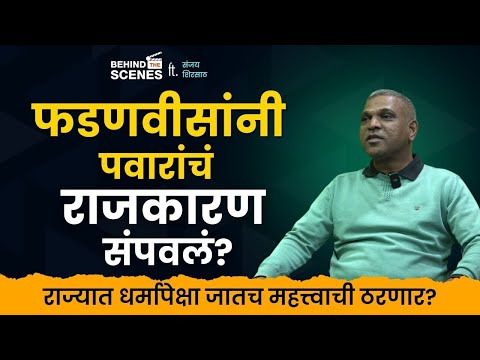

Welcome to an in-depth exploration of Maharashtra’s political landscape, based on insights from a recent interview with senior journalist Vinod Shirsath, editor of Sadhana Weekly. This interview, broadcast on YouTube, provides a comprehensive analysis of the recent election results, the challenges faced by the new government, and the potential future of key political figures like Devendra Fadnavis and Sharad Pawar. We’ll also examine the social and economic issues that continue to shape the state and discuss the long-term implications of current policies and welfare schemes.
Maharashtra has always been a significant player in India’s political arena, and the recent shifts in power dynamics have set the stage for intriguing developments. From managing party aspirations to navigating the complexities of the Hindutva agenda, the new government has its work cut out. We’ll provide a balanced and impartial view, ensuring that all perspectives are considered.
Let’s begin our journey of discovery together! ?
Before we dive in, I encourage you to check out our previous blog posts for more insights into Maharashtra’s political history and other related topics. Also, don’t forget to visit our YouTube channels, DroneMitra and Newspatron, for some fantastic drone shots and engaging content.
Read Previous Blogs
Developed Maharashtra: 9-Point Plan for 2047
Maharashtra 2024: Election Insights
Introduction
Maharashtra’s political landscape has always been dynamic and influential, playing a crucial role in shaping India’s broader political narrative. The recent election results have once again brought this vibrant state into the spotlight. Based on insights from a recent interview with senior journalist Vinod Shirsath, editor of Sadhana Weekly, we will explore the implications of these results and what they mean for the future of Maharashtra.
In this section, we’ll set the context by discussing the key players in Maharashtra’s political arena, including the Bharatiya Janata Party (BJP), Shiv Sena, Congress, and the Nationalist Congress Party (NCP). We’ll also touch upon the alliances and coalitions that have formed and dissolved over the years, leading to the current political scenario.
Recommended Product
Top Electronics Bestsellers on Amazon India
🛒 View on Amazon →As an Amazon Associate, we earn from qualifying purchases. Price and availability may vary.
Maharashtra’s political history is marked by significant milestones and shifts, with each election bringing new challenges and opportunities. The recent elections have been no different, with the BJP and its allies securing a substantial majority, while the Maha Vikas Aghadi (MVA) faces new hurdles. Understanding the background and the key players involved is essential to grasp the full picture of Maharashtra’s evolving political landscape.
Historical Context
Maharashtra’s political history is a tapestry of significant events and influential leaders. Over the past 75 years, the state has witnessed numerous political shifts, each contributing to its current landscape. From the early dominance of the Congress party to the rise of regional parties like Shiv Sena and the emergence of the BJP as a formidable force, Maharashtra’s political journey has been dynamic and multifaceted.
One of the key milestones in Maharashtra’s political history was the formation of the state in 1960, following the Samyukta Maharashtra Movement. This movement, driven by the demand for a separate Marathi-speaking state, laid the foundation for Maharashtra’s distinct political identity. The Congress party, under the leadership of prominent figures like Yashwantrao Chavan, played a pivotal role in the state’s early years, establishing a strong political base.
The late 20th century saw the rise of regional parties, with Shiv Sena, founded by Bal Thackeray aka Shri Balasaaheb Thackeray, becoming a significant player in Maharashtra’s politics. The party’s emphasis on Marathi pride and its aggressive stance on various issues resonated with a large section of the population. Meanwhile, the BJP began to gain traction, particularly in urban areas, positioning itself as a key contender in the state’s political arena.
The formation of the Nationalist Congress Party (NCP) by Sharad Pawar in 1999 marked another turning point. Pawar, a seasoned politician with a strong following, added a new dimension to Maharashtra’s political landscape. The NCP’s alliance with Congress and other regional parties often played a crucial role in forming coalition governments.
In recent years, the Maha Vikas Aghadi (MVA) coalition, comprising the Shiv Sena, NCP, and Congress, emerged as a significant force, challenging the BJP’s dominance. However, the recent election results have once again shifted the balance of power, with the BJP and its allies securing a substantial majority.
Understanding this historical context is essential to grasp the complexities of Maharashtra’s current political scenario and the challenges and opportunities that lie ahead.
Recent Election Results
The recent election results in Maharashtra have significantly altered the state’s political landscape. The Bharatiya Janata Party (BJP) and its allies, including the Shiv Sena faction led by Eknath Shinde aka Loknath Shinde and the Nationalist Congress Party (NCP) faction led by Ajit Pawar aka Ajitdada Pawar, secured a substantial majority. This outcome has set the stage for a new era in Maharashtra’s politics, with the Maha Vikas Aghadi (MVA) coalition, comprising the Shiv Sena aka UBT (or Ubatha)(Uddhav Thackeray faction), Congress, and the original NCP, facing significant challenges.
The BJP’s ability to secure a decisive victory can be attributed to several factors. Firstly, the party’s strategic alliances played a crucial role in consolidating votes across various regions. The inclusion of Eknath Shinde’s Shiv Sena faction and Ajit Pawar’s NCP faction provided the BJP with a broader support base, enhancing its electoral prospects.
Secondly, the BJP’s campaign focused on a mix of development promises and Hindutva ideology, appealing to a wide range of voters. The party’s emphasis on infrastructure projects, economic growth, and welfare schemes resonated with many, while its Hindutva agenda solidified its core support base.
The MVA, on the other hand, struggled to present a united front. Internal disagreements and a lack of cohesive strategy hampered their campaign efforts. Additionally, the MVA’s inability to effectively counter the BJP’s narrative and address key voter concerns contributed to their electoral setback.
The election results have significant implications for Maharashtra’s future. With the BJP and its allies in a dominant position, the new government faces the challenge of managing diverse party interests and fulfilling the aspirations of their MLAs. The Hindutva agenda, while a unifying factor for the BJP, may face resistance from coalition partners and sections of the electorate.
Moreover, the MVA’s diminished presence in the legislative assembly raises questions about the effectiveness of opposition in holding the government accountable. The next five years will be crucial in determining how these dynamics play out and what impact they will have on Maharashtra’s political and social landscape.
Challenges for the New Government
With the BJP and its allies securing a substantial majority, the new government in Maharashtra faces several challenges. Managing the aspirations of party MLAs and maintaining coalition harmony will be crucial for the stability and effectiveness of the administration. The diverse interests within the coalition, comprising the BJP, Eknath Shinde’s Shiv Sena faction, and Ajit Pawar’s NCP faction, require careful balancing to ensure smooth governance.
One of the primary challenges is the implementation of the Hindutva agenda. While the BJP’s core supporters may favour this approach, it may not be as easily accepted by the coalition partners and the broader electorate. The new government will need to navigate these ideological differences and find a middle ground that satisfies all parties involved.
Social and political changes are also expected as a result of the recent election outcomes. The BJP’s focus on development and welfare schemes, such as the “Ladli Behna” (Beloved Sister) initiative, aims to address various socio-economic issues. However, the effectiveness of these schemes and their impact on different sections of society will be closely scrutinized.
Additionally, the new government must address the ongoing caste-related issues and reservation movements in Maharashtra. The Maratha reservation movement, led by figures like Manoj Jarange Patil, has created tensions between different communities. Balancing the demands for reservations from various groups, including OBCs and Dhangars, while ensuring social harmony, will be a significant challenge.
Economic reforms and the balancing of welfare initiatives are also critical. The allocation of funds towards welfare schemes must be managed alongside investments in infrastructure and long-term projects. Striking the right balance between immediate welfare benefits and sustainable economic growth will be essential for the government’s success.
Overall, the new government in Maharashtra has a challenging road ahead. The ability to manage internal coalition dynamics, address social and economic issues, and implement effective policies will determine the state’s future trajectory.
Comparative Analysis: Devendra Fadnavis vs. Sharad Pawar
The political careers of Devendra Fadnavis and Sharad Pawar offer a fascinating study in contrasts and similarities. Both leaders have left indelible marks on Maharashtra’s political landscape, but their paths and styles of leadership differ significantly.
Sharad Pawar’s Legacy
Sharad Pawar aka Pawaar Saaheb or Saaheb (Sharad Chandra Pawar), a veteran politician, has been a dominant force in Maharashtra’s politics for over five decades. His journey began in the 1960s, and he quickly rose through the ranks of the Congress party. In 1978, Pawar made a bold move by leaving Congress and becoming Maharashtra’s Chief Minister, showcasing his independent strength and political acumen. Over the years, he has held various significant positions, including the Union Agriculture Minister, where he made substantial contributions to India’s agricultural policies.
Pawar’s ability to build and sustain political alliances is noteworthy. He founded the Nationalist Congress Party (NCP) in 1999, further cementing his influence in both state and national politics. His leadership style is characterized by pragmatism, strategic thinking, and a deep understanding of Maharashtra’s socio-political fabric.
Devendra Fadnavis’s Rise
Devendra Fadnavis aka Devaa Bhau(Brother), on the other hand, represents a new generation of leadership in Maharashtra. At just over 50 years old, Fadnavis has already made a significant impact. He served as the Chief Minister of Maharashtra from 2014 to 2019, becoming the second youngest person to hold the office. His tenure was marked by a focus on infrastructure development, economic reforms, and digital initiatives.
Fadnavis’s rise within the BJP has been swift, and he is seen as a key player in the party’s strategy for Maharashtra. His leadership style is more technocratic, with an emphasis on governance and policy implementation. Unlike Pawar, Fadnavis’s political journey is closely tied to the BJP and the RSS (Rashtriya Sevak Sangh), raising questions about his ability to operate independently.
Comparative Criteria
To compare these two leaders, we must consider several criteria:
- Political Independence: Pawar’s ability to build a political career outside the Congress framework contrasts with Fadnavis’s reliance on the BJP and RSS.
- Leadership Style: Pawar’s pragmatic and alliance-building approach differs from Fadnavis’s technocratic and policy-driven style.
- Impact and Legacy: Pawar’s contributions to agriculture, infrastructure, and social policies are significant, while Fadnavis’s focus has been on infrastructure and digital governance.
Future Prospects
Looking ahead, Fadnavis has the potential to shape Maharashtra’s future significantly. However, matching Pawar’s legacy will require not only political acumen but also the ability to address a broader range of issues, including social welfare, education, and healthcare. The next two decades will be crucial in determining whether Fadnavis can emerge as a leader of comparable stature.
PM Modi’s Viewpoint on Devendra Fadnavis
Raj Thackeray MNS Chief’s Viewpoint on Sharad Pawar
Social and Economic Issues
Maharashtra’s social and economic landscape is shaped by a complex interplay of caste dynamics, reservation movements, and welfare schemes. These issues have significant implications for the state’s development and the well-being of its diverse population.
Caste-Related Issues and Reservation Movements
Caste-related issues continue to be a major factor in Maharashtra’s socio-political environment. The Maratha reservation movement, led by figures like Manoj Jarange Patil, has highlighted the tensions between different communities. The demand for Maratha reservations has been a contentious issue, with various groups advocating for their inclusion in the Other Backward Classes (OBC) category to access educational and employment benefits.
The movement has seen periods of intense agitation, particularly in regions like Marathwada. The government’s response to these demands and its ability to balance the interests of different communities will be crucial in maintaining social harmony. Additionally, the demands for reservations from other communities, such as the OBCs and Dhangars, add to the complexity of the issue.
Welfare Schemes and Their Impact
Welfare schemes play a vital role in addressing socio-economic disparities in Maharashtra. Initiatives like the “Ladli Behna” (Beloved Sister) scheme, which provides financial assistance to women, aim to empower marginalized sections of society. These schemes are designed to improve the quality of life for beneficiaries and promote social inclusion.
However, the effectiveness of these schemes depends on their implementation and the extent to which they reach the intended recipients. While welfare initiatives can provide immediate relief, they must be complemented by long-term strategies to ensure sustainable development. The challenge lies in balancing welfare spending with investments in infrastructure, education, and healthcare.
Economic Reforms and Balancing Welfare Initiatives
Economic reforms are essential for Maharashtra’s growth and development. The state needs to attract investments, promote industrialization, and create job opportunities to sustain its economy. However, the allocation of resources towards welfare schemes must be carefully managed to avoid compromising long-term economic goals.
The government faces the task of implementing economic reforms while ensuring that welfare initiatives continue to support vulnerable populations. Striking the right balance between immediate welfare benefits and sustainable economic growth is crucial for the state’s progress.
In conclusion, addressing social and economic issues in Maharashtra requires a multifaceted approach. The government must navigate the complexities of caste dynamics, effectively implement welfare schemes, and pursue economic reforms to ensure inclusive and sustainable development.
Future Outlook
The future of Maharashtra’s political and social landscape is poised for significant developments. With the BJP and its allies holding a substantial majority, the next five years will be crucial in shaping the state’s trajectory. Here are some key areas to watch:
Political Stability and Governance
The BJP-led coalition’s strong majority provides an opportunity for political stability, which can facilitate effective governance. However, maintaining harmony within the coalition will be essential. The diverse interests of the BJP, Eknath Shinde’s Shiv Sena faction, and Ajit Pawar’s NCP faction must be balanced to ensure smooth administration. The government’s ability to manage these dynamics will be a critical factor in its success.
Long-Term Planning and Policy Implementation
Long-term planning and policy implementation will be vital for Maharashtra’s development. The government must focus on comprehensive strategies that go beyond immediate welfare benefits. Investments in infrastructure, education, healthcare, and human capital development are essential for sustainable growth. Policies should aim to empower individuals and communities, ensuring that development is inclusive and equitable.
Role of Welfare Schemes
Welfare schemes will continue to play a significant role in addressing socio-economic disparities. Initiatives like the “Ladli Behna” scheme have the potential to uplift marginalized sections of society. However, the government must ensure that these schemes are effectively implemented and reach the intended beneficiaries. Balancing welfare spending with investments in long-term projects will be crucial for maintaining economic stability.
Social Harmony and Caste Dynamics
Addressing caste-related issues and maintaining social harmony will be ongoing challenges. The government must navigate the complexities of reservation movements and ensure that the demands of various communities are addressed fairly. Promoting social cohesion and preventing conflicts will be essential for a stable and prosperous Maharashtra.
Economic Growth and Reforms
Economic growth and reforms are critical for Maharashtra’s future. The state needs to attract investments, promote industrialization, and create job opportunities. Implementing economic reforms that foster a conducive business environment will be key to sustaining growth. The government must also focus on improving infrastructure, enhancing digital connectivity, and supporting innovation and entrepreneurship.
Environmental Sustainability
Environmental sustainability is another important aspect of Maharashtra’s future. The government must prioritize policies that promote sustainable development and address environmental challenges. Initiatives to improve air quality, manage waste, and protect natural resources are essential for the well-being of the state’s population.
In conclusion, the future outlook for Maharashtra involves navigating a complex landscape of political, social, and economic challenges. The government’s ability to implement effective policies, maintain coalition harmony, and address the needs of its diverse population will determine the state’s trajectory in the coming years.
Conclusion
In summary, Maharashtra’s political landscape is undergoing significant changes, driven by recent election results and the evolving dynamics within the state’s major political parties. The BJP-led coalition’s substantial majority presents both opportunities and challenges for the new government. Managing coalition interests, implementing effective policies, and addressing social and economic issues will be crucial for the state’s progress.
The comparative analysis of Devendra Fadnavis and Sharad Pawar highlights the distinct leadership styles and contributions of these two influential figures. While Fadnavis has the potential to shape Maharashtra’s future, matching Pawar’s legacy will require addressing a broader range of issues and demonstrating sustained political acumen.
Social and economic issues, including caste dynamics, reservation movements, and welfare schemes, remain central to Maharashtra’s development. The government’s ability to balance immediate welfare benefits with long-term economic reforms will be key to ensuring inclusive and sustainable growth.
Looking ahead, the future of Maharashtra involves navigating a complex landscape of political, social, and economic challenges. The government’s success will depend on its ability to implement effective policies, maintain coalition harmony, and address the needs of its diverse population.
Social Media
I’m always eager to hear your thoughts and perspectives, so feel free to share your comments below or connect with me, Kumar, Editor at Newspatron, on your favorite platform:
- For quick updates and insights: Follow me on Instagram, Twitter, YouTube, or Reddit.
- For deeper conversations: My Facebook profile is open to new friends! Feel free to send a friend request from your authentic profile (no fake accounts, please!). Alternatively, you can like the Newspatron page to stay updated on all the latest happenings.
- For a visual journey: Follow me on Tumblr for captivating content and inspiring imagery.
- For instant updates: Subscribe to my WhatsApp Channel and be the first to know about new posts and announcements (your privacy is protected – I can only see the subscriber count, not your phone number).
- For quick chats and discussions: Connect with me instantly on Telegram.
- For a convenient way to stay in the loop: Subscribe to my RSS feed and never miss a post.
- For professional networking: Let’s connect on LinkedIn and share our industry insights.
You can find all the relevant links on the Newspatron homepage too. Looking forward to connecting with you!
Join the Discussion
Your opinion matters! We invite you to express your views. Join our forum, engage in thoughtful discussions, share information, and submit your content. Let’s delve into diverse perspectives together.
[bbp-single-topic id=6308]
