




Welcome to an engaging journey through the history of Maharashtra’s Chief Ministers. From the formation of a united Maharashtra in 1960 to the present day, the state has seen a diverse array of leaders, each contributing uniquely to its development. In this comprehensive overview, we’ll explore the significant achievements and initiatives of Maharashtra’s 20 Chief Ministers, leading up to the current 21st Chief Minister, Devendra Fadnavis.
Our exploration will highlight the key projects and reforms implemented by these leaders, showcasing their impact on the state’s agricultural, industrial, and social landscapes. Whether it’s Yashwantrao Chavan’s pioneering efforts in establishing the Panchayat Raj System or Vasantrao Naik’s transformative agricultural policies, each tenure has left an indelible mark on Maharashtra’s history.
As we delve into the contributions of these political stalwarts, you’ll gain insights into the evolution of governance in Maharashtra. From administrative reforms to infrastructure projects, and from social welfare schemes to economic development, this article covers it all.
Don’t forget to check out our YouTube channels, DroneMitra and Newspatron, for more informative content and stunning visuals. DroneMitra’s slogan, “Your Sky is Digital with a Drone as a Friend,” and Newspatron’s catchline, “Let Curiosity Be Your Guide,” perfectly encapsulate our mission to bring you engaging and insightful content.
Let’s begin our journey of discovery together! ?
Devendra Fadnavis: Maharashtra’s 21st Chief Minister
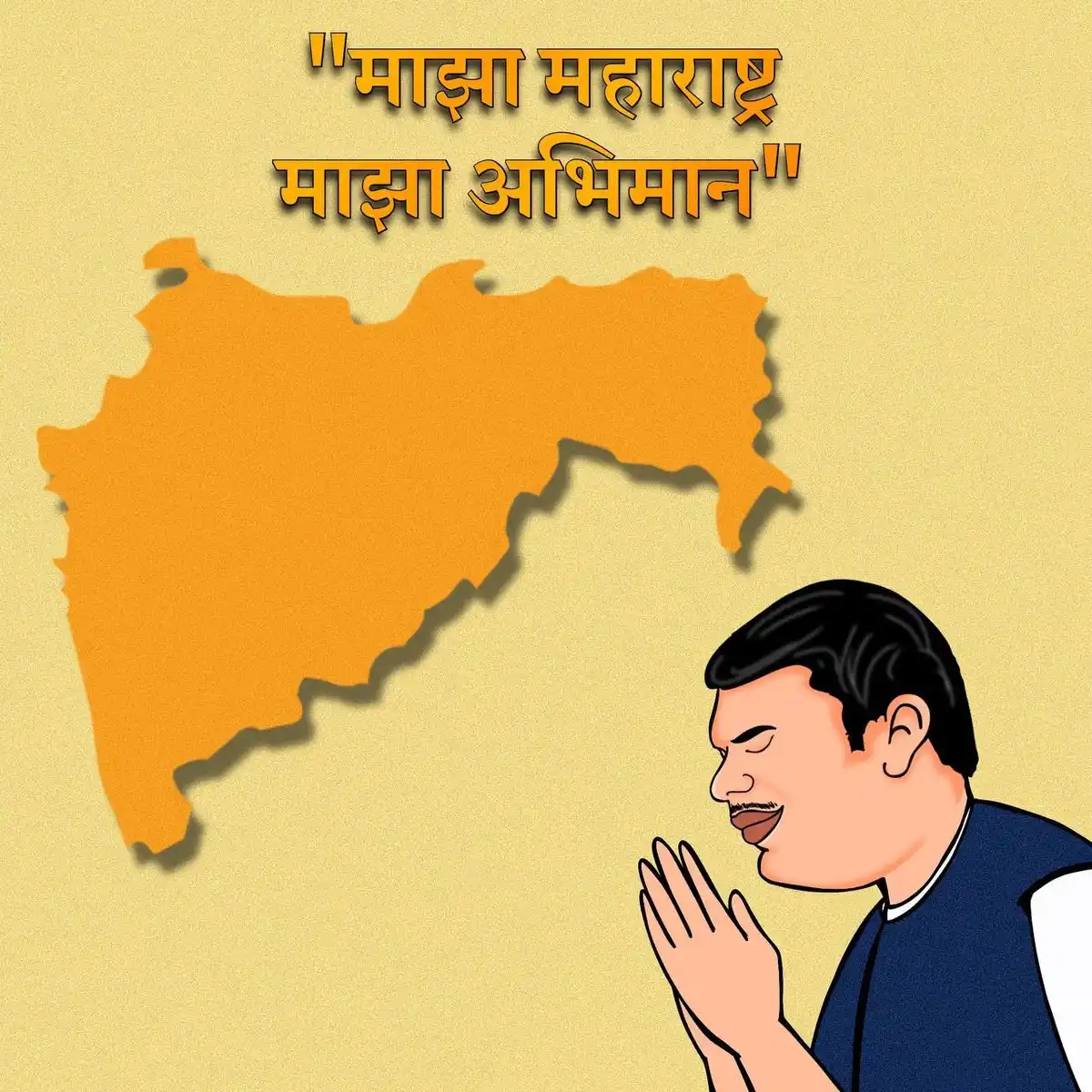
Devendra Fadnavis is sworn in as Maharashtra’s 21st Chief Minister. The oath-taking ceremony will be held at Azad Maidan, Mumbai, attended by Prime Minister Narendra Modi and senior BJP leaders. This significant event follows the BJP’s impressive victory in the Maharashtra Assembly elections.
Fadnavis’s journey to this position has been marked by resilience and determination. Reflecting on his political journey, Fadnavis once said, “???? ???? ????? ???, ???? ?????? ?? ?? ?? ??? ????, ??? ?????? ???, ??? ?? ???? ?????,” which translates to, “Seeing my waters recede, do not build your house on my shore; I am the ocean and I shall return.” This statement was made on December 1, 2019, when Fadnavis, then the Leader of the Opposition, addressed the Maharashtra Assembly. He emphasized that despite the BJP emerging as the largest party, they couldn’t form the government due to political calculations outweighing merit[1].
Recommended Product
Jockey Women's Hipster Brief – Comfort Fit, Assorted Colors
🛒 View on Amazon →As an Amazon Associate, we earn from qualifying purchases. Price and availability may vary.
Watch the video
Fadnavis’s return as Chief Minister marks a significant moment in Maharashtra’s political landscape, showcasing his unwavering commitment to his vision for the state.
Maharashtra Political Challenges 2024: Key Insights
References
[1] ‘I Shall Return’: Old Videos Go Viral After BJP Clears Devendra …
Yashwantrao Chavan: The First Chief Minister
Yashwantrao Balwantrao Chavan holds the distinction of being the first Chief Minister of Maharashtra, serving from May 1, 1960, to November 19, 1962. Born on March 12, 1913, in the village of Devrashtre in Satara District (now in Sangli District), Chavan was a prominent Congress leader, social activist, and writer. He was affectionately known as the “Leader of Common People” and was instrumental in advocating social democracy and establishing cooperatives for the betterment of farmers in Maharashtra.
Chavan’s early life was marked by adversity. He lost his father at a young age and was raised by his mother and uncle. His mother instilled in him values of self-dependency and patriotism, which fueled his fascination with India’s freedom struggle. Despite financial hardships, Chavan actively participated in the Non-cooperation Movement led by Mahatma Gandhi and was fined for his involvement in 1930. He was later imprisoned for 18 months in 1932 for hoisting the Indian flag in Satara.
Chavan’s academic journey saw him earn a B.A. degree in history and political science from Bombay University in 1938, followed by an LLB in 1941. His political career began in earnest when he was elected as a Member of the Legislative Assembly of Bombay State in 1946. He held various ministerial positions, including Minister of Civil Supplies, Social Welfare, and Forests, and played a pivotal role in the Nagpur Pact of 1953, which aimed at equitable development across Maharashtra.
Nehru’s Defence Minister Blunder
A significant turning point in Chavan’s career came after the Sino-Indian War of 1962. Prime Minister Jawaharlal Nehru’s appointment of V.K. Krishna Menon as Defence Minister in 1957 is widely regarded as a major blunder. Menon’s tenure was marred by arrogance, incompetence, and favouritism, leading to severe neglect of India’s defence and external security. His mishandling of the Sino-Indian War resulted in a humiliating defeat for India, and Menon was forced to resign on October 31, 1962.
Recognizing the need for strong leadership, Nehru appointed Yashwantrao Chavan as the new Defence Minister. Chavan took charge during a delicate post-war period and implemented several measures to strengthen the armed forces. He also played a crucial role in negotiating with China to end hostilities. Chavan continued to serve as Defence Minister under Prime Minister Lal Bahadur Shastri during the Indo-Pakistan War of 1965, demonstrating his capability in handling critical defense matters.
Political Career and Contributions
Chavan’s political journey was marked by significant contributions at both state and national levels. As Chief Minister of Maharashtra, he focused on the balanced development of industrial and agricultural sectors through the cooperative movement. His tenure saw the passage of important legislation, including the Agricultural Land Ceiling Act and laws promoting democratic decentralized bodies.
In the central government, Chavan held various key positions. He served as Home Minister from 1966, where he faced criticism during the Congress split in 1969 but ultimately supported Indira Gandhi. As Finance Minister from 1970, he navigated the economy through a recession. Later, as Foreign Minister, he remained in office during the Emergency period declared by Indira Gandhi in 1975.
Chavan’s legacy is one of resilience, dedication, and significant contributions to both Maharashtra and India. His efforts in establishing cooperatives and advocating for social democracy have left a lasting impact on the state’s development.
Vasantrao Naik: Agricultural and Employment Reforms
Vasantrao Naik served as Maharashtra’s Chief Minister from December 5, 1963, to February 20, 1975, making him the longest-serving Chief Minister in the state’s history. His tenure was marked by significant reforms in agriculture and employment, which had a lasting impact on Maharashtra’s development.
Naik was born on July 1, 1913, in Pusad, Yavatmal District. He was deeply influenced by the cooperative movement and worked tirelessly to improve the lives of farmers and rural communities. His leadership saw the introduction of several key initiatives aimed at boosting agricultural productivity and providing employment opportunities.
Key Reforms and Initiatives
- Green Revolution and Agricultural Reforms: Naik played a crucial role in implementing the Green Revolution in Maharashtra. He introduced modern agricultural techniques and high-yield crop varieties, which significantly increased food production. His policies helped Maharashtra become self-sufficient in grain and milk production.
- Employment Guarantee Scheme: One of Naik’s most notable contributions was the introduction of the Employment Guarantee Scheme (EGS). This program aimed to provide employment to the rural poor during the off-season, ensuring a steady income and reducing migration to urban areas. The EGS became a model for similar programs across India.
- Garibi Hatao Yojana: As part of his efforts to alleviate poverty, Naik launched the Garibi Hatao Yojana (Eradicate Poverty Scheme). This initiative focused on improving the living standards of the poor through various welfare programs, including housing, education, and healthcare.
- White Revolution: Naik’s tenure also saw the promotion of dairy farming through the White Revolution. He implemented policies to ensure uniform pricing for cow and buffalo milk, which encouraged dairy farming and increased milk production in the state.
- Infrastructure Development: Under Naik’s leadership, Maharashtra saw significant infrastructure development. He initiated the construction of numerous dams and irrigation projects, which improved water supply for agriculture and boosted rural development.
Legacy and Impact
Vasantrao Naik’s tenure as Chief Minister left a profound impact on Maharashtra. His focus on agricultural and rural development transformed the state’s economy and improved the livelihoods of millions of farmers. The Employment Guarantee Scheme, in particular, became a cornerstone of Maharashtra’s social welfare policies and inspired similar programs nationwide.
Naik’s vision for a self-sufficient and prosperous Maharashtra continues to influence the state’s policies and development strategies. His contributions to agriculture, employment, and rural development have earned him a lasting legacy as one of Maharashtra’s most impactful leaders.
Shankarrao Chavan: Administrative Reforms
Shankarrao Chavan served as Maharashtra’s Chief Minister twice, first from February 21, 1975, to April 16, 1977, and then from March 14, 1986, to June 24, 1988. His tenure was marked by significant administrative reforms and policies aimed at improving governance and social welfare.
Born on July 14, 1920, in Paithan, Aurangabad District, Chavan was a prominent Congress leader known for his administrative acumen and dedication to public service. He played a crucial role in shaping Maharashtra’s political landscape and implementing policies that had a lasting impact on the state.
Key Reforms and Initiatives
- Administrative Reforms: Chavan introduced several administrative reforms to streamline governance and improve efficiency. He implemented policies to reduce bureaucratic red tape and enhance transparency in government operations. One notable reform was the prohibition of taking government files home, which aimed to ensure accountability and prevent misuse of official documents.
- Land Reforms and Tribal Rights: During his tenure, Chavan focused on protecting the rights of tribal communities. He implemented policies to restore land to tribal people and ensure their access to resources. These measures were part of his broader efforts to promote social justice and uplift marginalized communities.
- Employment Generation Schemes: Chavan launched various employment generation schemes to address unemployment and provide livelihood opportunities. One significant project was the Jayakwadi Dam Project, which aimed to improve irrigation and boost agricultural productivity in the region.
- 20-Point Program: As part of the central government’s 20-Point Program, Chavan implemented several initiatives to promote economic development and social welfare. These included measures to reduce poverty, improve healthcare, and enhance education and employment opportunities.
Legacy and Impact
Shankarrao Chavan’s tenure as Chief Minister was characterized by his commitment to administrative efficiency and social justice. His reforms in governance and land rights had a significant impact on Maharashtra’s development. By focusing on transparency and accountability, Chavan set a precedent for future administrations.
Chavan’s efforts to protect tribal rights and promote employment generation contributed to the socio-economic upliftment of marginalized communities. His legacy as a reformist leader continues to inspire policymakers and public servants in Maharashtra and beyond.
Abdul Rahman Antule: Bold Reforms
Abdul Rahman Antule, often referred to as A.R. Antule, served as Maharashtra’s eighth Chief Minister from June 9, 1980, to January 20, 1982. His tenure was marked by bold decisions and significant reforms that aimed to address various socio-economic issues in the state.
Born on February 9, 1929, in Raigad District, Antule was a prominent Congress leader known for his dynamic leadership and commitment to public service. He played a crucial role in implementing policies that had a lasting impact on Maharashtra’s development.
Key Reforms and Initiatives
- Agricultural Research and Cooperative Support: Antule focused on enhancing agricultural productivity through research and cooperative support. He implemented policies to promote agricultural research and development, which helped improve crop yields and farming techniques. His efforts also included supporting cooperative societies to empower farmers and boost rural economies.
- Industrial Development Projects: During his tenure, Antule initiated several industrial development projects to stimulate economic growth. These projects aimed to attract investment, create jobs, and improve infrastructure in the state. His vision for industrial development contributed to Maharashtra’s emergence as an industrial hub.
- District Reorganization and Memorials: One of Antule’s boldest reforms was the reorganization of districts to improve administrative efficiency. He created new districts like Latur, Sindhudurg, and Jalna, and renamed Kulaba district as Raigad. Additionally, he established memorials for martyrs in every taluka, honoring their contributions to the nation.
- Minor Port Development and Railway Projects: Antule’s tenure saw the initiation of minor port development projects to enhance maritime trade and connectivity. He also launched the Manmad-Navi Mumbai railway project, which aimed to improve transportation infrastructure and facilitate economic activities.
Legacy and Impact
Abdul Rahman Antule’s tenure as Chief Minister was characterized by his bold and visionary approach to governance. His reforms in agriculture, industry, and infrastructure had a significant impact on Maharashtra’s development. By focusing on research, cooperative support, and district reorganization, Antule laid the foundation for sustainable growth and improved administrative efficiency.
Antule’s legacy as a dynamic leader continues to inspire future generations of policymakers and public servants. His contributions to Maharashtra’s socio-economic development remain a testament to his commitment to public service and visionary leadership.
Babasaheb Bhosale: Development and Social Reforms
Babasaheb Bhosale served as Maharashtra’s ninth Chief Minister from January 21, 1982, to February 1, 1983. His tenure, though brief, was marked by significant development projects and social reforms aimed at improving the welfare of the state’s citizens.
Born on March 15, 1921, in Satara District, Bhosale was a distinguished lawyer and a dedicated public servant. His leadership was characterized by a focus on social justice and development, reflecting his commitment to the betterment of society.
Key Reforms and Initiatives
- Salary Reductions and Pension Increases: One of Bhosale’s notable actions was the reduction of ministers’ salaries, demonstrating his commitment to austerity and responsible governance. Simultaneously, he increased the pensions of freedom fighters, recognizing their contributions to India’s independence and ensuring their financial security.
- Shramjivi Family Scheme and Fishermen’s Insurance: Bhosale launched the Shramjivi Family Scheme, which aimed to provide financial assistance and support to laborers and their families. Additionally, he introduced an insurance scheme for fishermen, offering them protection and security in their hazardous profession.
- Creation of Gadchiroli District: During his tenure, Bhosale established Gadchiroli District, addressing the administrative needs of the region and promoting its development. This move was part of his broader efforts to improve governance and ensure equitable development across Maharashtra.
- High Court Bench in Sambhajinagar: Bhosale was instrumental in establishing a bench of the High Court in Sambhajinagar (Aurangabad), enhancing access to justice for the residents of the region. This initiative was a significant step towards decentralizing the judiciary and improving legal services.
- Chitranagari (Film City) in Kolhapur: Bhosale made substantial contributions to the Indian film industry by establishing Chitranagari (Film City) in Kolhapur. This project aimed to promote the film industry in Maharashtra, providing infrastructure and support for filmmakers and boosting the local economy.
Legacy and Impact
Babasaheb Bhosale’s tenure as Chief Minister, though short, was marked by impactful reforms and development projects. His focus on social justice, financial security for freedom fighters, and support for laborers and fishermen demonstrated his commitment to the welfare of Maharashtra’s citizens.
Bhosale’s contributions to the judiciary, administrative reorganization, and the film industry have left a lasting legacy. His efforts to promote equitable development and improve access to justice continue to be remembered and appreciated.
Shivajirao Patil Nilangekar: Education and Development
Shivajirao Patil Nilangekar served as Maharashtra’s twelfth Chief Minister from June 3, 1985, to March 13, 1986. His tenure, though brief, was marked by significant initiatives in education and regional development, reflecting his commitment to improving the quality of life for the state’s residents.
Born on February 1, 1931, in Nilanga, Latur District, Nilangekar was a prominent Congress leader known for his focus on education and social welfare. His leadership was characterized by efforts to enhance educational opportunities and promote regional development.
Key Reforms and Initiatives
- Free Education for Girls: One of Nilangekar’s most notable contributions was the decision to provide free education for girls from grades one to twelve. This initiative aimed to promote gender equality in education and ensure that girls had access to quality education without financial barriers. It was a significant step towards empowering women and improving literacy rates in the state.
- Regional Development Programs: Nilangekar implemented specific programs for the development of the Vidarbha, Konkan, and Marathwada regions. These programs focused on improving infrastructure, boosting economic activities, and addressing regional disparities. His efforts aimed to ensure balanced development across Maharashtra and uplift underdeveloped areas.
- Television Sets for Rural Areas: To enhance access to information and entertainment, Nilangekar distributed television sets in rural areas. This initiative aimed to bridge the information gap between urban and rural populations and provide rural residents with access to educational and cultural content.
- Creation of the Environment Department: Recognizing the importance of environmental conservation, Nilangekar established the state’s Environment Department. This department was tasked with implementing policies and programs to protect and preserve Maharashtra’s natural resources, ensuring sustainable development.
- Power Supply Improvements: During his tenure, Nilangekar focused on improving the state’s power supply infrastructure. He implemented measures to enhance electricity distribution and ensure reliable power supply to both urban and rural areas, supporting economic activities and improving the quality of life for residents.
Legacy and Impact
Shivajirao Patil Nilangekar’s tenure as Chief Minister, though short, was marked by impactful reforms in education and regional development. His focus on providing free education for girls and promoting balanced regional development demonstrated his commitment to social welfare and equality.
Nilangekar’s contributions to environmental conservation and infrastructure development have left a legacy. His efforts to improve access to education, information, and reliable power supply continue to be remembered and appreciated.
Sharad Pawar: Relief and Agricultural Reforms
Sharad Pawar, a towering figure in Maharashtra’s political landscape, served as the state’s Chief minister on four separate occasions: from July 18, 1978, to February 16, 1980; from June 25, 1988, to March 3, 1990; from March 4, 1990, to June 24, 1991; and from March 6, 1993, to March 13, 1995. His tenure was marked by significant relief efforts, agricultural reforms, and initiatives aimed at boosting the state’s economic development.
Born on December 12, 1940, in Baramati, Pune District, Pawar is a veteran Congress leader and the founder of the Nationalist Congress Party (NCP). His leadership has been characterized by a pragmatic approach to governance and a deep commitment to the welfare of farmers and rural communities.
Key Reforms and Initiatives
- Latur Earthquake Rehabilitation: One of Pawar’s most notable contributions was his leadership during the rehabilitation efforts following the devastating Latur earthquake in 1993. He oversaw the reconstruction of affected areas, ensuring that relief and rehabilitation measures were implemented efficiently. His efforts helped restore normalcy and provided much-needed support to the victims.
- Farmer Loan Waivers: Pawar implemented several farmer loan waiver schemes during his tenure, providing financial relief to indebted farmers. These initiatives aimed to alleviate the financial burden on farmers, promote agricultural productivity, and prevent farmer suicides. His policies were instrumental in improving the economic conditions of the farming community.
- Renaming of Marathwada University: In a historic decision, Pawar’s government renamed Marathwada University after Dr. Babasaheb Ambedkar, honoring the contributions of the eminent social reformer and architect of the Indian Constitution. This move was widely appreciated and symbolized the state’s commitment to social justice and equality.
- Promotion of Small Industries: Pawar’s tenure saw significant efforts to promote small industries and boost economic development. He introduced policies to provide incentives and support to small-scale industries, encouraging entrepreneurship and job creation. His initiatives helped diversify the state’s economy and reduce regional disparities.
- Agricultural Research and Development: Pawar placed a strong emphasis on agricultural research and development. He promoted the establishment of agricultural universities and research institutions, focusing on improving crop yields, farming techniques, and sustainable agricultural practices. His efforts contributed to the modernization of agriculture in Maharashtra.
Legacy and Impact
Sharad Pawar’s tenure as Chief Minister was marked by his unwavering commitment to the welfare of farmers and rural communities. His leadership during the Latur earthquake rehabilitation and his efforts to provide financial relief to farmers have left a lasting impact on Maharashtra’s socio-economic landscape.
Pawar’s contributions to agricultural research, small industry promotion, and social justice continue to be remembered and appreciated. His pragmatic approach to governance and dedication to public service have earned him a prominent place in Maharashtra’s political history.
Manohar Joshi: Agricultural and Infrastructure Projects
Manohar Joshi served as Maharashtra’s Chief Minister from March 14, 1995, to January 31, 1999. He holds the distinction of being the first non-Congress Chief Minister of the state, representing the Shiv Sena party. Joshi’s tenure was marked by significant agricultural reforms and infrastructure projects that aimed to modernize Maharashtra and improve the quality of life for its residents.
Born on December 2, 1937, in Nandvi, Raigad District, Joshi was a prominent leader of the Shiv Sena and played a crucial role in the party’s rise to power. His leadership was characterized by a focus on development and a commitment to addressing the needs of the common people.
Key Reforms and Initiatives
- Mumbai-Pune Expressway: One of Joshi’s most notable achievements was the completion of the Mumbai-Pune Expressway. This project significantly improved connectivity between two of Maharashtra’s major cities, boosting economic activities and reducing travel time. The expressway remains a vital infrastructure asset for the state.
- Water Tanker-Free Project: Joshi implemented the Water Tanker-Free Project, which aimed to provide a reliable water supply to drought-prone areas. This initiative focused on improving water management and ensuring that rural communities had access to clean and sufficient water resources.
- Zunka Bhakar Scheme: To address food security and provide affordable meals to the poor, Joshi introduced the Zunka Bhakar Scheme. This program offered nutritious meals at a nominal cost, helping to alleviate hunger and improve nutrition among the state’s underprivileged population.
- Educational Reforms: Joshi’s tenure saw the drafting of a new educational policy aimed at improving the quality of education in Maharashtra. His government prioritized the development of educational infrastructure and introduced measures to enhance the accessibility and quality of education for all students.
- Infrastructure Development: Under Joshi’s leadership, Maharashtra witnessed significant infrastructure development. Numerous flyovers were constructed in Mumbai to ease traffic congestion and improve urban mobility. These projects contributed to the modernization of the state’s infrastructure and supported its economic growth.
Legacy and Impact
Manohar Joshi’s tenure as Chief Minister was marked by his commitment to development and social welfare. His focus on infrastructure projects, agricultural reforms, and food security initiatives had a lasting impact on Maharashtra’s socio-economic landscape. Joshi’s leadership in completing the Mumbai-Pune Expressway and implementing the Zunka Bhakar Scheme are particularly noteworthy achievements.
For a deeper dive into Manohar Joshi’s life and contributions, check out our previous blog post: Manohar Joshi: 5 Facts About Maharashtra’s First Shiv Sena CM. This post covers various aspects of his personal life, political rise, strategic role in the Shiv Sena, business acumen, and his dynamic partnership with Bal Thackeray.
Joshi’s legacy as a development-oriented leader continues to inspire future generations of policymakers and public servants in Maharashtra.
Narayan Rane: Implementation of Cabinet Schemes
Narayan Rane served as Maharashtra’s Chief Minister from February 1, 1999, to October 17, 1999. His tenure, though brief, was marked by the implementation of several key cabinet schemes aimed at improving the welfare of the state’s citizens and boosting economic development.
Born on April 10, 1952, in Sindhudurg District, Rane is a prominent political figure who has held various significant positions in Maharashtra’s government. His leadership during his tenure as Chief Minister focused on addressing the needs of the common people and promoting development across the state.
Key Reforms and Initiatives
- Baliraja Protection Scheme: One of Rane’s notable initiatives was the introduction of the Baliraja Protection Scheme. This program aimed to provide financial assistance and support to farmers, helping them cope with the challenges of agriculture and ensuring their economic stability. The scheme was designed to protect farmers from the adverse effects of market fluctuations and natural calamities.
- Jijamata Mahila Aadhar Scheme: Rane launched the Jijamata Mahila Aadhar Scheme to empower women and promote gender equality. This initiative provided financial aid and support to women, enabling them to start small businesses and improve their livelihoods. The scheme aimed to enhance women’s economic independence and contribute to their overall well-being.
- Involvement of Private Companies in Development Projects: During his tenure, Rane encouraged the involvement of private companies in key development projects. This approach aimed to leverage private sector expertise and investment to accelerate the state’s progress. Significant projects included irrigation, road development, and power infrastructure, which were crucial for Maharashtra’s economic growth.
- Retirement Age Reduction: Rane implemented a policy to reduce the retirement age of government employees from 60 to 58 years. This decision was aimed at creating more job opportunities for the younger generation and ensuring a dynamic and efficient workforce in the state’s administration.
- Information Technology Year: Rane declared 1999 as the “Information Technology Year” to promote the growth of the IT sector in Maharashtra. This initiative aimed to position the state as a hub for information technology and attract investment in the sector. Efforts were made to enhance IT infrastructure and connectivity, including connecting all districts to the state ministry through the internet.
Legacy and Impact
Narayan Rane’s tenure as Chief Minister, though short, was marked by impactful reforms and initiatives aimed at improving the welfare of Maharashtra’s citizens. His focus on farmer protection, women’s empowerment, and leveraging private sector involvement in development projects contributed to the state’s socio-economic progress.
Rane’s efforts to promote the IT sector and improve connectivity laid the foundation for Maharashtra’s emergence as a leading IT hub in India. His legacy as a dynamic and development-oriented leader continues to inspire future policymakers and public servants.
Vilasrao Deshmukh: Developmental Projects
Vilasrao Deshmukh served as Maharashtra’s Chief Minister twice, first from October 18, 1999, to January 17, 2003, and then from November 1, 2004, to December 7, 2008. His tenure was marked by significant developmental projects and policies aimed at improving the state’s infrastructure, economy, and social welfare.
Born on May 26, 1945, in Babhalgaon, Latur District, Deshmukh was a prominent Congress leader known for his pragmatic approach to governance and development. His leadership focused on modernizing Maharashtra and addressing the needs of its diverse population.
Key Reforms and Initiatives
- Sant Gadge Baba Village Cleanliness Campaign: One of Deshmukh’s notable initiatives was the Sant Gadge Baba Village Cleanliness Campaign, inspired by Rashtrasant Tukdoji Maharaj’s Clean Village Campaign. This program aimed to promote cleanliness and hygiene in rural areas, encouraging community participation in maintaining clean and healthy environments.
- Closure of Dance Bars: Under the initiative of Home Minister R.R. Patil, Deshmukh’s government implemented a controversial decision to ban dance bars in Maharashtra. This move was aimed at curbing illegal activities and promoting social morality, though it faced significant opposition and legal challenges.
- Special Farmers’ Packages: Deshmukh introduced special packages for farmers to address their financial distress and improve agricultural productivity. These packages included measures such as loan waivers, subsidies, and support for modern farming techniques, aimed at alleviating the economic burden on farmers and boosting the agricultural sector.
- Suvarna Chatushkon Project: Deshmukh’s tenure saw the initiation of the ambitious Suvarna Chatushkon (Golden Quadrilateral) project, which aimed to develop a network of high-quality roads connecting major cities in Maharashtra. This project was designed to enhance connectivity, reduce travel time, and stimulate economic activities across the state.
- Housing Policy and Slum Protection: Deshmukh’s government implemented a new housing policy that focused on providing affordable housing to the urban poor and protecting slums. The policy aimed to regularize slums and provide secure housing to slum dwellers, improving their living conditions and ensuring their rights.
- Promotion of Information Technology: Recognizing the potential of the IT sector, Deshmukh’s government prioritized IT education and job creation. Efforts were made to attract IT companies to Maharashtra, create employment opportunities, and position the state as a leading IT hub in India.
Legacy and Impact
Vilasrao Deshmukh’s tenure as Chief Minister was characterized by his focus on development and social welfare. His initiatives in rural cleanliness, agricultural support, infrastructure development, and housing had a significant impact on Maharashtra’s socio-economic landscape. The Sant Gadge Baba Village Cleanliness Campaign, in particular, became a model for similar programs across India.
Deshmukh’s efforts to promote the IT sector and improve connectivity through the Suvarna Chatushkon project contributed to Maharashtra’s modernization and economic growth. His legacy as a development-oriented leader continues to inspire future generations of policymakers and public servants.
Ashok Chavan: Job Creation and Security Measures
Ashok Chavan served as Maharashtra’s Chief Minister twice, first from December 8, 2008, to December 7, 2009, and then from December 7, 2009, to November 11, 2010. His tenure was marked by significant initiatives in job creation, security measures, and infrastructure development, reflecting his commitment to modernizing Maharashtra and improving the quality of life for its residents.
Born on October 28, 1958, in Mumbai, Chavan is a prominent Congress leader known for his focus on economic development and public safety. His leadership during his tenure as Chief Minister was characterized by efforts to enhance employment opportunities and strengthen the state’s security infrastructure.
Key Reforms and Initiatives
- Job Creation and IT Education: One of Chavan’s notable contributions was the implementation of policies aimed at job creation and promoting IT education. His government focused on generating employment opportunities by attracting investments in the information technology sector. Efforts were made to enhance IT infrastructure and provide training programs to equip the youth with necessary skills, resulting in the creation of 20 lakh jobs.
- State Security Council and Training Center: Following the 26/11 Mumbai attacks, Chavan’s government took significant steps to enhance the state’s security infrastructure. He established the State Security Council to oversee and coordinate security measures. Additionally, a secret intelligence training center was set up in Pune to train security personnel and improve their capabilities in handling threats.
- Housing Policy and Slum Rehabilitation: Chavan’s tenure saw the implementation of a new housing policy aimed at providing affordable housing and improving living conditions for slum dwellers. The policy included measures to regularize slums and provide secure housing to residents. Notably, slum residents were given houses of 269 square feet instead of the previous 225 square feet, improving their living standards.
- Infrastructure Projects: Chavan’s government initiated several infrastructure projects to enhance connectivity and support economic growth. One significant project was the completion of the Rajiv Gandhi Sea Link, which improved connectivity between Mumbai and its suburbs. Additionally, infrastructure projects worth Rs. 50,000 crore were launched to improve transportation and connectivity across the state.
- Interest-Free Loan Scheme for Farmers: To support the agricultural sector, Chavan introduced an interest-free loan scheme for farmers. This initiative aimed to alleviate the financial burden on farmers and promote agricultural productivity. The scheme provided interest-free loans to 40 lakh farmers, helping them invest in modern farming techniques and improve their livelihoods.
Legacy and Impact
Ashok Chavan’s tenure as Chief Minister was marked by his focus on job creation, security measures, and infrastructure development. His efforts to promote IT education and generate employment opportunities had a significant impact on Maharashtra’s economy. The establishment of the State Security Council and the secret intelligence training center demonstrated his commitment to enhancing public safety.
Chavan’s contributions to housing policy and slum rehabilitation improved the living conditions of many urban poor residents. His legacy as a development-oriented leader continues to inspire future generations of policymakers and public servants in Maharashtra.
Devendra Fadnavis: Key Projects and Policies
Devendra Fadnavis served as Maharashtra’s 17th Chief Minister from October 31, 2014, to November 8, 2019, and briefly from November 23, 2019, to November 26, 2019. His tenure was marked by significant infrastructure projects, water conservation initiatives, and policies aimed at modernizing the state’s governance.
Born on July 22, 1970, in Nagpur, Fadnavis is a prominent leader of the Bharatiya Janata Party (BJP). His leadership was characterized by a focus on development, transparency, and efficiency in governance. Fadnavis’s tenure saw the implementation of several key projects and reforms that had a lasting impact on Maharashtra.
Key Reforms and Initiatives
- Samruddhi Mahamarg (Mumbai-Nagpur Expressway): One of Fadnavis’s most ambitious projects was the Samruddhi Mahamarg, a high-speed expressway connecting Mumbai and Nagpur. This project aimed to reduce travel time between the two cities, boost economic activities, and improve connectivity across the state. The expressway is expected to be a game-changer for Maharashtra’s infrastructure and economy.
- Jal Yukt Shivar Abhiyan: Fadnavis launched the Jal Yukt Shivar Abhiyan, a water conservation initiative aimed at making Maharashtra drought-free. The program focused on constructing check dams, rejuvenating water bodies, and promoting rainwater harvesting. This initiative significantly improved water availability in rural areas and supported agricultural activities.
- Metro Projects: Under Fadnavis’s leadership, several metro rail projects were initiated to improve urban transportation in Maharashtra’s major cities. These projects aimed to reduce traffic congestion, provide efficient public transport, and enhance the quality of life for urban residents. The Mumbai Metro, Pune Metro, and Nagpur Metro are key components of this initiative.
- Direct Election of Sarpanches: Fadnavis introduced the policy of direct election of sarpanches (village heads) to promote transparency and accountability in local governance. This reform aimed to empower rural communities and ensure that local leaders were directly accountable to the people.
- Maratha Reservation: One of the most significant decisions during Fadnavis’s tenure was the granting of reservation to the Maratha community. This move aimed to address the socio-economic challenges faced by the Marathas and ensure their representation in education and employment. The decision was widely discussed and had a substantial impact on Maharashtra’s social landscape.
- Lokseva Hakka Act: Fadnavis’s government passed the Lokseva Hakka Act, which aimed to ensure timely delivery of public services to citizens. This act mandated that government services be provided within a stipulated time frame, promoting efficiency and reducing bureaucratic delays.
- Memorials for Historical Figures: Fadnavis approved the construction of memorials for significant historical figures, including Chhatrapati Shivaji Maharaj’s memorial in the Arabian Sea and Dr. Babasaheb Ambedkar’s memorial in Indu Mills. These projects aimed to honor the contributions of these leaders and promote cultural heritage.
Legacy and Impact
Devendra Fadnavis’s tenure as Chief Minister was marked by his focus on infrastructure development, water conservation, and governance reforms. His initiatives, such as the Samruddhi Mahamarg and Jal Yukt Shivar Abhiyan, had a significant impact on Maharashtra’s development and improved the quality of life for its residents.
Fadnavis’s efforts to promote transparency and accountability in governance, along with his commitment to addressing socio-economic challenges, have left a lasting legacy. His leadership continues to inspire future generations of policymakers and public servants in Maharashtra.
Uddhav Thackeray: Governance During Challenges
Uddhav Thackeray served as Maharashtra’s Chief Minister from November 28, 2019, to June 29, 2022. His tenure was marked by significant challenges, including the COVID-19 pandemic, and his leadership focused on strengthening the state’s healthcare infrastructure and implementing various social welfare schemes.
Born on July 27, 1960, in Mumbai, Uddhav Thackeray is the son of Bal Thackeray, the founder of the Shiv Sena party. Uddhav’s leadership style is characterized by a calm and composed approach, and his tenure as Chief Minister saw several key initiatives aimed at addressing the immediate needs of the state and its people.
Key Reforms and Initiatives
- COVID-19 Pandemic Response: Thackeray’s tenure was dominated by the COVID-19 pandemic, which posed unprecedented challenges. His government took swift action to strengthen Maharashtra’s healthcare infrastructure, including increasing the number of hospital beds, ventilators, and medical supplies. The state also implemented strict lockdown measures to curb the spread of the virus and launched extensive vaccination drives.
- Integration of Health Schemes: Thackeray’s government integrated the PM Ayushman Bharat Scheme with the Mahatma Jyotirao Phule Health Scheme. This integration aimed to provide comprehensive health coverage to the residents of Maharashtra, covering 288 government and 712 private hospitals. The initiative ensured that a larger population had access to quality healthcare services.
- Road Accident Insurance Scheme: The Late Balasaheb Thackeray Road Accident Insurance Scheme was introduced to provide financial assistance to victims of road accidents. This scheme aimed to cover medical expenses and offer compensation to the families of those affected by road accidents, ensuring timely support and relief.
- Insurance Scheme for Farmers: The Late Gopinath Munde Insurance Scheme was implemented to provide financial security to farmers. This scheme offered insurance coverage for various risks associated with farming, including crop failure and natural calamities. It aimed to protect farmers’ livelihoods and promote agricultural sustainability.
- Redevelopment of BDD Chawls: Thackeray’s tenure saw the initiation of the redevelopment of BDD Chawls, a significant housing project in Mumbai. This project aimed to provide modern housing facilities to the residents of the old chawls, improving their living conditions and ensuring better amenities.
- Renaming of Cities and Infrastructure: Thackeray’s government took several decisions to rename cities and infrastructure to honor historical figures and local sentiments. Aurangabad was renamed as Sambhajinagar, Osmanabad as Dharashiv, and Mumbai Airport was named after D.B. Patil. These decisions were aimed at preserving cultural heritage and respecting local identities.
Legacy and Impact
Uddhav Thackeray’s tenure as Chief Minister was marked by his calm and composed leadership during challenging times. His efforts to strengthen the healthcare infrastructure and implement social welfare schemes had a significant impact on Maharashtra’s response to the COVID-19 pandemic. The integration of health schemes and the introduction of insurance programs provided much-needed support to the state’s residents.
Thackeray’s initiatives in housing redevelopment and renaming cities reflected his commitment to improving living conditions and preserving cultural heritage. His leadership during a critical period in Maharashtra’s history continues to be remembered and appreciated.
Eknath Shinde: Recent Developments
Eknath Shinde served as Maharashtra’s 20th Chief Minister from June 30, 2022, to November 26, 2024. His tenure was marked by significant infrastructure projects and social welfare schemes aimed at improving the state’s development and addressing the needs of its citizens.
Born on February 9, 1964, in Satara District, Shinde is a prominent leader of the Shiv Sena party. His leadership was characterized by a focus on infrastructure development, social welfare, and administrative efficiency. Shinde’s tenure saw the implementation of several key projects and reforms that had a lasting impact on Maharashtra.
Key Reforms and Initiatives
- Atal Setu and Coastal Road Projects: One of Shinde’s notable achievements was the inauguration of the Atal Setu and Coastal Road projects. These infrastructure projects aimed to improve connectivity and reduce traffic congestion in Maharashtra’s major cities. The Atal Setu, a significant bridge project, enhanced transportation links, while the Coastal Road project provided a new route along the coastline, easing urban traffic.
- Metro City Developments: Shinde’s tenure saw the continuation and expansion of metro rail projects in Maharashtra’s major cities. These projects aimed to provide efficient and reliable public transportation, reduce traffic congestion, and promote sustainable urban development. The metro projects in Mumbai, Pune, and Nagpur were key components of this initiative.
- Mukhyamantri Majhi Ladki Scheme: Shinde introduced the Mukhyamantri Majhi Ladki Scheme, which provided financial assistance to eligible women. Under this scheme, women received Rs. 1,500 monthly to support their education, healthcare, and overall well-being. The initiative aimed to empower women and promote gender equality in the state.
- Rajmata Gomata Title for Indigenous Cows: In a move to promote the welfare of indigenous cows, Shinde’s government conferred the title of “Rajmata Gomata” on them. This initiative aimed to protect and preserve indigenous cattle breeds, recognizing their importance in agriculture and rural livelihoods.
- Inclusion of Mother’s Name in Government Documents: Shinde’s government mandated the inclusion of the mother’s name along with the father’s in all government documents. This policy aimed to promote gender equality and acknowledge the contributions of mothers in the upbringing of children.
- Free Higher Education for Girls: Shinde introduced a policy to provide free higher education for girls, ensuring that financial constraints did not hinder their educational aspirations. This initiative aimed to promote gender equality in education and empower young women to pursue higher studies.
- Namo Farmer Maha Sanman Fund: To support farmers, Shinde’s government launched the Namo Farmer Maha Sanman Fund, which provided financial aid to farmers. This initiative aimed to alleviate the financial burden on farmers, promote agricultural productivity, and ensure their economic stability.
Legacy and Impact
Eknath Shinde’s tenure as Chief Minister was marked by his focus on infrastructure development and social welfare. His initiatives, such as the Atal Setu and Coastal Road projects, significantly improved connectivity and urban mobility in Maharashtra. The Mukhyamantri Majhi Ladki Scheme and free higher education for girls demonstrated his commitment to gender equality and women’s empowerment.
Shinde’s efforts to promote the welfare of indigenous cows and include the mother’s name in government documents reflected his focus on social justice and cultural preservation. His leadership during a critical period in Maharashtra’s development continues to be remembered and appreciated.
Conclusion
The history of Maharashtra’s Chief Ministers is a testament to the state’s dynamic political landscape and the diverse leadership that has shaped its development. From Yashwantrao Chavan, the first Chief Minister, who laid the foundation for a united Maharashtra, to Eknath Shinde, whose tenure saw significant infrastructure projects and social welfare schemes, each leader has contributed uniquely to the state’s progress.
Devendra Fadnavis’s ambitious infrastructure projects and water conservation initiatives, Uddhav Thackeray’s calm leadership during the COVID-19 pandemic, and Vilasrao Deshmukh’s focus on rural cleanliness and IT promotion are just a few examples of the impactful governance that has driven Maharashtra forward. Leaders like Vasantrao Naik and Sharad Pawar have left indelible marks with their agricultural reforms and support for farmers, while Shankarrao Chavan and Abdul Rahman Antule have been instrumental in administrative and industrial development.
As we reflect on the contributions of these leaders, it is clear that their efforts have collectively transformed Maharashtra into a vibrant and progressive state. Their legacies continue to inspire future generations of policymakers and public servants, ensuring that Maharashtra remains on a path of growth and development.
For a deeper understanding of the current political landscape and the challenges faced by Maharashtra, check out our detailed blog post: Maharashtra Political Challenges 2024: Key Insights. This post covers various aspects such as Sharad Pawar’s influence, women in Maharashtra politics, coalition dynamics, voter sentiment, and future prospects. It also includes a fascinating drone shot of the animal underpass on the Samruddhi Mahamarg.
Join Forums
I’m always eager to hear your thoughts and perspectives, so feel free to share your comments below or connect with me, Kumar, Editor at Newspatron, on your favourite platform:
- For quick updates and insights: Follow me on Instagram, Twitter, YouTube, or Reddit.
- For deeper conversations: My Facebook profile is open to new friends! Feel free to send a friend request from your authentic profile (no fake accounts, please!). Alternatively, you can like the Newspatron page to stay updated on all the latest happenings.
- For a visual journey: Follow me on Tumblr for captivating content and inspiring imagery.
- For instant updates: Subscribe to my WhatsApp Channel and be the first to know about new posts and announcements (your privacy is protected – I can only see the subscriber count, not your phone number).
- For quick chats and discussions: Connect with me instantly on Telegram.
- For a convenient way to stay in the loop: Subscribe to my RSS feed and never miss a post.
- For professional networking: Let’s connect on LinkedIn and share our industry insights.
You can find all the relevant links on the Newspatron homepage too. Looking forward to connecting with you!

[…] Shivajirao Patil Nilangekar: Education and Development […]