



Ever feel like your gut has a mind of its own? It kinda does, and Vagus Nerve Gut Health is the key to understanding this fascinating connection! The vagus nerve, the ultimate gut-brain communicator, acts like a superhighway of information, constantly sending messages between your brain and your digestive system.
In this article, we’re gonna break down how this gut-brain connection works and why it’s crucial for your overall health. We’ll explore how the vagus nerve can make or break your digestion, and how those pesky gut bugs can hijack this vital communication channel.
But don’t worry, we won’t leave you hanging! We’ll also share some awesome tips to “hack” your vagus nerve and keep your gut happy. Think of it as a tune-up for your internal engine, ensuring everything runs smoothly. 😉
Oh, and before I forget, if you’re keen to explore more about the amazing world of drones and captivating news stories, swing by my YouTube channels – DroneMitra (“Your Sky is Digital with a Drone as a Friend”) and Newspatron (“Let Curiosity Be Your Guide”). You might just discover your next aerial adventure or get hooked on some mind-blowing facts!
Now, let’s dive into the fascinating world of the vagus nerve and gut health! ✨
Introduction: The Gut-Brain Superhighway
Okay, so picture this: your gut and your brain are having a constant chat. They’re gossiping about your lunch, stressing over that deadline, and even sharing the latest Netflix recommendations. Okay, maybe not the Netflix part, but you get the idea! This incredible communication network is all thanks to the vagus nerve, the longest cranial nerve in your body.
The vagus nerve acts like a superhighway, carrying information between your brain and your gut (and a bunch of other organs too!). It’s like a two-way street, with messages constantly flowing back and forth. This “gut-brain axis,” as it’s called, plays a vital role in your overall health and well-being. It influences everything from your digestion and mood to your immune system and heart health.
Think of it like this: a happy gut means a happy vagus nerve, which in turn leads to a happy brain (and a happy you!). But when things go wrong in your gut, it can throw this whole communication system out of whack, leading to a whole host of problems.
Vagus Nerve: Your Gut’s Best Friend
Now that we’ve established that your gut and brain are BFFs, let’s talk about how the vagus nerve keeps their friendship strong. This nerve isn’t just a messenger; it’s like a skilled diplomat, ensuring everything runs smoothly in your digestive system.
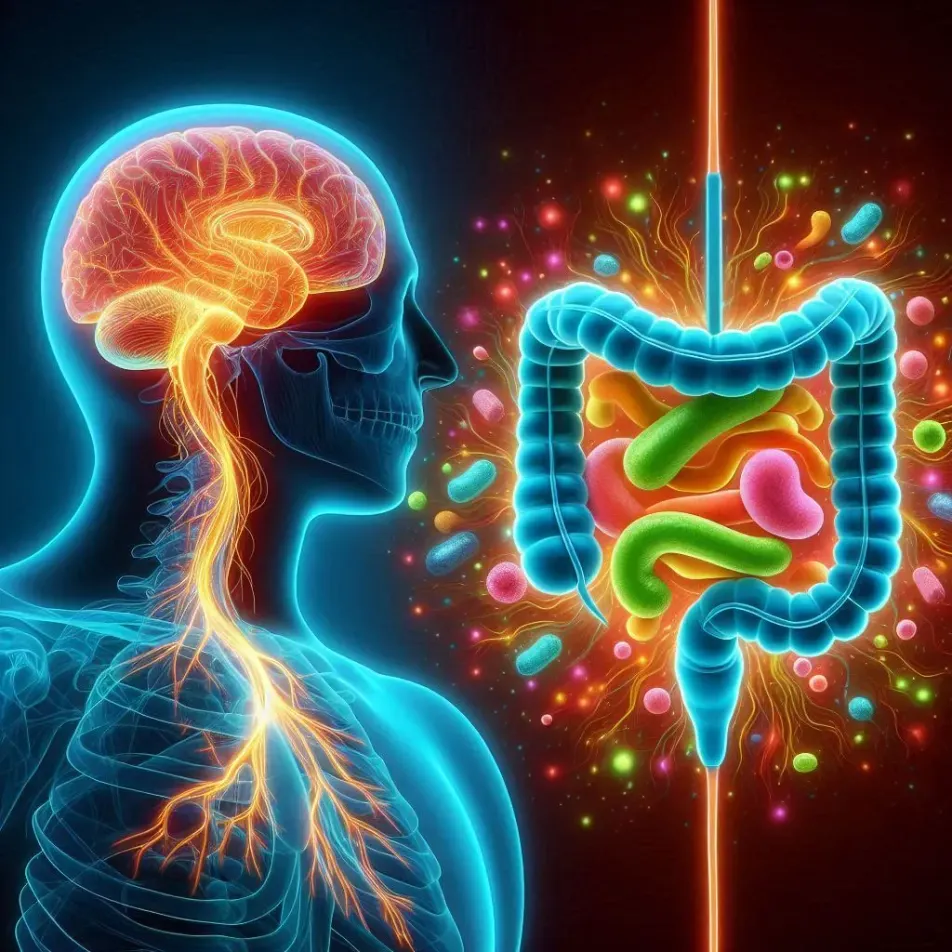
Here’s how the vagus nerve keeps your gut happy:
- Motility: Ever wondered how your food knows how to move through your digestive tract? That’s the vagus nerve directing traffic! It controls the muscle contractions that propel food along, preventing those dreaded traffic jams (a.k.a. constipation).
- Inflammation: The vagus nerve is like a firefighter, always on the lookout for inflammation in the gut. It helps regulate the immune response, keeping those inflammatory fires under control.
- Microbiome: Your gut is home to trillions of bacteria, and the vagus nerve plays a role in maintaining a healthy balance of these microbes. It’s like a gardener, ensuring the good bacteria flourish while keeping the bad guys in check.
When your vagus nerve is functioning optimally, your digestion is on point. You’re less likely to experience issues like bloating, gas, constipation, or diarrhea. It’s like having a well-oiled machine, with everything working in perfect harmony.
When Gut Bugs Hijack the Vagus Nerve
Remember those trillions of bacteria living in your gut? Well, they’re not just passive residents; they have a say in how your vagus nerve functions. Think of them as tiny influencers, constantly whispering in your vagus nerve’s ear.
Now, most of the time, these bacteria are good guys, helping with digestion and keeping your immune system strong. But when things get out of balance – like when you have too many bad bacteria or not enough good ones – it can spell trouble for your vagus nerve.

These troublemakers can trigger inflammation in your gut, which can interfere with the vagus nerve’s ability to communicate effectively. It’s like they’re jamming the signal, leading to mixed messages and confusion between your gut and brain.
This can manifest in several ways:
- SIBO (Small Intestinal Bacterial Overgrowth): Imagine having a party in your small intestine where the guests (bacteria) overstay their welcome. That’s SIBO in a nutshell! This overgrowth of bacteria can irritate the vagus nerve, leading to digestive issues like bloating, gas, and diarrhea.
- Food Sensitivities: If you’re sensitive to certain foods (like gluten or dairy), eating them can trigger inflammation in your gut, which can, in turn, affect the vagus nerve. This can lead to a range of symptoms, from digestive discomfort to brain fog.
Signs Your Vagus Nerve Needs a Tune-Up
So, how can you tell if your vagus nerve is feeling a bit off? Well, your gut might just spill the beans! Here are some telltale signs that your vagus nerve could use some TLC:
- Digestive Distress: Think bloating, gas, constipation, diarrhea, or that feeling of a rock in your stomach. These can all be signs that the vagus nerve isn’t directing gut traffic as effectively as it should be.
- IBS (Irritable Bowel Syndrome): This common condition, characterized by abdominal pain and changes in bowel habits, is often linked to vagus nerve dysfunction. It’s like your gut is sending out distress signals, and the vagus nerve isn’t quite sure how to respond.
- Acid Reflux: That burning sensation in your chest? It could be a sign that the vagus nerve isn’t properly regulating stomach acid production.
- Nausea and Vomiting: Feeling queasy or throwing up? These can be signs that the vagus nerve is receiving mixed messages from the gut, leading to an upset stomach.
- Low Mood and Anxiety: Remember that gut-brain connection? Well, when the vagus nerve is out of whack, it can affect your mood and mental health too.
These symptoms can put a real damper on your daily life, making it hard to enjoy meals, socialize, or even just get through the day. But the good news is, there are ways to give your vagus nerve the support it needs to get back on track!

Hacking the Vagus Nerve for a Happy Gut
Alright, now for the fun part! Let’s talk about how you can give your vagus nerve some love and get your gut back on track. Think of these tips as tools to optimize your gut-brain communication and boost your overall well-being.

Eat Your Way to a Happy Vagus Nerve:
- Fiber Power: Load up on those fruits, veggies, and whole grains! Fiber is like a feast for your good gut bacteria, helping them thrive and keep the bad guys in check. This, in turn, supports a healthy vagus nerve.
- Fermented Foods: Yogurt, kimchi, sauerkraut – these fermented goodies are packed with probiotics, the live bacteria that keep your gut microbiome balanced and your vagus nerve happy.
- Omega-3 Fatty Acids: These healthy fats are like brain food for your vagus nerve, keeping it functioning optimally. Think fatty fish, flaxseeds, and walnuts.
Chill Out and De-Stress:
- Stress can wreak havoc on your gut, and your vagus nerve feels it too!
- Deep Breaths: Take a few minutes each day to practice deep belly breathing. It’s like a mini-massage for your vagus nerve, helping to calm it down and improve its function.
- Mindfulness and Meditation: These practices can help you manage stress and improve your overall well-being, which has a positive ripple effect on your gut and vagus nerve.
Get Moving:
- Exercise isn’t just good for your body; it’s great for your vagus nerve too!
- Regular Physical Activity: Aim for at least 30 minutes of moderate-intensity exercise most days of the week. It can help improve vagal tone and keep your gut happy.
Other Vagus-Boosting Hacks:
- Cold Exposure: A cold shower or splashing cold water on your face can stimulate the vagus nerve. (Just don’t blame me if you let out a little shriek! 🥶)
- Singing and Humming: These activities engage your vocal cords, which are connected to the vagus nerve. So, belt out your favorite tunes in the shower – your gut will thank you!
- Social Connection: Spending time with loved ones and laughing can also stimulate the vagus nerve. So, go ahead and schedule that coffee date with your bestie!
[Steal some time from the online social media and invest in the above]
[Read More: 5 Easy Steps to Amazing Colon Health – IV. 5 Pillars of a Happy Colon]
Omega-3s: Fueling the Vagus Nerve Engine
Let’s talk about omega-3 fatty acids, the VIPs of vagus nerve health. These essential fats are like premium fuel, keeping your vagus nerve running smoothly and efficiently. Think of them as the WD-40 of your gut-brain communication system, preventing any squeaks or hiccups.

But why are omega-3s so crucial for the vagus nerve? Well, it turns out that the vagus nerve is particularly rich in these fats. They help maintain the structural integrity of the nerve, ensuring that messages can travel quickly and efficiently between your gut and brain.
Not only that, but omega-3s also have powerful anti-inflammatory effects. Remember those troublemaking bacteria that can hijack the vagus nerve? Well, omega-3s help to keep them in check, reducing inflammation and allowing the vagus nerve to do its job properly.
Now, here’s the thing: most of us aren’t getting enough omega-3s in our diets. The typical modern diet is overloaded with omega-6 fatty acids (found in vegetable oils and processed foods), which can throw off the delicate balance between omega-3s and omega-6s.
So, what’s the ideal ratio? Aim for a balance of around 1:1 to 4:1 omega-6s to omega-3s.
Where can you find these omega-3 superstars?
- Fatty Fish: Salmon, mackerel, sardines, and tuna are all excellent sources.
- Flaxseeds and Chia Seeds: These tiny seeds pack a powerful omega-3 punch.
- Walnuts: A handful of walnuts makes a great snack and provides a good dose of omega-3s.
Supplementing with Omega-3s:
If you’re struggling to get enough omega-3s from your diet, consider taking a high-quality supplement. But be picky! Look for supplements that are:
- Free from contaminants: Make sure they’re free from heavy metals like mercury and other toxins.
- Stored properly: Omega-3s are delicate and can oxidize easily, so choose a supplement that’s stored in a dark, cool place.
- Reputable brand: Opt for a trusted brand that undergoes third-party testing to ensure quality and purity.
By prioritizing omega-3s, you’re not just supporting your vagus nerve; you’re investing in your overall health and well-being. It’s a win-win situation!
Beyond Digestion: The Vagus Nerve’s Wide Reach
While we’ve been focusing on the vagus nerve’s role in gut health, it’s important to remember that this nerve is a multi-tasker extraordinaire! It’s like the body’s ultimate control center, influencing a wide range of functions beyond digestion.
Here’s a glimpse into the vagus nerve’s impressive resume:
- Mood Maestro: Feeling stressed or anxious? The vagus nerve can help! It plays a key role in regulating your mood and emotional responses. A healthy vagus nerve can help you feel calmer and more resilient in the face of stress.
- Heart Health Hero: The vagus nerve helps to regulate your heart rate and blood pressure, keeping your ticker running smoothly. A well-functioning vagus nerve can contribute to a healthy cardiovascular system.
- Immunity Influencer: The vagus nerve is like a general in your immune army, helping to coordinate the body’s defenses against invaders. It can help reduce inflammation and promote a balanced immune response.
- Sleep Specialist: Having trouble sleeping? The vagus nerve can lend a hand! It helps to regulate your sleep-wake cycle, promoting restful sleep and helping you wake up feeling refreshed.

The Gut Connection:
Now, here’s the cool part: all of these functions are interconnected! When your gut is healthy and your vagus nerve is functioning optimally, it has a positive ripple effect on your overall health and well-being.
For example, a healthy gut can reduce inflammation throughout the body, which can benefit your heart, brain, and immune system. Similarly, managing stress and improving your mood can have a positive impact on your gut health.
Conclusion: Listen to Your Gut (and Your Vagus Nerve)
So, there you have it! We’ve journeyed through the fascinating world of the vagus nerve and its impact on gut health. We’ve learned how this remarkable nerve acts as a communication superhighway between your gut and brain, influencing everything from digestion and mood to heart health and immunity.
Here are the key takeaways to remember:
- Gut-Brain Connection: Your gut and brain are constantly chatting, thanks to the vagus nerve. A healthy gut means a happy vagus nerve, which translates to a happier, healthier you.
- Vagus Nerve’s Role: This nerve is like a gut superhero, regulating motility, inflammation, and the microbiome.[Read about Microbiome on Wiki]
- Gut Bugs Matter: The bacteria in your gut can influence your vagus nerve, so keeping your microbiome balanced is key.
- Vagus Nerve Tune-Up: There are plenty of ways to support your vagus nerve, from dietary changes and stress management to exercise and cold exposure.
- Beyond the Gut: The vagus nerve is a multi-tasker, impacting various aspects of your health, including your mood, heart, and immune system.
Ultimately, listening to your gut means paying attention to your vagus nerve too. By prioritizing your gut health and incorporating vagus-boosting habits into your daily routine, you can pave the way for a healthier, happier, and more vibrant life.
So, go ahead and give your gut (and your vagus nerve) the love they deserve! ✨
Connect with the Editor
I’m always eager to hear your thoughts. Do you have a gut health story to share? Connect with me, Kumar, Editor at Newspatron, on your favorite platform:
For some fantastic drone shots of the landscapes we explore, check out my YouTube channel DroneMitra (Your Sky is Digital with a Drone as a Friend), and for more insightful content, subscribe to the new Newspatron channel (Let Curiosity Be Your Guide).
- For quick updates: Follow me on Instagram, Twitter, YouTube, or Reddit.
- For deeper conversations: My Facebook profile is open to new friends!
- For instant updates: Subscribe to my WhatsApp Channel (your privacy is protected).
- For professional networking: Let’s connect on LinkedIn.
You can find all the relevant links on the Newspatron homepage. Looking forward to connecting with you!

[…] Vagus Nerve Gut Health: Your Key to Healing […]
[…] in detail in our blogs “Unlocking Gut Health: Your Ultimate Guide to a Thriving Microbiome” and “Vagus Nerve Gut Health: Your Key to Healing”. They’re perfect primers if you want to catch up before we explore how what sweetens your soda […]
[…] have previously discussed how the Vagus Nerve connects your gut and brain. Recent studies from 2024 and 2025 confirm that nearly 90% of your serotonin—the “happy […]