




Your Gut: The Unsung Hero of Your Health ?
Ever heard the saying, “trust your gut?” Turns out, there’s more truth to it than meets the eye! ? We’re about to embark on a journey through the fascinating world of gut health – a realm where trillions of tiny microbes hold the key to your overall well-being. ?
We’ll delve into the science behind the gut-brain connection, uncover the surprising role of LDL cholesterol, and even explore the controversial carnivore diet. ? Get ready to be both informed and entertained, as we demystify complex concepts with a touch of humor and real-life examples. And hey, if you’re craving some visually stunning drone shots or want to dive even deeper into the world of health and AI, don’t forget to check out my YouTube channels – the old one’s still got some gems, and the new one’s all about the cutting-edge! ?[DroneMitra – Old Channel] [New Channel – News
Patron]
So, let’s get this gut health party started! ?[Read More – About Health & Wellness]
I. The Gut: Your Inner Universe ?
- The Microbiome: A Symphony of Trillions ?
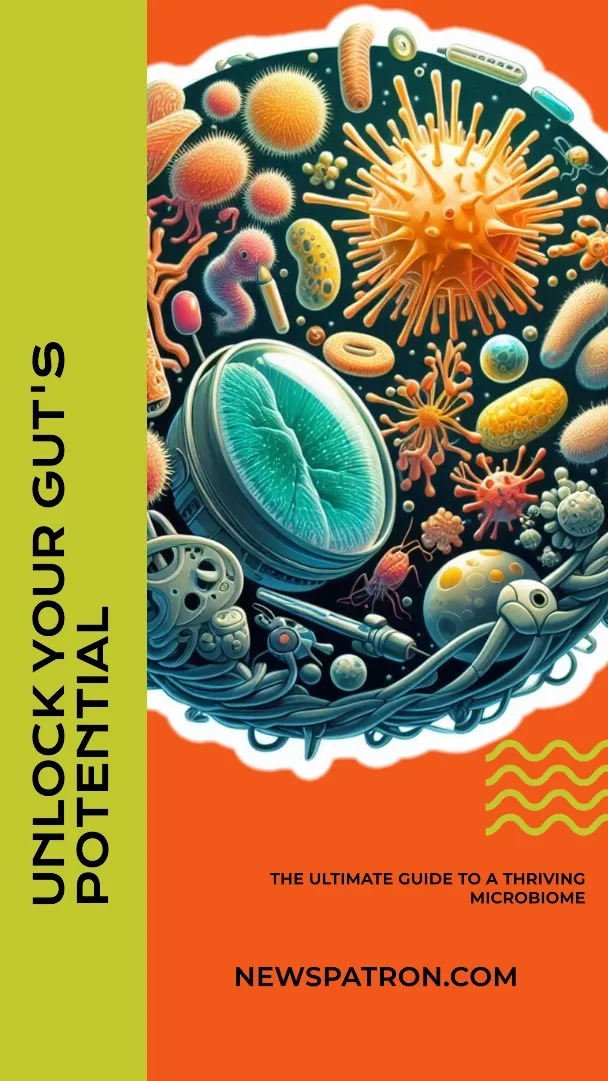
Imagine your gut as a bustling metropolis, teeming with trillions of microscopic residents – bacteria, viruses, fungi, and even some quirky parasites. ? This vibrant community, known as the gut microbiome, plays a crucial role in your health, influencing everything from your digestion to your immune system and even your mood! ?
- More Than Just Bacteria: The Gut’s Diverse Ecosystem
While bacteria are the headliners of the gut microbiome, they’re not the only players in this intricate ecosystem. Viruses, fungi, and even some less-welcome guests like parasites all call your gut home.
Each member of this diverse community contributes to your overall health in unique ways. Beyond aiding digestion and bolstering immunity, your gut microbes are busy producing essential vitamins like B12 and K, regulating metabolism, and even detoxifying harmful substances³! They’re like tiny superheroes, working tirelessly behind the scenes to keep you in tip-top shape. ?
- Not All Microbes Are Created Equal: The Western World’s Microbiome Woes
Unfortunately, the modern Western lifestyle isn’t exactly a friend to our gut microbes. ? A diet high in processed foods, sugar, and unhealthy fats, coupled with a lack of fiber, can wreak havoc on the delicate balance of our microbiome. This imbalance, known as dysbiosis, has been linked to a laundry list of health problems, including obesity, diabetes, heart disease, and even mental health issues??.
But don’t despair! By understanding the importance of gut health and making simple lifestyle changes, you can restore balance to your inner universe and reap the rewards of a thriving microbiome. ?
Recommended Product
Jockey Women's Hipster Brief – Comfort Fit, Assorted Colors
🛒 View on Amazon →As an Amazon Associate, we earn from qualifying purchases. Price and availability may vary.
[Read About 5 Easy Steps to Amazing Colon Health]
II. Your Gut, Your Teacher: Early Life Lessons ?
- Gut Bacteria and Immune System Development ?
Remember those carefree childhood days, filled with mud pies and playground adventures? Turns out, those experiences weren’t just fun and games – they were crucial for shaping your immune system! ?
From the moment you’re born, your gut microbiome starts to develop, playing a pivotal role in educating your immune system on what to react to and what to ignore. It’s like a microbial boot camp, teaching your immune cells to distinguish between friend and foe. This early education is essential for developing a healthy immune response and preventing allergies and autoimmune diseases later in life.
- The Consequences of a Late Introduction: Allergies and Immune Overreactions
Imagine trying to learn a new language as an adult – it’s definitely possible, but it’s a lot harder than picking it up as a child, right? The same goes for your immune system. If you miss out on crucial microbial exposure during those early years, your immune system might not develop properly, leading to an increased risk of allergies and immune overreactions. It’s like your immune system is constantly on high alert, mistaking harmless substances like pollen or peanuts for dangerous invaders. ?
- Brain Development and the Gut: The Microbiome’s Surprising Influence
Believe it or not, your gut microbes aren’t just shaping your immune system – they’re also playing a role in your brain development! ? Research suggests that the gut microbiome can influence the formation of neural connections in the brain, impacting everything from mood and behavior to cognitive function. It’s like your gut is having a direct line to your brain, whispering sweet nothings (or maybe not-so-sweet nothings!) that shape your thoughts and emotions. ?

[Read about Whooping Cough Alert: Protect Yourself and Your Family]
III. The Leaky Gut: When Things Go South ?
- Inflammation and the Gut: The Body’s Alarm System ?
Imagine your gut as a fortress, protecting your body from the outside world. Its walls are lined with a powerful defense system, including a thick layer of mucus and tightly knit cells that act as gatekeepers. But what happens when this fortress is breached? Cue the alarms! ?
Inflammation is the body’s natural response to injury or infection. It’s like a fire alarm, alerting your immune system to a potential threat. In the gut, inflammation can be triggered by various factors, including a poor diet, stress, and imbalances in the gut microbiome.
- The Gut’s Protective Barriers: Mucus and Tight Junctions
The gut’s first line of defense is a thick layer of mucus that acts as a barrier between the gut microbes and the intestinal lining. This mucus layer is like a moat around your fortress, keeping the “good guys” in and the “bad guys” out.
The second layer of protection is formed by tight junctions, special proteins that seal the gaps between the cells lining the gut. These tight junctions are like the fortress gates, carefully controlling what enters and exits the body.
- The Role of Bacteria: Butyrate and Gut Cell Energy
But what happens when the mucus layer thins or the tight junctions become compromised? This is where things can get messy. ?
Certain gut bacteria, particularly the beneficial ones, produce short-chain fatty acids (SCFAs) like butyrate. These SCFAs are like fuel for the cells lining your gut, helping them stay strong and healthy. But when the “bad guys” take over, they can disrupt SCFA production, weakening the gut’s defenses and leading to a condition known as “leaky gut.”
- Metabolic Endotoxemia: LPS and the Gut’s Role in Inflammation
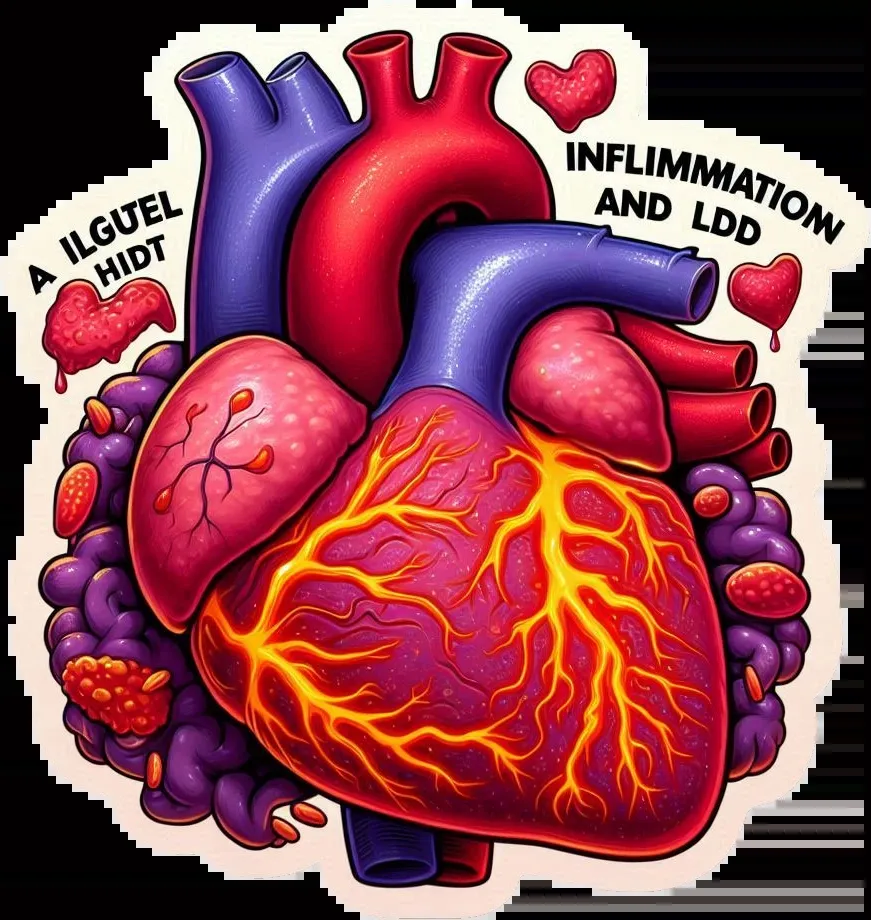
Leaky gut is like having holes in your fortress walls. It allows harmful substances, like lipopolysaccharides (LPS) from the cell walls of certain bacteria, to sneak into the bloodstream. These LPS molecules are like tiny grenades, triggering inflammation throughout the body. This chronic, low-grade inflammation, known as metabolic endotoxemia, has been linked to a variety of health issues, including heart disease, diabetes, and autoimmune diseases.
IV. The Gut-Heart Connection: A Tale of Inflammation and LDL ??
You might be wondering, “What does my gut have to do with my heart?” Well, buckle up, because this connection is about to blow your mind! ?
- The Liver’s Role: The First Line of Defense
The liver, your body’s trusty detoxifier, is the first organ to encounter these LPS troublemakers. It tries its best to neutralize them, but in the process, it can become inflamed itself. This inflammation can lead to fatty liver disease, a condition that’s becoming increasingly common, even in people who don’t drink alcohol.
- The LDL Surprise: A Key Player in the Immune System
Now, here’s where things get really interesting. LDL cholesterol, often demonized as the “bad” cholesterol, actually plays a crucial role in your immune system! ? It has receptors that bind to LPS, helping to clear these inflammatory molecules from your bloodstream.
- Small Dense LDL: The Troublemaker
But when LDL cholesterol encounters LPS, it undergoes a transformation, becoming smaller and denser. This “small dense LDL” is more prone to oxidation and inflammation, making it a prime target for your immune system.
- The Gut’s Impact on LDL and Inflammation
So, a leaky gut can lead to an increase in small dense LDL, which in turn fuels inflammation throughout the body, including in your arteries. It’s like a domino effect, with your gut health setting the stage for potential heart problems down the line.
- The Coronary Arteries: The Prime Target
Why are the coronary arteries, the blood vessels that supply your heart, particularly vulnerable to this inflammation? It’s all about location, location, location! ?
The coronary arteries are the first major branches off the aorta, the main artery that carries blood from your heart to the rest of your body. This means they’re exposed to the highest concentration of those pesky LPS molecules and oxidized LDL particles.
- Plaque Formation and Rupture: The Path to Heart Attacks
Over time, this chronic inflammation in the coronary arteries can lead to the buildup of plaque, a fatty substance that narrows the arteries and restricts blood flow to the heart. Think of it like rust accumulating in a pipe – eventually, it can cause a blockage.
But the real danger lies in the fact that these plaques can rupture, triggering the formation of blood clots that can completely block an artery, leading to a heart attack. ?
V. Feed Your Microbes, Feed Your Health ?
Now that we’ve explored the complex relationship between your gut and your overall health, let’s talk about how you can take charge of your gut health and create a thriving microbiome! ?
- Intermittent Fasting and Diet: The Dynamic Duo ?
Intermittent fasting, or eating within a specific window of time each day, gives your gut a much-needed break, allowing it to focus on repair and renewal. It’s like giving your gut a mini-vacation, allowing it to come back refreshed and ready to take on the world! ??
Meanwhile, a diet rich in whole, unprocessed foods provides your gut microbes with the nutrients they need to thrive. Think of it as a delicious buffet for your tiny friends, filled with fiber-rich fruits, vegetables, and whole grains. ???
- Fiber: The Gut’s Best Friend ?
If there’s one thing your gut microbes crave, it’s fiber! This indigestible carbohydrate acts as a prebiotic, providing food for the beneficial bacteria in your gut. It’s like fertilizer for your gut garden, helping those good microbes flourish and crowd out the bad guys. ?
So, load up on those fiber-rich foods! Think fruits, vegetables, whole grains, legumes, and nuts. And don’t forget about those sneaky sources of fiber, like avocados, berries, and even dark chocolate! ?
- The Power of Probiotics and Prebiotics ?
Probiotics are live bacteria that can be found in fermented foods like yogurt, kefir, sauerkraut, and kimchi. These friendly microbes can help replenish your gut microbiome and restore balance. Think of them as reinforcements for your gut army, ready to fight off the bad guys and keep your gut in tip-top shape. ?
Prebiotics, on the other hand, are non-digestible fibers that act as food for the beneficial bacteria in your gut. They’re like the supply lines for your gut army, providing them with the resources they need to thrive.
So, make sure to include both probiotics and prebiotics in your diet to create a thriving gut microbiome! ?
- Fermented Foods: The Gut’s Superfood ?
Fermented foods are like a party in your gut! ? Not only do they contain live probiotics, but they also offer a range of other benefits, including improved digestion, enhanced nutrient absorption, and even boosted immunity.
So, don’t be afraid to get a little funky with your food! Embrace the tangy flavors of sauerkraut, the creamy goodness of kefir, and the fizzy delight of kombucha. Your gut will thank you! ?
- Ditch the Mouthwash and Limit Alcohol: Let Your Microbes Thrive ?
While it’s important to maintain good oral hygiene, excessive use of mouthwash can actually harm your gut microbiome. Mouthwash is like a nuclear bomb, wiping out both good and bad bacteria in your mouth. And guess what? Some of those good oral microbes actually make their way down to your gut, contributing to its overall health. ?
Similarly, excessive alcohol consumption can disrupt the delicate balance of your gut microbiome. It’s like throwing a wild party in your gut – fun for a while, but not so great for your long-term health. ?
So, moderation is key! Stick to brushing and flossing for oral hygiene, and enjoy alcohol in moderation to keep your gut microbes happy.
VI. Beyond Food: Nurturing Your Microbiome ????
We’ve covered the importance of diet in shaping your gut health, but did you know that there are other ways to nurture your microbiome? It’s time to think outside the lunchbox! ?
- Biophilia: Embracing Nature’s Microbes ?
Remember those childhood days spent playing in the dirt and exploring the great outdoors? Turns out, those experiences weren’t just good for the soul – they were also beneficial for your gut! ?
Exposure to nature, whether it’s digging in the garden, hiking through the woods, or simply breathing in the fresh air at the beach, can introduce a diverse array of microbes to your microbiome. This microbial diversity is key for a healthy gut, as it helps to strengthen your immune system and protect against disease.
So, get outside and get dirty! Hug a tree, walk barefoot on the grass, and let nature’s microbes work their magic on your gut. ?
- The Soil Connection: Healthy Soil, Healthy Gut ?
Just like your gut, the soil is teeming with life! ? A healthy soil microbiome is essential for growing nutrient-rich plants, which in turn nourish your gut microbiome when you eat them. It’s a beautiful cycle of life, connecting you to the very earth beneath your feet. ?
Unfortunately, modern agricultural practices, like the overuse of pesticides and chemical fertilizers, can disrupt the soil microbiome, leading to less nutritious food and potentially harming your gut health.
So, whenever possible, choose organic produce grown in healthy soil. It’s not just good for the planet – it’s good for your gut too! ?
- Hacking Your Vagus Nerve: The Gut-Brain Connection ?
The vagus nerve is like a superhighway connecting your gut and your brain. It’s a two-way street, carrying messages back and forth between these two vital organs. ??
When your gut is healthy, it sends signals of calm and contentment to your brain, promoting relaxation and well-being. But when your gut is out of whack, it can send signals of stress and anxiety, contributing to mental health issues.
Luckily, you can “hack” your vagus nerve to improve gut-brain communication and promote a sense of calm. Techniques like deep breathing, meditation, and even cold exposure can stimulate the vagus nerve and enhance its function. ??????
- The Gut-Mood Connection: Your Microbiome and Mental Health ?
Ever heard the phrase “gut feeling?” Well, it turns out there’s more to it than just intuition! ?
Your gut microbiome plays a significant role in your mental health, influencing everything from your mood and stress levels to your risk of developing anxiety and depression. In fact, the gut produces about 95% of the body’s serotonin, a key neurotransmitter that regulates mood².
So, if you’re feeling down in the dumps, it might be time to focus on your gut health. A happy gut can lead to a happy mind! ?
VII. SIBO and Other Gut Issues ?
Even with the best intentions, sometimes our gut health can take a hit. Let’s explore some common gut issues and how they can impact your overall well-being.
- Small Intestinal Bacterial Overgrowth (SIBO): The Bloated Belly Blues?
Imagine your small intestine as a peaceful stream, gently flowing along. Now, picture that stream becoming overrun with bacteria, creating a turbulent, chaotic mess. That’s essentially what happens in SIBO, a condition where bacteria from the large intestine migrate upstream and overpopulate the small intestine. ?
This bacterial overgrowth can lead to a range of uncomfortable symptoms, including bloating, gas, abdominal pain, and even diarrhea or constipation. It’s like your gut is constantly throwing a party, and you’re the one stuck with the cleanup! ?
- Testing and Treating SIBO: Herbal Remedies and Beyond ?
If you suspect you have SIBO, it’s important to see a healthcare professional for proper diagnosis and treatment. A breath test can help identify the presence of excess bacteria in the small intestine.
Treatment options for SIBO vary depending on the underlying cause and severity of the condition. Antibiotics are sometimes used to reduce bacterial overgrowth, but they can also disrupt the balance of your gut microbiome.
Herbal remedies, dietary changes, and even probiotics can also be effective in managing SIBO. It’s like weeding your gut garden, carefully removing the unwanted plants while nurturing the beneficial ones. ?
- The Carnivore Diet: A Controversial Approach ?
The carnivore diet, consisting solely of animal products, has gained popularity in recent years. Proponents claim it can improve gut health, reduce inflammation, and even promote weight loss. ?
However, this highly restrictive diet lacks essential nutrients like fiber, which is crucial for a healthy gut microbiome. It’s like trying to build a house without any foundation – it might look impressive at first, but it’s not sustainable in the long run. ??
Additionally, the carnivore diet’s high saturated fat content can increase your risk of heart disease. So, while it might offer some short-term benefits, it’s not a long-term solution for optimal gut health.
VIII. Gut Health Q&A ?
Let’s address some common questions and concerns about gut health, straight from the expert’s mouth! ?
- Addressing Common Concerns: Parasites, Flaxseed, and Fecal Transplants
Q: How are parasites connected to the broader discussion?
A: Parasites are like unwanted houseguests in your gut, wreaking havoc on your microbiome and causing a range of digestive issues. They can disrupt the delicate balance of your gut ecosystem, leading to inflammation, nutrient deficiencies, and even immune system dysfunction. So, it’s important to be mindful of food safety and hygiene practices to avoid these pesky invaders! ?
Q: What is your perspective on flaxseed?
A: Flaxseed is a nutritional powerhouse, packed with fiber and omega-3 fatty acids, both of which are beneficial for gut health. Fiber acts as a prebiotic, feeding the good bacteria in your gut, while omega-3s help reduce inflammation. So, sprinkle some flaxseed on your yogurt or oatmeal, and give your gut a little love! ??
Q: What are your thoughts on the use of fecal transplants?
A: Fecal transplants, or FMT, might sound a bit icky, but they can be a lifesaver for people with certain gut conditions, like recurrent C. difficile infections. It’s like hitting the reset button on your gut microbiome, replacing the bad guys with a healthy, diverse community of microbes. While FMT is still a relatively new procedure, it holds great promise for the future of gut health treatment! ??
- Expert Insights: Fatty Liver, AI in Medicine, and More
Q: Is it possible for damaged gut cells to undergo self-repair?
A: Absolutely! Your gut has an amazing ability to regenerate and repair itself. When you nourish your gut with a healthy diet and lifestyle, you provide the building blocks it needs to heal and thrive. It’s like giving your gut a makeover, helping it look and feel its best! ?
Q: Why isn’t the research conducted by you and others in the medical field more widely adopted in society?
A: That’s a great question, and unfortunately, the answer is complex. The food industry, government policies, and even some healthcare professionals often prioritize profits over public health. It’s like trying to swim upstream against a powerful current.
But don’t lose hope! As more people become aware of the importance of gut health, we can create a ripple effect that leads to positive change. By sharing knowledge, making informed choices, and demanding better from our food system, we can pave the way for a healthier future. ?
Q: You mentioned herbs that can be beneficial for SIBO – could you elaborate on which ones?
A: Several herbs have shown promise in managing SIBO, including oregano, berberine, and peppermint oil. These herbs have antimicrobial and anti-inflammatory properties that can help reduce bacterial overgrowth and soothe the gut. ?
Q: What leads you to prefer Kefir over Yogurt?
A: Kefir is like yogurt’s cooler, more diverse cousin! ? It contains a wider variety of probiotic strains, offering a broader range of benefits for your gut microbiome. Plus, it has a tangy, slightly effervescent flavor that’s simply irresistible! ?
Q: Could you provide additional insights into the effects of fruit?
A: While fruits are delicious and packed with vitamins and antioxidants, they also contain fructose, a type of sugar that can be problematic for some people, especially those with insulin resistance or gut issues. It’s all about moderation and choosing the right types of fruit. Opt for low-fructose options like berries and citrus fruits, and enjoy them in their whole form, rather than as juice, to benefit from their fiber content. ??
Q: Could you explain more about the concept of insulin monitoring?
A: Insulin is a hormone that regulates blood sugar levels. Monitoring your insulin levels, both fasting and after meals, can provide valuable insights into your metabolic health and risk of developing conditions like diabetes and heart disease.
Continuous glucose monitoring (CGM) devices are becoming increasingly popular, allowing you to track your blood sugar levels in real-time. This information can help you make informed decisions about your diet and lifestyle, empowering you to take control of your health. ?
Q: What measures can be taken to promote greater microbiome diversity in children?
A: Early exposure to a variety of microbes is key for developing a diverse and resilient microbiome in children. Encourage outdoor play, limit the use of antibiotics, and offer a diet rich in fiber and fermented foods. Breastfeeding, when possible, is also a fantastic way to provide infants with beneficial bacteria and antibodies. ?
Q: What are your thoughts on the carnivore diet?
A: While the carnivore diet might offer some short-term benefits, like weight loss and reduced inflammation, it’s not a sustainable long-term solution for optimal health. The lack of fiber can negatively impact your gut microbiome, and the high saturated fat content can increase your risk of heart disease. It’s important to remember that a balanced and diverse diet, rich in plant-based foods, is key for a healthy gut and overall well-being. ?
Q: What about raw vegetables like carrots and bell peppers?
A: Raw vegetables like carrots and bell peppers are generally safe and healthy to consume. They provide essential vitamins, minerals, and fiber that nourish your gut microbiome. However, some people with sensitive digestive systems might find raw vegetables difficult to digest. If that’s the case, try lightly steaming or roasting them to make them easier on your gut. ?
Q: Are you utilizing AI in your practice? What treatment options are available for a fatty liver?
A: Yes, I’m currently using AI for plaque analysis in my cardiology practice. It helps to identify patients at high risk of heart attacks by detecting soft, vulnerable plaques in their arteries.
As for fatty liver, the best treatment is a healthy diet and lifestyle. Reducing your intake of sugar, refined carbohydrates, and alcohol, while increasing your intake of fiber and healthy fats, can help reverse fatty liver disease. Supplements like NAC, alanine, and alpha-lipoic acid might also be beneficial. ?
Remember, your gut health is a journey, not a destination. By making informed choices and prioritizing your gut health, you can unlock a world of benefits for your overall well-being. ?
IX. Taking Charge of Your Gut Health ?
We’ve covered a lot of ground in this gut-wrenching journey, but the most important takeaway is this: you have the power to shape your gut health and, in turn, your overall well-being. ?
- The Food Industry’s Influence: Profits Over Health ?
Unfortunately, the food industry often prioritizes profits over public health, bombarding us with processed foods, sugary drinks, and misleading marketing campaigns. It’s like being surrounded by tempting treats at a carnival, but instead of winning a giant teddy bear, you end up with a stomachache. ?
- Government Policies: The Need for Change ?
Government policies also play a role in shaping our food environment. Subsidies for unhealthy crops and lax regulations on food additives can make it challenging to make healthy choices. It’s like trying to navigate a maze blindfolded – you might stumble upon some good stuff, but it’s not easy. ?
- The Power of Choice: You Can Make a Difference! ?
But don’t despair! You have the power to vote with your fork and your wallet. By choosing whole, unprocessed foods, supporting sustainable agriculture, and demanding better from our food system, you can create a ripple effect that leads to positive change. It’s like planting a seed in your gut garden – with a little care and attention, it can blossom into a thriving ecosystem that supports your health and well-being. ?
X. Conclusion ?
- Your Gut, Your Health: The Journey Continues ?
We’ve explored the fascinating world of gut health, from its role in digestion and immunity to its surprising impact on heart health and mental well-being. We’ve learned that our gut microbes are not just passive passengers, but active participants in our health journey.
By nourishing your gut with a healthy diet, embracing nature, and making mindful lifestyle choices, you can create a thriving microbiome that supports your overall health and happiness. Remember, it’s never too late to start taking care of your gut! ?
So, go forth and embrace the power of your gut! Your body will thank you. ??
Join the Discussion
Your opinion matters! We invite you to express your views. Join our forum, engage in thoughtful discussions, share information, and submit your content. Let’s delve into diverse perspectives together.
[bbp-single-topic id=7656]
Connect with the Editor
I’m always eager to hear your thoughts. Do you have a gut health story to share? Connect with me, Kumar, Editor at Newspatron, on your favorite platform:
For some fantastic drone shots of the landscapes we explore, check out my YouTube channel DroneMitra (Your Sky is Digital with a Drone as a Friend), and for more insightful content, subscribe to the new Newspatron channel (Let Curiosity Be Your Guide).
- For quick updates: Follow me on Instagram, Twitter, YouTube, or Reddit.
- For deeper conversations: My Facebook profile is open to new friends!
- For instant updates: Subscribe to my WhatsApp Channel (your privacy is protected).
- For professional networking: Let’s connect on LinkedIn.
You can find all the relevant links on the Newspatron homepage. Looking forward to connecting with you!

[…] still feel confusing. To help out, we’ve previously covered these topics in detail in our blogs “Unlocking Gut Health: Your Ultimate Guide to a Thriving Microbiome” and “Vagus Nerve Gut Health: Your Key to Healing”. They’re perfect primers if you want to […]
[…] Unlocking Gut Health: Your Ultimate Guide to a Thriving Microbiome […]