











Gut Feeling: Prioritizing Colon Health in a Fast-Paced World
In the hustle and bustle of modern life, it’s easy to overlook the unsung hero of our digestive system – the colon. We often take its tireless work for granted, but neglecting its health can lead to a cascade of problems, from uncomfortable digestive issues to life-threatening diseases like colon cancer. ?
So, buckle up and get ready to discover the power of a healthy colon! And hey, if you’re feeling adventurous, why not check out my YouTube channels for some breathtaking drone footage and insightful AI-generated content? ? (Old Channel – Drone Mitra New YouTube Channel)
Oh, and before we dive in, you might want to catch up on our previous article about Whooping Cough. Stay informed and protect yourself and your loved ones! (Read the Whooping Cough article)
Now, let’s get this gut party started! ?
II. Understanding the Colon: Your Body’s Unsung Hero
The colon, often overshadowed by its more glamorous counterparts like the heart and brain, is a true workhorse within your digestive system. ????? This remarkable organ, also known as the large intestine, plays a crucial role in the final stages of digestion, absorbing water and electrolytes from waste products and preparing them for elimination. ?
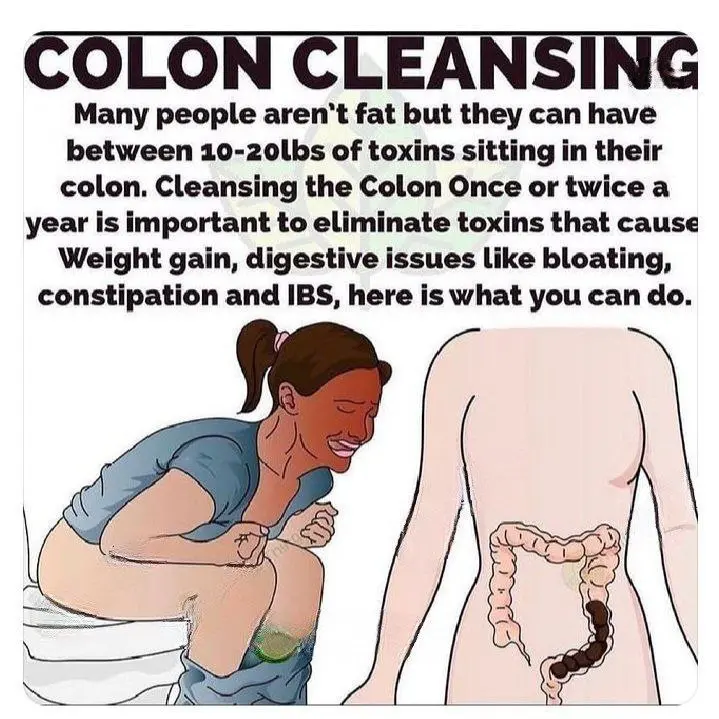
? This bustling ecosystem plays a vital role in various aspects of your health, influencing everything from immune function and nutrient absorption to mental well-being and disease prevention. ?
When your colon is in tip-top shape, it functions seamlessly, ensuring smooth digestion, regular bowel movements, and a thriving gut microbiome. ? However, when things go awry, the consequences can be significant.
An unhealthy colon can manifest in a range of ways, from uncomfortable symptoms like constipation, diarrhoea, and bloating to more serious conditions like inflammatory bowel disease (IBD) and colon cancer. ? The importance of prioritizing colon health cannot be overstated, as colon cancer is a leading cause of cancer-related deaths. ?
Recommended Product
Waterproof Car Body Cover for Maruti Dzire 2017-2023
🛒 View on Amazon →As an Amazon Associate, we earn from qualifying purchases. Price and availability may vary.
Understanding the colon’s function and the potential repercussions of neglecting it is the first step towards taking charge of your digestive well-being. By adopting healthy habits and making informed choices, you can ensure that your colon continues to serve you faithfully for years to come. ?
III. The Silent Threat: Colon Cancer and its Rising Prevalence
Colon cancer, a formidable adversary that often strikes without warning, has become an increasingly prevalent health concern, particularly among younger individuals. ? This stealthy disease, which develops in the large intestine, can progress silently for years, often without causing noticeable symptoms in its early stages. ?
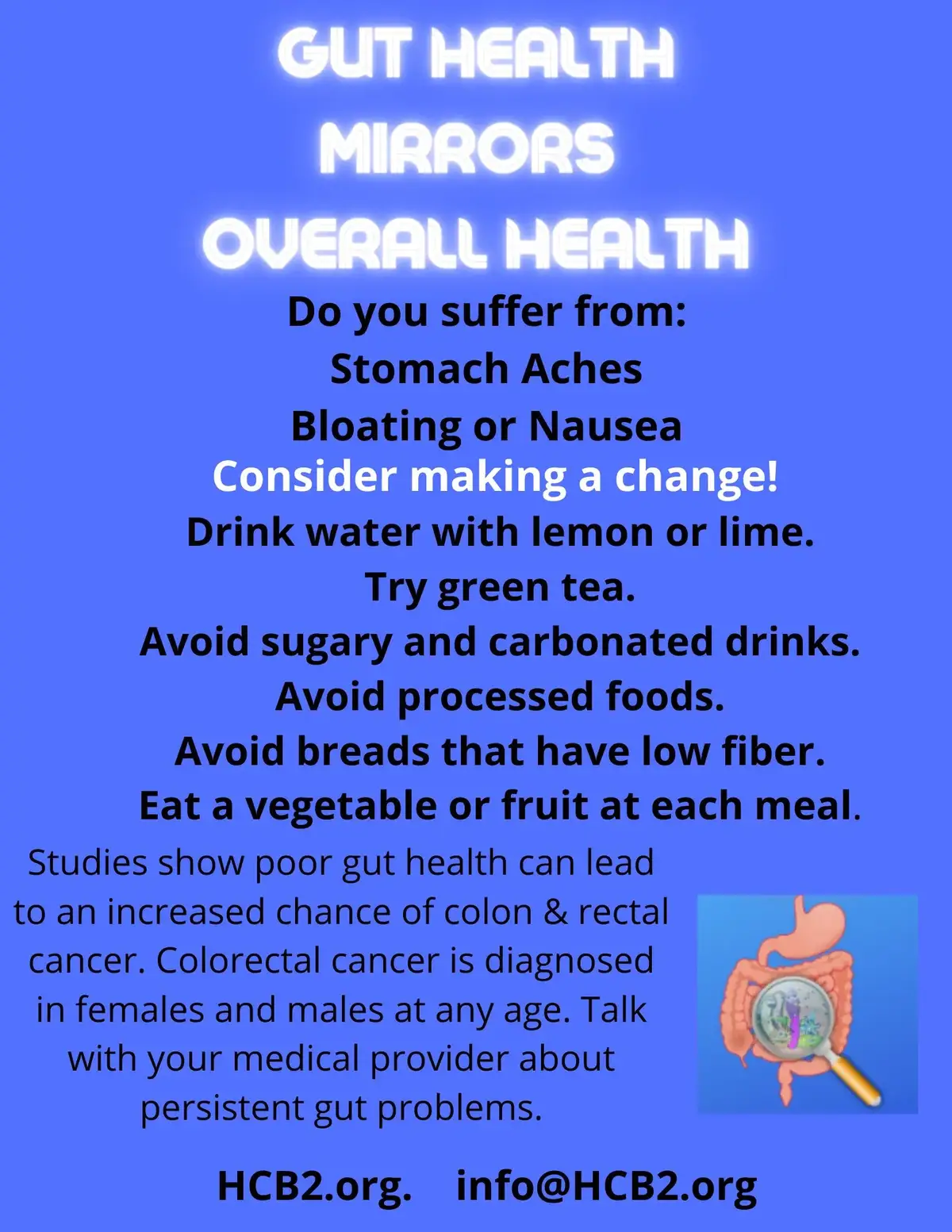
Image courtesy HCB2@.org
The insidious nature of colon cancer makes early detection crucial. Regular screenings, such as colonoscopies, can identify precancerous polyps and remove them before they have a chance to develop into full-blown cancer. ? Unfortunately, many people delay or avoid these screenings due to fear, embarrassment, or misconceptions about the procedure. ?
The consequences of neglecting colon health can be devastating. Colon cancer, if left untreated, can spread to other parts of the body, significantly reducing the chances of survival. ? The good news is that with timely detection and appropriate treatment, the odds of overcoming this disease are significantly improved. ?
Understanding the risk factors for colon cancer is essential for taking proactive steps to protect your health:
- Age: The risk increases with age, with most cases occurring in people over 50. ??
- Family history: Having a close relative with colon cancer or polyps elevates your risk. ???????
- Inflammatory bowel disease (IBD): Conditions like Crohn’s disease and ulcerative colitis can increase the risk. ?
- Lifestyle factors: A diet high in red and processed meats, low in fibre, and excessive alcohol consumption can contribute. ? ?
- Obesity and physical inactivity: Maintaining a healthy weight and regular exercise are protective factors. ?????
- Smoking: A significant risk factor for many types of cancer, including colon cancer. ?
By understanding the silent threat of colon cancer and its rising prevalence, you can take proactive steps to protect your health. Regular screenings, healthy lifestyle choices, and awareness of potential symptoms can make all the difference in the fight against this disease. ??
IV. 5 Pillars of a Happy Colon
Maintaining a healthy colon isn’t rocket science, but it does require a commitment to making smart choices. Here are five key pillars that can help you keep your colon happy and thriving:
1. Nourishing Your Gut: The Power of a Balanced Diet ??
Your colon needs the right fuel to function optimally. A balanced diet rich in fibre, healthy fats, and various fruits and vegetables provides the nourishment your gut craves. ?
- Fiber: This indigestible carbohydrate is a superhero for your colon, promoting regular bowel movements, preventing constipation, and even reducing the risk of colon cancer. ? Aim for at least 25-35 grams of fibre per day from foods like whole grains, legumes, fruits, and vegetables. ???
- Healthy Fats: Not all fats are created equal. Healthy fats, found in avocados, nuts, seeds, and olive oil, can help lubricate your colon, promote healthy gut bacteria, and reduce inflammation. ???


- Foods to Limit: While occasional treats are okay, limit processed foods, red meats, and sugary drinks. These can disrupt your gut microbiome, increase inflammation, and contribute to colon problems. ???
Practical Tips:
- Make small, gradual changes to your diet instead of a complete overhaul.
- Experiment with new recipes and ingredients to keep things interesting. ???
- Read food labels carefully and be mindful of hidden sugars and unhealthy fats. ?
- Seek professional guidance from a registered dietitian or nutritionist if needed. ????

2. Get Moving: Exercise and its Impact on Colon Well-being ????????
Regular physical activity isn’t just good for your heart and lungs; it’s also vital for a healthy colon. Exercise helps stimulate bowel movements, reducing the risk of constipation and promoting overall digestive health. ?
Studies have shown that regular exercise can significantly reduce the risk of colon cancer. It’s believed that physical activity helps regulate hormones, boost immune function, and reduce inflammation, all contributing to a healthier colon. ?
How Much Exercise is Enough?
Aim for at least 30 minutes of moderate intensity exercise most days of the week. This could include activities like brisk walking, jogging, swimming, cycling, dancing, or even gardening. ?????????????? The key is to find something you enjoy and can stick to consistently.
Tips for Incorporating Exercise into Your Routine:
- Start small and gradually increase the duration and intensity of your workouts.
- Find an exercise buddy or join a group fitness class to stay motivated. ????
- Make exercise fun by listening to music or podcasts while you work out. ?
- If you have any health concerns, talk to your doctor before starting a new exercise program. ????
Remember, every little bit counts! Even short bursts of activity throughout the day can add up and benefit your colon health. So, get moving and feel the difference! ?
3. Maintaining a Healthy Weight: A Key to Colon Vitality ??????
Maintaining a healthy weight is crucial for your colon health. Carrying excess weight, especially around the abdomen, can increase your risk of colon cancer and other digestive problems. ?
The link between obesity and colon cancer is complex, but researchers believe that excess body fat can lead to chronic inflammation, hormonal imbalances, and insulin resistance, all of which can contribute to the development of cancer cells. ??
Tips for Achieving and Maintaining a Healthy Weight:
- Focus on a balanced diet rich in fruits, vegetables, and whole grains, while limiting processed foods, sugary drinks, and unhealthy fats. ???
- Engage in regular physical activity, aiming for at least 30 minutes of moderate intensity exercise most days of the week. ????????
- Get enough sleep, as poor sleep can disrupt hormones that regulate appetite and metabolism. ?
- Manage stress through relaxation techniques like meditation or yoga. ????
- Seek professional guidance from a registered dietitian or healthcare provider if you need help creating a personalized weight-loss plan. ????
Remember, achieving and maintaining a healthy weight is a journey, not a destination. It requires patience, consistency, and a commitment to making sustainable lifestyle changes. But the rewards, including a healthier colon and a reduced risk of colon cancer, are well worth the effort. ??
4. Lifestyle Choices: Ditch the Smoking and Moderate the Alcohol ??
While diet and exercise are cornerstones of colon health, certain lifestyle choices can significantly impact your risk of colon cancer and other digestive problems. Two major culprits are smoking and excessive alcohol consumption.
Smoking:
Smoking is a well-known risk factor for various types of cancer, including colon cancer. The toxic chemicals in tobacco smoke can damage the DNA in colon cells, increasing the likelihood of mutations that lead to cancer. ???
If you’re a smoker, quitting is one of the best things you can do for your colon health (and your overall health!). There are many resources available to help you kick the habit, including nicotine replacement therapy, counselling, and support groups. ??
Alcohol:
While moderate alcohol consumption may have some health benefits, excessive drinking can increase your risk of colon cancer and other digestive issues.

If you choose to drink alcohol, do so in moderation. For healthy adults, that means up to one drink per day for women and up to two drinks per day for men. ??
Other Lifestyle Factors:
In addition to smoking and alcohol, other lifestyle factors can also impact colon health. These include:
- Stress: Chronic stress can wreak havoc on your digestive system, leading to symptoms like constipation, diarrhea, and bloating. Find healthy ways to manage stress, such as exercise, meditation, or spending time in nature. ?????
- Sleep: Getting enough quality sleep is essential for overall health, including colon health. Aim for 7-8 hours of sleep per night to support your body’s natural repair and regeneration processes. ?
- Medications: Certain medications can have side effects that affect colon health. Talk to your doctor about any concerns you may have about your medications and their potential impact on your digestive system. ?

5. Timely Screening: The Lifesaving Role of Colonoscopies ??
While adopting a healthy lifestyle can significantly reduce your risk of colon cancer, it’s crucial not to overlook the importance of timely screening. Colonoscopies, often considered the gold standard for colon cancer detection, can literally be lifesavers. ?
What is a Colonoscopy?
A colonoscopy is a procedure that allows a doctor to examine the inside of your entire colon using a thin, flexible tube with a camera attached. This allows them to identify any abnormalities, such as polyps, which are small growths that can sometimes develop into cancer. ?
Why is it Important?
Colonoscopies are not only a screening tool but also a preventive measure. If polyps are detected during the procedure, they can be removed immediately, preventing them from turning into cancer. ?? This is why colonoscopies are so effective in reducing the risk of colon cancer and improving survival rates. ?
When Should You Get Screened?
The general recommendation is to start getting screened for colon cancer at age 45, or earlier if you have a family history of the disease or other risk factors. Talk to your doctor about the right screening schedule for you. ??
Common Concerns and Misconceptions:
Many people hesitate to get a colonoscopy due to concerns about the preparation process, discomfort during the procedure, or potential complications. However, advances in technology and anaesthesia have made colonoscopies much safer and more comfortable than they used to be. ?
- Preparation: The bowel preparation, which involves clearing out your colon, can be a bit inconvenient, but it’s essential for a successful procedure. ? Your doctor will provide you with detailed instructions on how to prepare.
- Discomfort: Most people experience little to no discomfort during a colonoscopy, as they are usually sedated for the procedure. ?
- Complications: While complications are rare, they can include bleeding, perforation of the colon, or reactions to the sedation medication. Your doctor will discuss these risks with you before the procedure. ?
Prioritize Your Health:
Don’t let fear or misconceptions prevent you from getting a potentially lifesaving colonoscopy. Talk to your doctor about any concerns you may have and schedule your screening today. Your colon will thank you! ??
VI. Beyond Prevention: Recognizing the Signs of Trouble ??
Even with the best preventive measures, it’s important to be aware of the signs and symptoms that could indicate a problem with your colon. While these symptoms can sometimes be caused by other conditions, it’s crucial to consult a doctor if you experience any persistent or concerning changes in your bowel habits or overall health.
Common Colon-Related Issues:
- Constipation: Infrequent or difficult bowel movements can be a sign of constipation, which can be caused by various factors, including a lack of fiber in your diet, dehydration, or certain medications. ?
- Diarrhoea: Loose, watery stools that occur more frequently than usual can indicate diarrhea, which can be caused by infections, food intolerances, or underlying medical conditions. watery stool
- Blood in stool: While blood in your stool can be alarming, it’s not always a sign of a serious problem. It could be caused by haemorrhoids or other benign conditions. However, it’s essential to see a doctor to rule out more serious causes like colon cancer or inflammatory bowel disease (IBD). ?
- Abdominal pain or discomfort: Persistent abdominal pain or discomfort can be a sign of various digestive issues, including irritable bowel syndrome (IBS), inflammatory bowel disease (IBD), or even colon cancer. ?
- Unexplained weight loss: While weight loss can be a positive change, unexplained weight loss can sometimes be a symptom of colon cancer or other serious health conditions. ?
- Fatigue or weakness: Feeling tired or weak all the time could be a sign of anaemia, which can sometimes be caused by blood loss in the digestive tract. ?
When to See a doctor:
If you experience any of these symptoms for more than a few days or if they are accompanied by other concerning symptoms, it’s important to see a doctor. Early detection and treatment of colon-related issues can significantly improve outcomes and prevent complications. ????
Don’t Ignore Your Gut:
Your body often sends signals when something isn’t quite right. Pay attention to any changes in your bowel habits, abdominal pain, or overall health, and don’t hesitate to seek medical advice if you have any concerns. Remember, your health is your most asset, and taking care of your colon is a crucial part of that. ??
VII. Nurturing Your Colon, Nurturing Your Life ?
In the grand tapestry of your health, your colon plays a vital, yet often underestimated, role. By prioritizing its well-being, you’re not just safeguarding your digestive system but nurturing your overall vitality. ?
Remember, a healthy colon contributes to:
- Efficient digestion and nutrient absorption: Ensuring your body gets the most out of the food you eat. ?
- Regular bowel movements: Promoting comfort and preventing constipation and other digestive discomforts. ?
- A thriving gut microbiome: Supporting a healthy immune system, mental well-being, and even disease prevention. ??
- Reduced risk of colon cancer and other diseases: Empowering you to live a longer, healthier life. ??
Embrace the Journey:
Taking care of your colon doesn’t have to be a chore. By embracing the five pillars we’ve discussed – a balanced diet, regular exercise, maintaining a healthy weight, making smart lifestyle choices, and timely screenings – you can create a sustainable and enjoyable path towards optimal colon health. ???????????
Remember, it’s never too late to start making positive changes. Every step you take towards nurturing your colon is a step towards nurturing your life. So, let’s raise a glass (in moderation, of course! ?) to a happy, healthy gut and a vibrant, fulfilling life! ??
Additional Tips for a Happy Colon:
- Stay hydrated by drinking plenty of water throughout the day. ?
- Manage stress through relaxation techniques like meditation or deep breathing exercises. ????
- Get enough sleep to allow your body to rest and repair. ?
- Listen to your body and seek medical advice if you experience any persistent or concerning symptoms. ????
Call to Action:

And hey, the conversation doesn’t end here! I invite you to join our vibrant forum, where you can connect with like-minded individuals, share your experiences, and exchange insights on all thing’s colon health. Let’s spark discussions, support each other’s journeys, and build a community dedicated to thriving guts and happy lives! ?
[bbp-single-topic id=7189]
A Heartfelt Thank You
From the bottom of my heart (and gut! ?), thank you for taking the time to read this comprehensive guide to colon health. Remember, knowledge is power, and by arming yourself with information, you’re taking a proactive step towards a healthier, happier you.
Now go forth and nourish your colon, nurture your life, and embrace the vibrant well-being you deserve! ?
