


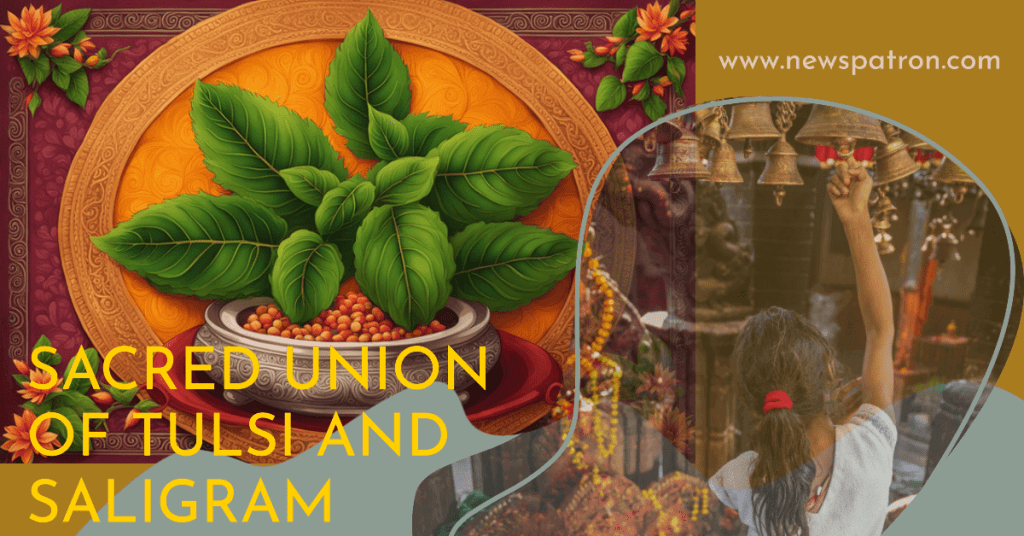

In the heart of Hindu tradition lies the Tulsi Vivah Celebration, an event that encapsulates the essence of devotion and cultural heritage. As the auspicious day of Dev Uthani Ekadashi dawns, marking the end of the four-month period of divine rest, the faithful prepare for a celebration that is both sacred and joyous. Dive into the spiritual essence of the Tulsi Vivah Celebration, a revered Hindu tradition that unites the divine with the earthly through sacred rituals and unwavering devotion. Discover the profound significance of this auspicious event.
Mark your calendars for the auspicious occasion of Dev Uthani Ekadashi, a day that heralds the end of the divine slumber of Lord Vishnu. This year, the celestial gates open on:
Dev Uthani Ekadashi: Celebrated on Thursday, November 23, 2023.
As the first light of dawn breaks, devotees can break their fast, known as Parana, during the following window of time: Parana Time: On November 24th, from 07:02 AM to 09:05 AM.
The sacred Dwadashi tithi concludes as the evening sky deepens: Dwadashi End Time: At 07:06 PM on the Parana day.
The holy Ekadashi tithi, a time for fasting and reflection, begins and ends under the watchful eyes of the night: Ekadashi Tithi Commences: On November 22, 2023, at 11:03 PM. Ekadashi Tithi Concludes: On November 23, 2023, at 09:01 PM.
This period is a time for spiritual renewal, as it is believed that engaging in prayer and fasting during these times brings blessings and favor from the divine. It is a moment to reconnect with the spiritual rhythm of the universe and honor the awakening of Lord Vishnu.
editor@newspatron.com
The Divine Awakening: A Prelude to Festivities
The Tulsi Vivah Celebration
Commences with the awakening of Lord Narayana, as the Ekadashi tithi rises with the morning sun on the 23rd of November. This ritual awakening is performed with the same affection one would show a sleeping child, gently coaxing them to rise and embrace the day. The Sanskrit invocations, filled with warmth and reverence, call upon Govinda to awaken and bless the world with His divine presence.
Tulsi Vivah: A Symbolic Union of the Divine and the Earthly
At the core of the celebration is the Tulsi Vivah, a symbolic marriage between the Holy Basil, Tulsi, and the Saligram stone, representing Lord Vishnu. This ritual signifies the union of the divine with the earthly, a metaphor for the spiritual journey of the devotee. The ceremony is rich with rituals, including Abhishek, Panchamrit Abhishek, and the offering of new clothes, sandalwood, Kum Kum, and a variety of sweet dishes to the deity.
Vrinda: The Sacred Plant with a Story of Eternal Devotion
Tulsi, also known as Vrinda, holds a place of honor in Hindu mythology. Her story of unwavering devotion and the subsequent curse that transformed her into the sacred plant is a powerful narrative of sacrifice and divine grace. Today, Tulsi is not only a symbol of purity and devotion but also an essential element in the worship of Lord Vishnu, with her leaves playing a crucial role in daily rituals.
The Saligram Stone: An Emblem of Protection and Prosperity
The Saligram stone, revered as a manifestation of Lord Vishnu, is a fossilized relic that carries centuries of spiritual significance. Its presence in worship and rituals is believed to attract good fortune, prosperity, and protection. The stone’s importance is further highlighted by its use in the construction of idols, such as the one for Lord Ram in the Ram Temple at Ayodhya.
The Ritual of Kanyadaan: A Spiritual Obligation

The Tulsi Vivah Celebration also serves as an opportunity for those without daughters to perform Kanyadaan, a revered act in Hindu culture. By symbolically marrying Tulsi to the Saligram, devotees fulfill this spiritual duty, believed to elevate their status and connect them more closely with the divine.
Celebrating Tulsi Vivah: A Path to Spiritual Enlightenment
The Tulsi Vivah Celebration is more than just a ritual; it is a path to spiritual enlightenment, offering a chance to reflect on the teachings of Hinduism and the boundless grace that devotion can bring. It is a day when homes are decorated with vibrant Rangoli, hearts are filled with devotion, and the divine is welcomed with open arms.
As the Tulsi Vivah Celebration unfolds, it becomes a testament to the enduring power of faith and the timeless traditions that continue to guide and enrich the lives of the devout. Om Namo Narayana.
Read Articles About Hindu Festivals
Dhanteras 2023: How to Celebrate the Festival of Health and Wealth
Recommended Product
Jockey Women's Hipster Brief – Comfort Fit, Assorted Colors
🛒 View on Amazon →As an Amazon Associate, we earn from qualifying purchases. Price and availability may vary.
Vagh Baras, Vasu Baras, or Govatsa Dwadashi
How to Read Durga Saptashati and Get Amazing Benefits in Your Life
Rishi Panchami: A Festival of Wisdom and Enlightenment

About Saligram
In the tapestry of Hindu spirituality, the Saligram stone emerges as a symbol of divine grace and presence. Nestled within the serene waters of the Gandaki River, these sacred stones are more than mere fossils; they are the embodiment of Lord Vishnu’s eternal essence.
A Divine Echo: Each Saligram stone whispers tales of ancient oceans, echoing the divine play of Lord Vishnu. They are not mere stones but revered icons, believed to house the very spirit of the preserver deity.
A Mythical Curse: The origin of the Saligram is steeped in celestial lore. It is said that Tulsi, the divine plant and consort of Vishnu, once cursed the lord to turn into stone. This curse was intertwined with the saga of Jalandhara, a formidable demon whose end came at the hands of Vishnu.
A Ritualistic Heart: In the heart of devotion, the Saligram stone finds its true purpose. It graces the altars of the faithful, bringing with it promises of prosperity, protection, and the dispelling of negativity. Its presence is a shield, its worship a conduit of divine blessings.
A Symbolic Gesture: The Ram Temple in Ayodhya is to be adorned with an idol of Lord Ram, carved from a special Saligram stone. This act is a testament to the stone’s profound connection to Vishnu and his incarnations, a symbolic gesture that unites the divine with the earthly realm.
A Spiritual Beacon: Beyond its physical form, the Saligram stone is a beacon for spiritual seekers. It is said to amplify wealth, health, and positive karma, guiding souls towards enlightenment and the divine embrace of Lord Vishnu.
In reverence, the chant “Om Namo Narayana” resonates, a homage to the protector, the preserver, and the guardian of the universe, as embodied by the sacred Saligram stone. It is not just an object of veneration but a portal to the divine, a touchstone of faith for millions.
Dev Uthi Ekadashi to Dev Shayani Ekadashi
Chaturmas
Dev Shayani Ekadashi, also known as Ashadhi Ekadashi, is a sacred day that marks the beginning of the four months of Chaturmas, during which it is believed that Lord Vishnu enters a state of deep meditation. This period is a time for introspection, penance, and spiritual practices for devotees. Fasting, prayer, and reading of holy scriptures like the Bhagavad Gita are common during this time.
Dev Uthi Ekadashi, which comes at the end of Chaturmas, signifies the awakening of Lord Vishnu from his meditative slumber. It is a day of joy and celebration, as it marks the resumption of all auspicious activities that were put on hold during Chaturmas. Devotees observe a fast, perform puja, and engage in charitable activities, believing that Lord Vishnu will bless them with prosperity and happiness.
The period after Dev Uthi Ekadashi is considered highly auspicious. It is a time when weddings, housewarming, and other important events are conducted. The air is filled with a sense of renewal and readiness to embark on new ventures. The change in the spiritual atmosphere is palpable, as the divine energy of Lord Vishnu is believed to permeate the world once again, guiding and protecting his devotees.
In essence, while Chaturmas is a period of restraint and spiritual discipline, the time after Dev Uthi Ekadashi is one of action and fulfillment. It is a beautiful cycle that reflects the rhythms of the universe and the importance of balance in our lives.
Read More Article
Dev Uthani Ekadashi Importance, Rituals, And Fasting – Bejan Daruwalla
