




In a world brimming with health information and misinformation alike, it’s crucial to spotlight issues that significantly impact public health. Whooping cough, a respiratory infection known for its violent, uncontrollable coughing fits, has recently come under the global lens due to a spate of outbreaks and new research findings. This article aims to dissect the layers of whooping cough’s impact on society, from its medical underpinnings to its broader implications for public health policy and individual lives. Our focus is to illuminate, not to alarm; to inform, not to prescribe.
editor@newspatron.com
Understanding Whooping Cough
What is Whooping Cough?
Whooping cough, medically termed pertussis, is an infection that affects the respiratory tract, caused by the bacterium Bordetella pertussis. It’s characterized by severe coughing spells that can end in a “whooping” sound when the person breathes in. While it can affect individuals of any age, it’s particularly dangerous for infants and those with weakened immune systems.
The Public Health Perspective
As a highly contagious disease, whooping cough spreads through airborne droplets from an infected person’s sneezes or coughs, especially in settings where close contact is common, such as schools, daycare centers, and public transportation.
The Severity and Risks
Vulnerable Populations
Infants, particularly those under six months who have not yet completed their vaccination schedule, are at the highest risk for severe complications from whooping cough. Pregnant women in their third trimester, healthcare workers, and individuals with compromised immune systems are also more susceptible to contracting the disease.
Complications and Fatalities
Whooping cough can lead to serious complications, including pneumonia, seizures, and even brain damage. Although fatalities are rare, they occur most often in unvaccinated infants. The recent surge in cases globally underscores the need for vigilance and continued public health messaging about the importance of vaccination.
Tracking the Outbreaks
Response and Measures
Prevention and Control
The Role of Vaccination
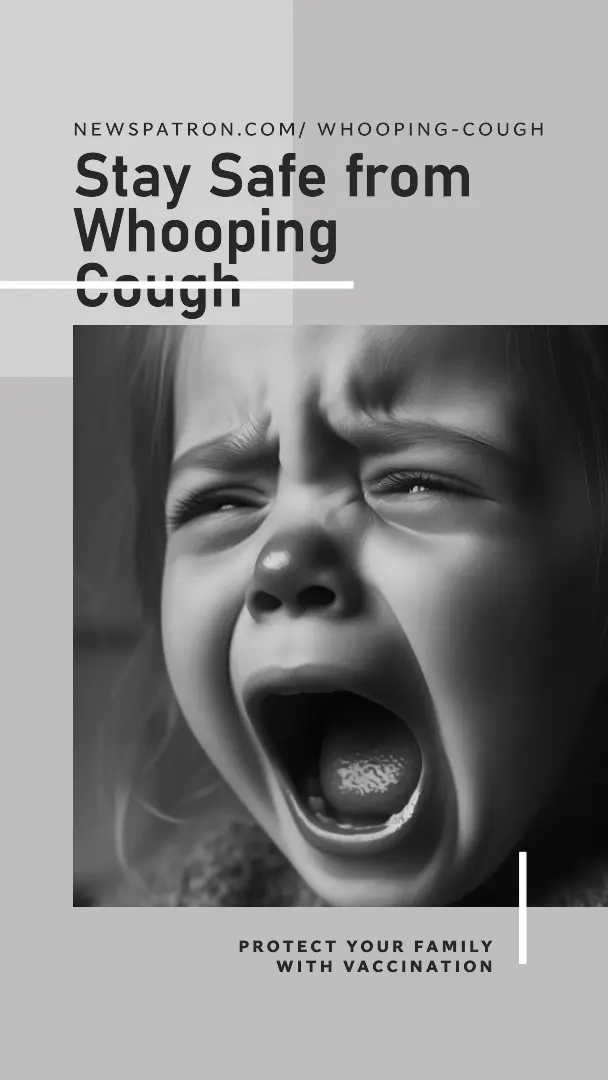
Vaccination remains the most effective tool in our arsenal against whooping cough. In India, the Universal Immunization Program recommends the Pentavalent vaccine, which protects against whooping cough, at 6 weeks, 10 weeks, and 14 weeks of age[Sources below]. This vaccine is a crucial component of herd immunity, which is vital for protecting those who cannot be vaccinated, such as newborns or individuals with certain medical conditions.
Ongoing Research and Policies
Research into whooping cough and its vaccine is ongoing, with scientists continually working to improve efficacy and understand long-term immunity. Policy changes often follow such research, aiming to optimize vaccination schedules and strategies to ensure maximum protection for the population.
Personal Stories and Experiences
While we cannot share specific stories due to privacy concerns, it’s important to acknowledge the human side of whooping cough. Anonymized accounts from healthcare providers illustrate the challenges and triumphs in treating and preventing this disease. These narratives remind us of the resilience of patients and the dedication of medical professionals in the face of public health challenges.
Recommended Product
Top Electronics Bestsellers on Amazon India
🛒 View on Amazon →As an Amazon Associate, we earn from qualifying purchases. Price and availability may vary.
Conclusion
As we navigate the complexities of whooping cough, it’s clear that awareness, vaccination, and public health measures are key to controlling its impact. While we’ve explored the severity of the disease, the importance of prevention, and the collective response to outbreaks, the underlying message is one of proactive care and informed action.
Your Health, Your Voice
Your health matters to us! That’s why we’re expanding our coverage to include informative articles on important public health topics.
- What issues or diseases would you like to see explored? Share your suggestions in the comments below!
- For the latest health news updates, join our WhatsApp channel [WhatsApp channel Joining]
If you have questions about vaccination schedules or concerns about whooping cough, please consult your doctor or healthcare provider. They are your best resource for personalized medical advice.
Disclaimer and Sources
This article is intended for informational purposes only and should not be considered professional medical advice. For the most current and comprehensive information on whooping cough, please refer to the following sources:
- World Health Organization (WHO): www.who.int
- Centers for Disease Control and Prevention (CDC): www.cdc.gov
- Ministry of Health and Family Welfare, Government of India: www.mohfw.gov.in
Remember, staying informed and engaged with health topics like whooping cough can make a significant difference in public health outcomes. Let’s continue to support each other in fostering a healthier, more informed society.
Sources
- The definition and symptoms of whooping cough, as well as the vaccination recommendations, align with the guidelines provided by the Ministry of Health and Family Welfare, Government of India, which oversees the Universal Immunization Program.
- The statistics on whooping cough cases in India were based on data available from the World Health Organization (WHO), which monitors and reports on outbreaks and health concerns globally.
- The information on the complications and risks associated with whooping cough, including pneumonia, seizures, and brain damage, is supported by research and health information provided by the Centres for Disease Control and Prevention (CDC).
- The role of vaccination in preventing whooping cough and the concept of herd immunity are well-documented in medical literature and public health policies, as outlined by both the WHO and the CDC.
- The ongoing research into whooping cough and its vaccine, as well as policy changes aimed at optimizing vaccination schedules, are topics frequently covered in reputable medical journals and conferences, which are summarized and made accessible by health organizations like the WHO.
