




DMK AIADMK PMK BJP TAMILNADU
Explore the intricate political dynamics of Tamil Nadu as we delve into the BJP’s strategic ascent in the southern state.
editor@newspatron.com
The Southern States’ Lok Sabha Landscape and BJP’s Ascent
In the vibrant democracy of India, the Lok Sabha, or the lower house of Parliament, is composed of Members of Parliament (MPs) who represent the diverse constituencies of the nation. The southern states of India, namely Andhra Pradesh, Karnataka, Kerala, Tamil Nadu, and Telangana, collectively contribute a significant number of seats to this legislative body. With 25 seats from Andhra Pradesh, 28 from Karnataka, 20 from Kerala, 39 from Tamil Nadu, and 17 from Telangana, these states together offer 129 seats, which is a substantial portion of the Lok Sabha.[Read an article about Lok Sabha Elections: A History of Indian Politics]
Despite representing only about 21% of India’s total population, the southern states play a pivotal role in shaping the national political discourse. The 2019 general elections marked a turning point for the Bharatiya Janata Party (BJP) and its allies in these regions. In Andhra Pradesh, the BJP, in alliance with the Telugu Desam Party (TDP) and Jana Sena Party (JSP), secured 3 seats. Tamil Nadu saw a dominant performance by the All India Anna Dravida Munnetra Kazhagam (AIADMK), which won 37 out of 39 seats. Kerala, traditionally led by the Left Democratic Front (LDF) and the United Democratic Front (UDF), allotted only 1 seat to the BJP. In Telangana, the BJP, in coalition with the Bharat Rashtra Samithi (BRS), won 4 seats.
This surge in the BJP’s presence, from securing a modest number of seats in the 2014 elections to a more pronounced victory in 2019, underscores the party’s strategic focus on South India. The BJP’s alliance with the Pattali Makkal Katchi (PMK) in Tamil Nadu, which won one seat in 2014, and its significant gains in Karnataka, where it won 17 out of 28 seats, reflect its growing influence. The party’s vision to expand its reach and become a pan-India political force is evident in its concerted efforts to make inroads into these traditionally non-BJP strongholds.
As Tamil Nadu approaches a new electoral season, the BJP’s ambition to reshape the political landscape is clear. With strategic alliances and a focus on grassroots campaigns, the party is determined to challenge the long-standing regional dominance and establish itself as a formidable force in the state’s politics.
Transitioning from the broad overview of the BJP’s strategic inroads in the southern states, we now turn our focus to the intricate political fabric of Tamil Nadu. Here, the BJP’s manoeuvres reflect a nuanced understanding of the state’s electoral pulse. The party’s alliances and campaign strategies are tailored to resonate with the electorate’s aspirations, setting the stage for a compelling contest in the upcoming elections. [Read about Lok Sabha Elections: India’s Democratic Pulse]
Recommended Product
Casio Enticer Men's Analog Green Dial Watch MTP-VD01D
🛒 View on Amazon →As an Amazon Associate, we earn from qualifying purchases. Price and availability may vary.
Let’s delve deeper into the BJP’s tactical playbook as we explore the alliances and leadership dynamics that are shaping the political narrative in Tamil Nadu.
BJP’s Political Strategy and Alliances
BJP’s Calculated Expansion in Tamil Nadu
The Bharatiya Janata Party (BJP) has been meticulously crafting its approach to make significant inroads into Tamil Nadu’s political scene. This strategy is multifaceted, involving forging alliances with regional parties that have a strong local influence and can mobilize specific community groups.
The Pattali Makkal Katchi (PMK) Alliance
The PMK, established in 1989 by Dr. S. Ramadoss, has been a vocal representative of the Vanniyar community, particularly in the northern districts of Tamil Nadu like Villupuram and Cuddalore. The party’s leadership, now also featuring Dr. Ramadoss’s son, Anbumani Ramadoss, has navigated the political waters to align with the BJP as part of the National Democratic Alliance (NDA). With a Rajya Sabha seat and a presence in the Tamil Nadu Legislative Assembly, the PMK brings its regional strength to this alliance.
Amma Makkal Munnetra Kazhagam (AMMK) Coalition
Formed by T.T.V. Dhinakaran in 2018, the AMMK emerged from the shadows of the AIADMK, carrying with it a significant following. Although the party has yet to establish itself in the Lok Sabha or the Tamil Nadu Legislative Assembly, its influence in areas with a strong AIADMK presence is notable. The AMMK’s coalition with the BJP is a strategic move to consolidate support against the dominant regional parties.
Crafting a Third Front
The BJP’s initiative to create a ‘third front’ in Tamil Nadu is an ambitious attempt to offer an alternative political vision to the electorate. This strategy draws lessons from historical alliances, such as the partnership between former Prime Minister Atal Bihari Vajpayee and the late Chief Minister J. Jayalalithaa, which, despite its successes, also faced challenges. The third front aims to build on these experiences to present a united front against the established Dravidian parties.
A Closer Look at Tamil Nadu’s Electoral Mosaic
Tamil Nadu’s political fabric is richly diverse, with a variety of castes, communities, and a clear distinction between urban and rural voters. Each segment contributes uniquely to the state’s election outcomes.
Caste and Community Dynamics:
- Vanniyars: Predominantly located in the northern districts such as Villupuram and Cuddalore, the Vanniyar community has a strong electoral influence and constitutes about 12% to 15% of the state’s population, as per reports from the Tamil Nadu government.
- Dalits: Accounting for roughly 20% of the population, Dalits are a significant electoral group, especially in constituencies designated for Scheduled Castes, according to the Census of India.
- Thevars: Concentrated in the southern part of the state, Thevars represent around 8% of the population and have considerable political sway, as noted by the Election Commission of Tamil Nadu.
- Gounders, Nadars, and Other OBCs: These communities are dispersed throughout Tamil Nadu and display varied political preferences. Gounders are primarily found in the western regions, while Nadars are more prominent in the south, as observed in state electoral data.
Regional Voting Patterns:
Tamil Nadu can be divided into four main regions, each with distinct electoral tendencies:
- Northern Tamil Nadu: This region is known for its support of regional parties and alliances, particularly among Vanniyars and other OBCs.
- Southern Tamil Nadu: Here, Thevars and Nadars play a key role, often supporting parties that cater to their community interests.
- Western Tamil Nadu: Dominated by the Gounder community, this area’s voting behavior is influenced by regional and caste-based issues.
- Central Tamil Nadu: A diverse mix of communities, including Dalits, leads to more variable election results in this region.
Urban vs. Rural Electorate:
- Urban Voters: In metropolitan areas like Chennai, Coimbatore, and Madurai, voter turnout is generally lower, with urban participation rates around 48.45% and turnout as low as 52.22% in highly urbanized areas, based on statistics from the Tamil Nadu Urban Sanitation Support Programme.
- Rural Voters: Contrarily, rural Tamil Nadu sees higher voter engagement, with turnout rates reaching up to 74.68% in smaller municipalities and town panchayats, as per the Rural Development and Panchayat Raj Department of Tamil Nadu.
[Read an article on how to Unlock Your Voting Power with Form 6 in India]
Electoral Shifts and Influences:
Minor changes in the voting preferences of these demographic groups can significantly alter the political landscape of Tamil Nadu, as evidenced by past election analyses.
This detailed overview seeks to capture the complex electoral environment of Tamil Nadu, emphasizing the significance of caste, community, and the urban-rural divide in shaping the state’s political outcomes. The information is based on the most recent data from authoritative sources within the region.
The Decisive Factors
In Tamil Nadu’s complex political landscape, caste dynamics, regional loyalties, and strategic alliances are among the key factors that determine electoral success. The BJP’s understanding of these nuances is evident in its alliance choices and campaign strategies, which are designed to resonate with the electorate’s diverse concerns and aspirations.
Political Endeavors of PM Modi in Tamil Nadu
Prime Minister Narendra Modi has been actively campaigning in Tamil Nadu, where he has taken a dual approach of critiquing the opposition for alleged corruption while promoting the Bharatiya Janata Party’s (BJP) vision for development. His speeches often address issues such as the treatment of women by the opposition and honor the legacy of late BJP leaders, which strikes a chord with the local voters. Modi emphasizes the central government’s commitment to the state’s progress, citing initiatives like defense corridors and new textile industries, to solidify the BJP’s foothold.
The Quest for Leadership in AIADMK After Jayalalithaa
Following the passing of Jayalalithaa, the All India Anna Dravida Munnetra Kazhagam (AIADMK) has encountered a leadership crisis. The party has been unable to consolidate support around a single figure, leading to internal divisions based on caste and regional loyalties. This lack of a clear leader has disrupted the party’s internal cohesion and weakened its position in the political arena.
The Impact of K. Annamalai’s ‘My Land, My People’ Initiative
K. Annamalai’s ‘My Land, My People’ initiative represents a significant effort by the BJP to make inroads into Tamil Nadu’s political scene. The campaign has focused on showcasing the central government’s accomplishments and pointing out the perceived shortcomings of the incumbent DMK government. The campaign has generated significant attention, but its ultimate success in transforming the BJP’s political fortunes in the state is yet to be determined.
K. Annamalai and the Youth of Tamil Nadu
K. Annamalai has been particularly active in engaging the youth of Tamil Nadu. Through initiatives like the ‘En Mann, En Makkal’ padayatra, he has managed to build a rapport with the younger voters and increase the party’s visibility among this demographic. His background and proactive use of social media have made him a popular figure among the youth, which could translate into increased support for the BJP. [Read How to Get Your Voter Card: A Simple Guide]
In the context of Tamil Nadu’s political climate, the Bharatiya Janata Party (BJP) is navigating a complex electoral landscape. Historically, the state has been a stronghold of regional parties that have deeply entrenched themselves by addressing local issues and fostering a sense of regional identity. The BJP, in its bid to make inroads, has been strategizing to capitalize on the central government’s policies and developmental initiatives.
Electoral Prospects of BJP TamilNadu and Kerala
The BJP’s electoral prospects in Tamil Nadu and Kerala are being carefully assessed against the backdrop of the party’s historical performance and the current political milieu. In Tamil Nadu, the party is focusing on key constituencies and leveraging alliances, while in Kerala, it is aiming to build on its vote share from previous elections.
Electoral Predictions for BJP in Tamil Nadu
Opinion polls and political analyses suggest a cautious optimism for the BJP in Tamil Nadu. The party is expected to improve its performance in certain constituencies, but the overall dominance of regional parties remains a significant hurdle.
Tamil Nadu Election Predictions
Predictions for the Tamil Nadu elections indicate a competitive battle, with regional parties maintaining a strong presence. The BJP’s efforts to appeal to the electorate through national narratives and local alliances are expected to influence the outcomes to some extent.
Prospects of BJP in 2026 Vidhan Sabha Elections
Looking ahead to the 2026 Vidhan Sabha elections, the BJP’s trajectory appears to be one of gradual growth. The party’s focus on development, coupled with strategic campaigning, may enhance its electoral prospects.
Addressing Local Issues by Regional Parties
Regional parties in Tamil Nadu have been adept at addressing local issues, which has been a cornerstone of their sustained support. These parties have focused on governance models that prioritize local development, infrastructure, and cultural identity, which resonate with the electorate’s expectations.

In the political arena of Tamil Nadu, a variety of issues are at the forefront of the electoral battles:
Strategic Constituencies and the BJP’s Focus
The BJP has identified strategic constituencies such as Tirunelveli, Coimbatore, Nilgiris, Kanniyakumari, and Chennai South as areas where it aims to strengthen its electoral presence. The party is deploying high-profile candidates in these regions in an effort to make significant electoral gains.
Challenges of Leadership and Linguistic Hurdles
The party faces challenges in establishing strong local leadership and overcoming linguistic barriers, which are crucial for gaining traction among the state’s electorate.
Dominance of National Issues
In a departure from the norm, national issues have taken center stage in the campaigns, overshadowing local concerns. This shift is evident in the daily campaigning activities of major party leaders who are utilizing national narratives to sway the local electorate.
Direct Electoral Contests
The state is witnessing direct contests among the DMK, AIADMK, and BJP in several constituencies, making the elections highly competitive. The strategies and performance of these parties will be pivotal in determining the electoral outcomes.
These issues, along with the overarching themes of economic policies, pandemic management, and national economic conditions, are shaping the electoral discourse in Tamil Nadu. The electorate is seeking effective leadership that can address these local and national challenges while representing the state’s interests effectively.
In Tamil Nadu’s vibrant political scene, regional parties are actively engaging with the electorate by addressing a host of issues that resonate on a local level. The DMK, currently at the helm, has been leveraging its position to gain an advantage in urban local body polls, as seen in their recent upper hand in such elections. The party’s strategy includes forming a cohesive alliance and capitalizing on the ruling front’s advantage. The AIADMK, on the other hand, has been dealing with the departure of key allies but is still campaigning vigorously across the state, led by prominent leaders O. Panneerselvam and Edappadi K. Palaniswami.
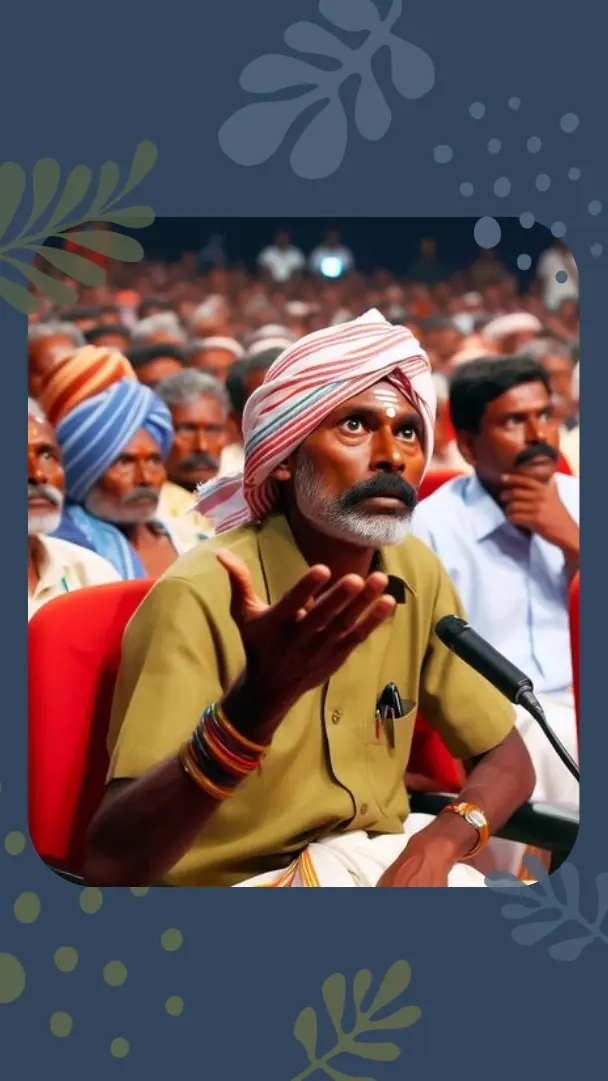
Political Dynamics and Influence
Longstanding Rivalry and Its Impact The DMK and AIADMK have been the pillars of Tamil Nadu’s political narrative, with their rivalry dating back to the Dravidian movement. This deep-seated competition has influenced the state’s politics, with both parties using cultural and identity-driven issues to connect with voters.
The AIADMK’s recent decision to contest elections separately from the BJP adds a new layer to this dynamic, potentially leading to a more fragmented political contest.
BJP’s Media Strategy
The BJP’s foray into Tamil media with the launch of a Tamil TV channel is a strategic move to widen its appeal among the Tamil-speaking populace. This initiative is expected to bolster the party’s visibility and acceptance, as indicated by surveys suggesting an increase in the BJP’s vote share.

Capitalizing on Anti-Incumbency Sentiments
The BJP is also tapping into anti-DMK sentiments among certain voter segments, portraying the DMK as contrary to Hindu interests.
This approach is part of the BJP’s broader strategy to consolidate the Hindu vote bank and position itself as a formidable opponent to the ruling DMK.
The Rainbow Alliance’s Role
The BJP’s concept of a Rainbow Alliance aims to bring together diverse groups and communities to support the party. This coalition strategy has been instrumental in the BJP’s national victories and is expected to play a significant role in its aspirations in Tamil Nadu.
In addressing local issues, the DMK and AIADMK have been focusing on governance models that prioritize local development, infrastructure, and cultural identity, which are key to maintaining their support base. The AIADMK has been vocal in highlighting the DMK government’s challenges, such as law and order, distribution of cyclone relief, and alleged corruption, while the DMK has been asserting its edge in local body elections and forming strong alliances to consolidate its position.
This analysis underscores the evolving strategies of regional parties and the BJP’s efforts to expand its influence in Tamil Nadu, highlighting the importance of local issues and governance in shaping the state’s political landscape.
Voter Outreach and Campaign Accusations
BJP’s Strategies to Win Over Anti-DMK Voters The BJP in Tamil Nadu is actively courting voters who are disenchanted with the DMK’s governance. Beyond corruption allegations, the party is making concerted efforts to present a robust alternative, focusing on development, good governance, and the central government’s welfare schemes. The BJP’s campaign promises include job creation, infrastructure development, and the preservation of cultural heritage, which are tailored to resonate with those seeking change.
Specific Corruption Allegations by the BJP
The BJP has been forthright in its accusations of corruption against the DMK and AIADMK, with specific claims such as the alleged misappropriation of funds in metro construction contracts during the DMK’s previous tenure. These pointed allegations are part of the BJP’s narrative to position itself as a party of integrity and transparency, aiming to sway voters who prioritize accountability.
Broadening the BJP’s Voter Base
The BJP’s voter outreach is expansive, targeting various demographics and regions within Tamil Nadu. The party’s initiatives include engaging with the youth, women, and rural voters through targeted programs and promises of inclusive growth. The BJP’s outreach is characterized by a blend of traditional door-to-door campaigning and innovative digital engagement.
Insights into the BJP’s Campaign Tactics
The BJP’s campaign tactics in Tamil Nadu are dynamic, encompassing a series of rallies, public addresses, and a strong digital presence. The party leverages these platforms to disseminate its message of change and progress, hoping to make significant electoral inroads. The BJP’s strategy also includes highlighting its achievements at the national level and how they can be replicated in Tamil Nadu to address local issues effectively.
In summary, the BJP’s campaign in Tamil Nadu is multifaceted, addressing not only allegations of corruption but also a wide array of issues that concern the electorate, from economic development to cultural preservation. The party’s efforts to expand its base and present a compelling narrative to the voters are central to its strategy in the state elections.
[Read an article about Article 226: India’s Legal Powerhouse]
