


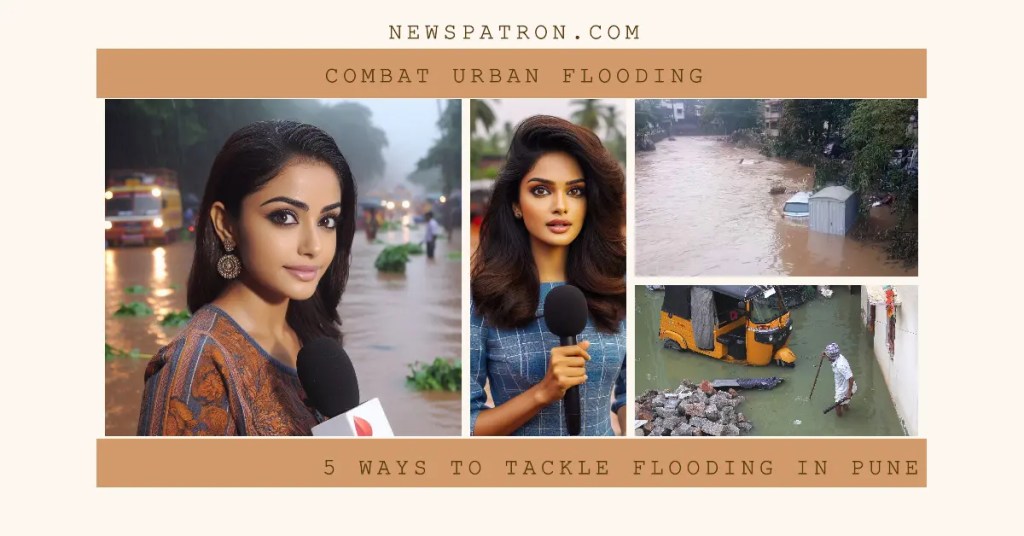

Hey there, urban adventurers! Ever found yourself knee-deep in unexpected waters, cursing the city planners? Well, Pune’s recent flood fiasco is a prime example of how our concrete jungles can turn into swamps overnight. In this blog, we’ll explore the reasons behind these frequent floods. We’ll also discuss what actions we can take to tackle them. We’ll even throw in some tips for those of you considering a waterfront property (spoiler alert: think twice!). So, grab your virtual snorkel and let’s dive into the murky depths of urban flooding! Oh, and don’t forget to check out my YouTube channel for more insights on sustainable living. You can also find a case study of Urban Flooding Pune there.
Pune’s Flood Fury: A Reality Check
Picture this: a city is built on a floodplain. It gets hit with a quarter of its annual rainfall in a single day. Chaos ensues. That’s Pune for you. This isn’t the first time the city’s been swamped, and unless things change drastically, it won’t be the last. The recent floods have left a trail of destruction, exposing the glaring flaws in our urban planning. It’s time for a reality check, Pune. We can’t keep paving over paradise and expect it to soak up the monsoon madness. Our love affair with concrete is literally drowning us.
But hold on, it’s not all doom and gloom. The floods have also sparked a much-needed conversation about sustainable solutions. It’s a wake-up call, a chance to reimagine our city and build a future that’s not just flood-resistant but thriving. So, let’s roll up our sleeves and explore the root causes of this watery mess. Let’s see how we got here and, more importantly, how we can chart a course towards a drier, brighter future.
Concrete Jungle Fever: How Urbanization Fuels Floods
Pune’s metamorphosis from a sleepy town to a bustling metropolis has come at a steep price. Changing Himalayan climate dynamics are reshaping rainfall patterns across the region. As the city expanded, sprawling concrete landscapes replaced natural ecosystems, leaving the ground impermeable to rainwater. The result? A city that can’t absorb the deluge, leading to the urban flash floods we’re all too familiar with.
The problem is twofold:
- Paver block pandemonium: Remember those charming courtyards and permeable footpaths? Well, they’ve been replaced by an endless expanse of paver blocks. These concrete squares, while aesthetically pleasing, act as a barrier to rainwater, preventing it from percolating into the ground.
- Road rage: Our roads, designed for cars, not water, have encroached upon footpaths and natural drainage systems. The result is a network of impervious surfaces that funnel rainwater directly into overburdened storm drains.

This concrete jungle fever isn’t unique to Pune. It’s a global phenomenon, and the consequences are dire. From Mumbai to Houston, cities around the world are grappling with the fallout of unchecked urbanization. But it’s not all doom and gloom. There are solutions, and we’ll explore those in the next section.
Your city have grown into a monster. Do you yearn for the beauty of natural water bodies? Fear not! There are still hidden oases within reach. Escape the urban jungle and explore these [7 Surreal Beaches You Won’t Believe Exist]. Are you more of a wetland wanderer? If so, embark on [8 Amazing Wetland Adventures]. These adventures will reconnect you with nature’s watery wonders.
When Rivers Misbehave: Dams, Development, and Disaster
Pune’s rivers, once lifelines, have become agents of chaos. The Mula and Mutha rivers converge in the heart of the city. They have been subjected to a series of human interventions. These interventions have disrupted their natural flow and exacerbated flooding.
Recommended Product
Magnesium Body Spray – Muscle Recovery & Lavender Scent
🛒 View on Amazon →As an Amazon Associate, we earn from qualifying purchases. Price and availability may vary.
Dam(n) it: The construction of dams upstream has altered the rivers’ natural flow patterns. During heavy rainfall, dam operators often release large volumes of water to prevent overflow. This release causes sudden surges downstream. It overwhelms the city’s drainage systems.
Development delirium: Encroachment on riverbanks and floodplains has further aggravated the problem. Construction within these zones blocks the natural flow of the river. It also increases the risk of damage during floods.
Changing levels: The dumping of construction debris and other materials into rivers has raised their beds. This reduces their capacity to carry water. This means even moderate rainfall can lead to flooding, as the rivers quickly reach their limit.
The mismanagement of rivers isn’t just a Pune problem; it’s a global crisis. However, some cities have shown us that it’s possible to reverse the damage and restore rivers to their natural state.
New York’s $9 Billion Lesson: In the 1990s, New York City faced a water quality crisis. The crisis was due to pollution in its source rivers.
This would reduce pollution at its source, eliminating the need for costly filtration. The EPA agreed. Today, New York City’s water supply is managed without a filtration plant. This approach saves billions of dollars and preserves the environment.
Napa Valley’s River Revival: In California’s Napa Valley, a concrete channel that once confined the Napa River was removed. It was replaced with a meandering stream. This change revitalized the ecosystem and created a natural flood buffer.

Citizens vs. Concrete: The Role of Individual Choices
Government policies and large-scale infrastructure projects play a crucial role in flood mitigation. Individual choices also have a significant impact. After all, we are the ones who demand housing, drive cars, and generate waste. By making informed decisions and adopting sustainable practices, we can collectively contribute to a flood-resilient Pune.
Mindful Housing: Choosing where we live matters. Opting for homes in flood-prone areas not only puts us at risk but also perpetuates the cycle of unsustainable development. We can influence the real estate market by demanding housing in safer locations. Supporting sustainable building practices promotes a more resilient city.
Responsible Consumption: Our everyday choices, from the products we buy to the way we dispose of waste, have environmental consequences. If we reduce our water consumption, we can lessen the burden on our drainage systems. By minimizing waste and opting for eco-friendly products, we also reduce the risk of flooding.
Community Engagement: Active participation in community initiatives and advocating for sustainable policies can create a ripple effect. We can foster a culture of environmental responsibility. This is achieved by raising awareness, organizing clean-up drives, and demanding accountability from authorities. Together, we build resilience.
The Power of One: Even small changes, like installing rainwater harvesting systems, can make a difference. Planting trees also helps. Using permeable paving in our homes is another effective action. Remember, every drop counts, and together, we can create a wave of change.

Reimagining Pune: Sustainable Solutions for a Waterlogged City
Pune’s flood woes are a stark reminder that we can’t conquer nature, only coexist with it. But how can we transform our concrete jungle into a sponge city, capable of absorbing and managing excess water? It’s time to reimagine Pune’s urban landscape with a focus on sustainable solutions.
Embracing Nature’s Design: Instead of fighting against the natural topography and hydrology, let’s work with it. This means preserving natural drainage channels, restoring wetlands, and creating green spaces that can absorb rainwater.
Permeable Pavement Paradise: Swapping traditional concrete for permeable pavement has multiple benefits. It allows rainwater to seep into the ground. This process replenishes groundwater and reduces runoff. This not only mitigates flooding but also helps recharge aquifers, ensuring a sustainable water supply.
Rainwater Harvesting: Let’s not let precious rainwater go to waste. We can implement rainwater harvesting systems at individual and community levels. These systems will capture and store this valuable resource for later use. This reduces our reliance on municipal water supply. It also eases the burden on drainage systems.
Green Roofs and Walls: These living architectural features add aesthetic appeal. They also act as natural sponges because they absorb rainwater and reduce runoff. Plus, they offer insulation, improve air quality, and create habitats for urban biodiversity.
While transforming our cities into green havens, we can also embrace sustainable technologies to mitigate the urban heat island effect. Explore our [Cool & Green Guide to Solar Air Conditioners] to beat the heat while reducing your carbon footprint.
Sustainable Drainage Systems (SuDS): These innovative systems mimic nature’s way of managing water. SuDS use features like rain gardens, bioswales, and detention ponds. They can slow down, filter, and store rainwater. This prevents rainwater from overwhelming our infrastructure.
Decentralized Water Management: Let’s not rely solely on large, centralized systems. Instead, let’s explore decentralized approaches. These include rooftop gardens, community ponds, and localized treatment plants. This can distribute the load and create a more resilient water management system.
Learning from Global Leaders: Pune can learn from cities worldwide. These cities have successfully implemented sustainable water management practices.
- Copenhagen, Denmark: This city has transformed itself into a model of sustainable drainage. It uses green roofs, permeable pavements, and rain gardens to manage rainwater. These features help prevent flooding.
- Singapore: This island nation has invested heavily in water recycling. It has also invested in desalination. These efforts guarantee a reliable water supply even in the face of climate change.
- Philadelphia, USA: This city has launched a massive Green City, Clean Waters program. It uses green infrastructure to manage stormwater and improve water quality.
We can integrate these innovative solutions into our urban planning. This will create a Pune that not only withstands floods but also thrives as a sustainable city. It will become resilient. It’s time to turn our waterlogged woes into a watery wonderland.
Be the Change: Flood-Proofing Your Lifestyle
Ready to ditch the doom and gloom and become a part of the solution? Awesome! Flood-proofing Pune starts with you. Here are some simple yet powerful changes you can make in your daily life:
Home Sweet (Sponge) Home:
- Rainwater Harvesting: Install a rainwater harvesting system to collect and store rainwater for non-potable uses like gardening and cleaning. It’s a win-win: you conserve water and reduce runoff.
- Permeable Paving: Swap out concrete driveways and patios for permeable options like gravel, pavers with gaps, or porous concrete. These materials allow rainwater to seep into the ground, reducing the flow into storm drains.
- Green Thumb: Plant trees and shrubs in your yard or balcony. Their roots help absorb water, and their leaves intercept raindrops, slowing down runoff. Plus, they add beauty and oxygen to your surroundings.
Mindful Consumption:
- Water Wise: Be conscious of your water usage. Fix leaks promptly, take shorter showers, and use water-saving appliances. Every drop you save is a drop less in the storm drains.
- Waste Warrior: Reduce, reuse, and recycle. Proper waste disposal prevents trash from clogging drains and polluting waterways, which can worsen flooding.
- Chemical-Free Cleaning: Opt for eco-friendly cleaning products that won’t harm the environment or pollute water sources.
Community Action:
- Clean Up Crew: Join in community clean-up drives to remove trash and debris from streets, drains, and waterways. This helps prevent blockages and improves drainage.
- Speak Up: Advocate for sustainable policies and demand accountability from your elected officials. Your voice matters!
Spreading the Word:
- Educate Others: Share your knowledge about sustainable living and flood prevention with your friends, family, and neighbors. The more people who adopt these practices, the greater the impact.
- Social Media Savvy: Use social media platforms to raise awareness about urban flooding and share tips for sustainable living.
Remember, every action, no matter how small, contributes to a larger solution. By making conscious choices and embracing sustainable practices, we can collectively build a more resilient and flood-proof Pune.
Remember, even small actions can have a big impact. Let’s not just adapt to a waterlogged world, but actively work to change it. The future of our cities, and indeed, our planet, depends on it. To learn more about the looming water crisis, read this eye-opening article. [Water Scarcity Chokes India’s Cities: The Crisis Is Now].
Urban Flooding Pune
Conclusion: Building a Brighter, Drier Future for Pune
Pune’s recent floods have been a harsh wake-up call. They expose the vulnerabilities of our city and emphasize the urgent need for change. To understand the impact on flooding and water security in our region, watch the role. Consider the shifting monsoon patterns due to the Himalayan climate anomaly. Check out our detailed analysis.
There is an urgent need for change. But amidst the devastation, there’s a glimmer of hope. The floods have ignited a conversation, a collective realization that we can’t continue on this unsustainable path.
We’ve seen how unchecked urbanization has affected our city. The disregard for natural systems has exacerbated this issue. Together, these factors have turned our city into a flood-prone disaster zone. We’ve observed the devastating consequences of ignoring the delicate balance between the built environment and the natural world.
But we’ve also seen the power of sustainable solutions. We’ve learned from cities like New York and Napa Valley. These places show that ecological restoration and responsible land management can mitigate flooding. They protect our waterways and create a more resilient future. We’ve discovered that even small changes in our daily lives can make a big difference.
It’s time to turn this crisis into an opportunity. It’s time to reimagine Pune as a city that thrives in harmony with nature. Pune should embrace sustainable practices. It has to focus on resilience.
Join the Discussion
Your opinion matters! We invite you to express your views. Join our forum, engage in thoughtful discussions, share information, and submit your content. Let’s delve into diverse perspectives together.
[bbp-single-topic id=6855]
This won’t be an easy journey, but it’s a necessary one. It will need collaboration between government agencies, urban planners, developers, and citizens. It will demand a shift in mindset, a move away from short-term gains towards long-term sustainability.
But the rewards are immense. A flood-resilient Pune is a city that’s not only safer but also healthier, more livable, and more sustainable. It’s a city that values its natural heritage and embraces its ecological identity.
So, let’s roll up our sleeves and get to work. Let’s demand better from our leaders. We should make informed choices in our own lives. Let’s work together to build a brighter, drier future for Pune.
Remember, the floods have left us drenched, but they haven’t dampened our spirit. We are Pune, and we will rise above the waters.

[…] across the Himalayan region. Urban centers downstream were affected by events like the recent urban flooding challenges in Pune. Northern Indian states like Himachal Pradesh, Uttarakhand, and Punjab experienced devastating […]