






editor@newspatron.com
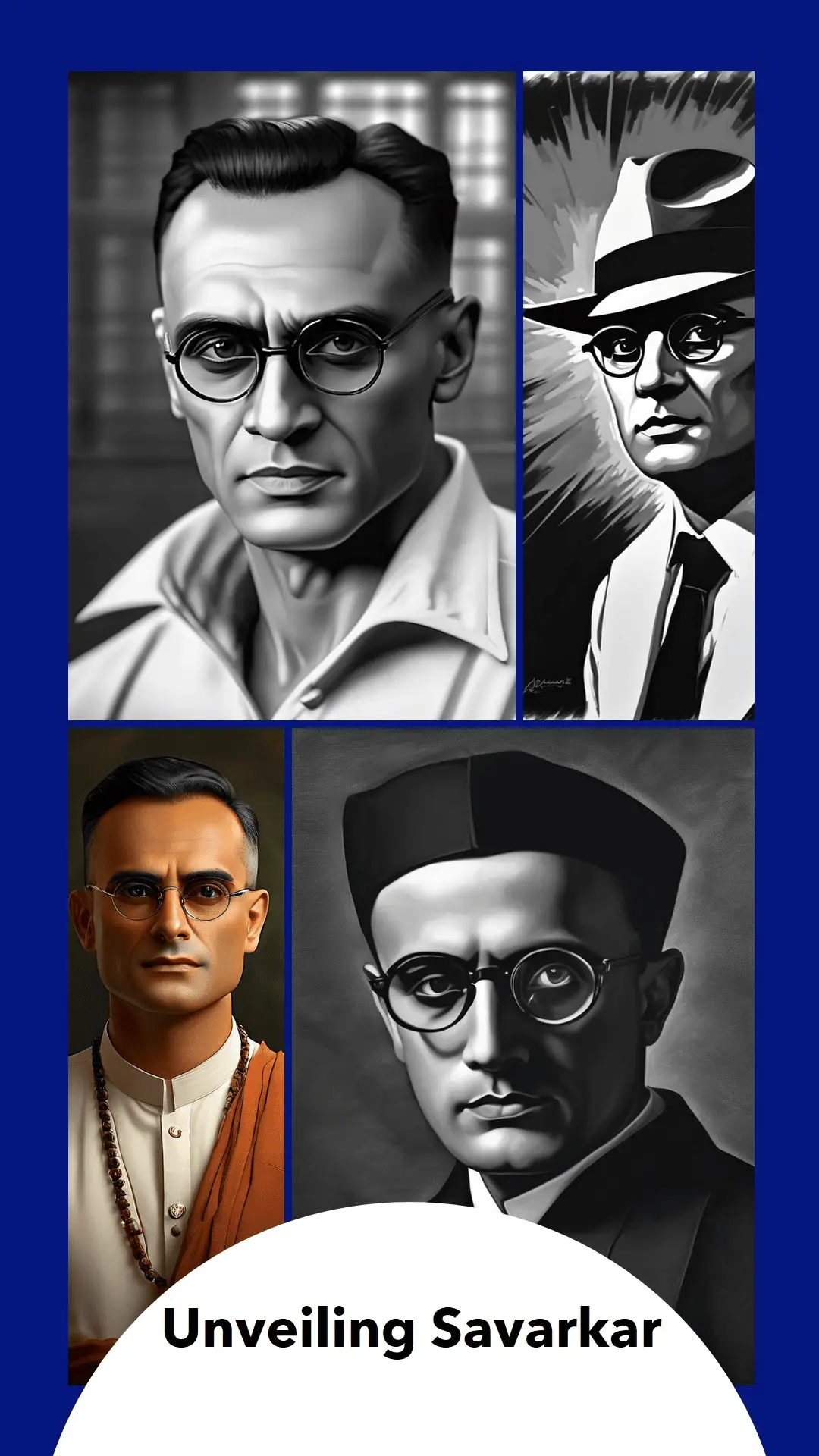
Veer Savarkar. A name that ignites passionate debate. A historical figure shrouded in both admiration and controversy. His life story is one of unwavering nationalism, fierce resistance, and complex political ideology. Yet, his legacy remains divisive, interpreted through vastly different lenses. As efforts to portray his narrative on screen materialize, it’s time to delve deeper into the man behind the myth.
Timeline: Documenting Savarkar’s Life on Screen
- Early Cinematic Explorations: Pioneering Prem Vaidya’s Vision Director Prem Vaidya was a trailblazer in bringing Veer Savarkar’s story to the silver screen. His notable works include the comprehensive “Life of Shri Vinayak Damodar Savarkar” and the succinct “VEER SAVARKAR (S.V.)”, which offer invaluable insights into Savarkar’s enduring legacy. These films, crafted with a keen eye for historical detail, laid the foundation for future cinematic portrayals of Savarkar’s multifaceted life.
- 1983: Films Division Documentary A comprehensive 41-minute documentary titled “Veer Savarkar” was released by the Films Division, providing an in-depth look at his life and contributions to India’s freedom struggle. (Link to YouTube)
- 2001: Landmark Biopic The biopic “Veer Savarkar,” directed by Ved Rahi and released on November 30th, 2001, became a significant cinematic milestone in depicting Savarkar’s life story.
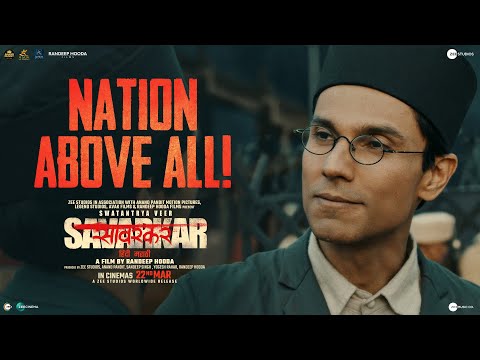
- Recent Developments: The 2020 biopic “Swatantrya Veer Savarkar,” starring Randeep Hooda, continues the cinematic exploration of Savarkar’s complex legacy. [Release date 22 March,2024][Trailer]
While Savarkar’s own fight for freedom came with great personal sacrifice, his legacy extends far beyond his own actions, shaping ideologies, political movements, and even the cinematic representations of India’s complex struggle for independence. Let’s examine the development of this enduring legacy, beginning with the birth of his defining ideology…
[Read Movie Reviews on Newspatron]
Veer Savarkar: The Revolutionary and the Ideologue
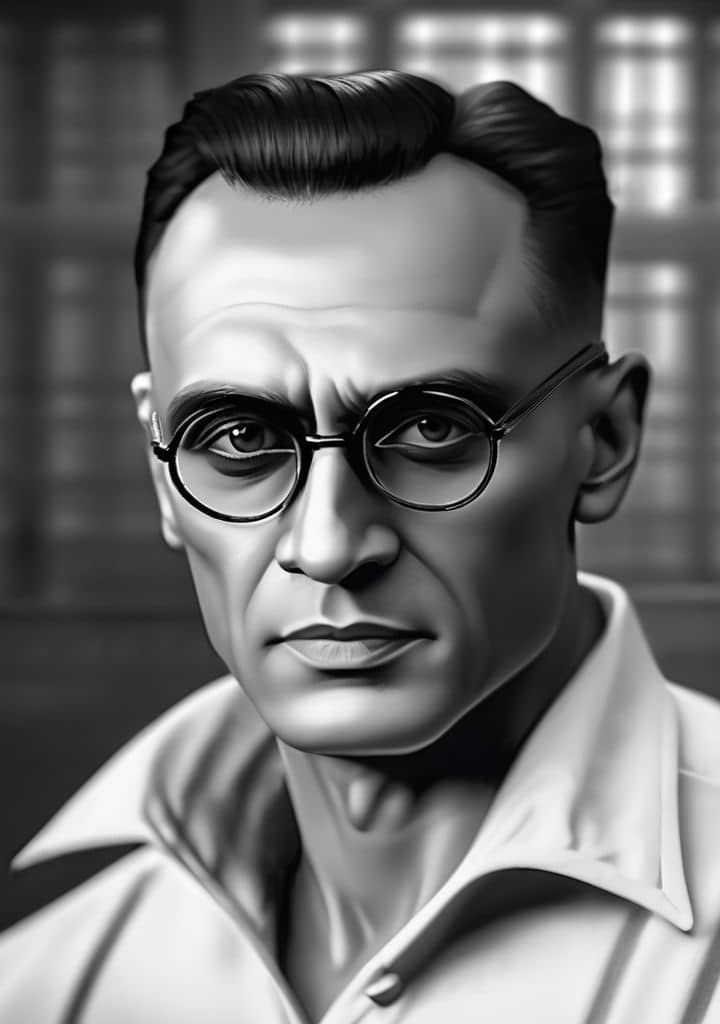
Savarkar’s unwavering commitment to the cause of Indian independence intensified during his studies in Pune and England. While in England, he forged vital connections with fellow revolutionaries and became a leading voice in the fight for India’s liberation from colonial rule. Despite the risks, his activities ultimately led to his arrest and the harsh sentence to the notorious Cellular Jail in the Andaman Islands.
Savarkar’s ideology of Hindutva represents a cornerstone of his legacy and a pivotal force within Indian politics and society. To grasp the impact of his thought, it’s essential to understand the historical context within which it emerged. As British India grappled with questions of identity and governance, Hindutva proposed a distinct nationalist vision. Hindutva remains a potent and ever-evolving concept in Indian discourse. From its 19th-century roots to Savarkar’s formulation and present-day interpretations, let’s trace its complex trajectory…
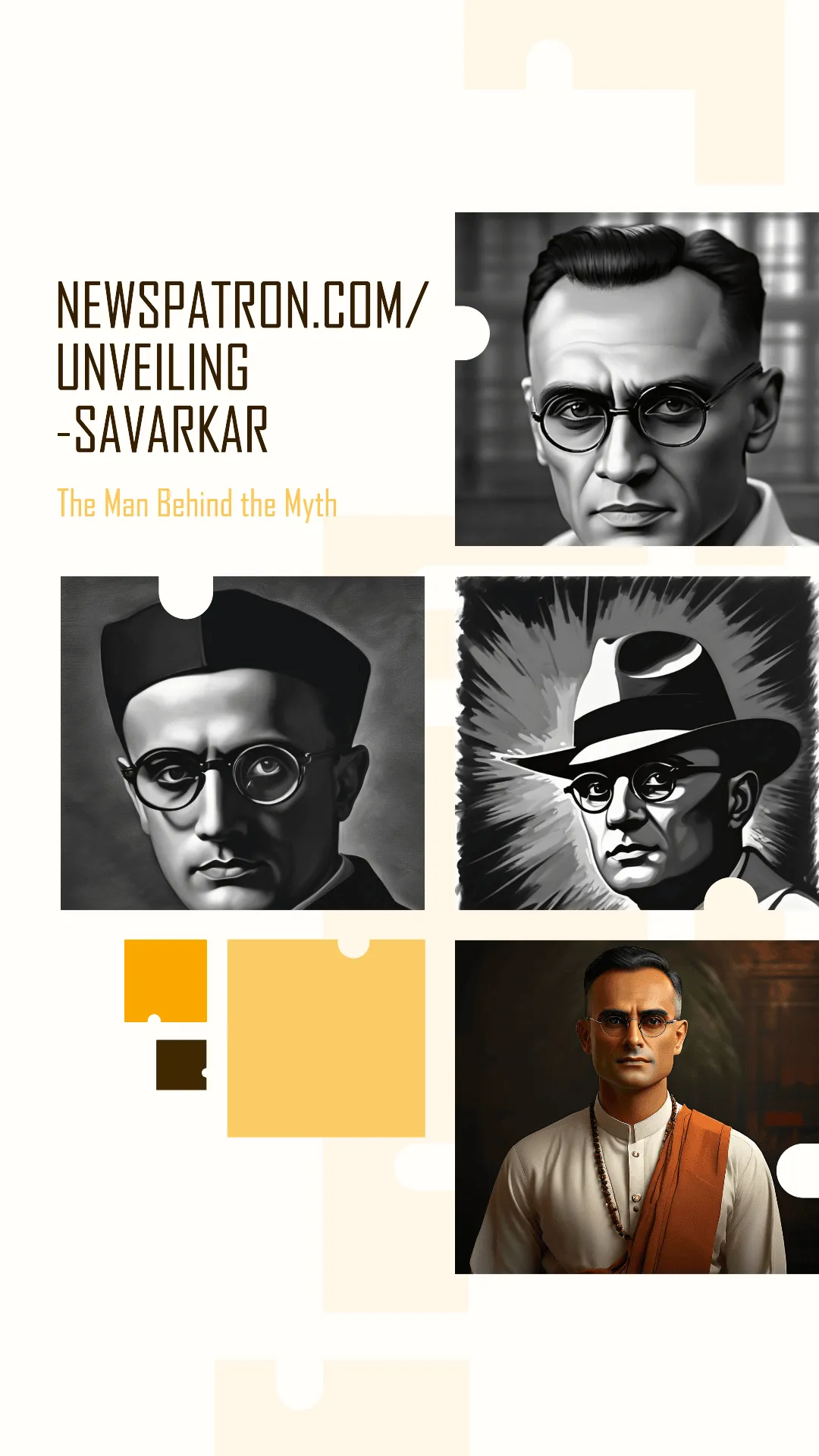
The Forging of Hindutva
The hardship of imprisonment did not break Savarkar’s spirit. It was within these bleak surroundings that he formulated the principles of “Hindutva.”
In his seminal text “Hindutva: Who is a Hindu?”, Savarkar outlined a vision of India united by a shared heritage, a sacred homeland, and a glorious civilization — transcending differences within Hinduism itself.
Hindutva was born out of the intense struggles of the time — the yoke of British colonialism and the emerging divisions within Indian society. Savarkar believed his ideology was a powerful tool for galvanizing Hindus against perceived threats to their identity and a pathway to achieve the long-sought freedom of India.
Recommended Product
Alpino Peanut Butter Chocolate Protein Bar – Gluten Free
🛒 View on Amazon →As an Amazon Associate, we earn from qualifying purchases. Price and availability may vary.
Historical Context of Hindutva.
While Savarkar’s writings and actions were instrumental in shaping Hindutva as we know it today, its roots lie deeper in history. The ideology emerged from the 19th-century Hindu revivalist movements that sought to counter the influence of British colonialism and revitalize Hindu identity. Thinkers like Chandranath Basu laid the groundwork for the concept, envisioning Hindu dominance grounded in Advaita Vedanta philosophy. Hindutva would later draw inspiration from European fascism in the early 20th century, with proponents aiming to establish a Hindu nation.
Revolutionary Writings
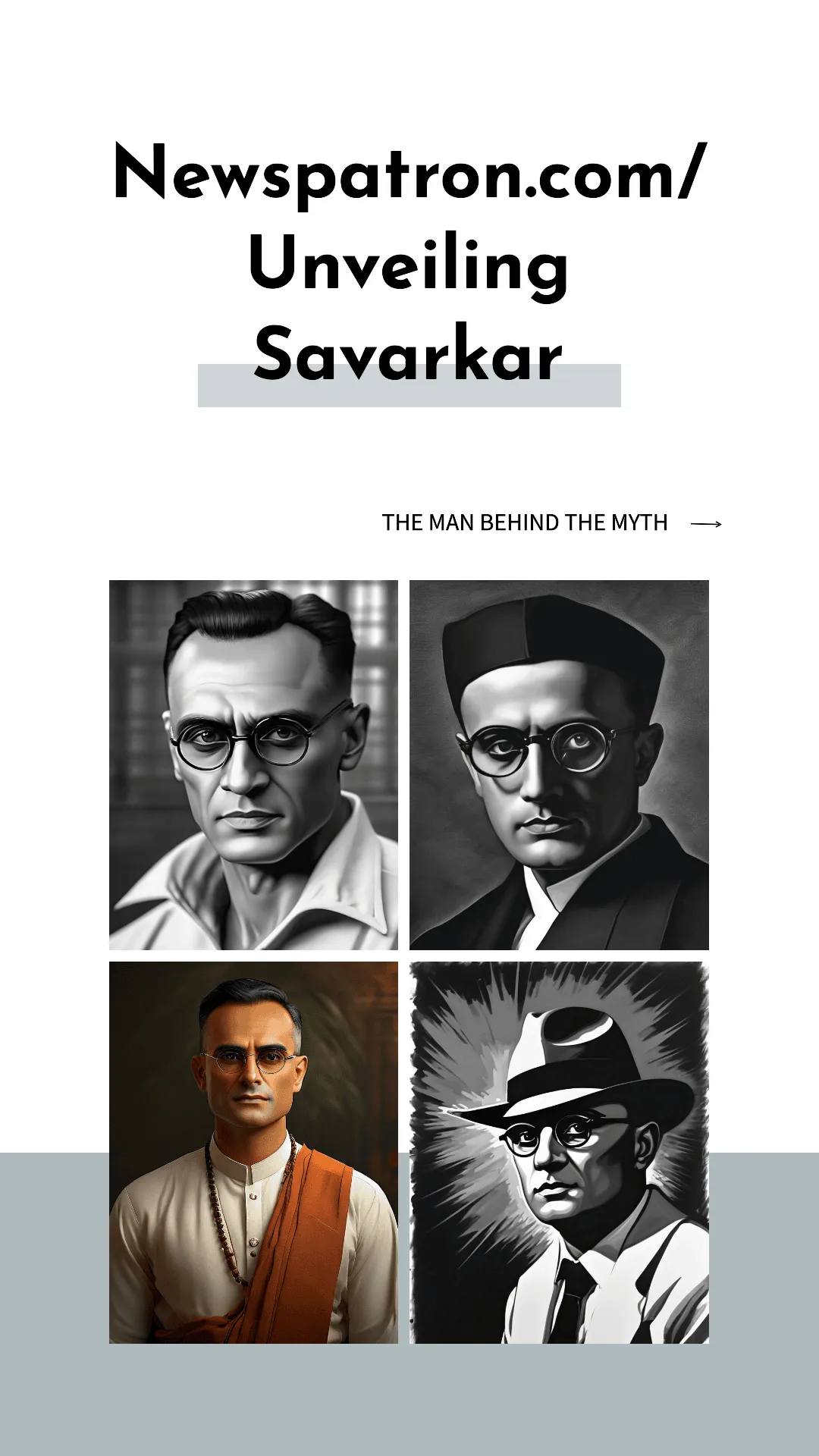
Savarkar’s unwavering nationalism resonated throughout his extensive writings. His powerful work “The Indian War of Independence, 1857” cast the historical uprising in a new light, proclaiming it a foundational moment of Indian resistance against foreign oppression.
He was a passionate writer and playwright, with works like “Sagara Pran Talmalala” [Mangeshkars Together] stirring the hearts of his compatriots with their yearning for liberation and love for their homeland.
Controversies and Differing Perspectives
Understanding the complexities of Savarkar’s legacy requires grappling with the historical controversies that have surrounded him since his struggle for Indian independence. Chief among these controversies is his alleged association with Mahatma Gandhi’s assassination and the critiques surrounding Hindutva, the ideology seen as his most significant intellectual contribution.
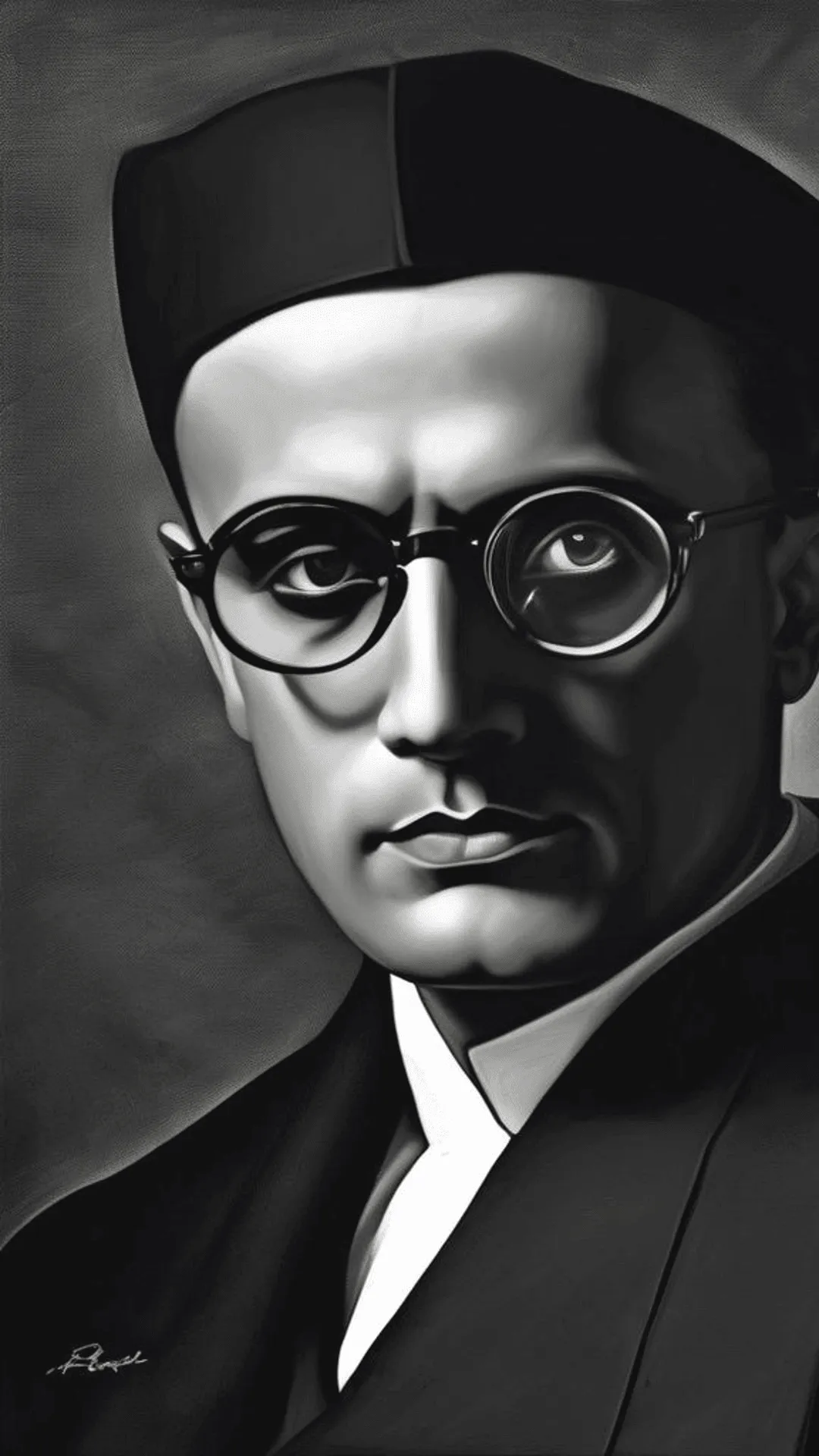
Additionally, Savarkar’s formulation of Hindutva is often scrutinized for its focus on a Hindu-centric identity. Critics contend that certain interpretations of Hindutva promote a sense of exclusivity which undermines India’s tradition of religious pluralism and fuels social divisions.
Perspectives on Savarkar and his contributions are deeply polarized. His supporters revere him as a fierce patriot, celebrating his unwavering commitment to Indian independence and his sacrifices for the cause. They may view Hindutva as a necessary force for unifying Hindus against perceived historical injustices. On the other hand, critics strongly denounce Savarkar’s association with Gandhi’s death and highlight the potential for intolerance within various interpretations of Hindutva. They argue that his philosophy undermines the foundational principles of a secular and inclusive India.
Cinematic Portrayals of Savarkar
Veer Savarkar’s complex and controversial life has been captured in various forms across the cinematic landscape. His story has been the subject of documentaries, films, and plays, while his writings have inspired musical adaptations that continue to resonate.
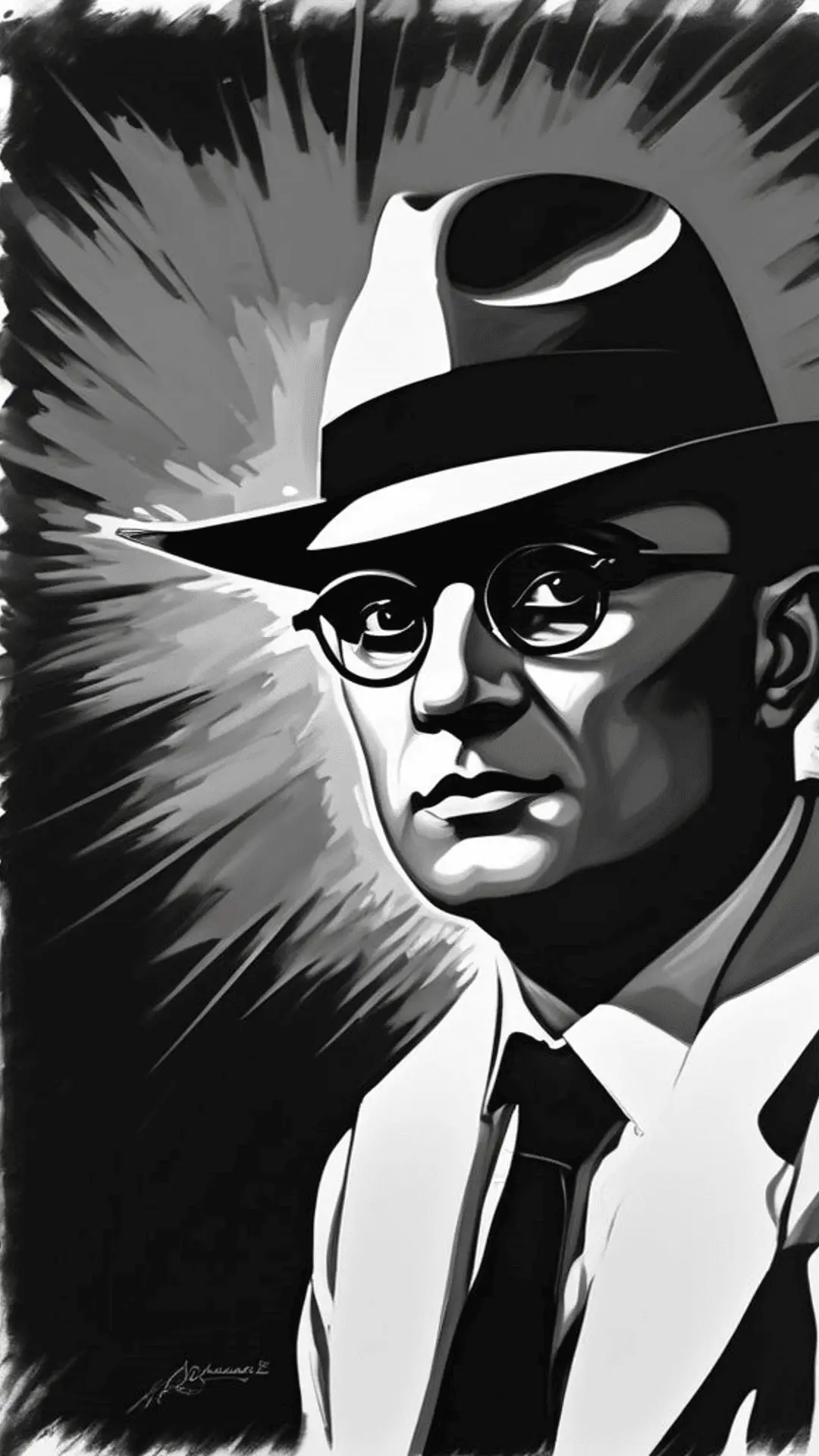
- Early Documentaries: Pioneering efforts to document Savarkar’s life include short films by director Prem Vaidya, whose work gained national and international recognition.
- Recent Biopics: The 2024 biopic “Swatantrya Veer Savarkar,” directed by and starring Randeep Hooda, brought renewed attention to Savarkar’s story. While the film’s detailed portrayal of pivotal events was noted, it also generated mixed reactions.
- Early Documentaries: Pioneering efforts to document Savarkar’s life include short films by director Prem Vaidya, whose work gained national and international recognition.
- Recent Biopics: The 2024 biopic “Swatantrya Veer Savarkar,” directed by and starring Randeep Hooda, brought renewed attention to Savarkar’s story. While the film’s detailed portrayal of pivotal events was noted, it also generated mixed reactions.
- Literary and Artistic Endeavors
- Books and Novels: Numerous works of literature have explored Savarkar’s life and philosophy, shaping the public’s understanding of his role in India’s freedom struggle.
- Plays, Songs, and Poetry: His ideology and contributions have been celebrated through a multitude of cultural expressions. Examples include:
- The biopic “Swatantrya Veer Savarkar” by Randeep Hooda.
- “Karineera Veera,” a Kannada play based on his life.
- Other plays like “Kritagya Mi! Kritarth Mi!”, “Tya Tighi”, and “Challenge”.
- His iconic poem “Sagara pran talmalala,” often rendered as a poignant song [Late Lata Mangeshkar performance].
- Political Tributes and Controversies:
- Narendra Modi’s Tribute: Prime Minister Narendra Modi’s choice to visit the Andaman Islands and pay homage to Savarkar highlights Savarkar’s continued importance within contemporary Indian politics.
- Political Parties’ Stance: Diverse political parties in India hold contrasting views on Savarkar. Some revere his nationalist contributions, while others remain critical of his ideology. This has, at times, led to efforts to downplay his historical significance due to ideological differences.
[Read about the movie Article 370]
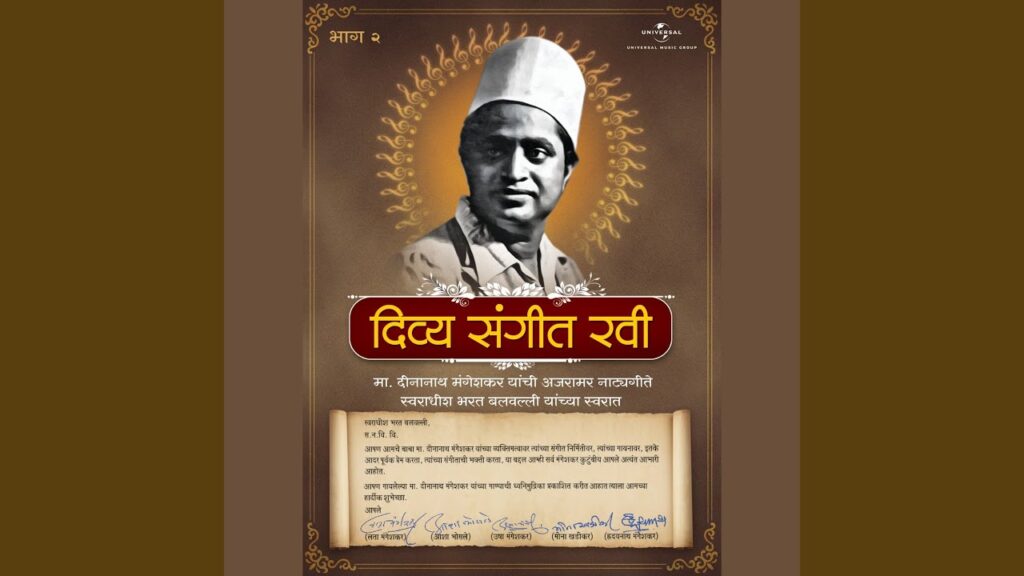
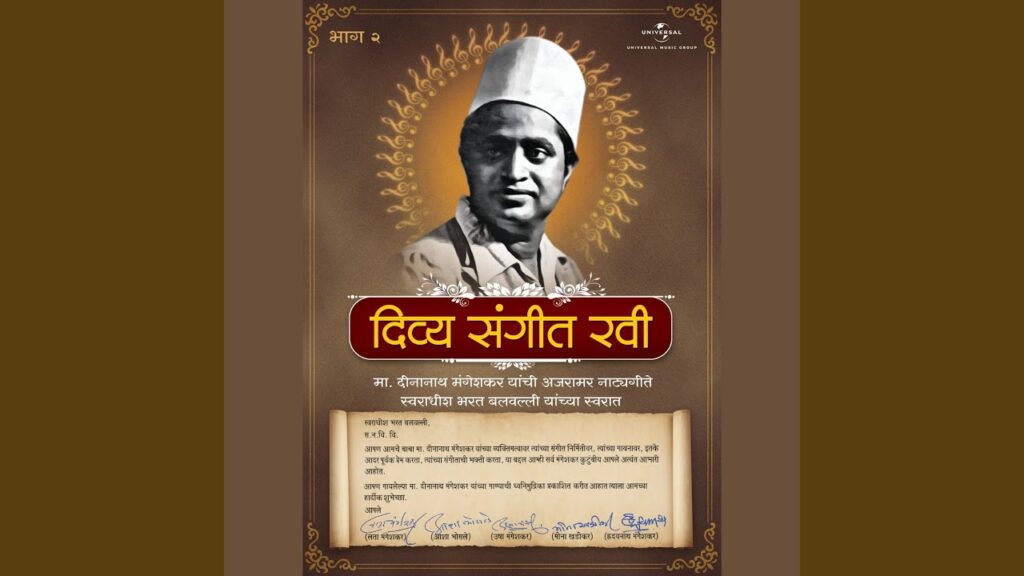
Late Master Dinanath Mangeshkar’s Bond with Veer Savakar
Marmbandhatali Thev became popular as an idiom, somewhere the change from ‘Should I let it be taken away’ to ‘Should I cherish and preserve it’ must have happened.
Caught on Camera: The Real Story
??????????? ??? ?? ??????? ? ???? ????? ?????? ?????? ??? ? ?????????? ??? ???? ??? ?? ? ????? ???? ????????? ??? ? ????? ?????? ?????? ???? ?
This is a verse from Swatantraveer Savarkar’s play ‘Sanyast Khadg’, but you won’t find it in the printed version of the play. It was composed by the Nagpur-based poet Shankar Balaji Shastri. How did this verse find its way into the play? What is its meaning? ‘Should I let it be taken away’ or ‘Should I cherish and preserve it’? To understand this verse directly, we need to revisit the play’s history, its plot, and the character of ‘Sulochana’.
Savarkar’s intention while writing ‘Sanyast Khadg’ during his Ratnagiri house arrest was entirely political. It was a means of ‘propagating’ his ideas, given the restrictions imposed on him by the British. The play’s plot, characters, and their dialogues clearly reflect the contemporary political situation. In fact, that was the purpose. It was a time when the ideology of ‘Mahatma Gandhi’ was emerging and spreading. Keeping this in mind, the characters in the play – Siddhartha Gautama ‘Buddha’, the commander Vikram Singh who has returned after renouncing arms, his captive son Vallabh, his wife Sulochana, the greedy and lustful Shakambhat, the attack on Kosala by the Shakyas – all these are undoubtedly representations of the political situation and the characters involved at that time.
Ma. Dinanath Mangeshkar and Savarkar shared a special bond. When Ma. Dinanath’s ‘Balwant Sangeet Mandali’ decided to stage ‘Sanyast Khadg’ around 1931, they made some changes to the original story to complement the theatrical performance, with Savarkar’s consent. But the extent of these changes (as per Savarkar’s wishes) was limited to the performance of the play only. Therefore, no changes were made to the original script. One of the significant changes was the verse ‘Marmbandhatali Thev Hi’, sung by Sulochana. The maestro had it written by Shankar Balaji Shastri, who composed it directly in Savarkar’s style, using imagery and metaphors that complemented the play’s narrative.
Sulochana is both the heroine and the hero of ‘Sanyast Khadg’. Ma. Dinanath himself used to portray this character. Her thoughts and actions form the core of the play. Just looking at the verses she sings reveals the light and deep shades of her personality. Sulochana, the lovelorn woman waiting, ‘stringing a garland’… Sulochana, sulking, ‘my beloved friend hasn’t come’… Sulochana, who made a garland of flowers to welcome her husband, but it withered away in the turmoil of war – ‘This is the way of the world… Things wither away… Flowers fall petal by petal’… Sulochana, who dresses as a soldier and participates in the ‘battlefield’ as a national warrior… And finally, a heroic death alongside her husband… Her journey is significant. There is no dilemma in her mind. Even when her husband is a prisoner of war, there is no conflict in her heart between ‘surrender or fight’. On the contrary, she is firm on ‘fighting till death’.
Vikram Singh, along with the few remaining Shakya soldiers, has called a war council. Sulochana has gone there disguised as ‘Sulochan’. Of course, the others present have no idea about this. The king of Kosala, the attacker, has placed some conditions before the Shakyas. The main condition is – surrender, and we will release Commander Vallabh. At that time, the young warrior ‘Sulochan’ says – “This is just a lure shown by the people of Kosala. Later, the commander will choose martyrdom over such a miserable plight. In the consideration of the eternal welfare of nations, who counts an individual! I cannot even consider the (surrender) thought.”
But the ‘Sulochana’ within says (sings),
This bond of deep affection is full of love. Should I let it be taken away happily or should it grieve my soul? This greedy bee has entered the lotus of my heart. It has come to steal the nectar stored within. It has bound my soul with the sweetness of its mind.
A bee is a metaphor for a lover, and a lotus for the heart. As all these are used as metaphors, we need to consider the emotional meaning rather than the literal one.
“The bond of my deep affection, my beloved husband Vallabh, has been forcibly taken away by the enemy. But fighting for the nation, he has reached the pinnacle of valor. So, at the same time, I feel both pride and sorrow. This enemy who is showing me the hope of his release, I am truly tempted… But the enemy’s ulterior motive is to loot the Shakya nation in every way.”
This verse, composed in Patdeep raga, directly conveys the pathos of Patdeep and separation. Many accomplished singers have popularized it by singing it. Ma. Dinanath Mangeshkar himself, Pt. Vasantrao Deshpande, Pt. Prabhakar Karekar, Asha Bhosle, Asha Khadilkar… Outside the play, the first line of this verse has reached a different height. ‘Marmbandhatali Thev’ can be the title of a book, the headline of an article, or the name of a heartwarming music concert. Such a bond is meant to be cherished and preserved.
Just as the phrase ‘Marmbandhatali Thev’ became popular as an idiom, somewhere the change from ‘Should I let it be taken away’ to ‘Should I cherish and preserve it’ must have happened. (For further reference, read the blog on ‘Shat Janma Shodhitanna’.)
The Power of Art: Hridaynath Mangeshkar’s Tribute
Hridaynath Mangeshkar, acclaimed composer and younger brother of the legendary Lata Mangeshkar, faced professional repercussions after composing a musical tribute to Veer Savarkar. The song’s political themes stirred controversy, allegedly leading to Mangeshkar’s dismissal from his position at All India Radio (AIR). [A Link to Pandit Hridaynath Mangeskhar interview on the Mazaa Katta, ABP Mazha].
This incident exemplifies the intersection of art, politics, and freedom of expression. Despite the controversy, the song remained a significant part of Mangeshkar’s repertoire, reflecting his reverence for Savarkar.
The Lata Mangeshkar Interview
An early black-and-white interview with Lata Mangeshkar sheds light on her family’s connection with Savarkar. She describes her father Dinanath Mangeshkar’s friendship with Savarkar, who was affectionately known as ‘Tatya’. Mangeshkar recounts an occasion where Savarkar requested a ‘dalit bhojan’, a practice he promoted. As a teenager, Lata Mangeshkar insisted on joining her father, demonstrating her early awareness of social issues. The interview concludes with her recitation of “Sagara pran talmalala” alongside renowned singer Arun Date. [Late Lata Mangeshkar and Hridaynath Mangeshkar interview on Doordarshan Mumbai DD Sahyadri]
Dalit Bhojan and Veer Savarkar
The term ‘Dalit Bhojan’ refers to inter-caste dining events designed to challenge the practice of untouchability and promote social equality in India. Veer Savarkar, a complex and controversial figure in Indian history, was among those who supported and practiced Dalit Bhojan.
Savarkar, a Hindu nationalist and social reformer, strongly opposed the caste system and the practice of untouchability. He believed these practices were major obstacles to a unified and strong India. As part of his reform efforts, Savarkar established the Patit Pavan Mandir, a temple open to Hindus of all castes. He also organized Dalit Bhojan events to directly challenge social taboos against inter-caste dining.
Analysis
Cinematic portrayals of Savarkar reflect his polarizing legacy. It’s important to note that familiarity with his life and ideology can significantly influence reception of these works. Those deeply aware of his contributions may view such portrayals through a very different lens than those only superficially acquainted with his story.
Legacy and Impact
Veer Savarkar’s philosophy of Hindutva and his unwavering nationalist spirit have left a complex and enduring imprint on Indian politics and society. While he remains a deeply polarizing figure, his ideas continue to shape contemporary debates about nationalism, identity, and the nation’s future trajectory.
Hindutva’s Political Influence
- The Rise of the BJP: The Bharatiya Janata Party (BJP), one of India’s major political forces, draws significant ideological inspiration from Savarkar’s concept of Hindutva. Their electoral successes have translated into policies that reflect a Hindu-centric nationalism.
- Key Organizations: Organizations within the Sangh Parivar, such as the RSS (Rashtriya Swayamsevak Sangh), trace their roots to Savarkar’s teachings. They play a significant role in promoting Hindutva ideals and mobilizing support for BJP’s vision.
Social and Cultural Impact
- Religious Identity: Savarkar’s emphasis on a unifying Hindu identity has contributed to a heightened focus on religious distinctions within India’s diverse social fabric.
- Minority Rights: Concerns have been raised that certain interpretations of Hindutva can lead to the marginalization of religious minorities, impacting their rights and sense of inclusion within the nation.
Inspiring Nationalist Movements
Savarkar’s legacy extends beyond his specific ideological formulations. His revolutionary fervor and unwavering commitment to Indian independence have inspired various nationalist movements that continue to shape India’s political landscape.
Comparative Analysis
Understanding Savarkar’s unique place within India’s historical landscape requires examining his ideology in contrast to other influential figures of his time and beyond.
Savarkar vs. Gandhi: Divergent Visions for India
- Nationalism: Savarkar’s Hindu nationalism emphasized a shared cultural and religious identity as the foundation for the Indian nation. Gandhi, on the other hand, championed a secular and pluralistic vision of India, where religious differences were transcended by a shared Indian identity.
- Methods: Savarkar saw value in the use of force and revolutionary tactics to achieve independence. Gandhi’s philosophy of nonviolent resistance (ahimsa) stood in stark contrast.
- Hindu-Muslim Relations: Savarkar viewed Muslims as outsiders to the Hindu nation, potentially sowing the seeds of division. Gandhi tirelessly advocated for Hindu-Muslim unity and opposed the idea of partition along religious lines.
[What the World Can Learn from Mahatma Gandhi in 2023]
Savarkar vs. Ambedkar: Conflicting Approaches to Caste
- Caste’s Role: While both challenged the caste system, their approaches differed significantly. Savarkar saw the caste system as a potentially unifying force for Hindus once the practice of untouchability was abolished. Ambedkar, a fierce critic of Hinduism itself, saw the annihilation of the caste system as vital to achieving social justice for Dalits.
- Conversion: Ambedkar viewed conversion away from Hinduism as a potential path for Dalit liberation. Savarkar opposed religious conversions, seeing them as weakening the Hindu nation.
[Read about Sardar Vallabhbhai Patel: The Iron Man of India]
International Parallels
- European Nationalism: Some draw parallels between Savarkar’s emphasis on a unifying cultural and religious identity with right-wing nationalist movements in Europe during the early 20th century. However, it’s important to exercise caution with such comparisons due to the vastly different historical contexts.
- Limitations of Direct Comparison: The specific social, political, and historical circumstances of India make it challenging to find exact counterparts for Savarkar’s ideology elsewhere in the world. His blend of revolutionary zeal, Hindu-centric nationalism, and social conservatism is uniquely shaped by the Indian experience.
Importance of Nuance
Savarkar’s place in history is characterized by complexity. While comparisons help contextualize his ideas, it’s crucial to avoid oversimplification or forcing his views into pre-existing frameworks that might not fully capture the nuances of his thought and the era in which he lived.
General Information
- Q: Can you tell me a bit about the movie “Swatantrya Veer Savarkar”?
- A: “Swatantrya Veer Savarkar” is a historical biopic about Vinayak Damodar Savarkar, a controversial yet important figure in India’s freedom struggle. The film explores his life, ideology, and contributions to the Indian independence movement.
- Q: Who plays the lead role of Veer Savarkar in the movie?
- A: Randeep Hooda portrays the role of Vinayak Damodar Savarkar.
- Q: Who directed the film “Swatantrya Veer Savarkar”?
- A: Mahesh Manjrekar directed the film, while Randeep Hooda is credited as a co-director.
Release Specifics
- Q: When is the “Swatantrya Veer Savarkar” movie release date?
- A: The movie is scheduled for a theatrical release on March 22nd, 2024.
- Q: Are there plans for “Swatantrya Veer Savarkar” to be released on an OTT platform?
- A: While there’s no official announcement yet, it’s likely the movie will eventually be available on an OTT (streaming) platform after its theatrical run.
- Q: Is there a trailer available for “Swatantrya Veer Savarkar”?
- A: Yes, you can watch for the trailer on YouTube or other video platforms.
Movie Reviews and Viewing Options
- Q: Where can I find reviews of “Swatantrya Veer Savarkar”?
- A: Once the movie is released, you’ll find reviews on popular movie websites like IMDb, Rotten Tomatoes, and Indian film review sites.
- Q: How can I watch “Swatantrya Veer Savarkar” online?
- A: You’ll have to wait until after its theatrical release. The movie will likely become available on a streaming service, but the specific platform isn’t yet announced.
Additional Questions
- Q: Besides Randeep Hooda, who else is in the cast of “Swatantrya Veer Savarkar”?
- A: The movie features Amit Sial, Ankita Lokhande, and others in significant roles.
- Q: Is Ram Charan involved in the Veer Savarkar movie?
- A: No, Ram Charan is not associated with this project.
- Q: Is it considered a controversial film?
- A: Yes, due to the historical figure it portrays and the political sensitivities surrounding Savarkar, the film has generated some controversy.
