




Unlocking the Future of Urban Mobility: A Comprehensive Guide to Ola Electric
My deep interest in the transformative potential of electric vehicles – explored in my articles “India’s Electric Vehicle Revolution: Charged Up for the Future” and “Electric Vehicles: Everything You Need to Know in 2023” – naturally led me to Ola Electric. Their unwavering commitment to innovation, sustainable solutions, and redefining urban mobility aligns perfectly with my passion for the future of transportation. If you’re eager to discover the world of electric vehicles, this article offers an in-depth look at Ola Electric Scooters and their role in the EV revolution.
editor@newspatron.com
The Evolution of Electric Scooters: A Journey Through Time
While electric scooters may feel like a cutting-edge phenomenon, their history is surprisingly extensive. Let’s explore the technological advancements that paved the way for innovators like Ola Electric:
- 1890s: The earliest electric bicycles and scooters emerge, hinting at the potential of this technology.
- 1950s-1970s: Energy crises fuel renewed interest in electric vehicles, highlighting their role as alternative fuel solutions.
- 1980s: The first commercially available electric scooters signal a growing desire for sustainable transportation.
- 1990s-2000s: Advancements in battery technology and rising environmental concerns foster a more favourable climate for EVs.
- 2010s: Tesla pushes the boundaries of electric car performance, while governments globally, including India, incentivize EV adoption.
- 2010 (India): Ola Cabs revolutionizes Indian urban mobility, laying the foundation for Ola’s innovative transportation solutions.
- 2015 (India): The government’s FAME initiative accelerates the growth of India’s EV sector.
- 2017: Ola Pedal, with its incorporation of bicycles, underscores Ola’s commitment to eco-friendly transportation.
- 2019: Ola Electric is formed, signifying a dedicated focus on reshaping urban transportation with electric scooters.
The Ola Electric Era: Transforming Transportation

Ola Electric’s emergence highlights the progress and potential of electric scooters. Their focus on technology, sustainability, and user experience positions them at the forefront of next-generation mobility solutions.
Let’s delve into the specifics of Ola Electric Scooters, examining their innovations, features, and profound impact on the future of transportation.
Ola’s Vision: From Indian Innovator to Global Leader
Founded in 2010, Ola began as an app-based ride-hailing platform, revolutionizing how people move within Indian cities. Their bold vision of providing innovative, accessible, and sustainable mobility solutions continues to fuel Ola Electric.
While deeply rooted in addressing India’s unique challenges, Ola’s ambitions are global. Here’s why they are a force to be reckoned with in the worldwide EV market:
- Manufacturing Powerhouse: Ola’s Future Factory, the world’s largest electric two-wheeler manufacturing facility, is poised to produce millions of scooters annually, meeting both domestic and international demand. Think of it as the heart of their exciting models like the S1 X, S1 Pro, and S1 Air.
- Global Partnerships: Collaborations with leading technology and research institutions worldwide position Ola Electric at the cutting edge of EV innovation.
- Sustainability Champion: Their mission to reduce carbon emissions and create a cleaner future aligns perfectly with the increasing global emphasis on sustainable transportation.

Ola Electric: A Symbol of Progress
Ola’s remarkable journey from a revolutionary ride-hailing app to a major player in the electric scooter market embodies the transformative power of technology and relentless innovation.
Recommended Product
Amazon Renewed — Best Deals of the Day
🛒 View on Amazon →As an Amazon Associate, we earn from qualifying purchases. Price and availability may vary.
Their expansion plans and sustainability focus firmly position them as a company reshaping transportation across the globe.
[Read about Tata Motors: Your Guide to an Automotive Titan]
Ola Electric’s Global Strategy: Reaching New Horizons
Ola Electric’s vision extends far beyond India’s borders, with ambitious plans for worldwide expansion. Expect to see them in Nepal, Latin America, ASEAN countries, and throughout Europe, particularly in Mediterranean countries, Germany, and the UK. This expansion taps into the growing global demand for sustainable transportation solutions.
Beyond a retail presence, Ola Electric is strategically positioning itself as a major exporter of electric vehicles. They will leverage their manufacturing prowess and technological expertise to reach diverse markets across South East Asia, Latin America, Europe, and Africa. Ola is rapidly scaling its production to meet the demands of these expanding markets.
This global strategy is underpinned by the state-of-the-art Ola Future Factory. This facility employs extensive automation, utilizes AI for optimization, and prioritizes sustainability. Innovation fuels their expansion – their indigenous lithium-ion cell (NMC 2170) ensures high performance and durability, and they’re even invested in StoreDot’s rapid charging technology. To support their global users, the Ola Hypercharger Network aims to be one of the world’s most extensive charging networks for electric two-wheelers.
Choosing Your Perfect Ola Electric Scooter
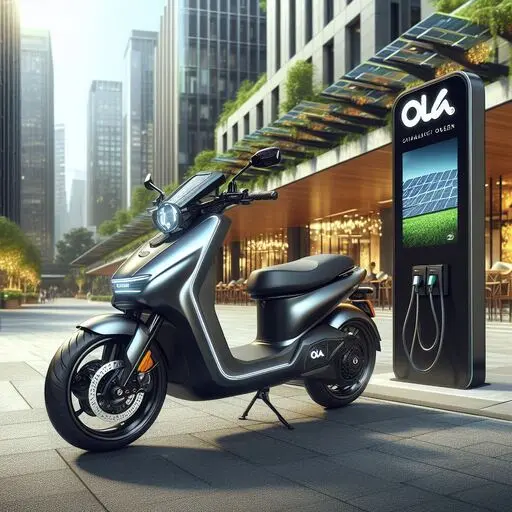
With Ola Electric poised for global leadership, consumers worldwide will soon experience their innovative vehicles.
To help you make the right choice, let’s explore some key factors to consider. Understanding their diverse models, battery technology, warranties, and charging infrastructure is crucial. Stay tuned for my next blog post, where we’ll deep dive into the features of the S1, S1 Pro, and S1 Air models.
Unveiling the Power: Ola Electric Scooters Battery and Warranty
Ola Electric puts a strong emphasis on ensuring customer peace of mind with a comprehensive warranty for their electric scooter batteries. Here’s what you need to know:
- Base Warranty Plan: Covers the battery for 8 years or 80,000 km (whichever comes first), protecting against manufacturing defects.
- Top-up Warranty Plans: Choose between an 8-year/100,000 km or 8-year/125,000 km battery warranty plan.
- Warranty Coverage: Guarantees that each new scooter is free from defects in material and workmanship under normal use.
- Transferability: The warranty transfers to subsequent owners, adding resale value.
- Warranty Claims: Ola will repair or replace defective parts within the warranty period free of cost.
- Labor Costs: All labor costs associated with replacement or repair during the warranty period are covered.
- Vehicle Components Warranty: All other vehicle components are covered for 36 months or 40,000 km (whichever occurs earlier).
- Changes and Notices: Ola Electric reserves the right to change the terms and conditions. Be sure to check their official website regularly for updates.
[Read more here at the official ola website]
Understanding Ola’s Battery Technology
Ola Electric uses a lithium-ion battery with NMC 2170 chemistry for optimal energy density and lifecycle. To get the most out of your scooter’s battery, follow these tips:
- Avoid Complete Discharge: Charge before it drops below 20-30%.
- Regular Charging: Charge frequently, but allow a cool-down period after riding.
- Avoid Overcharging: Don’t leave it plugged in for extended periods after it’s fully charged.
- Temperature Considerations: Store and charge at room temperature.
- Use the Correct Charger: Always use the original charger.
- Riding Habits: Optimize your riding style for better battery life.
Exploring Alternatives

If you’re considering other options besides Ola, here are some notable electric scooters in the market:
- Ather 450X: Quick charging and good range.
- Simple One: Significant driving range.
- TVS iQube: Reliable performance.
- Bajaj Chetak Electric: A modern take on a classic.
- Hero Gogoro: Features battery-swapping technology.
Compare these scooters based on factors like range, charging infrastructure, price, and after-sales service to find the best fit for you.
The Power of Fast Charging: Ola’s Hypercharger Network
Ola understands the importance of convenient charging. Here’s what you need to know about their charging options:
- Standard Charging: Takes about 4-6 hours for a full charge.
- Hyper Charging: Get up to 50 km range in just 15 minutes or a full charge in only 6 hours and 30 minutes with specific Hyperchargers.
- Hyper Charging Stations: Find these at convenient locations for a quick energy boost. Ola aims for a vast network of 100,000 charging points across India.
The Future of Transportation is Electric, and Ola is Leading the Charge
Ola Electric is poised to revolutionize the way we move. They offer innovative technology, a commitment to sustainability, and a global vision that positions them to change the world of transportation. Are you ready to join the electric revolution? In my next post, we’ll delve into the exciting features and specifications of Ola’s S1, S1 Pro, and S1 Air models, helping you find the perfect scooter to match your needs and embrace a greener, more connected future.
Glossary of Electric Scooter Terms
- Motor Power (Watts): This tells you how much energy the motor can use to turn the wheels. Higher wattage generally means faster acceleration and better performance on hills.
- Motor Torque: Reflects how efficiently the motor delivers power, especially when starting from a stop or carrying weight. Think of it as the “muscle” of your scooter.
- Range: The maximum distance you can go on a single charge. This is influenced by factors like your weight, how you ride, and the terrain.
- Max Speed: The fastest your scooter can go under ideal conditions. Rider weight and hills can both reduce your actual top speed.
- Payload Capacity: This tells you the total weight (rider and any cargo) that your scooter can safely handle.
- Battery Capacity (Ah): Short for “ampere-hours,” this measures how much energy your battery holds. A higher Ah value means a longer range.
- Brake System: How your scooter stops! Disc brakes are common and provide strong stopping power, while drum brakes are often seen on more affordable models. Some scooters even have regenerative braking, which captures energy when slowing down.
- Suspension: Provides a smoother ride by absorbing bumps and vibrations. Good suspension is especially important if you’ll be riding on rough roads.
[Read about Semiconductors: The Tiny Tech Driving Our World]
