




India’s Electric Dream
A Road Trip Through Challenges and Opportunities
Buckle up for the future! India’s electric vehicle (EV) revolution is electrifying the roads, driven by clean air goals and energy security. Dive in to explore the latest EV trends, challenges, and the exciting road ahead.
Imagine navigating bustling city streets on a silent chariot, leaving behind a whisper of wind and a trail of zero emissions. This isn’t a futuristic fantasy, but the reality unfolding on Indian roads, fueled by the electrifying surge of the EV revolution. However, this journey, like any road trip, is not without its detours and bumps.
India, long chained to the fumes of fossil fuels, faces an urgent need for a cleaner ride. The EV revolution beckons like a scenic detour, promising not just a breathtaking escape from pollution, but also a treasure trove of economic opportunities. But before we jump in and crank up the electric engine, let’s pop the hood and explore the landscape:
Fueling Up on Freedom: Breaking free from the shackles of oil dependence, currently at an over 80% import rate, is crucial for India’s energy security. EVs offer a chance to steer towards self-reliance, potentially lowering fuel costs and reducing vulnerability to global price fluctuations.
Government as the Pit Crew: Recognizing the potential, the Indian government has become our enthusiastic navigator, offering subsidies and incentives like the FAME-II and PLI schemes. These act as booster shots, encouraging both manufacturers and consumers to embrace the electric shift.
Homegrown Heroes Take the Wheel: Domestic automakers like Tata and Mahindra are no longer roadside spectators. They’ve revved their engines and joined the race, showcasing their commitment with recent launches like the Tata Nexon EV and Mahindra eVerito. These advancements in technology and affordability are making EVs a more attractive option for Indian drivers.
Global Players Join the Convoy: The international arena isn’t silent either. Giants like MG Motors and Hyundai have zoomed onto the Indian scene with offerings like the MG ZS EV and Hyundai Kona Electric. This healthy competition pushes innovation and widens the choice for Indian consumers, ensuring a diverse fleet on the road to a cleaner future.
Roadblocks Ahead: Navigating the Challenges: Despite the smooth acceleration, there are still rough patches. The high upfront cost of EVs compared to conventional vehicles remains a major hurdle, acting as a speed bump on the road to wider adoption. Additionally, the lack of a widespread charging infrastructure creates “range anxiety,” leaving many drivers hesitant to take the electric plunge.
But the Destination is Worth the Journey: Despite these challenges, the future of EVs in India is bright. Government initiatives, technological advancements, and increasing consumer awareness are paving the way for a cleaner and more sustainable transportation landscape. This is just the beginning of our electric road trip, and there’s much more to explore: upcoming models, charging infrastructure developments, and the environmental impact of this transformative shift. So, buckle up, and stay tuned for the next leg of this exciting journey!
India’s Electric Vehicle Revolution: Challenges & Opportunities
India, heavily reliant on fossil fuels, finds itself at a crossroads. The need for cleaner, sustainable transportation is undeniable, and electric vehicles (EVs) offer a promising solution. But transitioning to an EV-dominant future presents both exciting opportunities and significant challenges. Let’s delve into this electrifying journey, exploring the roadblocks and the potential rewards.
[bbp-single-topic id=5544]
Fuelling the Urgency for Change:
India’s dependence on imported oil not only impacts its economy but also contributes to air pollution, a major public health concern. Electric vehicles, powered by clean electricity, offer a chance to break free from this dependence and embrace a greener future.
Government Pushes the Pedal:
Recognizing the urgency, the Indian government has launched several initiatives to accelerate EV adoption. The FAME-II scheme provides subsidies for EV purchases, while the PLI scheme incentivizes local EV manufacturing. These policies aim to make EVs more affordable and accessible, paving the way for wider acceptance.
Indian Automakers Gear Up:
Recommended Product
Alpino Peanut Butter Chocolate Protein Bar – Gluten Free
🛒 View on Amazon →As an Amazon Associate, we earn from qualifying purchases. Price and availability may vary.
Domestic automakers are rising to the challenge, launching new EV models like the Tata Nexon EV and the Mahindra eVerito. These homegrown offerings cater to the needs of the Indian market, potentially making EVs more relatable and desirable.
Foreign Players Join the Ride:
International brands like MG Motor and Hyundai have also entered the Indian EV space, bringing global expertise and diverse options like the MG ZS EV and the Hyundai Kona Electric. This healthy competition further fuels innovation and expands consumer choices.
Challenges on the Road Ahead:
Despite the progress, hurdles remain. High upfront costs of EVs compared to petrol vehicles pose a significant barrier. Additionally, the lack of widespread charging infrastructure creates range anxiety among potential buyers. Upgrading the electricity grid and expanding charging networks are crucial for wider EV adoption.
Embracing the Opportunities:
Despite the challenges, the potential benefits of the EV revolution are immense. Reduced dependence on oil, cleaner air, and a boost to domestic manufacturing are just a few. As technology advances and infrastructure improves, EVs are poised to become a mainstream transportation choice in India.
The journey towards an electric future is just beginning. By addressing the challenges and harnessing the opportunities, India can pave the way for a cleaner, more sustainable transportation landscape.
Indian Automakers Gear Up: Taking the Wheel of the EV Revolution

Tata Motors: Leading the Charge
Tata Motors, a household name in India, has emerged as a frontrunner in the EV space. Their Nexon EV, a compact SUV, has become a symbol of India’s EV aspirations, offering a mix of practicality, performance, and affordability. With a range exceeding 300 km on a single charge, the Nexon EV addresses range anxiety concerns for many potential buyers. Tata is further expanding its portfolio with the upcoming Tigor EV sedan, catering to a wider audience.
Mahindra & Mahindra: Electrifying Mobility Solutions
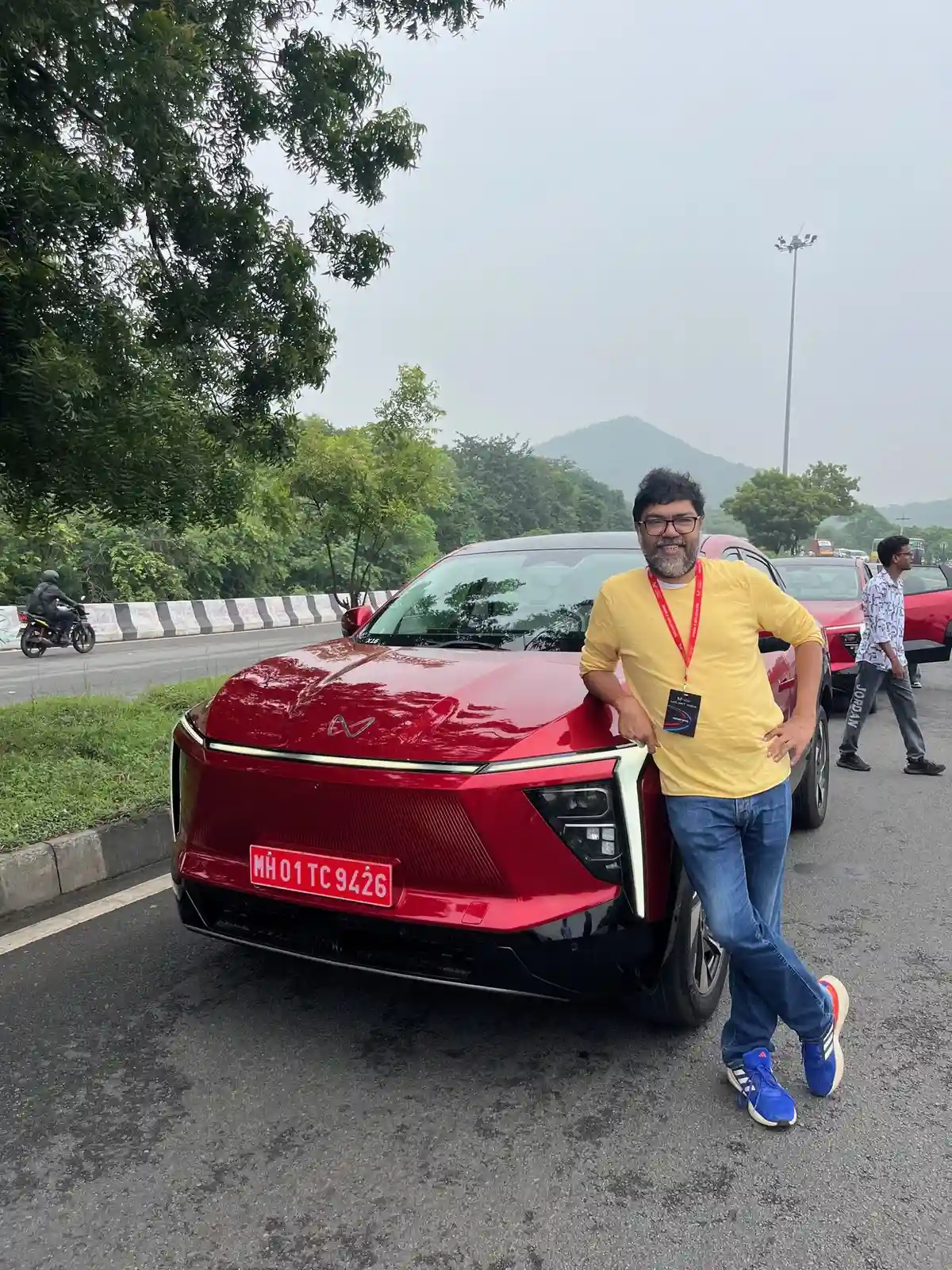
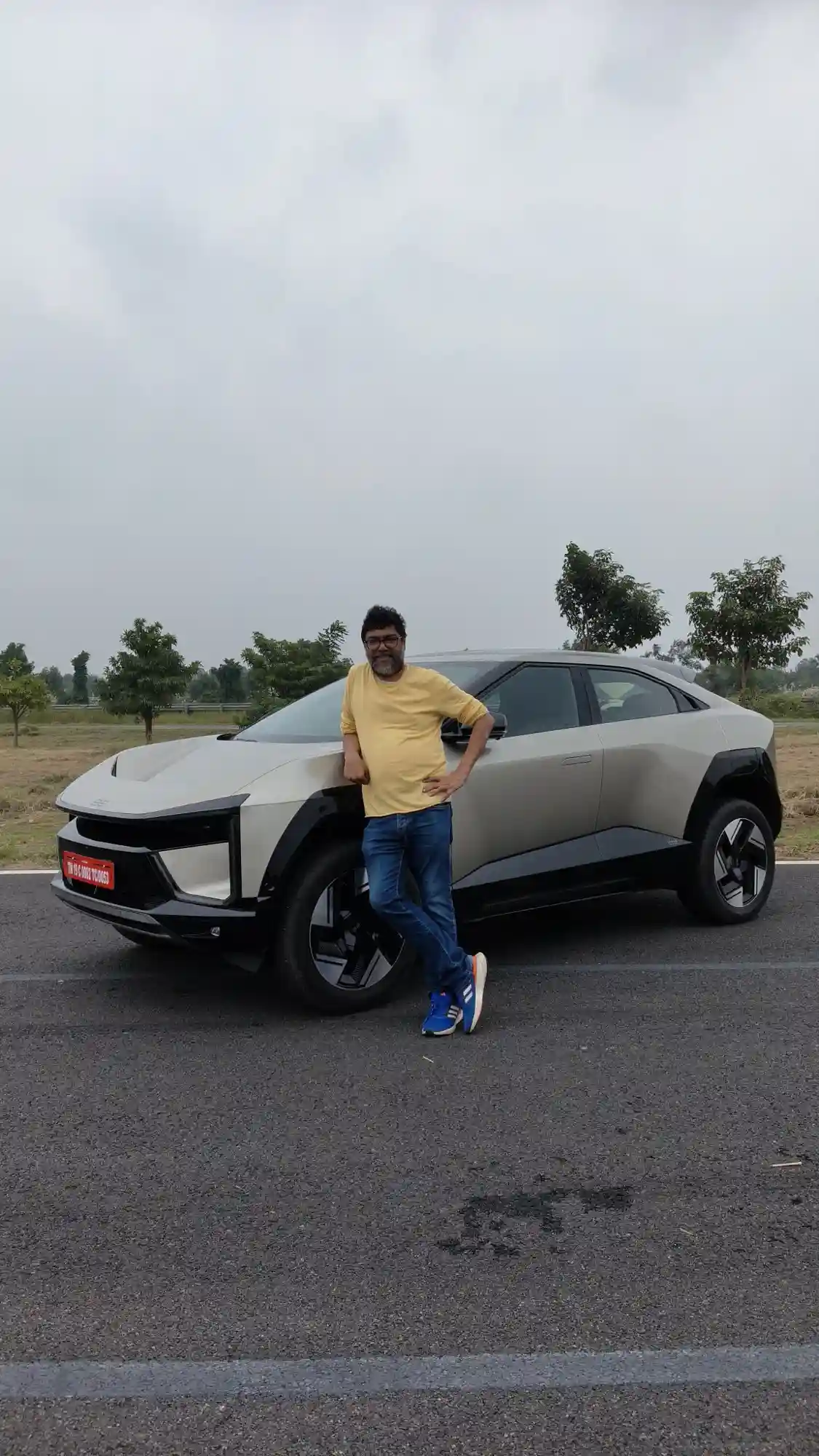
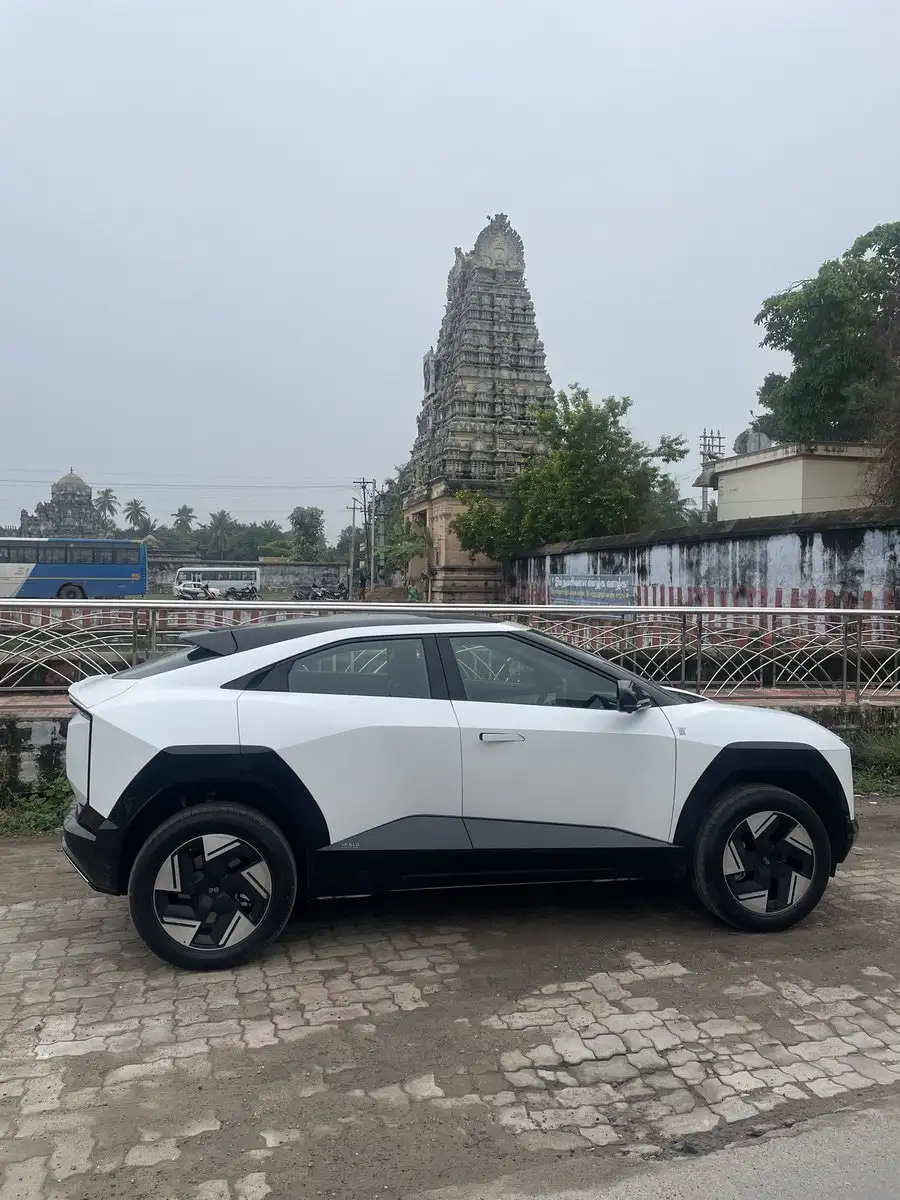
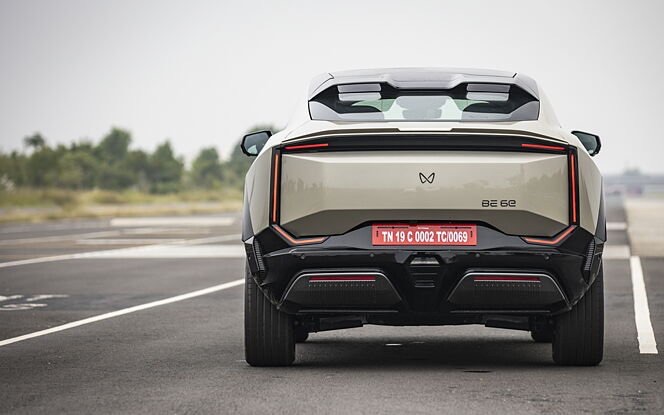
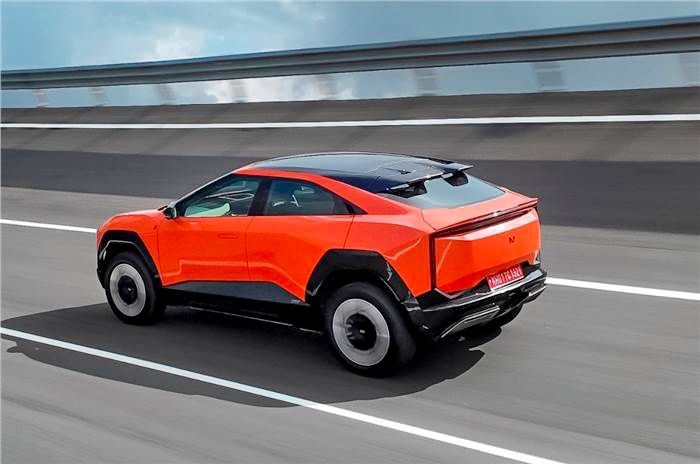
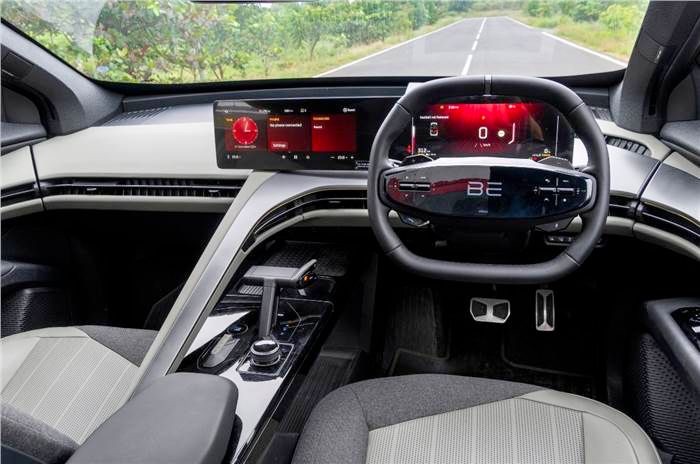
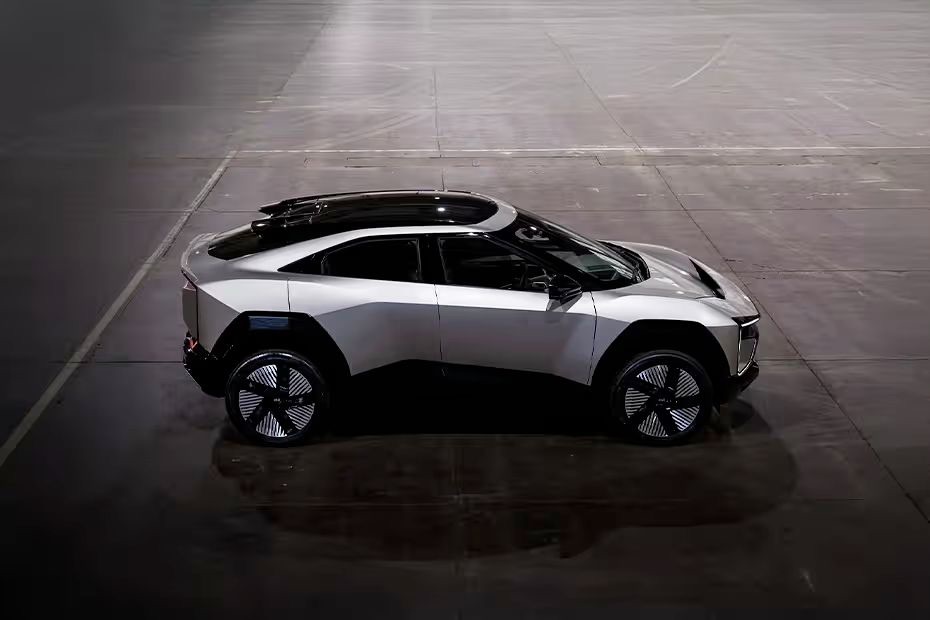
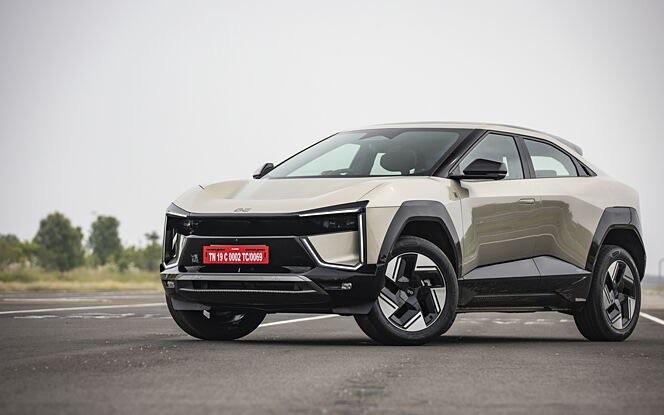
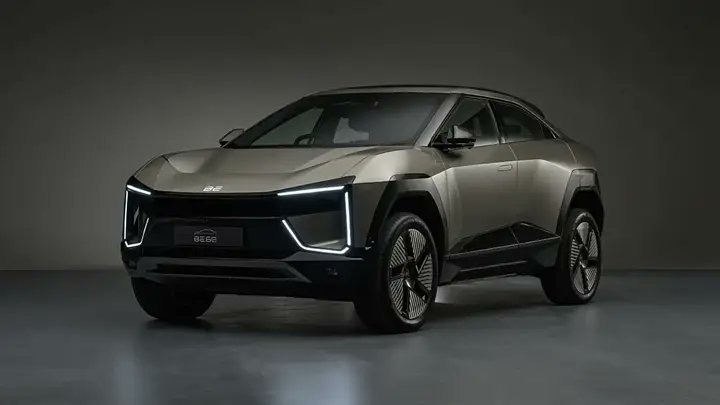
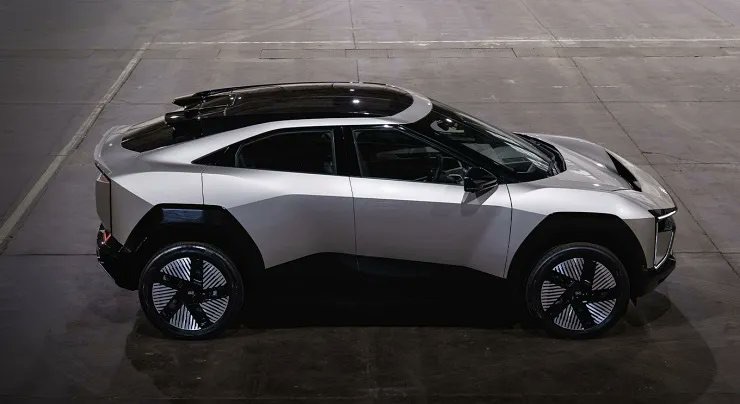
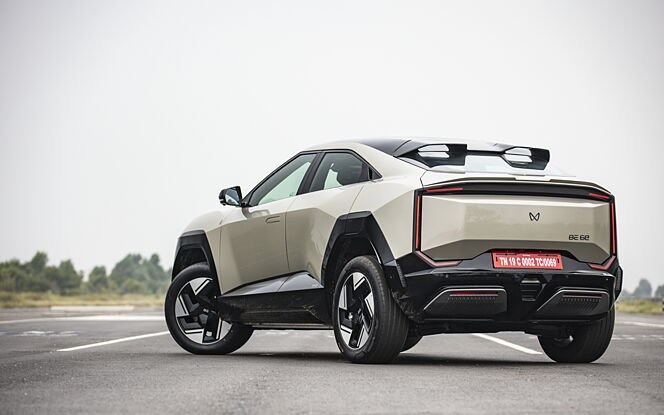
Mahindra & Mahindra, well-known for their SUVs and utility vehicles, are also actively participating in the EV race. Their eVerito, an electric sedan, offers a comfortable and spacious driving experience. Additionally, Mahindra has partnered with Ford to develop a new range of EVs, leveraging their combined expertise and global reach. This collaboration promises to accelerate India’s EV development significantly.
Maruti Suzuki: Entering the Electrified Zone
Maruti Suzuki, India’s largest carmaker, is gearing up to join the EV party with the highly anticipated Suzuki EVX. This electric SUV, slated for launch in 2024, is expected to be a game-changer, leveraging Maruti’s vast experience and production capabilities. The EVX will likely be competitively priced, potentially making EVs more accessible to the masses.
Joining the Race:
- Hyundai: Beyond the Kona Electric, Hyundai plans to launch the Ioniq 5 crossover and the affordable Aura EV sedan, catering to a wider audience.
- Kia Motors: Alongside the EV6, Kia is bringing the Seltos EV, offering a familiar nameplate with an electric twist.
- MG Motor: The ZS EV’s success will be followed by the Gloster electric SUV and potentially the MG 4 hatchback, appealing to budget-conscious buyers.
Beyond the Big Players:
- Ashok Leyland: This commercial vehicle giant is developing electric buses and trucks, crucial for sustainable public transportation and freight movement.
- Force Motors: Known for their off-road vehicles, Force is working on the electric Gurkha SUV, targeting adventure enthusiasts.
- Eicher Motors: The Royal Enfield parent company is venturing into EVs with the brand-new brand ‘Stark Motorcycles’ offering high-performance electric bikes.
Other Notable Players:
Other Indian automakers are also making their mark in the EV space. Hero Electric, a leader in electric two-wheeler mobility, is expanding its product portfolio with new models like the Vida V1. Similarly, Ather Energy, known for its high-performance electric scooters, is attracting tech-savvy customers with its innovative offerings.
The Road Ahead: Collaboration and Innovation
While Indian automakers have made significant strides, collaboration and innovation will be key to their continued success. Partnerships with global players, investments in research and development, and a focus on affordability will be crucial to capture a substantial share of the growing EV market.
As Indian automakers continue to accelerate their EV efforts, the future of mobility in India looks bright. With their understanding of the local market and commitment to innovation, they are well-positioned to not only ride the wave of the EV revolution but also shape its course in the years to come.
Global Players Join the Indian EV Arena: A Fusion of Expertise and Competition
While Indian automakers are driving innovation, the Indian EV landscape wouldn’t be complete without the presence of established global players. These international brands bring diverse offerings, cutting-edge technology, and healthy competition, further fueling the electric revolution in India.
MG Motor: Leading the Charge with British Flair
MG Motor, the British automotive marque reintroduced by China’s SAIC Motor, has made a bold entry into the Indian market with the ZS EV. This stylish and feature-packed SUV offers a compelling blend of performance and range, making it a popular choice among urban EV enthusiasts. MG’s commitment to India is evident in its plans to launch more EV models, including the upcoming Gloster electric SUV.
Hyundai: Korean Tech Meets Indian Roads
Hyundai, a global leader in electric mobility, has entered the Indian market with the Kona Electric, a feature-rich SUV with an impressive range. The Kona Electric showcases Hyundai’s commitment to sustainable transportation and its understanding of the evolving needs of Indian consumers. The company plans to expand its EV portfolio in India, further strengthening its position in this critical market.
Other International Entries:
Several other global players are testing the waters of the Indian EV market. Audi has launched the e-tron SUV, catering to the luxury segment. Kia Motors is gearing up to enter with the EV6, a high-performance electric crossover. These diverse offerings enrich the Indian EV landscape, providing consumers with a wider range of choices and accelerating the overall adoption rate.
Collaboration and Competition: A Winning Formula
The presence of both domestic and international players in the Indian EV market fosters a healthy mix of collaboration and competition. Collaborations between Indian and global automakers can leverage their combined strengths, leading to faster development and innovation. Simultaneously, competition drives each player to push boundaries and offer better products and services, ultimately benefiting Indian consumers.
Top Upcoming EVs in India: A Glimpse into the Future’s Fast Lane
India’s electric vehicle (EV) scene is buzzing with excitement, and the future holds a thrilling lineup of new models ready to hit the roads. Buckle up, gearheads, as we take a sneak peek at some of the most anticipated EVs expected to arrive soon, categorized by their exciting offerings:
SUVs Ready to Rule the Road:
- Maruti Suzuki eVX: This highly anticipated SUV from India’s largest automaker promises affordability and practicality, potentially becoming a game-changer in the mass market.
- Kia EV9: This futuristic SUV boasts spacious interiors, advanced technology, and impressive range, aiming to redefine the premium EV segment.
- Hyundai Ioniq 5: Offering a sleek design, innovative features, and multiple battery options, this crossover SUV caters to tech-savvy and design-conscious drivers.
Sedans Redefining Elegance:
- Skoda Enyaq iV: This feature-packed electric SUV with a spacious interior and impressive range enters the fray, targeting the premium segment.
- MG 4 EV: Following the success of the ZS EV, MG aims to further captivate the market with this sporty and feature-rich hatchback, offering affordability and style.
- Jeep Avenger EV: The iconic Jeep brand joins the EV race with this compact SUV, promising off-road capability and rugged appeal with a zero-emission twist.
Budget-Friendly Options for Everyone:
- Tata Punch EV: This popular hatchback’s electric avatar promises city-friendly practicality and affordability, potentially making EVs accessible to a wider audience.
- Citroen ëC3: The French automaker brings its quirky charm to the EV space with this electric hatchback, targeting style-conscious buyers seeking value.
- Renault Kwid EV: This popular budget car’s electric version could revolutionize affordable mobility in India, making EVs a reality for even more people.
Remember, this is just a taste of the electric feast to come! Each category offers diverse options, catering to different budgets, preferences, and driving needs. As these models roll out, the Indian EV landscape will transform, offering exciting choices for everyone to embrace a cleaner and more sustainable future on the road.
Charging Ahead: Infrastructure and Technology Developments Paving the Way
The electric vehicle (EV) revolution in India is gathering momentum, but one crucial factor remains: charging infrastructure. To truly unlock the potential of EVs, a robust and accessible network is essential. Let’s explore the current state, promising initiatives, and emerging technologies that are paving the way for a charged-up future.
The Current Landscape: A Work in Progress
Currently, India’s EV charging infrastructure is in its early stages. Public charging stations remain scarce, particularly outside major cities. This creates “range anxiety” among potential buyers, hindering wider EV adoption. However, the government and private players are actively working to bridge this gap.
Government Initiatives Spark Change:

Private Players Join the Charge:
Private companies are also playing a crucial role. Tata Power, Mahindra Electric Mobility, and Fortum Charge & Drive are setting up charging stations across India, offering various charging options. Additionally, startups like PlugShare and ChargeGrid are developing innovative solutions to connect EV owners with available charging points.
Emerging Technologies to Power the Future:
Technological advancements promise to further revolutionize EV charging. Solid-state batteries with higher energy density and faster charging times are on the horizon, potentially reducing charging anxiety significantly. Ultra-fast charging stations capable of replenishing batteries in minutes are also being developed, making EVs even more convenient.
Beyond Stations: Innovative Solutions:
Thinking beyond traditional charging stations, solar-powered charging solutions are gaining traction, particularly in rural areas. Battery swapping stations, where depleted batteries are replaced with charged ones, offer another convenient option, especially for two-wheeler EVs. These alternative solutions can play a vital role in expanding accessibility and addressing the unique needs of different regions.
The EV revolution in India hinges on a robust charging infrastructure. While challenges remain, government initiatives, private sector participation, and emerging technologies are paving the way for a brighter, more charged-up future.
Green Electrons and Hydrogen: Fuelling the Future of Transportation
Demystifying Green Hydrogen: Beyond Buzzwords
While electric vehicles (EVs) have grabbed the spotlight, their reliance on electricity leaves some wondering about true sustainability, especially with India’s current power mix. This is where green hydrogen emerges as a potential game-changer, offering a truly clean and emissions-free fuel source for various transportation modes. But what exactly is this green hydrogen, and why are the giants excited about it?
Green Hydrogen: Powering Progress, Not Pollution
Think of green hydrogen-like sunshine bottled up. It’s produced by splitting water molecules using renewable electricity, like solar or wind power, resulting in hydrogen gas and only water vapor as a byproduct. This means no harmful emissions, making it a truly clean fuel for transportation, especially for heavier vehicles like trucks, buses, and even trains, where EVs face range limitations.
Why the Rush? Benefits Abound
The Indian government and major players like Reliance and Adani are actively involved in green hydrogen for several reasons:
- Reduced dependence on fossil fuels: This translates to less money spent on oil imports and improved energy security for India.
- Cleaner air: No tailpipe emissions mean cleaner air for everyone, leading to improved public health and reduced environmental impact.
- Diversified energy sources: Green hydrogen complements renewable energy sources like solar and wind, creating a more resilient and sustainable energy system.
- Job creation and economic growth: Investing in green hydrogen creates new jobs and opportunities across various sectors, boosting the Indian economy.
Challenges and the Road Ahead
Developing a robust green hydrogen ecosystem requires significant investments in infrastructure, technology, and research. Additionally, safety regulations and standards need to be established for widespread adoption. However, the potential benefits are immense, making it a worthwhile challenge to overcome.
Consumer Considerations: When will green hydrogen impact you?
While green hydrogen technology is still evolving, its applications are expanding rapidly. You might not be filling your car with it just yet, but here’s how it could impact you:
- Public transportation: Green hydrogen-powered buses and trains could become a reality in the coming years, offering cleaner and more efficient commutes.
- Freight and logistics: Expect to see heavy-duty trucks powered by green hydrogen, leading to cleaner deliveries and reduced emissions in your city.
- Stationary power: Green hydrogen can also be used for stationary power generation, potentially contributing to a cleaner and more resilient electricity grid.
The Future is Green: Combining Solutions
The future of transportation in India likely lies in a mix of technologies, utilizing both EVs with green charging solutions and green hydrogen for different applications. By embracing innovation and tackling challenges, India can pave the way for a cleaner, more sustainable, and more diverse transportation landscape, powered by both green electrons and green hydrogen.
Deepening the Dive into EV Charging:
Beyond expanding the number of charging stations, several initiatives are focusing on making EV charging greener and more efficient:
- Renewable Energy Integration: Integrating solar power and other renewable sources into charging infrastructure can significantly reduce the carbon footprint of EVs. Government initiatives like “Green Charging Stations” promote solar-powered charging, particularly in rural areas.
- Smart Charging: Utilizing smart grids and intelligent charging systems can optimize energy usage and minimize grid strain during peak hours. These systems can also prioritize charging based on vehicle needs and renewable energy availability.
- Vehicle-to-Grid (V2G) Technology: This technology allows EVs to feed excess stored energy back into the grid, contributing to grid stability and enabling two-way energy flow. Pilot projects are underway to explore the feasibility and benefits of V2G in India.
Challenges and Opportunities:
Developing a robust green hydrogen ecosystem requires significant investments in infrastructure, technology, and research. Additionally, safety regulations and standards need to be established for widespread adoption. However, the potential benefits are immense, including reduced dependence on fossil fuels, cleaner air, and energy security.
The future of transportation in India lies in exploring and optimizing a mix of technologies like EVs with green charging solutions and green hydrogen. By embracing innovation and addressing challenges, India can pave the way for a cleaner and more sustainable mobility future.

Indian Companies: Gearing Up for Green Hydrogen and EV Charging Infrastructure
The Indian government’s push towards a cleaner future has spurred innovation and action from domestic companies across various sectors. Let’s explore how Indian players are positioning themselves in the realms of green hydrogen and EV charging infrastructure:
Green Hydrogen: Early Movers and Growing Ambitions:
- Reliance Industries: Leading the charge, Reliance has announced plans to invest heavily in green hydrogen production, aiming to become a global leader. They’re setting up India’s first giga-scale electrolyzer plant and exploring hydrogen-powered transportation for their logistics businesses.
- Adani Group: Another major player, Adani Group, is also investing significantly in green hydrogen production and exploring its use in ports, airports, and city gas distribution networks. Their ambitious plans aim to make them a key player in India’s green hydrogen ecosystem.
- Electrolyzer Manufacturers: Companies like Greenstat Hydrogen Industries and HRS Process Equipment are developing and manufacturing indigenous electrolyzers, crucial for cost-effective green hydrogen production.
EV Charging Infrastructure: Building a Network for the Future:
- Tata Power: A frontrunner in EV charging, Tata Power has installed over 3000 charging stations across India and aims to set up 10,000 more. They offer various charging options and are exploring innovative solutions like solar-powered stations and battery swapping.
- Mahindra Electric Mobility: Focused on both EVs and charging infrastructure, Mahindra has installed over 500 charging stations and offers various charging solutions for different vehicle segments. They’re also collaborating with other players to expand the charging network.
- Startups and Aggregators: Numerous startups like PlugShare, ChargeGrid, and Blueair Electric are developing smart charging solutions, mobile apps for locating charging stations, and providing charging services. These players are contributing to a more user-friendly and accessible charging ecosystem.
Challenges and Opportunities:
While Indian companies are making strides, challenges remain. Bringing down green hydrogen production costs, developing adequate infrastructure, and establishing safety standards require sustained efforts. Additionally, collaboration between different players, government support, and attracting investments are crucial for faster progress.
Despite the challenges, the future looks promising. Indian companies’ growing capabilities and commitment to clean energy solutions position them well to contribute significantly to India’s green hydrogen and EV charging infrastructure development. Their success will be vital in paving the way for a sustainable and electrified future for the nation.
Going Green on Two Wheels: The Rise of Electric Scooters and Motorcycles
In the race towards a cleaner future, India’s bustling streets are witnessing a silent revolution on two wheels. Electric scooters and motorcycles are swiftly gaining traction, offering an eco-friendly and convenient alternative to their gasoline-powered counterparts. Let’s explore this exciting trend and delve into the factors propelling their rise.
Fueling the Shift:
Several factors are contributing to the popularity of electric two-wheelers in India:
- Environmental Concerns: With rising air pollution becoming a critical concern, consumers are increasingly seeking sustainable transportation options. Electric vehicles, with zero tailpipe emissions, offer a promising solution.
- Government Incentives: The Indian government’s FAME-II scheme provides subsidies on electric two-wheeler purchases, making them more affordable and accessible. This initiative has significantly boosted demand in recent years.
- Cost-Effectiveness: While upfront costs might be higher, electric two-wheelers offer lower running costs due to reduced fuel expenses and minimal maintenance needs. Additionally, government subsidies further enhance their cost advantage.
- Convenience and Comfort: Electric scooters and motorcycles are known for their smooth, quiet operation, making them ideal for navigating congested city traffic. Additionally, features like automatic transmission and ample storage space add to their user-friendliness.
Leading the Charge:
Several Indian and international brands are vying for a share in the growing electric two-wheeler market. Here are some key players:
- Ola Electric: This Indian startup has taken the market by storm with its S1 scooter, offering impressive range, performance, and connected features.
- Ather Energy: Another Indian player, Ather is known for its high-performance 450X scooter, featuring advanced technology and premium design.
- Hero Electric: A pioneer in the electric two-wheeler space, Hero offers a diverse range of scooters and motorcycles catering to various budgets and needs.
- TVS Motor Company: This established manufacturer has entered the electric space with its iQube scooter, aiming to leverage its vast network and experience.
Challenges and the Road Ahead:
Despite the positive momentum, challenges remain:
- Range Anxiety: Limited range compared to gasoline counterparts can be a deterrent for some potential buyers. Addressing this through better battery technology and expanding charging infrastructure is crucial.
- Charging Infrastructure: While rapidly expanding, the charging network requires further development to fully support widespread adoption.
- Battery Swapping: While convenient, standardization of battery packs is essential for smoother adoption and wider implementation.
However, the future holds immense potential for electric two-wheelers in India. Continuous advancements in technology, growing awareness about sustainability, and government support are expected to accelerate their adoption. These eco-friendly alternatives can pave the way for cleaner air, quieter streets, and a more sustainable transportation future in India.

Beyond the Buzz: Sustainability and the Future of EVs
Electric vehicles (EVs) have captured the spotlight, promising a cleaner and more sustainable future for transportation. But beyond the hype, it’s crucial to examine their true environmental impact and analyze the challenges and opportunities that lie ahead.
The Sustainability Equation:
While EVs boast zero tailpipe emissions, their sustainability story extends beyond that headline. Let’s break it down:
- Manufacturing: Battery production can be energy-intensive and utilize rare earth elements, raising concerns about environmental and social impacts. Sustainable sourcing and cleaner manufacturing processes are crucial.
- Battery Lifecycle: Lithium-ion batteries have a limited lifespan, and their disposal or recycling needs careful consideration to avoid environmental harm. Innovative recycling technologies are being developed to address this challenge.
- Electricity Source: The environmental impact of EVs depends heavily on the source of electricity used to charge them. Shifting towards renewable energy sources like solar and wind is essential to maximize their sustainability benefits.
Looking Beyond the Hype:
It’s important to remember that EVs are not a silver bullet solution. A truly sustainable transportation ecosystem requires a multi-pronged approach, including:
- Public Transportation: Investing in efficient and accessible public transportation systems can significantly reduce emissions and individual car dependence.
- Micromobility: Promoting cycling, walking, and e-scooters for short trips can further reduce reliance on personal vehicles.
- Urban Planning: Creating walkable and cycling-friendly cities encourages sustainable transportation choices and reduces overall emissions.
The Future Unfolds:
Despite the challenges, the future of EVs is promising:
- Technology Advancements: Battery technology is continuously evolving, offering increased range, faster charging times, and potentially lower environmental impact.
- Circular Economy: Initiatives promoting responsible battery sourcing, recycling, and second-life applications are gaining traction.
- Grid Transformation: The integration of renewable energy sources into the grid will significantly enhance the sustainability of EVs.
In conclusion, the sustainability of EVs hinges on addressing their environmental footprint throughout their lifecycle and integrating them into a broader sustainable transportation ecosystem. By embracing continuous innovation, responsible practices, and a multifaceted approach, we can unlock the true potential of EVs for a cleaner and greener future.

[…] repeatedly describe the cabin as quiet enough to feel near-EV-like during idle and city […]