







Discover the secrets behind Toyota India success. Learn how this automotive giant won the hearts of millions, transforming India’s roads along the way.
?? Reliability Redefined: Did you know that Toyota has supported their vehicles with spare parts and service for decades? In India, it’s not uncommon to find a 20-year-old Toyota still running strong ?, thanks to the company’s commitment to long-term care. This unwavering support has cemented Toyota’s status as a stalwart in the ever-evolving automotive landscape.
? Resale Royalty: The Toyota badge is synonymous with trust, and it’s reflected in the brand’s legendary resale value. A pre-owned Toyota commands a premium, not just for the emblem on the grille, but for the promise of a car that will reliably ignite the engine, morning after morning, mile after mile ??.
? The Unofficial Workhorse: Traversing the vibrant chaos of city traffic and the rugged paths to remote villages, the Toyota Innova emerges as India’s de facto taxi. These resilient white MPVs are a testament to Toyota’s engineering, effortlessly conquering the toughest terrains ??.
?? The Indestructible Legend: The Toyota Hilux’s legendary toughness was put to the ultimate test in a series of challenges that would leave most vehicles in ruins ?. From surviving catastrophic accidents to being submerged ? and even enduring the collapse of a building ?, the Hilux proved its mettle time and again. These harrowing trials, documented in a gripping series of episodes [Killing a Toyota Part 1 | Top Gear | BBC], Part 2, Part 3, and more showcase a vehicle that not only survives but thrives under the harshest conditions, ready to start up and take on the next adventure ??.
Toyota’s Global Ascendancy: A Chronicle of Innovation and Excellence
Toyota’s metamorphosis from a domestic carmaker to a global powerhouse is a saga of tenacity and groundbreaking innovation. Initially pigeonholed as a producer of simple, economical vehicles, Toyota embarked on a transformative journey, challenging the status quo and the scepticism of established automotive elites.
? Milestones of Progress:
Toyota’s ascent was marked by strategic product launches and milestones. The 1957 export of the Toyota Crown to the United States signified its international ambitions. The unveiling of the world’s first mass-produced hybrid vehicle, the Prius, in 1997, showcased Toyota’s commitment to sustainable innovation.
Recommended Product
Casio Vintage A168WA Digital Watch – Classic Retro Style
🛒 View on Amazon →As an Amazon Associate, we earn from qualifying purchases. Price and availability may vary.
? Rivalries Fuelling Excellence:
Throughout its journey, Toyota encountered formidable competitors, including Ford, Volkswagen, Hyundai, General Motors, and Nissan. These rivalries spurred Toyota to push the boundaries of automotive technology and customer satisfaction, continually striving to outpace its rivals in quality, efficiency, and innovation.
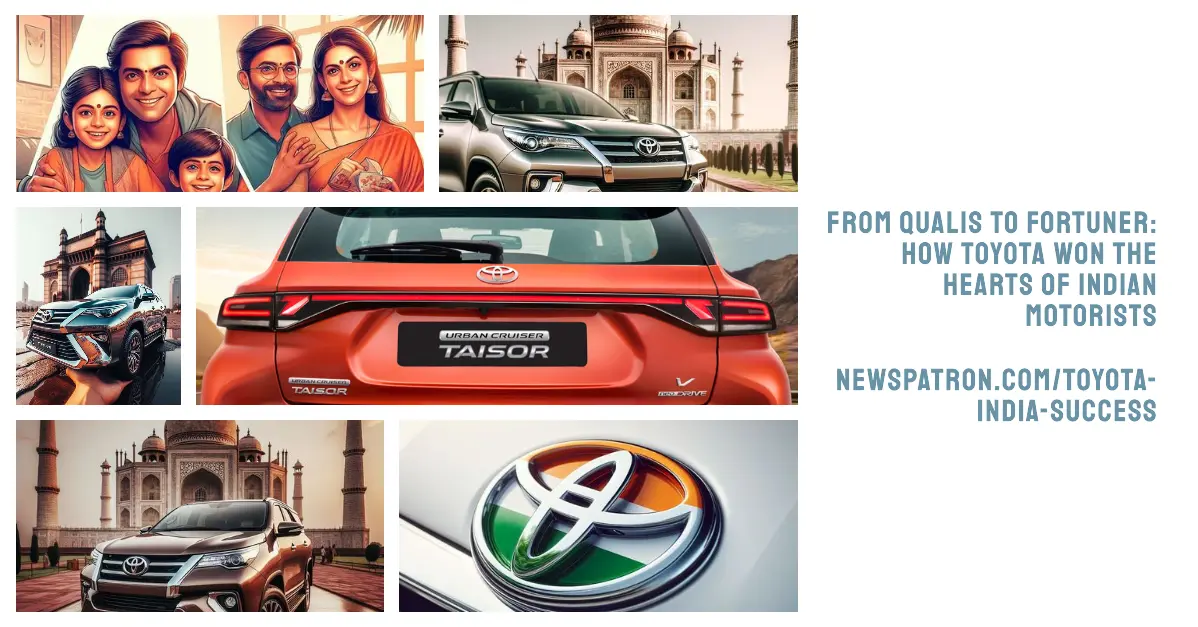
The Power of the J-Factor: Toyota’s Secret to Success
The “J-Factor” refers to Toyota’s unique approach to design, manufacturing, and customer satisfaction. It represents a fusion of Japanese values, craftsmanship, and cutting-edge technology. At its core are the following principles:
- Quality First: Toyota places unwavering emphasis on quality control, striving for zero defects in every vehicle. This involves meticulous attention to detail at every stage of production.
- Customer Centricity: The J-Factor prioritizes the needs and expectations of the customer. Toyota vehicles are designed to be reliable, intuitive to use, and offer long-lasting value.
- Continuous Improvement (Kaizen): Toyota believes there’s always room for improvement. The ‘kaizen’ philosophy encourages constant refinement of processes and products, ensuring Toyota stays ahead of the curve.
- Respect for People: Toyota values its employees, suppliers, and the broader community. This respect translates into a focus on safety, collaboration, and social responsibility.
- Environmental Awareness: Toyota recognizes its responsibility to the environment. The J-Factor incorporates strategies for reducing waste, promoting resource efficiency, and developing sustainable technologies like the iconic Prius.
[Read about Taisor, Toyota’s new star in India a full review of the SUV]
The J-Factor in Action
The J-Factor isn’t just a set of abstract ideals; it manifests in tangible ways throughout Toyota’s operations:
- Toyota Production System (TPS): This world-renowned system maximizes efficiency and eliminates waste, ensuring consistently high-quality vehicles.
- Just-in-Time Manufacturing: Toyota produces vehicles based on actual demand, minimizing overproduction and optimizing resource use.
- Long-Term Reliability: The J-Factor translates into vehicles that are built to last, giving customers peace of mind and contributing to Toyota’s exceptional resale value.
A Bold Challenge: The Lexus Gambit
The expansion into luxury with the Lexus brand in 1989 ? was a bold move that disrupted the European-dominated sector. The very name “Lexus” was a strategic choice, aiming to position the brand ahead of Mercedes-Benz alphabetically, subtly hinting at Toyota’s ambition to surpass its established rival. This moves established Toyota as a premium manufacturer.
Toyota in India: A Brand Woven into the Fabric of Daily Life
Toyota’s story in India extends far beyond impressive sales figures; it’s a narrative of a brand becoming deeply integrated into the social and economic landscape.
A Beloved Companion on Indian Roads
The iconic Toyota Innova, or its newer iteration, the Crysta, transcends its role as a mere vehicle. It’s a trusted companion for families embarking on religious pilgrimages, a reliable workhorse for businesses, and a comfortable choice for ride-hailing services. This MPV’s versatility and adaptability to diverse needs have made it a ubiquitous sight on Indian roads ??, trusted for generations due to its:
- Spacious interiors
- Exceptional comfort
- Unwavering reliability – a hallmark of Toyota’s J-Factor philosophy.
Customer from Raigad Patangrao says “My family still uses the Qualis we bought more than a decade ago. It’s still going strong!”
[If you are curious to buy one check OLX]
Empowering Lives through TTTI
The Toyota Technical Training Institute (TTTI) stands as a shining example of Toyota’s dedication to fostering talent and empowering lives. Established in 2007, TTTI has transformed the aspirations of rural youth into reality. By offering world-class skill training, the institute equips them for successful careers in the automotive industry. Success stories abound, with TTTI graduates representing India at the World Skills Olympics and bringing home medals – a testament to the institute’s role in shaping skilled professionals who contribute significantly to the industry and the nation. This dedication to empowering the workforce aligns perfectly with the J-Factor’s emphasis on respect for people and nurturing talent for a sustainable future.
Special Services and Social Impact
Toyota’s presence extends beyond personal vehicles. The Innova and Fortuner are preferred choices for government fleets, providing reliable transportation for officials and dignitaries. Additionally, the company actively supports India’s ‘Make in India’ and ‘Skill India’ missions, further highlighting its dedication to the country’s development. These initiatives showcase Toyota’s commitment to social responsibility – another pillar of the J-Factor philosophy.
Toyota’s Innovative Marketing: Crafting Connections
Toyota understands that connecting with the hearts and minds of Indian consumers is just as important as the engineering under the hood. Their marketing campaigns have a distinct understanding of the aspirations, values, and diverse needs of Indian car buyers.
- The ‘Q-Class’ Legacy: The “Q Class” campaign for the Toyota Qualis not only highlighted the vehicle’s features but also struck a chord with Indian values of space, comfort, and reliability. The impact of this campaign was profound, with the Qualis registering 12,000 bookings within the first 15 days of its launch. Even years after its discontinuation, the Qualis remains a beloved vehicle in the used car market, demonstrating the enduring success of the campaign.
- ‘Drive the World’ with Innova: Similarly, the “Drive the World” campaign for the Toyota Innova painted the SUV as an emblem of adventure and family unity. This campaign significantly contributed to the Innova’s image as the go-to vehicle for long journeys, cementing its place as a family favourite. The Innova’s sales figures and its dominance in the MPV segment are a testament to the campaign’s effectiveness.
- Fortuner’s ‘Tough Love’ The “Tough Love” campaign for the Toyota Fortuner tapped into the aspirations for power and luxury. It positioned the Fortuner as a symbol of rugged elegance, appealing to those seeking both adventure and status. The campaign resonated with its target audience, bolstering the Fortuner’s position as a vehicle of choice for the discerning and adventurous.
Toyota’s Commitment to India: Investments, Initiatives, and Future Plans
Toyota’s presence in India extends far beyond its popular vehicles. The company is committed to investing in India’s growth and development across multiple fronts.
- Localization and ‘Make in India’: A focus on localization of manufacturing increases cost competitiveness and supports the ‘Make in India’ initiative. The expansion plan for a third production plant reinforces Toyota’s long-term dedication to the market, promising more jobs and a wider range of locally produced vehicles.
- Empowering India’s Youth: Toyota has a deep-rooted belief in empowering India’s youth. The Toyota Technical Training Institute (TTTI), established in 2007, stands as a shining example of this commitment. By offering world-class skill training, TTTI equips young people from rural areas with the knowledge and expertise needed for successful careers in the automotive industry. These graduates are not just technicians; they’re a generation of engineers with the potential to solve problems ranging from vehicle design to improving India’s traffic woes. Success stories abound, with TTTI graduates representing India at the World Skills Olympics and bringing home medals – a testament to the institute’s role in shaping skilled professionals who contribute significantly to the industry and the nation.
- Environmental Responsibility: Another pillar of Toyota’s commitment to India is environmental responsibility. The introduction of the Prius hybrid was a groundbreaking step towards sustainable mobility in India. Recent initiatives promoting electrified vehicles (xEVs) further solidify Toyota’s position as a leader in environmentally conscious transportation. Toyota recognizes the importance of a clean future and is actively working towards reducing its environmental impact in India.
- Investing in Social Well-being: Toyota’s investments are not limited to technology and manufacturing. CSR initiatives like healthcare programs and other social outreach efforts demonstrate a genuine commitment to India’s social well-being. By building strong relationships with the community and contributing to India’s overall development, Toyota’s presence is shaping a better future for the nation.
Job Creation
- Toyota has announced an investment of nearly $400 million to set up a third manufacturing facility in India, which is expected to create 2,000 new jobs. This expansion will increase Toyota’s overall capacity to 410,000 units per annum.
CSR Reach
- Toyota’s CSR initiatives are guided by the “Toyota Philosophy,” which aims to contribute to the sustainable development of society. While specific figures on the reach of these programs are not detailed, the company’s global website outlines its commitment to customers, employees, business partners, and the broader community. Toyota’s CSR activities focus on the environment, traffic safety, and education, with initiatives tailored to the social needs of each country or region. These efforts reflect Toyota’s dedication to not only expanding its business operations but also to making a positive impact on society and the environment.
Timeline: A Journey of Innovation and Success
Early Innovations
- 1867: Birth of Sakichi Toyoda, founder of the Toyoda Loom Works. [Textile unit]
- 1890: Birth of Kiichiro Toyoda, Sakichi’s son, who would establish Toyota Motor Corporation.
- 1918: Sakichi Toyoda invents an automatic loom with a non-stop shuttle-change motion.
- 1924: Kiichiro Toyoda invents the Toyoda Model G Automatic Loom, considered one of the most advanced weaving machines in the world.
- 1926: Toyoda Automatic Loom Works, Ltd. is established.
- 1933: Kiichiro establishes an automobile department within Toyoda Automatic Loom Works. [The first Toyota vehicle was manufactured inside a textile factory as a department]
- 1935: The first prototype passenger car, the A1, is completed.
- 1937: Toyota Motor Corporation is founded.
Global Expansion
- 1957: The first Toyota Crown models arrive in the USA, marking the beginning of Toyota’s expansion into international markets.
- 1960s: Toyota establishes manufacturing facilities outside of Japan, expanding its global footprint and production capabilities.
- 1965: The Toyota Corolla is introduced, rapidly becoming a global bestseller known for its reliability, fuel efficiency, and affordability.
- 1980s – 1990s: Toyota introduces luxury vehicles under the Lexus brand and focuses on technological advancements like hybrid technology, solidifying its position as an innovative automotive leader.
Toyota’s Arrival in India (1997 – Present)
- 1997: Toyota Kirloskar Motor (TKM), a joint venture between Toyota Motor Corporation and Kirloskar Group, is established in India.
- 1998: The iconic Toyota Qualis, a multi-purpose vehicle (MPV), is launched in India. The Qualis quickly becomes a popular choice for families and businesses due to its spacious interiors, comfortable seating, and robust build quality, establishing a strong foundation for Toyota’s success in the Indian market.
- 2004: Toyota launches the Innova, the successor to the Qualis. The Innova builds upon the Qualis’ legacy, offering a more modern design, improved features, and enhanced safety. It becomes a dominant player in the MPV segment, solidifying Toyota’s reputation for reliability and durability in India.
- 2009: The Toyota Fortuner, a premium SUV, is launched in India. It caters to a growing demand for powerful and stylish SUVs, further expanding Toyota’s product portfolio and attracting a new customer segment.
- 2010s: Toyota focuses on localization of production in India, aligning with the ‘Make in India’ initiative. This not only reduces costs but also strengthens the company’s commitment to the Indian market.
- 2016: Toyota launches the Prius, the world’s first mass-produced hybrid car, in India. This marks a significant step towards promoting sustainable mobility in the country.
- 2020s: Toyota continues to expand its presence in India with new product launches like the Urban Cruiser and the upcoming Belta sedan. The company also focuses on electrification, introducing hybrid and electric vehicles (xEVs), aligning with India’s focus on cleaner transportation solutions.
Looking Ahead: Toyota’s vision for the future in India is one of continued growth, innovation, and social responsibility. The company is committed to investing in new technologies, expanding its manufacturing footprint, and empowering the Indian workforce.
Conclusion: A Legacy of Trust and Transformation
Toyota’s remarkable journey in India is a testament to its ability to not just build great cars, but to become an integral part of the nation’s automotive landscape. From the Qualis to the Fortuner, Toyota has consistently delivered vehicles that resonate with Indian needs. The company’s dedication to quality, innovation, and social responsibility has earned the trust and loyalty of millions across the country. As Toyota continues to invest in India’s future, we can anticipate even greater things from this automotive giant – more jobs, more localized production, and a continued push towards sustainable, technologically advanced mobility solutions.
Toyota India Success
Let’s Keep the Conversation Going
Did you enjoy this in-depth look at Toyota’s success in India? We want to hear your thoughts!
- Share Your Experiences: Do you own a Toyota, or have you driven one? Share your stories and thoughts on social media. Be sure to tag @ToyotaIndia and @newspatron on twitter @newspatrondaily and @qmit_kumar on Instagram, so that we can join in the discussion!
- Connect and Follow: Follow @ToyotaIndia for the latest news, updates, and exciting developments. Join our Whatsapp Channel for instantenous status updates about articles as they are published on newspatron.com
- Become a Contributor: Are you passionate about the automotive industry? Share your expertise and insights by submitting articles to our website. Your work could be featured, reaching an engaged audience of car enthusiasts! Directly write to the editor@newspatron.com

[…] From Qualis to Fortuner: How Toyota Won the Hearts of Indian Motorists: […]
[…] https://newspatron.com/toyota-india-success/ […]
[…] Trace the journey of Toyota’s dominance in India, from the iconic Qualis to the luxurious Fortuner. Discover Toyota’s strategy to capture millions of hearts. Read about it in From Qualis to Fortuner: How Toyota Won the Hearts of Indian Motorists. […]
[…] Despite the Tejas program’s progress and ambitious plans, India continues to grapple with an aging fleet and a procurement process hindered by delays. To maintain an edge in the skies, the IAF must also contend with a regional arms race, facing rivals who possess both numerical and technological advantages.[Read about Toyota From Qualis to Fortuner: How Toyota Won the Hearts of Indian Motorists] […]