



The Political Landscape of India: A Deep Dive into the 2024 Elections
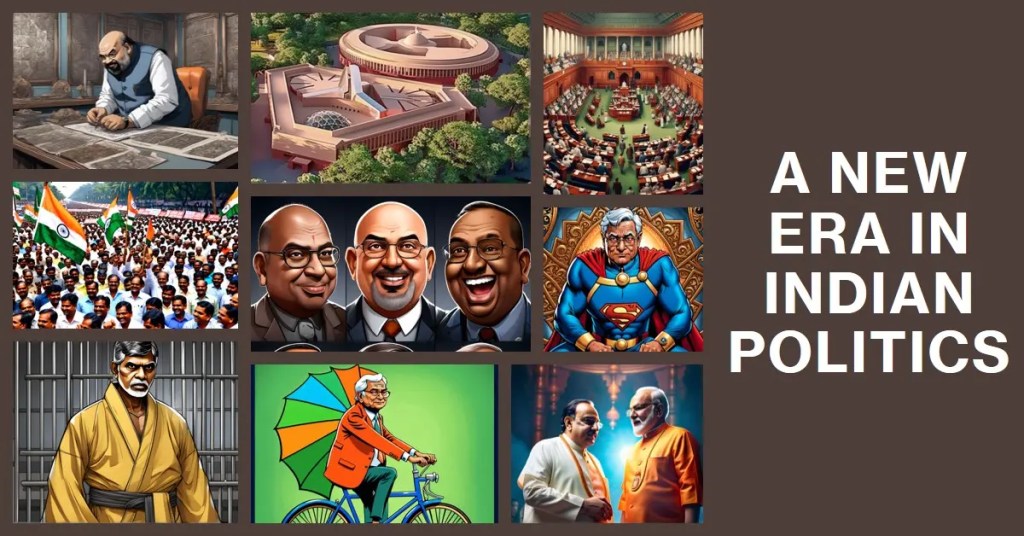
Welcome to the second part of our blog series on the 2024 Indian elections. If you haven’t read the first part, you can find it here. In this instalment, we delve into the election results, the role of the opposition, and the factors that influenced the voting patterns of the SC/ST and young voters. We also explore the ‘Chandrababu effect’ and its implications on the election outcome.
#LokSabhaElectionResultAnalysis2024 #2024Elections #BJP #SCSTVotes #YouthVotes #ChandrababuEffect #Varanasi #Ayodhya #Mumbai #HinduVoters
The Lok Sabha Election Result Analysis 2024 – A Perception of Loss
The 2024 elections saw the Bharatiya Janata Party (BJP), led by Prime Minister Modi, facing a significant challenge. Despite the opposition’s concerted efforts to topple the government, they failed to secure a majority. This raises the question: if the BJP lost, who won? And if the opposition is the winner, how did they achieve this victory?
The opposition may not have secured a majority, but their efforts have resulted in the BJP losing its simple majority in the parliament. However, this does not give the opposition a moral right to celebrate. Their inability to secure numbers comparable to the BJP, despite their best efforts, leaves them in a precarious position.
[bbp-single-topic id=5843]
The Opposition’s Achievement: A Pyrrhic Victory?
The opposition’s efforts have resulted in a hung parliament, but at what cost? They have created a political mess, but have they achieved anything substantial? Despite the loss of a simple majority, PM Modi is set to kickstart his third term without having to go the extra mile to convince allies, unlike the late Vajpayee. [Read More About Main Atal Hoon]
[Decode BJP Manifesto 2024: A Vision for India’s Progress]
[Download BJP Manifesto] [Download Congress Manifesto]
The SC/ST Votes and the Youth: A Lost Faith
The 2024 elections saw a shift in the voting patterns of the SC/ST communities and the youth. What caused this shift? Why did these demographics lose faith in the BJP? To understand this, we need to delve deeper into the factors that influenced their voting behaviour.
The Chandrababu (2004) Effect
Chandrababu Naidu, an NDA alliance partner, confirmed his allegiance to the BJP post-election. Naidu and PM Modi share a similar outlook towards the economy, which is beneficial for Andhra Pradesh, a state in need of significant financial aid from the Central Government. Naidu’s alliance with the BJP ensures that the Central Government is more likely to work in tandem with him, providing comfort and stability for both parties.
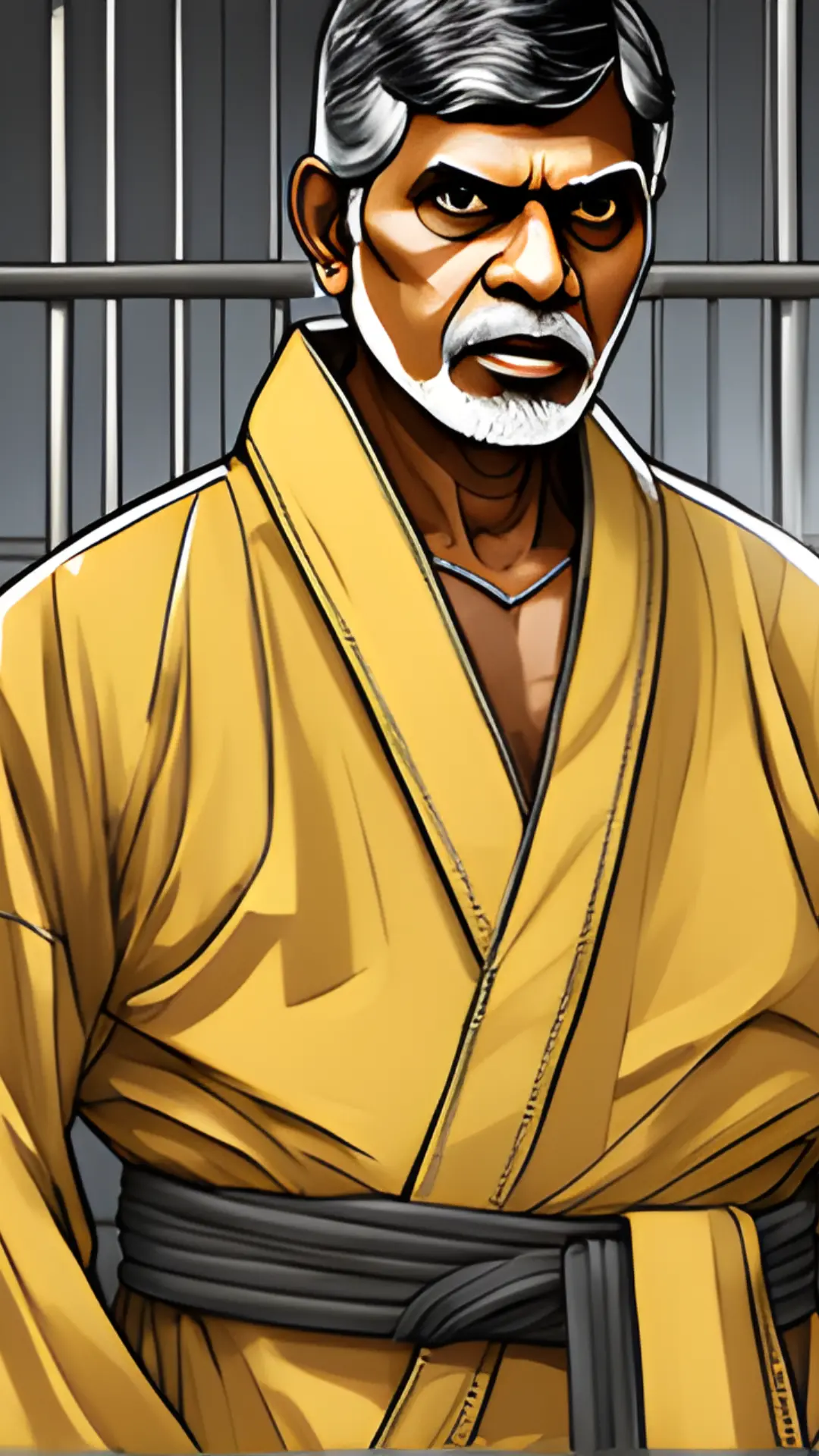
However, this development was limited to the city, and the rural areas remained underdeveloped. This lopsided development led to Naidu’s defeat in the 2004 elections, a pattern that seems to have repeated in the 2024 elections with the BJP.
[Read how Chandrababu emerged victorious despite harassment and intimidation]
The Varanasi and Ayodhya Conundrum
Despite significant development and grand projects in Varanasi and Ayodhya, the BJP lost in both constituencies. PM Modi, despite being the Prime Minister, won in Varanasi with a margin of only 150,000 votes. This raises the question: why did this happen?
While there has been praise for the changes in Varanasi (Kashi) and Ayodhya, the ground reality tells a different story. The locals have not benefited much from the land acquisition for these projects, and the economic benefits of tourism have not percolated down to all. This situation mirrors the lopsided development during Chandrababu’s time, leading to his defeat in 2004.
The Mumbai Paradox
Mumbai has seen a flurry of infrastructure projects, yet the BJP’s seat numbers in the city have decreased. Why didn’t the people of Mumbai vote for the BJP despite the development? The answer lies in the type of projects undertaken. While grand projects create employment and benefit the city in the long run, they do not necessarily touch the lives of the common man or improve their day-to-day life.
For instance, the local train system in Mumbai, the city’s lifeline, needs a complete overhaul. Despite the construction of big roads and bridges, the common man’s problems remain unaddressed. This has led to voter dissatisfaction, as they feel that the economic benefits of these projects have not reached them.[Watch a video about the conditions of daily commuters in Mumbai]
The SC/ST Communities and the Ayodhya Issue
The Ayodhya issue has been a significant talking point in these elections, particularly concerning the SC/ST communities. The BJP’s aggressive promotion of Hinduism and the construction of temples have not resonated with all sections of society. The SC/ST and Dalit communities, in particular, visit temples less frequently and are non-believers of the Shruti Smriti Purana.
The BJP’s efforts to bring back the old Hindutva concept and build new temples may not been received positively(equally) by all communities. Some communities feel this is being done aggressively and fear that this trend will dominate. This emotional factor has been effectively used by the Samajwadi Party and Congress to create frustration within certain communities.
The Ticket Distribution Strategy
Akhilesh Yadav’s ticket distribution strategy also played a role in these elections. Unlike their old legacy of giving tickets to only Yadavs from their family and their communities, the Samajwadi Party distributed tickets to candidates from different communities and castes. This strategy shook the BJP’s (new) social engineering experiment, leading to a shift in the SC/ST votes.
In the next blog we will explore in detail the BJP ticket distribution pattern, the Muslim – SC/ST consolidation, the catalysts and the (BJP) decisions that may have costed the BJP a good number of seats.
Join our Forums to Voice your thoughts.
Conclusion
The 2024 elections have highlighted several issues in the political landscape of India. The Hindus, satisfied with the construction of the Shri Ram temple, have mellowed down and do not seem to be in a hurry to demand other temples. The political reality is that no party can ignore the Hindu voters. However, the BJP’s aggressive promotion of Hinduism and the construction of temples have not resonated with all sections of society, leading to a shift in the voting patterns of the SC/ST communities and the youth. These elections serve as a reminder that while development is crucial, it must touch the lives of the common man and improve their day-to-day life.
[Read about Banke Bihari Temple’s legacy a national call to action]
The property registered as belonging to Bake Bihari Temple in government records is wrongly labelled as a graveyard. [Read More on Newspatron].
Read an article at [Live Law]. Read an article by [Shillong Times].
Let’s try and focus on the numerous games performed by various schools of thought, their narratives, and the real actions taken by vested political interests in this article.

[…] Lok Sabha Election Result Analysis 2024 […]