


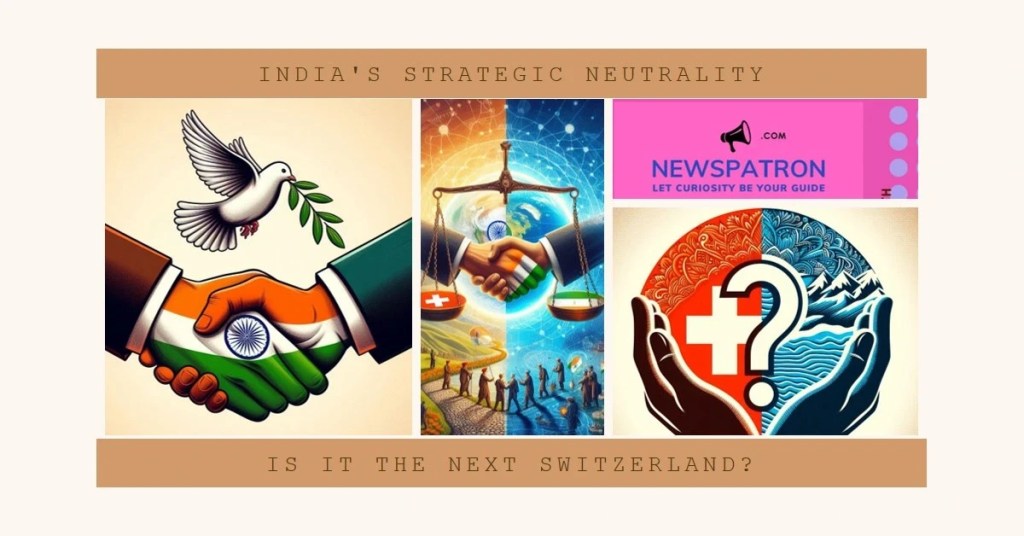


India: Playing Switzerland in a World Gone Wild? ?
Ever wonder how Switzerland stays so chill while the world around it seems to be constantly losing its cool? ? Turns out, there’s a method to their “neutrality” madness. And guess what? India seems to be taking notes! ?
In this post, we’re going to explore how India is quietly mastering the art of strategic neutrality, juggling friendships with global giants while always keeping its own interests front and center. Think of it as a diplomatic tightrope walk, with India balancing its relationships with the US, Russia, and everyone in between. ?
We’ll delve into India’s history of non-alignment, its recent diplomatic moves (like hosting the G20 and joining the IPEF), and how it’s using its growing economic clout to forge its own path on the world stage. ?
Oh, and before I forget, if you’re into breathtaking aerial views, be sure to check out my YouTube channels, DroneMitra (You Sky is Digital with a Drone as a Freind) and Newspatron (Let Curiosity Be Your Guide). You might just find some awesome drone shots that’ll make you say “Whoa!” ?
The Visual Proof: See For Yourself
Now, let’s get this show on the road! ??
Introduction: The Swiss Model ??
Switzerland, a landlocked nation famed for its breathtaking scenery, delectable chocolate, and precision timepieces, also holds a unique position in global politics. For centuries, it has adhered to a policy of neutrality, refusing to take sides in international conflicts. This might seem like Switzerland is simply “sitting out” the world’s drama, but in reality, this neutrality is a carefully crafted strategy that has yielded significant benefits.
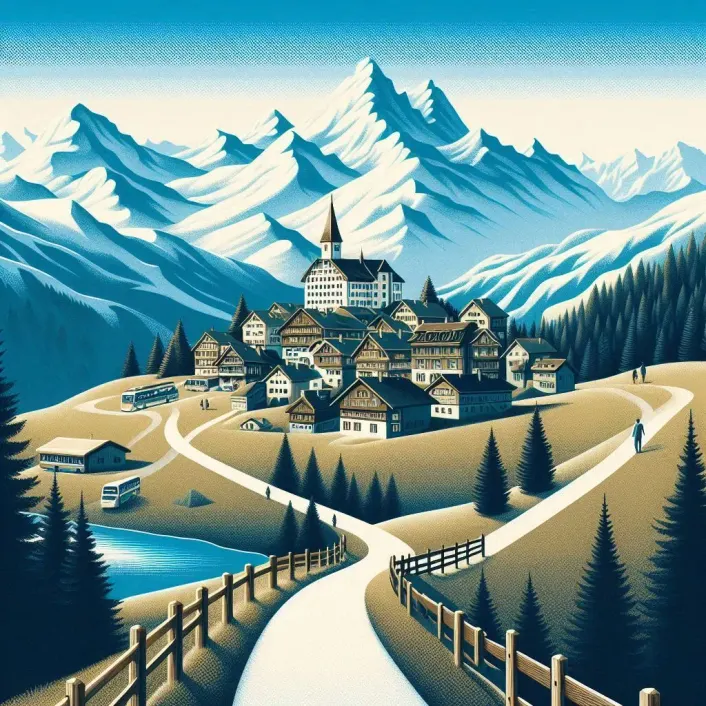
Think about it: Switzerland, despite its small size, boasts one of the world’s highest GDPs per capita and enjoys strong global relationships without any real enemies. It’s like the friendly neighbor everyone likes, even if they don’t always agree with them. This neutrality has allowed Switzerland to:
- Avoid the devastating costs of war: While other nations were embroiled in conflicts, Switzerland focused on building its economy and society.
- Become a safe haven for investments: Its stability and neutrality attract investors seeking a secure environment for their assets.
- Act as a trusted mediator in international disputes: Switzerland’s impartiality makes it a go-to mediator for resolving conflicts peacefully.
Now, you might be wondering, “What does this have to do with India?” Well, in a world that seems increasingly polarized, India is showing signs of adopting a similar approach. It’s like watching a student carefully observe the master, learning the subtle art of staying cool under pressure. ?
Recommended Product
Trylo Riza T-Fit Women's Bra – Comfortable Daily Wear
🛒 View on Amazon →As an Amazon Associate, we earn from qualifying purchases. Price and availability may vary.
India, with its growing economic might and strategic ambitions, is finding itself at a crossroads. It’s seeking to balance its relationships with major powers like the US and Russia, while also asserting its own independence and pursuing its national interests. This is where the Swiss model becomes particularly relevant.


By studying how Switzerland has leveraged neutrality to its advantage, India can gain valuable insights into navigating the complexities of international relations. It’s about finding that sweet spot where you can maintain strong alliances without getting entangled in conflicts that don’t serve your interests.
Read a previous blog that unpacks the concept of the Deep State Toolkit.
[Read Full Story]
India’s Complex International Relationships ????
India’s foreign policy has been a bit like a Bollywood movie – full of drama, unexpected twists, and a whole lot of balancing acts! ? Since gaining independence in 1947, India has had to navigate a complex geopolitical landscape, forging relationships with a diverse cast of characters on the world stage.
Think of it like this: India is the new kid in school, trying to find its place among the established cliques. There’s the popular group (the US and its allies), the rebellious ones (Russia and China), and then a whole bunch of others with their own agendas. India, being the smart and ambitious student it is, wants to be friends with everyone, but it also needs to stand up for itself and make its own choices.
This has led to some interesting dynamics:
- Non-Alignment Movement: In the early years, India championed the Non-Alignment Movement, refusing to take sides in the Cold War between the US and the Soviet Union. It was like saying, “Hey, I’m not picking teams, I’m here to make my own path.”
- Friendships and Frictions: India has built strong ties with countries like the US, Russia, and Japan, but it also has its share of frictions, particularly with neighbors like Pakistan and China. It’s like having a big family – you love them all, but sometimes you just can’t avoid a little sibling rivalry.
- Economic Diplomacy: In recent years, India has become more assertive in using its economic clout to pursue its interests. It’s like realizing that being smart and having good grades can actually make you popular! ??
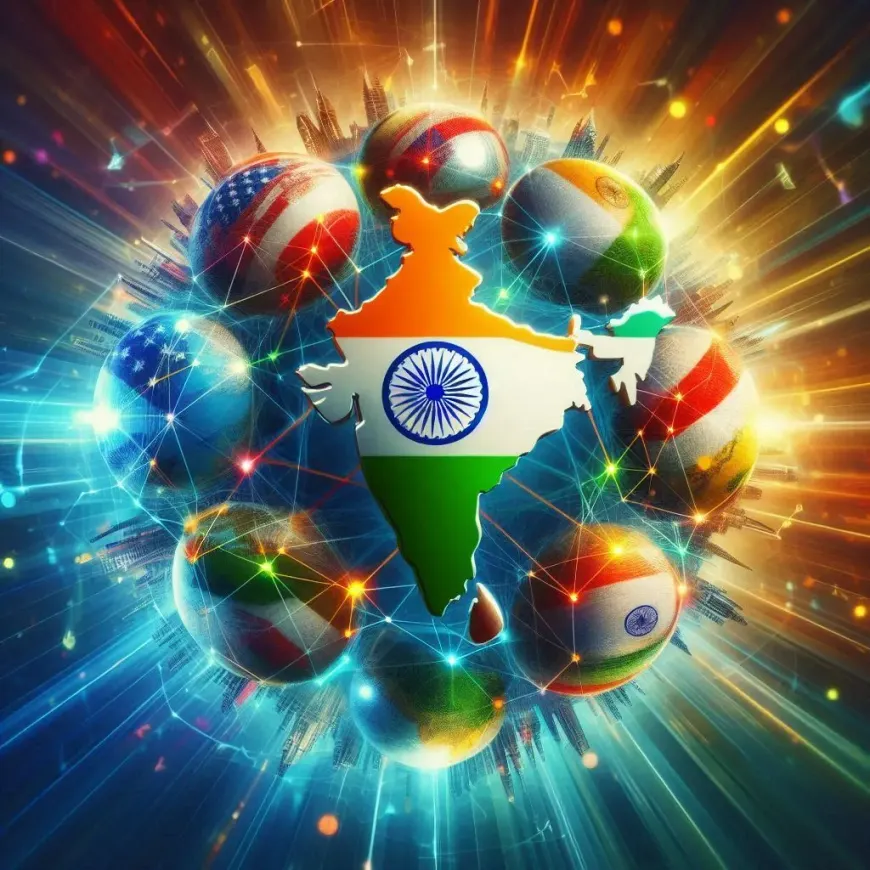
This complex web of relationships has presented both challenges and opportunities for India. On the one hand, it has to carefully balance its various partnerships to avoid getting caught in the crossfire of global power struggles. On the other hand, it can leverage these relationships to its advantage, securing trade deals, technology transfers, and diplomatic support.
But here’s the thing: India is no longer just the new kid in school. It’s grown up, gained confidence, and is ready to take a more prominent role on the world stage. And just like Switzerland, it’s realizing that strategic neutrality can be a powerful tool in achieving its goals.
Switzerland’s Path to Neutrality ??????
Now, let’s rewind the clock and take a trip back in time to see how Switzerland became the poster child for neutrality. ?? You see, Switzerland wasn’t always the peaceful haven it is today. In fact, they used to be quite the scrappy bunch, always getting into skirmishes with their neighbors. It was like a constant neighborhood squabble, with everyone trying to prove they were the toughest kid on the block. ?
But here’s the thing: Switzerland is a small country, and those constant battles were taking a toll. It was like realizing that picking fights with everyone in the schoolyard might not be the best way to make friends. So, they started to rethink their strategy. ?
A key turning point came in 1815, after Napoleon’s defeat. The European powers, tired of all the fighting, decided it was time for a change. They recognized Switzerland’s neutrality, basically saying, “Okay, Switzerland, you stay out of the drama, and we’ll leave you alone.” It was like getting a “no-fight zone” pass in the schoolyard. ??
But Switzerland’s neutrality wasn’t just a matter of luck. Its strategic location, nestled among powerful European nations, played a crucial role. It was like being the kid who sits in the middle of the classroom, equidistant from all the cliques. This allowed Switzerland to:
- Avoid being a target: No one wanted to invade Switzerland because it would mean upsetting the balance of power in the region.
- Become a valuable intermediary: Switzerland’s neutrality made it a trusted partner for communication and negotiation between warring factions.
Over time, Switzerland honed its neutrality strategy, becoming a master of diplomacy and conflict resolution. It was like leveling up their diplomatic skills to max! ? They mediated conflicts, facilitated communication between enemies, and even represented the interests of countries that didn’t talk to each other. It was like being the school counselor, helping everyone resolve their differences peacefully. ??
This commitment to neutrality has paid off handsomely for Switzerland. It has fostered stability, economic prosperity, and a strong international reputation. It’s like being the kid who everyone respects, even if they’re not the most popular or the strongest.
Now, let’s fast forward back to the present and see how India is drawing inspiration from Switzerland’s success story.
Read previous blog Smart Devices & Society: A Love-Hate Story? ?
Switzerland as a Global Mediator ???
Switzerland’s neutrality isn’t just about staying out of fights; it’s about actively promoting peace and understanding. Think of it like being the wise old owl in the forest, always observing, always ready to offer advice and help resolve disputes. ?
Over the years, Switzerland has built a solid reputation as a skilled mediator, helping to resolve conflicts big and small around the world. Here are a few examples of their diplomatic prowess:
- Algerian Independence (1962): Switzerland played a key role in facilitating negotiations between France and the Algerian National Liberation Front, paving the way for Algeria’s independence. It was like helping two old friends finally settle their differences and move on. ?
- North Sudan vs. South Sudan (2011): Switzerland helped mediate the separation of Sudan and South Sudan, preventing a potentially bloody conflict. It was like helping a family divide their assets peacefully after a divorce, ensuring everyone got their fair share. ???????
- Colombian Government vs. FARC (2016): Switzerland facilitated peace talks between the Colombian government and the FARC rebels, ending a decades-long conflict. It was like convincing two rival gangs to lay down their weapons and work together for the good of the neighborhood. ?

But Switzerland’s mediation skills go beyond just resolving conflicts. They also act as a “protecting power mandate,” which is a fancy way of saying they act as a go-between for countries that don’t have diplomatic relations. It’s like being the messenger pigeon, delivering important messages between two people who refuse to talk to each other. ???
For example, during the Iran-US hostage crisis in 1980, Switzerland represented US interests in Iran, helping to secure the release of the hostages. It was like being the cool-headed friend who steps in to calm things down when everyone else is about to lose it. ?
Switzerland’s success as a mediator stems from its credibility, impartiality, and commitment to peaceful solutions. It’s like being the trusted friend who everyone knows will give honest advice and help find a fair solution.
By studying Switzerland’s approach, India can learn valuable lessons in conflict resolution and how to leverage its own neutrality to promote peace and stability in its region and beyond.
India’s Evolving Strategy ????
Just like a chameleon adapts to its surroundings, India’s foreign policy has been constantly evolving to meet the challenges and opportunities of a changing world. ? It’s a delicate balancing act, like walking a tightrope while juggling multiple balls. ????
India is no longer content with just being a bystander in global affairs. It’s stepping up, taking charge, and making its voice heard. Think of it like India finally getting its driver’s license and hitting the open road, ready to explore new destinations and forge its own path. ??
Here are a few ways India’s strategy is evolving:
- Strategic Partnerships: India is forging closer ties with like-minded countries, particularly in the Indo-Pacific region. It’s like forming a study group with the smartest kids in class, sharing notes and collaborating on projects. ??
- Economic Diplomacy: India is using its economic muscle to secure favorable trade deals and attract foreign investment. It’s like realizing that having a good allowance can actually buy you some influence in the schoolyard. ??
- Multilateral Engagement: India is actively participating in international forums like the G20 and the UN, championing issues that are important to developing countries. It’s like running for student council and promising to make the school a better place for everyone. ??
- Military Modernization: India is investing heavily in modernizing its military to ensure its security and protect its interests. It’s like getting those extra karate lessons to make sure no one tries to bully you in the schoolyard.??

But India’s evolving strategy isn’t just about flexing its muscles. It’s also about finding common ground and building bridges with other nations. It’s like realizing that being the tough kid isn’t enough; you also need to be a good friend and a reliable partner. ?
This nuanced approach is evident in India’s handling of various international issues. For example:
- The Indo-Pacific Economic Framework (IPEF): India joined this US-led initiative to enhance economic cooperation in the region, but it also expressed concerns about certain provisions, showing that it’s not afraid to stand up for its interests.
- The G20 Presidency: India hosted the G20 summit in 2023, showcasing its leadership on global economic issues and its commitment to multilateralism.
India’s evolving strategy is a work in progress, but it’s clear that the country is no longer content with just playing by the old rules. It’s writing its own playbook, drawing inspiration from Switzerland’s success while forging its own unique path on the world stage.
India’s Growing Global Influence ????
Remember that “new kid in school” analogy we talked about earlier? Well, India has definitely graduated and is now making waves in the global arena. It’s like that kid who everyone underestimated suddenly becoming the star athlete, the debate champion, and the lead in the school play – all at the same time!
India’s rising influence isn’t just about its booming economy or its military might. It’s about its soft power, its diplomatic finesse, and its ability to connect with countries across the globe. It’s like having that “it” factor that makes everyone want to be your friend. ?
Here are a few ways India is making its presence felt on the world stage:
- Champion of the Global South: India is increasingly seen as a voice for developing countries, advocating for their interests in international forums. It’s like being the student representative who fights for better lunch options in the cafeteria, not just for themselves but for everyone. ?
- Strategic Partnerships: India is building strong ties with key players like the US, Japan, and Australia, forming alliances that can counterbalance China’s growing influence. It’s like teaming up with the smartest kids in different subjects to ace all the exams. ??
- Economic Powerhouse: India’s rapid economic growth has made it a major player in global trade and investment. It’s like becoming the kid who everyone wants to partner with for the science fair because they know you’ll bring the brains and the resources. ??
- Tech and Innovation Hub: India’s thriving tech sector is attracting global attention, with companies like Google and Microsoft investing heavily in the country. It’s like being the kid who built the coolest robot for the science fair, making everyone else envious. ??
- Cultural Diplomacy: India’s rich cultural heritage, from Bollywood films to yoga and Ayurveda, is captivating audiences worldwide. It’s like being the kid who throws the best parties, with everyone wanting to join in the fun. ??
But India’s growing influence isn’t without its challenges. The country still faces issues like poverty, inequality, and environmental degradation. It’s like being the star athlete who still struggles with homework sometimes.
However, India is determined to overcome these challenges and fulfill its potential as a global leader. It’s like that ambitious student who knows they have what it takes to make it to the top, even if it means burning the midnight oil.
Read a previous blog about the Propaganda Matrix: Unveiling the Invisible Puppeteers
Economic Growth and Strategic Partnerships ????
India’s economic rise has been nothing short of spectacular. It’s like watching a small startup transform into a global giant, disrupting markets and turning heads with its innovative ideas. ?
But India isn’t just focused on its own economic growth. It’s also using its economic clout to build strategic partnerships and expand its influence on the world stage. It’s like that successful entrepreneur who uses their wealth and connections to support other businesses and make a positive impact on the community. ?
Here are a few ways India is leveraging its economic power:
- Free Trade Agreements (FTAs): India is actively pursuing FTAs with key partners like the UAE and Australia, opening up new markets for its goods and services. It’s like forming a trade alliance with the neighboring towns, exchanging goods and boosting everyone’s economy. ?
- Make in India: This ambitious initiative aims to transform India into a global manufacturing hub, attracting foreign investment and creating jobs. It’s like building a giant factory that everyone wants to be a part of, bringing in new technology and expertise. ?
- International Solar Alliance (ISA): India is leading the charge in promoting solar energy, forming alliances with other countries to accelerate the transition to renewable energy. It’s like organizing a solar panel installation party, getting everyone in the neighborhood to switch to clean energy. ??
- Act East Policy: India is strengthening its economic and strategic ties with Southeast Asian countries, building infrastructure and promoting trade. It’s like building a network of roads and bridges connecting different towns, making it easier for everyone to do business and travel. ??
- Strategic Oil Reserves: India is securing its energy future by building strategic oil reserves and diversifying its energy sources. It’s like stocking up on fuel for the winter, making sure you have enough to keep the lights on and the house warm. ?
These initiatives are not just about boosting India’s economy; they’re also about building trust and cooperation with other nations. It’s like showing your neighbors that you’re not just in it for yourself, but that you want everyone to prosper. ?
However, India’s economic diplomacy faces challenges, such as bureaucratic hurdles, protectionist policies, and competition from China. It’s like dealing with those pesky roadblocks and detours on your journey to success. ?
But India is determined to overcome these obstacles and continue its economic ascent. It’s like that determined driver who navigates through the traffic and keeps their eyes on the destination. ??
Conclusion: Is India the Next Switzerland? ?????
So, after this whirlwind tour of India’s foreign policy and Switzerland’s neutrality magic, the big question remains: Is India truly on its way to becoming the “Switzerland of Asia”? ?
Well, it’s complicated. It’s like asking if a budding musician is the next Mozart – there’s potential, there’s talent, but there’s also a long way to go. ?
India is certainly showing signs of embracing strategic neutrality, carefully balancing its relationships and prioritizing its own interests. It’s like learning to ride a bike – you wobble a bit at first, but with practice, you start to find your balance and gain confidence. ?
But India’s situation is unique. It’s a rising power with a complex geopolitical landscape, facing challenges that Switzerland never had to deal with. It’s like riding that bike on a bumpy road with lots of traffic – you need extra skills and awareness to navigate safely. ?
However, India has a few things going for it:
- Strong Democratic Foundation: India’s democratic values and institutions provide a stable base for its foreign policy. It’s like having a sturdy bike frame that can withstand the bumps and jolts. ?
- Growing Economic Clout: India’s economic strength gives it leverage in international negotiations. It’s like having a powerful engine that can propel you forward. ?
- Diverse Cultural Heritage: India’s rich culture and soft power make it an attractive partner for many countries. It’s like having a cool paint job on your bike that makes everyone want to take a closer look. ?
While India may not become a carbon copy of Switzerland, it can certainly learn from its experience and adapt those lessons to its own context. It’s like taking inspiration from a master chef but adding your own unique twist to the recipe. ???
India’s journey towards strategic neutrality is a long-term project, and it will require careful navigation and constant adaptation. But with its growing strength and strategic vision, India has the potential to become a leading voice for peace and stability in the 21st century. It’s like that cyclist who keeps pedaling, overcoming obstacles, and eventually reaching the finish line. ?

[…] South and BRICS-Aligned Discourse Among Global South commentators, particularly those critical of Western institutions, the narrative has been welcomed […]