



In today’s world, our lives are practically glued to our smart devices. They’re our constant companions, offering endless convenience and connection. But let’s hit pause for a moment and ask ourselves: Is this digital love affair costing us more than we realize? ?
From sneaky emotional manipulation on social media to whispers of a “Great Reset,” the influence of smart devices & society on our individual lives and environment is a tangled web we need to untangle. ?? In this blog post, we’ll dive headfirst into the world of smart devices, exploring their impact on everything from the power dynamics of democracy to the future of our food. We’ll expose hidden agendas, challenge the status quo, and arm you with the knowledge to navigate the digital landscape like a pro.
Whether you’re a tech-savvy whiz, a concerned citizen, or just curious about what the future holds, this journey promises to be eye-opening. So, grab your trusty smartphone (yes, the irony isn’t lost on us! ?) and let’s embark on this adventure together.
And hey, don’t forget to check out my YouTube channels for stunning drone footage and insightful videos on these very topics. You can find them here: [Old channel, DroneMitra but still posting] and [Newspatron].
The Democracy of Money
Democracy, they say, is the rule of the people. But in a world where elections are fueled by deep pockets, one can’t help but wonder: Is it truly the people who rule, or is it the money that talks? ?
The influence of money in politics is as clear as day. From funding campaigns to lobbying politicians, those with financial clout often have a disproportionate say in shaping policies and agendas. This raises serious questions about the true nature of democracy. Are we serving the interests of the majority, or are we simply catering to the whims of the wealthy elite?

The relationship between capitalists and politicians is a murky one, often hidden behind closed doors and sealed with handshakes we never see. Some argue that capitalist support is vital for economic growth and progress. Others fear the potential for corruption and undue influence.
As we navigate the complexities of the digital age, it’s more important than ever to keep a watchful eye on the role of money in our democratic systems. Transparency, accountability, and campaign finance reform are crucial steps towards ensuring that democracy remains a government of the people, by the people, for the people – not just for those with the fattest wallets. ?
[Read more about Politics, Propaganda Matrix: Unveiling the Invisible Puppeteers]
Recommended Product
Alpino Peanut Butter Chocolate Protein Bar – Gluten Free
🛒 View on Amazon →As an Amazon Associate, we earn from qualifying purchases. Price and availability may vary.
[Read more about 5th Generation Warfare Tactics: 7 Mind-Blowing Ways It’s Changing the World]
[Read more about The Great Reset]
Smart Devices & Society are they Revolutionizing Agriculture or Sowing the Seeds of Discontent?
From high-tech farms to drone-delivered groceries, smart devices are transforming the way we grow, distribute, and consume food. But is this tech-driven food revolution a blessing or a curse? ?
On the one hand, smart devices offer a tantalizing glimpse into the future of agriculture. Sensors, drones, and AI-powered analytics can help farmers optimize irrigation, monitor crop health, and predict yields with incredible precision. This translates to increased efficiency, less waste, and a greener approach to food production.
However, the rise of lab-grown food and the push for industrialized agriculture are casting a shadow over the future of traditional farming. While lab-grown food may offer solutions to food security challenges, it also threatens to disrupt age-old agricultural practices and concentrate power in the hands of a few corporations, leaving millions of farmers in the lurch.
And let’s not forget the environmental impact. While the convenience of drone deliveries and online grocery shopping is hard to resist, we need to consider the carbon footprint of those buzzing drones and the mountains of packaging waste generated by online orders.
As we embrace the potential of smart devices in the food industry, let’s not lose sight of the bigger picture. We need to champion sustainable farming practices, ensure everyone has access to these technologies, and put the well-being of both farmers and consumers first. ?
Blurred Lines: Gender and Identity in the Digital Age
In the online world, where anonymity is the norm and boundaries are fluid, the complexities of gender identity and relationships become even more pronounced. Social media, while a powerful tool for connection, can also be a breeding ground for confusion, echo chambers, and harmful stereotypes. ??
Social media’s impact on how we perceive gender and sexuality is undeniable. From carefully curated profiles to filtered photos, online platforms often perpetuate unrealistic beauty standards and reinforce rigid gender norms. This can lead to body image issues, anxiety, and a distorted sense of self, especially among young people.
Moreover, social media algorithms can trap us in echo chambers, where we’re only exposed to viewpoints that mirror our own. This can lead to polarization, intolerance, and a breakdown of meaningful dialogue.
Navigating gender and identity in the digital age is a complex challenge. We need to create online spaces that are inclusive, respectful, and free from harmful stereotypes. We must encourage critical thinking, media literacy, and open conversations about gender and sexuality, both online and offline.
Emotional Manipulation: Social Media’s Hidden Agenda
Social media: a place to connect, have fun, and express us. Or is it a cleverly disguised emotional battlefield, where our deepest desires and insecurities are exploited for profit? ?
Let’s face it, social media is addictive. We endlessly scroll through our feeds, chasing the high of likes and comments, comparing our lives to the carefully curated highlight reels of others. But beneath the surface, there’s a hidden agenda at play – the manipulation of our emotions to keep us hooked, engaged, and ultimately, profitable.
The illusion of “free” services is a powerful one. We willingly hand over our personal information, our likes and dislikes, our hopes and dreams, all in exchange for the fleeting satisfaction of a notification or a viral post. But this data isn’t free; it’s the currency that fuels targeted advertising and data mining, shaping our perceptions, influencing our choices, and even swaying our political views.
From FOMO (fear of missing out) to envy, social media platforms are masters at playing on our emotions, keeping us coming back for more. It’s a game of clicks and engagement, where our attention is the prize.

It’s time to break free from this emotional rollercoaster. By recognizing the tactics used to manipulate us, we can regain control of our digital lives. We can choose to engage with social media mindfully, prioritizing genuine connections over mindless scrolling. We can protect our data, limit our screen time, and foster a healthy relationship with technology. Remember, you’re the one in the driver’s seat – not the algorithms. ?
Algorithms: The Puppeteers of Our Online Journey
Ever felt like you’re being led down a rabbit hole of endless recommendations and targeted ads? That’s the magic (or perhaps the manipulation) of algorithms at work. ?
Algorithms are the unseen forces shaping our online experiences. They decide what pops up on our social media feeds, what search results we see, and even what products are suggested to us. While they can be useful in tailoring our online experiences, they can also trap us in filter bubbles, limiting our exposure to diverse viewpoints and reinforcing our existing biases.

In this age of algorithms, digital literacy and critical thinking are more crucial than ever. We need to understand how these algorithms operate, what data they collect, and how they sway our choices. By being aware of the potential pitfalls, we can make informed decisions about our online interactions and avoid being puppets in the hands of the invisible puppeteers behind the screen.
Empowering ourselves with digital literacy skills allows us to navigate the digital landscape confidently and wisely. We can actively seek out diverse perspectives, burst those filter bubbles, and make conscious choices about the content we consume. Remember, the internet is a vast and wonderful resource, but it’s up to us to use it wisely and avoid falling prey to its manipulative undercurrents. ?
Smart Homes, Smart Problems: The Dark Side of Convenience
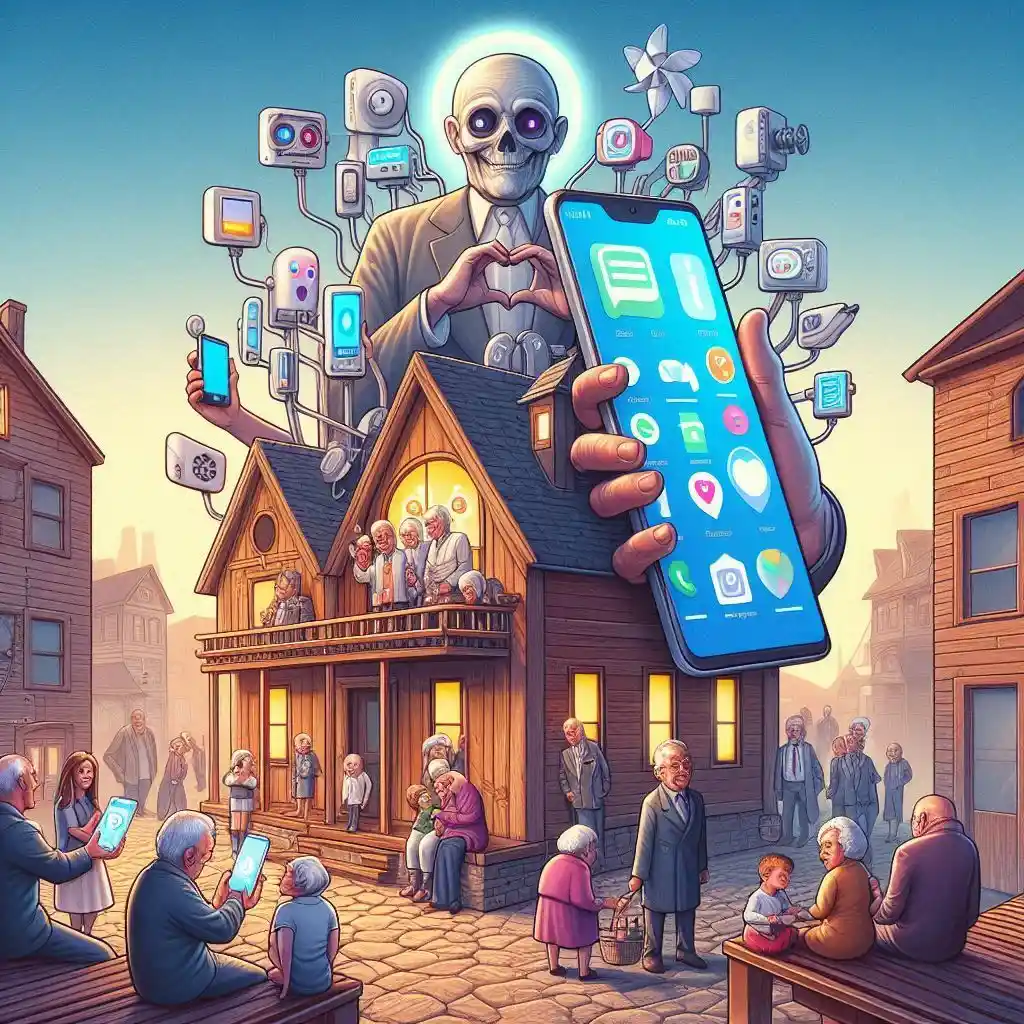
Smart homes, where lights obey your voice and thermostats have a mind of their own, paint a picture of futuristic ease. But behind the shiny gadgets and seamless automation lurks a potential for unforeseen problems and a widening digital divide. ?
Sure, smart devices offer convenience and efficiency, but they also raise red flags about privacy, security, and the growing gap between the tech-haves and the tech-have-nots. In housing societies, adopting smart home systems can spark disputes over data collection, surveillance, and who gets access to what.
Plus, relying too heavily on smart devices can leave us vulnerable. Cyberattacks, technical glitches, and even power outages can throw our daily lives into chaos and compromise our security.
As we welcome smart devices into our homes, it’s crucial to be aware of these potential pitfalls. Let’s prioritize data privacy, ensure rock-solid security measures, and strive for equal access to technology for everyone. A smart home should make our lives better, not create new headaches or widen the gap between the rich and the poor.
When Love for Animals Goes Too Far: The Case of Stray Dogs
In the concrete jungles we call cities, humans and animals often share an uneasy coexistence. The plight of stray dogs, caught between compassion and conflict, highlights the complexities of animal welfare in urban spaces. ?
Many of us believe in treating stray animals with kindness, but the reality on the ground can be messy. Overpopulation, territorial disputes, and the risk of dog attacks can create tension between animal lovers and those who prioritize human safety.
Even the well-intentioned act of feeding stray dogs can sometimes do more harm than good, leading to larger populations and increased aggression. Finding a balance between compassion for animals and the well-being of residents is key to creating harmonious communities.
Promoting responsible pet ownership, spaying and neutering programs, and humane animal control measures are all part of the solution. By working together, we can build cities where both humans and animals can flourish.
Digital Detox: Reclaiming Our Minds and Time
In a world that’s constantly buzzing with notifications, pings, and endless scrolling, it’s easy to get sucked into the digital vortex. Smart devices are undeniably alluring, but their addictive nature can take a toll on our mental health and overall well-being. ????
The never-ending stream of information, the constant comparisons to others, and the pressure to stay connected 24/7 can lead to anxiety, depression, and a feeling of detachment from the real world. We find ourselves mindlessly scrolling through social media, sacrificing precious time and sleep in pursuit of those elusive likes and comments.

It’s time to hit the reset button and reclaim our minds and our time. A digital detox, even for a short while, can be a game-changer. It’s a chance to break free from the clutches of technology and reconnect with ourselves and the world around us. So, put that phone down, silence those notifications, and rediscover the simple joys of being present in the moment.
Setting boundaries and prioritizing real-life interactions is key to having a healthy relationship with technology. Make time for activities that nourish your soul, whether it’s spending time in nature, pursuing a hobby, or simply having a heart-to-heart with a loved one.
Remember, smart devices are tools, not our overlords. By using them mindfully and intentionally, we can harness their power for good while protecting our mental health and well-being.
The Business of Everything: Profit Over People?
In the relentless race for innovation and profit, are we forgetting what it means to be human? The tech industry is booming, but at what cost? ?
Let’s be real, technological advancements are often driven by the bottom line – profit. And this can lead to some sticky ethical dilemmas and social consequences. From data mining and surveillance to the exploitation of gig workers, the dark underbelly of the tech world is becoming increasingly visible.
Innovation is crucial for progress, no doubt. But it’s equally important to balance it with ethics and social responsibility. Companies need to put their users first, protect their privacy, and ensure fair labor practices.
As consumers, we have a role to play too. By supporting companies that prioritize ethics and sustainability, we can send a clear message to the market. We can demand transparency, hold corporations accountable, and push for a human-centric approach to technology development.
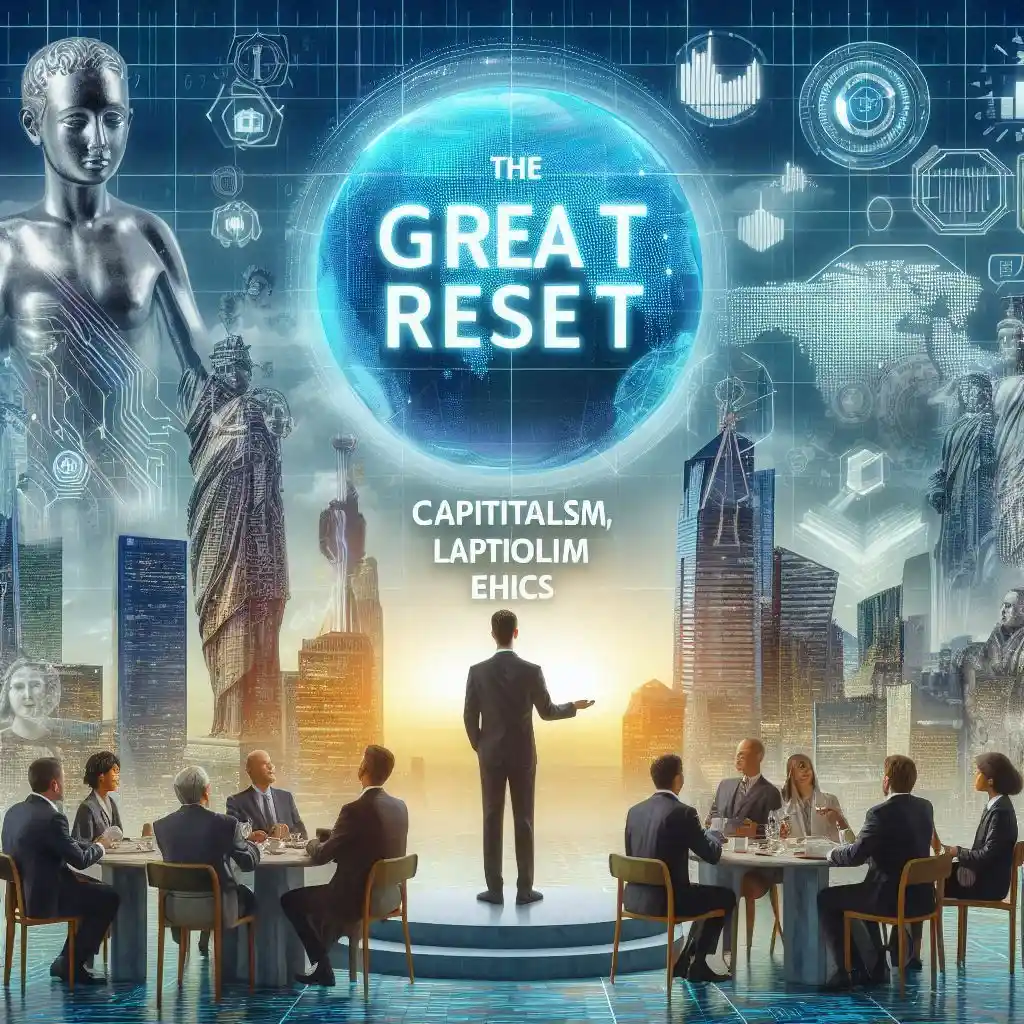
The Great Reset: A Dystopian Dream or an Inevitable Reality?
The Great Reset: two words that spark both curiosity and fear. Is it a conspiracy theory cooked up by alarmists, or a real agenda quietly unfolding behind the scenes? ?
The concept of the Great Reset, championed by the World Economic Forum, proposes a radical transformation of our economic and social systems in the wake of the COVID-19 pandemic. It paints a picture of a more sustainable, equitable, and inclusive world. But critics see a darker side, warning of a power grab by global elites that could lead to increased surveillance, control, and the erosion of individual freedoms.
The Great Reset is a hot-button topic, sparking passionate debate. Proponents argue that the pandemic has exposed the cracks in our current systems, offering a unique opportunity to rebuild a better world. They stress the need for systemic change to tackle urgent global challenges like climate change, inequality, and technological disruption.
Skeptics, however, are wary of the concentration of power in the hands of unelected global leaders. They fear the Great Reset could usher in an era of authoritarianism, loss of national sovereignty, and increased surveillance, all in the name of progress.
Is the Great Reset a utopian vision or a dystopian nightmare? Only time will tell. But one thing is certain: we need open and informed conversations about this agenda. Let’s critically evaluate its potential benefits and risks, ensuring that any systemic changes put human well-being, individual freedoms, and democratic principles front and center. The future of our world hangs in the balance, and we all have a role to play in shaping it. ?
The Industrial Revolution: A Catalyst for Change and Exploitation
The Industrial Revolution: a pivotal moment in human history, marked by technological leaps, urbanization, and economic growth. But beneath the shiny veneer of progress lay a darker reality of exploitation and social unrest. ?
The Industrial Revolution changed the world as we knew it, ushering in an era of mass production, mechanization, and unprecedented economic expansion. However, this progress came with a hefty price tag. The shift from rural to urban life led to overcrowded cities, harsh working conditions, and the exploitation of the working class.
The rise of factories and the accumulation of wealth in the hands of a few industrialists created a stark divide between the haves and the have-nots. The working class, often subjected to long hours, dangerous conditions, and meager wages, struggled to survive.
While the Industrial Revolution brought about undeniable advancements, it also exposed the ugly side of capitalism and the potential for exploitation in the pursuit of profit. The fight for workers’ rights and social justice that emerged during this time continues to shape our world today.
Capitalism and Democracy: A Complex Interplay
Capitalism and democracy: two systems often intertwined, yet their relationship is far from a match made in heaven. Can a system driven by profit truly coexist with one that values equality and individual freedoms? ??
Capitalism, with its focus on free markets and individual enterprise, is often credited with fueling economic growth and innovation. Democracy, on the other hand, is built on the pillars of equality, representation, and the protection of individual rights.
However, the marriage of capitalism and democracy can be a rocky one. The relentless pursuit of profit can lead to inequality, exploitation, and the concentration of wealth and power in the hands of a select few. This can undermine democratic principles and create a system where the voices of the wealthy and powerful drown out those of the majority.
The influence of money in politics, the revolving door between corporations and government, and the lobbying power of special interests all contribute to the erosion of democratic ideals. It begs the question: Can we have a system that strikes a balance between economic prosperity and social justice? Or are capitalism and democracy fundamentally at odds?
As we grapple with the challenges of the 21st century, it’s crucial to take a hard look at the relationship between capitalism and democracy. We need to strive for a system that fosters both economic growth and social well-being, where the pursuit of profit doesn’t trample on human dignity and individual freedoms.
Wealth and Influence: The Legacy of Powerful Families
Throughout history, certain families have amassed immense wealth and influence, shaping industries, influencing politics, and leaving a lasting mark on society. But what is the true extent of their power, and how does it impact the world we live in today? ?
Families like the Rothschilds, Rockefellers, and Morgans have played significant roles in shaping the financial landscape, establishing philanthropic foundations, and even influencing political decisions. Their wealth and connections have afforded them a level of influence that extends far beyond the average citizen.
While some view these families as benevolent patrons of the arts and sciences, others see them as shadowy figures pulling the strings behind the scenes. Conspiracy theories abound, attributing them with almost godlike control over global events.
The reality, as always, is likely somewhere in between. These families undoubtedly wield significant influence, but the extent of their power is often exaggerated and shrouded in speculation. It’s important to acknowledge their historical contributions while also remaining critical of the potential for concentrated wealth and power to perpetuate inequality and undermine democratic principles.
Economic Crisis and Global Finance: The Rise of the Asset Management Giants
The 2008 financial crisis sent shockwaves through the global economy, exposing the fragility of our financial systems and the perils of unbridled greed. In its wake, a new breed of power players emerged: the asset management giants. ?
Names like BlackRock, Vanguard, and State Street, managing trillions of dollars in assets, now hold immense sway over global markets. Their investment decisions can make or break companies, shape entire industries, and even influence the trajectory of nations.
While these asset management firms undoubtedly play a vital role in managing investments and promoting financial stability, their concentrated power raises eyebrows. Concerns about potential conflicts of interest, market manipulation, and the erosion of democratic control over the economy are valid and deserve our attention.
The growing clout of these financial behemoths underscores the urgent need for greater transparency, stricter regulations, and increased accountability in the global financial system. We must ensure that the pursuit of profit doesn’t trample on the public good, and that the financial system serves everyone, not just the privileged few.
When Governments Serve Banks: A Shift in Power Dynamics
The lines between governments and banks are becoming increasingly blurred, raising questions about who truly calls the shots. Have our elected officials become mere puppets, dancing to the tune of the financial elite? ?
In the aftermath of the 2008 financial crisis, governments worldwide bailed out failing banks, pumping trillions of dollars into the financial system. This unprecedented intervention cemented the influence of banks and financial institutions over government policy.
The revolving door between government and the financial sector further strengthens this bond. It’s not uncommon to see former bankers and financiers occupying key positions in government, while ex-politicians and regulators find lucrative jobs in the private sector. This creates a cozy relationship where the interests of the financial industry often take precedence over the needs of the public.
Deregulation and relaxed financial oversight have further tipped the scales in favor of banks. This has led to increased risk-taking, speculation, and the looming threat of future financial meltdowns.
It’s time to wrest control of our democracy from the grip of the financial elite. We need stronger regulations, greater transparency, and a clear separation between government and the banking sector. Our elected officials should be serving the people, not the banks. ?
The Digital Revolution: From Convenience to Control
The digital revolution has swept us off our feet, offering unprecedented access to information, communication, and entertainment. But as we revel in the convenience of our smart devices, are we unwittingly surrendering our privacy and autonomy? ?
From social media giants to all-knowing search engines, digital companies are amassing mountains of data about our online activities, our preferences, and even our deepest thoughts and emotions. This data is then used to tailor our experiences, bombard us with targeted ads, and even predict our future behavior.
While these personalized experiences can be undeniably convenient, even enjoyable at times, they come with a hidden price tag. Our data is a valuable commodity, and tech companies are cashing in on it in ways we might not fully grasp. The erosion of privacy, the rise of surveillance capitalism, and the potential for manipulation and control are all dark clouds looming over the digital landscape.
It’s time to take back the reins of our digital lives. We need to demand greater transparency from tech companies, push for stronger data protection laws, and make informed choices about the technology we use and the information we share. The digital revolution can be a force for good, but only if we ensure that it serves humanity, not the other way around.
Data: The New Currency of Power
In today’s digital world, data is the new gold, a precious resource that fuels the engines of the modern economy. But unlike gold, data is personal, intimate, and often harvested without our explicit consent. It’s time to reclaim ownership of our digital selves. ?
Every click, every search, every social media post leaves a trail of data that reveals our preferences, habits, and even our innermost desires. This data is collected, analyzed, and monetized by tech companies, advertisers, and even governments.
The true power of data lies in its ability to predict and influence our behavior. Targeted advertising, personalized recommendations, and even political campaigns are all driven by the insights gleaned from our digital footprints.
While data-driven innovation can lead to breakthroughs in fields like healthcare and transportation, the ethical implications of data collection and use are complex and far-reaching. The potential for discrimination, manipulation, and surveillance casts a long shadow over the future of privacy and individual autonomy.
It’s high time we demand greater transparency and control over our personal data. We need to push for stronger data protection laws, clear opt-out mechanisms, and the right to be forgotten. The digital world should be a space where we can explore, connect, and express ourselves freely, without the fear of our data being exploited or misused.
Global or Glocal? Redefining Our Interconnected World
Globalization has shrunk our world, weaving a tapestry of connections between people and cultures across the globe. But in this interconnected web, are we losing sight of the importance of local communities and self-sufficiency? ?
The term “global” has become a buzzword, signifying a borderless world where ideas, goods, and capital flow freely. While globalization has undoubtedly brought benefits like increased trade, cultural exchange, and technological advancements, it has also spawned challenges such as income inequality, environmental degradation, and the erosion of cultural diversity.
The Great Reset agenda, with its emphasis on global governance and centralized control, raises concerns about the potential loss of national sovereignty and the homogenization of cultures. While global cooperation is vital to tackle pressing global issues, it’s equally crucial to recognize the value of local communities and self-reliance.
We need to reimagine the meaning of “global” to encompass both the interconnectedness of our world and the unique needs and aspirations of local communities. We must strive for a balance between global cooperation and local empowerment, where diversity is celebrated and every voice is heard. The future isn’t just about being global; it’s about being “glocal” – thinking globally, acting locally.
Human Life: A Precious Commodity or a Casualty of Progress?
In our relentless pursuit of technological advancement, are we sacrificing the very essence of what it means to be human? The ethical dilemmas surrounding emerging technologies like AI, gene editing, and robotics force us to confront uncomfortable questions about the value of human life and the boundaries of scientific exploration. ?
Advancements in technology have the potential to revolutionize our lives, from curing diseases to augmenting our cognitive abilities. But as we push the envelope of what’s possible, we must also grapple with the potential consequences. The creation of autonomous weapons, the manipulation of genetic code, and the replacement of human workers with robots raise ethical red flags that we can’t afford to ignore.
The sanctity of human life, the right to privacy, and the freedom to make choices about our own bodies and minds are all hanging in the balance in this technological arms race. We must ensure that technological progress serves humanity, not the other way around.
The pursuit of progress shouldn’t come at the expense of human dignity and well-being. It’s imperative to establish ethical guidelines, promote transparency, and engage in open dialogue about the potential risks and benefits of emerging technologies. Let’s strive for a future where technology enhances our lives without compromising our humanity.
Central Bank Digital Currency: A Step Towards Financial Freedom or Control?
Central Bank Digital Currencies (CBDCs) are being touted as the future of money, promising faster, cheaper, and more secure transactions. But is this shiny new financial tool a path to liberation or a slippery slope towards unprecedented control and surveillance? ?
CBDCs, digital versions of a country’s fiat currency issued and regulated by its central bank, offer a tantalizing array of potential benefits. They could facilitate financial inclusion for the unbanked, reduce transaction costs, and combat illicit activities like money laundering and tax evasion. Sounds like a win-win, right?
Well, not so fast. The programmable nature of CBDCs raises serious concerns about privacy and government overreach. Unlike cash, which offers a degree of anonymity, CBDCs can be tracked and monitored, giving governments and central banks an unprecedented peek into our financial lives.
Imagine a world where your access to funds can be restricted based on your social credit score or your political views. This Orwellian nightmare scenario isn’t so far-fetched in a world where CBDCs reign supreme. The potential for governments to use CBDCs to enforce social and political agendas is a chilling prospect.
As we march towards a digital future, it’s crucial to have open and honest discussions about the implications of CBDCs. We must ensure that any implementation of digital currencies prioritizes privacy, individual freedoms, and democratic principles. The future of money is being written as we speak, and it’s up to us to ensure it’s a story of empowerment, not control.
Smart Devices, Health, and Time: Are We Losing Ourselves in the Digital Maze?
In today’s fast-paced, hyper-connected world, instant gratification and constant connectivity are the norm. But are we sacrificing our health and well-being at the altar of the digital realm? ????
The allure of the digital world is undeniable. Social media, online gaming, and streaming services offer endless entertainment and distraction. But as we spend more and more time glued to our screens, our physical and mental health are paying the price.
Sedentary lifestyles, sleep deprivation, and the constant bombardment of information can lead to a litany of health problems, from obesity and heart disease to anxiety and depression. The digital world can also foster a sense of isolation and disconnection from the real world, impacting our relationships and overall well-being.
It’s time to reclaim our health and our time. Let’s step away from the screens, get moving, nurture meaningful relationships, and rediscover the joy of being present in the moment. The digital world can be a valuable tool, but it should never replace the richness and complexity of real-life experiences.
Surveillance Society: The Thin Line Between Safety and Control
In the name of security, our every move is being watched, tracked, and analyzed. From CCTV cameras on every street corner to facial recognition technology scanning our faces in public spaces, the surveillance state is expanding its reach, blurring the lines between safety and control. ??
The desire for safety and security is a natural human instinct. Governments and corporations alike justify the use of surveillance technologies as a means to protect us from crime, terrorism, and other threats. However, the constant monitoring of our movements, communications, and online activities raises serious concerns about privacy, individual freedoms, and the potential for abuse of power.
The collection and analysis of massive amounts of data by governments and corporations can have a chilling effect on dissent, self-expression, and even our thoughts and beliefs. The fear of being watched can stifle creativity, limit our willingness to take risks, and ultimately erode the very foundations of a free and open society.
It’s crucial to strike a balance between security and individual liberties. We need to demand transparency and accountability from those who wield the power of surveillance. We must advocate for strong privacy protections, challenge the indiscriminate collection of data, and ensure that surveillance technologies are used ethically and responsibly. The question remains: Are we willing to sacrifice our privacy and freedom in the name of security? Or can we find a way to create a safe and secure society without turning into a dystopian surveillance state?
The Green Revolution’s Dirty Secret: The Environmental Cost of Agriculture
The Green Revolution, hailed as a triumph of modern agriculture, brought about a dramatic increase in food production, feeding billions around the world. But beneath the surface of this agricultural abundance lies a hidden cost: the environmental degradation of our planet. ?
Intensive farming practices, heavily reliant on chemical fertilizers, pesticides, and genetically modified crops, have led to soil erosion, water pollution, and the loss of biodiversity. The industrialization of agriculture has also contributed to greenhouse gas emissions, deforestation, and the depletion of natural resources.
While the Green Revolution undoubtedly helped to feed a growing population, its long-term environmental consequences are becoming increasingly apparent. Climate change, water scarcity, and the loss of arable land are all challenges that we must confront if we want to ensure a sustainable future for generations to come.
It’s time to rethink our approach to agriculture. We need to embrace sustainable farming practices that prioritize soil health, water conservation, and biodiversity. We must support local food systems, reduce food waste, and make informed choices about the food we consume. The future of our planet depends on it.
The Dutch Dilemma: When Governments Fail Their Farmers
In the Netherlands, a country famed for its picturesque landscapes of tulips and windmills, a fierce battle is brewing between farmers and their government. The Dutch farmers, once proud symbols of agricultural excellence, are now fighting for their very survival against policies that threaten their livelihoods and way of life. ?
Under pressure from the European Union and environmental activists, the Dutch government has enacted stringent regulations aimed at curbing nitrogen emissions and safeguarding biodiversity. While these goals are laudable, the regulations have placed a disproportionate burden on farmers, forcing many to drastically reduce their livestock or even abandon their farms altogether.
The farmers argue that these policies unfairly target them, while other industries, such as aviation and transportation, continue to pollute with little consequence. They also question the scientific basis of the nitrogen emission targets and the lack of meaningful consultation with the farming community.
The Dutch farmers’ struggle underscores the challenges faced by farmers globally, caught between the demands of environmental sustainability and the economic realities of food production. It also raises critical questions about the role of international organizations in shaping national policies and the potential for unintended consequences when top-down approaches are implemented without considering local contexts.
The Dutch farmers’ protests serve as a stark reminder that we need to find solutions that balance environmental protection with the needs of farmers and rural communities. We must support sustainable farming practices, invest in research and innovation, and ensure that the voices of farmers are heard in the policymaking process. It’s time to recognize that farmers are not the enemy; they are essential partners in building a sustainable future for all.
Yuval Noah Harari’s Prophecy: A Glimpse into the Future?
In his thought-provoking book “Homo Deus,” historian Yuval Noah Harari paints a picture of a future where humanity transcends its biological limitations and becomes godlike, wielding the power of artificial intelligence and biotechnology. But is this a future we should aspire to, or a cautionary tale of hubris and overreach? ?
Harari’s vision of the future is both exhilarating and unsettling. He explores the potential for humans to conquer disease, aging, and even death itself. He envisions a world where algorithms and artificial intelligence surpass human intelligence, leading to a new era of technological singularity.
While these possibilities are undoubtedly exciting, they also raise profound ethical and philosophical questions. Will we become slaves to technology, or will we harness its power to create a more just and equitable world? Will the pursuit of immortality and superhuman abilities lead to a loss of our humanity, or will it usher in a new era of enlightenment?
Harari’s book serves as a powerful reminder that the future is not predetermined. It’s a canvas upon which we can paint our own destiny. By engaging in critical and informed discussions about the implications of emerging technologies, we can shape a future that aligns with our values and aspirations. The choices we make today will determine whether we become “Homo Deus” – wise and benevolent gods – or something altogether different.
Voice-Activated Devices: Convenient Companions or Eavesdropping Spies?
“Hey Siri, set a timer for 10 minutes.” “Alexa, play my favorite playlist.” Voice-activated devices have seamlessly integrated into our homes, offering a hands-free way to control our smart devices and access information. But are these seemingly innocuous devices listening to our every word, even when we’re not actively using them? ??
The convenience of voice-activated devices is undeniable. They can play music, answer questions, control smart home appliances, and even tell jokes on demand. But the always-on microphones in these devices have raised eyebrows and sparked concerns about privacy and data collection.
Reports of accidental recordings, misinterpretations of commands, and even instances of these devices being used for surveillance have fueled anxieties about the potential for these digital assistants to become eavesdropping spies in our own homes.
While companies like Amazon and Google assure users that their devices only record and process data when the wake word is used, concerns persist. The lack of transparency about how this data is stored, used, and shared further fuels these anxieties.
As we embrace the convenience of voice-activated devices, it’s important to be mindful of the potential privacy risks. We should be aware of the data collection practices of these companies, use privacy settings to limit data sharing, and be cautious about the information we divulge in the presence of these devices. The question remains: Are we willing to trade our privacy for the convenience of voice commands? Or can we find a way to enjoy the benefits of these devices without sacrificing our right to privacy?
The Online Color Theory: Unraveling the Hidden Meanings
Colors have a profound impact on our emotions, perceptions, and behaviors. In the digital world, where visual communication reigns supreme, understanding the psychology of color can be a powerful tool for persuasion, engagement, and even manipulation. ?
From website design to social media graphics, the colors we choose can subtly influence how users perceive our message and interact with our content. Red, for example, is often associated with passion, excitement, and urgency, while blue evokes feelings of trust, calmness, and reliability.
Marketers and designers carefully select color palettes to evoke specific emotions and drive desired actions. A vibrant red “Buy Now” button might entice impulse purchases, while a calming blue background could create a sense of trust and security.
However, the use of color can also be manipulative. Misleading color schemes can create false impressions, and the overuse of certain colors can lead to visual fatigue and disengagement.
As consumers of digital content, it’s important to be aware of the subtle ways colors can influence our perceptions and decisions. By understanding the psychology of color, we can become more discerning consumers and avoid falling prey to manipulative marketing tactics. The next time you see a bright red “Sale” sign or a soothing green website, remember that there’s more to color than meets the eye.
The Power Players: Media and Pharmaceutical Companies in the Digital Age
In the digital age, information is the new currency, and those who control its flow wield immense power. Media and pharmaceutical companies, with their vast resources and reach, play a pivotal role in shaping public discourse, especially during times of crisis. ??
The media, often hailed as the “fourth estate,” bears the responsibility of informing the public, holding those in power accountable, and providing a platform for diverse voices. However, the concentration of media ownership, the rise of partisan news outlets, and the influence of advertising and corporate interests can compromise journalistic integrity and distort the truth.
Pharmaceutical companies, driven by the pursuit of profit, are instrumental in developing life-saving medications and treatments. However, their influence on research, marketing, and even regulatory bodies raises concerns about conflicts of interest and the prioritization of profit over patient well-being.
The COVID-19 pandemic brought the power dynamics between these industries and the public into sharp focus. The media’s coverage of the pandemic often sensationalized and fear-mongering, shaped public perception and influenced policy decisions. Meanwhile, pharmaceutical companies reaped enormous profits from the development and distribution of vaccines and treatments.
It’s crucial to maintain a critical eye towards the information we consume, question the motives of those who disseminate it, and seek out diverse perspectives. We must demand transparency, accountability, and ethical practices from both the media and pharmaceutical industries. Only then can we ensure that the information we receive is accurate, unbiased, and serves the public interest, not just corporate agendas.
Compliance in a Compliant World: The Erosion of Individuality
In a world that rewards conformity and silences dissent, are we losing our ability to think for ourselves? The pressure to comply with social norms, political ideologies, and even technological trends is eroding our individuality and stifling critical thinking. ?
From social media echo chambers to political polarization, the digital age has created an environment where fitting in is often valued more than independent thought. The fear of being ostracized, labeled as “different,” or even “canceled” can lead to self-censorship and a reluctance to challenge prevailing narratives.
This erosion of individuality has far-reaching consequences. It can stifle creativity, innovation, and progress. It can lead to groupthink, where critical thinking is replaced by blind obedience to authority. It can even pave the way for authoritarianism, where dissent is crushed, and individual freedoms are curtailed.
It’s time to reclaim our individuality and embrace the power of critical thinking. We must question the status quo, challenge prevailing narratives, and dare to be different. Let’s celebrate diversity of thought, encourage open dialogue, and foster a culture where everyone feels empowered to express their unique perspectives without fear of reprisal. In a world that’s constantly pushing us towards conformity, let’s be the ones who stand out, think critically, and speak our truth.
The Pandemic and Mental Health: The Hidden Toll of Isolation
The COVID-19 pandemic has left scars on our world that go far beyond physical health. The isolation, fear, and uncertainty of the past few years have taken a heavy toll on our collective mental well-being, leaving many grappling with anxiety, depression, and a sense of disconnection. ?
Lockdowns, social distancing, and the loss of loved ones created a perfect storm for mental health challenges. The constant barrage of negative news, disrupted routines, and economic instability all contributed to a surge in stress and anxiety levels.
The pandemic also exposed the glaring inequalities in access to mental healthcare. Marginalized communities, already facing systemic barriers, were disproportionately affected by the mental health crisis, struggling to access treatment and support.
It’s time to prioritize mental health and shatter the stigma that surrounds it. We need to invest in accessible and affordable mental healthcare, promote mental health literacy, and create supportive communities where people feel comfortable seeking help without judgment.
The pandemic may have cast a long shadow, but it has also illuminated the importance of connection, compassion, and resilience. Let’s emerge from this crisis stronger and more united, committed to building a world where everyone’s mental health is valued and supported. It’s time to break the silence and start the conversation about mental health. ??
The Digital Transformation: Embracing the Future with Wisdom
The digital revolution is in full swing, transforming every aspect of our lives at breakneck speed. From artificial intelligence and automation to virtual reality and the metaverse, the possibilities seem limitless. But as we embrace this digital transformation, we must do so with wisdom and discernment. ?
Technology has the potential to solve some of the world’s most pressing challenges, from climate change to poverty. It can connect us, empower us, and enhance our lives in countless ways. But let’s not forget: technology is a tool, not our master.
We must ensure that the digital transformation serves humanity, not the other way around. We need to prioritize ethical considerations, protect privacy, and ensure that technological advancements benefit all, not just a privileged few.
The future is not set in stone. It’s shaped by the choices we make today. Let’s embrace the digital transformation with open minds and critical thinking, building a future where technology empowers us to create a more just, equitable, and sustainable world. The digital age is full of opportunities, but it’s up to us to navigate it with wisdom and responsibility.
Conclusion
As we journey through the intricate landscape of the digital age, one thing becomes abundantly clear: smart devices have woven themselves into the very fabric of our lives. They offer us convenience, connectivity, and a world of possibilities at our fingertips. But they also present us with challenges and raise ethical questions that demand our attention.
From the erosion of privacy and the rise of surveillance capitalism to the potential for manipulation and control, the impact of smart devices on society and the environment is a complex tapestry. But amidst these challenges, there’s a glimmer of hope.
By embracing mindful technology use, demanding transparency and accountability from tech companies, and prioritizing human well-being over profit, we can shape a future where technology serves as a tool for empowerment, connection, and positive change.
The digital revolution is here to stay. It’s up to us to ensure that it leads us towards a more just, equitable, and sustainable world. Let’s embrace the future with wisdom, compassion, and a steadfast commitment to building a better world for all. The power to shape our digital destiny lies in our hands. Let’s use it wisely.
Join the Discussion
Your opinion matters! We invite you to express your views. Join our forum, engage in thoughtful discussions, share information, and submit your content. Let’s delve into diverse perspectives together.
[bbp-single-topic id=7934]

[…] Related: Smart Devices & Society: A Love-Hate Story? ? […]
[…] Read More: Smart Devices & Society: A Love-Hate Story? ? […]
[…] Deep Dive: Smart Devices & Society: A Love-Hate Story? ? […]