




Read Previous Blog posts
[5th Generation Warfare Tactics: 7 Mind-Blowing Ways It’s Changing the World]
[Propaganda Matrix: Unveiling the Invisible Puppeteers]
[Smart Devices & Society: A Love-Hate Story? ?]
Unmasking the Deep State Toolkit: The Haryana Elections and Indian Democracy
As the Haryana elections approach, the political landscape is abuzz with allegations, accusations, and strategies designed to sway the vote. Among the most controversial claims is the alleged use of a “Deep State Toolkit,” a term gaining traction in political discourse. This toolkit is believed to be a set of tactics and strategies aimed at manipulating public opinion, media, and even data to control electoral outcomes. In the context of Indian elections, particularly in Haryana, these claims have taken center stage.
The role of the Congress party has been under intense scrutiny, with accusations suggesting that the party has deployed such a toolkit in a bid to influence the electorate. Legal experts, such as D K Dubey, have weighed in on these allegations, offering insights into how this practice could undermine Indian democracy if true.
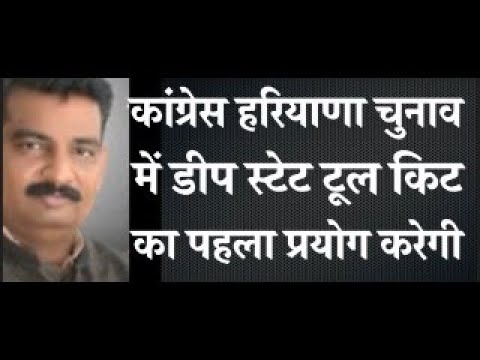
The Visual Proof: See For Yourself
This blog unpacks the concept of the Deep State Toolkit, its alleged role in the Haryana elections, and its broader implications for India’s democratic system. We’ll also explore the legal perspectives on these allegations and encourage readers to dive deeper through recommended resources.
Decoding the Deep State Toolkit
What is the Deep State?
The Deep State consists of a clandestine network of unelected individuals. These individuals are typically within the bureaucracy, military, and intelligence agencies. They wield significant influence over government policies. Often, their influence bypasses the democratic process. Globally, this concept has been tied to conspiracy theories suggesting that even elected leaders are constrained by powerful, hidden interests.
Recommended Product
Amazon India – Shop Today's Best Offers
🛒 View on Amazon →As an Amazon Associate, we earn from qualifying purchases. Price and availability may vary.
For example, in the U.S., the Deep State concept gained attention during Donald Trump’s presidency. Allegations surfaced that government agencies were working against the administration’s agenda. Similarly, in Turkey and Egypt, claims of deep state interference in politics have been longstanding.
Trump Exposes The Deep State
Deep State Conspiracy Theories: A Global Phenomenon
While the Deep State might seem like a concept unique to a particular country, it is a global phenomenon. In Europe, for instance, political scandals have erupted around allegations of hidden networks influencing key political decisions. These theories often gain traction in times of political instability, where power struggles between elected officials and entrenched elites come to the forefront.
In India, the Deep State concept has been tied to the idea that unelected bureaucrats, foreign-funded NGOs, and media organizations wield significant power, often pushing agendas that conflict with national interests.
Deep State Toolkit: The Alleged Modus Operandi
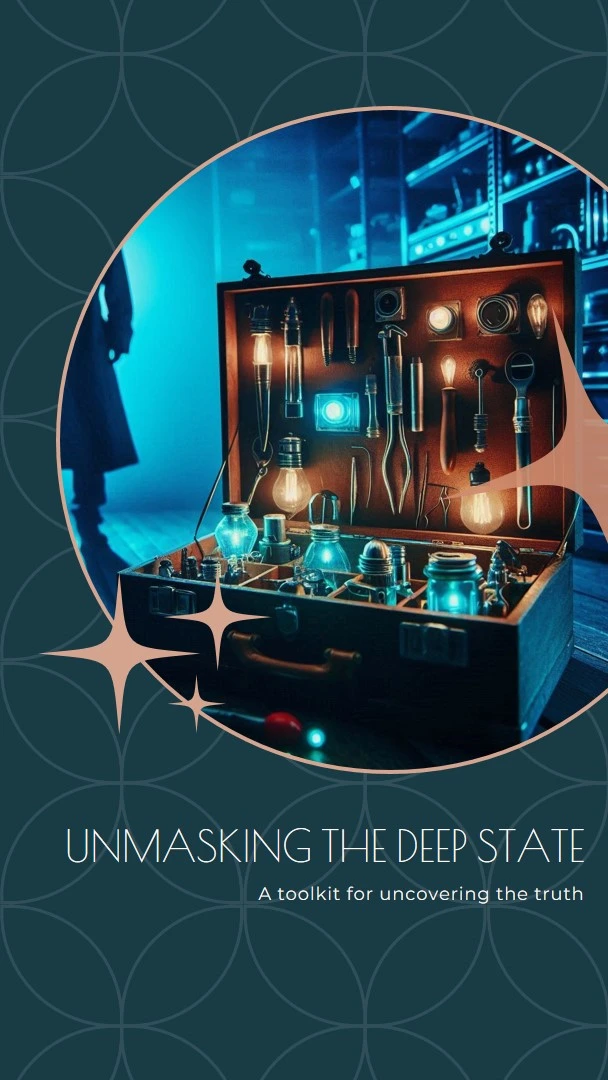
The Deep State Toolkit is essentially a collection of tactics designed to manipulate political outcomes. The alleged toolkit includes methods such as misinformation campaigns, media manipulation, and data mining. These tools are believed to shape public opinion, influence elections, and create narratives that benefit certain political entities.
Media manipulation is perhaps the most discussed aspect of the toolkit. From fake news to selective reporting, media outlets are often accused of shaping public discourse in a way that aligns with the interests of the Deep State. Meanwhile, data mining plays a crucial role in understanding voter behavior, which can then be used to tailor political campaigns, often with the help of external agencies.
Deep State Toolkit in the Haryana Elections: Fact or Fiction?
Congress’s Alleged Adoption of the Toolkit
As the Haryana elections draw near, the Congress party has been accused of using the Deep State Toolkit to influence voters. Allegations suggest that Congress has deployed misinformation tactics, manipulated media narratives, and leveraged data to shape the election outcome in its favor. These claims have led to a political firestorm, with both sides trading barbs over the use of unethical practices.
The timeline of these accusations points to a systematic strategy aimed at undermining the ruling party in Haryana. Whether these allegations hold any truth remains to be seen, but they have undoubtedly captured the attention of both voters and political analysts.
D K Dubey’s Legal Analysis: Separating Truth from Speculation
Legal expert D K Dubey has offered a detailed analysis of the allegations surrounding the Deep State Toolkit. His insights are critical in separating fact from fiction in this politically charged environment. According to Dubey, while the toolkit allegations are serious, they are difficult to prove without substantial evidence.
The Implications for Indian Democracy
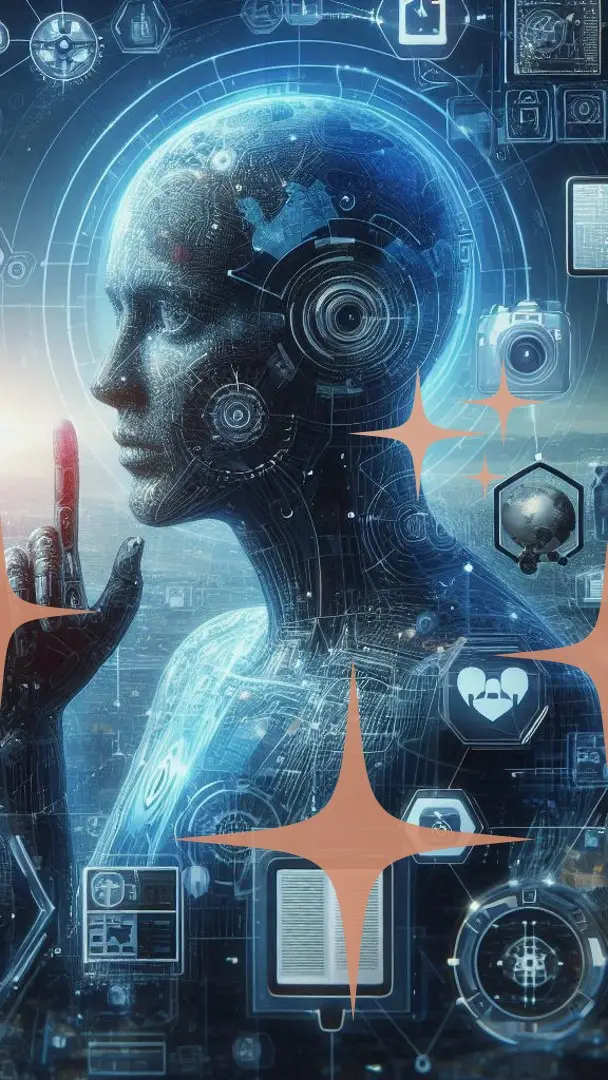
If the allegations surrounding the Deep State Toolkit are proven true, they could have severe implications for Indian democracy. Such practices would undermine the transparency and fairness of the electoral process, casting doubt on the legitimacy of elected governments. It would also indicate that political parties, rather than winning elections based on merit, are resorting to manipulation and underhanded tactics.
The Evolution of States into a Federation
A Brief History of Federalism
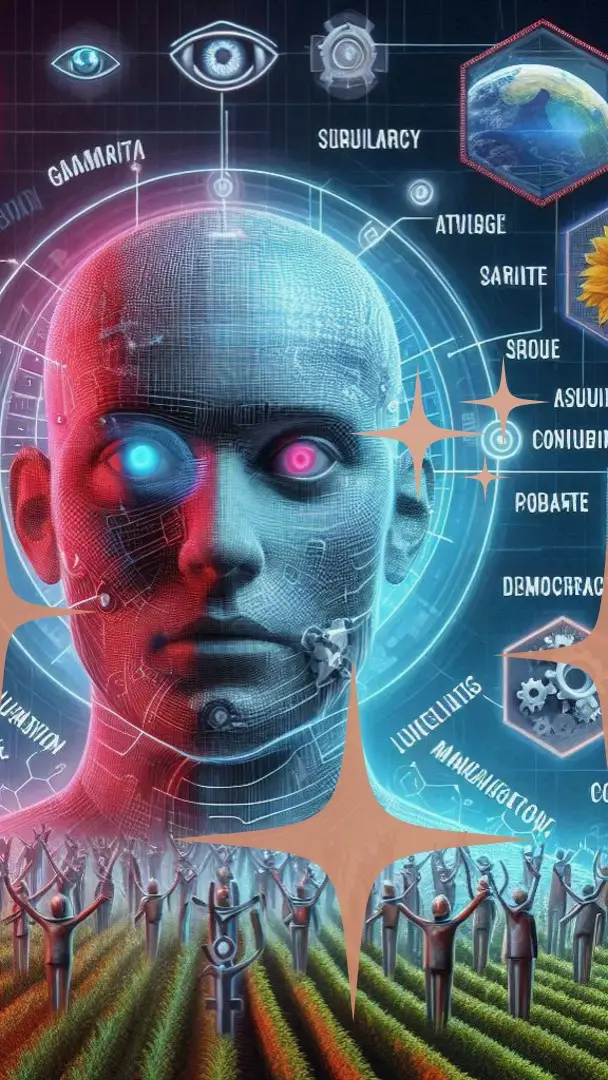
Federalism in India is the cornerstone of its governance structure, balancing power between the central government and the states. After independence, India adopted a federal system that allowed for both regional autonomy and national unity. This system has enabled states to address their unique challenges while still adhering to the national framework.
The Role of the President and the Council of Ministers
The President of India and the Council of Ministers play a pivotal role in ensuring that the federal system functions smoothly. The President’s constitutional powers, combined with the executive authority of the Council of Ministers, help mediate between states and the central government, ensuring that both levels of governance operate cohesively.
Challenges and Opportunities in a Federal System
While federalism presents opportunities for better governance, it also poses challenges, particularly in resource sharing and regional autonomy.
The British Legacy and the Deep State Toolkit
The Impact of British Rule on India’s Administrative and Economic Model
India’s administrative and economic systems have been deeply influenced by British colonialism. The bureaucratic structure established during colonial rule remains largely intact, which some argue has made India more susceptible to the Deep State influence. This colonial legacy is evident in how certain institutions still function, prioritizing bureaucratic control over democratic accountability.
The Role of Information and Misinformation in Shaping Public Opinion
The British, during their rule, used misinformation as a tool to control the Indian population. This tactic has continued in modern times, with both domestic and foreign entities using media and data to shape public opinion, much like the alleged Deep State Toolkit.
The Deep State Toolkit in Action: Global Examples
Countries around the world have witnessed the use of Deep State tactics. In Turkey, for instance, the military has historically played a role in shaping the government’s actions, while in Egypt, the intelligence agencies have held significant sway. These global examples illustrate how the Deep State can operate in diverse political contexts.
The Deep State Toolkit and the Haryana Elections: A Closer Look
The Case of Vinesh Phogat: Branding and Influence
One of the more intriguing aspects of the Haryana election allegations involves the role of Vinesh Phogat, a prominent public figure. Phogat’s involvement highlights how political branding can be used to influence voters, particularly in a state where her popularity carries significant weight.
Data Engagement of US Agencies: The Information Game
There are allegations that data from U.S. agencies may be influencing the electoral process in Haryana. This raises concerns about the manipulation of voter data and the role of foreign entities in shaping domestic elections.
Congress’s Election Strategy: Analyzing the Allegations
Congress’s alleged election strategy in Haryana has raised questions about the party’s ethical practices. The accusations suggest that Congress may be using Deep State tactics to influence the election, though these claims remain under investigation.
The Need for Judicial Reform and Societal Change
Judicial Reforms in India: A Pressing Need
India’s judicial system requires urgent reforms to ensure that the rule of law is upheld, and that political manipulation is minimized. A robust judicial system is essential for maintaining the integrity of the electoral process.
The Role of Government in Shaping Societal Mindsets
The government must take an active role in combating misinformation and promoting justice. By addressing societal mindsets, India can build a more informed and engaged electorate, ensuring that democracy thrives.
Conclusion
The allegations surrounding the Deep State Toolkit and its role in the Haryana elections have sparked significant debate. As India’s democracy continues to evolve, it is critical to remain vigilant against efforts to manipulate the system. Informed citizenship and judicial reforms will be key to counteracting the influence of hidden powers and ensuring that India’s elections remain fair and transparent.
For more insights, check out our editor’s YouTube channels: Old Channel DroneMitra, and Newspatron for in-depth discussions on these critical issues.
Join the Discussion
Your opinion matters! We invite you to express your views. Join our forum, engage in thoughtful discussions, share information, and submit your content. Let’s delve into diverse perspectives together.
[bbp-single-topic id=7962]
