





For more than three decades, Wular Lake carried a quiet wound. Asia’s second-largest freshwater lake, spread across North Kashmir’s Bandipora district, had lost one of its most defining features: the pink lotus. The disappearance was not symbolic alone. It stripped nearly 80,000 lake-dependent residents of a food source, a livelihood, and a cultural anchor known locally as nadru.
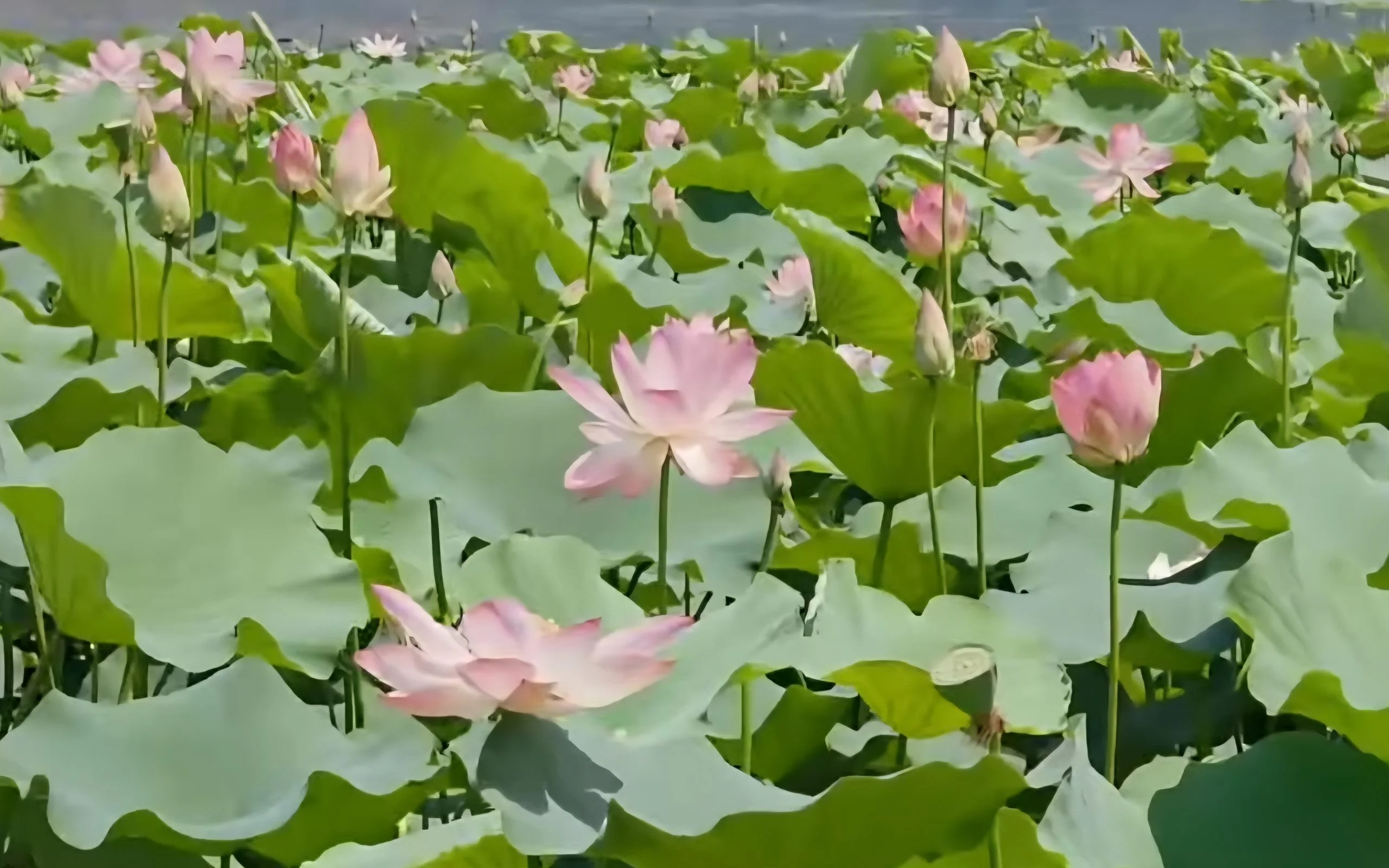
The timeline of Wular’s decline traces back to the catastrophic floods of 1992. As swollen rivers emptied into the lake, massive volumes of silt settled on the bed, burying lotus rhizomes under layers so thick that sunlight could no longer reach them. What followed was a generation of silence. From 1993 to 2019, families that once harvested lotus stems for sustenance were pushed into manual labour, while the lake itself turned increasingly stagnant.
The Conservation Turning Point
The silence finally broke in 2020. The Wular Conservation and Management Authority (WUCMA) began large-scale desilting operations using Cutter Suction Dredgers. This systematic approach aligns with the region’s broader developmental goals, similar to the infrastructure reforms seen across Jammu and Kashmir.
Over five years, more than 80 lakh cubic metres of silt were removed. Engineers were not “planting” lotuses; they were uncovering history. As sunlight returned to the lakebed, dormant rhizomes—some buried for over 30 years—began to sprout.
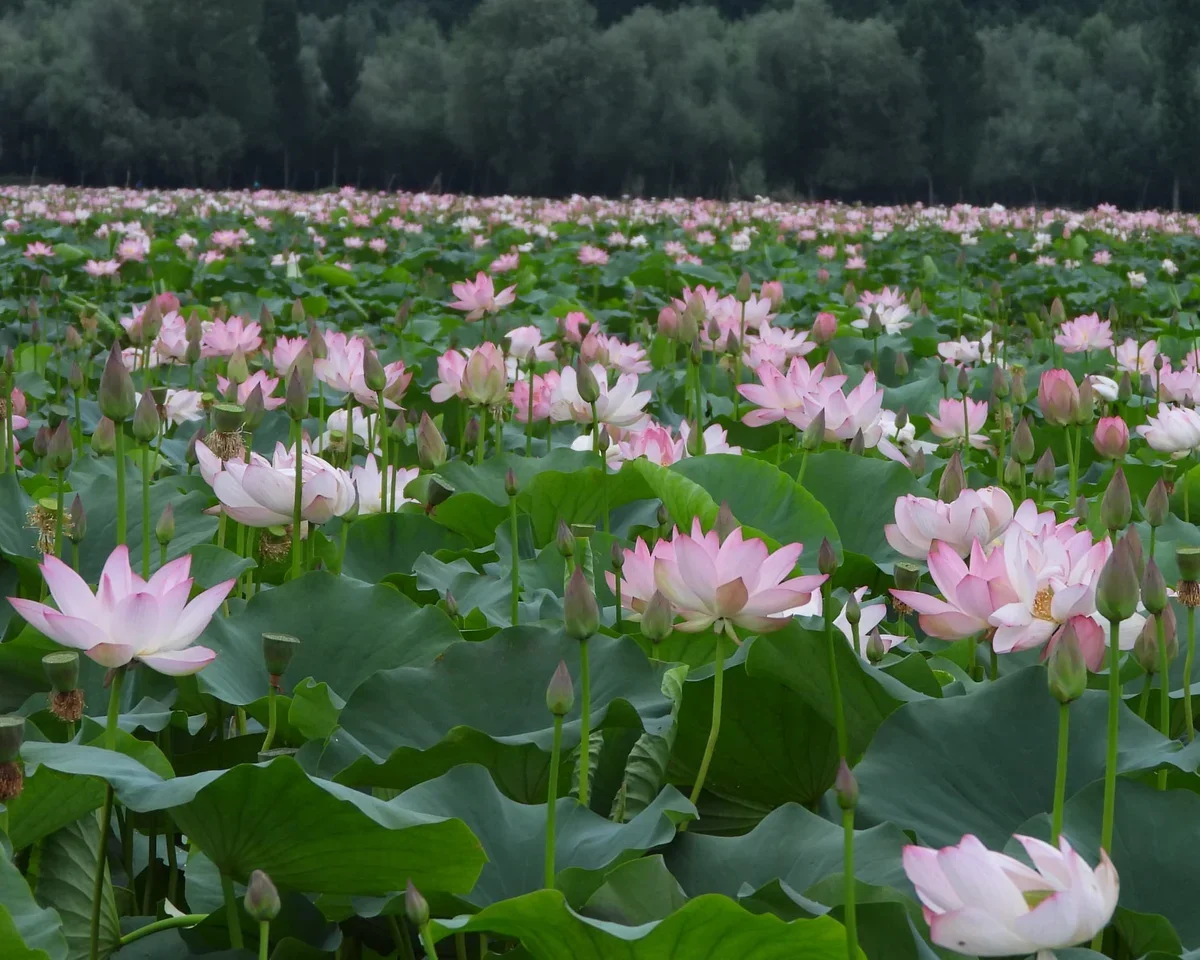
By 2024, early signs of revival were visible, and by 2025, nearly three square kilometres of Wular were once again covered in pink lotus blooms. Unlike the tourism-centric Dal and Nigeen lakes in Srinagar which rely on shikara rides, Wular is an economic engine. Its dynamic waters, fed by the Jhelum, are less about aesthetics and more about agriculture and fishing.
What the Return of Nadru Means
For residents of villages such as Garoora, Kolhama, and SK Payeen, the revival is deeply personal. Nadru (lotus stem) is not a decorative plant in Kashmir—it is food security. It features prominently in local cuisine, including dishes like nadru yakhni, and requires clean sediment and sunlight penetration to thrive.
Beyond food, the lake functions as a critical flood buffer for the Jhelum basin and a biodiversity hub for migratory birds. The lotus revival signals the partial recovery of an ecosystem that supports both human and ecological survival.
For travelers planning to witness this, ensure you consult our Kashmir Travel Guide for safety tips before heading to Bandipora.
Wearing the Culture
The lotus motif isn’t just found in the water; it is woven into the very fabric of Kashmir. The Aari embroidery on traditional Pherans often mimics the floral patterns found in Wular Lake.
Recommended Product
Alpino Peanut Butter Chocolate Protein Bar – Gluten Free
🛒 View on Amazon →As an Amazon Associate, we earn from qualifying purchases. Price and availability may vary.

Shop Authentic Kashmiri Pherans & Dresses on Amazon
A Rare Ecological Success Story
Environmental restoration stories often promise recovery. Few deliver it so visibly. Experts note that Wular’s revival has also improved biodiversity indicators, including the return of migratory birds and improved water circulation. With the upcoming Vande Bharat Express connecting Kashmir, access to these ecological marvels will soon be easier for the rest of India.
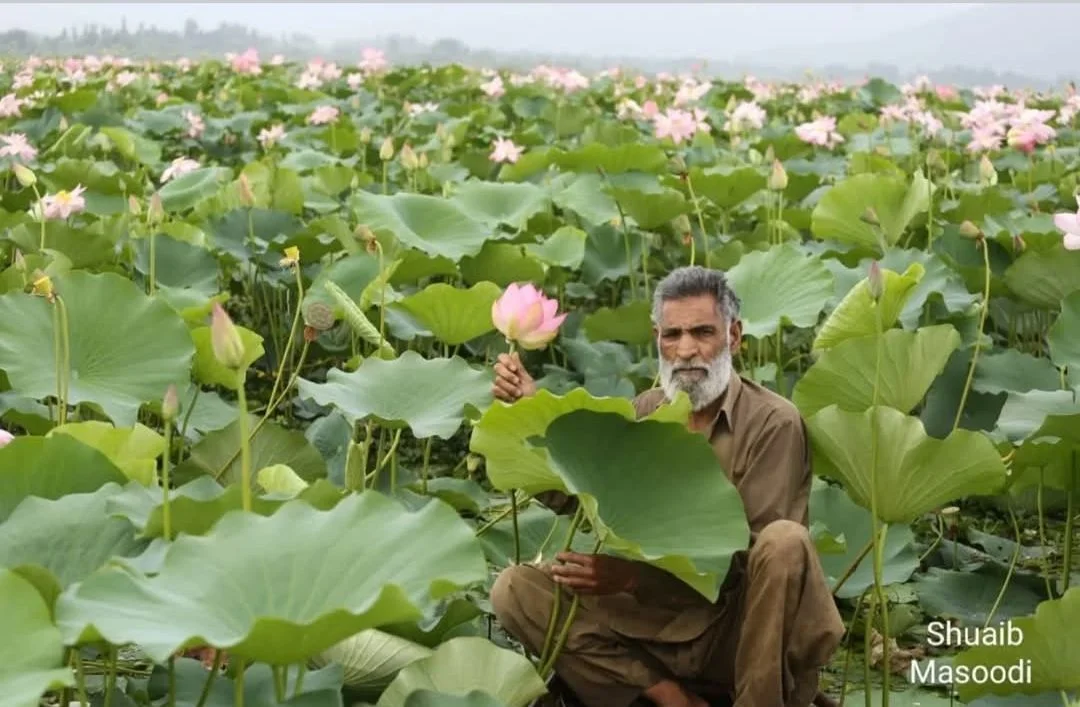
Yet authorities and locals alike stress fragility. Pollution, waste dumping, encroachments, and climate volatility remain unresolved threats. The revival has sparked hope—but also a warning.
Why This Matters Beyond Kashmir
Wular’s transformation stands as proof that large freshwater ecosystems, when given sustained and science-led intervention, can recover—even after decades of neglect.
Decades ago, former PM Atal Bihari Vajpayee famously predicted: “Andhera chatega, suraj niklega, kamal khilega” (The darkness will fade, the sun will rise, and the lotus will bloom). While spoken politically, nature has fulfilled this prophecy literally in 2025 at Wular Lake.
Prefer a faster, narrative-driven read?
Read the shorter, human-focused version here:
“When Wular Lake Bloomed Again: Kashmir’s Pink Lotus Comeback”
