




Content warning: This article discusses harassment, institutional inaction, and physical confrontation. It contains descriptions of a violent incident.
When The System Fails, Survival Becomes A Solo Fight
Imagine the mental state of a young woman pushed to the brink, or a father forced to resort to public confrontation just to be heard. This incident is a glaring symptom of a much larger disease: across India, systems are failing ordinary citizens. While bureaucrats and politicians enjoy VIP protection, everyone else is left to fend for themselves. When institutions designed to protect simply look away, desperation becomes the default response.
The Confrontation That Campus Videos Captured
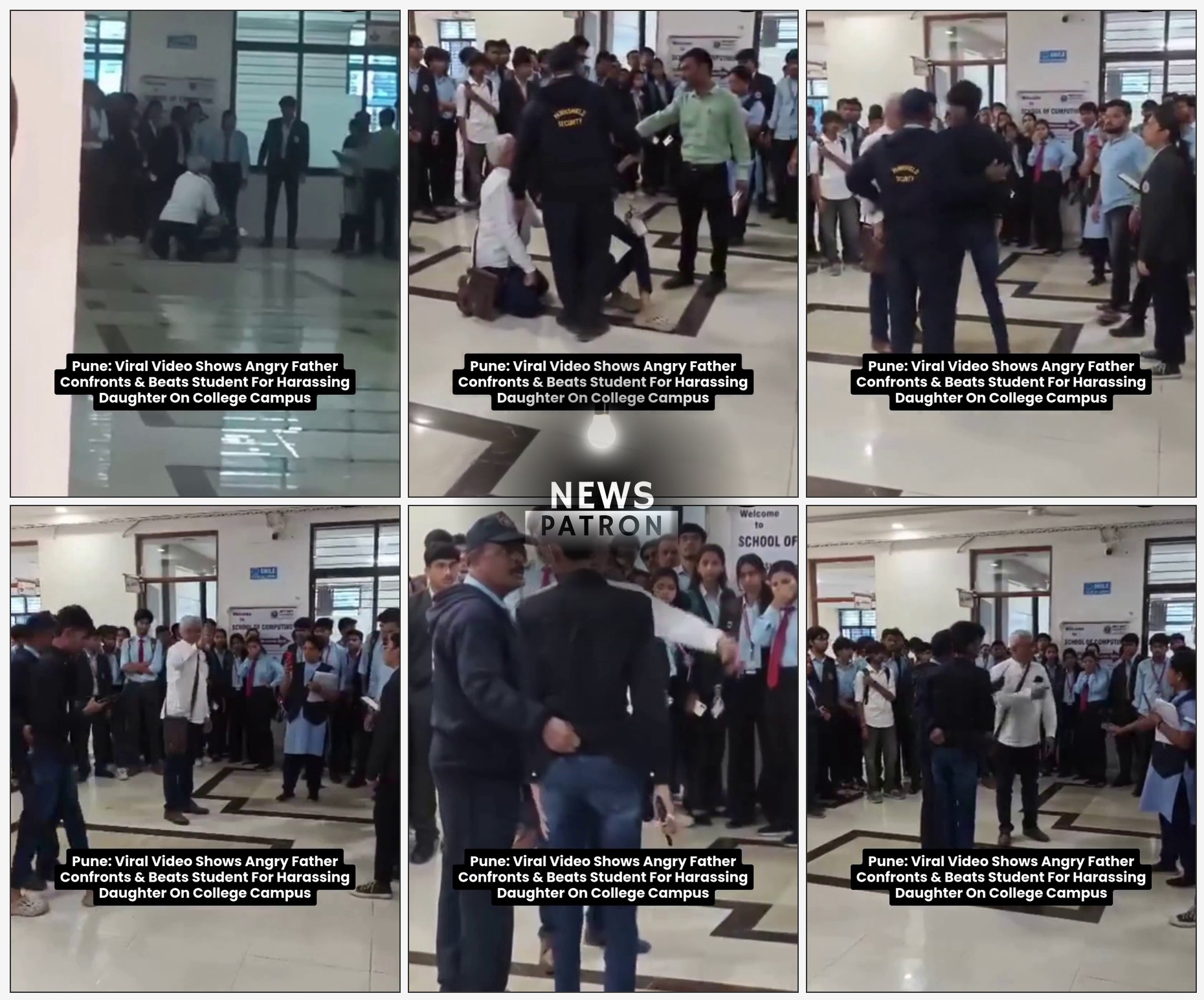
Tension erupted at MIT ADT University in Pune when a father walked onto the campus and directly confronted a male student from the nearby Dr D.Y. Patil College.
The clash played out in the university lobby:
- The father grabbed the young man by the collar.
- Pinned him to the floor amid shouts and slaps.
- A crowd of around 50 students and staff watched as security eventually pulled them apart.
What led to this public showdown?
The family claims their daughter had been enduring persistent online harassment for over 15 days – unwanted messages, calls, and stalking that left her distressed and avoiding classes.
They first approached the university’s grievance cell for help. Days passed with no meaningful action. Frustrated and protective, the father took matters into his own hands.
When Complaints Fade Into Silence
The family’s frustration stemmed from a familiar pattern:
Recommended Product
Casio Vintage A168WA Digital Watch – Classic Retro Style
🛒 View on Amazon →As an Amazon Associate, we earn from qualifying purchases. Price and availability may vary.
- A student raises a harassment concern.
- The administration logs it but moves slowly.
- The victim feels ignored while the accused remains on campus.
In this case, the delay turned a private distress into a public explosion. The father’s actions crossed into assault, but the underlying question lingers: What happens when colleges treat complaints as paperwork instead of urgent safety alerts?
Private institutions often prioritise reputation over swift intervention. Fees come first, headlines second, and student well-being gets squeezed in between. Grievance cells exist on paper, but their response time and follow?through often leave victims waiting – or acting alone.
The result is a cycle where harassment festers unchecked, families lose faith in the system, and desperate measures fill the vacuum.
Police Step In, But Questions Remain
Loni Kalbhor police have now registered cases on both sides:
- Harassment charges against the accused under relevant laws for stalking and causing distress.
- Assault charges against the father for the physical confrontation.
MIT ADT has launched an internal inquiry and issued a statement urging everyone to stick to legal channels. No arrests have been made yet. Both the accused and the father await statements and outcomes.
But the incident raises uncomfortable truths about campus life:
- Online harassment feels abstract until it turns physical or forces real?world confrontations.
- Universities claim to have safety cells and POSH committees, but victims often report feeling dismissed.
- When a father feels compelled to storm a campus, it signals a complete breakdown in trust.
The debate boils down to a harsh reality: Institutions move at bureaucratic speed. Fathers move at protective speed. And when those collide, no one wins.
The Bigger Failure: Systems That Leave Families To Fight Alone
This Pune clash isn’t isolated. It echoes a pattern where colleges drag their feet on complaints to avoid bad press, police prioritise paperwork over prevention, and victims withdraw or their families step in with force.
The father’s reaction – raw, immediate, and risky – resonates because it fills a void left by inaction. People see a man standing up when the system sat down.
Yet violence solves nothing long?term. It escalates, invites counter?charges, and distracts from the root problem: Why does a 15?day harassment complaint vanish into thin air?
True change demands:
- Faster grievance response – 48 hours max for initial action.
- Trained, empowered cells that treat stalking as seriously as physical threats.
- Clear consequences for harassers – suspension, expulsion, police handover.
- Victim support that goes beyond forms: counselling, class adjustments, security escorts.
Until then, more fathers will feel forced to become campus enforcers. And more videos will capture the fallout.

[…] Pune Campus Fury: Father Pins Down Daughter’s Alleged Online Stalker After College Ignores Pleas F… […]