


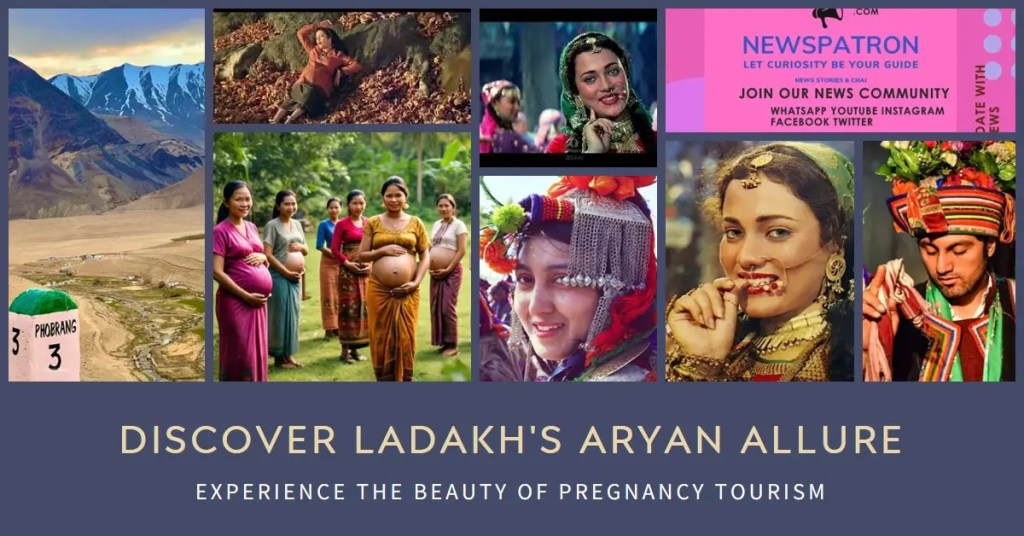

Ladakh, a land of breathtaking landscapes and ancient traditions, has recently found itself in the spotlight for an unusual reason: pregnancy tourism. Foreign women, drawn by a blend of cultural curiosity and unconventional beliefs, are reportedly flocking to this remote Himalayan region to conceive and give birth. In this blog post, we’ll delve into the heart of this phenomenon, exploring the cultural and historical factors that have intertwined to create this unique situation. We’ll examine the claims of the Brokpa community, the allure of Ladakh for foreign women, and the ethical considerations surrounding pregnancy tourism.
Ready for an adventure? Let’s unravel the mysteries of pregnancy tourism in Ladakh, one fascinating fact at a time.
Oh, and don’t forget to check out my YouTube channels for some fantastic drone footage and insights on various topics: [Old Channel DroneMitra] and the [New Channel Newspatron].
The Allure of Indian Culture and Heritage
India, a land of vibrant colors, ancient wisdom, and diverse traditions, has always captivated the hearts and minds of travelers from across the globe. The allure of its majestic palaces, awe-inspiring temples, and profound scriptures has drawn countless visitors seeking a deeper connection to the divine and a taste of mystical experiences.
From the intricate carvings of the Ajanta and Ellora caves to the grandeur of the Taj Mahal, India boasts a treasure trove of historical sites and cultural landmarks that leave an indelible mark on every visitor. The bustling streets of Mumbai, the spiritual aura of Kolhapur, and the serene beauty of the Konkan coast offer a glimpse into the multifaceted tapestry of Indian life.
Whether it’s indulging in the finest wines of Nashik, sipping a steaming cup of chai from the iconic Dolly Chai Wala, or exploring the hidden gems of ancient forts and submerged cities, India promises an unforgettable adventure for every traveler. The country’s rich cultural heritage, coupled with its warm hospitality and diverse landscapes, makes it a perennial favorite among tourists from around the world.
[Read More About Thailand, Bhutan and some more Travel Blogs on Newspatron]
[7 Surreal Beaches You Won’t Believe Exist]
Recommended Product
Casio Enticer Men's Analog Green Dial Watch MTP-VD01D
🛒 View on Amazon →As an Amazon Associate, we earn from qualifying purchases. Price and availability may vary.
Pregnancy Tourism in India’s Remote Villages
India, with its vast and diverse landscapes, has emerged as a popular destination for various forms of tourism, including medical, adventure, wildlife, and eco-tourism. In recent years, however, a new and somewhat controversial form of tourism has gained traction in some of India’s remote villages – pregnancy tourism.
Pregnancy Tourism: An Emerging Trend
Pregnancy tourism involves foreign women traveling to a specific destination with the intention of giving birth there. The motivations behind this practice can vary, from seeking better healthcare facilities or citizenship benefits for the child to pursuing cultural experiences or fulfilling personal desires. While pregnancy tourism has been observed in various parts of the world, India’s unique blend of cultural traditions, spiritual practices, and relatively affordable healthcare has made it an attractive destination for some expectant mothers.
Ladakh: A Focal Point for Pregnancy Tourism
The Draw of the Brokpa Community
The Brokpas’ claims of Aryan heritage, coupled with their distinct physical features – fair skin, high cheekbones, and light-colored eyes – have piqued the curiosity of some foreign women.

Understanding Pregnancy Tourism in Ladakh
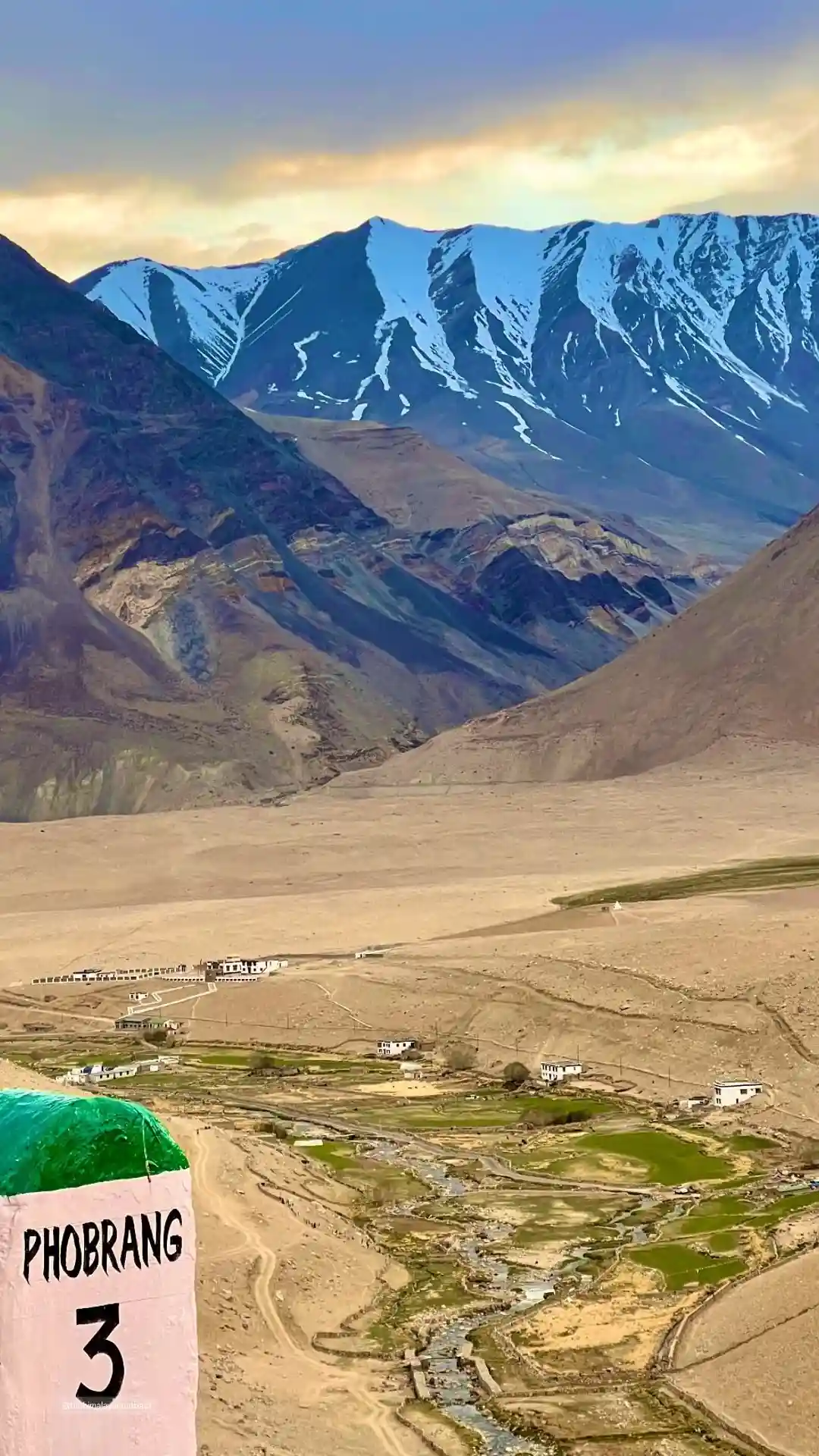
To truly understand the allure of pregnancy tourism in Ladakh, we need to dive deeper into the heart of this remote region and the Brokpa community. Nestled amidst the majestic Himalayas, Ladakh is a land of stark beauty, ancient monasteries, and a rich cultural tapestry. The Brokpa people, with their distinct physical features and claims of Aryan heritage, have become a central figure in the narrative of pregnancy tourism in Ladakh.
But what exactly draws foreign women to this remote corner of the world? Is it simply the pursuit of desirable genetic traits, or are there deeper motivations at play? To answer these questions, we must first understand the historical and cultural context that has shaped this unique phenomenon.
The Brokpa Community and Their Claims
The Brokpa people, residing in the villages of Dha, Hanu, Darchik, and Garkon, have long claimed to be the last pure descendants of the Aryans. This claim is rooted in their distinct physical features, which they believe are a testament to their ancestral lineage. The Aryans, an ancient Indo-European people, are believed to have migrated to the Indian subcontinent thousands of years ago, leaving their mark on the region’s culture and genetic makeup.
While the scientific evidence supporting the Brokpas’ claim remains inconclusive, their belief in their Aryan heritage is deeply ingrained in their cultural identity. This belief, combined with their remote location and unique way of life, has made them an object of fascination for some foreign women seeking to conceive.
The Allure of Ladakh for Foreign Women
The allure of Ladakh for foreign women extends beyond the Brokpa community’s claims of Aryan descent. The region’s pristine landscapes, serene atmosphere, and spiritual traditions offer a stark contrast to the hustle and bustle of modern life. For some women, the idea of conceiving and giving birth in such a tranquil and culturally rich environment holds a special appeal.
Additionally, the perceived openness and acceptance of the Brokpa community towards foreign women may also play a role in attracting them to Ladakh. In a world where cultural differences can often create barriers, the Brokpas’ welcoming attitude may provide a sense of belonging and connection for these women.
The Legend of Alexander the Great
In the tapestry of Ladakh’s cultural narratives, one thread stands out with prominence: the legend of Alexander the Great. This legendary conqueror, known for his military prowess and ambition, is believed by some to have left a legacy in the region.
Local Beliefs and Claims
According to local folklore, when Alexander’s army marched through Ladakh in the 4th century BC, some of his soldiers were so captivated by the region’s beauty that they chose to settle there permanently. These soldiers are said to have intermarried with the local population, giving rise to communities that claim direct descent from Alexander himself.
The Brokpa community, with their distinct physical features and claims of Aryan heritage, often identify themselves as part of this lineage. They believe that their fair skin, light eyes, and strong build are inherited from their Macedonian ancestors. This belief, passed down through generations, has become an integral part of their cultural identity.
The Power of Myth and Folklore
While there is no concrete scientific evidence to support these claims, the legend of Alexander the Great’s descendants in Ladakh continues to hold sway over the local imagination. The power of myth and folklore lies in their ability to shape cultural narratives and provide a sense of belonging and continuity.
For the Brokpa community, the legend of Alexander serves as a powerful symbol of their unique heritage and distinguishes them from other ethnic groups in the region. It also contributes to their allure for foreign women seeking to conceive, adding a layer of mystique and historical significance to the practice of pregnancy tourism.
Unraveling the Truth
Despite the romantic appeal of the legend, it’s important to approach such claims with a critical eye. The lack of scientific evidence to support the Brokpa community’s direct descent from Alexander’s soldiers raises questions about the veracity of these narratives. It’s possible that the legend is a product of cultural assimilation and the desire to connect with a glorious past.
However, the legend’s persistence highlights the enduring power of myth and folklore in shaping cultural identity and influencing human behavior. Even in the absence of concrete proof, the belief in a connection to Alexander the Great continues to play a significant role in the Brokpa community’s self-perception and their interactions with the outside world.
Foreign Women and the Brokpa Community
The allure of the Brokpa community for foreign women extends beyond the legend of Alexander the Great. The Brokpas’ distinct physical features, coupled with their claims of Aryan heritage, have piqued the curiosity of women from various parts of the world. Some are drawn to the idea of conceiving a child with a Brokpa man, hoping to pass on these perceived desirable traits to their offspring.
The motivations behind this desire can vary. Some women may be seeking a connection to an ancient lineage, while others may be attracted to the Brokpas’ perceived physical beauty and strength. In some cases, there may even be financial transactions involved, with women offering compensation to Brokpa men in exchange for their participation in pregnancy tourism.
The Brokpa Perspective
The Brokpa community’s response to pregnancy tourism is complex and multifaceted. While some members may welcome the attention and economic opportunities it brings, others are concerned about the potential exploitation of their culture and traditions. The influx of foreign women seeking to conceive has raised questions about the commodification of their heritage and the potential for cultural appropriation.

Image Courtesy News 18 Gujarati
Echoes of Ancient Greece: The Naagar Community
Furthermore, the practice of pregnancy tourism raises ethical concerns about the potential for coercion and exploitation of both foreign women and Brokpa men. It’s crucial to ensure that all parties involved are making informed decisions and that their rights and well-being are protected.
From Macedon to the Malabar: Tracing Greek Footprints in India
The allure of specific ancestries in India extends beyond the Aryan lineage. The fascinating history of the Indian subcontinent is interwoven with threads from various civilizations, including the ancient Greeks. Let’s journey westward from Ladakh to explore the Naagar community of Gujarat and their intriguing claims of Greek heritage.
The Naagar Community: A Scholarly Legacy
The Naagar community, also known as Nagar Brahmins, is a prominent Brahmin subcaste hailing from the vibrant state of Gujarat. They hold a place of historical significance, having served in esteemed administrative and scholarly roles during various dynasties, notably the Gujarat Sultanate and the Mughal Empire. Their origins are traced back to Vadnagar in northern Gujarat, from where they spread across the region, preserving their cultural and intellectual legacy.
Whispers of Greek Ancestry
Intriguingly, alongside other communities in central and northern India, the Naagars harbor a belief in their potential descent from Greek armies. This notion stems from historical interactions between ancient India and Greece, particularly during the Indo-Greek Kingdom’s reign around 200 BCE. As Greek soldiers and settlers integrated into local populations in northwestern India, a cultural fusion occurred, leading to communities with distinct physical traits—fair skin, high cheekbones, and light-colored eyes—evoking a resemblance to their Greek predecessors.
Beyond the Naagars: Other Communities with Greek Echoes
The Naagars aren’t alone in their claims of Greek heritage. Several other communities in India and neighboring regions also share this belief:
- The Jat Community: Primarily found in northern India, the Jats boast a rich tapestry of mixed ancestry, including Greek, Scythian, and Indo-Aryan influences.
- The Kalash People: Residing in the Chitral District of Pakistan, the Kalash people proudly claim descent from Alexander the Great’s soldiers. Their distinct European-like features and unique cultural practices further fuel this belief.
The Indo-Greek Kingdom: A Cultural Melting Pot
The Indo-Greek Kingdom, or the Yavana Kingdom, was a Hellenistic-era Greek kingdom established by Demetrius I of Bactria around 200 BCE. Spanning parts of modern-day Afghanistan, Pakistan, and northwestern India, this kingdom witnessed a remarkable fusion of Greek and Indian cultures, languages, and religions. Greek influence endured even after the kingdom’s decline, as Greek communities continued to thrive under subsequent rulers like the Kushans and Indo-Scythians.
A Legacy Etched in Stone and Spirit
The legacy of the Indo-Greeks is etched into the very fabric of Indian culture. The blending of Greek and Indian elements can be seen in the exquisite Greco-Buddhist art that flourished in regions like Gandhara. Furthermore, the genetic legacy of the Greeks resonates in the physical traits of certain communities, lending credence to the notion of their mixed ancestry.
The Naagar community, with its whispers of Greek heritage, serves as a testament to India’s rich and diverse history. It’s a reminder that the subcontinent’s cultural tapestry is woven with threads from various civilizations, each contributing to its unique and vibrant identity.
Cultural Exchange and Shared Roots
The striking similarities between the Mahabharata and Greek mythology have fueled speculation about potential connections between the two civilizations. Some scholars propose that these parallels are evidence of cultural exchange and shared Indo-European roots.
Others suggest that these similarities stem from universal human experiences and archetypal narratives that resonate across cultures. Regardless of their origin, these parallels highlight the interconnectedness of human civilizations and the enduring power of myth and storytelling.
The Mahabharata and Greek mythology, while distinct in their cultural contexts, share a common thread of epic battles, heroic struggles, and divine interventions. The similarities between these two rich traditions offer a fascinating glimpse into the shared human experience and the timeless power of storytelling.
The Role of the Internet and Media
The internet and media have played a significant role in both promoting and scrutinizing pregnancy tourism in Ladakh. Documentaries like “Achtung Baby: In Search of Purity” have brought the phenomenon to the forefront of public discourse, sparking debates about its ethical implications and cultural impact.[Read more on Film Freeway.com]
Online forums and social media platforms have also become spaces for discussion and exchange of information about pregnancy tourism. While some individuals may be drawn to the idea by romanticized portrayals, others express concerns about the potential for exploitation and cultural appropriation.
Breaking Free from the Propaganda Matrix: Reclaiming Our Minds
The Propaganda Matrix isn’t just a concept from a sci-fi movie; it’s a real and pervasive force in our lives. This intricate web of manipulation shapes our understanding of the world, often without us even realizing it. From the headlines we read to the songs we listen to, the Propaganda Matrix subtly influences our thoughts, beliefs, and actions.
But we’re not powerless against it. By recognizing the tactics employed by mainstream media, social media giants, the entertainment industry, and even the music we enjoy, we can develop the critical thinking skills necessary to resist its pull.
Want to delve deeper into the Propaganda Matrix and its impact? Check out my comprehensive blog post [Propaganda Matrix: Unveiling the Invisible Puppeteers] for a detailed exploration of this phenomenon and how to reclaim your mental autonomy.
Bollywood’s Romantic Lens: Fact Meets Fiction
Bollywood, India’s vibrant and influential film industry, has a penchant for blending fact and fiction, creating captivating narratives that tug at heartstrings. While inspired by real-life events or historical figures, these films often take creative liberties, romanticizing and dramatizing the stories for cinematic appeal.
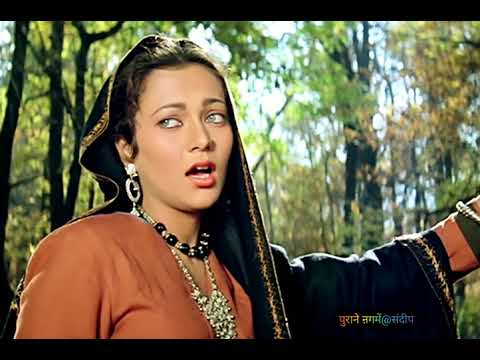
One classic example of Bollywood’s romantic reinterpretation of reality is the film “Ram Teri Ganga….” This movie portrays a love story between a simple girl from the mountains and an urban man, weaving a narrative of passion, betrayal, and sacrifice against the backdrop of stunning landscapes.

Image Courtesy – RK Films
Bollywood’s ability to seamlessly blend fact and fiction, adding a touch of romanticism and drama, has made it a powerful cultural force in India and beyond. While it’s essential to be aware of the creative liberties taken in these films, it’s equally important to appreciate their ability to transport us to a world of dreams and emotions, where reality is often embellished with a touch of Bollywood magic.
Here is a YouTube Video “???? ? ???? song from Ram Teri Ganga 1985.
Wiki Page Ram Teri Ganga… 1985
The Controversy Surrounding Pregnancy Tourism
The practice of pregnancy tourism in Ladakh has sparked a heated debate, with proponents and critics voicing strong opinions on both sides.
Ethical and Social Implications

Image Courtesy – RK Films
Furthermore, the practice raises questions about cultural appropriation and the impact on the Brokpa community’s traditions and values. The influx of foreign women seeking to conceive with Brokpa men could lead to a dilution of their cultural identity and the erosion of their unique way of life.
Twitter Video Courtesy
Impact on the Local Community
The economic benefits of pregnancy tourism are undeniable. The influx of foreign visitors has created new opportunities for the Brokpa community, generating income through tourism-related activities and providing a much-needed boost to the local economy.
The Role of the Internet and Documentaries
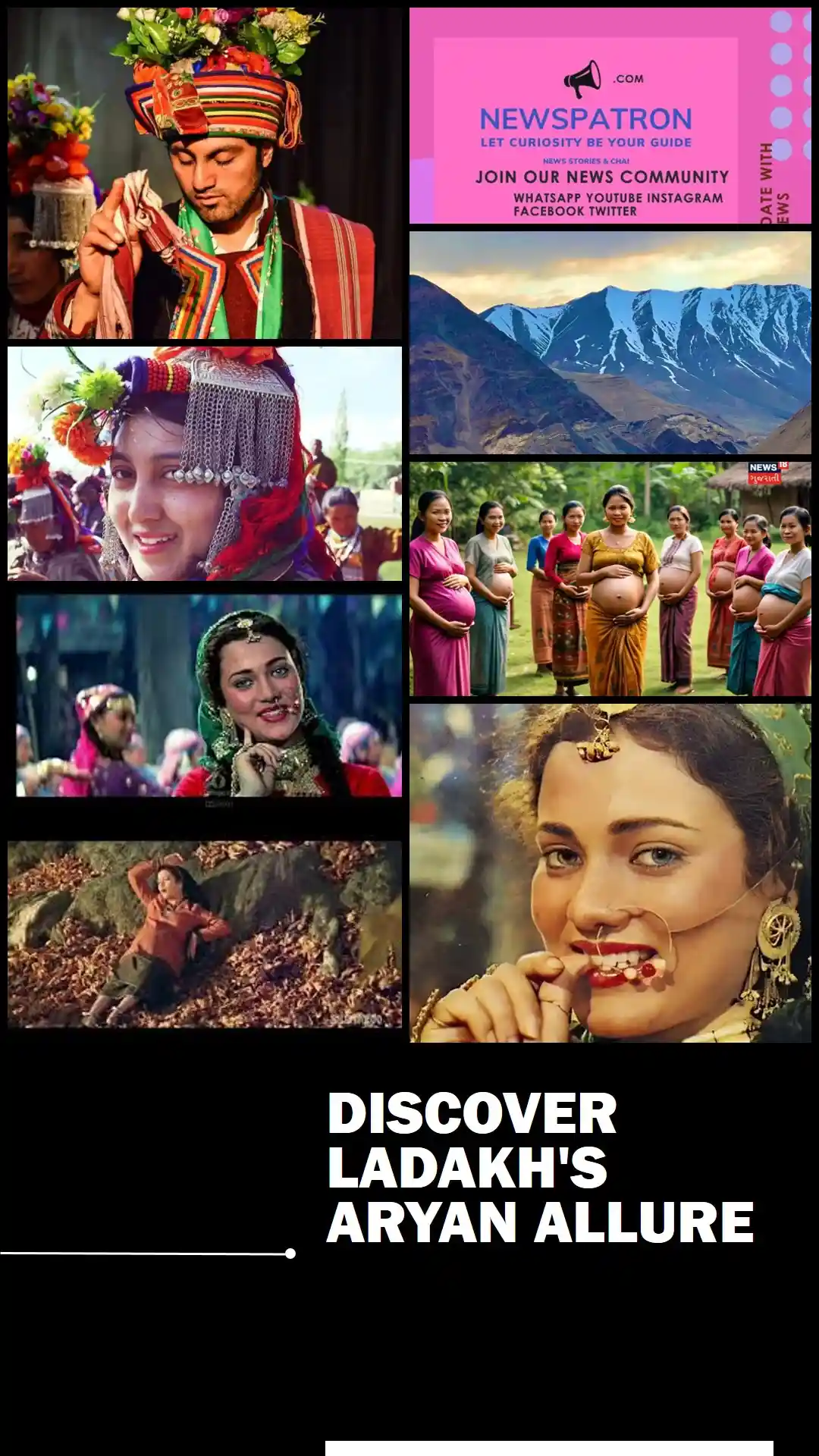
The internet and media have played a dual role in the pregnancy tourism debate. On the one hand, they have brought the phenomenon to the forefront of public consciousness, raising awareness of its existence and sparking discussions about its ethical implications. Documentaries like “Achtung Baby: In Search of Purity” have provided a glimpse into the motivations and experiences of women engaging in pregnancy tourism, fueling further debate and scrutiny.
On the other hand, the internet and media can also perpetuate stereotypes and misconceptions about the Brokpa community and the practice of pregnancy tourism itself. Sensationalized portrayals and romanticized narratives can obscure the complex realities and ethical concerns surrounding this phenomenon.
The Documentary: “Achtung Baby: In Search of Purity”
In 2007, filmmaker Sanjeev Sivan released a 30-minute documentary titled “Achtung Baby: In Search of Purity.” This film shone a spotlight on the phenomenon of pregnancy tourism in Ladakh, specifically focusing on the story of a German woman’s quest to conceive an Aryan child with a Brokpa man.[Read More about Sanjeev Siwan’s Achtung Baby]
A German Woman’s Quest
The documentary follows a German woman who travels to Ladakh in search of a “pure Aryan” partner. She believes that the Brokpa community, with their claims of Aryan descent, holds the key to fulfilling her desire for a child with specific genetic traits. The film captures her interactions with Brokpa men, her motivations for engaging in pregnancy tourism, and the challenges she faces in navigating this unconventional path to parenthood.
Challenges and Controversies
The making of “Achtung Baby” was not without its challenges. Sivan faced resistance from the local community, who were wary of outsiders prying into their personal lives and cultural practices. He had to rely on covert filming and discreet interviews to capture the essence of the story.
The documentary also sparked controversy upon its release. Some criticized it for exploiting the Brokpa community and perpetuating stereotypes about their culture. Others questioned the ethical implications of pregnancy tourism, raising concerns about the commodification of human reproduction and the potential for exploitation.
Organized Networks and Financial Transactions
The German woman featured in the documentary reveals the existence of an organized network facilitating pregnancy tourism in Ladakh. She admits to paying a Brokpa man for his participation and claims that she is not the first or last German woman to embark on this journey. This revelation raises further concerns about the potential for coercion and exploitation within this practice.
The Brokpa Perspective
The documentary also includes interviews with Brokpa men who participate in pregnancy tourism. One-man states that he sees no harm in the practice and is happy to continue as long as it provides him with financial benefits. This perspective highlights the complex motivations and economic realities that underpin this phenomenon.
Impact and Legacy
“Achtung Baby: In Search of Purity” played a crucial role in bringing pregnancy tourism in Ladakh to the forefront of public attention. It sparked debates about the ethics of the practice, its impact on the local community, and the role of the media in shaping public perception.[Read More at IMDB about The 60 minute-documentary on Brok-Pa]
The documentary’s legacy continues to resonate today, as the debate over pregnancy tourism in Ladakh remains unresolved. It serves as a reminder of the complex interplay of cultural, social, and economic factors that contribute to this phenomenon.
Unraveling the Truth
As we’ve explored the various facets of pregnancy tourism in Ladakh, it’s clear that this phenomenon is shrouded in a complex web of myths, desires, and ethical dilemmas. While the allure of the Brokpa community and their claims of Aryan heritage may be enticing for some, it’s important to approach these narratives with a critical eye.
The Lack of Concrete Evidence
Despite the Brokpas’ strong belief in their Aryan ancestry, there is no conclusive scientific evidence to support their claims. Genetic studies have shown that the Indian population is a diverse mix of various ancestral groups, with no single community possessing a “pure” Aryan lineage.
The legend of Alexander the Great’s descendants in Ladakh, while captivating, also lacks concrete evidence. It’s possible that this narrative is a product of cultural assimilation and the desire to connect with a glorious past.
The Potential for Exploitation
The practice of pregnancy tourism raises serious concerns about the potential for exploitation of both foreign women and the Brokpa community. The commodification of human reproduction and the potential for financial transactions in these relationships raise ethical red flags. It’s crucial to ensure that all parties involved are making informed decisions and that their rights and well-being are protected.
Furthermore, the influx of foreign women seeking to conceive with Brokpa men could lead to cultural appropriation and the erosion of the community’s unique traditions and values. It’s essential to strike a balance between respecting cultural diversity and protecting vulnerable communities from exploitation.
The Need for Critical Thinking
The allure of pregnancy tourism in Ladakh lies in its blend of cultural curiosity, romantic notions, and the pursuit of perceived desirable genetic traits. However, it’s crucial to approach this phenomenon with critical thinking and informed decision-making.
The lack of concrete evidence supporting the Brokpa community’s claims, coupled with the potential for exploitation, underscores the need for caution and ethical considerations. It’s important to remember that human reproduction is a complex and deeply personal matter, and it should not be commodified or exploited for any reason.
IX. Conclusion
Pregnancy tourism in Ladakh is a complex and multifaceted phenomenon that raises important questions about cultural identity, ethics, and the commodification of human reproduction. While the allure of the Brokpa community and their claims of Aryan heritage may be enticing for some, it’s crucial to approach this practice with critical thinking and informed decision-making.
The lack of concrete evidence supporting the Brokpas’ claims, coupled with the potential for exploitation, highlights the need for caution and ethical considerations. It’s essential to respect cultural diversity and protect vulnerable communities from exploitation.
As we conclude this exploration of pregnancy tourism in Ladakh, let’s remember that human reproduction is a deeply personal and sacred act. It’s a journey that should be guided by love, respect, and informed choices, not by myths or misconceptions.
If you found this blog post informative and thought-provoking, please share it with your friends and family. And don’t forget to check out my YouTube channels for more fascinating content!
Thank you for joining me on this journey of discovery. I hope you enjoyed the ride! ?
Join the Discussion
Your opinion matters! We invite you to express your views. Join our forum, engage in thoughtful discussions, share information, and submit your content. Let’s delve into diverse perspectives together.
[bbp-single-topic id=7684]
