




Mumbai Underworld History: From Mills to Mafia and Movies
Opening Insights
Mumbai underworld history traces a path from bustling textile mills to shadowy crime networks and their grip on Bollywood films. Textile mill shutdowns in the city sparked widespread job losses, while mafia cinema influence shaped stories on screen. Bombay dons rose amid this chaos, turning economic despair into organized power. This post explores how industrial falls led to gangster rises, family hardships, and cinema ties that still echo today. We cover timelines, key figures, and lasting effects on the city.
As you read through these layers, consider the human side of change. Families faced tough choices, and communities shifted in ways that redefined Mumbai. Moreover, the stories highlight resilience amid hardship. In addition, they show how policy gaps allowed crime to fill voids. However, not all paths led to darkness; some found ways forward through education or new work.
Before moving on, check out the DroneMitra YouTube channel for fantastic drone shots that bring Mumbai’s sprawling landscape to life. Your sky is digital with a drone as a friend! And let curiosity be your guide on the Newspatron channel for more engaging takes on such topics.
Mumbai Underworld History Roots in Industrial Collapse

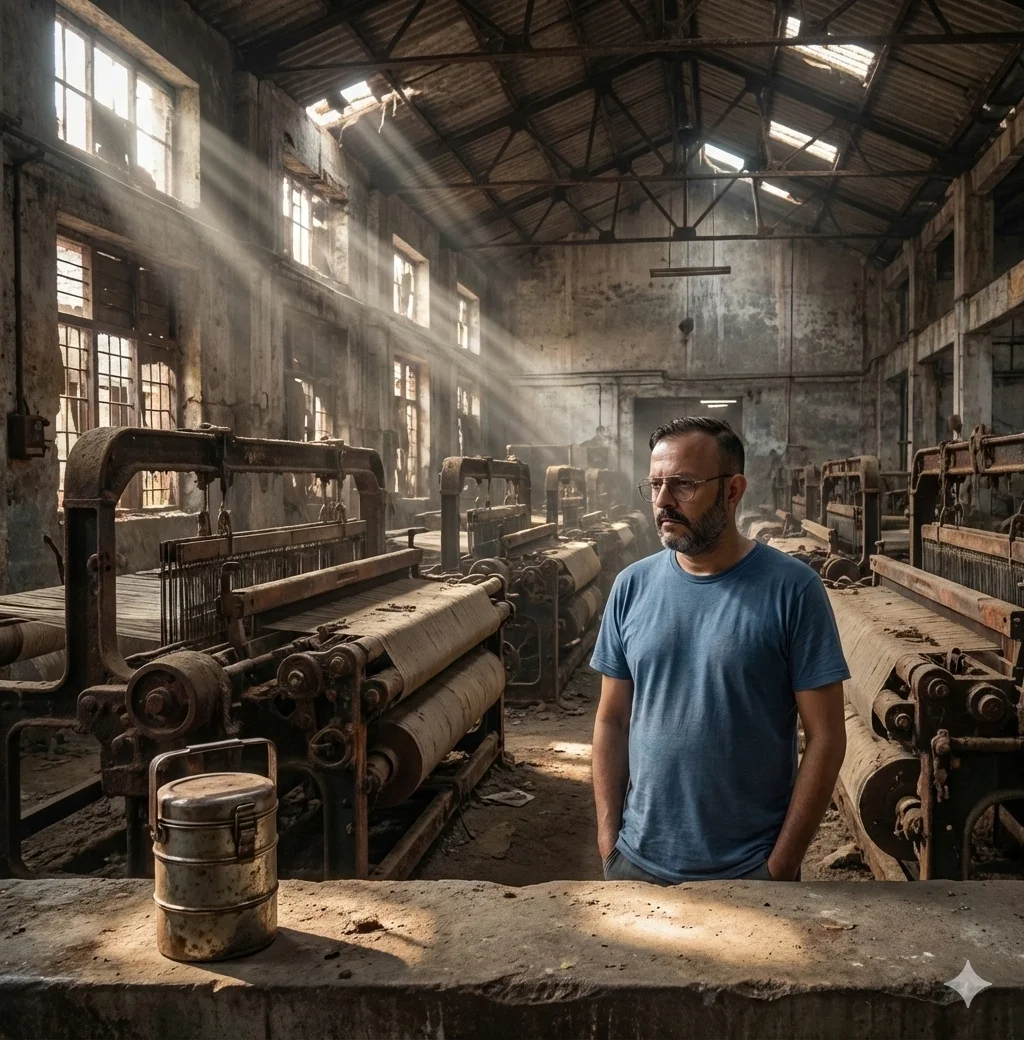
Mumbai underworld history began not with guns or gangs, but with the slow crumble of its textile industry. Factories once hummed with life, employing hundreds of thousands. Yet, by the mid-1970s, global shifts and local issues started their downfall. Workers, mostly migrants from rural areas, built tight communities around these mills. They shared homes in crowded chawls, celebrated festivals together, and fought for rights through unions. However, rising competition from cheaper setups in places like Bhiwandi changed everything. Owners saw high land values in the city as a way out, selling off properties instead of updating machines. In addition, strong unions pushed for better pay, but this often led to standoffs.
From credible online sources like historical archives and journalistic accounts, the mills peaked in the early 1900s with about 130 sites. They powered India’s economy through cotton goods. Offline records, such as labor union reports, note how over 250,000 people worked there at the height. Migrants came from Maharashtra’s Konkan region, Uttar Pradesh, and Bihar. These jobs offered escape from village hardships, especially for lower-caste groups inspired by leaders like Dr. B.R. Ambedkar. Communities formed around shared struggles, with political leanings toward leftist ideas. Yet, by the 1990s, most mills had closed, leaving scars on the city.
The shutdowns caused massive job losses, hitting 150,000 to 200,000 families hard. Poverty spread, and many returned to rural areas facing old biases. Others turned to informal work or, in some cases, crime. Films captured parts of this, like in stories of union fights, but reality was harsher. For instance, women often took low-pay domestic roles, adding to family burdens. Edge cases show a few workers gained from retirement deals or land shares, though court fights dragged on for years. Overall, this shift boosted inequality and changed migration patterns, with parties gaining from local discontent.
The Peak and Fall of Mumbai Mills
At their best, Mumbai’s mills shaped urban life. Workers lived in dense tenements, fostering bonds through daily routines. Markets and transport tied to shift times, creating a self-contained world known as Girangaon. Political activism thrived, influenced by communist views and caste rights movements. However, challenges mounted. Outdated equipment couldn’t compete with modern looms elsewhere. Costs rose in the city, and owners eyed real estate profits. In fact, this tempted many to let factories fail.
Journalistic narratives from offline sources like worker memoirs describe vibrant communities. They hosted cultural events and supported each other in tough times. Online discussions on social platforms echo these, with users sharing family tales of pride in mill jobs. Yet, the decline started subtly. By the 1970s, losses piled up, and strikes became common. Owners used these as excuses to close. Moreover, global trade opened doors to imports, hurting local output. This led to a tipping point in the early 1980s.
Impacts went beyond jobs. Families lost tied housing, scattering communities. Youth faced bleak futures, some joining informal sectors or gangs. Credible sources note a crime surge linked to this unemployment. For example, historical studies point to underworld recruitment in mill areas. In addition, cultural loss hit hard, eroding Marathi’s working-class roots. Redevelopment turned sites into malls and apartments, like Phoenix Mills. However, workers rarely benefited, fueling resentment.
The 1982 Strike and Its Aftermath
The Great Bombay Textile Strike marked the breaking point. Led by Dr. Datta Samant, it involved nearly 250,000 workers seeking fair wages and bonuses. Lasting 18 months from 1982, it crippled the industry. Mills already struggled, and the halt sealed many fates. Over 50 shut forever, per archival records. Families endured hunger and debt, borrowing to survive.
Personal stories from storytelling platforms highlight the toll. One account of a Dalit worker, Basvant Kamble, shows migration for dignity, only to face shutdowns. He worked long days but took home little after deductions. The strike worsened debts, forcing moves to lower-pay jobs. Yet, he pushed education for his sons, who used reservations for stable roles. This resilience appears in other narratives too. For instance, offline oral histories describe women stepping up as breadwinners.
Aftermath brought despair. Unemployment led to poverty, reverse migration, and crime links. Youth from mill families joined gangs like those of Arun Gawli. Social media threads discuss this shift, noting how strikes birthed underworld factions. In addition, policy changes favored land sales, ignoring worker needs. Court battles over dues lingered, as per journalistic reports. However, some adapted through informal economies, like home eateries.
From Job Loss to Crime Pathways
Mumbai mill closures left deep marks on families, turning stable lives into struggles for survival. This shift played a key role in Mumbai underworld history, as economic gaps opened doors to informal work and crime. Bombay dons often recruited from these broken communities, where youth saw few options. Moreover, the changes affected generations, with trauma passing down through stories of loss and adaptation. In addition, women bore extra loads, stepping into roles to keep households going. However, some families broke free through education or new chances, showing sparks of hope amid the gloom.
Credible online discussions on social platforms share these impacts, while offline worker testimonies in archives paint vivid pictures. For example, job losses hit hard after the 1982 strike, forcing many into debt and relocation. Families scattered, with some returning to villages only to face old hardships like caste barriers. Youth, left without paths, sometimes joined gangs for quick money. Journalistic accounts note how this desperation fed underworld growth, linking mill shutdowns to rising crime in the 1990s.
Youth Turning to Gangs
Unemployment from textile mill shutdowns pushed many young people toward crime, shaping Mumbai underworld history. Without jobs, they became easy targets for gangs. For instance, a young man pseudonymously called Vijay grew up in a mill chawl. His father lost work in the strike, turning to street vending. Vijay, seeing no future, joined local enforcers for protection money. This path led deeper into gangs, where quick cash replaced lost pride.
Credible journalistic reports link this to figures who rose from mill families. Gangs recruited in despair-filled areas, offering belonging amid chaos. Another story involves a pseudonym, Prakash. From a union-active home, he shifted views after his father’s death. Frustrated with talks over action, he aligned with street groups. This split families politically, with kids clashing against parents’ ideals.
Timeline of Mumbai Gangsters Rise

Mumbai gangsters emerged from the city’s cracks, turning economic voids into power bases. This timeline ties into Mumbai underworld history, showing how textile mill shutdowns fueled their ascent. Bombay dons like early smugglers filled gaps left by job losses, while later figures escalated violence. In addition, the 1982 strike’s family impacts lingered, with displaced youth often joining these networks. Moreover, parallels to today’s gig economy appear in insecure work and weak protections, where platforms mirror old mill owners in exploiting labor without safety nets.
Early Smugglers Like Haji Mastan Legacy and Crime
In the 1950s and 1960s, Mumbai’s underworld focused on smuggling, driven by tight import rules. Gold and electronics flowed through docks, where migrants sought work. Figures like one major smuggler, born poor in Tamil Nadu, started as a dock hand. He built an empire by the 1950s, handling contraband with bribes and ships. Known for talks over fights, he clashed with rivals over turf. Later, he shifted to politics and films, founding a party for marginalized groups.
Dawood Ibrahim Rise in Mumbai
By the 1970s and 1980s, newer faces globalized crime. One key figure, born in 1955 to a police family in Dongri, began with small thefts. He formed a company in the 1980s, expanding to extortion and betting. Dubai became his base, linking to hawala for laundering. The 1993 blasts, killing hundreds, tied him to terror, forcing exile to Pakistan.
His ascent used mill unemployment. Youth from shutdowns joined as operatives, seeing no other paths. Credible reports note how the 1982 strike’s fallout created this pool. A family story under pseudonym Tariq describes a brother recruited post-closure, drawn by promises amid poverty. In addition, his group funded films, shaping stories to suit.
Mafia Cinema Influence on Bollywood
Underworld Bollywood connection grew strong in the 1990s, as gangs funded films amid tight bank rules. This mafia cinema influence shaped stories, often glamorizing crime while hiding real threats. Bombay dons pushed for changes in scripts and casts, blending fear with creativity. In addition, films drew from true events, like mill worker sons turning to gangs. However, this tie brought dangers, with extortion and killings hitting the industry. Moreover, personal accounts from insiders reveal the human cost, as stars faced pressure in private.
Bollywood gangster films captured this world, starting subtle then turning raw. Early ones like Deewaar in 1975 showed smugglers as anti-heroes, inspired by figures like Haji Mastan. Later, Satya from 1998 brought gritty realism, following a newcomer in Mumbai’s gangs. Company in 2002 explored rivalries, loosely based on D-Company splits. Black Friday in 2004 delved into the 1993 blasts, linking underworld to terror. Vaastav: The Reality from 1999 traced a man’s fall into crime, drawing from Chhota Rajan-like paths. Once Upon a Time in Mumbaai in 2010 mixed Mastan and Dawood tales. Shootout at Lokhandwala in 2007 reenacted a 1991 gang clash. These movies aestheticized collapse, turning real trauma into hits.
Hard Truths Behind the Saga
Mumbai underworld history reveals tough realities beyond the headlines. Crime did not just happen; it grew from system breakdowns that left people behind. Labor safeguards failed during mill shifts, letting owners prioritize land sales over jobs. In addition, urban plans ignored those displaced, turning prime spots into profits for a few. Moreover, politics lagged in accountability, with ties allowing gangs to thrive. However, cultural fields like cinema turned this pain into products, making money from the mess.
Why Mumbai Underworld History Matters Now
Today’s talks on work insecurity mirror Mumbai underworld history in striking ways. Back then, mill closures left workers without nets, much like current gig jobs offer flexibility but little stability. In addition, weak unions today echo faded strike powers, letting platforms hold sway. Moreover, urban pushes for profit over people repeat old land grabs, widening gaps. However, learning from this past can guide better rules, protecting labor in fast-changing times.
Connect with the Editor
I’m always keen to hear your views on Mumbai underworld history, so drop comments below or reach out to me, Kumar, Editor at Newspatron, on platforms you like:
- For quick updates: Follow me on Instagram, Twitter, YouTube, or Reddit.
- For deeper conversations: My Facebook profile is open to new friends!
- For instant updates: Subscribe to my WhatsApp Channel.
- For professional networking: Let’s connect on LinkedIn.
You can find all the relevant links on the Newspatron homepage too. Looking forward to connecting with you!

[…] (Read more: Mumbai Underworld History: From Mills to Mafia and Movies) […]