




Unveiling the Complexities of Human Behaviour and Identity
From Digital Outrage to Cultural Legacies: Understanding Ourselves and Our World
Hey there, curious minds! Have you ever paused to wonder why we act the way we do? Why the world seems so divided? Why some societies struggle with deep-rooted inequalities? Join us on an eye-opening journey as we delve into the fascinating world of human behaviour and identity.
We’ll explore how digital platforms fuel aggression, uncover the historical roots of polarization, and examine the interplay of power, fear, and the human brain. We’ll also take a closer look at the unique tapestry of Indian culture, exploring how history and societal structures shape behaviour and identity in this diverse nation.
Prepare to challenge your assumptions, gain new perspectives, and discover the hidden forces that shape our world. And remember, you can find even more thought-provoking content on the editor’s YouTube channels – one filled with stunning drone footage and the other with AI-powered news: [Old YouTube Channel] and [New YouTube Channel – Newspatron]
Connect with the Editor on Facebook
Join the conversation on Facebook, Instagram, and Twitter. Let’s dive into this journey together! ?
The Dark Side of the Digital Age: The Rise of Verbal Violence
The digital age, while connecting us in unprecedented ways, has also unleashed a darker side of human interaction: verbal violence.

Social media platforms, once hailed as tools of empowerment, have become breeding grounds for aggression, fuelled by algorithms that amplify hate speech and divisive content.
Recommended Product
Waterproof Car Body Cover for Maruti Dzire 2017-2023
🛒 View on Amazon →As an Amazon Associate, we earn from qualifying purchases. Price and availability may vary.
[Read a blog on how Tukaram Omble Helped Uncover the Truth Behind the 26/11 Mumbai Attacks]
Social Media as an Amplifier of Aggression
Platforms like Facebook and Twitter have witnessed a surge in verbal abuse. Name-calling, public shaming, and relentless harassment have become commonplace, especially in the heated arena of political discourse. Online aggression isn’t confined to individual attacks; group chats often devolve into virtual mob attacks, magnifying the psychological impact on victims.
Algorithms: The Unseen Architects of Conflict
Social media algorithms prioritize engagement, often at the cost of civility. Divisive posts, hate speech, and misinformation trigger strong emotional responses, making them more likely to be shared and go viral. This creates a self-perpetuating cycle, pushing the most inflammatory content to the forefront and further fuelling aggression. Some argue that platforms like Facebook even incentivize conflict, rewarding those who sow discord and division.
The Ripple Effects: Individual and Societal Harm
The consequences of online verbal abuse are profound and far-reaching. Victims often experience a range of psychological effects, including anxiety, depression, and a shattered sense of self-worth.

Verbal abuse erodes trust, fosters social isolation, and contributes to the breakdown of communities. It’s a toxic force that leaves deep scars on individuals and society.
Polarization: A Global Phenomenon
The vitriol that permeates social media is a symptom of a larger, global issue: polarization. It’s not just a matter of differing opinions; it’s a deep-seated division that fractures societies and hinders progress.
Unearthing the Roots of Identity
The seeds of polarization were sown millennia ago, during the shift from nomadic hunter-gatherer societies to settled agricultural communities.
As people began to own land and accumulate resources, distinct identities emerged based on social status and occupation. This laid the foundation for the “us versus them” mentality that continues to plague us today.
Politics and Media: Fanning the Flames of Division
In the modern era, politics and the media have become primary drivers of polarization. Political parties, vying for power, often resort to divisive rhetoric, painting their opponents as enemies and stoking fear among their supporters. Traditional and social media amplify these messages, creating echo chambers where people are only exposed to information that confirms their existing beliefs.
The Quest for Power and Control: A Primal Human Drive
Beneath the surface of verbal violence and polarization lies a fundamental human drive: the quest for power and control. This primal instinct, woven into our evolutionary tapestry, manifests in myriad ways, from individual ambition to the expansionist tendencies of nations.
Expansionism: The Hunger for More
Throughout history, the desire for power has often been intertwined with the acquisition of territory and resources. This expansionist impulse, fuelled by the belief that “more is better,” has led to countless conflicts and wars.

Fear: The Puppet Master of Manipulation

The digital age has made it alarmingly easy to disseminate fear and misinformation. Social media platforms, with their vast reach and algorithmic amplification, can rapidly transform rumours and conspiracy theories into widespread panic. This creates a toxic atmosphere of fear and mistrust, making rational discourse and compromise increasingly difficult.
The quest for power and control is a complex and deeply ingrained aspect of human nature. Understanding these underlying motivations is crucial for addressing the challenges of verbal violence and polarization and fostering a more peaceful and equitable world.
The Human Brain: A Double-Edged Sword
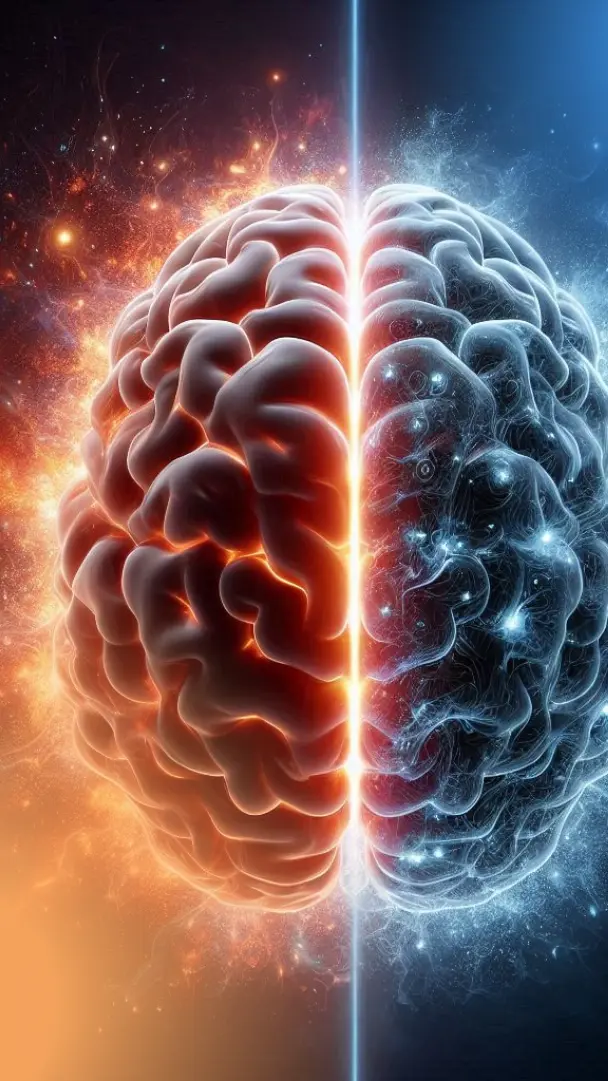
The human brain, a marvel of evolution, is both our greatest strength and our most profound vulnerability. Its remarkable adaptability allows us to learn, innovate, and create, but it also makes us susceptible to manipulation, bias, and aggression.
The Cerebral Cortex: The Seat of Intelligence and its Dark Side
The cerebral cortex, the brain’s outer layer, governs higher-order functions like thought, reasoning, and decision-making. Its plasticity enables lifelong learning, allowing us to acquire new skills and knowledge even in old age. However, this very adaptability also means that our brains are molded by our experiences, both positive and negative.
Confirmation Bias: The Echo Chamber of the Mind
Another facet of the brain’s flexibility is its tendency to form opinions based on familiarity and repetition. We are naturally drawn to information that confirms our existing beliefs, a phenomenon known as confirmation bias. This cognitive shortcut can lead us to dismiss or ignore evidence that contradicts our views, further entrenching our opinions and making open-minded dialogue a challenge.
In the digital age, confirmation bias is amplified by social media algorithms that curate content tailored to our interests and preferences. This creates echo chambers where our beliefs are constantly reinforced, making it difficult to break free from preconceived notions and consider alternative perspectives.
The human brain is a powerful and intricate organ, capable of both extraordinary good and unspeakable evil. Understanding its complexities is essential for addressing the root causes of social conflict and fostering a more compassionate and understanding world.
Aggression: A Chain Reaction Fuelled by Fear

The Fear-Aggression Cycle: Fight, Flight, or React
At its core, aggression is a natural response to perceived threats. When we feel threatened, our bodies activate the fight-or-flight response, flooding us with adrenaline and priming us to either confront the danger or flee from it. This primal response, honed over eons of evolution, served our ancestors well in the face of physical threats like predators. However, in today’s world, the triggers for this response have expanded to include social, political, and even ideological threats.
When fear takes hold, it can quickly escalate into aggression and violence. This cycle is often intensified by confirmation bias and the dehumanization of those we perceive as the “other.” When we view others as less than human, we’re more likely to lash out, both verbally and physically. This cycle of fear, aggression, and violence can be seen in everything from individual acts of road rage to large-scale conflicts between nations.
Channelling Aggression: Finding Constructive Outlets
While aggression is a natural human instinct, it doesn’t have to lead to destructive outcomes. There are healthy and constructive ways to channel this energy, such as through sports, exercise, or creative expression. These outlets allow us to release pent-up frustration and anger in a safe and productive manner, reducing the likelihood of lashing out at others.
Social media, often a breeding ground for aggression, can also be harnessed for positive change. By sharing stories of resilience, promoting understanding, and engaging in meaningful dialogue, we can counteract the negativity and foster a more compassionate online environment. It’s important to remember that words have power, and we can choose to use them to build bridges instead of walls.
Aggression is a complex issue with no easy solutions. However, by understanding its origins and exploring constructive outlets, we can begin to dismantle the cycle of violence and create a more peaceful world.
Globalization: A Double-Edged Sword
Individual Aspirations vs. Collective Values
Globalization has created a tension between what individuals want and what society values. As people become more exposed to diverse cultures and lifestyles, their personal goals may clash with the norms and expectations of their communities. This can lead to feelings of alienation, resentment, and a yearning to reclaim a sense of identity and belonging.
The rise of nationalist movements in many countries can be seen as a reaction to the perceived threat of globalization to national identity and cultural traditions. These movements often advocate for stricter immigration controls, protectionist trade measures, and a return to traditional values. While these motivations may be understandable, they can also lead to conflict and division within and between societies.
Economic Disruption and Cultural Homogenization
Globalization has also disrupted traditional economic systems, leading to job losses and economic insecurity in many parts of the world. The outsourcing of manufacturing jobs to developing countries has left many workers in developed nations feeling left behind and resentful of globalization. This economic disruption has fuelled populist movements that often target immigrants and minorities as scapegoats for their economic woes.
Furthermore, globalization has been accused of leading to cultural flattening, where local traditions and customs are replaced by a homogenized global culture. This can lead to a loss of cultural identity and a sense of rootlessness, further fuelling resentment and conflict.
Globalization is a complex phenomenon with both positive and negative consequences. While it has the potential to bring people together and promote understanding, it can also exacerbate existing tensions and create new sources of conflict. Navigating this complex landscape requires a nuanced understanding of human behaviour, cultural differences, and the interplay between personal motivations and societal values.
Unearthing Societal Exploitation: Human Behaviour and Identity in Indian Culture
India, a land of vibrant diversity and rich cultural heritage, carries a complex history marked by both harmony and exploitation. To address the deep-rooted issues of societal exploitation that continue to plague the nation, we must understand the interplay of human behaviour and identity within this unique cultural context.
The Lingering Shadow of Colonialism
British colonialism left a profound impact on Indian society, not only through economic exploitation but also through the systematic erosion of cultural identity and the perpetuation of discriminatory practices. The caste system, a rigid social hierarchy, was manipulated and reinforced by the British to maintain control and divide the population. This legacy of discrimination continues to cast a long shadow over India, with marginalized groups facing systemic barriers to education, employment, and social mobility.
The Fight for Equality: Identity Discrimination
Identity-based discrimination, whether based on caste, religion, gender, or sexual orientation, remains a pervasive issue in India. The desire for recognition and belonging often leads individuals to cling to their identities, even when those identities are used to discriminate against others. This creates a vicious cycle of prejudice and resentment, hindering the quest for a truly equal and inclusive society.
The struggle for equality in India is a complex and ongoing process. It requires not only legal and policy changes but also a fundamental shift in societal attitudes and behaviours. Education, awareness campaigns, and open dialogue are crucial tools for breaking down barriers and fostering understanding between different groups.
The Fear of Betrayal and the Quest for Recognition: Navigating Indian Society
In the intricate fabric of Indian society, the fear of betrayal and the yearning for recognition are deeply intertwined threads that shape individual behavior and group dynamics.
Individualism vs. Communalism: A Delicate Balance
Indian culture is often characterized by a strong sense of community and belonging. Family, caste, and religious affiliation play significant roles in shaping an individual’s identity and social standing. This communal emphasis can foster a sense of security and support, but it can also lead to a fear of ostracism and betrayal if one deviates from the norms and expectations of the group.
At the same time, there’s a growing trend towards individualism, particularly among younger generations. This shift is fuelled by urbanization, education, and exposure to global cultures. However, the tension between individualism and communalism remains a constant challenge for many Indians, who must navigate the delicate balance between personal aspirations and social obligations.
Personal Growth and Social Security: Finding Harmony
Striking a balance between personal growth and social security is a universal human need, but it takes on particular significance in the Indian context. The desire for recognition and success often drives individuals to pursue education and career opportunities, but the fear of betrayal and the pressure to conform to societal expectations can hold them back.
This internal conflict can lead to various psychological and behavioral outcomes, from anxiety and depression to conformity and rebellion. Finding a way to reconcile individual aspirations with communal values is essential for personal well-being and societal progress. This involves creating a supportive environment where individuals feel empowered to pursue their dreams while also feeling connected to their communities.
The fear of betrayal and the quest for recognition are powerful motivators that shape human behaviour in India and beyond. Understanding these dynamics is crucial for fostering healthy relationships, building strong communities, and creating a society where everyone feels valued and empowered.
India: A Tapestry of Diversity and Harmony
India’s rich cultural heritage stands as a testament to its extraordinary ability to weave together diverse threads into a vibrant and harmonious tapestry. From the majestic snow-capped peaks of the Himalayas to the sun-kissed beaches of Goa, India is a land of striking contrasts, where age-old traditions coexist with modern aspirations.
Cultural Fusion: Embracing the Melting Pot
Throughout its history, India has been a melting pot of cultures, welcoming people from all corners of the globe. This cultural fusion has given birth to a unique blend of traditions, languages, cuisines, and art forms. The acceptance of difference is deeply ingrained in Indian culture, as evidenced by the peaceful coexistence of various religions and ethnic groups.
This spirit of tolerance and inclusivity is a source of strength for India, allowing it to navigate the challenges of a rapidly changing world. However, it is also an ongoing journey, as the country continues to grapple with issues of discrimination, prejudice, and social inequality.
Navigating Identity in a Complex Society
In a country as diverse as India, identity is a complex and multifaceted concept. Individuals often identify with multiple groups based on factors such as caste, religion, language, region, and profession. This multiplicity of identities can be a source of richness and complexity, but it can also lead to conflict and confusion.
Navigating identity in a complex society requires a delicate balancing act. On the one hand, individuals need to feel a sense of belonging to their communities and cultural traditions. On the other hand, they need to be able to express their individuality and pursue their own aspirations. This balancing act is essential for personal well-being and societal harmony.
India’s rich cultural tapestry is a testament to its ability to embrace diversity and find unity in difference. However, the challenges of navigating identity in a complex society persist. By fostering understanding, promoting dialogue, and celebrating diversity, India can continue to weave together its many threads into a vibrant and harmonious whole.
The Psychology of Identity: Unravelling the Threads
Identity is a fundamental aspect of human existence, shaping our thoughts, feelings, and behaviours. In India, where cultural diversity and social complexity are intertwined, understanding the psychology of identity is crucial for addressing issues of exploitation, discrimination, and social conflict.
The Universal Need to Belong
The desire to belong is a universal human need. We all seek to connect with others, to feel part of a group, and to have our identities affirmed. In India, this desire for belonging is often expressed through strong ties to family, caste, religion, and regional communities. These social groups provide a sense of security, support, and shared values.
However, the desire for belonging can also have a dark side. The fear of rejection and ostracism can drive individuals to conform to group norms and expectations, even if those norms are discriminatory or harmful. It can also lead to a sense of insecurity and a need to constantly prove one’s worth to the group.
Overcoming Confirmation Bias: The Path to Open Dialogue
Confirmation bias, the tendency to seek out information that confirms our existing beliefs, is a powerful force that can hinder our ability to understand and empathize with others. In India, where social divisions are often deep-seated, confirmation bias can reinforce stereotypes, fuel prejudice, and make it difficult to bridge divides.
Overcoming confirmation bias requires a conscious effort to seek out diverse perspectives and engage in open dialogue with those who hold different views. It also requires a willingness to question our own assumptions and beliefs, even when it feels uncomfortable. By embracing open dialogue and challenging our own biases, we can create a more inclusive and understanding society.
The psychology of identity is a complex and fascinating field that sheds light on the motivations behind human behaviour. In India, understanding the interplay of identity, belonging, and confirmation bias is essential for addressing the challenges of societal exploitation and building a more equitable and harmonious future.
Success, Birth Order, and Social Mobility: Rethinking Traditional Narratives
The pursuit of success is a complex endeavor, influenced by a myriad of factors such as individual effort, talent, and opportunities. In India, as in many cultures, birth order has often been intertwined with notions of destiny and potential. Traditional beliefs associate specific personality traits and life outcomes with birth order, perpetuating stereotypes that can limit individual potential and hinder social mobility.
Challenging the Birth Order Myth
While some statistical correlations may exist between birth order and certain traits, it’s crucial to challenge these traditional beliefs. Individual differences and diverse experiences play a far more significant role in shaping a person’s career path and overall success. It’s not uncommon to find firstborns who defy expectations by embracing unconventional paths, while later-borns may exhibit remarkable discipline and ambition.
Focusing solely on birth order can perpetuate harmful stereotypes and create self-fulfilling prophecies. It’s essential to recognize that success is not predetermined by the accident of birth, but rather by a combination of factors, including personal drive, access to resources, and the support of one’s family and community.
The Role of the Social System: Levelling the Playing Field
While individual effort is undoubtedly important, the social system plays a crucial role in determining who has access to opportunities and resources. In India, where social mobility is often hampered by caste-based discrimination and economic inequality, it’s important to acknowledge the systemic barriers that prevent many individuals from reaching their full potential.
Creating a more equitable society requires addressing these systemic issues and providing equal opportunities for all, regardless of their birth order or social background. This involves investing in education, healthcare, and economic development, as well as dismantling discriminatory practices and promoting social inclusion.
By challenging traditional beliefs about birth order and working towards a more equitable social system, we can create a society where everyone has the opportunity to succeed, regardless of their circumstances.
The Quest for Equality: A Universal Aspiration
The quest for equality is a fundamental human aspiration, yet it remains an elusive goal in many societies, including India. Achieving true equality requires not only legal and policy changes but also a profound shift in societal attitudes and behaviors.
Emotional Intelligence and Rational Decision-Making: The Twin Pillars of Equality
Emotions play a powerful role in shaping our perceptions and actions. While emotions like empathy and compassion can motivate us to fight for justice and equality, negative emotions like anger and resentment can fuel discrimination and conflict. Developing emotional intelligence, the ability to recognize, understand, and manage our emotions and those of others, is crucial for building a more equitable society.
Rational decision-making, based on logic and evidence rather than prejudice and emotion, is equally essential for promoting equality. This involves challenging our own biases, seeking out diverse perspectives, and engaging in open dialogue with those who hold different views. By cultivating both emotional intelligence and rational decision-making, we can create a more compassionate and just society.
Building a Fair and Just Society: A Multifaceted Approach
Building a fair and just society requires a multifaceted approach. It involves addressing systemic issues such as poverty, discrimination, and lack of access to education and healthcare. It also requires fostering a culture of respect, empathy, and understanding among individuals and communities.
This can be achieved through education, awareness campaigns, and community-building initiatives. It also requires holding individuals and institutions accountable for discriminatory practices and promoting policies that protect the rights and dignity of all.
The quest for equality is a long and arduous journey, but it is one that is essential for the well-being of individuals and the progress of society. By cultivating emotional intelligence, promoting rational decision-making, and working towards systemic change, we can create a world where everyone has the opportunity to thrive, regardless of their background or identity.
Conclusion
Human behaviour and identity are complex and intertwined, shaped by a multitude of factors, from our evolutionary past to the social and cultural contexts in which we live. Understanding these complexities is essential for addressing the challenges of our time, from the rise of verbal violence and polarization to the persistent struggles for equality and social justice. By embracing open dialogue, challenging our biases, and working towards systemic change, we can create a more compassionate, equitable, and harmonious world for all.
Join the Discussion
Your opinion matters! We invite you to express your views. Join our forum, engage in thoughtful discussions, share information, and submit your content. Let’s delve into diverse perspectives together.
What are your thoughts on the complex relationship between human behaviour and identity? Share your insights and join the conversation below! Let’s continue this exploration together and work towards a better understanding of ourselves and the world around us.
