




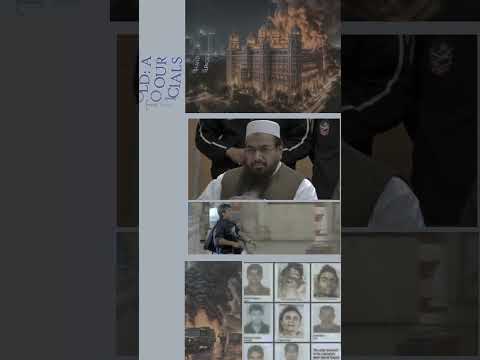

The 26/11 Mumbai attacks were one of the most horrific and tragic events in India’s history. A group of 10 terrorists, belonging to the Pakistan-based Lashkar-e-Taiba, unleashed a wave of violence and terror across the city, killing 175 people and injuring more than 300. The attacks lasted for four days, targeting iconic landmarks, public transportation hubs, and crowded cafes. The victims came from all walks of life, representing the diverse tapestry of Mumbai’s population.
But amidst the horror and despair, there were also stories of courage, selflessness, and resilience. The security forces, including the Mumbai Police, the National Security Guard, and the Indian Army, fought valiantly against the terrorists, risking their lives to protect the city and its inhabitants. Among the heroes of 26/11 was Assistant Sub-Inspector (ASI) Tukaram Omble, who sacrificed his life to capture a live terrorist, Ajmal Kasab, and exposed the role of Pakistan in the attack.
In this article, we will explore the 26/11 Mumbai attacks and the legacy of Tukaram Omble, paying tribute to the martyrs and survivors of the attack. We will also examine the impact of the attack on India and the world, the lessons learned, and the fight for justice. We will also provide you with some recommendations and resources to learn more about the attack and its aftermath.This article is divided into several sections, each covering a different aspect of the 26/11 Mumbai attacks and Tukaram Omble’s heroism. You can use the table of content below to navigate to the section of your interest. You can also subscribe to our newsletter by entering your email address below, and receive updates on our latest articles on various topics. We respect your privacy and we have a no spam policy. You can also login with your social network ID and access most of the features on our site.
We hope you enjoy reading this article and find it informative and useful. We welcome your feedback and comments. Thank you for choosing www.newspatron.com as your source of news and information.
On November 26, 2008, the city of Mumbai, India, was plunged into darkness and chaos as a series of coordinated terrorist attacks unfolded. Ten members of Lashkar-e-Taiba, a Pakistan-based Islamist militant organization, carried out 12 shooting and bombing attacks across the city, targeting iconic landmarks, public transportation hubs, and crowded cafes.
The attacks, which lasted for four days, left 175 people dead, including nine of the attackers, and more than 300 injured. The victims came from all walks of life, representing the diverse tapestry of Mumbai’s population. Among them were innocent civilians, hotel staff, security personnel, and brave police officers who fought valiantly against the terrorists.
Watch Full Movie 26/11 on ErosNow.Com
The 26/11 Mumbai attacks were a stark reminder of the global threat of terrorism and the devastating impact it can have on innocent lives. They shook the foundations of India’s democracy and tested the resilience of its people. However, amidst the horror and despair, there were also stories of courage, selflessness, and the indomitable spirit of Mumbai.
Unfolding Terror: A Timeline of the Attacks
The attacks began on the evening of November 26, 2008, when a group of armed men arrived in Mumbai via hijacked boats. They split into four teams and launched their coordinated assault, targeting multiple locations across the city.
Chhatrapati Shivaji Terminus (CST) Attack:
One of the most horrific attacks took place at the Chhatrapati Shivaji Terminus, the city’s iconic railway station. Gunmen opened fire on unsuspecting passengers, creating a scene of carnage and panic. More than 50 people were killed and over 100 were injured in the attack. The terrorists also planted bombs in two taxis, which exploded in different parts of the city, killing 10 people and injuring 15.

Taj Mahal Palace Hotel Siege
The 2008 Mumbai attacks included an assault on the Taj Mahal Palace Hotel, a lavish hotel and a favored spot for tourists and business people.
Recommended Product
Casio Vintage A168WA Digital Grey Unisex Watch
🛒 View on Amazon →As an Amazon Associate, we earn from qualifying purchases. Price and availability may vary.
The hotel was invaded by terrorists who captured many people and held them hostage. They clashed with the security forces using grenades and explosives, which ignited fire and explosions in the hotel. The hotel siege went on for about 60 hours and concluded when the elite commandos of the NSG eliminated the last of the attackers. The hotel endured severe damage and loss of lives. More than 30 people perished and over 150 were wounded in the attack.
The Oberoi Trident Hotel Attack
The Oberoi Trident hotel, a high-end hotel and a business centre in Mumbai, was one of the places assaulted by the terrorists on November 26, 2008. Two gunmen, named Abdul Rehman and Fahadullah, entered the hotel around 9:45 pm and started shooting randomly at the guests and staff. They captured 143 people and killed at least 32 people, including 10 staff members and 22 hotel guests. Among the deceased were foreign nationals from Australia, Canada, Germany, Japan, Singapore, Thailand, and the United States. The terrorists also ignited a fire in some parts of the hotel and planted explosives in several rooms.
The attack on the Oberoi Trident hotel went on for about 40 hours and concluded on November 28, 2008, when the National Security Guards (NSG) raided the hotel and eliminated the two terrorists. The NSG rescued 143 hostages, including 141 guests and two staff members, who had been hiding in various rooms and closets. The NSG also defused the explosives and secured the hotel from any dangers. The hotel endured massive damage and remained closed for several months.
Leopold Cafe Attack:
Another target was Leopold Cafe, a popular restaurant frequented by locals and foreigners. The terrorists opened fire on the patrons, killing 10 people and injuring 28. The cafe was also hit by a grenade, causing further damage and casualties.
Nariman House Siege:
The terrorists also attacked Nariman House, a Jewish community center and the headquarters of the Chabad-Lubavitch movement in Mumbai. The terrorists held six hostages, including the rabbi Gavriel Holtzberg and his wife Rivka, who were the directors of the center. The hostages were tortured and killed by the terrorists, who also exchanged fire with the security forces. The siege ended after the National Security Guard (NSG) commandos stormed the building and killed the terrorists.
Cama Hospital Attack:
Other targets included Cama Hospital, a major medical facility. The terrorists entered the hospital and fired at the staff and patients, killing six people and injuring 17. They also encountered a team of police officers, led by the chief of the Mumbai Anti-Terrorism Squad (ATS), Hemant Karkare, who had arrived at the scene. A fierce gunfight ensued, in which Karkare and two other senior officers, Ashok Kamte and Vijay Salaskar, were killed by the terrorists.
Heroism in the Face of Adversity: The Bravery of Tukaram Omble
26/11 Mumbai attacks and Tukaram Omble
As the attacks unfolded, the city’s security forces, including the Mumbai Police, the National Security Guard (NSG), and the Indian Army, sprang into action. They faced a formidable challenge, as the terrorists were well-trained and heavily armed. But the Indian forces fought back with determination and bravery, risking their lives to protect the city and its inhabitants.
Among the heroes of 26/11 was Assistant Sub-Inspector (ASI) Tukaram Omble, a member of the Mumbai Police. Omble was a former soldier who had joined the police force after retiring from the army. He was posted at the Girgaum Chowpatty police station, near the Chhatrapati Shivaji Terminus.
On the night of November 26, Omble and his team received a message that two terrorists had hijacked a car and were heading towards their location. Omble and his team set up a barricade and a checkpoint and waited for the terrorists to arrive.
Soon, the terrorists reached the spot and opened fire at the police. Omble and his team retaliated, and a shootout ensued. One of the terrorists was killed inside the car, while the other, Ajmal Kasab, got out and pretended to surrender. Kasab was the only surviving attacker of the 26/11 Mumbai attacks, and the key to unraveling the conspiracy behind the attack.
As Omble and his team approached Kasab, he suddenly got up and started firing at them. Omble, who was unarmed, did not run away or take cover. Instead, he charged at Kasab, and grabbed the barrel of his AK-47 rifle, preventing him from shooting anyone else. Omble took more than 20 bullets in his chest, but he did not let go of the rifle. He held on to it until his colleagues arrived and overpowered Kasab.
Watch a Short Video on Tukaram Omble
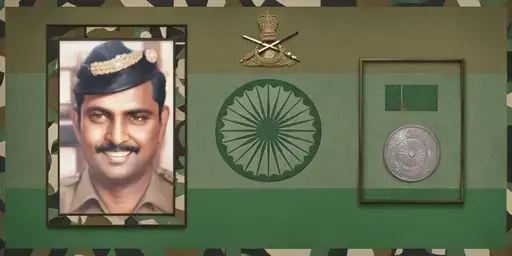
Omble was posthumously awarded the Ashoka Chakra, the highest peacetime military decoration in India. He is remembered as a true hero of Mumbai, and a symbol of courage and resilience.
The Legacy of 26/11: Lessons Learned and the Fight for Justice
The 26/11 attacks left an indelible mark on Mumbai and India. The victims and their families continue to live with the pain of their loss, and the city bears the scars of the violence. But the attacks also served as a wake-up call, highlighting the need for increased vigilance and cooperation in the fight against terrorism.
In the aftermath of the attacks, the Indian government launched a massive investigation, leading to the arrest and conviction of several suspects. Ajmal Kasab, the lone surviving attacker, was executed in 2012, after a fair and transparent trial. The government also implemented several reforms and measures to improve the security and intelligence capabilities of the country, such as creating the National Investigation Agency (NIA), strengthening coastal security, and enhancing the training and equipment of the security forces.
The 26/11 attacks also strengthened India’s resolve to combat terrorism and protect its citizens. The country has forged closer ties with international partners, especially the United States, in the fight against terror. India has also continued to demand that Pakistan take decisive action against the perpetrators of the attacks and dismantle the terrorist infrastructure on its soil. India has also sought the extradition of the masterminds of the attacks, such as Hafiz Saeed, the founder of Lashkar-e-Taiba, and Zaki-ur-Rehman Lakhvi, the operational commander of the attack.
The memory of the 26/11 attacks serves as a reminder of the fragility of peace and the importance of unity and harmony in India. The attacks also showcased the extraordinary bravery and resilience of the security forces and the ordinary citizens who fought back against the terrorists. Their courage and sacrifice inspired the nation and the world, and will never be forgotten.
Remembering the Heroes
The 26/11 attacks also showcased the extraordinary bravery of the security forces and ordinary citizens who fought back against the terrorists. Their courage and sacrifice saved countless lives and inspired the nation. Here are some of the heroes of 26/11, whose stories deserve to be remembered and honored:
Major Sandeep Unnikrishnan, a commando of the National Security Guard (NSG), was one of the heroes of 26/11. He led his team in a daring rescue operation at the Taj Mahal Palace Hotel, saving 14 hostages and killing four terrorists. He was fatally wounded in the operation and succumbed to his injuries. He was posthumously awarded the Ashoka Chakra, India’s highest peacetime military decoration.
Hemant Karkare, the chief of the Mumbai Anti-Terrorism Squad (ATS), was another hero who lost his life while fighting the terrorists. He led his team in the operation at the Cama Hospital, engaging in a fierce gunfight with the attackers. He was shot three times in the chest and died on the spot. He was posthumously awarded the Ashoka Chakra.
Ashok Kamte, the Additional Commissioner of Police (East Region), was also killed in the same operation as Karkare. He was a decorated officer, who had received several awards for his bravery and service. He was posthumously awarded the Ashoka Chakra.
Vijay Salaskar, a senior inspector and an encounter specialist, was also part of Karkare’s team and was killed in the same operation. He was known for his expertise in tracking and eliminating criminals and had killed more than 80 gangsters in his career. He was posthumously awarded the Ashoka Chakra.
Karambir Kang, the general manager of the Taj Mahal Palace Hotel, was another hero who showed exemplary leadership and courage during the attack. He stayed in the hotel throughout the siege, helping the guests and staff to escape and coordinating with the security forces. He also lost his wife and two sons, who were staying in the hotel, in the fire. He was honored with the CNN-IBN Indian of the Year award in 2009.
Hemant Oberoi, the executive chef of the Taj Mahal Palace Hotel, was also a hero who saved many lives during the attack. He led a group of staff and guests to safety, hiding them in a secure room and providing them with food and water. He also helped the security forces to enter the hotel and locate the terrorists. He was awarded the President’s Medal for his bravery.
Devika Rotawan, a nine-year-old girl, was another survivor and witness of the attack. She was shot in the leg at the Chhatrapati Shivaji Terminus and was taken to a hospital by a stranger. She later identified Ajmal Kasab as one of the attackers and testified against him in court. She was hailed as a braveheart and received several awards and scholarships for her education.
These are just some of the heroes of 26/11, who showed remarkable courage and humanity in the face of terror. There are many more stories of heroism and survival, which you can read in the books and watch in the movies and documentaries listed below.
Books and Movies on 26/11:
If you want to learn more about the 26/11 Mumbai attacks and the people involved, you can check out these books and movies, which provide a detailed and gripping account of the events and their aftermath.
Books:
The Siege: The Attack on the Taj by Adrian Levy and Cathy Scott-Clark. This book is a comprehensive and riveting account of the attack on the Taj Mahal Palace Hotel, based on extensive interviews with the survivors, the security forces, and the terrorists. It reveals the inside story of the siege, the rescue operation, and the investigation.
26/11: The Attack on Mumbai by Sandeep Unnithan. This book is a journalistic and factual account of the 26/11 Mumbai attacks, based on the author’s own reporting and research. It covers the entire timeline of the attacks, the role of the security forces, the intelligence failures, and the aftermath.
The Betrayal of India: Revisiting the 26/11 Evidence by Elias Davidsson. This book is a controversial and critical analysis of the 26/11 Mumbai attacks, based on the author’s own investigation and examination of the official evidence. It challenges the official narrative of the attacks, and raises questions about the role of the Indian and foreign governments, the media, and the judiciary.
Movies:
The Attacks of 26/11 by Ram Gopal Varma. This movie is a dramatized and cinematic depiction of the 26/11 Mumbai attacks, based on the testimonies of the survivors and the police officers. It focuses on the role of the Mumbai Police, especially the joint commissioner Rakesh Maria, who led the investigation and interrogation of Ajmal Kasab.
Hotel Mumbai by Anthony Maras. This movie is a realistic and thrilling portrayal of the attack on the Taj Mahal Palace Hotel, based on the actual events and the documentary Surviving Mumbai. It follows the lives of the guests and staff of the hotel, who are trapped in the siege, and the security forces, who are trying to rescue them.
Taj Mahal 26/11 by Nicolas Saada. This movie is a fictional and emotional story of a young French woman, who is staying at the Taj Mahal Palace Hotel with her parents, and is separated from them during the attack. It shows her struggle to survive and escape from the hotel, and the impact of the attack on her life.
Documentaries:
Surviving Mumbai by Victoria Midwinter Pitt. This documentary is a gripping and harrowing account of the attack on the Taj Mahal Palace Hotel, based on the interviews with the survivors, the staff, and the security forces. It reveals the stories of courage, compassion, and resilience that emerged from the siege.
Terror in Mumbai by Dan Reed. This documentary is a chilling and disturbing account of the 26/11 Mumbai attacks, based on the intercepted phone calls between the terrorists and their handlers in Pakistan. It exposes the mindset and motives of the attackers, and the role of Lashkar-e-Taiba in the attack.
Secret Pakistan: Double Cross by Quicksilver Media. This documentary is a controversial and investigative account of the 26/11 Mumbai attacks, based on the testimonies of former Pakistani officials, intelligence agents, and diplomats. It claims that Pakistan was aware of and supported the attack, and that it has been playing a double game with the West in the war on terror.
The 26/11 Mumbai attacks were a tragedy that shook India to its core. But the city of Mumbai has emerged stronger from the ordeal. The attacks have served as a reminder of the importance of peace, unity, and the indomitable spirit of the human spirit.
We hope you enjoyed reading this article and found it informative and useful. We welcome your feedback and comments. Thank you for choosing http://www.newspatron.com as your source of news and information.
Read More About Tukaram Omble
Watch a YouTube Short [Tukaram Omble]
The Visual Proof: See For Yourself
Watch a New YouTube Short
You can read more about Tukaram Omble, the brave ASI who captured a live terrorist during the 26/11 Mumbai attacks. Here are some of the sources that you can use to learn more about his life, his sacrifice, and his legacy:
Tukaram Omble – Wikipedia: This is a comprehensive and reliable article that provides information about Omble’s background, his role in the 26/11 Mumbai attacks, his awards and honors, and his impact on society.
Tukaram Omble – The Policeman Who Took 40 Bullets From Kasab’s AK-47 & Still Captured Him Alive: This is a short and inspiring article that pays tribute to Omble’s courage and humanity in the face of terror. It also includes some pictures and tweets about Omble and his family.
??????? ?????? – ??????????: This is a Hindi version of the Wikipedia article on Omble, for those who prefer to read in Hindi. It covers the same information as the English version but in a different language.
I hope these sources are helpful to you. If you have any questions or comments, please feel free to share them with me. ?

[…] Related Read: How Tukaram Omble Helped Uncover the Truth Behind the 26/11 Mumbai Attacks […]