





By the NewsPatron Business Desk
The 26/11 Mumbai attacks in 2008 resulted in significant loss of life and property. But amid the chaos at the iconic Taj Mahal Palace Hotel, a strange phenomenon occurred. The staff—many of whom had clear opportunities to flee—stayed. They formed human shields, guided guests to safety, and in many cases, laid down their lives.
This extraordinary behavior drew global attention, leading Harvard Business School (HBS) to ask a fundamental question: How does an organization build this level of loyalty?
Related Read: How Tukaram Omble Helped Uncover the Truth Behind the 26/11 Mumbai Attacks
The Harvard Verdict: “Terror at the Taj Bombay”
The official study, titled “Terror at the Taj Bombay: Customer-Centric Leadership,” authored by Professor Rohit Deshpandé, emphasizes “leadership from below.” It explores how rank-and-file employees exhibited customer-centric behavior under extreme duress.
The study explicitly identifies a key factor that has recently gone viral thanks to commentators like Prakash Belawadi: Recruitment from Small Towns.
As noted in the Harvard Business Review:
“The Taj Group prefers to go into the hinterland because that’s where traditional Indian values—such as respect for elders, humility, and honesty—still hold sway. In the cities, by contrast, youngsters are increasingly driven by money.”
🛍Recommended Product
Amazon Renewed — Best Deals of the Day
🛒 View on Amazon →As an Amazon Associate, we earn from qualifying purchases. Price and availability may vary.
This isn’t an urban legend; it is a documented strategy. The Taj recruits from semi-urban and rural high schools, prioritizing traits like empathy and “dharma” (duty) over elite credentials. This culture created a workforce that viewed guests not as customers, but as family to be protected.
The Visual Proof: See For Yourself
The DNA of Heroism: The Tata Group Philosophy
This behavior didn’t happen in a vacuum. It is rooted in the 150-year-old philosophy of the Tata Group. Founded by Jamsetji Tata, the group operates on the concept of “Trusteeship”—where business leaders are merely stewards of wealth for the community.
Deep Dive: Ratan Tata: From Humble Roots to Global Icon
More Than Compliance
Unlike many corporations that view ethics as a compliance checkbox, Tata integrates it as a foundational principle. Whether it was JRD Tata refusing bribes in the license raj era, or Ratan Tata formalizing the Tata Code of Conduct (TCoC), the message has always been clear: People over Profit.
During 26/11, this philosophy manifested in tangible actions. The Tata Group provided lifelong support to the families of deceased employees and even covered the medical costs of guests. It is a philosophy that blends Gandhian ideals with modern Corporate Social Responsibility (CSR).
Must Read: Ratan Tata Legacy: A Blueprint for Ethical Leadership
Watch: The Stories of Valour
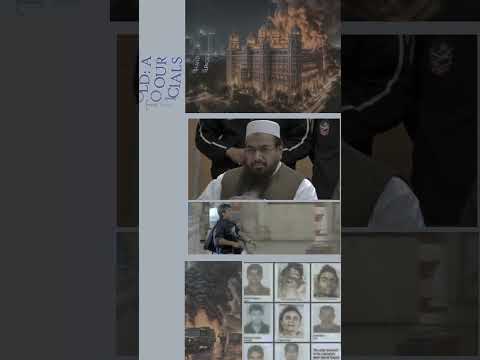
The cultural impact of 26/11 and the resilience of Mumbai has been documented extensively. Here are some pivotal moments and analyses.
Conclusion: A Lesson for the World
The HBS study concludes that the Taj’s resilience wasn’t an accident—it was designed. By hiring for values rather than just skills, and by treating employees with dignity, Tata built an organization that held strong when it mattered most.
As Ratan Tata famously said, “If you want to walk fast, walk alone. But if you want to walk far, walk together.” On that dark night in November, the staff of the Taj proved exactly how far they were willing to walk for their guests.
Further Viewing
(Includes excerpts from “Bodh by Sharan Setty” and HBS Case No. 511-703)
Recommended Reading: Ethical Leadership
To understand the business of ethics, we recommend: (As an Amazon Associate, we earn from qualifying purchases.)
- “The Tata Group: From Torchbearers to Trailblazers” by Shashank Shah – A definitive history of the group’s ethos. Get it here
- “Small Giants” by Bo Burlingham – Why companies that choose to be great instead of big often survive crises better. Check it out
