



Dhurandhar Pakistan Ban: Facts, Claims, and Fallout
When Silence Speaks Louder
There are bans that silence a film — and then there are bans that turn it into a whisper campaign nobody can control.
When Dhurandhar was officially denied release in Pakistan, the assumption was simple: block the screens, kill the influence. What followed instead was a digital detour — one that pushed the film into phones, private links, torrents, and underground streams across the country.
Short on time? Read the Quick-Read Summary of this report.
Within days of its Indian release, reports from multiple trade and media outlets suggested that Dhurandhar had quietly become one of the most accessed Indian films in Pakistan’s recent memory — despite never receiving a theatrical release there. Estimates placed illegal downloads in the range of millions within the first two weeks, a figure that does not account for private sharing over encrypted messaging platforms.
What makes this moment unusual is not piracy itself — that story is old — but the response around it.
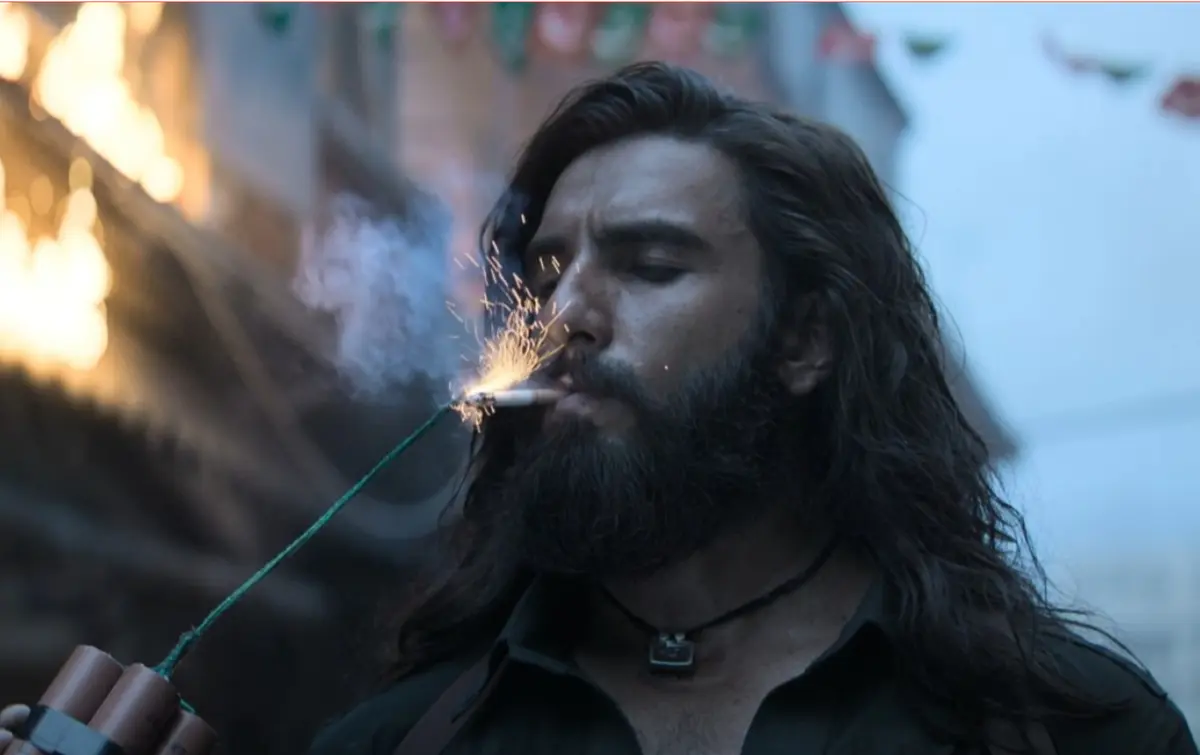
Online chatter from Pakistani viewers has not been limited to outrage or rejection. Clips from the film have circulated as reels. Songs have appeared in short-form videos. Scenes set in Karachi’s Lyari district have triggered debate about accuracy, exaggeration, and uncomfortable familiarity. Even critics who disagreed with the film’s politics acknowledged its craft, performances, and technical polish.
In other words, the ban did not stop engagement. It reframed it.
The Curiosity Effect
The film’s director Aditya Dhar and lead actor Ranveer Singh never pitched Dhurandhar as subtle. It is a spy thriller that deals directly with terrorism, gang networks, and intelligence operations — themes that sit at the fault lines of India–Pakistan relations. Pakistan’s long-standing prohibition on Indian films, reinstated in 2019, made an official release unlikely from the start.
Yet curiosity has a way of ignoring borders.
Media analysts point to a familiar phenomenon at work: when access is restricted, attention often spikes. Search interest grows. Private distribution replaces public screening. The film becomes something to be “found” rather than consumed — and that changes how audiences approach it.
Box Office vs Underground Reach
This underground popularity has coincided with Dhurandhar’s strong box office performance elsewhere. In India and select overseas markets, the film crossed major revenue milestones within two weeks, driven by unusually strong second-week footfalls — a sign of sustained word-of-mouth rather than front-loaded hype.
The contrast is striking. Officially absent in Pakistan, yet culturally present. Blocked by certification boards in parts of the Gulf, yet widely discussed online. Condemned by some political voices, yet sampled by audiences curious enough to decide for themselves.
None of this automatically validates the film’s narrative, nor does it invalidate criticism of its framing. What it does reveal is something larger: bans no longer function the way they once did.
In a hyper-connected media environment, suppression rarely erases content. More often, it reshapes its journey — from theatres to timelines, from screens to conversations.
Dhurandhar may not have been released in Pakistan, but it has clearly been seen. And in the process, it has reopened an old question for the digital age: when a story is blocked, who actually gains control over it?
This article draws on verified reporting, attributed media analysis, and documented public discourse to examine how access, censorship, and curiosity intersect in the modern information ecosystem.

[…] the deep analysis? Read the full report on the ban’s fallout. […]