



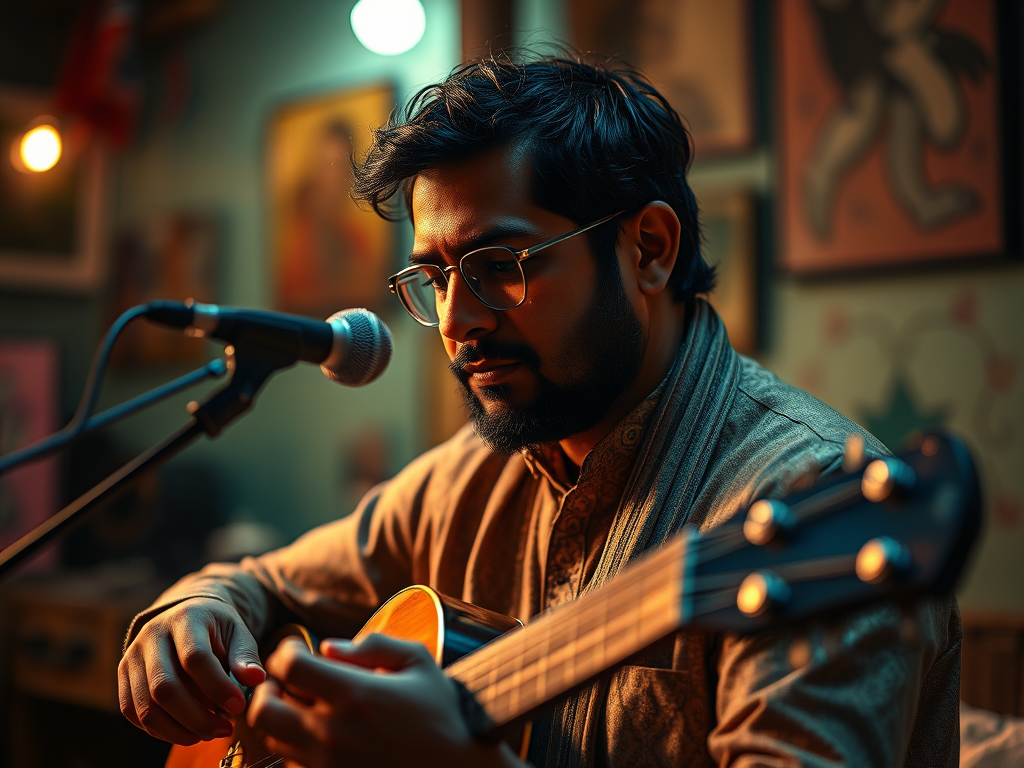
In a world buzzing with fleeting trends and instant gratification, where does the artist stand? Are they merely entertainers, or do they bear a deeper responsibility to society?
This question lies at the heart of our conversation with Kaushal Inamdar, the insightful Marathi musician and composer whose perspectives we began to explore in our previous blog post. Inamdar, with his deep understanding of the Marathi artistic landscape, challenges us to rethink our assumptions about art, technology, and the artist’s role in a rapidly changing world.
This post delves into Inamdar’s views on the elusive nature of perfection, the crucial role of the audience, and the double-edged sword of technology. Along the way, we’ll touch upon the delicate balance between artistic expression and social responsibility, and explore the profound impact art can have on individuals and communities.
And speaking of connection, don’t forget to connect with me on my YouTube channels, DroneMitra (“The sky is digital with a drone as a friend!”) and Newspatron (“Let curiosity be your guide!”).
Now, let’s dive into the fascinating world of Kaushal Inamdar and his unique perspective on art and the artist’s responsibility.
Perfection: An Elusive Goal
“Perfection is not the sole objective of any art form; perfection, or the environment surrounding it, can be an element,” says Kaushal Inamdar. He challenges the common notion that perfection is the ultimate goal of artistic expression. Instead, he suggests that perfection might be a surrounding element, a context, or even a pursuit, but not the destination itself.
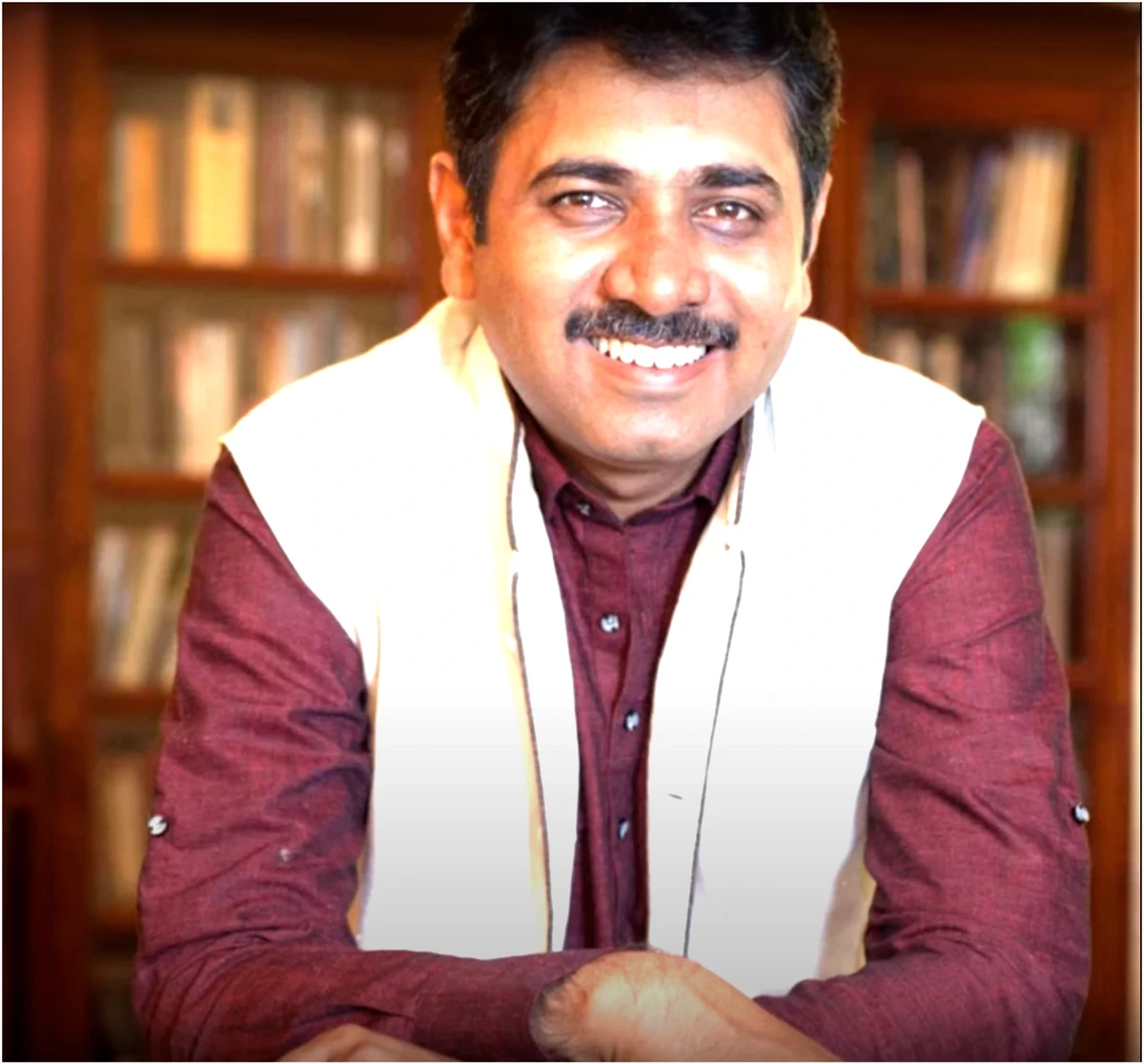
This perspective echoes his earlier discussion on the “outsourcing” of art, where the focus often shifts to polished presentations and technical flawlessness. Inamdar reminds us that art is more than just a perfectly executed product; it’s an outpouring of emotions, a reflection of culture, and a journey of creative exploration.
Recommended Product
Jockey Women's Hipster Brief – Comfort Fit, Assorted Colors
🛒 View on Amazon →As an Amazon Associate, we earn from qualifying purchases. Price and availability may vary.
He emphasizes the significance of the creative process itself, with all its inherent imperfections and unexpected turns. This process, he argues, is what gives art its unique character and authenticity. It’s about embracing the raw emotions, the cultural context, and the imperfections that make each artwork unique.
Inamdar’s views encourage us to look beyond the surface and appreciate the nuances of artistic expression. He invites us to embrace the imperfections, the raw emotions, and the cultural context that contribute to the richness and complexity of art.
The Artist and the Audience: A Dynamic Duo
Kaushal Inamdar eloquently highlights the crucial role of the audience in the artistic experience. He sees the audience not as passive recipients but as active participants, “patrons” and “connoisseurs” who are deeply invested in the art form.
“Our senior sir says an artist dies twice: once when they don’t receive appreciation at the right time, and second, when they receive it at the wrong place,” Inamdar shares, emphasizing the importance of timely and genuine recognition for an artist’s work. He believes that true appreciation from the audience can fuel an artist’s passion and inspire them to reach new creative heights.
But the audience’s responsibility goes beyond mere applause. In today’s world, where distractions abound, true engagement requires a conscious effort. Just as we discussed in “Smartphone Addiction & Sex: 7 Ways to Reclaim Intimacy,”(Read the previous Blog Post) the constant pull of notifications and the allure of “doomscrolling” can hinder genuine connection – not just with our loved ones, but also with art.
Inamdar argues that the audience plays an active role in shaping and completing the artistic experience. Their engagement, interpretation, and emotional response contribute to the overall meaning and impact of the artwork. He acknowledges that the same piece of art can evoke different responses from different audiences, highlighting the dynamic interplay between the artist, the art, and the audience.
Inamdar’s insights challenge us to rethink our role as audience members. He encourages us to move beyond passive consumption and actively engage with art, allowing it to touch our hearts, challenge our perspectives, and enrich our lives. This means being present, putting aside distractions, and truly immersing ourselves in the artistic experience.
Technology: A Double-Edged Sword
Kaushal Inamdar’s views on technology are both nuanced and insightful. He acknowledges the immense potential of technology, particularly the rise of AI, to revolutionize artistic expression. However, he also cautions against over-reliance on technology and the potential for it to overshadow human creativity and cultural heritage.
He recognizes the ability of AI to generate impressive melodies and sounds, but he also points out that AI currently lacks the emotional depth and storytelling capabilities that are essential to truly impactful art. He emphasizes the importance of human connection and the unique ability of artists to infuse their work with personal experiences and cultural nuances.
[Read a blog post on Science Direct]
Inamdar’s anecdote about the “tape emulator” further illustrates his point. While the transition to digital technology initially led to the loss of certain sonic qualities in music, artists eventually found ways to reclaim those lost elements through digital emulation. This highlights the cyclical nature of technology and the importance of preserving cultural heritage even as we embrace innovation.
He argues that technology should be seen as a tool, not a replacement for human creativity. He encourages artists to use technology thoughtfully and purposefully, striking a balance between innovation and the preservation of artistic traditions.
The Artist’s Responsibility in Society
Kaushal Inamdar’s views on the artist’s responsibility in society are thought-provoking and nuanced. He acknowledges the influence artists wield and the potential for their work to spark dialogue, challenge perspectives, and even inspire social change. However, he stops short of advocating for a definitive stance on whether artists must engage with political issues.
He recognizes that artists, like any other individuals, have personal beliefs and ideologies that inevitably shape their worldview and creative expression. However, he emphasizes the importance of maintaining a balance between expressing those beliefs and respecting the diverse perspectives of their audience.
Inamdar highlights the dangers of polarization, particularly in the age of social media, where opinions can quickly become amplified and entrenched. He suggests that artists who choose to take a political stand must be prepared for potential backlash and the possibility of alienating a portion of their audience.
He also cautions against the tendency to judge art solely based on the artist’s political views, arguing that the merit of the work should be evaluated independently of the creator’s personal beliefs. “Oscar Wilde has a saying: ‘To reveal art and conceal the artist is art’s aim,” Inamdar reminds us.
Ultimately, Inamdar believes that the artist’s responsibility lies in creating honest and authentic work that resonates with their audience on a deeper level. Whether they choose to engage with political themes or focus on other aspects of the human experience, their primary responsibility is to remain true to their creative vision and foster a connection with those who encounter their art.
The Illusion of Choice and the Subversion of Audience
While artists grapple with their responsibility to society, it’s crucial to acknowledge the influence of the larger ecosystem that brings art to the audience. In the realm of cinema, this includes producers, financiers, musicians, and the entire machinery behind the scenes. These individuals, often operating from the shadows, wield significant power in shaping narratives and influencing public perception.
Actors, as the face of art, often bear the brunt of criticism when films push questionable agendas. However, they are often mere conduits, delivering lines and portraying characters conceived by others. True responsibility lies with those who hold the purse strings and creative control, those who decide which stories are told and how they are presented.
This brings us to a critical question: are audiences truly aware of the agendas being subtly woven into their entertainment? Or are they unknowingly consuming narratives that shape their beliefs and values?
Consider the following perspectives shared on Quora:
“Now a day definitely bollywood is not influence the culture of india… How can the film with luxury cars, grand villa, women in bikini dancing with hero is influence the culture and people of india?”
This comment highlights the disconnect between the glamorous, often unrealistic portrayals in mainstream cinema and the lived realities of most viewers. It raises concerns about the values and aspirations being promoted, and whether they truly reflect the cultural fabric of India.
Another Quora user points out the potential for films to glorify undesirable behavior:
“People watch films for entertainment… Although some good movies impart positive vibes… In general bad is grasped very fast… Many times crimes in real life are learnt from movies and law is silent on this as it is blind.”
(But not anymore though, below is the new and the old images)
This perspective raises alarm bells about the potential for films to normalize violence, crime, and other harmful behaviors. It questions the responsibility of filmmakers in shaping societal norms and influencing impressionable minds.
The illusion of choice further complicates the issue. With a limited range of narratives dominating mainstream media, audiences may feel they have little choice but to consume content that subtly pushes certain agendas. This lack of diversity in storytelling can lead to a skewed perception of reality and reinforce harmful stereotypes.
Therefore, the artist’s responsibility extends beyond individual expression. It’s about being mindful of the larger context in which their art exists and questioning the narratives they are asked to perpetuate. It’s about demanding greater transparency and accountability from those who control the levers of cultural production.
Ultimately, it’s about empowering audiences to become conscious consumers, to critically engage with the media they consume, and to demand art that reflects the true diversity and complexity of their world.
The Power of Art: Connecting and Healing
Kaushal Inamdar shares a poignant anecdote about a fan who was on the verge of suicide but found solace and a renewed will to live through his music. This powerful story underscores the profound impact art can have on individuals’ lives, highlighting its ability to connect with people on a deep emotional level, offering comfort, inspiration, and even a lifeline in times of crisis.
This story speaks to the transformative power of art, its ability to transcend boundaries and touch the very core of human experience. It reminds us that art is not merely a form of entertainment or a decorative element; it’s a powerful force that can heal, inspire, and foster a sense of belonging.
Art can also play a crucial role in fostering empathy and understanding between individuals and communities. By sharing stories, expressing emotions, and challenging perspectives, art can create bridges of connection and break down barriers of prejudice and misunderstanding.
In a world that often feels fragmented and divided, art can serve as a unifying force, reminding us of our shared humanity and the common threads that bind us together. It can inspire us to embrace diversity, celebrate cultural identity, and work towards a more inclusive and harmonious society.
The Canvas and the Gaze
Speaking of connection and the power of art to transcend boundaries, let’s explore the intricate dance between the artist, their creation, and those who behold it. Imagine a canvas, a blank slate yearning for expression. The artist, with their brushstrokes and colors, breathes life into this emptiness, weaving emotions, thoughts, and experiences into a visual tapestry.
But the artwork remains incomplete without the observer’s gaze. It is in the eyes of the beholder that the colors truly come alive, that the emotions resonate, and the story unfolds. Like a silent conversation across time and space, the artwork speaks to the observer, inviting them to connect, to interpret, and to make the piece their own.
This echoes Kaushal Inamdar’s emphasis on the interconnectedness of art, artist, and audience. Just as a solitary note seeks harmony in a melody, and a single dancer finds completion in a troupe, so too does art find its full expression in the connection it fosters between the creator and their audience.
Marathi Poet Kusumagraj’s Earth’s Love Song
Kusumagraj, the renowned Marathi poet, beautifully captures this yearning for connection in his poem “Earth’s Love Song.” Through the voice of Earth yearning for the Sun, he portrays a universal longing for completion and belonging:
Below could be a direct Marathi translation to English,
“Through countless ages, I have danced and spun,
A captive satellite, your light my only sun……………………………………
……………….I know my place, a speck of dust you see,
Yet even dust can dream of ecstasy.
To grace your feet, my love, my only goal,
To be adorned by you, to make me whole.”
However, inspired by Kusumagraj’s evocative imagery, let’s explore this theme further with a poem crafted for an English-speaking audience:
The Artist’s Echo
A stroke of paint, a whispered word, A melody that takes its flight. The artist’s soul, poured out and heard, In colors, sounds, and shades of light.
But art finds life beyond the brush, Beyond the notes, the sculpted form. It seeks a mirror, a gentle hush, A heart to weather any storm.
The viewer’s gaze, a welcoming hand, Completes the circle, makes it whole. The colors deepen, stories expand, As emotions intertwine and souls unfold.
For art is not a solitary quest, But a shared journey, a vibrant call. A dance of meaning, where hearts find rest, And beauty echoes, embracing all.
Inamdar’s insights challenge us to recognize and appreciate the power of art in our lives. Whether it’s a song that moves us to tears, a painting that captures the essence of a moment, or a story that transports us to another world, art has the potential to transform our perspectives, heal our wounds, and connect us to something larger than ourselves.
Conclusion: The Enduring Power of Art and the Artist’s Evolving Role
Kaushal Inamdar’s insights offer a refreshing and thought-provoking perspective on the artist’s responsibility in a world that is constantly evolving. He challenges us to rethink our relationship with art, to appreciate its nuances and imperfections, and to recognize its power to connect, heal, and inspire.
From the importance of audience engagement to the challenges of navigating the digital age, Inamdar’s reflections provide valuable guidance for artists and art enthusiasts alike. He encourages artists to embrace their unique voices, to stay true to their cultural roots, and to use their creative platforms to promote positive change.
He reminds us that art is not merely a form of entertainment or a commodity; it’s an essential part of the human experience, a powerful force that can shape our perspectives, enrich our lives, and bring us together.
As we move forward in this ever-changing world, let us celebrate the enduring power of art and the vital role that artists play in shaping our cultural landscape. Let us support their creative endeavors, engage with their work, and appreciate the unique perspectives they bring to our lives.
A Symphony for Your Content: Premium Indian Music (Copyright-Free!)
Look no further! Hoopr is here to revolutionize your content with a vast library of premium, copyright-free Indian music. From soulful melodies to energetic beats, they’ve got you covered with a diverse collection of genres and moods to elevate your creations.
But here’s the best part: you can experience the magic of Hoopr for free! Use my exclusive link to unlock up to 3 months of free access to their premium music library:
https://hoopr.ai/?referral_link=hoopr-1b9a00d2-ed5f-4061-bf3c-1b4774e04a04
Keep the Conversation Flowing!
I hope this exploration of the artist’s responsibility has sparked your own thoughts and reflections. I’d love to hear from you! Share your perspectives on the role of artists in society, the impact of technology on art, and the importance of preserving cultural identity in the comments below.
And if you’re eager to continue the conversation or explore other fascinating topics, let’s connect on your favorite platform:
- Catch my visual stories on Instagram: @qmit_kumar
- Join the tweet-fest on X (formerly Twitter): @dronemitra
- Let’s be friends on Facebook: [Facebook Profile URL]
- Stay updated with my latest posts on my Facebook Page: [Facebook Page URL]
- Dive into insightful discussions on Reddit: u/Saltman333 and r/newspatron
- Explore my thoughts and musings on Tumblr: https://www.tumblr.com/blog/newspatron
- Get instant updates on my WhatsApp Channel: https://whatsapp.com/channel/0029Va91Ng2KAwEuok1Dn831
- Join the Telegram chat for instant conversations: t.me/newspatron333
- Stay connected through my Telegram Channel: t.me/NEWSPATRONBHARAT
- Never miss an update with my RSS Feed: https://newspatron.com/feed/gn
- Connect professionally on LinkedIn: https://www.linkedin.com/in/news-patron-89b93b211/
And of course, don’t forget to explore the captivating world of Marathi art and beyond on my YouTube channels:
- Newspatron Videos: https://www.youtube.com/@Newspatron/videos
- Quick Snippets on YouTube Shorts: https://youtube.com/playlist?list=PLQvdUfdp-3Xw0phyndLCT6BXWIlO8XtJK&feature=shared
- Journey with me through my Travel videos: https://youtube.com/playlist?list=PLQvdUfdp-3XwiLtZ2fE-CSXiBPbaAkWWi&feature=shared
Planning a trip between major cities in Western India? Check out IndiaTaxi.cab for convenient and reliable cab services: https://indiataxi.cab/rent-cabs-for-outstation-travel
I’m excited to hear your thoughts on this blog post and continue the conversation on your preferred platform!
#artistresponsibility #kaushalinamdar #artandpolitics #technologyandart #aiart #audienceengagement
