






Is Your Smartphone Ruining Your Sex Life? ??
Ever scrolled through Instagram while your partner’s trying to get frisky? Or found yourself more interested in that YouTube rabbit hole than, well, actual intimacy? You’re not alone. In this day and age, our smartphones have become extensions of ourselves, but could they be messing with our love lives? ?[Read more about Smartphone Reviews]

We’re about to dive into a topic that’s not often discussed openly – the impact of smartphone addiction and sex. We’ll explore how excessive phone use might be affecting our desires, relationships, and even our sexual health.
We’ll be drawing insights from an interview with renowned gynecologist and sexual health expert, Dr. Neelima Deshpande, who sheds light on the concerning trends she’s seeing in her clinic. Get ready for some eye-opening revelations and practical advice on how to reclaim your intimacy in the digital age. ?
But before we get into the nitty-gritty, why not check out some awesome drone shots over on my YouTube channel, DroneMitra? The tagline is “Your Sky is Digital with a Drone as a Friend” – how cool is that? ? You can also find me on Newspatron, where “Curiosity is Your Guide.” Just sayin’… ?
Now, let’s get this show on the road!
The Digital Age and the Rise of Sexual Concerns
We live in a hyper-connected world where smartphones have become our constant companions. They’re our alarm clocks, our news sources, our entertainment centers, and our connection to the world. But this constant connectivity comes at a cost. Could our smartphone addiction be impacting our sex lives?
Dr. Neelima Deshpande, a leading gynecologist and sexual health expert, believes it might be. In a candid interview, she shared her concerns about the growing number of patients experiencing sexual health issues that may be linked to excessive phone use.
“It’s a topic that’s not often discussed,” says Dr. Deshpande, “but it’s an essential part of everyone’s well-being.” She emphasizes the need for greater awareness and open conversations about sexual health in the digital age.
Recommended Product
Casio Vintage A168WA Digital Watch – Classic Retro Style
🛒 View on Amazon →As an Amazon Associate, we earn from qualifying purchases. Price and availability may vary.
So, what exactly are the concerns? Let’s delve into the impact of smartphone addiction and sex and explore how our digital habits might be affecting our intimate lives.
Pornography, Overstimulation, and Early Exposure
One of the most significant ways smartphone addiction can impact sex is through the ease of access to pornography. India has the second-largest consumer base of porn in the world, and with smartphones readily available, it’s easier than ever to access explicit content.
[Read a blog on Insider Monkey – 15 Countries that Watch the Most Porn in 2024]
But what’s the harm in watching a little porn, right? Well, the problem lies in the lack of limits. Dr. Deshpande points out that people often fall into the trap of “binge-watching” porn, just like they would with their favorite TV shows. This constant stimulation can lead to overstimulation, which can have serious consequences for sexual health.
“The pleasure chemicals in our brain get stimulated continuously,” explains Dr. Deshpande, “leading to a point where natural things that should be arousing for us don’t happen.” This means that over time, individuals may find it harder to get aroused by real-life sexual encounters, leading to frustration and dissatisfaction in their relationships.

And it’s not just about adults. Early exposure to pornography through smartphones is a growing concern. A study published in “Sexuality Research and Social Policy” found that early exposure to explicit material (by age 14) may increase the risk of a child becoming a victim of sexual violence or acting out sexually against another child (link.springer.com). [Read more on Science Direct]
The effects of overstimulation from excessive smartphone use extend beyond sexual health. According to research from King’s College London, teens with problematic smartphone use are twice as likely to experience anxiety and depression (www.kcl.ac.uk). Furthermore, a study in JAMA suggests that high-frequency use of digital media activities is associated with symptoms of ADHD in teenagers (www.health.harvard.edu).
This constant bombardment of information and stimulation can lead to “digital overload,” characterized by irritability, anxiety, difficulty sleeping, and mood swings, as reported by GoodRx Health (www.goodrx.com).
The combination of easy access to pornography, overstimulation, and early exposure creates a perfect storm that can have lasting consequences on individuals’ sexual development, mental health, and relationships. It’s a wake-up call to be more mindful of our smartphone use and its potential impact on our well-being.
Communication Breakdown and Neglected Sexual Health
While smartphone addiction might seem like a modern-day issue, it exacerbates an age-old problem: communication breakdown. Even before the rise of tech, talking about sex was often considered taboo in many cultures. This reluctance to discuss sexual health openly can lead to misunderstandings, unmet needs, and ultimately, dissatisfaction in relationships.
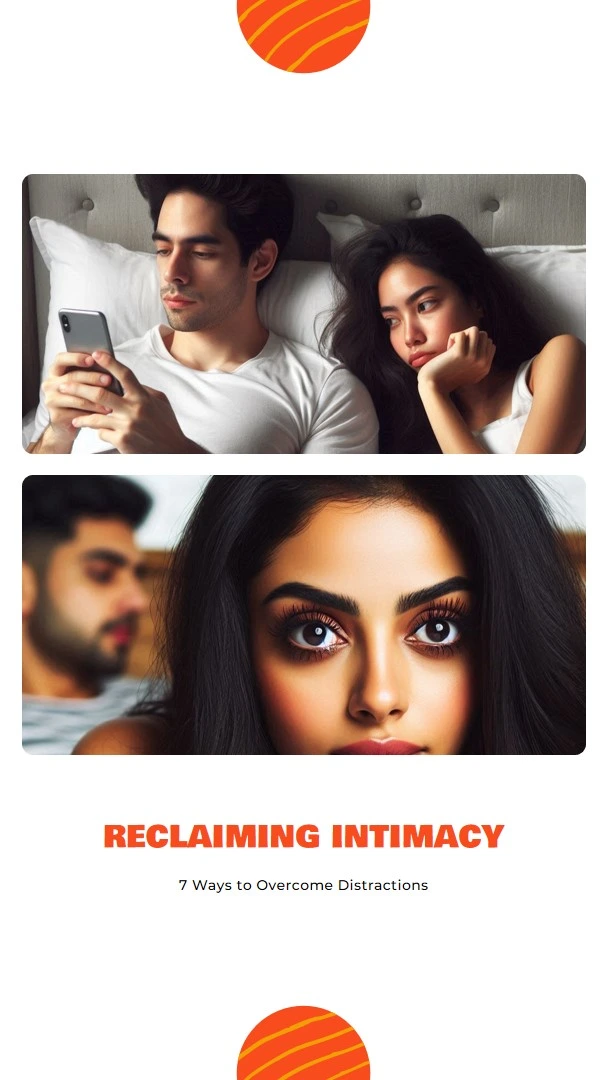
Dr. Deshpande highlights the cultural norms that often hinder open communication: “In our culture, pregnancy often takes precedence. After giving birth, the focus shifts, and women’s health becomes secondary.” This can lead to women neglecting their own sexual well-being, while men may also avoid seeking help for sexual health issues due to societal pressures.
Research from the “Journal of Sexual Medicine” supports this observation, indicating that “men are more likely to avoid discussing sexual health issues due to fear of judgment, while women often feel embarrassed or ashamed.”
But it’s not just cultural norms at play. The digital age itself can sometimes create barriers to effective communication. Couples might find it easier to text about their feelings rather than have a face-to-face conversation about intimate topics, which can increase the risk of miscommunication.
Beyond communication, there’s the issue of neglected sexual health. Many people lack proper education about sexual health, leading to misconceptions and unhealthy practices. A report by UNESCO emphasizes that “comprehensive sex education can significantly improve sexual health outcomes and reduce the incidence of STIs and unintended pregnancies.” [Read more]
Access to healthcare also plays a crucial role. In some regions, limited access to sexual health services prevents individuals from seeking help for issues like sexually transmitted infections (STIs) or sexual dysfunction.
And finally, it’s crucial to remember the connection between sexual health and mental health. Stress, anxiety, and depression can significantly impact sexual desire and performance. “It’s important to address these underlying mental health issues to improve overall sexual health,” advises Dr. Deshpande.
A study published in the “Journal of Sex Research” found that “couples who communicate openly about their sexual needs and desires report higher levels of sexual satisfaction.” This highlights the importance of fostering open and honest communication in relationships to address sexual health concerns and promote overall well-being.
Dr. Deshpande’s Insights: Understanding the Impact
Dr. Deshpande’s insights offer a deeper understanding of how smartphone addiction can influence our sex lives and overall well-being. She emphasizes that sexual desire is a complex interplay of psychological and physical factors, shaped by both individual experiences and cultural norms.
“Are your sexual desires being controlled by your mobile?” she asks, prompting us to reflect on the influence of technology in our intimate lives. “India is the second-largest consumer of porn,” she notes, highlighting the accessibility of explicit content in the digital age.
[Read a blog on Insider Monkey – 15 Countries that Watch the Most Porn in 2024] – India the 4th largest
She also points out the tendency for excessive consumption: “No one follows limits while watching porn. In dieting, one starts binge-watching.” This overstimulation, she argues, can desensitize us to natural arousal patterns. “The chemicals in our brain that bring pleasure get overstimulated… consequently, what should be arousing becomes less effective!”

Dr. Deshpande’s observations resonate with concerns raised by experts worldwide. In Japan, for instance, there’s growing concern about “hikikomori,” a phenomenon where individuals withdraw from social life and become isolated, often immersed in technology. This isolation can contribute to sexual health issues and relationship difficulties. [Read more about Hikikomori]
Similarly, in South Korea, the term “digital dementia” has emerged to describe the cognitive decline associated with excessive technology use. This decline can affect attention span, memory, and even emotional regulation, all of which are crucial for healthy sexual relationships.[Read more on topic]
Dr. Deshpande also highlights the importance of communication in navigating sexual health. “Sex IQ and EQ are both concepts that are very important for self-awareness,” she states, “but how can people discuss something basic with each other if they can’t talk about sex?”
This sentiment echoes across cultures. In many traditional societies, open discussions about sex are still taboo, hindering individuals from seeking help or expressing their needs and desires. This lack of communication can contribute to sexual dissatisfaction and relationship problems.
Dr. Deshpande’s insights, coupled with observations from around the world, paint a clear picture: smartphone addiction can significantly impact our sex lives by affecting our arousal patterns, hindering communication, and contributing to a neglect of sexual health. It’s a call to action to become more mindful of our digital habits and prioritize open conversations about sexuality and well-being.
Finding Balance: Healthy Communication and Mindful Consumption
So, how do we navigate this digital age without letting our smartphones take over our lives and relationships? It’s all about finding balance – balancing our digital habits with real-life connections, and balancing our need for instant gratification with mindful consumption.
Setting Boundaries with Technology
Just like Dr. Deshpande emphasized setting limits on porn consumption, we need to set boundaries with technology in general. Here are a few strategies to consider:
- Digital Detox: Schedule regular digital detox periods where you and your partner disconnect from your devices. This could be an hour before bed, during meals, or even a whole day dedicated to offline activities. Think of it like a mini-vacation for your mind! ?
- Tech-Free Zones: Establish tech-free zones in your home, like the bedroom or dining area. This encourages more face-to-face interaction and creates a space for intimate conversations without the distraction of buzzing notifications.
- Notification Management: Take control of those pesky notifications! Turn off non-essential ones to reduce distractions and avoid the constant pull of your phone. You can also try setting specific times to check your phone instead of responding to every ping immediately.
Fostering Better Communication in Relationships
Open and honest communication is crucial for any healthy relationship, especially when navigating the challenges of the digital age. Here are some tips to improve communication:
- Open Dialogue: Encourage an open dialogue about how technology use is affecting your relationship. Share your concerns and listen to your partner’s perspective without judgment. Remember, it’s a team effort! ?
- Active Listening: Practice active listening during conversations. This means giving your full attention, making eye contact, and responding thoughtfully without interruption. Put those phones down and truly be present with your partner.
- Scheduled Check-Ins: Set aside regular times for relationship check-ins. This creates a dedicated space to discuss any issues, celebrate successes, and ensure you’re both on the same page.
Mindful Consumption
Mindful consumption is not just about limiting screen time; it’s about making intentional choices about how we use technology. Here are some ways to practice mindful consumption:
- Purposeful Use: Set intentions for your screen time. Whether it’s learning something new, connecting with loved ones, or unwinding with a favorite show, having a purpose can make your usage more fulfilling.
- Content Quality: Focus on consuming high-quality content that enriches your life. Avoid endless scrolling and instead engage with content that aligns with your interests and values. [Read about Doom Scrolling]
- Self-Reflection: Regularly reflect on your digital habits. Ask yourself if your current tech use aligns with your personal goals and well-being.
Learning from Cultural Traditions
Interestingly, many cultures around the world have traditions that naturally promote healthy communication and mindful consumption. For example:
- Japanese Tea Ceremony (Sado): This ritual emphasizes mindfulness, respect, and tranquility, fostering a sense of presence and connection.[Read More on Japan Guide]
- Native American Talking Circles: These circles ensure everyone has a voice, promoting open and respectful communication. [Read more on Global Learning Partners]
[Watch a YouTube Video about Talking Stick]
- Mindful Eating in Buddhism: This practice involves eating slowly, savoring each bite, and being fully present during meals. [Read more]
By incorporating these strategies and drawing inspiration from cultural traditions, we can create a healthier relationship with technology and foster deeper connections with our partners.
Sexual Health Risks and the Importance of Awareness
While we’ve focused on how smartphone addiction can impact sex lives through overstimulation and communication issues, it’s crucial to address the broader sexual health risks that can arise when we neglect this aspect of our well-being.
Sexually Transmitted Infections (STIs)
STIs are a serious public health concern, and their prevalence is alarming. According to the World Health Organization, “More than 1 million curable sexually transmitted infections (STIs) are acquired every day worldwide among people aged 15-49 years” (www.who.int). This includes infections like chlamydia, gonorrhea, syphilis, and trichomoniasis.
The impact of STIs can be devastating, leading to long-term health problems, infertility, and even increased risk of certain cancers. In pregnant women, STIs can cause severe complications for both mother and child.
Mental Health Issues Linked to Sexual Dissatisfaction
Sexual dissatisfaction can have profound effects on mental health. PsychCentral reports that “About 43% of women and 31% of men experience sexual dysfunction, which can significantly impact their mental health” (psychcentral.com).

Sexual frustration can lead to emotional and psychological challenges, including increased stress, anxiety, and even depression. As Integrative Psychiatry explains, “Sexual frustration can manifest in numerous ways, including irritability, low self-esteem, sleep disturbances, and difficulty concentrating” (www.integrative-psych.org).
Furthermore, sexual dissatisfaction can strain relationships, leading to communication breakdowns and further mental health issues. Medical News Today notes that “Sexual problems can contribute to relationship difficulties, which in turn can exacerbate mental health conditions” (www.medicalnewstoday.com).
The Importance of Awareness
Raising awareness about sexual health and encouraging open communication is crucial to address these challenges. Comprehensive sex education can empower individuals to make informed choices, practice safe sex, and seek help when needed.
Ensuring access to sexual health services is also essential for early detection and treatment of STIs and addressing sexual dysfunction. This includes regular screenings, counseling, and support services.
Finally, addressing the mental health aspects of sexual dissatisfaction is vital. Providing resources and support for individuals experiencing sexual frustration or dysfunction can improve their overall well-being and relationship satisfaction.
By prioritizing sexual health awareness and taking proactive measures to address these issues, we can create a healthier and more fulfilling sexual landscape for everyone.
Building Healthy Relationships: Trust, Respect, and Communication
While smartphone addiction can strain relationships, it’s important to remember that healthy relationships are built on a foundation of trust, respect, and open communication. These elements are essential for navigating the complexities of intimacy in the digital age and beyond.
Building Trust and Respect
Trust and respect are the cornerstones of any strong relationship. They create a safe space for vulnerability, allowing partners to truly be themselves and connect on a deeper level. Here are some cultural concepts that can inspire us to foster trust and respect in our relationships:
- The Japanese Concept of Honne and Tatemae: In Japan, “honne” refers to one’s true feelings, while “tatemae” represents the public facade we often present to the world. Creating a safe space for “honne” in a relationship allows partners to share their authentic selves without fear of judgment, nurturing a deeper connection. [Read more on Wiki]
- The Ubuntu Philosophy: In many African cultures, the philosophy of Ubuntu emphasizes interconnectedness and community. It suggests that “I am because we are,” highlighting the importance of mutual respect and support. Couples can draw on this philosophy to prioritize each other’s well-being and create a sense of shared purpose.
[Watch a Video on the African spirit of Ubuntu]
Navigating Challenging Conversations about Infidelity or Consent
Open communication is crucial for addressing sensitive issues like infidelity or consent. Here are some approaches that can facilitate these difficult conversations:
- The Dutch Approach to Directness: Known for their direct communication style, the Dutch encourage open and honest discussions. When addressing infidelity or consent, a straightforward approach can ensure clarity and mutual understanding. However, it’s important to balance directness with sensitivity and empathy.[Read More]
- The Practice of Active Listening: In many Native American cultures, active listening is a key communication skill. When discussing sensitive topics, giving your partner your full attention, acknowledging their feelings, and responding thoughtfully can foster a deeper connection and facilitate resolution.
Anecdotes and Examples
Here are some examples of how different cultures approach relationship challenges:
- A Tale from the Mediterranean: In Mediterranean cultures, shared meals are a cornerstone of family and social life. A couple facing difficulties might benefit from cooking and eating together regularly, using this time to reconnect and have meaningful conversations.
- The Power of Apology in Maori Culture: In Maori culture, the concept of “whakawaatea” involves clearing the air by acknowledging wrongs and making amends. When dealing with infidelity, a sincere apology and a commitment to change can be powerful steps towards rebuilding trust.
- Scandinavian Balance: The concept of “lagom” in Sweden, meaning “just the right amount,” encourages balance in all aspects of life. Couples can apply this principle to their relationship by ensuring both partners have an equal voice and that there’s a balance between giving and receiving support.
Practical Strategies
Here are some practical strategies for building trust, respect, and open communication in relationships:
- Creating Safe Spaces: Designate regular times for “relationship check-ins” where both partners can discuss their feelings and concerns in a non-judgmental environment.
- Setting Boundaries: Clearly define boundaries and expectations regarding technology use, personal space, and shared responsibilities to prevent misunderstandings and conflicts.
- Seeking Professional Help: If navigating conversations about infidelity or consent becomes too challenging, seeking the help of a therapist or counselor can provide valuable guidance and support.


By incorporating these cultural insights and practical strategies, couples can strengthen their relationships and navigate the challenges of the digital age with greater resilience and understanding.
Conclusion
As we navigate the intricate dance between our digital lives and intimate relationships, it’s crucial to recognize the profound influence our habits wield. From the far-reaching ramifications of excessive mobile phone use on mental health and sexual satisfaction, to the invaluable wisdom embedded in cultural traditions around the world, the pathway to healthier, more fulfilling connections lies in our hands.
We’ve delved into the significance of trust, respect, and communication, explored the cultural practices that can guide us, and addressed the pressing issues of sexual health and awareness. The journey towards balance and mindful consumption isn’t just about reducing screen time—it’s about re-establishing genuine human connections, fostering open dialogues, and prioritizing the well-being of our loved ones.
So, let’s take a leaf from the Japanese tea ceremony, the Swedish concept of “lagom,” and the Native American talking circles. Let’s create safe spaces for vulnerability, embrace direct yet empathetic communication, and cultivate a culture of mutual respect.
Let’s remember that our smartphones are tools, not masters. By using them mindfully and prioritizing real-life connections, we can create a fulfilling and balanced life where technology enhances, rather than hinders, our relationships and well-being.
Connect with the Author
I’m always eager to hear your thoughts and perspectives on this important topic. Feel free to share your comments below or connect with me, Kumar, Editor at Newspatron, on your favorite platform:

- For quick updates and insights: Follow me on Instagram, Twitter, YouTube, [Dronemitra and Newspatron] or my Sub Reddit.
- For deeper conversations: My Facebook profile is open to new friends! Feel free to send a friend request from your authentic profile (no fake accounts, please!). Alternatively, you can like the Newspatron page to stay updated on all the latest happenings.
- For a visual journey: Follow me on Tumblr for captivating content and inspiring imagery.
- For instant updates: Subscribe to my WhatsApp Channel and be the first to know about new posts and announcements (your privacy is protected – I can only see the subscriber count, not your phone number).
- For quick chats and discussions: Connect with me instantly on Telegram.
- For a convenient way to stay in the loop: Subscribe to my RSS feed and never miss a post.
- For professional networking: Let’s connect on LinkedIn and share our industry insights.
You can find all the relevant links on the Newspatron homepage too. Looking forward to connecting with you!

[…] you might be thinking, “Physical intimacy? Isn’t that just a fancy word for sex?” Well, not quite. It’s way more than that! Think of it as the secret sauce that makes our […]
[…] Smartphone Addiction & Sex: 7 Ways to Reclaim Intimacy […]
[…] Smartphone Addiction & Sex: 7 Ways to Reclaim Intimacy […]