




In today’s fast-paced world, the quest for a “big package” – a hefty salary and the perks that come with it – often takes center stage. But amidst the hustle and ambition, it’s easy to lose sight of something equally valuable: our well-being. Dr. Anand Nadkarni, a renowned psychiatrist, reminds us that achieving work-life balance is not just possible but essential for a truly fulfilling life.
This blog post delves into Dr. Nadkarni’s insights, exploring the challenges of balancing work and personal life in the digital age. He offers practical strategies for managing screen time, nurturing mental and emotional health, and finding joy in everyday moments. Whether you’re a seasoned professional or just starting your career, his words offer valuable guidance for creating a life that is both successful and fulfilling. I’ve added my own insights too, from my struggles to break free from digital overload and find a greater sense of balance.
But that’s not all!
If you’re interested in captivating visuals and exploring the world from a different perspective, be sure to check out my YouTube channel, DroneMitra, where the sky is digital with a drone as a friend! And for more thought-provoking content and journalistic explorations, head over to Newspatron on YouTube and “Let Curiosity Be Your Guide.”

Now, let’s dive into Dr. Nadkarni’s wisdom and discover how to achieve work-life balance while still reaching for those big bucks.
Introduction
In today’s competitive job market, many people find themselves on a relentless treadmill, striving for bigger paychecks and higher positions. But this pursuit of professional success can often come at a cost – our personal well-being, relationships, and overall happiness.
Dr. Anand Nadkarni, a respected psychiatrist, addresses this modern-day dilemma in a recent insightful discussion. He explores the psychological factors that influence our choices, the impact of technology on our well-being, and the importance of finding meaning and purpose beyond the workplace.
The Digital Dilemma: Reels, Attention Spans, and Instant Gratification
Dr. Nadkarni begins by addressing a growing concern in our digital age: the addictive nature of short-form videos, particularly those found on platforms like Instagram and TikTok. He highlights how these “Reels,” with their one-minute bursts of content, can lead to a fragmentation of our attention, hindering our ability to think deeply and maintain focus.
Recommended Product
Amazon India – Shop Today's Best Offers
🛒 View on Amazon →As an Amazon Associate, we earn from qualifying purchases. Price and availability may vary.
“This reduction in thinking ability is another characteristic of the screen,” he warns, pointing to the potential consequences of constant stimulation and instant gratification. [Read a Reddit Post]
[What is instant gratification?]

He also criticizes the way these platforms often prioritize emotions that “sell,” leading to a commercialization of feelings rather than genuine expression. “They are becoming traders of emotions,” he observes, “because emotions have become a commodity. Only the emotion that sells is shown.” This raises important questions about the authenticity of online content and its potential impact on our emotional well-being.
However, Dr. Nadkarni doesn’t advocate for complete abstinence from these platforms. Instead, he encourages users to be mindful of their consumption habits and to use these mediums for meaningful engagement and authentic expression.
Screen Obsession and the Commercialization of Emotions
Dr. Nadkarni delves deeper into the issue of screen obsession, outlining the signs that indicate a need for intervention. He explains that if excessive screen time starts to negatively affect one’s health, relationships, productivity, or creativity, it’s crucial to seek professional help.

“The need for this professional help is increasing,” he notes, highlighting the growing prevalence of screen addiction in today’s society.
He also discusses the work being done at his Muktangan Addiction Recovery Center, where they are developing comprehensive solutions for screen obsession, especially among young people aged 11 to 14. This proactive approach underscores the importance of addressing this issue early on and providing individuals with the tools they need to manage their digital lives effectively.
Finding Balance: Practical Strategies for Mindful Screen Use
Dr. Nadkarni doesn’t just highlight the problems; he offers practical solutions, too. He provides clear strategies for individuals to manage their screen time and regain control over their digital lives. He suggests a gradual approach, starting with small changes and building up to longer periods of focused attention.
“If one minute is my max,” he explains, “then to reduce it, I should first discriminate in my mind: how many one-minute segments are there in three minutes, seven minutes, 10 minutes, 15 minutes?” This method encourages users to become more aware of their attention spans and gradually increase their ability to concentrate for longer durations.

He also emphasizes the importance of being mindful of the content we consume and its emotional impact. “I will be mindful of my screen usage,” he advises, “but now I will monitor it in slots of one minute, five minutes, 10 minutes, 15 minutes, 20 minutes.” This structured approach helps individuals regain control over their time and make conscious choices about how they engage with digital media.
Setting Boundaries:
One of the key takeaways is the importance of setting clear boundaries between our work and personal lives. This might involve something as simple as turning off notifications for social media apps during work hours or designating specific times for checking emails.

Personally, I’ve found that turning off data connections or background data sync for certain apps drastically reduces their ability to grab my attention. It’s like putting them on a “do not disturb” mode! And for those of you who love YouTube (who doesn’t?!), make use of the “screentime warning” setting. Or, if you’re feeling really hardcore, set up manual “data warnings” on your device. Trust me, there are a ton of ways to outsmart those sneaky apps! ?
Mindfulness and Breaks:
Dr. Nadkarni also stresses the importance of taking regular breaks to refresh our minds and avoid burnout. This could involve stepping away from screens for a few minutes every hour, practicing mindfulness techniques, or engaging in activities that promote relaxation and well-being. I’ve seen firsthand how a colleague’s simple yoga routine during lunch breaks transformed their afternoon productivity and overall mood. It’s a reminder that small changes can make a big difference.
Quality Time:
Finally, Dr. Nadkarni reminds us to prioritize quality time with loved ones and engage in activities that bring us joy. This means putting away our phones and being fully present in the moment, whether it’s enjoying a meal with family or pursuing a hobby. By setting intentional limits on screen time, we create space for the things that truly matter and nurture our overall well-being.
Work-Life Balance: Navigating the Demands of the Modern World
Dr. Nadkarni acknowledges the increasing difficulty of achieving work-life balance, especially in demanding fields like IT. “I work in IT,” he says, “and IT is so taxing on my intellect that I don’t have the energy to do the five things, the three things, the mental development, etc.” He recognizes the mental and emotional toll that a demanding job can take, leaving little room for personal pursuits and self-care.
[Read a previous post Work Life Balance Crisis Exposing Harsh Reality of Indian IT Sector]

This might involve negotiating flexible work arrangements, setting boundaries with employers, or even making a career change to pursue something more meaningful. The key, he suggests, is to be proactive and take ownership of our work-life balance rather than passively accepting the status quo.
The Problem of Plenty: Navigating Choice Overload
In today’s world, we’re bombarded with choices at every turn. From what to eat, to which tasks to tackle, to how we spend our leisure time, the sheer volume of options can be overwhelming. This is what’s known as “choice overload,” and it can significantly impact our ability to achieve work-life balance.
Decision Fatigue
Having too many choices can lead to decision fatigue, where our ability to make good decisions deteriorates over time. This can result in procrastination or settling for less-than-ideal choices simply because we’re mentally exhausted. Imagine spending 30 minutes agonizing over which project to prioritize, only to find you’re too drained to work efficiently once you’ve finally made a choice. ?
Stress and Overwhelm
The constant influx of choices can create a sense of overwhelm and stress. This is particularly true when trying to balance work and personal life. With endless to-do lists and social media vying for our attention, it’s easy to feel stretched thin and unable to focus. I’ve personally found it helpful to simply ignore certain things, even if they seem important. It’s about avoiding that “guilt trip” of having too many tasks each day. Sometimes, it’s wiser to work like a tortoise—slow and steady wins the race! ?
Paralysis by Analysis
The quest for the perfect choice often leads to over analysis and inaction. This “paralysis by analysis” can be a significant barrier to productivity and well-being. For instance, you might spend so much time researching the “best” exercise routine that you never actually get around to working out. (Guilty as charged! ?)
Prioritization Strategies
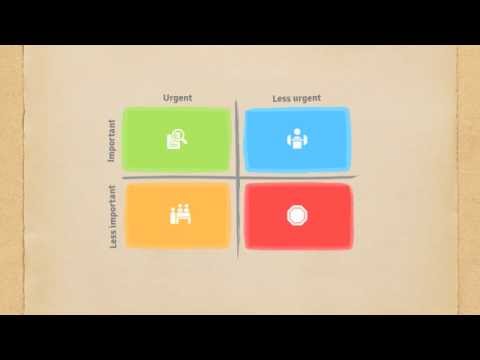
To navigate the problem of plenty, it’s essential to set clear priorities. One effective method is the Eisenhower Matrix, which helps categorize tasks based on urgency and importance. By focusing on what truly matters, you can reduce the cognitive load of decision-making and improve your work-life balance. I personally prioritize fulfilling a particular task first thing in the morning, instead of getting bogged down in planning and analysis. This helps me “crash” into the task and avoid that “analysis paralysis” that can sometimes keep me spinning my wheels until lunchtime. ?
[Watch a YouTube Video on The Eisenhower matrix: How to manage your tasks with EISENHOWER]
Personal Anecdote
Thinking back, I remember a time when I had multiple work projects and social commitments pulling me in different directions. The constant decision-making was draining, and it wasn’t until I set firm boundaries and prioritized my tasks that I could regain a sense of control and balance. It was a valuable lesson in the importance of streamlining my choices and focusing on what truly mattered.
The Pursuit of Happiness: Cultivating Joy in Everyday Moments
Happiness isn’t just a destination; it’s a journey filled with everyday moments that bring joy and contentment. Dr. Nadkarni emphasizes that finding happiness often involves shifting our mindset and being present in the moment, rather than constantly chasing some elusive future state of bliss.
Embrace the Simple Joys
Finding joy in the little things can make a big difference. This could be taking a moment to savor your morning coffee ?, enjoying a walk in nature ?, or simply spending quality time with loved ones ??. As Dr. Nadkarni wisely points out, “If we want to increase the intensity, frequency, duration of happiness, then we must first understand that it is not possible to remain happy all the time.” It’s about appreciating the small joys and finding contentment in the present moment.
I remember when I started a gratitude journal, jotting down three things each day that made me happy ?. It subtly shifted my focus from what was wrong to what was right in my life. On certain days, I decide to start working only after I have cherished every sip of my first cup of tea (or coffee, if that’s your thing). Or, when I’m driving somewhere in the morning, I enjoy my cup of tea at home first, rather than carrying it and sipping it during traffic jams. Having done this (enjoying the cup of tea) on its own in solitude, leaves me with a better sense of the activity that follows. It’s about being present and mindful, even in the simplest of routines.
Positive Mindset and Resilience
Challenges are a part of life, but cultivating a positive mindset can help us navigate them more effectively. Dr. Nadkarni suggests practicing mindfulness and self-compassion, which can foster resilience and help us bounce back from setbacks. I’ve found that practicing deep breathing exercises during stressful times helps me stay grounded and approach problems with a clearer mind. It’s like hitting the “pause” button and giving myself a moment to reset.

It seems to me that posture is also very important. In corporate and western culture, the table-and-chair setup is often at odds with the “sukhasan” pose widely practiced in India, which promotes a more grounded and balanced way of sitting. If possible, try to incorporate this pose a few times a day. Also, in your busy schedule, it’s a good idea to spread your workout into tiny bits throughout the day, in whatever way suits you best. Every little bit helps! ?
Connection and Community
Building and maintaining connections with others is crucial for our well-being. Engaging in meaningful conversations, participating in community activities, or even volunteering can create a sense of belonging and purpose. There was a time when I felt particularly isolated, but joining a local book club not only reignited my love for reading but also introduced me to a community of like-minded individuals. It was a reminder that we all need connection and a sense of belonging.
Try doing the activity that suits you best. This can range from anything to anything. The key is to find something that brings you joy and helps you connect with others.
Pursuing Passions and Hobbies
Engaging in activities that we are passionate about brings immense joy and satisfaction. Whether it’s painting ?, playing an instrument ?, or gardening ?, finding time for hobbies can be incredibly fulfilling. I once took up photography and found that capturing moments through the lens allowed me to see the world from a new perspective, enriching my daily experience. It was a reminder that pursuing our passions can bring a sense of wonder and joy to our lives.

Integrating these practices into our lives can help us find happiness and maintain a balanced, fulfilling life. It’s about finding joy in the journey, not just the destination. ?
Mental Development: Nurturing Your Mind
Mental development isn’t just about acing exams or memorizing facts; it’s about continuously challenging and nurturing our minds to achieve growth and maintain cognitive health throughout our lives. It’s about staying curious, engaged, and open to new experiences.
Lifelong Learning
Continuously seeking knowledge and new skills is essential for mental growth. Whether it’s reading books ?, taking online courses ?, or learning a new language ??, keeping our minds active and engaged is crucial. I once decided to learn to play the guitar as a way to challenge myself, and I discovered that it not only sharpened my cognitive skills but also brought immense joy and relaxation. It was a reminder that learning can be both stimulating and fulfilling.
Mindfulness and Meditation
Practicing mindfulness and meditation can significantly improve our mental well-being. It helps us stay present, reduce stress, and improve focus. I’ve found that incorporating even a few minutes of meditation into my daily routine has a profound impact on my clarity and emotional stability. It’s a simple yet powerful tool for mental development. It’s like giving your mind a mini-vacation! ????
Physical Activity
Regular physical activity isn’t just good for the body; it’s also incredibly beneficial for the mind. Exercise releases endorphins, which have mood-boosting and cognitive-enhancing effects. I make it a point to include some form of physical activity in my daily routine, whether it’s a brisk walk, yoga, or a workout session. It helps me stay mentally sharp and emotionally balanced. Plus, it’s a great way to blow off steam! ????
Creative Outlets
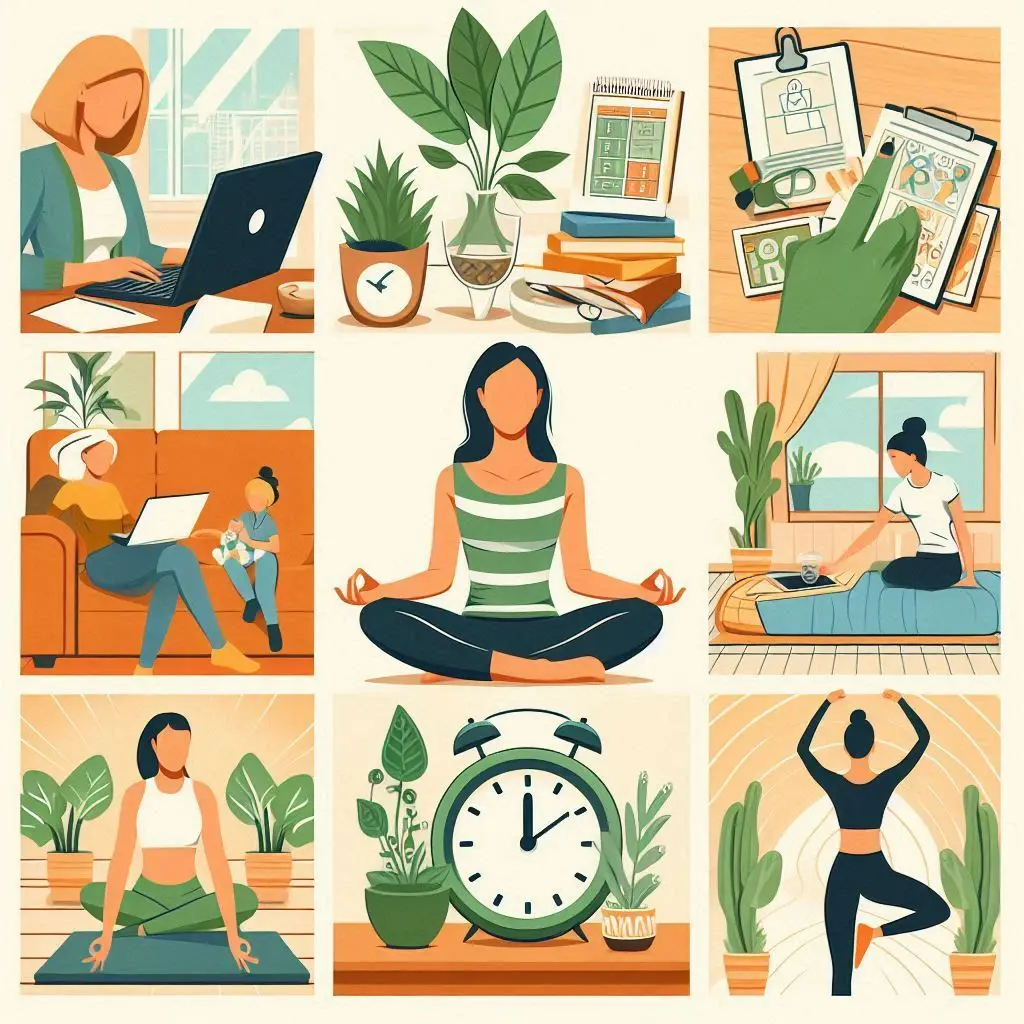
Engaging in creative activities like painting, writing, or playing an instrument can stimulate the brain and enhance mental flexibility. I took up photography as a hobby, and it has been a great way to express creativity and see the world from different perspectives. These creative outlets provide a mental break from routine tasks and refresh our minds. They allow us to tap into a different part of ourselves and explore new ways of thinking. ?
[Visit my other blog DroneMitra.art.blog] & [My YouTube Channel for DroneShots]
Social Connections
Maintaining strong social connections is vital for mental health. Engaging in meaningful conversations, spending time with friends and family, and participating in community activities can provide emotional support and intellectual stimulation. I make it a point to connect with loved ones regularly, whether it’s through a phone call, video chat, or in-person meetings. These connections enrich my life and contribute to my mental well-being. After all, we’re social creatures! ?
Personal Observations
- Learning Something New: When I decided to learn the guitar, it was a challenging yet rewarding experience. The process of learning new chords and melodies kept my mind engaged and boosted my confidence. It was a reminder that mental development is a lifelong journey.
- Mindfulness Practice: Incorporating mindfulness into my daily routine has been transformative. A few minutes of meditation each day helps me stay grounded, reduces stress, and improves my ability to focus on tasks at hand.
- Physical Activity: Regular exercise has been a game-changer for my mental well-being. Whether it’s a morning run or an evening yoga session, physical activity keeps me energized and mentally sharp.
- Creative Pursuits: Taking up photography allowed me to see the world through a different lens, literally and figuratively. It has been a source of joy and mental stimulation, encouraging me to think creatively.
- Social Engagement: Staying connected with friends and family has been crucial for my mental health. Engaging in meaningful conversations and spending quality time with loved ones provides emotional support and intellectual enrichment.
Integrating these practices into our lives can nurture our mental well-being and contribute to continuous growth. Let’s make mental development a priority for a balanced and fulfilling life. It’s an investment that pays dividends in all aspects of our lives.
Conclusion: Embracing Balance and Well-Being
Achieving work-life balance is a continuous journey that requires mindful effort and intentional choices. It’s not about perfectly dividing your time between work and personal life, but rather about creating a harmonious integration that supports your overall well-being. By addressing digital distractions, prioritizing mental development, and finding joy in everyday moments, we can create a more balanced and fulfilling life.
Key Takeaways:
- Mindful Digital Use: Be aware of your screen time and its impact on your attention span and emotional well-being. Set boundaries and use digital platforms mindfully. Remember, you’re in control! ?
- Mental Development: Engage in lifelong learning, mindfulness practices, physical activities, creative outlets, and maintain strong social connections to nurture your mind. Keep those brain cells buzzing! ?
A Final Word from Kumar, Editor at NewsPatron
I’m always eager to hear your thoughts and perspectives on work-life balance, so feel free to share your comments below or connect with me on your favorite platform:
- For quick updates and insights: Follow me on Instagram, Twitter, YouTube, or Reddit.
- For deeper conversations: My Facebook profile is [currently private/open to new friends!]. Feel free to send a friend request from your authentic profile (no fake accounts, please!). Alternatively, you can like the Newspatron page to stay updated on all the latest happenings.
- For a visual journey: Follow me on Tumblr for captivating content and inspiring imagery.
- For instant updates: Subscribe to my WhatsApp Channel and be the first to know about new posts and announcements (your privacy is protected – I can only see the subscriber count, not your phone number).
- For quick chats and discussions: Connect with me instantly on Telegram.
- For a convenient way to stay in the loop: Subscribe to my RSS feed and never miss a post.
- For professional networking: Let’s connect on LinkedIn and share our industry insights.
You can find all the relevant links on the NewsPatron homepage, too. Looking forward to connecting with you!
#achievingworklifebalance #worklifebalance #worklifeintegration #wellbeing #mentalhealth #productivity #timemanagement #mindfulness #happiness

[…] Read More: Achieving Work-Life Balance: Can You Have It All? […]
[…] Read More: Achieving Work-Life Balance: Can You Have It All? […]
[…] Remember, taking care of your whole self – mind, body, and spirit – is the best way to ensure a happy and fulfilling sex life. (Read the full story in our previous blog about Achieving Work-Life Balance: Can You Have It All?) […]