




The Indian IT world is known for its cool tech and big salaries.
But there’s a problem hiding in plain sight: people are working way too much and burning out. ? It’s like a car running without ever stopping for gas – eventually, it’s going to break down.
In this article, we’re going to talk about this work-life balance crisis. We’ll hear from Dr. Vrushali Raut, who knows a lot about this problem. She’ll help us understand why it’s happening and what we can do about it.

Think of it like this: work is important, but it’s not the only thing in life. We need time to chill, hang out with friends and family, and just do us. This article will give you some ideas on how to find that balance, even if you’re in a super demanding job.
Ready to break free from the burnout cycle? Put that spreadsheet down, grab your favorite drink, and let’s dive into this essential guide to reclaiming your work-life balance
P.S. This is just the first part of our look into the work-life balance problem in Indian IT. In the next part, we’ll talk about specific things you and your company can do to make things better. Stay tuned!
DroneMitra: “Your Sky is Digital with a Drone as a Friend!”[Visit Channel]
Newspatron: “Let Curiosity Be Your Guide!” [Link to new channel]
The Work-Life Balance Crisis: A Grim Reality in the Indian IT Sector
Recommended Product
Magnesium Body Spray – Muscle Recovery & Lavender Scent
🛒 View on Amazon →As an Amazon Associate, we earn from qualifying purchases. Price and availability may vary.
The Indian IT industry is booming, no doubt. It’s known for its innovation, its talented workforce, and its ability to compete on a global stage. But behind this success story lies a darker truth: a work-life balance crisis that’s taking a toll on employees’ mental and physical health.A staggering 72% of IT professionals in India report experiencing burnout, highlighting the urgency of this issue. [Read More at Techmonitor30]
Long hours, tight deadlines, and the pressure to deliver are the norm in many IT companies. Employees often find themselves working late into the night, sacrificing personal time and neglecting their well-being. This “always-on” culture can lead to burnout, stress, and even serious health problems.
Dr. Vrushali Raut, an expert on workplace well-being, paints a grim picture of the situation. In her interviews and writings, she highlights the alarming trend of employees experiencing emotional numbness, anxiety, and even suicidal thoughts due to excessive work pressure.
The recent tragic incident of a young woman taking her own life in a leading IT company has brought this issue to the forefront. It’s a wake-up call for the industry to take a hard look at its practices and prioritize employee well-being.
But this isn’t just about an isolated incident. Dr. Raut points out that many similar cases go unreported, as people are often afraid to speak up or face the stigma associated with mental health issues.
There are companies that have successfully put in place work-life balance initiatives. For example, Etsy is renowned for its employee-friendly practices. The company values diversity, inclusion, and fostering a strong team culture, creating environments that prioritize human connection. Etsy’s measures include flexible working hours, options for remote work, and a strong emphasis on mental health and overall well-being.
Similarly, Tata Consultancy Services (TCS) in India stands out for its progressive policies aimed at maintaining a healthy work-life balance. TCS offers flexible schedules, opportunities for remote work, and prioritizes mental health initiatives. Additionally, they provide comprehensive wellness programs, access to counseling services, and support networks to ensure a nurturing work environment.


It’s time to break the silence and acknowledge the work-life balance crisis in the Indian IT sector. In the following sections, we’ll delve deeper into the root causes of this problem and explore potential solutions for individuals and companies.
Unmasking the Work-Life Balance Crisis: Dr. Vrushali Raut’s Perspective
Dr. Vrushali Raut, with her 18 years of experience in the field, offers a unique and insightful perspective on the work-life balance crisis in the Indian IT sector. She’s not just an academic; she’s actively involved in raising awareness about this issue on various platforms, from Twitter to Instagram.
Her PhD research focuses specifically on the mental health of IT workers, giving her firsthand knowledge of the challenges they face. She’s even written a book on the topic, ” ?????????? ?????? ??????” (“The Mental Health of Workers”), which explores the psychological impact of the demanding work culture in the IT industry.
One of Dr. Raut’s key observations is the disconnect between the resources available to this generation and their ability to manage their time effectively. She argues that with proper planning and efficient use of technology, many IT professionals could complete their work in significantly less time.
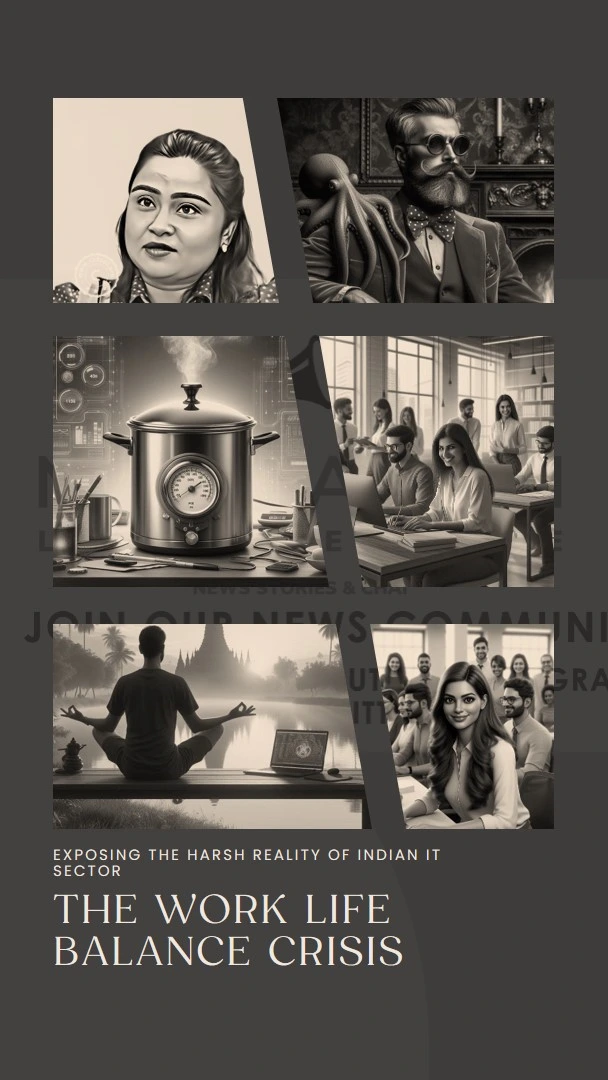
“This generation has more resources available; they could actually finish their work in four hours if they planned properly,” she states. However, the pressure to work long hours and the constant bombardment of information often lead to neglecting health and well-being.
Dr. Raut also points out the lack of emotional intelligence training in the education system. While technical skills are emphasized, the ability to understand and manage emotions is often overlooked. This leaves many IT professionals ill-equipped to handle the stress and pressure that come with their jobs.
She highlights the dangers of neglecting one’s emotional well-being, stating, “Neglecting health and well-being, and constantly engaging in intellectual work… I’ve literally seen some people become emotionally numb.“
Dr. Raut’s insights provide a valuable framework for understanding the work-life balance crisis in the Indian IT sector.
Beyond Burnout: Strategies for Achieving Work-Life Balance
While the challenges are significant, achieving a better work-life balance in the Indian IT sector is not impossible. It requires a multi-faceted approach, with individuals, companies, and the government all playing a role.
For Individuals:
- Set boundaries: Learn to say “no” to excessive workloads and prioritize your well-being.
- Time management: Develop effective time management skills to maximize productivity and minimize stress.
- Seek support: Don’t hesitate to reach out to friends, family, or mental health professionals for support.
- Cultivate hobbies: Engage in activities outside of work that bring you joy and relaxation.
- Prioritize physical health: Make time for exercise, healthy eating, and adequate sleep.

For Companies:
- Promote a culture of work-life balance: Encourage employees to take breaks, use their vacation time, and prioritize their well-being.
- Offer flexible work arrangements: Provide options for remote work, flexible hours, or compressed workweeks.
- Invest in employee well-being programs: Offer resources like stress management workshops, mental health counseling, and wellness initiatives.
- Re-evaluate performance metrics: Shift the focus from hours worked to productivity and outcomes.
- Foster a supportive work environment: Create a culture of open communication, respect, and empathy.
For the Government:
Even after 75 years of independence, and centuries under British rule before that, India still lacks comprehensive labor policies that truly address the issue of work-life balance. This stands in stark contrast to many developed nations, where strong labor laws protect workers’ rights and promote well-being.
Across Europe, for example, many countries have implemented policies like:
- Mandatory vacation time: Workers are entitled to a minimum number of paid vacation days per year, ensuring they have time to rest and recharge.
- Limits on working hours: Regulations restrict the number of hours employees can work per day and per week, preventing excessive overtime and promoting work-life balance.
- Strong labor unions: Unions advocate for workers’ rights and negotiate for better working conditions, including fair wages, reasonable hours, and safe work environments.
These policies have had a profound impact on the work cultures in these countries. Employees enjoy greater job security, better work-life balance, and improved mental and physical health.
In contrast, India’s labor laws often favor employers, leaving workers vulnerable to exploitation. This is particularly true in the unorganized sector, where workers often face long hours, low wages, and unsafe working conditions. Even in the organized sector, the pressure to perform and the fear of job loss can lead to employees sacrificing their well-being.
Then there’s the stark contrast with government jobs, often seen as the holy grail in India. Why? Because they offer:
- Minimum accountability: Performance expectations are often lower, and there’s less pressure to constantly prove oneself.
- Minimal micromanagement: Employees have more autonomy and flexibility in their work.
- Job security: Government jobs are typically considered secure, with little risk of layoffs.
- Generous benefits: Government employees receive benefits like dearness allowance, housing allowances, and pensions, which are often superior to those offered in the private sector.
These factors create a comfort zone that’s hard to find in the private sector. While it’s not about replicating the exact model, private employers can certainly learn from this and offer better benefits, work-life balance, and job security to their employees.
Ultimately, it comes down to the government to break away from the crony capitalist nexus and implement meaningful labor reforms. India needs policies that prioritize worker well-being, promote work-life balance, and create a level playing field for all. This will not only improve the lives of millions of workers but also boost productivity and innovation in the long run.
The Pressure Cooker: Why is Work-Life Balance So Hard to Achieve in Indian IT?

Several factors contribute to the work-life balance crisis in the Indian IT sector. It’s not just about long hours; it’s a complex interplay of cultural expectations, societal pressures, and workplace dynamics.
The “More is Always Better” Myth
In many Indian IT companies, there’s an unspoken belief that working longer hours equates to being a more dedicated and valuable employee. “If your manager constantly demands 15-16 hour workdays, there’s something fundamentally wrong with the company culture,” Dr. Raut warns. This relentless pursuit of “more” can lead to burnout, neglecting personal well-being, and even tragic consequences. As Dr. Raut poignantly states, “Death due to work pressure is truly unacceptable.”
The Allure of Money and Status
The Indian IT sector is often associated with high salaries and a glamorous lifestyle. This can create a pressure-cooker environment where individuals feel compelled to work harder and longer to achieve financial success and social status. Dr. Raut observes, “It seems to me now that everyone drinks and smokes. Even girls say that even if they’re sad, they should be riding in a Mercedes. Like it will make you feel less sad, but it doesn’t.” This highlights the misguided pursuit of material possessions as a substitute for genuine happiness and well-being.
The Tech-Savvy Generation’s Paradox
Ironically, even though the millennial generation has access to more resources and technology than ever before, they often struggle to achieve a healthy work-life balance. “This generation has more resources available; they could actually finish their work in four hours if they planned properly,” Dr. Raut notes. However, the constant connectivity and pressure to be “always-on” can lead to overwork and emotional numbness.
The Need for a Holistic Approach
Addressing the work-life balance crisis requires a shift in mindset, both at the individual and organizational levels. It’s about recognizing that work is just one aspect of life, not the whole story. It’s about prioritizing well-being, setting boundaries, and finding fulfillment beyond the confines of the workplace.
A Roadmap to a Better Future: Reimagining Work-Life Balance in the Indian IT Sector
The work-life balance crisis in the Indian IT sector is a complex issue with no easy solutions. However, by taking a proactive and holistic approach, we can create a more sustainable and fulfilling work environment for all.
Empowering Individuals
Individuals need to take ownership of their well-being and prioritize their mental and physical health. This means:
- Setting boundaries: Learn to say “no” to excessive workloads and unreasonable demands. Remember, it’s okay to prioritize your well-being.
- Mastering time management: Develop effective time management skills to maximize productivity and minimize stress. Tools and techniques like the Pomodoro Technique, Eisenhower Matrix, and timeboxing can help you stay focused and efficient.
- Building a support system: Connect with friends, family, or mental health professionals who can provide emotional support and guidance. Don’t be afraid to reach out when you’re feeling overwhelmed.
- Cultivating hobbies and interests: Engage in activities outside of work that bring you joy and relaxation. Whether it’s playing sports, pursuing creative endeavors, or simply spending time in nature, make time for things that make you happy.
- Prioritizing physical health: Make time for exercise, healthy eating, and adequate sleep. Your physical health is intrinsically linked to your mental and emotional well-being.
Transforming Workplaces
Companies need to foster a culture that values employee well-being and promotes work-life balance. This can be achieved by:
- Promoting a culture of work-life balance: Encourage employees to take breaks, use their vacation time, and disconnect after work hours. Lead by example and create a culture where prioritizing well-being is not seen as a weakness.
- Offering flexible work arrangements: Provide options for remote work, flexible hours, or compressed workweeks. Embrace technology and empower employees to work in ways that suit their individual needs and preferences.
- Investing in employee well-being programs: Offer resources like stress management workshops, mental health counseling, and wellness initiatives. Show your employees that you care about their overall well-being, not just their productivity.
- Re-evaluating performance metrics: Shift the focus from hours worked to productivity and outcomes. Recognize and reward employees based on their contributions, not just the time they spend at their desks.
- Fostering a supportive work environment: Create a culture of open communication, respect, and empathy. Encourage teamwork, collaboration, and a sense of belonging.
Government Intervention: A Catalyst for Change
The government has a crucial role to play in creating a more equitable and sustainable work environment. This includes:
- Implementing policies that support work-life balance: Enact legislation that promotes flexible work arrangements, paid leave, and affordable childcare. Provide a safety net for workers and ensure that they have the resources they need to thrive both personally and professionally.
- Raising awareness about mental health: Launch public campaigns to destigmatize mental health issues and promote access to resources. Encourage open conversations about mental health and provide support for those who need it.
- Investing in research: Fund studies to better understand the impact of work-life balance on employee well-being and productivity. Use data and evidence to inform policy decisions and create a more informed approach to workplace well-being.
Conclusion
The work life balance crisis in the Indian IT sector is a call to action. We need to rethink our work culture and create an environment where well-being is at the forefront. By adopting a comprehensive approach and welcoming change, we can cultivate a more sustainable, equitable, and satisfying workplace for everyone.
Let’s Connect
I’m always eager to hear your thoughts and perspectives, so feel free to share your comments below or connect with me, Kumar, Editor at Newspatron, on your favorite platform:
- For quick updates and insights: Follow me on Instagram, Twitter, YouTube DroneMitra and NewsPatron, or Reddit.
- For deeper conversations: My Facebook profile is [currently private/open to new friends!]. Feel free to send a friend request from your authentic profile (no fake accounts, please!). Alternatively, you can like the Newspatron page to stay updated on all the latest happenings.
- For a visual journey: Follow me on Tumblr for captivating content and inspiring imagery.
- For instant updates: Subscribe to my WhatsApp Channel and be the first to know about new posts and announcements (your privacy is protected – I can only see the subscriber count, not your phone number).
- For quick chats and discussions: Connect with me instantly on Telegram.
- For a convenient way to stay in the loop: Subscribe to my RSS feed and never miss a post.
- For professional networking: Let’s connect on LinkedIn and share our industry insights.
You can find all the relevant links on the Newspatron homepage too. Looking forward to connecting with you!

[…] Work Life Balance Crisis Exposing Harsh Reality of Indian IT Sector […]
[…] Related: Work Life Balance Crisis Exposing Harsh Reality of Indian IT Sector […]
[…] Read More: Work Life Balance Crisis Exposing Harsh Reality of Indian IT Sector […]