


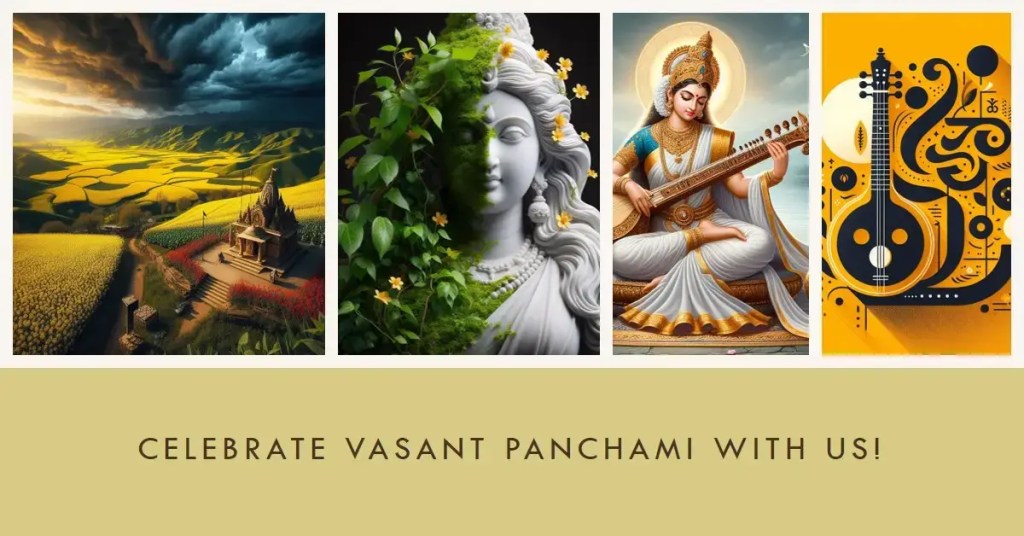

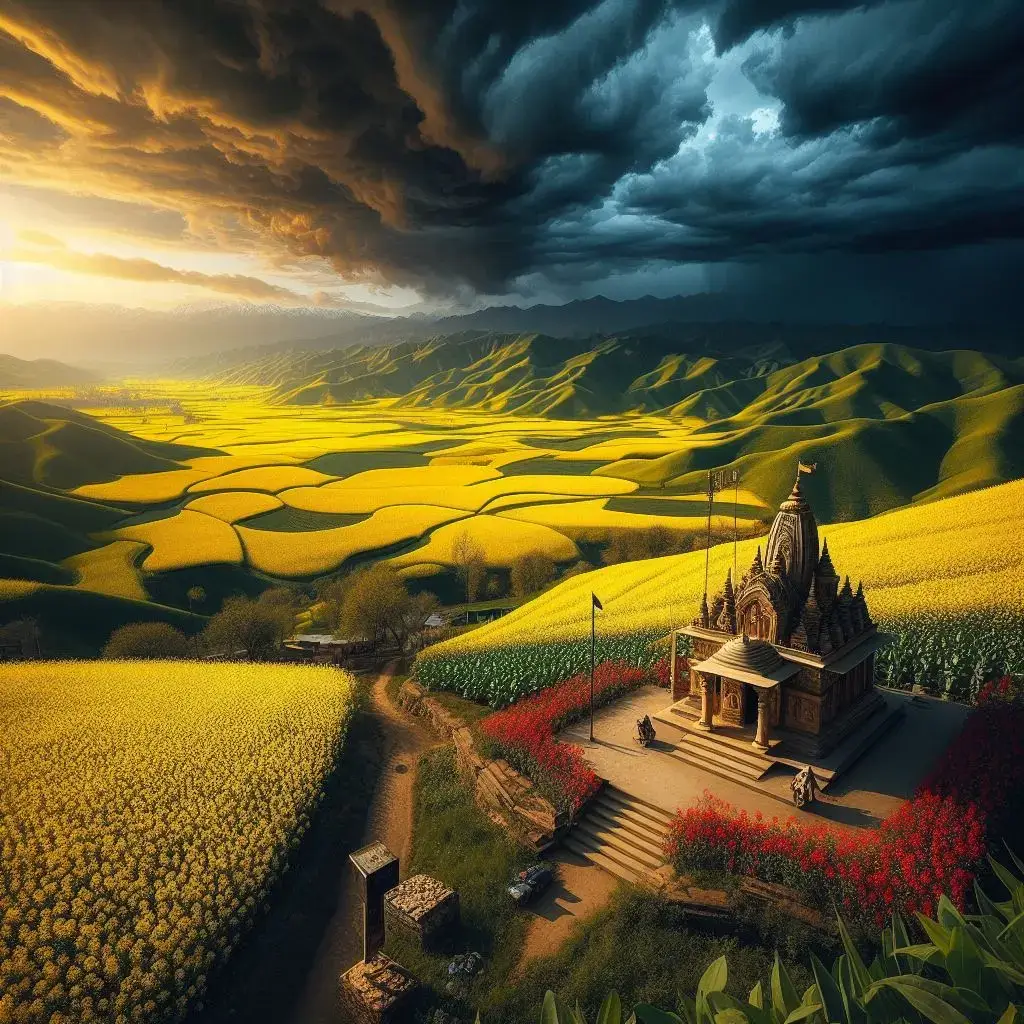
The crispness of winter gives way to the promise of longer days and warmer breezes. Imagine blossoming mustard fields painting the landscape a vibrant yellow, mirroring the sunny cheer of Vasant Panchami. Celebrated with joyous energy in India and resonating deeply in cultures far and wide, this festival isn’t simply the arrival of spring – it’s an embrace of knowledge, creativity, and renewal.

Join us on a journey as we unpack the rich symbolism woven into this day. We’ll delve into the significance of Saraswati, the Hindu goddess of wisdom and the arts, who is revered during this time. You’ll also get a glimpse into traditional rituals, modern interpretations, and find inspiration for how this ancient festival can bring its spirit of growth and optimism to your own life.
And for those wanting a quick ‘hop’ to a specific area, remember to use our Table of Contents! A simple click will transport you directly to your desired section.
Download Vasant Panchami Ma Saraswati Images 50 Files
Vasant Panchami: Symbolism, Significance, and Celebration
The Sanskrit words “Vasant” (spring) and “Panchami” (fifth day) blend harmoniously in the name of this joyful festival. While the Hindu lunar calendar governs its exact date, Vasant Panchami usually falls in late January or early February – in 2024, celebrations will unfold on February 14th. This is a festival steeped in meaning:
- Nature’s Palette, Nature’s Wisdom: The blooming of mustard fields paints vast swathes of India an exuberant yellow. This golden hue isn’t just visually vibrant, it represents both the ripeness of knowledge and the cheerful promise of the season ahead.
- Goddess Saraswati: Embodiment of Enlightenment: Vasant Panchami venerates Saraswati, the Hindu goddess of wisdom, music, art, and knowledge. Depicted as a graceful woman in white, she often holds a veena (musical instrument), a book, a lotus, and a rosary. These symbolize the harmony between artistic expression, the quest for understanding, purity, and meditative reflection.
- Beyond Devotion: Celebration for All: While its heart lies in Hindu tradition, Vasant Panchami offers universal inspiration. Spring represents fresh starts, a time to shake off winter’s stagnancy and embrace a season of growth – this resonates far and wide!

Exploring Traditions through a Global Lens
Vasant Panchami’s spirit extends far beyond borders, shaping a myriad of celebrations and interpretations:
- India: A Tapestry of Traditions: Worship of Saraswati (pujas) is central, homes and temples overflow with yellow flowers and offerings. Kite-flying fills the skies, signifying spirits soaring in the new season. Regional feasts are delightful – sweet saffron rice is common, as are kite festivals with thrilling competitions!
- Southeast Asia and Beyond: In countries like Sri Lanka, Nepal, and Indonesia, Saraswati is honored in temples and educational institutions. Students may place books and pens before her image, seeking blessings of knowledge and focus. Creativity reigns supreme through music and dance performances.
- Echoes in the Western World: While ‘Vasant Panchami’ may not be a familiar term everywhere, many cultures hold festivals akin in spirit. The Spring Equinox is widely celebrated as a time of renewal and balance between light and dark – a symbolic mirror to some core ideas of Vasant Panchami.
From Ancient Reverence to Modern Inspiration
Vasant Panchami bridges the past and present, finding relevance in our busy lives:
- Vidya Arambh and Lifelong Learning: Traditionally, a child’s formal education commences on Vasant Panchami – a powerful start imbued with blessings. In today’s world, this translates beautifully to our own dedication to continuous learning, be it pursuing a new skill, hobby, or expanding our understanding.
- Nurturing the Creative Spark: Artists, musicians, and writers often feel a particular affinity to Vasant Panchami. It sparks motivation to unleash creative potential. But even those who don’t think of themselves as ‘artsy’ can tap into this energy through trying something new, from dance to a simple craft.
- The Ripple Effect of Knowledge: Donating books, supporting schools, or volunteering time all align with the Vasant Panchami’s focus on the transformative power of knowledge. Global education charities offer ways to extend a meaningful hand even from afar.

Vasant Panchami in Your Life
Embrace the spirit of this festival with tangible actions:
- Spring Forward Your Goals: Use this symbolic change of season as the perfect time to reflect. Set a few clear intentions or write down a project you’ve been daydreaming about, then break it into tiny first steps. Vasant Panchami can be YOUR fresh start.
- Mindful Renewal: Go beyond simple spring cleaning. Nature walks, journaling, or guided meditations can tap into the rejuvenation this season signifies. Let go of winter’s heaviness and create space for growth.
- Unleash Curiosity: Don’t limit yourself to what you ‘already know’ – take a free online course on a topic that’s captured your interest, even if it’s just for fun. Curiosity fuels inspiration!

Vasant Panchami: A Festival in Many Tongues
From the vibrant beats of a Punjabi dhol drum to the gentle sway of a Balinese dancer, Vasant Panchami isn’t simply a single name echoing across borders. It’s a joyous concept embracing knowledge, renewal, and blossoming – each culture lending its linguistic flavor and unique way of celebrating.
- The Sanskrit Roots: “Vasant,” (spring) and “Panchami” (fifth day) offer a universal starting point. Whether referred to as Saraswati Puja, Basant Panchami, or Shri Panchami, the heart of the festival remains remarkably consistent.
- A Tapestry of Names, A Chorus of Celebration: In Bengal, a sweet dish of ‘sandesh’ may usher in blessings, while a kite soaring above Maharashtra symbolizes spirits on the rise. The names are numerous – Sri Lankan Tamil communities have their own traditions surrounding ‘Saraswati Nalvazhthukkal’, as do Filipino worshippers. Yet, a central theme endures.
- Linguistic Bridges – From Ritual to Revelry: It’s a linguistic delight to discover how words for ‘yellow’ or ‘learning’ find their festive place in countless Vasant Panchami greetings. Whether “Vasant Panchami ni shubhechha” in Gujarati or “Vasant Panchami somnang” in Khmer, the sentiment translates: good wishes for knowledge and springtime flourishing.
- Respecting Diversity Within Unity: While ‘Saraswati’ remains a sacred thread for numerous regions, this isn’t mandatory. ‘Vasant Panchami’ allows people of all faiths (or none) to engage with core themes of rebirth and knowledge. It shows a festival can cross continents without forcing people into any single box.

The Global Resonance of Spring
Beyond India and Southeast Asia, Vasant Panchami’s themes hold a timeless mirror:
- Ancient cultures may not use the same language, but the idea of honouring nature’s return – with or without deities – finds countless parallels. It’s a testament to our deep-seated human connection to cyclical seasons and hope even after a fallow period.
- Festivals of light and color abound. It’s easy to see why ‘yellow’ finds such prominence in Vasant Panchami – it echoes the sun’s return, new floral life – symbols even non-Hindu audiences instinctively grasp.
Vasant Panchami reminds us that the language of learning, rebirth, and artistic expression is spoken far and wide. While specific greetings may change, the desire for growth and wisdom is something we all share. That is where the festival’s magic truly lies.
Northern India: Hindi, Punjabi, and Close Connections
- The Heart of the Tradition: Hindi’s prominence as a national language means “Saraswati Puja” and “Vasant Panchami” will be understood throughout India. Punjabi culture shares much of the festival focus, but words like “makki di roti” and “sarson da saag” mark regional flavor.
- Energetic Expression: Whether its lively bhangra dance or Hindi film soundtracks, this language group uses music and movement to channel Vasant Panchami’s joyful energy. Kite-flying traditions are strong here, a visual spectacle signifying liberation.

The South Indian Family: Tamil, Telugu, Kannada, Malayalam
- Reverence and Regional Touch: While goddess Saraswati holds immense importance, festivals like ‘Pongal’ often incorporate Vasant Panchami’s themes without using the exact name. Focus on harvests, auspicious beginnings, and color intertwine beautifully.
- Language as Art: Each of these languages boasts rich literature. Vasant Panchami may inspire the poet celebrating renewal, as much as the family reciting traditional prayers on this day.
Eastern and Northeastern India: Bengali, Assamese, Odia
- Gentle Flow, Sweet Celebrations: In these regions, “sandesh” sweet dishes might take center stage alongside Saraswati worship. Words like “khichuri” and “labra” offer culinary insight. Note how this area avoids overly boisterous activities – their Vasant Panchami is focused inward, on quiet renewal.
- Beyond Sanskrit: These languages are less heavily Sanskrit-derived, showing how ancient concepts adapted to local culture. It’s evidence of Vasant Panchami’s versatility in finding relevance amongst diverse populations.

South and Southeast Asia: Sri Lanka, Burma, Thailand, Cambodia, Laos, Vietnam
- Shared Deity, Local Flavor: The veneration of Saraswati provides a bridge despite these lands being Buddhist-majority. While offerings change (“num ansom” in Khmer, “pho” in Vietnamese), this shows learning isn’t tied to one religion.
- Language Mirrors Adaptation: Vasant Panchami celebrations here are smaller-scale, suggesting it blended with existing nature and renewal observances that were already part of the fabric of these cultures.
The Philippines and Indonesia: Island Influence
- A Welcome for Wisdom: Saraswati is honored despite these nations differing significantly from India in faith. It shows the ‘core value’ of the festival – knowledge – is seen as vital, even transcending religious boundaries.
- Local Words, Universal Hopes: Phrases like “Vasant Panchami selamat” (Indonesian) show a festival isn’t bound by its original language. Using a term locals identify with makes it feel closer to home.
Conclusion: A Universal Celebration of Rebirth and Knowledge
Conclusion: A Universal Celebration of Rebirth and Knowledge
Whether you connect deeply with the religious roots of Vasant Panchami or resonate with its timeless themes, this festival stands as a vibrant reminder. With the arrival of spring comes the opportunity to leave behind what feels outworn, set forth with hope, and expand the horizons of our knowledge. The blossoming of yellow flowers mirrors our own potential for blossoming – we need only be open to it. Let Vasant Panchami 2024 be a springboard for growth, joy, and a deep appreciation for the ever-flowing beauty of learning.
Download Vasant Panchami Ma Saraswati Images 50 Files
Visit Our Other Blog – DroneMitra Art Blog
Rishi Panchami: A Festival of Wisdom and Enlightenment

[…] (For a deeper look into how Vasant Panchami is celebrated across Southeast Asia and the world, read our global feature: Vasant Panchami: Symbolism and Celebration) […]