







Steering Straight: Why Wheel Alignment Matters for Your Car
Ever felt your car pulling to one side or noticed uneven tire wear? These might be signs of a misaligned wheel. While it might seem like a minor issue, wheel alignment plays a crucial role in your car’s performance, safety, and fuel efficiency.
In this comprehensive guide, we’ll delve into the intricacies of wheel alignment. You’ll learn from understanding the basics to recognizing the warning signs. We’ll explore the benefits of a well-aligned vehicle. Whether you’re a seasoned driver or new to driving, this post will equip you with the knowledge. You will learn to keep your car smoothly and safely.
Understanding Wheel Alignment: The Basics
Wheel alignment is often referred to as wheel balancing. It is the process of adjusting your car’s wheels. The aim is to ensure they are positioned correctly relative to each other and the road. This precise adjustment optimizes tire wear, handling, and fuel efficiency.
What is Wheel Alignment?
Think of your car’s wheels as a set of interconnected components. When they’re not aligned, it’s like trying to walk with mismatched shoes – uncomfortable and inefficient. Proper wheel alignment helps your tires make even contact with the road. This results in a smoother and more controlled ride.
Types of Wheel Alignment
There are three primary types of wheel alignment adjustments:
- Toe: This refers to the angle of your wheels as viewed from above. Having the correct toe setting is essential. Too much toe-in or toe-out can lead to uneven tire wear. It can also result in poor steering response.
- Camber: This is the angle of your wheels as viewed from the side. Positive camber tilts the top of the wheel outward, while negative camber tilts it inward. Camber affects tire wear, handling, and vehicle stability.
- Caster: This is the angle of the steering axis in relation to the vertical. It influences steering feel and return-to-center action.
By adjusting these angles, technicians can optimize your car’s handling and performance.
Feeling inspired by the beauty of Dev Diwali last night. ? I spent the last few days capturing some amazing drone footage of the celebrations. It was truly magical to see the city come alive with lights and festivities. I hope this video brings you some joy and wonder. Happy Dev Diwali!
2 Videos to Watch on YouTube OR
Recommended Product
Magnesium Body Spray – Muscle Recovery & Lavender Scent
🛒 View on Amazon →As an Amazon Associate, we earn from qualifying purchases. Price and availability may vary.
Watch the Video here on Newspatron
Watch: The Incident Explained
Explore the Wonders of Western India with Ease
Planning a getaway to the vibrant cities and stunning landscapes of Western India? Look no further than India Taxi for a comfortable and hassle-free journey.
Kerala Driver Pays Dearly for Reckless Act, Blocks Emergency Vehicle
Every second counts in an emergency. Let’s all pledge to prioritize emergency vehicles. Share this video to spread awareness.
A shocking incident captured on camera shows a heartless driver refusing to yield to an ambulance on an emergency call. The reckless act has resulted in a hefty fine of Rs 2,50,000 and a suspension of the driver’s license.
Watch the full video on Newspatron and share to spread awareness. #RoadSafety #EmergencyVehicles #trafficrules
Warning Signs of Misalignment: When to Get Your Wheels Aligned
If you notice any of these signs, it’s time to schedule a wheel alignment:
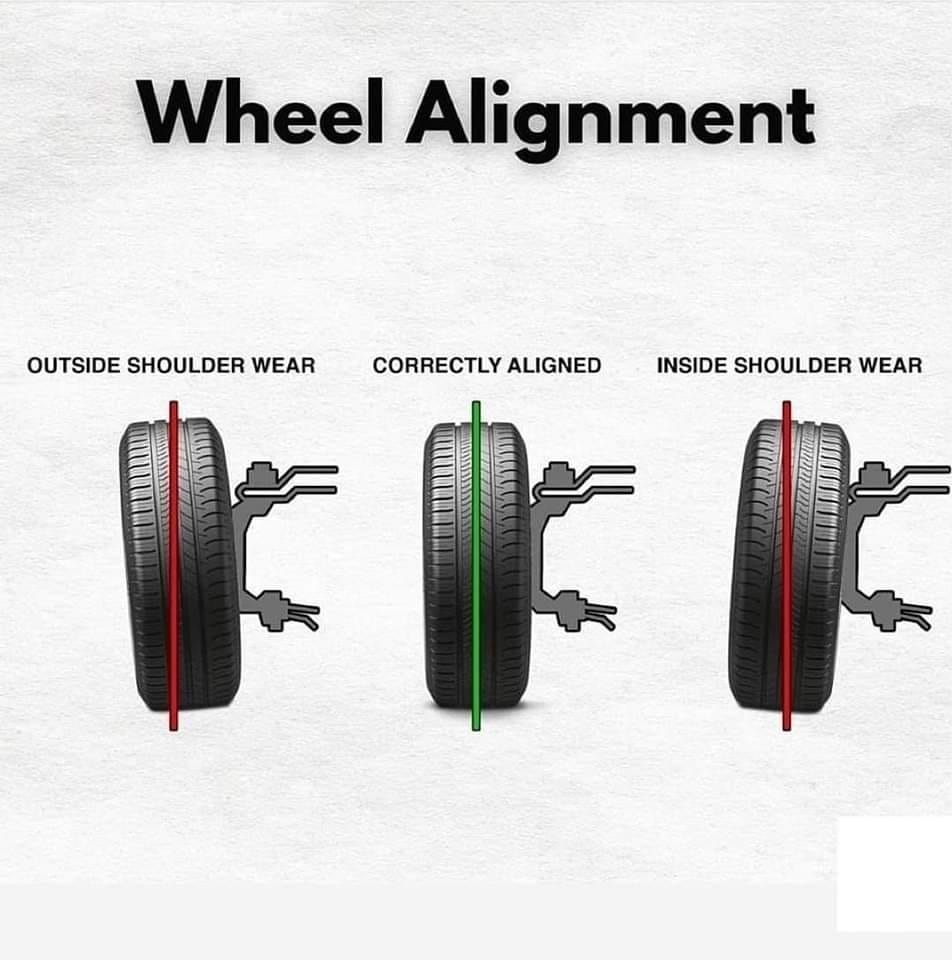
- Uneven Tire Wear: One side of your tire may wear out faster than the other. This is a clear indication of misalignment. This can lead to premature tire replacement and compromised safety.
- Vehicle Pulling to One Side: Does your car veer to the left or right without steering input? This could be a sign of misalignment, causing uneven tire wear and potential loss of control.
- Vibration or Shaking: If you feel vibrations in the steering wheel, especially at higher speeds, your wheels be misaligned. This can affect your driving comfort and safety.
Other potential signs of misalignment include:
- Difficulty maintaining a straight line while driving
- Increased steering wheel effort
- A worn steering wheel
- A steering wheel that doesn’t return to center easily
Remember, it’s important to address misalignment issues promptly to avoid further damage to your tires and suspension components.
The Perks of Proper Wheel Alignment: A Well-Aligned Car is a Happy Car
A well-aligned car offers a host of benefits:
- Improved Tire Wear: Proper alignment ensures even tire wear, extending their lifespan and saving you money on replacements.
- Enhanced Handling and Stability: Correct wheel alignment contributes to better vehicle handling, making your driving experience safer and more enjoyable. You’ll experience improved responsiveness and stability, especially in challenging road conditions.
- Increased Fuel Efficiency: Misaligned wheels can increase rolling resistance, leading to reduced fuel economy. By aligning your wheels, you can optimize your car’s fuel efficiency and save money at the pump.
- Smoother and Safer Driving Experience: A well-aligned car provides a smoother and more comfortable ride. You’ll notice a reduction in vibrations and steering wheel shake, making your driving experience more pleasant. Additionally, proper alignment enhances your car’s braking performance and overall safety.
By investing in regular wheel alignments, you can enjoy a safer, more efficient, and more comfortable driving experience.
Keeping Your Wheels in Line: How Often Should You Get Wheel Alignment?
While there’s no one-size-fits-all answer, it’s generally recommended to have your wheels aligned every 6,000 to 10,000 miles. Align your wheels if you notice any of the signs of misalignment mentioned earlier. If you’ve recently hit a pothole or curb, check your alignment. You should also check it if you’ve had any suspension work done. It’s advisable to have your alignment checked.
Finding a Reliable Alignment Shop:
When it’s time to get your wheels aligned, it’s important to choose a reputable shop with experienced technicians. Consider these factors when selecting a service provider:
- Reputation: Look for a shop with a good reputation and positive reviews from customers.
- Equipment: Guarantee they use state-of-the-art wheel alignment equipment to accurately diagnose and correct alignment issues.
- Technician Expertise: Experienced technicians can identify and address alignment problems efficiently.
- Warranty: A good alignment shop will offer a warranty on their work.
By taking these factors into account, you can find a reliable shop to keep your car’s wheels in top shape.
The Takeaway: Wheel Alignment – A Simple Fix for Big Benefits
Proper wheel alignment is a fundamental aspect of vehicle maintenance that often gets overlooked. Understand the importance of wheel alignment. Address any issues promptly. By doing so, you can significantly improve your car’s performance. You will also enhance safety and fuel efficiency.
So, the next time you schedule a routine maintenance check, remember to include wheel alignment. It’s a simple investment that can yield significant rewards.
Schedule your wheel alignment today and experience the difference a well-aligned car can make.
Have you ever experienced the frustration of a misaligned car? Share your experiences in the comments below.
Additional Tips for Maintaining Wheel Alignment
While regular professional alignments are essential, there are a few things you can do to help maintain your car’s wheel alignment between service appointments:
- Avoid Potholes and Rough Roads: Hitting potholes can significantly impact your car’s alignment. If possible, avoid driving on roads with potholes and other road hazards.
- Proper Tire Inflation: Maintaining the correct tire pressure can help prevent uneven wear and maintain proper wheel alignment.
- Regular Tire Rotations: Rotating your tires periodically can help distribute wear evenly and reduce the need for frequent alignments.
- Avoid Aggressive Driving Habits: Excessive speeding can put unnecessary stress on your car’s suspension and alignment. Hard braking and sharp turns also contribute to this stress.
By following these tips and scheduling regular wheel alignments, you can ensure your car’s optimal performance and longevity.
A Note on Wheel Alignment and Tire Balancing
While wheel alignment and wheel balancing are often discussed together, they are two distinct processes.
- Wheel Alignment is the process of adjusting the angles of your wheels. This ensures they are properly positioned relative to each other and the road.
- Wheel Balancing involves distributing the weight of the wheel and tire evenly to prevent vibrations.
While both processes are crucial for optimal vehicle performance and safety, they address different issues. It’s recommended to have both wheel alignment and balancing done regularly to maintain your car’s health.
Do you have any other questions about wheel alignment or car maintenance in general?
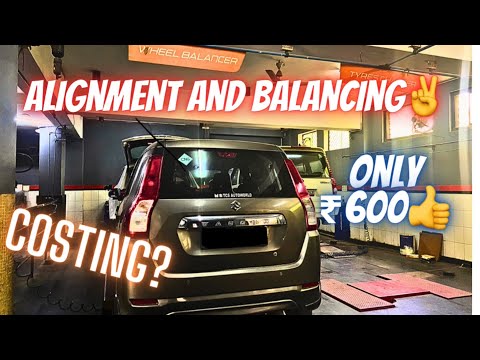
Let’s Talk About Tire Alignment Costs
The cost of a wheel alignment can vary depending on several factors, including:
- Location: Costs can differ based on your geographic location and the specific shop you choose.
- Vehicle Type: The complexity of your vehicle’s suspension system can influence the cost.
- Shop Labor Rates: Different shops have varying labor rates, which can affect the overall cost.
- Additional Services: If you need additional services, such as tire rotation or balancing, the total cost will increase.
To get a more accurate estimate, it’s best to contact your local auto repair shop or dealership. They can provide a quote based on your specific vehicle and needs.
Remember, investing in regular wheel alignments can save you money in the long run. It prevents premature tire wear. It also improves fuel efficiency and enhances your vehicle’s overall performance.
#wheelalignment #tirealignment #caralignment #wheelbalancing #steeringalignment #automaintenance #carmaintenance #tirewear #fuelefficiency #vehiclesafety #drivingtips
