




¡Viva España! Your Essential Guide to Sun, Siestas, and Spanish Soul
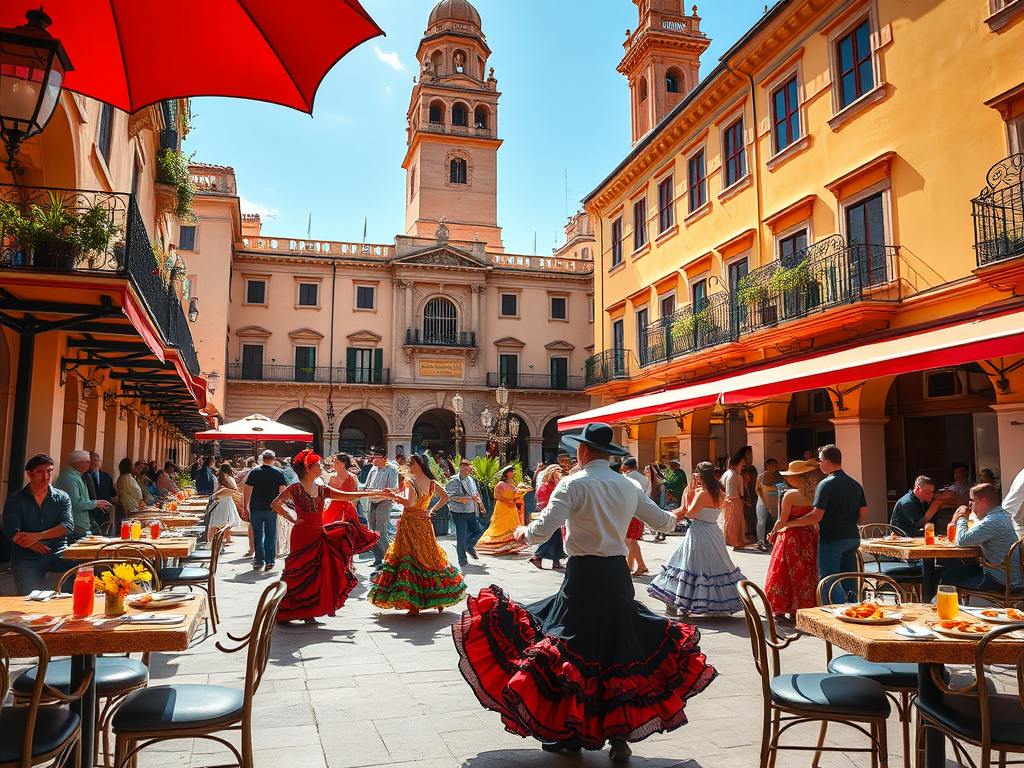
Spain. The name alone conjures images of sun-drenched plazas, fiery flamenco dancers, architectural marvels stretching back centuries, and tables groaning under the weight of delectable tapas. It’s a country where ancient history meets avant-garde art, where rugged mountains tumble down to golden beaches, and where the rhythm of life pulses with a unique passion and energy. From the royal grandeur of Madrid to the artistic heart of Barcelona, the Moorish echoes of Andalusia to the culinary prowess of the Basque Country, Spain offers a dazzling tapestry of experiences for every traveler.
This guide is your passport to unlocking the best of Spain. We’ll journey through its most captivating cities and regions, uncover iconic attractions and unforgettable activities, navigate the practicalities of accommodation and transport, savor the rich flavors of its world-renowned cuisine, and share essential tips to help you embrace the Spanish way of life. Prepare to be enchanted – your Spanish adventure begins now.
Spain’s Star Cities & Diverse Regions: A Land of Contrasts
One of Spain’s greatest charms is its incredible diversity, reflected in its distinct autonomous regions, each with its own unique culture, traditions, landscapes, and sometimes even language. Understanding this regional variety is key to appreciating the richness of the country.
Major Cities: Urban Hearts Beating with History & Style
-
Madrid: Spain’s vibrant capital pulses with an infectious energy. It’s a city of grand boulevards, majestic plazas like the Plaza Mayor and Puerta del Sol, and world-class art housed within the “Golden Triangle” – the Prado Museum (masterpieces by Velázquez, Goya, El Greco), the Reina Sofía (home to Picasso’s Guernica), and the Thyssen-Bornemisza. Explore the opulent Royal Palace, find tranquility in the sprawling Retiro Park, indulge in tapas hopping in neighborhoods like La Latina, and experience the city’s legendary nightlife. As the capital, Madrid offers a taste of Spain’s diverse cuisine, boasting excellent seafood and restaurants representing various regions.
-
Advertisement
Barcelona: The cosmopolitan capital of Catalonia exudes a unique identity, blending Gothic charm with Modernist flair. Antoni Gaudí’s fantastical creations define the cityscape, from the still-unfinished Sagrada Familia basilica to the whimsical Park Güell and the undulating facades of Casa Batlló and Casa Milà (La Pedrera). Lose yourself in the labyrinthine alleys of the Gothic Quarter, stroll down the bustling Las Ramblas, relax on the city’s beaches, and soak up the vibrant Catalan culture. Barcelona is a major Mediterranean port and a hub for art, cuisine, and nightlife.
-
Seville: The heart and soul of Andalusia, Seville enchants visitors with its warmth, history, and passion. Stand in awe of the immense Seville Cathedral, the world’s largest Gothic cathedral, and climb its Giralda tower for panoramic views. Explore the stunning Real Alcázar, a breathtaking palace complex showcasing Mudéjar architecture. Wander the charming, narrow streets of the Santa Cruz neighborhood and experience the raw emotion of an authentic flamenco show, perhaps in the Triana district, the dance’s reputed birthplace. Seville bursts into life during its famous festivals, Semana Santa and the Feria de Abril.
Sponsored -
Granada: Nestled at the foot of the Sierra Nevada mountains, Granada’s crowning glory is the Alhambra, a breathtaking palace and fortress complex that stands as a pinnacle of Moorish art and architecture. Explore its intricate Nasrid Palaces, serene courtyards, and the lush Generalife Gardens (tickets often needed in advance). Wander through the historic Albaicín district, a maze of whitewashed houses and narrow streets offering stunning Alhambra views. Granada is also famous for its generous tapas culture, where a small plate often accompanies your drink order.
-
Valencia: Situated on the Mediterranean coast, Valencia offers a compelling blend of history and futuristic design. It’s famed as the birthplace of paella and home to the stunning City of Arts and Sciences, an architectural marvel by Santiago Calatrava. Explore the historic Old Town with its Gothic and Renaissance buildings, relax in the Turia Gardens (a park created in a former riverbed), and enjoy the city’s golden beaches.
-
Advertisement
Other Notable Cities: Spain’s urban landscape is rich with other gems. Bilbao, in the Basque Country, impresses with the iconic Guggenheim Museum and a revitalized riverfront. Nearby San Sebastián is a foodie paradise renowned for its pintxos (Basque tapas) and beautiful La Concha beach. Córdoba mesmerizes with its unique Mosque-Cathedral (Mezquita). Santiago de Compostela is the famed culmination point of the Camino de Santiago pilgrimage route. Malaga, birthplace of Picasso, anchors the Costa del Sol. Don’t overlook historic university cities like Salamanca, medieval walled cities like Toledo and Ávila, the ancient port of Cádiz, or the island capitals of Palma de Mallorca and those in the Canary Islands. Many Spanish cities boast UNESCO World Heritage status, testament to their historical significance.
🛍Recommended Product
Magnesium Body Spray – Muscle Recovery & Lavender Scent
🛒 View on Amazon →As an Amazon Associate, we earn from qualifying purchases. Price and availability may vary.
Popular Regions: Exploring Spain’s Diverse Terrains
-
Andalusia: Occupying Spain’s sun-kissed south, Andalusia is a land of dramatic landscapes, passionate culture, and profound history. Its identity is deeply marked by centuries of Moorish rule, evident in the architectural splendors of Seville, Granada, and Córdoba. This is the birthplace of flamenco, a region dotted with picturesque pueblos blancos (white villages) perched on hillsides like Ronda, Arcos de la Frontera, and Zahara de la Sierra. The famous Costa del Sol offers miles of beaches and bustling resorts like Marbella and Malaga.
-
Catalonia: Located in the northeast, Catalonia boasts a strong regional identity, its own language (Catalan), and a rich cultural heritage. Beyond the magnetic draw of Barcelona, the region offers the stunning coastline of the Costa Brava with its hidden coves and charming towns, the historic city of Girona (a filming location for Game of Thrones), the spiritual mountain retreat of Montserrat, and access to the Pyrenees mountains.
-
Basque Country (País Vasco): Situated on the northern Atlantic coast, the Basque Country offers a unique cultural experience, its own ancient language (Euskara), and a landscape ranging from dramatic coastlines to green hills. It’s globally acclaimed for its gastronomy, particularly the sophisticated pintxos found in bars across San Sebastián and Bilbao, and boasts a high concentration of Michelin-starred restaurants. Key cities include the revitalized port city of Bilbao, home to the Guggenheim Museum, and the elegant coastal resort of San Sebastián.
-
Other Enchanting Regions: Venture northwest to Galicia, often called “Green Spain,” known for its Celtic roots, rugged coastline, incredible seafood (especially octopus), Albariño white wine, and the pilgrimage destination of Santiago de Compostela. The vast central regions of Castile & León and Castile-La Mancha offer expansive plains, medieval castles, and historic cities like Salamanca, Segovia (with its Roman aqueduct), and Toledo (the former capital). The Balearic Islands (Mallorca, Menorca, Ibiza, Formentera) in the Mediterranean promise stunning beaches and vibrant nightlife, while the Canary Islands, off the coast of Africa, offer volcanic landscapes and year-round sunshine. Don’t forget La Rioja, Spain’s premier wine region.
Unforgettable Experiences: Must-See Attractions & Activities
Spain is a treasure trove of historical sites, artistic masterpieces, natural beauty, and vibrant cultural activities.
Historical & Architectural Marvels
Spain’s rich and complex history is etched into its architecture. The Alhambra in Granada stands as a sublime testament to Moorish artistry, a sprawling complex of palaces, gardens, and fortifications that transports visitors to another era. In Barcelona, the unique genius of Antoni Gaudí is unmissable, particularly his magnum opus, the Sagrada Familia, and the imaginative landscapes of Park Güell. Córdoba’s Mezquita (Mosque-Cathedral) is a breathtaking architectural hybrid, famous for its forest of red-and-white striped arches, with a Christian cathedral built dramatically within the original mosque structure. Madrid’s Royal Palace offers a glimpse into regal history and grandeur. In Seville, the sheer scale of the Cathedral (housing Columbus’s tomb) and the intricate beauty of the Real Alcázar palace complex are essential visits. Beyond these, Spain boasts remarkable Roman legacies, including the aqueduct in Segovia, ruins in Mérida and Tarragona, and numerous UNESCO World Heritage Cities like Toledo, Ávila, and Cáceres, each preserving centuries of history within their ancient walls.
World-Class Museums
Art lovers will find Spain a paradise. Madrid’s “Golden Triangle of Art” comprises three phenomenal museums within walking distance: the Prado Museum, showcasing European masters from the 12th to the early 20th century; the Reina Sofía Museum, focusing on 20th-century Spanish art, including Picasso’s Guernica; and the Thyssen-Bornemisza National Museum, offering a historical overview of Western art. In Bilbao, the Frank Gehry-designed Guggenheim Museum is as much an architectural icon as it is a repository for contemporary art. Fans of Pablo Picasso can explore museums dedicated to his work in his birthplace, Malaga, and in Barcelona. Valencia’s futuristic City of Arts and Sciences complex includes an interactive science museum, an opera house, and Europe’s largest aquarium, the Oceanogràfic.
Natural Wonders & Urban Oases
Spain’s diverse geography offers stunning natural beauty. The Pyrenees Mountains form a majestic border with France, offering hiking and skiing opportunities. The Picos de Europa in the north provide dramatic peaks and lush valleys, while the Sierra Nevada near Granada offers Spain’s highest peaks and skiing possibilities. Teide National Park in Tenerife, a UNESCO site, is dominated by Spain’s highest mountain, a volcano. Even Spain’s cities offer green escapes. Madrid’s Retiro Park is a vast urban oasis with a boating lake, crystal palace, and rose garden. Barcelona’s Park Güell, though famous for Gaudí’s architecture, is also a beautiful green space with panoramic views. Valencia’s Turia Gardens, created in a diverted riverbed, provide a long stretch of parkland winding through the city. And of course, Spain’s extensive coastline, including the Costa Brava and Costa del Sol, along with the Balearic and Canary Islands, offers countless beaches for sunbathing, swimming, and water sports.
Signature Activities: Immersing Yourself in Spanish Culture
Experiencing Spain means diving into its culture. Witnessing a passionate Flamenco show is a must, especially in its Andalusian heartland (Seville, Granada, Córdoba). Embarking on a culinary adventure is essential, whether through guided food tours, indulging in the social ritual of tapas or pintxo hopping, or seeking out regional specialties. Relaxing on the beach or enjoying water sports is a key part of the Spanish lifestyle, particularly along the Mediterranean coasts and on the islands. For active travelers, hiking opportunities abound, from coastal paths to mountain trails and the famous Camino de Santiago pilgrimage routes. Wine tasting is another quintessential experience, especially in renowned regions like Rioja. Finally, timing your visit to coincide with one of Spain’s many vibrant festivals can offer an unforgettable cultural immersion (see “Best Time to Visit” section).
Where to Stay: From Historic Paradors to Budget Hostels
Spain offers a wide spectrum of accommodation to suit every budget and style, from luxurious historic hotels to sociable hostels and private rentals.
Hotels
You’ll find everything from international chains to charming boutique hotels and family-run establishments across Spain. Prices vary significantly based on location, season, and star rating. Major cities like Madrid and Barcelona, along with popular coastal resorts in summer, tend to be the most expensive. On average, expect prices around $162 per night, but budget options can dip to $61, while luxury stays can exceed $222. Suite hotels often start around $196. In Seville, for example, hotel prices can start from around $106.
Hostels (Albergues / Hostales)
A fantastic option for budget travelers and those seeking a social atmosphere. Hostels offer dormitory-style beds as well as private rooms. They are common in cities and along pilgrimage routes like the Camino de Santiago. Note that in Spain, a “hostal” can sometimes refer to a simple, budget-friendly guesthouse or inn, distinct from a backpacker “hostel”. Prices can be very affordable, with Madrid hostels starting around $24 per night and average Spanish hostel prices ranging from $46 to $203 depending on location and room type.
Vacation Rentals (Apartamentos Turísticos)
Platforms like Vrbo and Airbnb offer a vast selection of apartments, villas, and houses for rent throughout Spain. This is an excellent choice for families, groups, or those wanting self-catering facilities and a more local living experience. Prices vary enormously depending on size, location, amenities, and time of year. Examples range from budget-friendly apartments under $100 per night in some areas to luxurious villas costing thousands per night.
Paradores
Unique to Spain, Paradores are a state-run chain of luxury hotels often located in beautifully restored historic buildings such as castles, monasteries, palaces, and convents, as well as in locations with stunning natural scenery. Staying in a Parador offers a chance to immerse yourself in history and enjoy high-quality service and regional cuisine. While generally considered a premium option, prices can sometimes start around €72-€80 per night, especially with promotions, but expect higher rates for prime locations and historic properties ($87+ in Northern Spain examples).
Rural Houses (Casas Rurales)
For those looking to explore the countryside, casas rurales offer charming accommodation in rural settings, often as B&Bs or self-catering cottages. They provide an authentic experience of Spanish rural life.
Booking Advice
Regardless of your choice, it’s highly recommended to book accommodation in advance, especially when traveling during peak season (summer), major holidays (like Easter/Semana Santa), or festivals, and for popular destinations like Barcelona, Madrid, Seville, and the Alhambra in Granada.
Getting There & Around: Navigating Spain’s Transport Network
Spain is well-connected both internationally and domestically, offering efficient options for travel.
Getting to Spain
- By Air: Flying is the most common way to arrive. Spain’s main international airports are Adolfo Suárez Madrid–Barajas (MAD) and Barcelona–El Prat Josep Tarradellas (BCN), serving as major hubs with extensive global connections. Other key international airports serving popular tourist destinations include Palma de Mallorca (PMI), Málaga–Costa del Sol (AGP), Alicante–Elche (ALC), Gran Canaria (LPA), Tenerife South (TFS), Valencia (VLC), Seville (SVQ), and Bilbao (BIO). Numerous international airlines, including Spain’s flag carrier Iberia, low-cost carriers, and global airlines, operate flights to Spain.
Getting Around Spain
Spain boasts a modern and efficient transport infrastructure, making travel within the country relatively straightforward.
-
High-Speed Rail (AVE): Spain’s high-speed train network, operated by the national rail company Renfe, is one of the best in Europe. AVE trains connect major cities at speeds up to 310-350 km/h, offering a fast, comfortable, and scenic way to travel. Key routes radiate from the central hub of Madrid, linking it to Barcelona (approx. 2.5 hours), Seville (approx. 2.5 hours), Valencia (under 2 hours), Malaga, Córdoba, and other cities. Trains offer different service classes and various fare types. Reservations are mandatory for AVE and other long-distance trains. For tourists planning multiple train journeys, the Renfe Spain Pass might be a cost-effective option.
-
Regional & Local Trains: Renfe also operates slower regional (Media Distancia) and local (Cercanías) trains, which connect smaller towns and are useful for shorter journeys or reaching areas not served by AVE.
-
Buses (Autobuses): Spain has an extensive and reliable bus network that reaches virtually every corner of the country, including small villages and areas inaccessible by train. Buses are generally more economical than trains, though slower for long distances. Major operators like ALSA and Avanza offer comfortable coaches. Tickets can be booked online or at bus stations (estaciones de autobuses).
-
Domestic Flights: For covering long distances quickly (e.g., Madrid to the Canary Islands, or between the north and south coasts), domestic flights are a viable option. Major airlines operating domestic routes include Iberia (and its regional partner Air Nostrum), Vueling (low-cost), and Air Europa. Flights also connect the mainland to the Balearic and Canary Islands. Be sure to check baggage allowances. Valid photo ID is always necessary.
-
Driving (Car Rental): Renting a car provides the ultimate flexibility, ideal for exploring off-the-beaten-path destinations. Spain has an excellent network of highways: autopistas (‘AP’ – tolls) and autovías (‘A’ – toll-free). Driving is on the right. To rent a car, you’ll need a valid driver’s license; an International Driving Permit (IDP) is strongly recommended and often legally required for non-EU/EEA licenses. Minimum rental age is usually 21 (surcharges under 25 common). Manual transmission is standard; request automatic specifically. Parking in large cities can be challenging. Familiarize yourself with Spanish driving rules.
-
Ferries: Regular ferry services connect mainland Spain with the Balearic Islands, the Canary Islands, and North Africa.
The choice of transport depends on your itinerary, budget, and travel style. Often, a combination of methods works best.
A Taste of Spain: Culinary Delights from Paella to Pintxos
Spanish cuisine is far more than just paella and sangria; it’s a vibrant reflection of the country’s diverse geography, history, and culture. Eating in Spain is a deeply social affair, characterized by regional specialties, fresh ingredients, and distinct mealtime rituals.
The Essence of Spanish Food
Understanding Spanish food culture involves appreciating its regional diversity. Each area boasts unique dishes, from the seafood focus of Galicia to the sophisticated pintxos of the Basque Country and the Moorish influences in Andalusian cuisine. Meals are structured differently, with lunch (la comida) typically served late (2-4 PM) being the main meal, often followed by sobremesa – lingering conversation. Dinner (la cena) is usually lighter and eaten late, from 9 PM onwards. There’s a strong emphasis on fresh, seasonal, and local ingredients.
Must-Try Dishes
-
Paella: Spain’s most famous dish internationally, originating from Valencia. The authentic Paella Valenciana includes rabbit, chicken, beans, tomatoes, and saffron. Seafood paellas are popular variations. Traditionally a lunch dish.
-
Tapas & Pintxos: The culture of small plates is integral to Spanish social life.
- Tapas: Small dishes for sharing, served nationwide. Ir de tapas involves bar hopping. Must-tries include:
- Tortilla Española: Thick potato and egg omelet.
- Patatas Bravas: Fried potatoes with spicy sauce.
- Croquetas: Creamy, fried béchamel bites (ham, mushroom, etc.).
- Jamón Ibérico / Serrano: High-quality cured ham.
- Gambas al Ajillo: Shrimp sizzled in garlic oil.
- Queso Manchego: Firm sheep’s milk cheese.
- Pan con Tomate: Toast rubbed with tomato and olive oil (Catalan).
- Boquerones en Vinagre: Marinated fresh anchovies.
- Pulpo a la Gallega: Galician boiled octopus with paprika.
- Pintxos (Basque Country): Elaborate small bites, often skewered to bread. Found in San Sebastián and Bilbao. Etiquette involves self-service for cold items, ordering hot ones, and keeping toothpicks/plates for the bill. Enjoyed with local txakoli (white wine) or sidra (cider).
- Tapas: Small dishes for sharing, served nationwide. Ir de tapas involves bar hopping. Must-tries include:
-
Regional Specialties: Explore dishes like Gazpacho and Salmorejo (cold soups, Andalusia), Fabada Asturiana (bean stew), Cochinillo Asado (roast suckling pig, Segovia), and Basque Cheesecake.
Iconic Beverages
- Wine (Vino): Spain is a major producer.
- Rioja: Famous northern region known for Tempranillo reds. Aging classifications (Crianza, Reserva, Gran Reserva) indicate style.
- Other Regions: Explore reds from Ribera del Duero, Albariño whites from Rías Baixas (Galicia), sparkling Cava (Catalonia), and Sherry from Jerez.
- Beer (Cerveza): Widely enjoyed, often in small cañas.
- Sangria: Popular wine punch with fruit. Locals might prefer tinto de verano (red wine & lemon soda).
- Sidra (Cider): Natural cider, specialty in Asturias/Basque Country, often poured from height (escanciar).
- Coffee (Café): Essential daily ritual. Common orders: café solo (espresso), cortado (dash of milk), con leche (with steamed milk, morning).
Essential Know-Before-You-Go: Practical Tips for a Smooth Trip
Navigating a new country is always easier with a few practical tips under your belt. Here’s what you need to know for Spain:
Money Matters
- Currency: Spain uses the Euro (€).
- Payments: Credit/debit cards widely accepted, but carry some cash for smaller purchases, markets, taxis.
- ATMs (Cajeros Automáticos): Readily available. Be aware of potential foreign transaction fees and local ATM usage fees. Use bank-attached ATMs.
Language Basics
- Official Language: Spanish (Castellano) nationwide.
- Regional Languages: Catalan, Basque (Euskara), Galician (Gallego) co-official in their regions. Signs often bilingual.
- English Proficiency: Common in tourist areas, less so elsewhere. Learning basic Spanish phrases is highly recommended.
Table: Essential Spanish Phrases for Travelers
| English Phrase | Spanish Phrase | Simple Pronunciation | Notes |
|---|---|---|---|
| Hello | Hola | OH-lah | Universal greeting |
| Good morning | Buenos días | BWEH-nos DEE-ahs | Use until lunchtime (~2 PM) |
| Good afternoon/evening | Buenas tardes | BWEH-nahs TAR-dehs | Use from lunch until dark |
| Good night | Buenas noches | BWEH-nahs NOH-chehs | Use after dark / when going to bed |
| Goodbye | Adiós | ah-dee-OHS | General goodbye |
| See you later | Hasta luego | AHS-tah LWEH-go | Common, less final than Adiós |
| Please | Por favor | por fah-VOHR | Essential politeness |
| Thank you | Gracias | GRAH-thee-ahs / GRAH-see-ahs | Essential politeness |
| You’re welcome | De nada | deh NAH-dah | Response to Gracias |
| Yes | Sí | SEE | |
| No | No | NOH | |
| Excuse me / Sorry | Perdón / Disculpe | pehr-DOHN / dees-KUL-peh | To get attention / apologize lightly |
| I’m sorry | Lo siento | lo see-EN-toh | For more serious apologies |
| How are you? (informal) | ¿Cómo estás? | KOH-moh ehs-TAHS | To friends, peers |
| How are you? (formal) | ¿Cómo está usted? | KOH-moh ehs-TAH oo-STED | To elders, strangers, in formal settings |
| How’s it going? (casual) | ¿Qué tal? | keh TAL | Very common, informal |
| Fine, thank you | Bien, gracias | bee-EN, GRAH-thee-ahs | Response to “How are you?” |
| I don’t understand | No entiendo | noh en-tee-EN-doh | |
| How much does it cost? | ¿Cuánto cuesta? | KWAN-toh KWES-tah | |
| Where is…? | ¿Dónde está…? | DOHN-deh ehs-TAH | Followed by the place name (e.g., el baño) |
| Bathroom | Baño / Servicios | BAH-nyoh / sehr-VEE-thee-os | |
| Cheers! (toast) | ¡Salud! | sah-LOOD | Literally “Health!” |
| Bon appetit! | ¡Buen provecho! / ¡Que aproveche! | bwen pro-VEH-choh / keh ah-pro-VEH-cheh | Said before someone eats |
(Pronunciation guide is approximate)
Cultural Etiquette
Adapting to local customs shows respect and can enrich your travel experience.
- Meal Times: Spaniards eat significantly later. Lunch (main meal) is 2-4 PM; Dinner (lighter) is 9-11 PM or later. Many shops close mid-afternoon (approx. 2-5 PM), though the traditional nap (siesta) is less common now. Restaurant kitchens often open for dinner around 8-9 PM.
- Tipping: Not obligatory as service is usually included, but appreciated for good service. Restaurants: round up or 5-10%. Taxis: round up or €1-2. Hotels: €1-2/bag or per night for housekeeping. Tour Guides: Varies, €1-2/person for groups, €20+ for private. Cash often preferred.
- Greetings: Handshake for introductions. Two kisses on the cheek (start right) common between women, and men/women in social settings. Men usually shake hands.
- Dress Code: Spaniards generally dress well, especially in cities for evenings. Casual is fine for sightseeing, but cover shoulders/knees for churches. Very revealing clothing may be inappropriate away from beaches.
Staying Safe
Spain is generally safe, but be vigilant against pickpocketing, especially in crowded tourist areas (Las Ramblas, Puerta del Sol, major stations, Metro).
- Prevention: Use a money belt under clothing for valuables. Keep small daily cash/one card secure (front pocket). Use secure cross-body bags worn in front. Never leave bags unattended. Be wary of distractions (spills, requests for directions, commotion) – these are common tactics. Avoid displaying valuables.
- Scams: Beware of fake petitions, “found ring” tricks, unsolicited help near ATMs, or people posing as plainclothes police (ask for ID/go to station).
- Driving Safety: Don’t leave valuables visible in parked cars. Use secure parking.
- General Awareness: Stick to well-lit areas at night. Avoid demonstrations.
Emergency Information
- Universal Emergency Number: Dial 112 for police, fire, or ambulance. It’s free and multilingual.
- Other Numbers (also via 112): National Police: 091; Guardia Civil (rural/highways): 062; Local Police: 092; Ambulance: 061; Fire: 080/085.
Visa & Entry Requirements: Crossing Borders into Spain
Spain is part of the Schengen Area.
- Who Needs a Visa?
- Visa-Free: Citizens of EU/EEA/Switzerland. Citizens of US, Canada, Australia, UK, etc., for short stays (up to 90 days in 180). Check the official list for your nationality (Ministry of Foreign Affairs).
- Schengen Visa Required: Citizens of other countries need a Schengen visa.
- Applying for a Schengen Visa (If Required): Apply at the Spanish Embassy/Consulate in your country of residence well in advance (up to 6 months, min 15 days). Requires application form, photos, valid passport, proof of residence/travel/accommodation/funds, travel medical insurance (€30k coverage), visa fee. Check specific consulate requirements. Biometrics may be needed.
Crucial Advice: Always check official government sources (Spanish Ministry of Foreign Affairs, your country’s travel advisory like travel.state.gov) for the latest visa rules before traveling.
The Best Time to Visit: Seasons, Sunshine, and Celebrations
Spain is year-round, but the “best time” depends on your plans.
Seasonal Overview
- Spring (Apr-Jun): Ideal. Mild, sunny weather perfect for sightseeing. Blooming landscapes. Fewer crowds than summer. May often considered peak spring month. Pack layers.
- Autumn (Sep-Oct): Excellent shoulder season. Warm temps, especially south/coast. Sea often still swimmable. Fewer crowds. Great for city breaks, wine harvest (Rioja). Cooler evenings require jackets.
- Summer (Late Jun-Aug): Hottest, driest, busiest. Peak season = high prices, crowds. Scorching temps inland (Madrid, Seville). Milder northern coast. Best for beach holidays if you like heat/buzz.
- Winter (Dec-Mar): Low season (except Canaries). Coolest, potentially wet (especially north). South stays mild. Canaries offer winter sun. Skiing in Sierra Nevada/Pyrenees. Lowest prices, fewest crowds.
Major Festivals & Events
Visiting during a festival offers unique immersion but requires advance booking.
- Semana Santa (Holy Week): Week before Easter (Mar/Apr). Solemn processions nationwide. Famous in Seville.
- Feria de Abril (Seville): Two weeks after Easter (Apr/May). Flamenco, costumes, parades, casetas (many private).
- Las Fallas (Valencia): Mar 15-19. Giant sculptures, fireworks (mascletàs), parades, burning finale (La Cremà).
- San Fermín (Pamplona): Jul 6-14. Running of the Bulls, parades, revelry.
- La Tomatina (Buñol): Last Wed of Aug. Giant tomato fight.
- Carnival: Feb (before Lent). Big celebrations in Cádiz, Tenerife, Sitges.
¡Buen Viaje! Your Spanish Story Awaits
Spain is more than just a destination; it’s an experience that engages all the senses. It’s the taste of perfectly ripe tomatoes on toasted bread, the sound of a flamenco guitar echoing in a moonlit square, the sight of centuries of history layered upon modern life, the feel of the Mediterranean sun on your skin, and the warmth of Spanish hospitality.
From the bustling energy of its cities to the tranquil beauty of its diverse landscapes, Spain offers endless possibilities for discovery. Embrace the late dinners, learn a few words of Spanish, wander without a map, savor every bite and sip, and allow yourself to be swept up in the country’s infectious zest for life. Use this guide as your starting point, but let your curiosity lead the way. Spain rewards the adventurous, the observant, and those willing to dive headfirst into its rich culture. Your unforgettable Spanish story is waiting to be written. ¡Buen viaje!
