


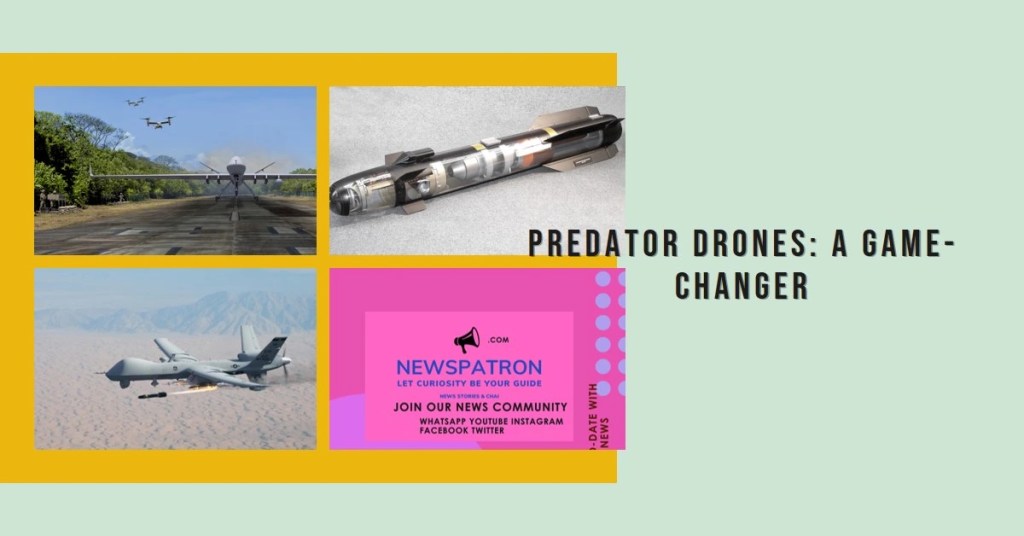

[Featured image Courtesy General Atomics Aeronautical]
[Missile Threat CSIS Missile Defense Project]
The Indian defense landscape is abuzz with the recent acquisition of 31 MQ-9B Predator drones from the United States. This landmark deal marks a significant leap forward in India’s drone capabilities, promising to bolster its surveillance, reconnaissance, and offensive capabilities across various domains.
In this blog post, we delve into the details of this game-changing acquisition, exploring the specifications and features of these cutting-edge drones, their potential applications for India’s armed forces, and the broader implications for national security and regional dynamics. We’ll also examine the ethical and legal considerations surrounding the use of drones in warfare, drawing upon examples from the US drone program and its targeted killing operations.

Now, let’s dive into the world of Predator drones and explore how they are poised to reshape India’s defense strategy.
Previous Blog Post
India’s Drone Power Play: MQ-9B Reapers Soar High
India Acquires Predator Drones: A Game-Changer for National Security
India’s recent acquisition of 31 MQ-9B Predator drones from the United States has sent ripples through the defense landscape, signaling a significant upgrade to the nation’s surveillance and combat capabilities. This deal, valued at a hefty $3 billion, is a testament to India’s growing focus on unmanned aerial systems and their potential to reshape modern warfare. But what exactly are these Predator drones, and why are they such a big deal for India?
Recommended Product
Trylo Riza T-Fit Women's Bra – Comfortable Daily Wear
🛒 View on Amazon →As an Amazon Associate, we earn from qualifying purchases. Price and availability may vary.
The Predator Drone Deal: A Breakdown
The deal includes a mix of Sea Guardian and Sky Guardian variants of the MQ-9B, both manufactured by General Atomics Aeronautical Systems. These high-altitude, long-endurance (HALE) drones are renowned for their versatility and ability to perform a wide range of missions, from intelligence gathering and surveillance to precision strikes.
This acquisition is not just about the hardware. It also involves technology transfer, with provisions for the drones to be assembled in India, fostering indigenous defense manufacturing and creating job opportunities. This move aligns with India’s “Make in India” initiative, promoting self-reliance in defense production.
Distribution of Drones Among Armed Forces
The 31 Predator drones will be distributed among the Indian Army, Navy, and Air Force, with each branch receiving a share tailored to its specific needs and operational requirements.
- Indian Navy: The Navy will receive 16 Sea Guardians, primarily for maritime surveillance, anti-submarine warfare, and over-the-horizon targeting. These drones will significantly enhance the Navy’s ability to monitor India’s vast coastline and exclusive economic zone, safeguarding its maritime interests.
- Indian Air Force and Army: The Air Force and Army will each receive 8 Sky Guardians, bolstering their intelligence, surveillance, and reconnaissance (ISR) capabilities. These drones will be invaluable for border surveillance, counterterrorism operations, and providing real-time situational awareness to ground forces.
Now that we have a basic understanding of the deal, let’s delve deeper into the capabilities of these technological marvels.
Unveiling the MQ-9B Reaper: A Technological Marvel
The MQ-9B Reaper, also known as the Predator B, is a force to be reckoned with in the world of unmanned aerial vehicles. Developed by General Atomics Aeronautical Systems, this drone is a true technological marvel, boasting advanced capabilities that make it an asset for any modern military.
Specifications and Features
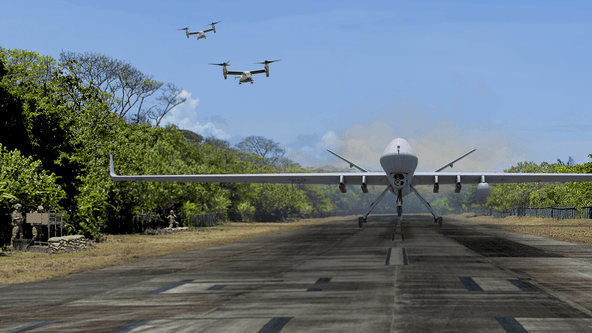
The MQ-9B is a large drone, with a wingspan of 79 feet (24 meters) and a length of 38 feet (11.7 meters). Its size allows it to carry a significant payload and fly at high altitudes for extended periods.
- Powerful Engine: The Reaper is powered by a Honeywell TPE331-10 turboprop engine, providing it with a maximum speed of around 240 knots (444 km/h) and a service ceiling of 50,000 feet (15,240 meters). This high-altitude capability allows it to operate above commercial air traffic and most weather conditions, providing a clear view of the battlefield.
- Long Endurance: With a maximum endurance of over 40 hours, the Reaper can stay airborne for extended periods, providing persistent surveillance and reducing the need for frequent refueling. This is crucial for missions that require constant monitoring or long-range deployments.
- Advanced Sensors: The Reaper is equipped with a suite of sophisticated sensors, including electro-optical/infrared (EO/IR) cameras, synthetic aperture radar (SAR), and maritime patrol radar. These sensors provide high-resolution imagery and real-time situational awareness, even in challenging environments.
Payload and Altitude Capabilities
The MQ-9B’s impressive payload capacity is one of its key strengths. It can carry a variety of payloads, including:
- Internal Payload: Up to 800 pounds (363 kg) of internal payload, typically used for sensors and electronic warfare equipment.
- External Payload: Up to 4,750 pounds (2,155 kg) of external payload, including weapons, fuel tanks, and other mission-specific equipment.
This versatility allows the Reaper to be configured for a wide range of missions, from surveillance and reconnaissance to precision strikes.
Specific Use Cases for Indian Armed Forces:
- Indian Navy: The Sea Guardian variant, with its specialized maritime radar and extended endurance, will be crucial for monitoring India’s vast coastline, tracking suspicious vessels, and protecting critical shipping lanes. Its ability to detect and track submarines will also be a significant boost to India’s anti-submarine warfare capabilities.
- Indian Air Force and Army: The Sky Guardian will provide the Air Force and Army with unparalleled situational awareness along India’s borders. Its high-altitude surveillance capabilities will allow for early detection of potential threats, while its long endurance will enable persistent monitoring of remote and inaccessible areas. In counterterrorism operations, the Sky Guardian can provide real-time intelligence to ground forces, helping to identify and neutralize targets with precision.
Predator Drones’ Capabilities: A Deep Dive
While we’ve touched upon the MQ-9B Reaper’s impressive surveillance and reconnaissance capabilities, it’s crucial to understand that these drones are not just passive observers. They pack a serious punch, capable of delivering precise and devastating strikes when necessary. This offensive capability is largely attributed to their integration with Hellfire missiles.
Extended Flight Endurance and Range
Before we delve into the specifics of Hellfire missiles, let’s reiterate the Reaper’s remarkable endurance and range. With the ability to stay airborne for over 40 hours and cover a range of over 6,000 nautical miles (approximately 11,000 km), the MQ-9B can loiter over target areas for extended periods, providing persistent surveillance and ensuring that targets are engaged at the opportune moment. This long-range capability also allows the Reaper to operate far from its base, extending its reach and influence.
Advanced Surveillance and Reconnaissance
The Reaper’s advanced sensor suite plays a crucial role in both surveillance and targeting. Its electro-optical/infrared (EO/IR) cameras provide high-resolution imagery day and night, allowing operators to identify and track targets with precision. The synthetic aperture radar (SAR) can penetrate cloud cover and foliage, providing valuable intelligence even in adverse weather conditions. This sophisticated sensor suite enables the Reaper to gather critical information about enemy movements, positions, and intentions, providing a comprehensive understanding of the battlefield.
Offensive Capabilities: Hellfire Missiles
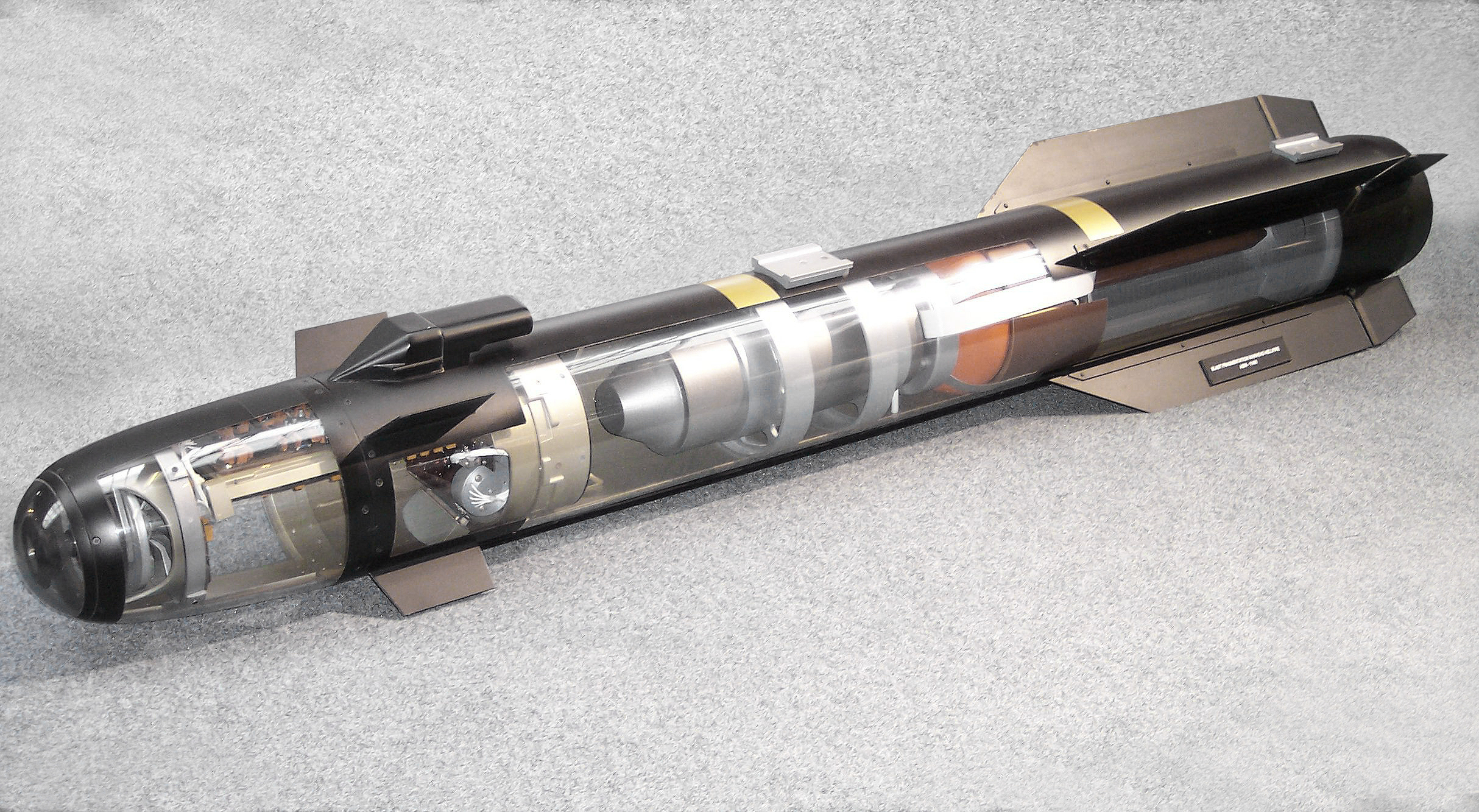
The AGM-114 Hellfire is an air-to-ground missile designed for precision strikes against a variety of targets, including armored vehicles, buildings, and personnel. It has become synonymous with drone warfare, widely used by the US military in its counterterrorism operations.[Read more]
Hellfire Missiles: A Closer Look
- Variants: The Hellfire missile comes in various variants, each tailored for specific missions. The AGM-114K is a high-explosive anti-tank (HEAT) variant designed to penetrate armor, while the AGM-114R carries a multi-purpose warhead effective against a wider range of targets. The AGM-114N is a thermobaric variant, producing a powerful blast wave that is particularly effective against enclosed structures.
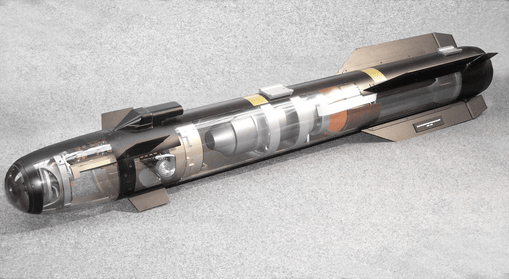
- Range: The Hellfire missile has a range of approximately 5 miles (8 km), allowing the Reaper to engage targets from a safe distance.
- Guidance: Hellfire missiles are typically guided by laser designation, meaning a laser beam is pointed at the target, and the missile homes in on the reflected laser energy. This ensures pinpoint accuracy and minimizes collateral damage. Some variants, like the AGM-114L Longbow Hellfire, also have a millimeter-wave radar seeker, allowing them to engage targets in adverse weather conditions or when laser designation is not feasible.
Hellfire’s Role in Predator Drone Operations
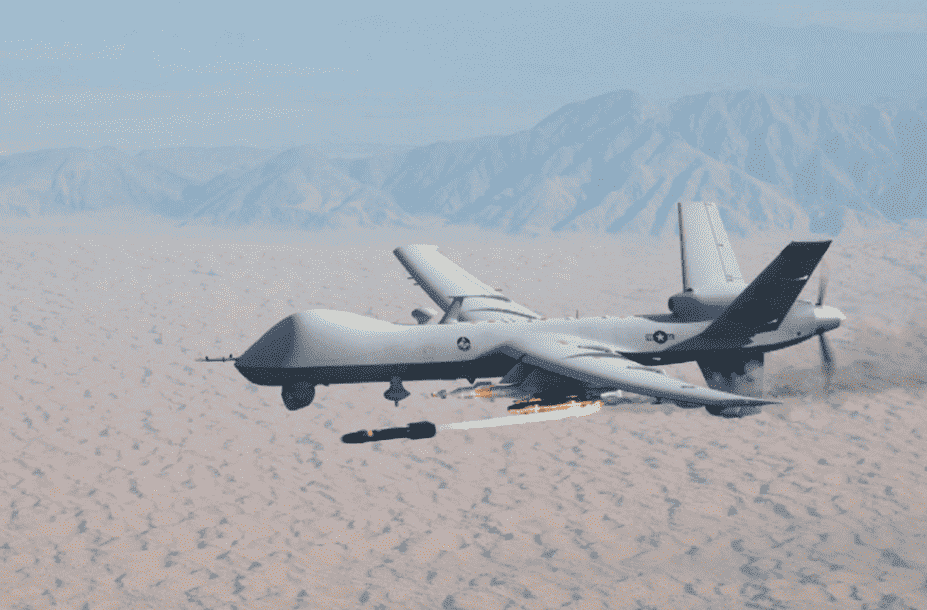
The MQ-9B Reaper can carry up to four Hellfire missiles, providing it with significant firepower. The integration of Hellfire missiles with the Reaper’s advanced sensor suite creates a potent combination. The drone’s long endurance allows it to loiter over target areas, while its sensors provide real-time intelligence and target tracking. When a target is identified, the Hellfire missile can be launched with pinpoint accuracy, neutralizing the threat with minimal collateral damage.
Specific Use Cases for Indian Armed Forces:
- Indian Navy: The Sea Guardian, equipped with Hellfire missiles, can engage hostile surface vessels or submarines, providing a significant deterrent against maritime threats.
- Indian Air Force and Army: The Sky Guardian can utilize Hellfire missiles to neutralize terrorist hideouts, enemy positions, or high-value targets in border areas or counterterrorism operations. This capability provides a decisive advantage in challenging environments where traditional air strikes may not be feasible or pose a risk to civilian populations.
Comparing Predator Drones: Sea Guardian vs. Sky Guardian
India’s acquisition of 31 MQ-9B Reaper drones includes two variants: the Sea Guardian and the Sky Guardian. While both share the same basic platform and capabilities, they have distinct features tailored to their respective operational environments. Let’s explore their similarities and differences.
Similarities and Differences
- Common Platform: Both the Sea Guardian and Sky Guardian are based on the MQ-9B platform, sharing the same airframe, engine, and core capabilities. This commonality simplifies maintenance and logistics for the Indian armed forces.
- Specialized Sensors: The key difference lies in their sensor packages. The Sea Guardian is optimized for maritime surveillance, featuring a multi-mode maritime surface-search radar with Inverse Synthetic Aperture Radar (ISAR) imaging mode, an Automatic Identification System (AIS) receiver, and a more robust anti-corrosion protection for operating in harsh maritime environments.
- Endurance: While both variants have impressive endurance, the Sea Guardian generally has a slightly longer endurance due to its mission profile and optimization for maritime surveillance, which often requires long loiter times over vast ocean areas.
Altitude and Range Variations
Both the Sea Guardian and Sky Guardian have a service ceiling of 50,000 feet and a similar range of over 6,000 nautical miles. This high altitude and long-range capability allow them to operate effectively in various theaters, from the Himalayas to the Indian Ocean.
Specific Use Cases for Indian Armed Forces:
- Indian Navy: The Sea Guardian’s specialized maritime sensors make it ideal for tracking surface vessels, detecting submarines, and monitoring maritime activity in the Indian Ocean Region. This is crucial for safeguarding India’s maritime interests, protecting its exclusive economic zone, and countering potential threats from neighboring countries.
- Indian Air Force and Army: The Sky Guardian’s versatility makes it suitable for a wide range of missions for both the Air Force and Army. It can be used for border surveillance, counterterrorism operations, and providing real-time intelligence to ground forces. Its ability to operate at high altitudes provides a comprehensive view of the battlefield, while its long endurance allows for persistent monitoring of critical areas.
The Implications of Predator Drones for India
The acquisition of Predator drones represents a significant leap forward for India’s defense capabilities. These advanced unmanned aerial vehicles (UAVs) are poised to play a crucial role in enhancing national security and reshaping India’s strategic posture in the region.
Enhanced Border Security
India faces numerous security challenges along its extensive borders with Pakistan and China. The Predator drones, with their long endurance and advanced surveillance capabilities, will be a game-changer for border security. They can provide persistent monitoring of remote and inaccessible areas, detect infiltrations, and gather real-time intelligence on enemy movements. This enhanced situational awareness will enable quicker response times and more effective border management.
Counterterrorism Operations
Predator drones have proven to be highly effective in counterterrorism operations, particularly in targeting terrorist hideouts and neutralizing high-value targets. Their ability to loiter over target areas for extended periods and deliver precision strikes with Hellfire missiles makes them a valuable asset in combating terrorism. For India, which faces persistent threats from terrorist groups operating in neighboring countries, the Predator drones will be a crucial tool in counterterrorism efforts.
Maritime Surveillance and Power Projection
The Sea Guardian variant, with its specialized maritime sensors, will significantly enhance India’s maritime surveillance capabilities. It can monitor vast stretches of the Indian Ocean, track suspicious vessels, and provide early warning of potential threats. This is crucial for protecting India’s maritime interests, securing its sea lines of communication, and maintaining regional stability. Moreover, the Predator drones’ long-range capabilities allow India to project power and influence across the Indian Ocean Region, reinforcing its role as a major maritime power.
Beyond the immediate military applications, the Predator drones also have broader implications for India:
- Technological Advancement: The acquisition of Predator drones and the associated technology transfer will boost India’s indigenous defense industry and contribute to its technological advancement in the field of unmanned aerial systems.
- Strategic Partnerships: The deal strengthens India’s strategic partnership with the United States, highlighting the growing defense cooperation between the two countries.
- Regional Dynamics: India’s acquisition of Predator drones could alter the regional balance of power, particularly in relation to China and Pakistan. It signals India’s resolve to enhance its defense capabilities and deter potential adversaries.
The Global Impact of Predator Drones
The MQ-9B Reaper, while a significant acquisition for India, is not a new player on the global stage. These drones have been extensively used by the United States military in various theaters of operation, most notably in counterterrorism campaigns in the Middle East and Africa. The US drone program has been both lauded for its effectiveness and criticized for its ethical implications, particularly concerning targeted killings.
The US Drone Program and Targeted Killings
The US drone program has evolved significantly since its inception, becoming a cornerstone of US counterterrorism strategy. Predator and Reaper drones, armed with Hellfire missiles, have been used to eliminate high-value targets, disrupt terrorist networks, and conduct surveillance in areas where conventional military operations are challenging.
Key Targeted Killing Operations
The US drone program has been responsible for several high-profile targeted killings, including:
- Anwar al-Awlaki: An American citizen and radical cleric linked to al-Qaeda in the Arabian Peninsula (AQAP), killed in Yemen in 2011. This operation raised significant legal and ethical questions about targeting US citizens without due process.[Read on Wiki]
- Qasem Soleimani: A prominent Iranian military leader and commander of the Quds Force, killed in Iraq in 2020. This strike escalated tensions between the US and Iran and sparked debates about the legality and consequences of targeted killings of foreign government officials. [Read on Wiki]
- Ayman al-Zawahiri: The leader of al-Qaeda, killed in Afghanistan in 2022. This operation demonstrated the continued relevance of the US drone program in counterterrorism efforts.
These targeted killings, while strategically significant, have also generated considerable controversy.
Ethical and Legal Controversies
The use of drones for targeted killings raises several ethical and legal concerns:
- Civilian Casualties: Despite claims of precision, drone strikes often result in civilian casualties, raising questions about proportionality and the adherence to international humanitarian law.
- Due Process: Targeted killings, particularly of individuals outside declared war zones, raise concerns about the lack of due process and the potential for extrajudicial killings.
- Transparency and Accountability: The US drone program has been criticized for its lack of transparency and accountability, making it difficult to assess its effectiveness and address concerns about potential human rights violations.
- Proliferation and Global Implications: The proliferation of drone technology raises concerns about its potential misuse by other states or non-state actors, further complicating the global security landscape.
The US drone program’s legacy is complex and multifaceted. It has undoubtedly been effective in disrupting terrorist networks and eliminating key figures, but it has also raised profound ethical and legal questions that continue to be debated.
Conclusion: India’s Drone Odyssey Continues
India’s acquisition of 31 MQ-9B Predator drones marks a significant milestone in its drone odyssey. These advanced UAVs are set to revolutionize India’s defense capabilities, providing a decisive edge in surveillance, reconnaissance, and offensive operations. From enhancing border security and counterterrorism efforts to bolstering maritime surveillance and power projection, the Predator drones will play a crucial role in safeguarding India’s national interests and maintaining regional stability.

The future of drone warfare is rapidly evolving, with advancements in artificial intelligence, autonomy, and swarming technology promising to further transform the battlefield. India must stay at the forefront of these developments, investing in research and development to maintain its technological edge and ensure its drone capabilities remain relevant in the face of evolving threats.
The Predator drones are a powerful tool in India’s defense arsenal, but they are only one piece of the puzzle. India must continue to invest in a comprehensive and integrated defense strategy, combining technological advancements with diplomatic efforts and strategic partnerships to navigate the complexities of the 21st-century security landscape.
A Call to Action
I’m always eager to hear your thoughts and perspectives on this evolving landscape. Feel free to share your comments below or connect with me, Kumar, Editor at Newspatron, on your favorite platform:
- For quick updates and insights: Follow me on Instagram, Twitter, YouTube, or Reddit.
- For deeper conversations: My Facebook profile is [currently private/open to new friends!]. Feel free to send a friend request from your authentic profile (no fake accounts, please!). Alternatively, you can like the Newspatron page to stay updated on all the latest happenings.
- For a visual journey: Follow me on Tumblr for captivating content and inspiring imagery.
- For instant updates: Subscribe to my WhatsApp Channel and be the first to know about new posts and announcements (your privacy is protected – I can only see the subscriber count, not your phone number).
- For quick chats and discussions: Connect with me instantly on Telegram.
- For a convenient way to stay in the loop: Subscribe to my RSS feed and never miss a post.
- For professional networking: Let’s connect on LinkedIn and share our industry insights.
You can find all the relevant links on the Newspatron homepage too. Looking forward to connecting with you!
Support Newspatron
#PredatorDronesIndia #MQ9BReaper #SeaGuardian #SkyGuardian #HellfireMissiles #IndianDefense #DroneWarfare #NationalSecurity #Counterterrorism #MaritimeSurveillance #IndiaUSDefenseCooperation

[…] $11-billion arms package for Taiwan, including HIMARS rocket systems, ATACMS missiles, Predator Drones India: A Game-Changer, and anti-tank weapons—the largest such package to […]