


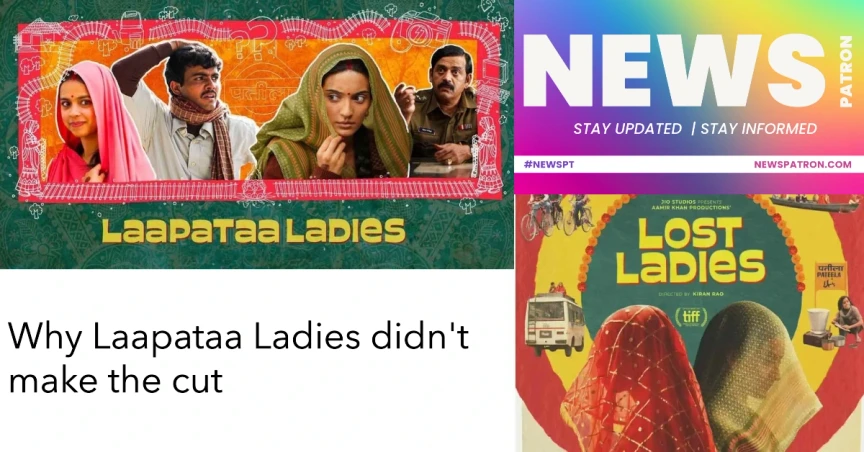

The Oscars are one of the most prestigious awards in the film industry, and making the shortlist is a significant achievement for any film. Welcome to a discussion that’s buzzing like a beehive in the film world – the Oscars Shortlist and how “Laapataa Ladies” didn’t quite make the cut. We’re going to take a stroll through why this film was India’s choice, explore the impact of not making the list, and discuss what this means for the future of Indian cinema on the global stage.
This article isn’t just straightforward; it’s a fascinating look at how films are chosen for such high stakes, why “Laapataa Ladies” might have been a hard nut to crack for the Academy, and whether Bollywood’s mainstream bubble plays a role in these decisions.
So let’s get started on this journey of discovery together! Before we dive into the details, if you’re into seeing the world from a different angle, check out some fantastic drone shots on the DroneMitra YouTube channel – “Your Sky is Digital with a Drone as a Friend”. And for more in-depth discussions, visit Newspatron’s channel – “Let Curiosity Be Your Guide”.
Introduction to the Oscars Shortlist
The Oscars Shortlist is a pivotal moment in the film industry, serving as the gateway to one of the most prestigious awards ceremonies in the world. Each year, films from around the globe vie for the chance to be recognized by the Academy of Motion Picture Arts and Sciences. Being shortlisted means a film has passed the first hurdle in the race towards an Oscar nomination, and it’s a testament to the quality, impact, or innovation of the work.
What Makes a Film Shortlisted?
To make it onto the Oscars Shortlist, a film must meet stringent criteria set by the Academy. For the International Feature Film category, countries submit one film that they believe best represents their cinematic output for the year. The selection is based on not just artistic merit but also how well the film communicates to an international audience, its cultural significance, and sometimes, its ability to resonate with Academy members.
- Narrative and Storytelling: Does the film tell a universal story or highlight unique cultural elements in a way that transcends language barriers?
- Technical Excellence: The cinematography, sound, and other technical aspects are scrutinized for their contribution to the film’s overall impact.
- Cultural Impact: How does the film stand out or influence the global perception of its country’s film industry?
Past Indian Entries and Their Performance
Historically, Indian cinema has had a mixed bag of results at the Oscars. While films like “Lagaan” and “Salaam Bombay!” made significant impacts, many entries have struggled to capture the same level of international acclaim. The choice of film is crucial, as it not only represents India but also sets the tone for how the world views Indian storytelling capabilities.
- Success Stories: When Indian films do get shortlisted or nominated, they often bring a spotlight to the rich tapestry of Indian cinema, encouraging more international collaborations and interest.
- Challenges: The selection process often sparks debate within India about which film truly deserves to fly the national flag at the Oscars, highlighting the diverse tastes and artistic expressions within the country’s film industry.
Laapataa Ladies – India’s Choice
Plot and Themes
“Laapataa Ladies,” directed by Kiran Rao, transports us to rural India in the year 2001, where we meet two young brides, Phool and Jaya. Their journey on a train turns into an unexpected adventure when they get swapped due to a mix-up of their veils. What begins as a comedic scenario deepens into a narrative exploring identity, societal norms, and the restrictive roles imposed on women by patriarchal society. The film cleverly weaves humour with poignant social commentary, making it both a laugh-out-loud experience and a reflection on gender roles.
Critical Reception
Critics have thrown accolades at “Laapataa Ladies” for its storytelling and the performances that bring its characters to life. The film stands out for its ability to entertain while delivering a meaningful message. Ravi Kishan’s portrayal, alongside the fresh faces of the lead actresses, has been particularly noted. The movie’s visual language and soundtrack have been celebrated for complementing its narrative, adding layers to the film’s impact.
Why Laapataa Ladies?
The Film Federation of India (FFI) chose “Laapataa Ladies” as India’s entry for the Best International Feature Film at the Oscars, citing its compelling narrative and its nuanced critique of societal issues. The selection committee was impressed by how the film managed to entertain while tackling social themes in a way that speaks to both local and international audiences. However, this choice stirred a pot of controversy. Many argued that films like “All We Imagine As Light” by Payal Kapadia, which had garnered international acclaim, might have had a stronger chance at capturing the Academy’s attention due to its artistic depth and universal appeal.
Recommended Product
Casio Vintage A168WA Digital Grey Unisex Watch
🛒 View on Amazon →As an Amazon Associate, we earn from qualifying purchases. Price and availability may vary.
While “Laapataa Ladies” was chosen for its cultural resonance, the decision sparked a broader debate about the criteria for selecting India’s Oscar entries. The choice reflects a balance between selecting a film that is culturally resonant and one that can navigate the international festival circuit’s tastes and preferences.
The Debate Over Selection
Alternative Choices
The choice of “Laapataa Ladies” over other contenders like “All We Imagine As Light” has stirred a pot of debate. Kapadia’s film, with its Cannes Grand Prix win, was seen by many as a potential powerhouse for the Oscars, given its international buzz and artistic merit. The FFI’s argument was that “Laapataa Ladies” encapsulated the essence of Indian culture and women’s issues, providing a narrative that might resonate with those looking for a story steeped in cultural authenticity. However, the question remains: in the quest for international recognition, should artistic acclaim or cultural representation take precedence?
The Role of Mainstream Bollywood
Critics often point out that Bollywood’s mainstream taste largely dictates the selection process. There’s a tendency to lean towards films that echo traditional narratives, possibly at the expense of films that might have a more universal appeal. This has led to discussions about whether India should send films that challenge conventional storytelling or those that fit the mold of mainstream cinema. The debate is not just about selection but about how Indian cinema is perceived globally – as a vibrant, evolving art form or as a reiteration of familiar tropes.
Impact of Not Making the Shortlist
Learning from the Loss
The exclusion of “Laapataa Ladies” from the Oscars shortlist has sparked a reflective moment for the Indian film industry. There’s a growing consensus that a more nuanced approach to film selection could serve Indian cinema better on the international stage. This includes prioritizing films that have already made waves at global festivals, ensuring they are not just culturally rich but also globally resonant.
Global Perception of Indian Cinema
Not making the cut can subtly shift the narrative around Indian cinema’s international standing. It underscores the importance of choosing films that not only celebrate Indian ethos but also engage with global audiences on shared human experiences. The challenge is to find films that can wear both these hats effectively, thereby enhancing India’s cinematic reputation and broadening its cultural export.
Moving Forward: Strategies for Better Representation
New Approaches to Selection
Moving forward, the selection process could benefit from a more open, inclusive strategy. Incorporating international film experts into the selection panel could provide insights into what resonates with a global audience. Also, leveraging the momentum from film festivals worldwide can give Indian films the visibility and credibility needed to compete at the Oscars.
Promoting Diversity in Indian Cinema
India’s film industry is a mosaic of stories waiting to be shared globally. By championing films from independent filmmakers, narratives from underrepresented communities, and stories that push the boundaries of traditional filmmaking, India can present a richer tapestry at international awards. This diversity not only showcases the breadth of Indian cinema but also aligns with the Academy’s increasing interest in diverse storytelling.
Conclusion: The Road Ahead
The Bright Future of Indian Cinema
Despite the current setback, the future looks promising for Indian cinema on the international stage. With lessons learned from past selections, there’s a path forward where innovation meets tradition, where films are chosen not just for what they represent culturally but for their universal appeal and artistic prowess. By embracing this dual focus, Indian filmmakers and selectors can aim for a spot on the Oscars shortlist, contributing to a narrative of growth and recognition for Indian cinema worldwide.
I’m always eager to hear your thoughts and perspectives, so feel free to share your comments below or connect with me, Kumar, Editor at Newspatron, on your favorite platform:
- For quick updates and insights: Follow me on Instagram, Twitter, YouTube, or Reddit.
- For deeper conversations: My Facebook profile is [currently private/open to new friends!]. Feel free to send a friend request from your authentic profile (no fake accounts, please!). Alternatively, you can like the Newspatron page to stay updated on all the latest happenings.
- For a visual journey: Follow me on Tumblr for captivating content and inspiring imagery.
- For instant updates: Subscribe to my WhatsApp Channel and be the first to know about new posts and announcements (your privacy is protected – I can only see the subscriber count, not your phone number).
- For quick chats and discussions: Connect with me instantly on Telegram.
- For a convenient way to stay in the loop: Subscribe to my RSS feed and never miss a post.
- For professional networking: Let’s connect on LinkedIn and share our industry insights.
You can find all the relevant links on the Newspatron homepage too. Looking forward to connecting with you!

[…] Read our analysis of how it captured global attention:https://newspatron.com/oscars-shortlist/ […]