






Original Images – Courtesy Maddock Films
Munjya: The Ghost, the Thread, and a Tale of Ancient Tradition
Get ready for a wild ride into the heart of Hindu traditions and some seriously spooky folklore! We’re about to spill the tea on the “janeu,” a sacred thread that’s more than meets the eye. But first, let’s take a detour into the creepy world of “Munjya,” a Hindi movie that’ll send shivers down your spine.
This flick isn’t just about jump scares; it’s rooted in real beliefs about the janeu, known as “munja” in Marathi. In the Konkan region of Maharashtra, “munjya” isn’t just a word—it’s the ghost of a boy who met a tragic end during his thread ceremony. Talk about a bad omen! ?
Through this chilling tale, we’ll uncover the secrets of the janeu, its place in Hindu culture, the rituals involved, and the ancient stories that still give people goosebumps. So, grab your popcorn and get ready to explore the janeu, a thread that connects generations, marks a boy’s journey into manhood, and reminds us of the thin line between the living and the spirit world. This is a story of faith, loss, and the power of ancient customs—you won’t want to miss it! ?
[Read about Bollywood and Regional Indian Cinema]
Unveiling the Mystery of Munjya
Hey there, movie buffs and curious minds! Ever heard of “Munjya”? It’s a Hindi horror flick that’ll leave you with chills and a newfound respect for old traditions. This ain’t your average scary movie; it’s a deep dive into folklore, where the living and the dead kinda, sorta, maybe cross paths.
This movie is all about a dude named Munjya, a spirit with a serious chip on his shoulder. But he’s not your friendly neighborhood ghost; he’s the bad boy of the spirit world, and his story is tied to a sacred thread called the janeu.
Recommended Product
Casio Enticer Men's Analog Green Dial Watch MTP-VD01D
🛒 View on Amazon →As an Amazon Associate, we earn from qualifying purchases. Price and availability may vary.
MUnjya never loves,
he only “Lagin” [???? ]
Konkan Vibes and Scary Stories
So, where did this whole Munjya thing come from? It’s all about the Konkan region of Maharashtra, a place famous for its beaches, yummy seafood, and some seriously spooky stories. In Konkani folklore, “munjya” means two things: the local word for the janeu [Munja] [????] thread, and a [???????] vengeful spirit—a young boy who died during his thread ceremony and came back to, well, not exactly say hi. ?
[View a blog about Ratnagiri – Konkan Region by Curly Tales]
Log onto www.maharashtratourism.gov.in to get more information about the destination.
[Get to know how the Western Ghats: Formation, structure and composition with animation]
The Janeu: Not Your Average Thread
Hold up, what’s a janeu anyway? It’s not just any old string; it’s a super important symbol in Hindu culture. It’s also called “yagnopavit” in Sanskrit, which sounds fancy but means “thread of sacrifice.” (Don’t worry, no actual sacrifices involved!)
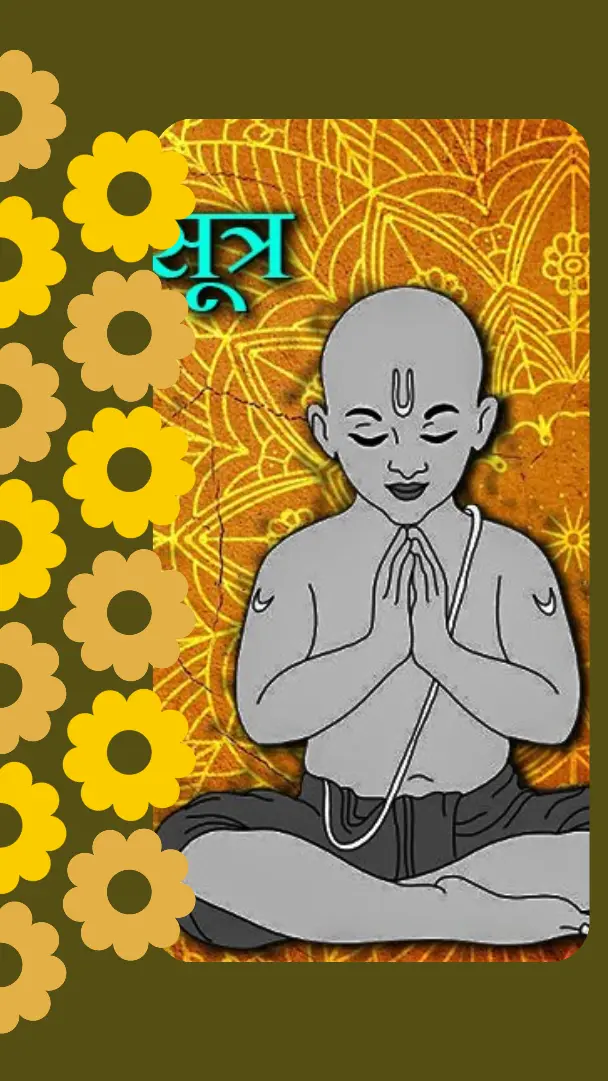
The Thread of Life
This thread isn’t just a fashion statement; it’s a reminder of the boy’s responsibilities and his connection to the divine. Think of it like a little voice in your head saying, “Hey, remember to be a good person and do what’s right!”
The janeu is usually made of cotton and has three strands that represent different things, like the three main Hindu gods: Brahma (the creator), Vishnu (the protector), and Shiva (the transformer). There are also nine strands for different deities or good qualities, and 96 little knots tied in a special way. It’s like a super-powered friendship bracelet with a whole lot of spiritual juice.
Munjya: The Ghost with a Grudge
Now, back to our not-so-friendly ghost, Munjya. In the movie, he’s this troubled soul who’s out for revenge. His story is a warning about messing with old traditions and letting your desires get the best of you. It’s like a Shakespeare play, but with Indian spices and a killer soundtrack.
Why is Munjya so angry? It all started when he was a young boy named Gotya, who was totally in love with a girl named Munni. But things went wrong when he tried to use some dark magic to win her heart. Spoiler alert: it didn’t end well. He died during his thread ceremony and became the vengeful spirit we now know as Munjya.
There you have it—a sneak peek into the “Munjya” movie and the spooky folklore behind it. But we’re just getting started! Stay tuned as we dig deeper into the meaning of the janeu, the rituals around it, and how it connects people to their faith and culture.
Trust me, this is gonna be awesome! ?
Decoding the Janeu: A Sacred Thread of Significance
Alright, peeps, let’s get down to the nitty-gritty of this whole janeu business. What’s the deal with this thread, and why is it such a big deal in Hindu culture?
The Janeu: More Than Meets the Eye
First things first, this ain’t your grandma’s sewing thread. The janeu, also known as yagnopavit in Sanskrit or poonal in some parts of India, is like a spiritual status symbol. It’s a sign that you’re part of the Hindu crew and that you’re ready to take on the responsibilities that come with it.
Names Galore:
Now, this thread goes by different names depending on where you are in India. In the north, it’s usually called “janeu,” while down south, it’s “poonal.” And in the Konkan region, where our spooky friend Munjya comes from, it’s called “munja.” It’s like the thread has multiple personalities, but it’s all good vibes, no drama.
Upanayana: The Thread Ceremony
So, how do you get this sacred thread? Well, it’s not like you can just buy it at the mall. You gotta earn it through a special ceremony called the Upanayana. Think of it like a graduation ceremony, but instead of getting a diploma, you get a thread. And trust me, this ain’t no participation trophy; it’s a symbol of your commitment to a life of learning and spirituality.
During the ceremony, a priest or a guru (teacher) will tie the janeu around the boy’s body in a specific way. It’s a pretty elaborate ritual, with lots of chanting, prayers, and blessings. The whole thing is like a spiritual makeover, transforming the boy from a carefree kid into a responsible young adult. It’s like leveling up in a video game, but instead of gaining new skills, you’re gaining wisdom and spiritual strength. ?
The Symbolism Behind the Thread
Now, let’s talk about what this thread actually means. It’s not just a piece of string; it’s like a secret code with hidden messages. The three strands of the janeu represent the three main Hindu gods: Brahma (the creator), Vishnu (the preserver), and Shiva (the destroyer). It’s like a holy trinity, all wrapped up in one little thread. It’s like wearing a tiny reminder of the divine forces that shape the universe.
But wait, there’s more! The janeu also represents the three debts that every Hindu is believed to have: the debt to the gods (for creating us), the debt to our ancestors (for giving us life), and the debt to our teachers (for guiding us). So, wearing the janeu is like a constant reminder to pay back these debts by living a righteous life, doing good deeds, and learning as much as we can. It’s like a spiritual to-do list, but instead of chores, it’s about personal growth and enlightenment. ?
Janeu: Your Spiritual Sidekick
Think of the janeu as your own personal spiritual sidekick. It’s always there, reminding you to stay on the right path and be the best version of yourself. It’s like having a little angel on your shoulder, whispering words of wisdom and encouragement. But it’s not about being perfect; it’s about striving to be better and living a life that’s in harmony with your values. It’s like having your own personal hype man, but instead of cheering you on at a game, they’re cheering you on in life. ?
The janeu is a symbol of your individual journey, and it’s up to you to make the most of it. It’s like a blank canvas; you get to paint your own spiritual masterpiece. ?
So, there you have it—the janeu is more than just a thread. It’s a symbol of faith, tradition, and personal growth. It’s a reminder of our responsibilities and our connection to something bigger than ourselves. And it’s a pretty cool accessory, too. ?
The Anatomy of the Yagnopavit: Threads, Knots, and Numbers
Alright, my curious compadres, let’s geek out a little and dissect the anatomy of the yagnopavit. It’s not just a random tangle of threads; it’s a carefully crafted symbol with layers upon layers of meaning. Think of it like a spiritual decoder ring, where each element tells a story.
Three Threads: The Holy Trinity – Brahma, Vishnu, and Mahesh
First up, we’ve got the three threads (or “lads” in Hindi) that form the backbone of the janeu. These aren’t just any threads; they represent the big three of Hindu gods, the Trimurti:
- Brahma: The OG creator, the one who kicked off this whole universe thing. He’s like the ultimate architect, designing everything from galaxies to guppies.
- Vishnu: The preserver, the dude who keeps the universe running smoothly. He’s like the cosmic maintenance guy, making sure everything’s in working order.
- Shiva: The destroyer (but in a good way!). He’s the one who breaks things down to make way for new beginnings. Think of him like the ultimate recycler, turning old junk into fresh possibilities.
Wearing these three threads is like having a divine power trio on your side, each one representing a different aspect of life, death, and rebirth. It’s like a reminder that everything’s connected and that even destruction can lead to new beginnings.
Nine Strands: A Spiritual Power-Up
But wait, there’s more! Each of those three threads is actually made up of three smaller strands, totaling nine strands (or “tars”). These nine strands are like spiritual power-ups, representing nine deities or virtues. Some say they’re the nine planets, while others believe they stand for qualities like strength, courage, and wisdom. It’s like having a whole squad of celestial cheerleaders rooting for you!
96 Cross-Stitches: A Mantra for Your Soul
Now, if you look closely, you’ll spot 96 tiny cross-stitches (or “chauvas”) on the janeu. These aren’t just for show; they’re a nod to the Gayatri Mantra, one of Hinduism’s most sacred prayers. This mantra is like a spiritual pep talk, asking the sun god for guidance and enlightenment. Each Veda (ancient Hindu scripture) has its own version, and with 24 syllables per mantra and four Vedas, you get 96. It’s like math class, but way more mystical. ??
The Brahma Knot: Tying It All Together
Last but not least, there’s the Brahma knot, the knot that binds all three threads together. This knot isn’t just about keeping things tidy; it’s a symbol of unity. It represents the interconnectedness of the Trimurti (those three awesome gods) and the individual soul’s connection to the universal soul, or Brahman. It’s like a reminder that we’re all part of something bigger than ourselves, like a giant cosmic hug. ?
So, there you have it—a crash course in janeu anatomy! It’s not just a piece of string; it’s a symbol of faith, tradition, and spiritual connection. It’s a reminder of our duties, our virtues, and our place in the universe. And hey, it’s a pretty cool accessory to rock, too! ?
The Haunting Legend of Munjya: A Tale of Love, Loss, and the Supernatural
Hold on tight, folks, because this is where things get a little spooky. We’re about to dive headfirst into the eerie legend of Munjya, the ghost that’s been giving Konkani villagers the heebie-jeebies for ages.
Munjya: The Ghost with a Past
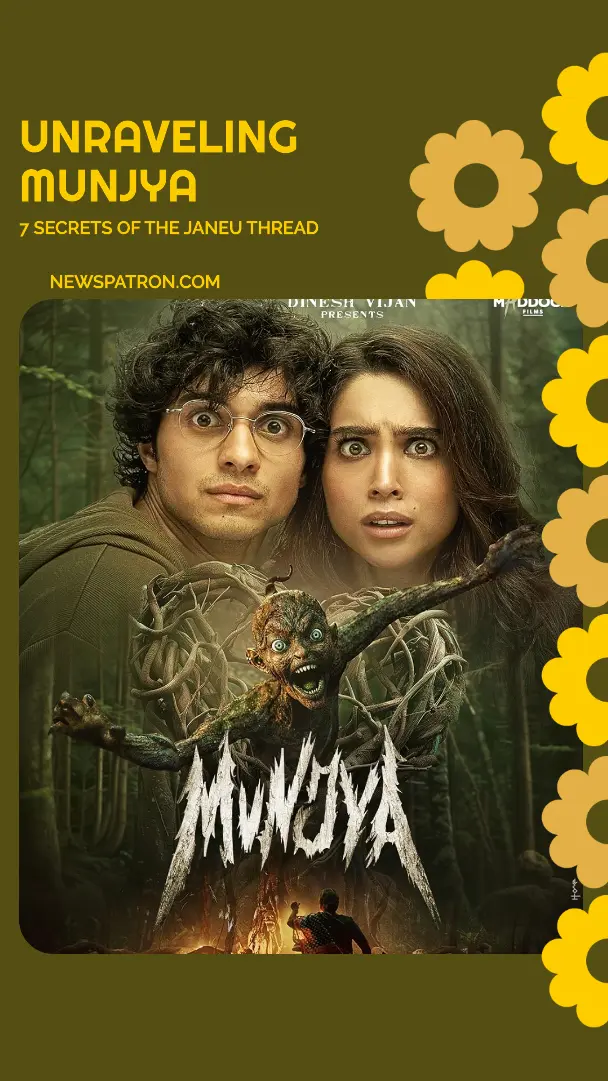
Desperate Times, Desperate Measures
Unfortunately, Gotya wasn’t exactly a smooth operator. Instead of wooing Munni with flowers and chocolates, he decided to go full-on sorcerer’s apprentice and dabble in some dark magic. He figured he could use some ancient rituals to make Munni fall for him. Talk about a major fail! ????
Spoiler alert: Gotya’s plan backfired big time. During his thread ceremony, the very ritual that was supposed to mark his transition into adulthood, something went horribly wrong. The dark forces he’d messed with turned on him, and he ended up dying. But his story didn’t end there. Gotya’s spirit became trapped, transforming him into the vengeful ghost known as Munjya.
The Peepal Tree: Munjya’s Haunted Hangout
In the movie, Munjya haunts a peepal tree, a type of fig tree that’s considered sacred in India. Peepal trees are often associated with spirits and deities, so it’s the perfect spot for a ghost with a grudge. It’s like his own personal haunted house, but instead of creaky stairs and cobwebs, it’s got roots and leaves. ??
The movie doesn’t shy away from showing Munjya’s scary side. He’s got this creepy, ethereal look, with long, messy hair and eyes that seem to pierce your soul. He’s not the kind of ghost you’d want to bump into in a dark alley, that’s for sure. ?
Munjya’s Motives: Love, Loss, and Revenge
So, what’s Munjya’s deal? Is he just a random ghost who likes to scare people, or is there more to his story? Well, it seems like his main motivation is a mix of unrequited love and a thirst for revenge. He’s still hung up on Munni, and he blames those who wronged him in life for his tragic fate. It’s a classic tale of love gone wrong, with a supernatural twist.
The movie does a great job of exploring these themes, showing us the dark side of love and the dangers of messing with the supernatural. It’s a cautionary tale that reminds us to respect ancient traditions and not to let our desires lead us astray. In other words, don’t try this at home, kids! ?
Munjya’s Legacy: A Konkani Legend
The story of Munjya has become a legend in the Konkan region, passed down through generations. It’s a reminder of the power of folklore and the enduring appeal of ghost stories. Even today, some people believe that Munjya still haunts the peepal tree where he died. Talk about a long-term lease! ??
The movie “Munjya” has helped to bring this legend to a wider audience, sparking renewed interest in Konkani folklore and the supernatural. It’s a testament to the power of storytelling and the way it can connect us to our cultural roots. It’s also a reminder that even the spookiest stories can teach us valuable lessons about life, love, and the importance of staying true to ourselves.
Munjya director Aditya Sarpotdar on 100 crore, comparison with Stree, Alia-Shraddha casting & more [Watch on YouTube]
Join the Discussion
Your opinion matters! We invite you to express your views. Join our forum, engage in thoughtful discussions, share information, and submit your content. Let’s delve into diverse perspectives together.
[bbp-single-topic id=6536]
Munjya’s Impact on Konkani Culture
“Munjya” wasn’t just your average horror flick; it struck a chord with audiences and left a lasting impression on Konkani culture. Let’s take a closer look at how this movie shook things up.
A Box Office Smash and Cultural Phenomenon
First off, “Munjya” wasn’t just a critical darling; it was a bonafide box office hit. It raked in a cool ?128.36 crore worldwide, which is no small feat for a regional film. This success speaks volumes about the movie’s appeal and its ability to resonate with audiences beyond the Konkan region. It was like the “Avengers: Endgame” of Konkani cinema! ?
But “Munjya” wasn’t just about the money; it sparked a cultural phenomenon. It got people talking about Konkani folklore, the janeu tradition, and the power of ancient beliefs. It was like a wake-up call, reminding folks of their cultural heritage and the importance of preserving these stories for future generations. It was like a cultural revival, but with way more popcorn and jump scares. ?
Revitalizing Folklore and Tradition
One of the coolest things about “Munjya” is how it brought Konkani folklore to the mainstream. The movie introduced audiences to a whole cast of characters and creatures from local legends, like the mischievous Munjya and the wise old peepal tree. It was like a crash course in Konkani mythology, but with way better special effects. ?
But it didn’t just rehash old stories; it gave them a fresh, modern twist. The film’s slick visuals, catchy soundtrack, and relatable characters made these ancient tales feel relevant and exciting to a new generation. It was like a remix of your favorite song, but with a whole new beat that got everyone on the dance floor. ??
Sparking Conversations and Challenging Beliefs
“Munjya” also sparked some serious conversations about the janeu tradition and its place in modern society. The movie raised questions about the role of rituals, the consequences of blind faith, and the importance of respecting ancient customs. It was like a philosophy class, but with way more ghosts and drama. ?
It also challenged some long-held beliefs about the supernatural. The movie portrayed Munjya as a complex character, not just a one-dimensional villain. He was a victim of his own desires, a lost soul seeking love and acceptance. This nuanced portrayal made people think twice about the traditional view of ghosts as purely evil beings. It was like a therapy session for the undead, but with way more chills and thrills. ??
Munjya’s Lasting Legacy
The impact of “Munjya” on Konkani culture is undeniable. It revived interest in local folklore, sparked conversations about tradition, and challenged people to think critically about their beliefs. It also showed the world that regional cinema can be just as powerful and engaging as big-budget Bollywood blockbusters. It was like a mic drop moment for Konkani cinema, proving that it can hold its own on the world stage. ??
The movie’s legacy continues to live on, inspiring new generations to explore their cultural roots and embrace the rich tapestry of Konkani traditions. It’s a reminder that even the spookiest stories can teach us valuable lessons about life, love, and the importance of staying true to ourselves. It’s like a cautionary tale, but with a heartwarming message. ??
Janeu in Daily Life: Rituals, Rules, and Responsibilities
Okay, now that we’ve explored the spooky side of the janeu, let’s get down to the everyday reality of wearing one. Spoiler alert: it’s not all ghost stories and Bollywood drama.
Wearing the Janeu: A Daily Reminder of Your Dharma
Think of the janeu as your spiritual wingman, always there to keep you on the straight and narrow. You’re supposed to wear it 24/7, even when you’re catching some Zs or getting squeaky clean in the shower. It’s like a constant reminder to be your best self and follow your dharma (that’s your duty, for those not in the know).
Now, there are some rules about how to rock this sacred thread. It’s usually worn across the chest and over the left shoulder, and it can’t be worn below the waist. You’re also supposed to keep it clean and tidy, so no using it as a makeshift napkin or shoelace. That’s just a major fashion faux pas, not to mention disrespectful to the thread’s spiritual significance.
Sandhya Vandanam: Prayer Time, Y’all!
If you’re sporting a janeu, you’re also expected to perform daily prayers called Sandhya Vandanam. These prayers are like your spiritual check-in, a time to connect with the divine and reflect on your actions. It’s like having a heart-to-heart with the big guy upstairs, but without the awkward small talk.
Sandhya Vandanam is usually done three times a day: at dawn, noon, and dusk. Each prayer session involves chanting mantras, offering water and flowers to the gods, and reflecting on your duties and responsibilities. It’s like a mini-yoga retreat for your soul, but without the downward dogs and sweaty mats.
The Janeu’s Do’s and Don’ts: The Sacred Thread Commandments
Wearing a janeu comes with a whole set of rules, kinda like a spiritual rulebook. Here’s the lowdown:
- Do: Keep it clean, wear it properly, perform daily prayers, respect your elders, and strive to be a righteous person. Basically, be a good human being and you’re golden.
- Don’t: Wear it below the waist (that’s a big no-no), use it for everyday tasks (like tying your hair or fixing your flip-flops), disrespect it in any way (that’s just bad karma), or engage in sinful activities (duh!).
Think of it like a spiritual code of conduct. It’s not about being perfect, but it’s about striving to be better and living a life that’s in harmony with your values. It’s like having your own personal set of commandments, but with less smiting and more self-reflection.
The Janeu: Your Moral Compass
The janeu is more than just a thread; it’s a symbol of your commitment to a higher purpose. It’s a reminder to be kind, compassionate, and always strive for self-improvement. It’s like having a moral compass built right into your wardrobe, guiding you towards the right path.
So, if you ever see someone wearing a janeu, remember that it’s not just a fashion statement. It’s a symbol of faith, tradition, and personal responsibility. It’s a reminder that we’re all connected and that we have a duty to each other and to the world around us. It’s a thread that binds us together, even in a world that’s constantly changing.
So, there you have it—the janeu is more than just a thread; it’s a way of life. It’s a symbol of devotion, a reminder of responsibility, and a guide on your spiritual journey. It’s a thread that connects you to your ancestors, your community, and the divine.
Conclusion: The Timeless Thread of Faith and Folklore
So, there you have it, folks! We’ve journeyed from the silver screen’s spooky tales to the sacred symbolism of the janeu, a thread that’s more than just a piece of string. It’s a cultural icon, a spiritual compass, and a fashion statement all rolled into one.
From the haunting legend of Munjya to the everyday rituals of Sandhya Vandanam, the janeu is a thread that weaves together generations, beliefs, and traditions. It’s a reminder of our connection to the past, our responsibilities in the present, and our aspirations for the future.
Whether you wear a janeu or not, its story reminds us of the power of faith, the importance of respecting ancient customs, and the enduring appeal of folklore. It’s a thread that connects us all, regardless of our backgrounds or beliefs.
So, the next time you see someone rocking a janeu, remember that it’s not just a piece of clothing. It’s a symbol of a rich cultural heritage, a commitment to personal growth, and a reminder that even the spookiest stories can teach us valuable lessons about life, love, and the power of tradition.
