




Let’s be honest: If you travel on the Western Line, especially towards Dahanu, your morning commute isn’t just a journey; it’s an extreme sport. But lately, for the 2.5 lakh daily warriors on the Dahanu Road-Churchgate route, it has become a straight-up gamble with life and limb.
The Pressure Cooker: Why Your Commute Feels Like a Battle Royale
Imagine Kelve Road and Virar stations transforming into gladiatorial arenas where thousands fight for a toehold on a train that’s already bursting at the seams. This isn’t hyperbole. Recent reports and viral footage from January 2026 paint a grim picture of a system on the brink of collapse. As new timetables disrupt schedules and long-promised infrastructure upgrades stall, the “Dahanu Local” has become synonymous with despair.
It’s not just about being late to work anymore; it’s about the visceral fear of falling from a packed footboard or being crushed in a platform stampede. The voices from the ground are clear: this is a daily death trap.
The Trigger: How a Simple Timetable Tweak Created Chaos
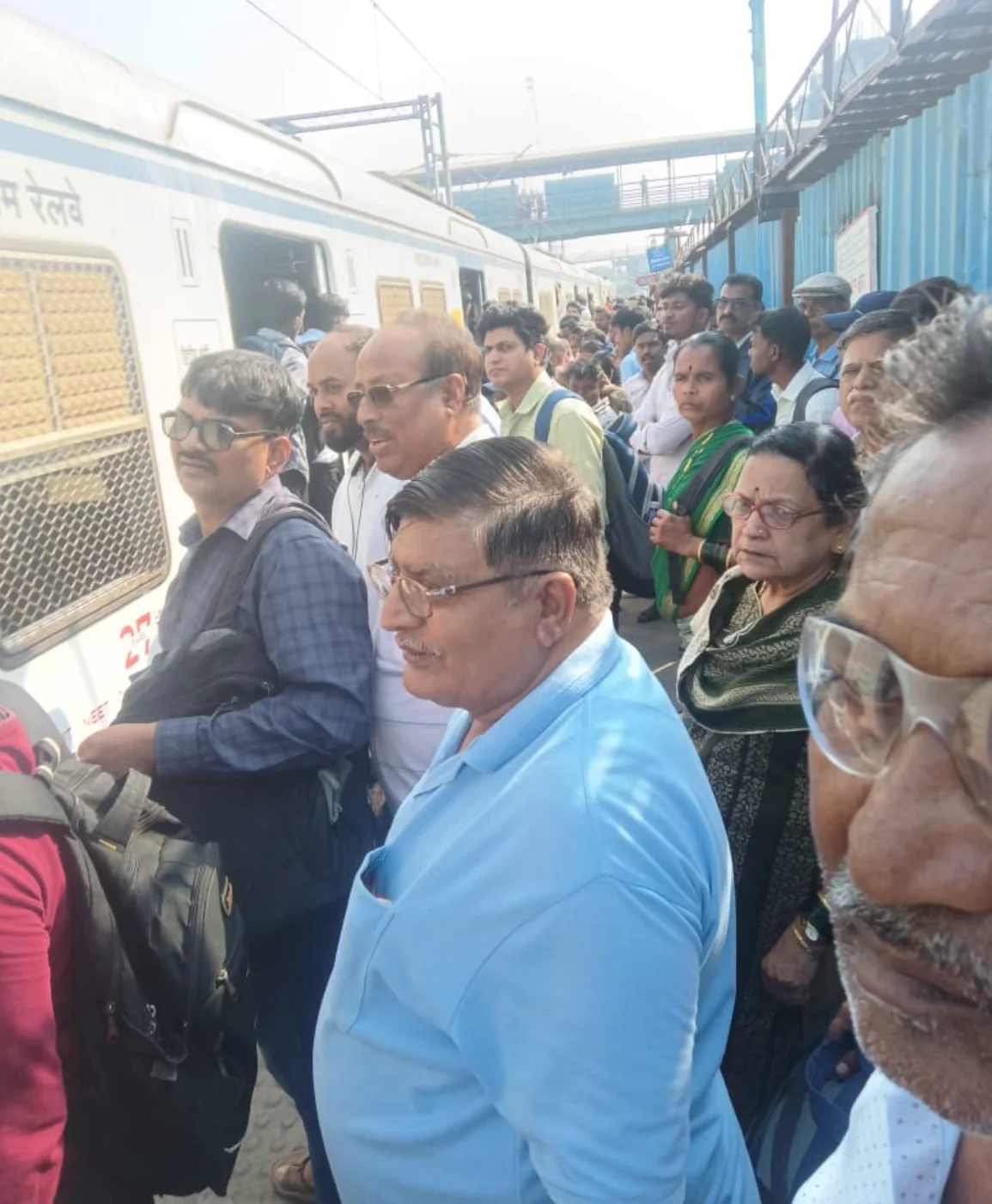
So, what sparked this latest round of misery? The immediate culprit lies in the revised train schedule effective January 1, 2026. The 93008 Dahanu-Churchgate local, a crucial morning lifeline, saw its departure shifted from 6:05 AM to 6:52 AM.
On paper, this was likely intended to improve punctuality. In reality? It backfired spectacularly. Without adding extra capacity, the shift simply compressed the rush hour, leading to platforms bursting at the seams.
Compounding this are frequent technical glitches. OHE wire breakdowns and signal failures have become routine, causing delays of 20-45 minutes. When trains finally arrive, they are often already full from previous stations, leaving hundreds stranded at Kelve Road, unable to board. It’s a logistical nightmare that leaves commuters helpless.
Voices from the Crush: Anger, Resignation, and Real Fear
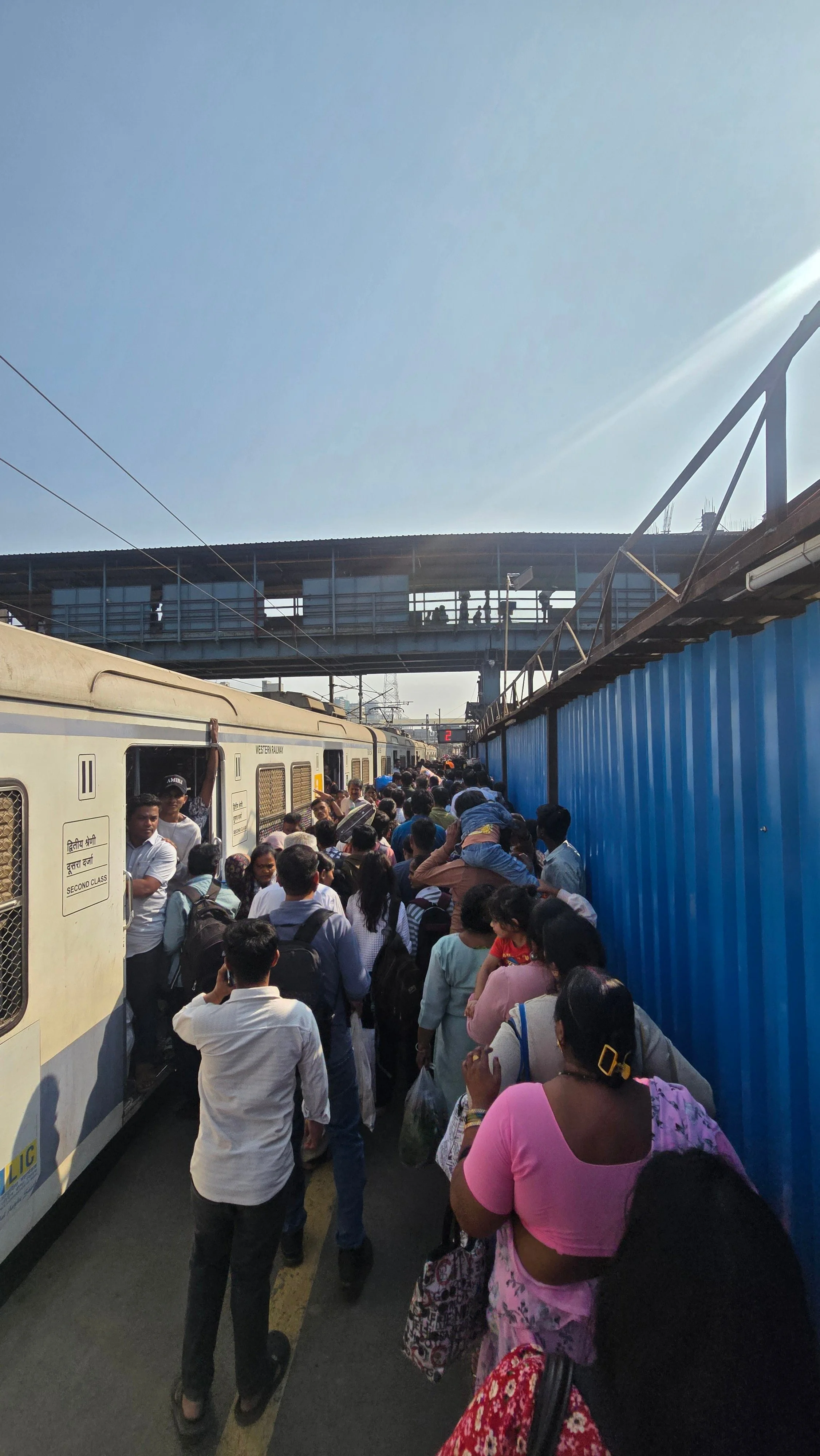
Online forums and social media platforms have become the only outlet for this collective fury. The sentiments range from boiling rage to a heartbreaking resignation.
Recommended Product
Magnesium Body Spray – Muscle Recovery & Lavender Scent
🛒 View on Amazon →As an Amazon Associate, we earn from qualifying purchases. Price and availability may vary.
- The Plea for Help: One user, tagging railway officials, posted a desperate appeal: “From Kelva Road onward people cannot even board the train… We humbly appeal… Please give us additional services.”
- The Anger: Another commuter, stuck in an AC local for 30 minutes before Borivali, didn’t mince words, calling the service “absolutely shameless.”
- The Resignation: “New Year same shit. Trains on Western Railway 20min late. Stop your sixth line work bullshit,” wrote a daily traveler. This isn’t just complaining; it’s the sound of a populace feeling abandoned.
- The Fear: A member of a local commuter group highlighted the terrifying reality: “Railway management did not act sensible… causing massive overcrowding and near-misses.”
The phrase “stepmotherly treatment” recurs often, highlighting the perception that Dahanu commuters are second-class citizens compared to their counterparts in South Mumbai.
The Elusive Promise: Where Are the 15-Car Rakes?
For years, the solution has been dangled like a carrot: 15-car rakes. These longer trains could increase capacity by 25%, a vital buffer for the surging crowds. First promised in 2021, the timeline for their introduction has stretched like a rubber band.
While work has finally begun on extending platforms at Virar and 33 other stations, the completion date of March 2026 feels agonizingly distant for those suffering today. The disconnect between official announcements and ground reality is stark. Commuters read about “700 new locals by 2028” while fighting to board a 12-car rake that feels like a sardine can.
The Human Cost: Fights, Falls, and the Daily Gamble
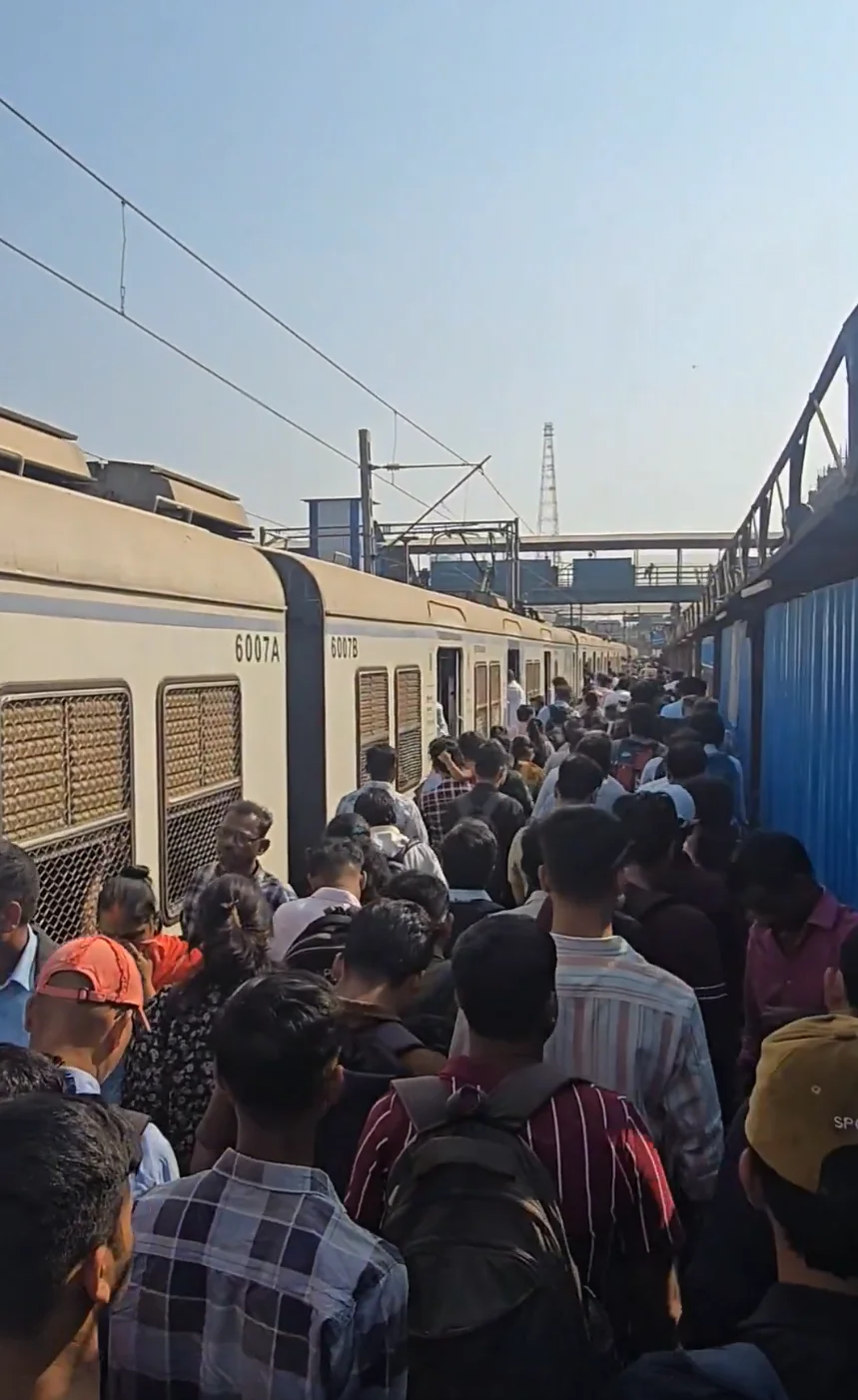
The overcrowding isn’t just uncomfortable; it’s dangerous. Viral videos from June 2025, resurfacing now, show hair-pulling brawls breaking out in ladies’ compartments as nerves fray. Other clips document the terrifying risk of footboard travel, a necessity when coaches are packed to 150% capacity.
The specter of fatalities looms large. Documentary-style clips online highlight the grim statistics of track deaths due to overcrowding. Every delay, every cancelled train increases the density of the crush, pushing the system closer to another tragedy like the Elphinstone Road stampede.
Conclusion
The situation at Kelve Road and along the Dahanu corridor is a ticking time bomb. The railway administration’s “humble appeals” for patience ring hollow to those risking their lives daily. Immediate interim measures—like running special services during peak hours or strictly enforcing long-distance train slots—are needed to bleed off the pressure.
As Mumbai races towards a population of 25 million, its transport infrastructure is gasping for breath. The 15-car rakes and quadrupled lines are necessary, yes, but they cannot come at the cost of present-day safety. Until the tracks hum with adequate relief, the Dahanu line remains a testament to the resilience—and the neglect—of Mumbai’s forgotten frontier.
Key Takeaways:
- Timetable Trouble: The shift in the 93008 local’s timing has worsened overcrowding.
- Safety Risk: Commuters are forced to hang off footboards due to lack of space.
- Delayed Upgrades: The promise of 15-car rakes remains unfulfilled, with relief months away.
I’m always eager to hear your thoughts and perspectives, so feel free to share your comments below or connect with me, Kumar, Editor at Newspatron, on your favorite platform.
