




By the NewsPatron Strategic Desk
For decades, the golden rule of Mumbai politics was simple: “Win the Marathi Manoos, Win Mumbai.”
That rule has just been rewritten.
The recent election verdict is not just a victory for the BJP; it is a fundamental shift in the DNA of Maharashtra’s capital. Based on exclusive insights from regional analysts and ground-level data, here is why the “Cosmopolitan Wave” has replaced the old guard.
1. The Cosmopolitan Reality: Identity Politics Failed
Mumbai has proven once again that it is a multilingual, global city first, and a regional hub second. The long-held belief that consolidating the Marathi vote would be enough to defeat the BJP has been shattered by the cold, hard data.
According to survey data and voting patterns analyzed by strategic forums, the consolidation of non-Marathi voters behind the BJP was unprecedented. While the Marathi vote split heavily between factions, the “outsiders” voted en masse for development and stability.
| Demographic Group | BJP+ Vote Share | Opposition Vote Share |
|---|---|---|
| North Indians | 68% | 19% |
| South Indians | 61% | 21% |
| Gujaratis | 70%+ | 15% |
| Marathi Speakers | 35-42% (Split) | 49% |
The message is clear: Infrastructure projects like the Metro, the Coastal Road, and the Atal Setu resonated more with the aspirational class than emotional appeals to linguistic identity.
2. Fadnavis: The Audition for Delhi is Complete
This victory settles the debate: Devendra Fadnavis is no longer just a state leader.
By dismantling the opposition’s strongholds and successfully engineering a “Grand Alliance,” Fadnavis has proven he possesses the operational efficiency that the central leadership values. Insider chatter suggests that this victory has firmly positioned him as a future national contender.
Recommended Product
Amazon Renewed — Best Deals of the Day
🛒 View on Amazon →As an Amazon Associate, we earn from qualifying purchases. Price and availability may vary.
He isn’t moving to Delhi tomorrow, but by delivering Maharashtra—the second most important state politically—he has effectively submitted his audition tape for the biggest role in Indian politics down the line.
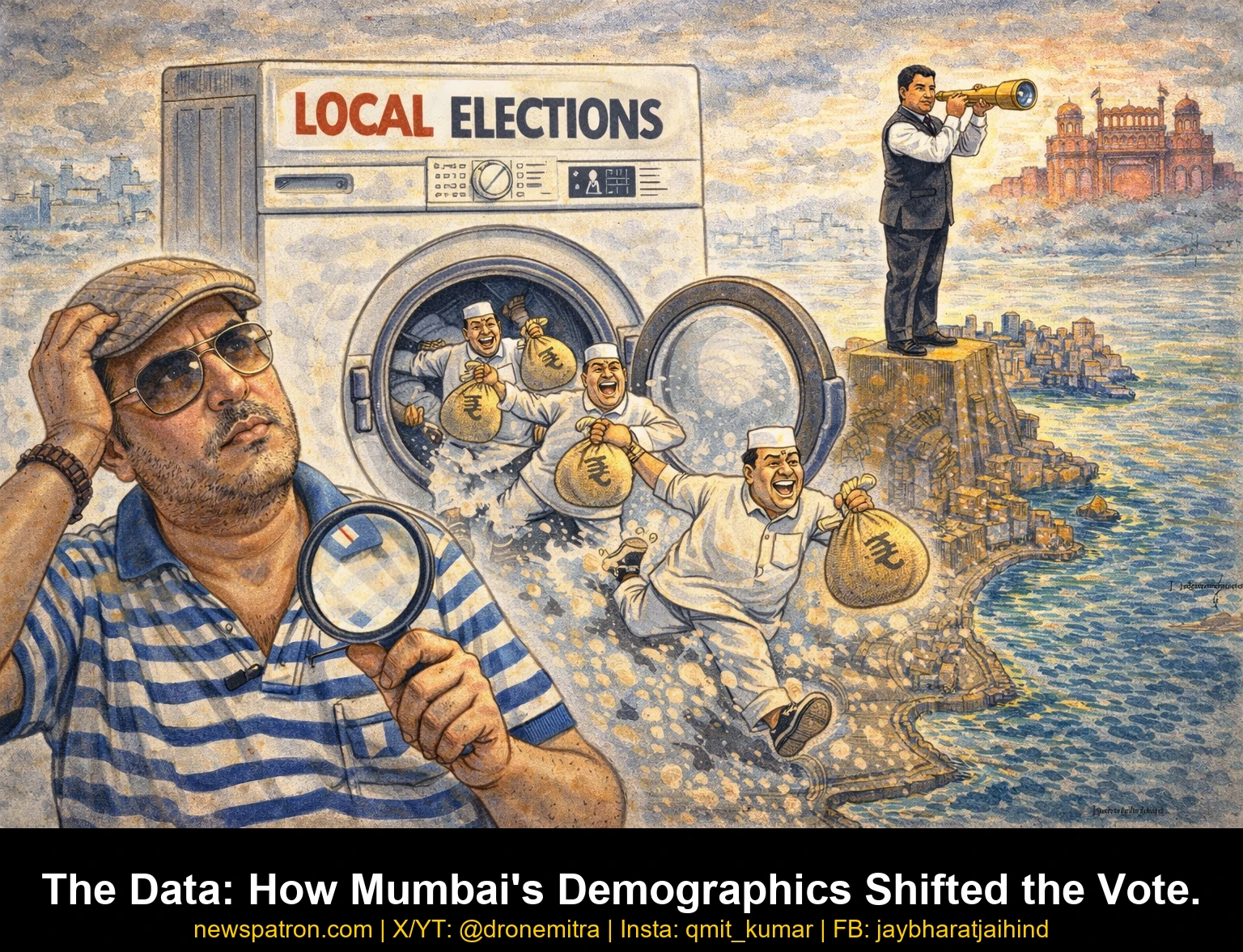
3. The “Washing Machine” Election: The Dangerous Rise of Money Power
While we celebrate the strategy, we must address the dark underbelly of this verdict: The Barrier to Entry.
Ground reports from Pune and Mumbai suburbs have highlighted a disturbing trend. In some constituencies, viral reports suggest upwards of ?100 Crore was deployed in a single suburb. From “washing machines” to “silver coins” allegedly being distributed, the capital required to even enter the race has become astronomical.
This has created a dangerous filter: Only the super-wealthy or those backed by massive corporate agendas can now afford to fight an election. The “Undesirable Candidate” is rising—someone who treats politics not as public service, but as a business investment seeking a return. If this trend continues, honest leadership will become a statistical impossibility.
4. The NCP Puzzle: A Reunion on the Cards?
With the dust settling, the whispers of an Ajit Pawar – Sharad Pawar reunion are growing louder. Regional analysts argue that the “split” may have served its strategic purpose. With family disputes reportedly resolved, a merger might be the only way for the NCP to survive the BJP’s dominance. Watch this space—the family drama isn’t over yet.
THE POLITICAL LIBRARY
Decode the Strategy
