




India Shining, or Just a Mirage? A Closer Look at Poverty’s Many Faces
The 2024 Lok Sabha elections were a wild ride, weren’t they? We saw a familiar face return to power, yet the streets whispered of economic anxieties. Amidst the fanfare of “India Shining,” concerns about joblessness, rising prices, and inequality echoed louder and louder.
It’s like the government’s throwing a big party, but not everyone’s invited. Or maybe everyone’s technically invited, but some folks are stuck in the back room with the stale samosas while others feast at the buffet. Not cool, right?
Look, we all know poverty isn’t just about how many zeroes are in your bank balance. It’s a multi-headed monster – it’s about struggling to feed your family, finding a safe place to sleep, and wondering how you’ll ever pay for your kid’s school fees. It’s about being trapped in a cycle of hardship, where every day feels like an uphill battle.
But here’s the kicker: what if the way we’ve been measuring poverty is as outdated as that landline phone your grandma still uses? What if it’s missing the bigger picture, the real struggles faced by millions of Indians?
That’s where Niti Aayog’s National Multidimensional Poverty In India Index (MPI) comes in. It’s like upgrading to a smartphone – it gives us a clearer, more comprehensive view of poverty in India. But is it the perfect solution?
In this blog post, we’re going on a deep dive into the MPI. We’ll look under the hood, poke around the data, and ask the tough questions. We’ll even throw in some ideas of our own on how we can better understand and tackle poverty in India. So, grab a cup of chai and get ready for a thought-provoking journey!
[Read previous posts about Politics]
Understanding Poverty: Beyond the Rupee
Let’s be real – money talks. But can it tell us the whole story about poverty? Nope. It’s like judging a book by its cover – you might get a hint of what’s inside, but you’re missing the heart of the story.
Recommended Product
Casio Vintage A168WA Digital Watch – Classic Retro Style
🛒 View on Amazon →As an Amazon Associate, we earn from qualifying purchases. Price and availability may vary.
The Limits of Counting Rupees
For years, we’ve relied on income-based measures to figure out who’s struggling. But here’s the thing: poverty isn’t just about having a thin wallet.
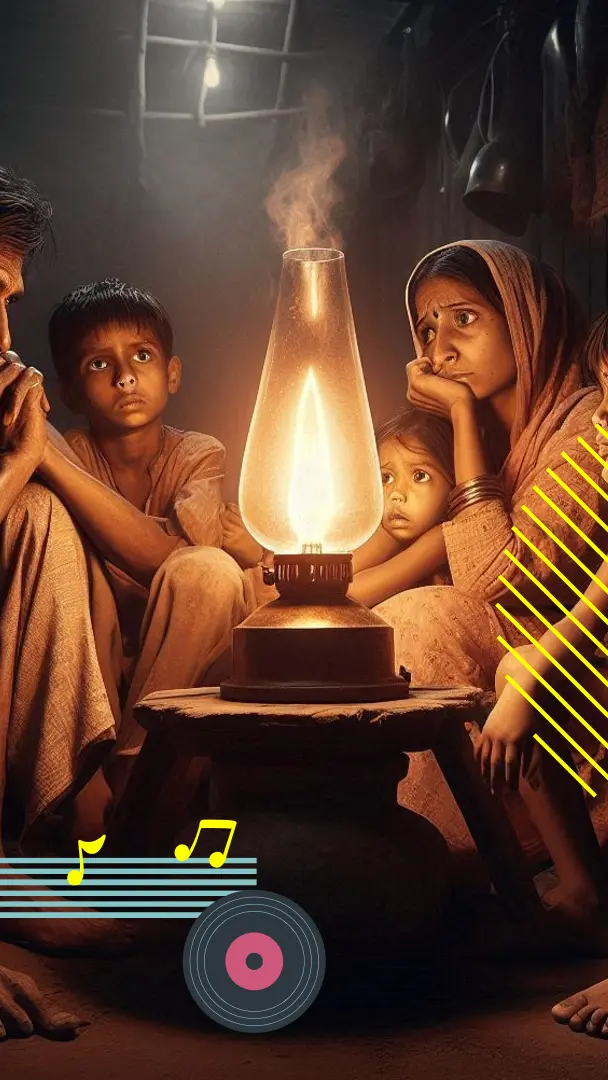
Imagine a family with a decent income but living in a crumbling house, constantly worrying about getting sick, and having to choose between food and education. Their struggle is real, even if their income doesn’t scream “poverty.”
The Multidimensional Makeover
That’s where the National Multidimensional Poverty Index (MPI) comes in. It’s like giving our understanding of poverty a much-needed makeover. Developed by NITI Aayog, the Indian government’s think tank, the MPI goes beyond simply counting rupees. It takes a closer look at the different aspects of life that contribute to well-being.
12 Pieces of the Puzzle
The MPI looks at 12 different indicators, like puzzle pieces that fit together to create a fuller picture of poverty. These indicators fall into three main categories:
- Health: Are people getting enough to eat? Are kids surviving childhood? Are pregnant women getting the care they need?
- Education: How many years of school have people completed? Are kids going to school regularly?
- Standard of Living: Do people have access to clean cooking fuel, toilets, safe water, and electricity? Do they have a decent place to live and some basic assets? Do they have a bank account?
Each of these indicators is like a clue, helping us understand the different ways poverty can affect people’s lives.
Beyond the Poverty Line
This approach helps policymakers get a better handle on the problem. It’s like a doctor diagnosing a patient – by knowing the specific symptoms, they can prescribe the right treatment.
The MPI in Action: Success Stories and Impact
The National Multidimensional Poverty Index (MPI) isn’t just a fancy new way to measure poverty – it’s a tool that can actually make a difference. By shining a light on the specific deprivations faced by households, it’s helping policymakers design more effective solutions. But don’t just take our word for it – let’s look at some real-world examples of how the MPI has already made an impact.
Targeted Interventions: Hitting the Bullseye
One of the biggest advantages of the MPI is that it allows for targeted interventions. Instead of taking a one-size-fits-all approach, policymakers can use the MPI data to identify the most pressing needs in specific regions and communities.
This targeted approach ensures that resources are used where they’re needed most, maximizing their impact.
Data-Driven Decision Making: A Smarter Way to Govern
The MPI isn’t just about helping the government. It’s also empowering communities to advocate for their own needs. Armed with data from the MPI, local organizations and activists can hold the government accountable and demand action on specific issues.
For instance, if the MPI shows that a particular village has a high rate of households without access to clean drinking water, the community can use this data to push for the construction of new wells or water treatment facilities.
In this way, the MPI is promoting a more participatory and data-driven approach to governance, where decisions are based on evidence rather than guesswork.
Beyond Numbers: Real People, Real Change
While the MPI deals with numbers and statistics, it’s important to remember that behind every data point is a real person with real needs. The MPI’s impact isn’t just about reducing poverty on paper – it’s about improving the lives of millions of Indians.
The Road Ahead: Challenges and Opportunities
While the MPI has already achieved significant successes, it’s not a magic wand. There are still challenges to overcome, such as ensuring the accuracy and reliability of the data, addressing regional disparities, and refining the parameters to better reflect the realities of poverty in India.
However, the MPI has already proven its potential as a powerful tool for understanding and addressing poverty. As India continues its journey towards inclusive development, the MPI will play a crucial role in guiding policymakers and empowering communities to create a brighter future for all.
Not All Roses: Critiques and Concerns About the MPI
While the MPI is a step in the right direction, it’s not without its thorns. Like any tool, it has its limitations and potential blind spots. Let’s take a closer look at some of the concerns raised by critics and experts.
Questionable Parameters: Are We Missing the Mark?
Some argue that the 12 indicators used by the MPI don’t fully capture the nuances of poverty in India. For example:
- Housing: The MPI only considers whether a house has a pucca roof and walls. But what about overcrowding, lack of ventilation, or the safety of the surrounding neighborhood? A family crammed into a tiny, unsafe dwelling might not be considered “poor” by the MPI, even though their living conditions are clearly inadequate.
- Maternal Healthcare: The MPI focuses on antenatal visits and childbirth facilities, but it doesn’t address other crucial aspects of women’s health, such as access to contraception, family planning services, and general healthcare. A woman might have had access to antenatal care but still suffer from chronic illnesses or malnutrition.
- Nutrition: The MPI uses a single indicator for nutrition, which might not be enough to capture the full spectrum of nutritional deficiencies prevalent in India. A household might have enough food to eat but still lack essential nutrients, leading to hidden hunger and long-term health consequences.
Data Dilemmas: Is the Picture Complete?
Another concern is the data used to calculate the MPI. The Demographic and Health Survey (DHS), while extensive, might not be entirely representative of the entire population. It’s possible that certain groups, such as nomadic communities or those living in remote areas, are underrepresented or excluded altogether.
Furthermore, the way the data is collected and analysed can also influence the results. For instance, if families are excluded from the survey because they haven’t experienced a childbirth in the past five years, the MPI might underestimate the number of households facing deprivations in maternal healthcare.
These data limitations raise questions about the accuracy and completeness of the MPI, making it difficult to fully grasp the true extent of poverty in India.
A Call for Refinement: Making the MPI Even Better
Despite these critiques, the MPI is a valuable tool that can be improved and refined over time. By addressing the concerns raised by experts and incorporating feedback from communities, we can make the MPI even more effective in measuring and addressing poverty.
Here are some potential refinements that could be considered:
- Expand the parameters: Include additional indicators that capture a wider range of deprivations, such as access to mental healthcare, social support networks, and environmental factors.
- Refine the thresholds: Adjust the deprivation thresholds to better reflect the realities of different regions and communities.
- Improve data collection: Ensure that the data used to calculate the MPI is comprehensive, representative, and accurately reflects the experiences of all Indians.
- Increase transparency: Make the methodology and data used in the MPI more transparent and accessible to the public, fostering trust and encouraging greater participation in poverty alleviation efforts.
By continuously evaluating and improving the MPI, we can ensure that it remains a relevant and effective tool in the fight against poverty in India.
A Fresh Look: Reimagining Poverty Parameters for a New India
The MPI, as it stands, has provided valuable insights into poverty in India. However, there’s always room for improvement. To truly reflect the complexities of poverty and guide effective policy interventions, we need to constantly reassess and refine the tools we use. So, let’s explore some potential upgrades to the MPI parameters, making it even more relevant and comprehensive.
Housing: Beyond Walls and Roofs
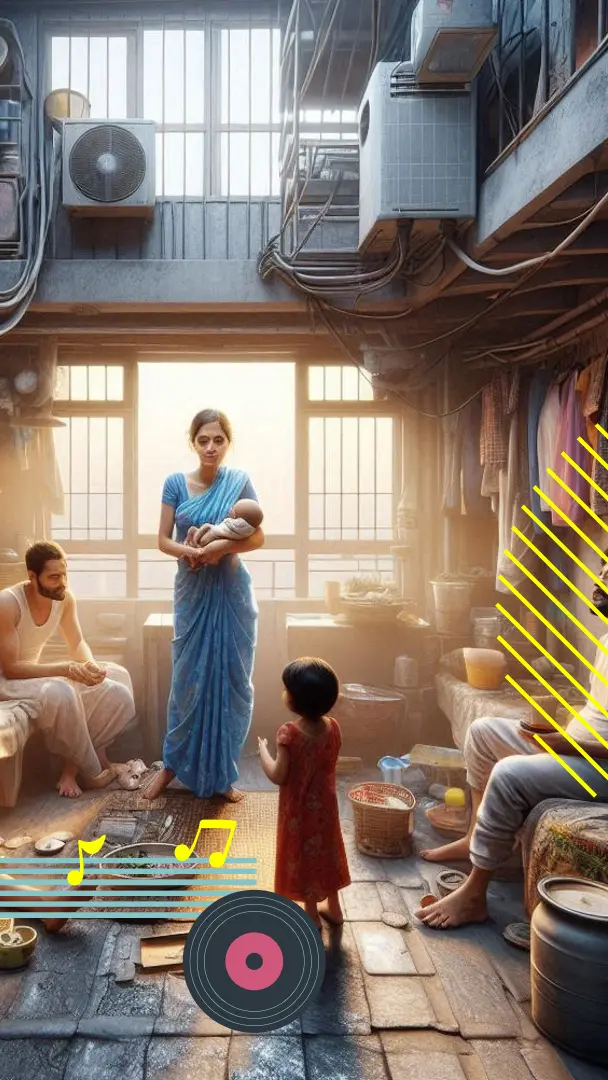
Imagine a family living in a small, cramped tenement, constantly exposed to pollution and crime. Even if their house technically qualifies as “pucca,” their living conditions are far from ideal. We need to include parameters that capture overcrowding, safety, and access to basic amenities like running water and sanitation.
Women’s Health: A Holistic Approach
Women’s health is more than just maternal care. It’s about overall well-being, access to healthcare services, and reproductive autonomy. The MPI currently focuses on antenatal care and childbirth facilities, but we need to expand this to include other crucial aspects:
- Anaemia: Iron deficiency is a widespread problem in India, especially among women and children. Anaemia can have serious health consequences, leading to fatigue, weakness, and impaired cognitive function. Including anaemia as a parameter would highlight this critical issue and prompt targeted interventions.
- Family Planning: Access to contraception and family planning services is essential for women’s health and empowerment. By including this parameter, we can gauge the level of reproductive autonomy women have and identify areas where interventions are needed.
- General Healthcare: Women’s health needs go beyond pregnancy and childbirth. They need access to preventive care, screening for diseases, and treatment for a wide range of conditions. A comprehensive health parameter would capture these needs and ensure that women’s overall well-being is considered.
The Big Picture: Expanding the Scope
To truly capture the multidimensional nature of poverty, we need to consider a wider range of factors. Here are some additional parameters that could be included:
- Mental Health: Mental health is often overlooked in poverty assessments, yet it can have a significant impact on well-being and economic productivity. Including mental health indicators could help identify vulnerable populations and direct resources towards mental healthcare services.
- Social Support: The strength of social networks and support systems can play a crucial role in helping people cope with poverty and adversity. Including social support parameters would allow us to understand the social context of poverty and develop interventions that strengthen community ties.
- Environmental Factors: Access to clean air and water, exposure to pollution, and the impact of climate change are all factors that can exacerbate poverty and vulnerability. Incorporating environmental parameters would help us understand the link between poverty and environmental degradation and guide policies towards sustainable development.
By expanding the scope of the MPI, we can create a more comprehensive and nuanced picture of poverty in India, one that reflects the diverse experiences and challenges faced by millions of people.
The Need for New Data and Accurate Measurement
The MPI is a powerful tool, but like any instrument, its effectiveness depends on the quality of the data it’s built on. The current data, primarily from the Demographic and Health Survey (DHS), while valuable, may not fully capture the dynamic and evolving nature of poverty in India.
Fresher Data, Sharper Picture
The DHS is conducted every few years, which means there’s a time lag between data collection and the release of the MPI report. In a rapidly changing country like India, this can lead to outdated information. Policies based on old data might miss the mark, failing to address the most pressing deprivations faced by households.
To ensure the MPI remains relevant and actionable, we need to invest in more frequent and up-to-date data collection. This could involve conducting smaller, more targeted surveys in between the larger DHS rounds, or leveraging other data sources like administrative records and satellite imagery.
Beyond Surveys: A Multi-Pronged Approach
While surveys are essential, they’re not the only way to gather information about poverty. Qualitative research, such as interviews and focus group discussions, can provide valuable insights into the lived experiences of poverty and the challenges faced by different communities.
By combining quantitative data from surveys with qualitative insights, we can create a more nuanced and comprehensive understanding of poverty. This would allow policymakers to design more effective and responsive interventions.
Rigorous Analysis, Transparent Reporting
The accuracy and reliability of the MPI also depend on the methods used to analyse and interpret the data. It’s crucial that the methodology is transparent and open to scrutiny. This would ensure that the MPI is seen as a credible and trustworthy tool, which is essential for its widespread acceptance and use.
Policy Implications of the MPI: A Compass for Progress
The MPI isn’t just about numbers; it’s a compass that can guide us towards a more equitable and just society. By identifying the specific deprivations faced by households, it provides policymakers with a roadmap for targeted interventions.
From Data to Action: Targeted Interventions
Imagine this: in a village where the MPI reveals a high prevalence of child malnutrition, the government launches a targeted program to provide nutritious meals to children under five. Or in a region with low school attendance, scholarships are offered to girls from disadvantaged families. These are just a few examples of how the MPI can translate into real-world action.
By focusing on the most pressing needs in each community, the MPI allows for more efficient use of resources and maximizes the impact of poverty reduction efforts.
Empowering Communities: A Voice for the Voiceless
The MPI isn’t just a tool for the government; it’s a tool for the people. Armed with data from the MPI, communities can advocate for their needs and hold policymakers accountable. This fosters a more participatory and inclusive approach to governance, where the voices of the marginalized are heard and their concerns are addressed.
A Holistic Approach to Poverty Reduction
The MPI also underscores the importance of a holistic approach to poverty reduction. It reminds us that poverty is not just about income but encompasses various dimensions of well-being. To truly lift people out of poverty, we need to address their health, education, and living standards simultaneously.
The MPI and Sustainable Development Goals: A Global Perspective
The MPI is not merely a national yardstick; it aligns with the global crusade to eradicate poverty and inequality. The United Nations’ Sustainable Development Goals (SDGs), a universal call to action adopted by all UN member states in 2015, set ambitious targets for ending poverty in all its forms by 2030. The MPI serves as a powerful tool in helping India make strides towards achieving these goals.
A Compass for Progress
The MPI, with its multidimensional approach, aligns seamlessly with SDG 1 (No Poverty) and SDG 10 (Reduced Inequalities).

Tracking, Targeting, and Transforming
The MPI acts as a GPS for poverty reduction efforts. It helps track progress by highlighting areas where significant improvements have been made and where gaps remain. This data-driven approach allows for more targeted interventions, ensuring that resources are allocated where they are most needed.
For example, if the MPI reveals a high prevalence of child mortality in a particular region, policymakers can channel investments towards improving healthcare facilities, nutrition programs, and immunization coverage. Similarly, if low school attendance is identified as a persistent problem, targeted scholarships or incentives can be implemented to encourage children to stay in school.
Beyond Borders: Learning from Global Experiences
India is not alone in its fight against poverty. The global community is united in its commitment to achieve the SDGs. The MPI provides a common language for understanding and measuring poverty, facilitating cross-country comparisons and learning from global experiences.
The 2023 Global Multidimensional Poverty Index (MPI) report, which covers 110 developing countries, provides valuable insights into the state of multidimensional poverty worldwide. By comparing India’s MPI to that of other countries, we can identify areas where we excel and areas where we can learn from others.
Critiques and Controversies: Navigating the Challenges
While the MPI has garnered praise for its comprehensive approach, it hasn’t escaped criticism. Some experts have raised concerns about its methodology, data sources, and potential for misuse. Let’s address these concerns head-on.
The Choice of Indicators: Are They Enough?
One common critique is that the 12 indicators used in the MPI might not fully capture the complexity of poverty in India. For instance, the current indicators don’t explicitly address mental health, social exclusion, or access to information and communication technologies. Some argue that these dimensions are crucial for understanding well-being and should be included in future iterations of the MPI.
Data Collection: Ensuring Accuracy and Representation
Another concern is the reliance on survey data, which can be subject to sampling errors and biases. It’s important to ensure that the data collection process is rigorous and representative of the entire population. This involves using appropriate sampling techniques, ensuring high response rates, and minimizing non-response bias.
The Politics of Poverty Measurement: Guarding Against Manipulation
Like any data-driven tool, the MPI can be susceptible to political manipulation. Governments might be tempted to cherry-pick data or manipulate indicators to present a more favorable picture of poverty reduction. To safeguard the integrity of the MPI, it’s crucial to maintain transparency and independence in data collection and analysis.
Alternative Approaches to Measuring Poverty: A Broader Toolkit
The MPI is not the only tool in the toolbox for measuring poverty. Other approaches, such as the Human Development Index (HDI) and the Multidimensional Poverty Peer Network (MPPN), offer different perspectives and insights.
The Human Development Index (HDI)
The HDI is a composite index that measures average achievement in three basic dimensions of human development: a long and healthy life, being knowledgeable, and having a decent standard of living. Unlike the MPI, the HDI doesn’t focus on deprivations but rather on overall achievements.
The Multidimensional Poverty Peer Network (MPPN)
The MPPN is a global network of researchers and policymakers working to improve the measurement and understanding of multidimensional poverty. It promotes the use of multidimensional poverty indices and fosters collaboration between countries.
Technology as a Catalyst: Leveraging Innovation for Poverty Reduction
In the fight against poverty, technology isn’t just a tool; it’s a game-changer. With its ability to reach remote areas, bridge gaps in access, and empower individuals, technology is revolutionizing poverty reduction strategies. Let’s explore some key areas where technology is making a real difference:
Financial Inclusion: Banking for All
Gone are the days when banking was limited to brick-and-mortar branches. Mobile banking and microfinance apps have democratized access to financial services, particularly for those in rural and underserved areas. Now, anyone with a basic mobile phone can open a bank account, transfer money, and even apply for small loans, fostering entrepreneurship and economic empowerment.
Healthcare: A Doctor in Your Pocket
Telemedicine has emerged as a lifeline for those who lack access to healthcare facilities. Through mobile apps, patients can consult with doctors remotely, receive diagnoses, and even get prescriptions delivered to their doorstep. This is particularly beneficial for people living in remote areas or those with limited mobility.
Wearable devices and health tracking apps empower individuals to monitor their health, identify potential risks, and take preventive measures. This is especially crucial for managing chronic conditions like diabetes and hypertension, which disproportionately affect vulnerable populations.
Education: Learning Without Limits
Technology is breaking down barriers to education, making learning accessible to everyone, everywhere. Online courses, digital resources, and virtual classrooms are providing quality education to those who were previously excluded due to geographical or financial constraints. The COVID-19 pandemic has further accelerated the adoption of e-learning, proving its potential to revolutionize education delivery.
Agriculture: Sowing the Seeds of Prosperity
For millions of Indians who depend on agriculture for their livelihoods, technology is transforming the way they farm. Precision farming techniques, powered by sensors and data analytics, enable farmers to optimize crop yields, reduce water consumption, and minimize the use of pesticides. This not only boosts their income but also contributes to environmental sustainability.
Mobile apps are connecting farmers directly to buyers, eliminating exploitative middlemen and ensuring fair prices for their produce. This empowers farmers, strengthens local economies, and contributes to food security.
Energy Access: Powering Up Lives
Access to clean and affordable energy is a fundamental right, yet millions of Indians still lack it. Technology is bridging this gap through innovative solutions like solar panels and clean cooking stoves.
Solar panels are providing electricity to off-grid communities, enabling children to study at night, powering businesses, and improving healthcare facilities. Clean cooking stoves are reducing indoor air pollution, a major health hazard, and empowering women by freeing them from the time-consuming task of collecting firewood.
Data-Driven Policies: Informed Decisions for a Better Future
The use of technology goes beyond individual interventions. It’s also transforming the way policymakers approach poverty reduction. Geospatial data and mapping tools help identify areas with the highest concentration of poverty, allowing for more targeted and effective allocation of resources. Predictive analytics can forecast poverty trends, enabling governments to proactively address potential challenges.
Conclusion: The Path Forward
The fight against poverty is a marathon, not a sprint. It requires a multi-faceted approach that addresses the complex and interconnected challenges faced by millions of Indians. The National Multidimensional Poverty Index (MPI), while not without its flaws, offers a valuable framework for understanding and measuring poverty. By embracing a multidimensional perspective, leveraging technology, and refining our data collection and analysis methods, we can chart a path towards a more equitable and prosperous India.
The road ahead is not without its challenges. We must grapple with the critiques of the MPI, ensuring that it remains a reliable and relevant tool. We must invest in data collection and analysis to ensure that our policies are informed by accurate and up-to-date information. And we must harness the power of technology to create innovative solutions that reach the most marginalized and vulnerable.
But the rewards of this journey are immense. A poverty-free India is not just a dream; it’s a possibility within our reach. By working together, by learning from each other, and by leveraging the tools at our disposal, we can create a brighter future for all.
Join the Discussion
Your opinion matters! We invite you to express your views. Join our forum, engage in thoughtful discussions, share information, and submit your content. Let’s delve into diverse perspectives together.
Call to Action: Your Role in the Fight Against Poverty
[bbp-single-topic id=6506]
The fight against poverty is not just the responsibility of governments and policymakers. It’s a collective responsibility that requires the participation of every citizen. Here’s how you can contribute:
- Educate yourself: Learn about the various dimensions of poverty and the challenges faced by different communities.
- Support organizations: Donate to or volunteer with organizations working to alleviate poverty.
- Advocate for change: Speak up about poverty issues and demand action from your elected officials.
- Share your ideas: Contribute to the ongoing conversation about poverty reduction strategies.
- Embrace technology: Use technology to connect with and support those in need.
Remember, even small actions can make a big difference. By working together, we can create a more equitable and just society where everyone can thrive. The journey to a poverty-free India begins with each one of us.
Subscribe to Newspatron YouTube Channel
