


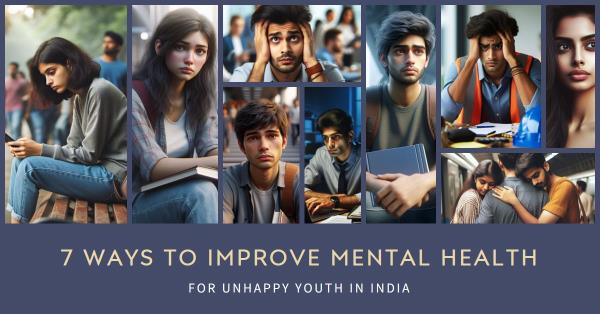

Mental healthcare in India is often seen as a realm shrouded in stigma, limited resources, and a lack of understanding. Yet, amidst these challenges, a quiet revolution is underway, led by individuals and organizations determined to bring mental wellness to the forefront.
This blog post delves into the inspiring story of Dr. Anand Nadkarni and the Institute of Psychological Health (IPH), a pioneering force in transforming the landscape of mental healthcare in India. Through a unique blend of social entrepreneurship, community engagement, and a holistic approach to well-being, IPH is breaking down barriers and creating a more inclusive and supportive environment for all.
Join us as we explore the innovative strategies, unwavering dedication, and remarkable impact of IPH, offering a glimpse into a future where mental healthcare in India is accessible, affordable, and stigma-free.
And hey, after you’ve soaked up all this knowledge, why not take a break and check out some awesome drone footage? Head over to DroneMitra (old channel) for some “Digital Sky” vibes, or get your curiosity fix at Newspatron – “Let Curiosity Be Your Guide”! 😉
Introduction
In India, a staggering one in seven individuals grapple with mental health disorders, a figure that has nearly doubled since 1990. This alarming statistic underscores the pressing need for accessible and effective mental healthcare in a nation where stigma and limited resources often overshadow the conversation.
This blog post takes you behind the scenes of a groundbreaking initiative striving to reshape mental healthcare in India. We’ll delve into the work of Dr. Anand Nadkarni and the Institute of Psychological Health (IPH), featured in a compelling YouTube video in Marathi (Think Bank)
Watch: The Incident Explained
Date of Publication – 2nd October 2024.
Famous Quote in Marathi
“Jivanaachi Hodi Paisyachya Paanyawar Chaalte, He Tar Satyach Aahe, Pan Mhanun kai koni Paani Hodi Madhye Saathwat Naahi”
Meaning
“It’s true that life’s is a boat. This boat sails on the water of money, but that doesn’t mean anyone should more and more storage of money on the boat while sailing.”
This metaphor beautifully captures the delicate balance between the necessity of money and the pursuit of a fulfilling life. Here’s a breakdown of its soulful meaning:
- Life is a Journey: The boat symbolizes our life’s journey. We are all navigating through the waters of time and experience, heading towards an unknown destination.
- Money as Fuel: Just as a boat needs water to sail, we need money to navigate through life. It provides us with basic necessities, security, and opportunities. It’s the fuel that propels our journey forward.
- The Danger of Hoarding: The phrase cautions against excessive accumulation of “money on the boat.” This refers to the tendency to hoard wealth, prioritizing financial security above all else.
- Weighting Down the Soul: Just as overloading a boat can cause it to sink, excessive focus on accumulating wealth can weigh down our soul, hindering our ability to truly experience life’s richness. It can lead to greed, anxiety, and a neglect of other important aspects of life, like relationships, personal growth, and contributing to something larger than ourselves.
- Finding Balance: The message is not to disregard money entirely, but to find a balance. We need money to sustain our journey, but it shouldn’t become the sole purpose of our voyage.
- The True Treasure: The metaphor encourages us to focus on the experiences, connections, and growth we gather along the way – the true treasures that enrich our lives and make our journey meaningful.
In essence, this saying reminds us that life is about more than just accumulating wealth. It’s about finding joy in the journey, connecting with others, and making a positive impact on the world. Money is a tool to facilitate this journey, not the destination itself.
Dr. Nadkarni, a passionate advocate for mental wellness, shares his insights on how IPH is tackling the challenges and transforming the landscape of mental healthcare through social entrepreneurship and a holistic approach.
But before we dive in, if you’re interested in learning more about the specific mental health challenges faced by young people in India, check out our previous blog post: 👉 Learn more about the mental health challenges faced by Indian youth and discover practical solutions in our latest blog post. Tap the link to read more: https://newspatron.com/mental-health-of-youth-in-india/
This post is part of our ongoing exploration of public health issues, and we encourage you to join the conversation in our forums. Your voice matters! Now, let’s get back to the inspiring story of Dr. Nadkarni and IPH.
Join the Discussion
Your opinion matters! We invite you to express your views. Join our forum, engage in thoughtful discussions, share information, and submit your content. Let’s delve into diverse perspectives together.
Mental Healthcare in India: A Changing Landscape
Historically, mental health in India has been shrouded in stigma, often viewed through the lens of superstition and misunderstanding. Individuals facing mental health challenges often encountered judgment, isolation, and limited access to proper care. However, the tide is gradually turning.
While challenges persist, there’s a growing awareness of mental well-being and a gradual shift in attitudes. Campaigns like the Live Love Laugh Foundation’s #NotAshamed and Dobara Poocho initiatives are encouraging open conversations and challenging deeply ingrained stigma. “The Live Love Laugh Foundation (TLLLF), founded by actress Deepika Padukone, has been instrumental in raising awareness about mental health,” as stated on their website (Live Love Laugh Foundation). Public figures like Deepika Padukone, who has bravely shared her own struggles with depression, are inspiring others to seek help and speak openly about their experiences. The National Tele Mental Health Programme, launched to enhance access to quality mental health counseling and care services, is another step in the right direction (Drishti IAS).
Amidst this evolving landscape, Dr. Anand Nadkarni and the Institute of Psychological Health (IPH) have emerged as pioneers. Dr. Nadkarni, a psychiatrist with over three decades of experience, has championed a holistic approach to mental health, integrating psychological, social, and biological factors into his practice (IPH Pune). In 1990, armed with a vision for change, he founded IPH, starting with just three rooms and an unwavering commitment to transforming the perception of mental health (Healthy Mind).
In those early days, IPH faced an uphill battle. Stigma was rampant, resources were scarce, and cultural barriers loomed large (Healthy Mind). Yet, Dr. Nadkarni persevered, introducing innovative approaches like the biopsychosocial model and community engagement programs like Jidnyasa and VEDH (IPH Pune). These initiatives, along with support services such as the “Maitra” helpline, have been instrumental in destigmatizing mental illness and providing much-needed support (IPH Pune).
Maitra Helpline
Contact : 703 703 8737
Monday to Saturday: 10am to 06pm
Email : maitra@healthymind.org
IPH: A Holistic Approach to Mental Wellness
At the core of IPH’s philosophy lies the belief that mental wellness is not merely the absence of disorder, but a state of overall well-being encompassing emotional, social, and psychological dimensions. This is reflected in their unique “Three Ds” approach: Disorder, Distress, and Development.
Disorder: IPH provides a comprehensive range of clinical services to diagnose and treat various mental health disorders. This includes psychiatric evaluations, medication management, and psychotherapy, with specialized clinics for conditions like depression, anxiety, and schizophrenia. “IPH’s multidisciplinary team of professionals ensures that individuals receive personalized treatment plans tailored to their specific needs,” as described on their website (Services | IPH – ipophealth.org).
Distress: Recognizing that everyday life can bring its share of emotional challenges, IPH offers counseling and support groups for individuals of all ages. They provide a safe space for people to share their experiences, learn coping strategies, and receive emotional support. Moreover, their crisis intervention team offers immediate assistance to those facing acute mental health crises (Services | IPH – ipophealth.org).
Development: IPH goes beyond addressing immediate concerns by focusing on personal growth and empowerment. They conduct educational programs in schools, colleges, and workplaces, promoting mental health awareness, stress management, and emotional intelligence. Their vocational training programs empower individuals with mental health conditions to develop valuable skills and achieve economic independence (Services | IPH – ipophealth.org).
This holistic approach extends to their diverse initiatives. Muktangan, their educational program, provides holistic learning experiences to children from underserved communities, emphasizing inclusivity and community engagement. “Since its inception in 2003, Muktangan has impacted over 4,000 children and provided livelihood opportunities to over 800 community members,” demonstrating their commitment to social change (About Us – Muktangan).
Family support groups like Parivartan offer a platform for families to connect, share experiences, and learn how to better support their loved ones with mental health conditions. Through workshops and seminars, IPH empowers families with knowledge and resources.
Community outreach programs, such as Jidnyasa (adolescent sensitization) and VEDH (vocational training), address specific needs within different demographics. The Maitra helpline provides immediate support and counseling to those in distress, ensuring accessibility even in remote areas.
Address: Stree mukti sanghatana, 31, Shramik, Royal crest, 1st flr, Lokmanya Tilak vasahat rd.no. 3, Dadar(east), Mumbai – 400014.
Contact: +91 22 24174381
Email: smsmum@gmail.com smsdadar@gmail.com
Website: www.streemuktisanghatana.org
Social Entrepreneurship in Mental Healthcare: Balancing Mission and Market
IPH embodies the spirit of social entrepreneurship, skillfully balancing its social mission with a sustainable business model. They’ve recognized that to create lasting change, mental healthcare in India needs to be both impactful and financially viable.
One of their key strategies has been to proactively create a “felt need” for their services. Through community engagement programs, workshops, and media campaigns, they’ve tirelessly educated the public about mental health issues, breaking down stigma and encouraging help-seeking behavior. “By utilizing social media, local newspapers, and radio, IPH shares success stories and expert advice, highlighting the importance of seeking professional help,” as described in their outreach materials (Program Brochure IMPETUS – IPH Pune). Collaborations with local influencers and celebrities further amplify their message, reaching wider audiences.
To achieve financial sustainability, IPH has adopted a multi-faceted approach. Their corporate training wing, IMPETUS, offers a range of programs, including stress management workshops, emotional intelligence training, and psychometric assessments. “These programs are designed to enhance emotional regulation and mental well-being in the workplace,” contributing to a healthier and more productive workforce (IMPETUS – IPH Pune). They also offer customized training programs and outdoor experiential learning to cater to specific organizational needs (Customized training Programs – IPH Pune).
Alongside corporate training, IPH utilizes a fee-for-service model for those who can afford it, allowing them to subsidize costs for those in need. They actively pursue grants and donations, and even operate social enterprises, such as vocational training centers, which empower individuals with mental health conditions while generating income.
This balancing act comes with ethical considerations. IPH strives to maintain accessibility and affordability while upholding the highest standards of care. “They invest in continuous staff training and regularly review their service delivery models to ensure quality,” as stated in their annual report. Transparency and accountability are paramount, with regular reports detailing their financial activities and program impact. They are also committed to ethical fundraising, carefully selecting partners whose values align with their mission.
The Power of Trust and Relationships in Mental Healthcare
IPH recognizes that trust and strong relationships are the cornerstones of effective mental healthcare. They’ve woven this understanding into the fabric of their organization, fostering a culture of empathy, collaboration, and continuous improvement.
Building trust with clients begins with the first interaction. IPH therapists prioritize empathy and active listening, ensuring that clients feel heard and understood. “This approach helps clients feel comfortable sharing their concerns and vulnerabilities,” explains Dr. Nadkarni (Volunteer Engagement: Strategies, Surveys, and Best Practices). Transparency is key, with clear communication about treatment plans, potential outcomes, and costs. Consistency and reliability in service delivery further solidify this trust, assuring clients that IPH is a steadfast partner in their journey towards mental wellness (Research – Initiative for Strategic Volunteer Engagement).
Within the IPH team, trust and collaboration are equally valued. Regular team-building activities and workshops strengthen relationships and foster a supportive work environment. “By promoting open communication and shared decision-making, IPH empowers its team to provide the best possible care,” as highlighted in their internal training materials (5 Steps to Restore Trust in U.S. Health Care – Harvard Business Review).
IPH’s approach to volunteer engagement is exemplary. They recruit passionate individuals through various channels, including social media and partnerships with educational institutions (TRUST Building trust – Johns Hopkins Center for Health Security). Comprehensive training programs equip volunteers with the necessary skills and knowledge, while ongoing support and opportunities for growth ensure their continued engagement (33 Best Practices For Volunteer Organizations | VolunteerHub). Volunteers gain valuable experience and a sense of fulfillment, while IPH benefits from their diverse skills and extended community reach (Strategic Volunteer Engagement).
Continuous improvement is another pillar of IPH’s approach. Formal feedback mechanisms, including surveys and suggestion boxes, allow clients, volunteers, and staff to share their perspectives (33 Best Practices For Volunteer Organizations | VolunteerHub). Regular quality audits ensure that services meet established standards, and ongoing training keeps the team updated on the latest best practices (33 Best Practices For Volunteer Organizations | VolunteerHub). Client satisfaction surveys provide valuable data for making informed improvements (33 Best Practices For Volunteer Organizations | VolunteerHub).
Conclusion
As we conclude our exploration of IPH’s journey, several key takeaways stand out. Their holistic approach to mental wellness, encompassing disorder, distress, and development, sets a new standard for comprehensive care. Their impact on individuals and communities is undeniable, from providing clinical services to empowering individuals through vocational training and education.
Looking ahead, the future of mental healthcare in India holds immense promise. Imagine a society where mental health is openly discussed and accepted, where high-quality care is accessible and affordable for all, and where integrated support systems ensure overall well-being. This vision can become a reality through collaborative efforts between the government, the private sector, and NGOs, fueled by the dedication of organizations like IPH.
We all have a role to play in this transformative journey. Prioritize your mental health and seek professional help if needed. Support organizations like IPH through donations, volunteering, or participating in their programs. Spread awareness about mental health issues and the importance of seeking help. Get involved in mental health advocacy and support initiatives in your community.
Together, we can create a future where mental wellness is a priority for everyone.
Join the Conversation!
We encourage you to share your thoughts and experiences on mental healthcare in India in the NewsPatron forums. Let’s continue the conversation and work together towards a more supportive and inclusive society.
[bbp-single-topic id=6308]
Spread the Word!
If you found this blog post informative and inspiring, please share it on social media. Help us spread awareness about mental health and the incredible work being done by organizations like IPH.
Explore More!
NewsPatron offers a wide range of content on various topics, including Politics, India, International, Entertainment, Astrology, Bollywood, Defence, Technology, Software & Apps, Auto, Gadgets, AI, IT, and Travel. Dive in and explore our diverse categories to stay informed and engaged.
